
the district candidate with Kate Schaffer.
Kate Schaffer, a candidate for Arkansas State House Representative for District 10. We discuss her involvement in the District, her vision, and her campaign as she seeks election.
Arkansas State House, District 10.
season 1, ep. 41
listen.
episode notes.
the district candidate with Kate Schaffer.
Episode 41 features Kate Schaffer, a candidate for Arkansas State House Representative for District 10. We discuss her involvement in the District, her vision, and her campaign as she seeks election.
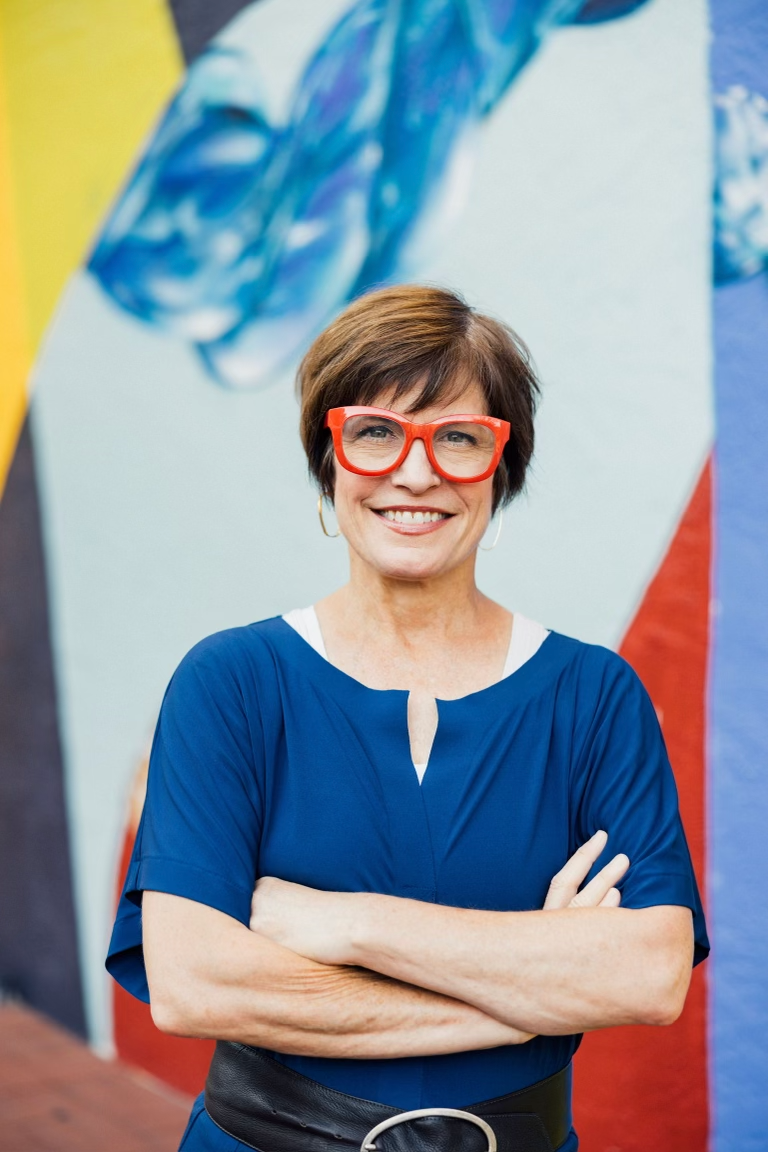
about Kate Schaffer.
Kate Schaffer is an Arkansas native who has used her public relations background in support of a wide range of non-profit organizations since 2003. Kate grew up in Central Illinois. She graduated from Baylor University in 1989 with dual B.A. degrees in Russian Studies and History. Upon graduation Kate lived in Dallas, Texas and worked for Maxus Energy in Investor Relations before joining Children’s Medical Center of Dallas as a Community Organizer. In 1995 she moved to Washington DC to join the National SAFE KIDS Campaign as District of Columbia SAFE KIDS Coalition Director, a position she served in until 2003.
Kate and her family returned to Arkansas in 2003 to be near her family in Hot Springs. Since her return to the Natural State, Kate has “retired” from the working world, and began a new volunteer career supporting various non-profits. From 2003 to 2017 Kate worked for a broad array of non-profit organizations in Hot Springs including Circle of Friends for Arkansas Children’s Hospital, the Ouachita Children’s Center, the Hot Springs Area Cultural Alliance, First United Methodist Church, and the Hot Springs Documentary Film Festival. Upon moving to Bentonville, Arkansas in 2017 Kate became a volunteer at Crystal Bridges Museum of American Art, First United Methodist Bentonville, the Arkansas Children’s Hospital Foundation Board and several political campaigns. She is also a cabinet member of Emerge Arkansas.
Kate and her husband Greg have two children; 22 year-old Jenna is fulfilling an Americorp assignment in Portland, Oregon, and 25-year-old Isaac is an associate merchant at Walmart. Kate and Greg live in Bentonville with their two dogs, Cossette (Cozy for short) and Snoop Dogg, and their cat, Scratch.
episode notes & references.
https://www.schafferforarkansas.com/
episode transcription.
[00:00:00]
episode preview.
kate schaffer.: I think ... part of wholeness is that everybody's tuned in win or lose this race. I am going to be passionate about civic engagement for the rest of my life. Think the other thing I think about wholeness is that we're paying attention to the new Bentonville, the old Bentonville, the poor, the rich, the business, and the biking. And that we are a great place, that District 10 is a great place for all of the people, and if you can't hear that in my voice, all with capital letters. All of the people, not just some of the people. [00:01:00]
episode introduction.
mike rusch.: You're listening to The Underview, an exploration in the shaping of our place. My name is Mike Rusch, and we're back with a series of bonus episodes that relate to the upcoming elections for state offices. And throughout the course of all of the conversations of The Underview, We have had the opportunity to dig really deep into the region's opportunities and challenges.
And now, we enter a season of deciding who will lead our community. We have an incredible privilege of deciding together who will be elected, and asked to meet our community's challenges and take advantage of its opportunities. And as you've seen, this decision of who our elected leaders are, it really matters.
So the episodes ahead are an opportunity to hear directly from those seeking public office, to hear their beliefs and their values, and why they should be entrusted with one of our most sacred responsibilities. And that's the responsibility of representing our community in the public square. [00:02:00] So today I have the opportunity to speak with candidate for Arkansas State House District 10, Kate Schaffer.
Kate is an Arkansas native who has used her public relations background to support a wide range of non profit organizations since 2003. Kate grew up in Central Illinois and she graduated from Baylor University in 1989 with dual Bachelor of Arts degrees in Russian Studies and History.
Upon graduation, Kate lived in Dallas, Texas and worked for Maxis Energy in the Investor Relations Department before joining Children's Medical Center of Dallas as a community organizer. In 1995, she moved to Washington, D. C. to join the National Safe Kids Campaign as the District of Columbia's Safe Kids Coalition Director, A position she served in until 2003.
Kate and her family returned to Arkansas in 2003 to be near her family in Hot Springs, and since her return to the natural state, Kate has quote unquote retired from the working world and began a new volunteer career supporting many non profit organizations.
From 2003 until 2017, Kate worked for a broad array of non profit organizations in Hot [00:03:00] Springs, including the Circle of Friends for Arkansas Children's Hospital, the Ouachita Children's Center, Hot Springs Area Cultural Alliance, First United Methodist Church, and the Hot Springs Documentary Film Festival.
When she moved back to Bentonville in 2017, Kate became a volunteer at many organizations, including Crystal Bridges Museum of American Art, First United Methodist in Bentonville, the Arkansas Children's Hospital Foundation Board and several political campaigns. She is also a cabinet member of Emerge Arkansas.
Kate and her husband, Greg, they live in Bentonville. They have two children and they have two dogs. Kate's complete biography is available on the episode webpage. Please go check that out.
And one last thing before we begin, I'm going to explain again, the format of these conversations.
First, these are the candidates who have officially filed to run for local office. Second, both interviews were conducted within a few days of each other. And I use the same set of basic questions. And those questions were provided to both candidates in advance. Third, neither candidate had the opportunity to hear the others interview before I spoke with them.
These are not debates, but they're long form conversations based [00:04:00] on the same principles of dialogue that have been used for every conversation within the underview.
It's a desire to understand the values being used to make decisions on how a candidate, if elected, would represent their constituency. This is an exploration in the shaping of our place, an exploration to find a collective understanding of the things that we believe about ourselves and our place. It's something that I call a "communal theology of place," and that serves as a foundation for building a shared and hopeful future.
All right, we've got a whole lot to cover today. Let's go ahead and jump in with Kate. I hope you'll enjoy this conversation.
main episode interview.
mike rusch.: Kate. Good morning. Thank you for sharing a table with me. I'm humbled to be able to sit here and to hear your story. And yeah, I get to know the work that you've been doing for our community and the work that you want to do as Arkansas State House District 10 representative. And so thanks for sharing a table with me.
kate schaffer.: Good morning. I'm just humbled to be here. And I thank you for asking me.
mike rusch.: Absolutely. Let's do this. Let's start with your story. I'm really curious your background and what you feel like you want people to know about you.
kate schaffer.: [00:05:00] Sure. I always I start my stump speeches by saying I'm a fourth generation Arkansans.
So I'm going to start there on my mom's side four generations and was born in Little Rock. And when I was about two, my dad moved us up to central Illinois. He was a contractor a fun fact that sort of connects me to the legislature that in the forties, my dad worked with his dad and brother in construction.
They had a construction company called TriStar and they built the governor's mansion. And there he's actually pictured in a book. I'm trying to think of the name of the book, open houses or something that's about like historical Arkansas buildings. And he had some, financial difficulty in the late sixties and he started going around and doing contracting actually for HUD housing.
And that took him to the St. Louis area. And then he connected with with a guy in central Illinois who needed his expertise. Which was like kind of infrastructure, construction, sewers, drains, water, that kind of thing. And so he moved us up there and my mom was a, [00:06:00] died in the wool, Arkansan, and she actually went to two years of a girl's college in Godfrey, Illinois, which was very close to where we moved. She said she thought she was going to the North Pole when she went there in 1948. So when my dad said, guess what, we're going back to central Illinois 20 years later, she's, she had reservations, I'll say that much, but they did move there, made it their home. And that's really where I grew up. Very small farm town in the middle of Illinois, but Arkansas was always like a draw.
My grandparents were here, so we came back all the time to be with them. We actually did end up moving them up there eventually because they were starting to have health decline. And then when I was in junior high, my parents were looking to retire and they bought a condominium in Hot Springs with the idea that they were going to retire like within the next five years. But that did not happen until I was already out of college, but we came back all the time, to Hot Springs. We would come down in the summer. Summer can't quite figure that one out since it was probably like 100 degrees, but probably because I was out of school.
I say I had [00:07:00] a conventional and yet unconventional upbringing because when my mom married my dad, he had three children, was a widower. And when I was born, they were 36 and 46. So I had siblings who were in their twenties when I was born. My full sister was eight years older than I was. So I think you could say I was raised like an only child and in a very sort of adult fashion, we didn't go to Disney world. We didn't go on vacations like that.
My parents were. Expected me to roll as an adult, and part of that was knowing what's going on around you. And that was really important in my family. Like you had to know current events. There was really no small talk at the dinner table. It was What's happening with the cold war? Cause we're talking about the mid eighties here. What's happening with Iran Contra? Pretty high level conversations going on at my house. And on top of that, my dad and mom were both. Very civically engaged, both of them outside of my dad's, normal [00:08:00] business. He was really active with Elks Lodge, Crime Stoppers.
My mom was, United Way, United Way Board, March of Dimes, I could just go on and on. It was, really important and handed down to me that you leave your community better than you found it. And on top of that, voting was. You voted the minute you turned 18. And dad used to talk to us about, these small city races like city council.
And, sometimes they're decided by one vote and your vote matters even when you don't think it matters. So that's the environment I was brought up in. Very, my mom was very religious. My dad was was Jewish, but raised in Mississippi. So I'd say pretty unconnected to his religion. And that was pretty much up to my mom.
And not only are we four generations of Arkansans, but we're four generations of Methodists. There's a, there's an old lore story about my great grandmother that she. When she would meet people, or I [00:09:00] think it was when she met my dad she took him in the backyard to have a little chat. And basically she said, of course, we're talking about the fifties in the South, right?
That you better be a Methodist and a Democrat, or you should be ashamed. So this is, going way back in my mom's side of the family. But growing up, I was raised in a really conservative home. My, my parents were both, staunch Republicans, very very, I remember when Watergate was on TV and they supported Nixon, but there were lots of conversations.
And at that time, all I could think of was I want my cartoons back. But as I grew up and as I aged. It was really part of my family that you were expected to know what was going on in the world around you.
mike rusch.: I feel like I have a hundred more questions. It's not what it, number one, it sounds like a beautiful family. But I love the intentionality that it sounds was present there. So yeah,
kate schaffer.: they were very intentional. And yet, because I was an only child, my sister was, went to college when I was in fourth grade. Yeah. We ate dinner together every night, they were able to [00:10:00] schedule life around me, my extracurricular activities, but we were always expected to come sit at the dinner table engage in conversation.
My parents went to every drill team, dance competition, they went to everything that all of my extracurriculars, they were there all the time. So in that way, it was a pretty conventional upbringing. Yeah.
mike rusch.: Yeah, thank you so much. I bring us closer here to Northwest Arkansas. Obviously I'd love to understand what does this place mean to you now today?
kate schaffer.: Yeah, let me let me talk for just a minute about how we got to Arkansas. Cause I left that out of the conversation. So I met my husband, Greg, and we're getting ready to celebrate 29 years in January when I was living in Dallas, but I was in DC for a conference and a friend of ours set us up unintentionally on a blind date.
And about a year later I moved there and we were married and thought that was, going to be it for us to settle there. That was the beginning of my decade long [00:11:00] career working in for a non profit, was a sort of program of Children's Hospital, and I had worked for the Children's Hospital in Dallas, but it was called the National Safe Kids Campaign, and we really worked on preventing unintentional injuries to children, so thinking about things like car seats seat belt safety, poison control, safe storage of guns, things like that.
And I organized the D. C. Safe Kids Coalition, and I also was responsible for the Mid Atlantic State, so I did a bit of travel, but really learned a lot about, community organizing, working together, getting people from all different walks of life to come together about one cause. And I had just had my second child, Jenna, who was born in the early 2000s, and we were sitting in the basement in a snowstorm, and Greg just said, you've talked about moving back to Arkansas and being near your parents since we met.
He said, I think it's time. And I looked at him and it was like what are you going to do in Arkansas? I can probably find a nonprofit job, but he had a really specialized career in cybersecurity and the law. And so I [00:12:00] was like a little bit worried about how that was going to work.
But we were able to make that work. He worked remotely for a big accounting firm on the consulting side. That was how he was able to get us back there in the beginning and then it didn't take him long to find work. But at that time I decided that given kind of Greg's job trajectory, I was gonna stay home and raise my kids.
And so we moved to Hot Springs in 2003. And so that would put us 21 years in Arkansas and loved it there. I, always been a joiner. Even though my first priority was Isaac and Jenna, I am, was involved in all kinds of, community work on the board of the Children's Center, worked did a lot of work for Arkansas Children's Hospital, still do actually still sit on their foundation board.
Became involved in the Sister City program there with Hanamaki, Japan. started an arts festival with a friend of mine that's still flourishing. This group that we started worked [00:13:00] on bringing like arts organizations together and opening up get making people more knowledgeable about the level of talent we had there with our local artists and studio artists anyway.
So we really, thought Hot Sprays was it for us. And then in 2009, we went back to D. C. for three years because Greg got called to work under Obama at Homeland Security and we couldn't pass that up. But we came back three years later. And really, again, thought that was going to be it for us until a large corporation called and Greg got recruited to come up here in 2017.
And so that was a really big transition year for me in terms of, I, what am I going to do as the next chapter? I turned 50 that year. And I had one still in high school, but imminently leaving. But my mom's dementia was on a big decline and we moved her here. And so then I found myself even more involved in her daily life than I'd been before.
And we'd always been really close and I, we were helping her. But then it became like [00:14:00] daily visits, taking her to the doctor, making sure I found a place for her to live, assisted living. So that's when I started to think about, I have got to get involved up here and what am I going to do with this community?
And just getting to know Bentonville because, we're in Arkansas, but as you well know, couldn't be more different from where we lived in Hot Springs, like just the feel of it. So many people from all over the world, all over the country. And so I started looking around and thinking to myself, this area is amazing.
Look at all the arts and culture. We have great public schools. My daughter did 10th, 11th, and 12th grade and Bentonville high at Bentonville high. But I could see the growth and I was really starting to think about what could my place here look like? Got really involved at my, at first Methodist. And just walking around downtown and seeing everything flourishing.
And it felt like it was this really welcoming place, but then I started [00:15:00] invent looking, researching and looking into who represents us at Statehouse. And what does that look like? And when I found that out and I started looking at what legislation they were sponsoring and what they were doing, I thought, yeah, I don't feel like they really represent this area.
So where can I make a difference? And that's when I started volunteering for some political campaigns. And that kind of, was the trajectory of me getting involved in the local community.
mike rusch.: Talk to me a little bit more about the motivation to run for District 10 State Representative. This is this is the second time that you are running for this position. Sounds like that motivation has stayed high, but I'd love to dig into that a little bit more. If you would.
kate schaffer.: I, so I had the good fortune of working on one state house campaign in 2018 and then in 2020 I was volunteering with a state Senate campaign, both candidates like I really believed in. And so as I was doing that, I was really starting to pay more [00:16:00] attention to what was happening at our state house, then COVID hit.
Find yourself a lot of time on your hands inside reading. And so I continue to stay really involved in that. And so what I saw, one thing I remember distinctly is the momentary opened like February, I think 2020. And they put the big, you belong here sign on the side of it.
And so I saw that juxtaposition of this community wants to be really welcoming, but what are we passing at the state house to make people feel welcome? And so I thought, And I'm not gonna lie, people, there were people that I had worked with on campaigns who said, you really should run like you're passionate about it.
And quite frankly, a lot of people run for office with very intense day jobs. And I did not have a job in that fashion. And so I could make it my job to be really invested and the time that it [00:17:00] takes to run for office is pretty intense. And so people were saying this is, you got to do it like this is your time.
And what I saw is I felt like we needed someone who understood small town values, but statewide needs and also growth and change and how we were going to handle that. So when I ran in 2022, I got about 44 percent of the vote. That's 43. 8 being a round up a little bit. And I was like, okay, that's a big number of voters who are ready to turn the page.
And I felt like we ran the right kind of campaign, clean campaign, as did my opponent. And so I thought I'm going to do this again. I really honestly thought that I was going to do it again pretty quickly after I lost because I saw that there was a need and the need was only going to grow.
mike rusch.: I'm curious because so many of the conversations that I've been having, over the past year have been really focused around both the region, but also like, how what does this region look like? Our [00:18:00] city conversations growth, development, all of these things.
This is really the first conversation we've had that kind of takes us from Northwest Arkansas and what is our standing in the state? And so I would love your perspective as you think about this role to go to the house of representatives for the state to represent this district. Help us. understand and really think through what does that mean? What do you see your role in the, in that space?
kate schaffer.: So I think we are often seen as the golden egg, to the rest of the state. And I get that. I understand that I've lived in central Arkansas for a long time, but obviously my goal is going to be to represent district 10 well.
And when you think about things like our school funding, are we're growing, we have to, we're going to eventually have to build new buildings, right? And I've heard Dr. Jones talk about what that costs. So as a school district, are we getting a, are we getting fair shake? So that's one thing I think about because a large amount of our public [00:19:00] dollars go to fund public schools.
I think it's like in the high 40 percentile of the state budget. And I think about things like housing, for example. All of the surveys show that housing and transportation and infrastructure are like people's top issues up here. And what actually are causing people to say that the quality of life is getting a little bit less rosy.
If you look at it, the numbers are still high that we have a great quality of life, but they're not what they used to be. And I think Six or seven years ago when you look at the surveys and so let's, I look at that role as I could be a leader in the state house for innovative solutions to our housing issue and what we could be doing around that, like what role does the state play?
Because yes, for the most part, those roles are very city led, right? You think about rezoning and development and things that really our city council makes a lot of decisions on. But for example, our ARDOT, Arkansas Department of Transportation, they're responsible for a [00:20:00] lot of the roads up here.
And so how are we interacting with them? Are we communicating the needs that are great and probably very different from anywhere in the state, except maybe Little Rock, but probably different from Little Rock too, because of our growth. I want to be that person. I want to be the partner who's making progress at the state level for things that affect the district.
On the other hand, there's legislation that is statewide that affects everybody. And Sometimes I think we're passing laws that are just harmful to people and I don't think there's a real reason behind them. And we are, I talk about this I'm thinking about this a lot. We're, we are attract, we are having to attract people to this area for jobs, right?
And we're about to open this incredible campus for, the largest company. In the world and how are we attracting people from all over the world and all over the country? What does that look like? Are we living out that example to be [00:21:00] a welcoming place?
mike rusch.: Thank you. I'm curious, like how would you, within that context, like how would you characterize the kind of what's at stake within this position in this election this year?
kate schaffer.: So I think a lot about what has changed, right? Since I ran last time. And so let me just talk about the Arkansas State House for a second. So we all know that Arkansas has seen a huge shift from blue to red over the last 10 years. Really, 2014 was a pivotal moment. And I'm one of those people that believes that government works best when you have a compromise and a balance.
And I think that we aren't seeing this at the national level. Most Americans are pretty sick of it. They want, they want, I think they want their leaders to compromise. And so what we've seen in the Arkansas state house is that there's just now a super majority. So for example, there are 18 Democrats out of a hundred seats in the state house.
And [00:22:00] in the Senate, I believe it's six democratic senators out of 35 or 36. Can't remember the exact number of state senators. And so that's a super minority. And I think what happens when power is in the hands of either party, when it's that extreme is you just get legislation that doesn't make sense because people aren't able to weigh in on that.
And that's only gotten worse over the last two to four years because we had a big redistricting. And the Democrats lost six or seven. And so what I see is I see a legislative body that's becoming more extreme and really less focus on, in my opinion, how do we help our Kansans lead better lives?
And so I'm, that's what I'm not on a mission to, flip it all the way. I'm on a mission to let us get us win, win a few seats, some competitive seats. So we have a voice at the table and that we have a voice in making some of this legislation, just bringing a little balance back.
mike rusch.: Thank you, Kate. It's super helpful to give some [00:23:00] context to how you're viewing the kind of the cultural moment that we're in today. But I'd love to know maybe for this district, what's your vision for it?
kate schaffer.: Sure. So let me go back just a little bit and talk about how. The last two years have gone, and then I'm going to talk about my vision, if that's okay. So in the 22 race, neither my opponent nor I had served. It was an open seat.
And so I'd say my platform's a little different because, I didn't quite know what to expect at that time. It's really difficult to run against somebody with no record, right? Because you can't really fairly compare yourself. And but when she won, then I, and I knew I was going to run again.
I did spend a lot of time in the last couple of years, just focusing on the state house and watching, her votes and how she what she sponsored or what she co sponsored. And so what I really saw was just a focus of cutting taxes and defunding public schools. And so I think that we changed so rapidly here in Bentonville.
[00:24:00] I feel like we need somebody who puts their constituents over party loyalty. And sometimes in my speeches I say like we need to help Arkansans. In my opinion at the Statehouse, our job is to help Arkansans earn more and learn more and to get ahead instead of just getting by. And we have a lot of people in Arkansas who just get by.
And frankly, we Bentonville who just get by. It's just that we Don't see that on a daily basis. And so we forget about it. And so I feel like we need representatives who are always listening to the citizens here to the citizens of district 10. And my vision is, they're saying we could triple in 26 years.
So what's that? Like 150, 000 or more. And that's just bentonville, right? When I was thinking about this in 10 years, I, so in 10 years we could be up to, what, a hundred thousand, something like that. I want people to look back and say wow, bentonville did it right. Like they kept their housing costs [00:25:00] reasonable.
People can bike to work. There are green spaces everywhere and we're already seeing that of course. They engineered the traffic lanes, right? Like I'm thinking about all the things that we have the chance to get right. And I want, what I really want is I want all people to say, I want to move. I'm going to move to Arkansas because economic growth is good.
I'm going to move to Northwest Arkansas. Housing is available, but just as importantly, I feel safe here. And I think that's the piece we're missing.
mike rusch.: I think within that, obviously to have a seat at the table in the state house is one thing. I'd love to know how you've been involved like in our community currently or in the past to, to help see those things achieved as well too.
kate schaffer.: So I serve on our public arts commission here and public art, but just access to art has always been really close to my heart. And one of my favorite things is to take people to crystal bridges and hear them say wait, there's no admission fee.
And I think that museum. best example of [00:26:00] democratizing art I've ever seen, and if you think about all of the kids or, and even adults who come there who will never ever step foot in another art museum, maybe haven't even left the state of Arkansas, so anyway, public arts very important.
near and dear to my heart. I'm on the board of the Arkansas Children's Hospital Foundation. So I've been really trying to serve as an ambassador for Children's Northwest. And just listening to parents talk about what a life changer it is for them not to have to get in a car and drive three hours for appointments, specialty care, and they're expanding.
So I'm really proud to be a part of that. I've been part of some civic engagement efforts through the went to the Rockefeller Institute and with some other folks here, we're just really trying to get people civically engaged and I'll just tell you it's not easy. It really isn't. And when, and just trying to communicate like the tie of civic engagement and civic health to like overall health of not just you, a person, but your community.
And then as far as like my political [00:27:00] engagement, I've been, an active part of the Democratic Party and helping them build a bench of leaders. And I'm on the board of something called Emerge Arkansas. It's actually a cabinet, not a board. And this is an organization, a nationwide organization that has invested in Arkansas at a time when frankly, A lot of large democratic groups have not, they forgotten about us and Emerge trains democratic women to run for office.
And I just see how it's really life changing for some of these women to think I can do this. I have a voice and a passion. So those are some of the ways that I've been involved over the last, five to six years here.
mike rusch.: When you talk about shaping this community and its culture I know one of the things that this community went through Memorial Day is tornadoes and really serves as a, an experience to probably understand our community a little bit better.
I'm curious what you saw during that time of maybe moving beyond civic engagement, but really just helping, what does it look like to help neighbors in those needs?
kate schaffer.: Yeah. Yeah. Yeah. So this the tornadoes came up a [00:28:00] lot in my mind when I was thinking through, some of these questions about what does Bentonville mean to you and, what have you seen?
What are some of your favorite memories? And even though I don't want to say the tornado is a favorite memory because it was such a so horrible. What happened afterwards and seeing people come together was a favorite memory for me. But, we personally were lucky enough not to have any damage which is crazy because we have big tall trees everywhere and people all around us had major tree damage.
A fellow candidate from the Rogers area who I'm close to had, half her house. basically ripped off. And and just, remembering what it was like to hear the sirens. I'm sure we all have our own telling of the story where you were and just being afraid to come out of our Heidi hole and see the kind of damage that could have happened.
So then after we walked our perimeter and decided we were going to get some sleep the next morning we got up at the crack of dawn and just started walking outside. And I had my cell phone with me and my pastor called me because we live within [00:29:00] walking distance of the church. And she's I can't get anybody that can get down to church.
Can you walk over there and see what kind of damage we've had? And I was able to do that. But scared, as I was walking up to the church, and luckily the church had pretty minimal damage to the main building. We started checking on friends and then, how can we help?
What are we, what can we do to help neighbors? I thought of my friend in Rogers, who's another candidate immediately. So I was trying to get to her, I couldn't get to her neighborhood. I wanted to take food and I tried two days in a row to drive over there and you just couldn't get there.
The roads were all closed. And so as we dug out, just. Seeing, I know mine's not the only story, but trying to help people in my immediate neighborhood and just seeing strangers, driving around on bikes and riding around in their cars with chainsaws and how can we help and, trying to dig people out and in a way, the fact that we didn't have power for six days.
Was a shutoff time, right? Like I can't be in my [00:30:00] houses. I don't have any power. I don't have any air. I need to get out and help people. What can I do? Just roaming around the neighborhood. So seeing that was super uplifting. We tried to help, as much as we could and try to find, I was still trying to locate people that I knew had damage and how could I get to them?
And then, I went over to work at Rogers at the high school through our church. We had a sign up from through the Methodist church to help people. And it just so happened that during that time, my son's Girlfriend was here from Chile and I said, do you want to come with me, Danny? Cause they're desperate for translators.
The red cross at the Rogers high school didn't have translators. And so I brought Danny with me and it was like, poor thing. She was busy all day long and just, seeing the people come in there, trying to apply for help and the devastation that they were going through was really amazing, but. Also, for the first time I met people I've never met [00:31:00] before, just getting out and helping.
mike rusch.: love that. I think everyone has a story and I'm always curious when people see through that and those experiences. And so it's encouraging to hear that. All right, let's talk about some issues. I want to talk about some issues that I know that you are passionate about and that have been on people, a lot of people's minds, but I want to start before me, I want to set the tone a little bit because one of the things that I think many of our guests have identified as challenges in our community and something that I've been incredibly critical about is just our national dialogue and really sometimes the way that has been a blocker for people to, to work together for people to communicate and something that feels like a very basic starting point of how we think about each other, how we respect each other.
And so I, I love your perspective before we even get into any of these issues. How do we engage in these conversations in a constructive way, specific and particular to the issues here that are that are happening in [00:32:00] Arkansas?
kate schaffer.: I hate to keep borrowing phrases, but I was watching the vice president on an interview and what she keeps saying is. saying is we have more in common than what makes us different. And the line really struck me when she said, when I was a prosecutor, I didn't ask the victim if they were a Republican or a Democrat, you're just a victim. And so we really have to break through that national dialogue. And I think in Arkansas, the same goes, right?
Like we want good jobs. We want good schools. good roads, a quality of life, right? And for example, like I was thinking about this, everybody in Bentonville loves three things, their bikes, the arts and the farmer's market. And my campaign manager said this to me, she said, we're pretty invisible on the national level unless they need rice statewide, right?
Cause we make so much rice. And we know at this point, at least, that the Arkansas, that national elections in Arkansas are going to be pretty [00:33:00] predictable. And so how do we make change locally? And that's what I've focused on, like this district what do you want from your state representatives?
And so like for example, when I go knock doors I try to say to people, what are you thinking about this election? What's close to your heart and what's close to your mind? And I'll go back to the things I talked about just a minute ago. Most people want. Good roads, good jobs, good schools and a quality of life.
It's just the difference in how we get there. For the most part, I think that my opponent and I have kept it clean. I do point out our record differences. But we do not hurl insults at each other. And I hope that we keep it that way. And so really what I say to people is my approach is this and her approach is that never, it's never about our personal lives or what church we go to or don't go to.
It's just, we have different approaches to problem solving.
mike rusch.: Thank you. I would love to be able to point to [00:34:00] this, race and say, this is a great example of how we can return to a very healthy dialogue of seeing people, first and foremost, for who they are and to be able to have a very important conversation that's not lost in the rhetoric. And so I appreciate that.
One of the things that I've brought up in previous episodes is that U. S. News and World Report ranks Arkansas as 47th in the nation. With some of the challenges in areas like education, economic opportunity, healthcare access, infrastructure, you've named some of these things, I'd love to understand, how do you think about Arkansas's ranking in that and where do you think we need to focus to address some of these issues? Are these the issues that you would agree with, that you see, or do you see them differently?
kate schaffer.: Yeah. It's interesting because District 10, fortunately, is in a part of Arkansas that is really thriving. And so largely, and I'm not saying totally and completely, we do not feel the impact as profoundly as the rest of the state.
But my [00:35:00] opinion is very, my opinion on this is strong and it's really, I connect it back to my values. What hits Arkansas hits us all, right? We are seen as a state and we have to remember not that many people outside of Arkansas. know the difference between Northwest Arkansas and Arkansas, right?
Like we do and people in Arkansas do, but we're seen as a state, right? As a whole. And I think something interesting. I heard like everybody talks about, we have a budget surplus and I am going to connect this back to the U S news and world report ranking. What I see is that we have a lot of underfunded programs because we have this big surplus and we continue to cut taxes and, listen, everybody likes tax cuts, right?
But there's a balance. How much do you cut the tax? How much tax, how deep do you go on tax cuts before your surplus starts to go away? And what could we be spending on in a smart way that we're not and there's plenty. [00:36:00] And so I think some of the issues that we're seeing statewide is we lack a great high speed broadband.
I know there's a lot of groups working on that. We received a large amount of money from the federal government with the infrastructure bill, which really, unfortunately, none of our Congress people voted for. But there's millions of dollars coming into Arkansas for this. And I think Heartland Forward's involved in making it happen and they do great work.
So I feel like that's something that needs work, but is being worked on. And you don't think about how that funnels down to a lot of our other problems like maternal health. If we're going to expand telehealth, both for medical interventions and also counseling giving people getting people access to mental health resources.
They have to have broadband like we saw it during the pandemic, right? We had parents pulling into parking lots to get broadband for their kids to work on the to be able to work on their homework.
Another thing I think that we really need to work on is our access to early childhood education, quality [00:37:00] early childhood education. And that was, I think, mentioned in the U. S. News and World Report. We need to increase access. I've heard there might be proposed legislation for the next session for a suite of tax credits. both for parents, providers, and also companies for their employees. There's a voucher system actually for people to get help paying for early childhood education.
I think we could make that system easier for people to access and expand that. Making the preschool early childhood educators part of our Arkansas teacher retirement system, which is like one of the best in the nation. That's another thing I think we could be doing. And then how do we streamline acts licensing and regulation for family care providers?
Obviously we want that to be the safest possible, but that's a really good option for people. So that's something I've been thinking about. Then we have healthcare deserts, right? Like over half the counties in Arkansas don't have a practicing OB. [00:38:00] Think about that. It's just unbelievable. And there's a lot of conversation around that, maternal health, and I think there's some really good work being done, but there's still work that could be done.
It's for example, they're talking about money to recruit more residents, right? So OBGYN residents to the state and I'm a hundred percent behind that, but I'm just going to talk about the monster in the room. With an extreme abortion ban in our state, it's going to be really difficult to recruit OBGYN residents. There's lots of data that backs this up.
Public safety was another thing. I think the report talked about And we're really lucky in northwest Arkansas that we have low crime rates But there are other parts of the state that are hit hard and I can I see this as an issue that ties back into our To that opportunity to get it right with our housing roads and, all of those kind of things in Northwest Arkansas, because when you don't [00:39:00] get that and people don't have a place to live, that creates a problem for public safety.
We are like, I think the third highest incarcerating state in the country, and I don't want people to take this the wrong way. People should be in jail if. They're violent. I don't have, I don't want to be seen as soft on crime and we get painted that way, but it seems like we could be doing more around reducing our recidivism rate, which is also very high.
We have really high court fees and fines. I was presenting to a class yesterday and I was talking to a student and he had parents that were able to pay for this, but he had 900 in court fees. from, from a speeding ticket. And so that's just a small example, of course, but we have, I think we have work to be done in that area.
And so I think, important for me to be able to represent District 10 and bring back the resources and work on the issues that we have here, chiefly housing transportation. But [00:40:00] also understanding how the rest of the state needs our help and that is a balance. And public schools, I think I can talk about that later, but that's like a, that's a very good example because we have really good public schools here and the Learns Act probably.
Doesn't affect Bentonville in huge ways. But when you think about how it affects the rest of the state, we have to be worried about that.
mike rusch.: Okay. Kate, if we can, I love to understand when we talk about health you talk about healthy moms a lot, right? And so obviously the maternal healthcare issue, the NWA council has been hosting forums, right? On what does it look like to try to solve this issue, not just in the state, but also here in Northern Arkansas, right? This is a regional issue as well too.
And my understanding is when we think about extending Medicaid coverage for new moms tax credits for paid parental leave, like I'm curious, these are some of the ideas that you've put on the table about ways to do that. How can we as residents of the district think about this in a way that helps support those?
Meaning I [00:41:00] don't think there's anyone in the district that's going to say we don't want healthy moms. Right? So what are the blockers that we may not understand are really preventing us from getting there and solving what sounds to be a solvable problem?
kate schaffer.: I want to, I talked about this earlier, I want to circle back to that idea of us being the economic engine of the state, and in order to maintain that, we have to attract people to the area, we're, again, getting ready to open this global campus.
We have. A lot of Walmart employees moving here from other parts of the country and world. In order to maintain that economic engine, we have to be a healthy place for people to want to live, right? And Arkansas ranked in the bottom 10 places for people to raise a family, realizing District 10 is a great place to raise a family.
But we're attracting people to the state, right? And so people think about these things when they move places. And so I wanted to connect that with the district. But I think that the legislature last year made [00:42:00] some important moves in cutting our maternal mortality rate. And there are a lot of public private partnerships.
You were hearing about it in the news all the time, postpartum. That gets us a federal, a better federal match rate. So we're leaving dollars on the table. And when you hear about their explanations that, Oh, we just switch them to a different Medicaid program. But then as a mom of an eight week old with probably lots of other stressors in the house.
You have to take it upon yourself to make sure you're turning in the correct paperwork to apply for another Medicaid program where you may not even have the same providers. So extending that up to one year isn't just like a pie in the sky idea. It's backed by science and data and we keep refusing to do that.
So I'm hoping and there's grants you apply for that you can't get unless [00:43:00] you have this one year extension. So I'm hoping we continue to discuss that. And then again, the economic engine, how do we maintain that if people don't have access to early childhood education, quality early childhood education that they can afford?
We just, they just opened a wonderful center on the Walmart campus, but you have to be able to afford that to go there. And and thinking about people who work shifts, most pre Ks or most early childhood centers are not open at night. So how do we accommodate that? I think there's a lot of work to be done in high quality, affordable childcare.
There's groups working on it, but I want to be really, I want to be an ambassador for all those things when I go to the state house.
mike rusch.: One of the things that continues to draw people to this area that you're talking about is obviously the state of our public schools and maybe a quick, even shout out to Dr. Jones, who was named as the superintendent of the year for the state of Arkansas. It's great to see really, I feel like that Northwest Arkansas is leading, and not just Bentonville schools, but schools [00:44:00] throughout Northwest Arkansas are really leading in what education can look like for for residents here that live in this area.
And the question I think we get into here is, how we maintain that level of quality education and you've said that the legislation that was paid has passed in 2022 that there's some issues there about how we think about funding schools or supporting teachers. We've heard Dr. Jones talk about the Learns Act and issues around that and how that's impacted our community. And I'd love to understand what does it look like or what would you advocate for that we think about differently as it relates to how the state thinks about public education in a way that either allows us to continue doing what we're doing or allows those same standards to be given to the rest of the state as well.
kate schaffer.: So I listened to your interview with her and it was like, I was furiously taking notes because she said so many profound things, but the thing that stood out to me the most is that we learned during the pandemic, if we didn't know before that the school district and I put it in [00:45:00] quotes as foundational to the community, they are frontline workers.
What happens when we. When kids aren't in school they are more vulnerable to abuse and neglect because they're not being checked on. They may not get meals. And that's just, those are just secondary issues to just a complete loss of learning. And so I think I would talk about learns in a similar way that, there were some good things.
about it. But when you talk to teachers, I'm not going to hold back here. They know it's lipstick on a pig. For lack of a better phrase the teacher raises were long needed. And by the way, the democratic caucus in Arkansas state house put forth an education plan before learns was introduced that was rejected out of hand that would have also increased teacher pay.
But in Bentonville, we were. Already paying our teachers that so that isn't a problem for Bentonville schools. We have a really good strong tax base for with property taxes and [00:46:00] widespread support for public schools in the area but it is a problem for many Arkansas schools to make that teacher pay increase who don't enjoy all the benefits we do.
And what happens if our public school systems fail statewide? Bad things. And so some things I think the third grade reading, let me caveat this by saying I am not an educator. I have had to literally sit down with teachers Superintendents principles and take a lot of notes and I don't have all the answers by any means I remember distinctly she was talking about the merit pay and i've heard that as a negative because many teachers Operate on a team basis So who gets that merit pay bonus for their kid's success?
Also think about the fact that teachers are working against societal problems and changes and shifts that they have absolutely no control over. And so you're trying to raise scores. that you're judged on for kids who might not even have food [00:47:00] at home that could be living with people who are, who are, who have drug abuse problem.
The list goes on and on. And so I think that's problematic. Um, One thing I want to point out and is my opponent recently put out a mailer saying she supports school choice. We had school choice before learns. We have a very vibrant school choice system in Arkansas and specifically Bentonville where you can go to charter schools.
There's private schools, there's secular private schools, Christian private schools. Lots of people enjoy the benefits of our great school choice system up here that was already in place. What changed is the voucher system. So now, you can take the child's money from a public school, so you know that the state sets funding per pupil every year during a session.
And you can take that money, and I think this year it's around 6, 000. 6, 800. They increased it a little bit. [00:48:00] That was also on the mailer. They increased it. That means that your voucher increases too. So that money can be taken and it follows the child to go to any private school of their choice or in year three, which will be next school year. So the 25, 26 school year to homeschool. And I'm just, I'm not going to support that. I don't believe that's good for the district. I know that in rural districts, it's not just not good, it's hurtful because they're losing funding while they're at the same time expected to increase teacher pay, which again is 100 percent needed, but they're losing money from their school system.
Not only that, we see that in year one, 95 percent of the kids who use the voucher system were enrolled in private school. So that tells me that people who could already afford to go to those private schools were then getting a voucher to help pay for their tuition. So I see that as problematic.
What it didn't include the Learns Act was raises for certified staff. So think about your bus [00:49:00] drivers. And I heard Dr. Jones say we don't operate if we don't have bus drivers. We don't operate if we don't have people who work in the cafeteria and prepare the food.
There were no raises or increases for any of those people. The Teacher retirement system is an excellent one in Arkansas and every once in a while the legislature tries to mess around with that and privatize it. Teachers are, at least the ones I've talked to, very opposed to that. So I would want to make sure we keep that retirement system as it is.
Now there's no more Fair Dismissal Act. And I can imagine that there were probably issues around that. There might have been teachers who probably didn't deserve to keep their job, but there's probably plenty who do, who now have zero system to appeal that, right? And with all of the other things that were included in the Learn, Learns Act, like what you're not allowed to teach to children or say to children.
To me that leaves teachers very, feeling very vulnerable [00:50:00] to being fired for, anything they say. And I would like to see us hold entities that receive vouchers accountable. There's no system of accountability. And I don't know if you saw this article, but there was Something in the Democrat Gazette the other day about that they've already discovered some fraud using the vouchers like to buy things that aren't, qualified under the system.
And I think the response from the education department was, Oh no, we have people who are in charge of, watching that, but obviously it didn't work very well. And think about the fact that the freedom accounts have, you have to have a a company that manages that and they get a cut of that.
I want to say it's two or 3%, but don't hold me accountable on that. So that's your public tax dollars that are going to these freedom accounts. And then a company is getting a cut of that to manage it. So I'm not for that. And I don't think educational freedom accounts or vouchers have [00:51:00] anything to do with school choice or teacher empowerment.
mike rusch.: Yeah, thank you. I think that's super helpful to try to understand, like I, I told Dr. Jones, the learns act to me feels like a study in rocket science. So I'm thankful for people who are willing to dig in to really understand what the potential implications of this looks like or the real or the felt implications can look like and what are the parts that, that we need to think about as obviously the goal of trying to provide the best education for students as possible.
I want to talk a little bit, you mentioned this about I'm just going to call it thriving communities, this idea of affordable housing and infrastructure and how that really is.
And you've said this as the foundation, as we think about what it looks like for people to, to live in this community.
You I'm curious, I'd love to understand the role of how state representative would be able to help impact those or influence those in a way that could help us yeah, work towards these more thriving and inclusive communities.
kate schaffer.: Yeah, so I spent a lot of time really researching that because I wanted to [00:52:00] know, what. If I win this seat, what role can I play in helping Bentonville grow in a smart way?
And so when you think about a lot of the things that we're reading in our community and that have become for example, issues in the mayoral race rezoning and missing middle housing and, how do we create public private partnerships dealing with our affordable housing issue.
A lot of that can be decided and at the local level and so I always give a shout out to people to research and know who your city council candidates and your mayoral candidates are and that could because these issues are only going to become more important. But when I think about how I might be able to affect that at the state level for example,
our state house isn't known for being a leader in helping with affordable housing. I'll put it that way. So you heard about these light tech tax credits, for example, low [00:53:00] is low income tax credits, which are helping us build the Macaulay place. teacher and I believe they're also going to have first responders and the who are able to live there.
So our state doesn't match the LIHTC tax credits we get from the federal government and a lot of states do. We have a housing trust fund. Did you know that?
I do not.
It was established in the mid, I think in 2009. I could be wrong on that by our state house. It's never funded. Just as far as I know, it's just there.
It was initially funded with 500, 000 with the purpose of helping with these kind of projects. But just continues to sit there. So I feel like there are many things that we could be doing at the state level like that to help our problem. And so I'll just use an example. Of something I wouldn't do if I may. Back when we were discussing in our community that they were going to build this the teacher housing on the, what did she call [00:54:00] it? The skillet. I don't know if you remember this, but right about before it went to the city council, which I think was in February, if I'm right, we had a senator from this area who called Dr. Jones and Kelly Carlson, our school board president, and Jeff Webster from Excellerate down to speak in front of a committee about it.
And it wasn't a friendly atmosphere. I wasn't there, but I read a lot about it and I talked to some people who were there. They put on a wonderful presentation about it and they were grilled quite a bit.
Why didn't we sell this land? Why are we giving this land away that belongs to the taxpayers?
And these were questions from people, from state representatives and state senators who represent our area. And I personally find that unconscionable. And I don't use those words lightly. One in particular said, In a veiled way or maybe a not so veiled way that we could expect to see legislation in the next session that would prevent projects like this.[00:55:00]
And these are people who are supposed to be representing our area. So we need to change that, and something else that, that I think is going to be interesting. And of course, since I'm not there, I don't know, but how do we work with ARDOT, for example are we facilitating the best conversations with ARDOT that we can? I don't actually know the answer to that, but I feel like more can be done in that area. Because our roads and the the tension between the cars and the bikes is going to continue to grow unless we just. And unless we get in there and really create some innovative solutions to that because we're going to, it seems like we're going to continue to attract people who want a biking community.
And you're the biker, I'm not, but so I know that we have amazing
don't try to influence me.
I know we have amazing trails and gravel opportunities and greenways, but people want to bike to work and we're not there yet. for that.
mike rusch.: Yeah, it's absolutely a community conversation about what the [00:56:00] infrastructure looks like in the critical nature of it. Of how to do
kate schaffer.: that.
And we got to be like innovative. We got to be on the front lines of that. I think,
mike rusch.: One of the things I'm curious about is that within our state, we've been through a series of tax cuts. That was one of the agendas of the state leadership and they've done that. And I'm curious your perspective on, I think everybody would share the opinion, obviously. No one wants to pay more taxes than is necessary.
Sure.
And so maybe to that point seems like they've delivered on that promise. I'm curious your perspective on that.
kate schaffer.: Yeah. This, the thing that I, that comes to my mind is what if the Arkansas legislature retained and developed Arkansas talent rather than always focusing on tax cuts?
So for example, maintaining our quality of life, be, being welcoming, being a safe place to raise a family and to give birth adequately funding our public school system, which 95 percent of Arkansans use. I [00:57:00] think you can do all that while having a tax system that makes sense, right? Without overtaxing people. But in Arkansas, we have an upside down tax system, okay?
So what this means is that someone like me pays a far less percentage of our income than low and middle income earners. What this causes is an over reliance on other taxes that we call, regressive taxes like our sales tax, for example, which is high. So the 2023 tax cuts in Arkansas, 70 percent of the benefit went to the top 20 percent of earners.
We could pass tax credits like matching the child tax credit and the earned income tax credit that benefit families, allow them to put money back into their communities, right? Because when people like that get tax cuts, the evidence shows they spend, right? They're buying groceries, they're buying goods.[00:58:00]
And we're already down to, what is it? About 4 percent on personal income, corporate tax rate went down. I think even a little bit further than that, don't hold me to the numbers. And our surplus is starting to shrink. And I said this earlier in the interview, but instead of a surplus, if you think about it as underfunded programs, right?
So our reserve fund keeps going down when this happens. Now we have a big omnibus education bill that I really don't think we understand how much that's going to cost yet. When the vouchers are fully implemented, when we're at year three and even after. So I would ask my legislator, how do you plan to pay for this?
The budget was increased last year by something like 1. 7. It was the smallest budget increase in many legislative [00:59:00] sessions. Many budget sessions and there was a hundred, I think a hundred and ten million went to public schools and a hundred million of that went into the educational freedom accounts.
So that doesn't leave a whole lot. So I think people, everybody loves a tax cut, but I think you really have to think about it strategically. What are we doing statewide? With less and less money.
mike rusch.: One of the things that's been in national news for a very long time is school safety. Dr. Jones in the conversation that we had with her said it was number one priority. And I don't hear school safety as a theme necessarily for this election. And so I'm curious what further steps or what activities could we think about as a community and if you were elected to this position, What does it look like to further protect students and teachers in our school systems?
kate schaffer.: Yeah. One of the things I really liked that Dr. Jones talked about, I don't remember exactly how she said it, but one of the things that Dr. [01:00:00] Jones talked about that I really appreciated was The whole health of the student being part of school success and school safety.
So how are we servicing the families of Arkansas? Can you get to school on time? Are you prepared to learn? Do you have what it takes? We have a big problem in this state with with hunger. Do you have a meal? Do you have what it takes to start your school day right? And so I think looking at the whole student and not forgetting that we have students that need mentors.
I also heard her talking about how some of the churches have stepped up. And I know like my church in particular took on Gateway, I think that's the name of their alternative learning school, and we went to Gateway to feed the teachers and work with the students and I have to say that I think something that seems to be really bipartisan that I like is really taking a hard look at use of phones and social media for kids.
[01:01:00] And I'm always happy to amplify something that I think both sides agree on that it's just distracts student learning. There's no doubt about it. So I'm really thrilled with the steps they've been taking around that and see how that turns out. It's going to be a little bit of an experiment, right?
To see that. And I don't think you can talk about school safety without talking about the prevalence of guns. And I was talking to a teacher at one of my events the other night, and I was discussing this Game and Fish Commission subcommittee that's been meeting about our gun laws, which I'll get to in a minute, but she said to me, Kate, Our kids are traumatized, like they have to do school shooting drills so often.
And every time another school shooting happens, you can see how heavily it weighs on them. And, my daughter came in at the tail end of that, like doing all the, participating in all these shooter drills. And it just, Broke my heart, like all we had to do is get under our desk and worry about tornadoes, when I was a kid.
And so we've been [01:02:00] able to keep our school campuses as a place where guns aren't allowed in Arkansas because we do have a, we are constitutional carry state, which means you have the constitutional right to carry a concealed weapon or an open carry weapon. And now you no longer need a permit for that.
So you need a permit to drive a car and a license to drive a car. So I'm not quite sure why we don't need a permit for that. But anyway and so this game and fish subcommittee has been meeting and they were asked, as I understand it, by state law enforcement agencies to help clarify and streamline our gun laws because we've created a bit of a chaotic situation. So they met and what they're talking about doing is Relaxing our laws even further and allowing open carry on K through 12 campuses, allowing open carry at school bus stops, creating a pathway for people who have been involuntarily committed to psychiatric units to get their gun rights back. So [01:03:00] that concerns me that now we could see a complete ability for a parent to come onto a K through 12 school with a gun and there's nobody, there's nothing anyone can do about it.
And so I don't see that we can address school safety without addressing the prevalence of school shooters and the constant threats that schools are under for that.
mike rusch.: Okay, thank you for your clarity there, I think it's important to have an open dialogue. about what that looks like to truly protect students, not only their physical safety, but their mental safety as well too.
One of the things that I have seen that your opponent has on a, that we've seen on a mailer has been the issue of border security which to me and this may be my biases as trying to understand Arkansas's role in that broader border security issue.
It's not something that you've talked about. So you can tell me to move on if you'd like, but obviously the [01:04:00] governor has has committed Arkansas National Guard troops to go help secure the border. And I'm just I'm curious your perspective on how should we think about that. We think about local issues. We think about the role of the representative of district 10 to the state house what the state is involved in. How does this issue, how should we think about this?
kate schaffer.: So okay. Let me just say I'm going to put it in two different pots. As a voter I want our congressional representatives and our senators to work on border security.
I think most Americans do, right? Unfortunately what we saw some months ago was that a plan was put forth But it didn't have enough support. So it's, that's a topic that needs to be worked on. So I don't want to take it lightly. Okay. But when I think to, when I bring this to a state level and I know what you're referring to on the mailer, I'm wondering why that shows up on a mailer for Arkansas. district 10. We are not a border state [01:05:00] and I think our governor spent taxpayer dollars sending our Arkansas National Guard down there. I haven't personally talked to any of those guard members. So I cannot say this with full clarity, but I'm wondering what their purpose was, what purpose they served.
The National Guard, to me, when I think of the National Guard, it's helping out after a natural disaster, flooding, a tornado. So I'm wondering what the National Guard did being sent down to Texas and if that was actually a smart use of our taxpayer dollars. And then more importantly, I don't understand why that's being talked about in District 10.
When I think. Of our area, not just District 10, but Northwest Arkansas. I think of the richness of our immigrant community here. So think about the way people from Spanish speaking countries all say that, like [01:06:00] Mexican immigrants, Honduran immigrants. I know that there we have from many, different areas.
Think about the richness that they've added. Think about the fact that our economic engine could not keep humming without folks like that. I'm seeing all this welcoming week welcoming Northwest Arkansas, these activities going on and they're just, it just adds to what we have here and they're, I'm assuming there's a lot of companies that couldn't keep their doors open without folks like that.
Think about our Marshallese community and while that community doesn't really live in my district They've added so much to Northwest Arkansas. Think about people who come here to work for Walmart from different South Asian countries. Keeping the economic engine of Walmart going, right? And these are people, I'm going to go to this Rave Cultural Foundation tea time on Sunday.
I'm so excited about that. Like when I think of immigration specific to our area, I think of the richness that people like that have added.
mike rusch.: Thank you. And I think that probably takes me to the [01:07:00] question just around, what does it look like to build inclusive communities within this kind of environment? And, when you're working at the state level to address issues of maybe equity or bias, we can, there's a lot of different terms that we can use for these things.
But What does it look like to build an inclusive community where everyone who wants the way, maybe the way I would define it is that everyone that wants to live here has the opportunity to do so and to thrive in these communities. I'm curious, your perspective, how this role, how this seat can really work towards that?
kate schaffer.: I think it could play a huge role in working towards that. I don't see that happening now. When I, like in the last session, um, there was a move to just, it was called the Anti Affirmative Action Bill. I don't really like that term, but when people really started looking into what this bill would do, it would get rid of so many programs that are established and that people see as successful.
Funding for the Women's Foundation of Arkansas that, and funding for, women entrepreneurs and [01:08:00] small businesses programs that provide scholarships for minorities to become teachers and doctors and go back to their community. All of that, because those come out of state institutions, would be. It did not pass this law. The senator who sponsored it says he's going to sponsor it again. My opponent did vote for that. And there were a lot of Republicans who didn't, because it didn't pass. So. Also sponsored a bill to forbid state institutions or state public schools from requiring any implicit bias training.
And when you look at Bentonville schools, we're a melting pot. I think Dr. Jones referred to that We have kids from all over the world in this school. And as a teacher, wouldn't you want to understand those kids, right? You would want to understand how they operate and what you could do to make them feel welcome in your school and in your community.
And the law that was sponsored by my opponent, Basically said, you can't, they offer this, you don't have to go and the [01:09:00] school can't do anything about it, which I don't know for sure, but I'm guessing play some role and maybe even not, not offering it because when you you know how those work when you have a CLE, people need to go to it.
I think the state could be doing much more To make people feel welcome instead of make them feel unwelcome, because those are the kind of things that make people feel unwelcome.
mike rusch.: Yeah. Thank you for walking us through your perspective on that. I'm thankful for that. One of the things we talk about, I think that's an undercurrent and you mentioned this as just, citizen responsibilities, civic engagement. I know that citizens often have very high expectations, maybe sometimes unrealistic for community leaders. And I love your thoughts as as someone running for state office as a state representative. What would you expect the citizens of this district to help us move towards this thriving community?
kate schaffer.: Yeah. Civic engagement is, as I was mentioning before, there's been studies done that it can be really be tied back to like community health and people's health. That you're an [01:10:00] active and listening member of this society. I hope people get more engaged in the political process.
I feel like, I don't know, I lived in central Arkansas and I feel like politics, even discussing it in Bentonville is very taboo. And so how do we get to that place where we can discuss it in a polite fashion because people need to be informed, they need to be engaged, they need to know what their state reps, their state senators, their city council members, quorum court members are doing.
You can't expect government to do what you want it to do without being heard, without using your voice. And I was talking to this, Ignite has a new program for public policy, which to me is just like singing to my heart. And of course it's, completely nonpartisan as well. It should be, but just teaching kids, how to be part of the process, how to be civically engaged.
And so I went through an exercise with him yesterday that [01:11:00] I use to create my stump speech. And you really start with your values. What are my core values? What are my issues? And it was so cool to see the kids like creating these stump speeches and talking about their values. And one of the students said to me, he was super well informed. Why can't we register to vote online in Arkansas? And I said our state legislature decided that was, they wanted to outlaw that. So you need to write them a letter. And I was trying to tell him like, the more people are being heard and participating in the political process, the more your state representative or your state senator or whatever it is, the more they know what you are passionate about.
And so we, there are these listening sessions going on across the street, across the state, sorry, that are program of this civic Arkansas. And I participated in one here and I found it to be inspiring and like life giving, but there were about 10 of us. And I knew about half the [01:12:00] room.
So I'm thinking the people who are already engaged are here. Like we have to get people engaged in the process. And I see that as like a civic duty that you have to know what is going on in your community and be heard.
mike rusch.: One of the questions that I'm always asking, because I feel like it's a good thing to normalize what our fears are, because it gives us the ability to maybe look at those and assess those. And so in the spirit of asking this question, because I've asked everybody this question, I'd love to know what are your fears for this place?
kate schaffer.: Yeah. I think, we have some really big decisions to make in Bentonville about development and to be honest, I'm glad I don't have to make all of those decisions.
I can make myself heard, but I think I fear that we're going to lose the success of people wanting to move here. Because, everybody loves the Bentonville. Bella Vista amenities, but they need to know that the education is good. The roads are good, their [01:13:00] health care is safe and their family is safe.
And I fear at a local level that we won't get ahead of the problems and then our community is not going to be what we want it to be.
mike rusch.: Alongside that I've asked this question as well. We think about. Community wholeness, which has been really the pursuit of a lot of the conversations is what does it look like? I'm curious your perspective. What does wholeness look like to you?
kate schaffer.: So I think part of wholeness is that everybody's tuned in win or lose this race. I am going to be passionate about civic engagement for the rest of my life. I think the other thing I think about wholeness is that we're paying attention to the new Bentonville, the old Bentonville, the poor, the rich, the business, and the biking. And that we are a great place, that District 10 is a great place for all of the people, and if you can't hear that in my voice, all with capital letters.
All of [01:14:00] the people, not just some of the people.
mike rusch.: Kate. Thank you for sharing the table with me. Thank you for the work that you've done in this community to move towards that idea of wholeness. And yeah, thanks for your time and your effort and the work that you're doing to make this as great a place as it can be.
So thank you.
kate schaffer.: It's really great. And I want to say a big shout of appreciation because, we don't really have candidate forms anymore. So I think it's important for people to know the differences in a polite and like civic, polite fashion is civically engaged fashion and you've allowed that.
So I really appreciate it.
mike rusch.: Wow. That's overly kind. Kate. Yeah. Thanks for being here. And thanks for thanks for sharing with us. We appreciate it.
kate schaffer.: It's been great.
episode outro.
mike rusch.: Well, I want to extend a huge thank you to Kate for taking the time to share a table with me and for her willingness to share her ideas about the opportunities and challenges that the district is facing for the next few years. I really do appreciate the unique perspective that everyone brings to this table.
And I believe at the core of each of these conversations that people really are trying to do the right [01:15:00] thing for the people of our community. I'm incredibly thankful to Kate for all the ways she served our community and the region with her time and her resources. Her efforts have been a great part in the shaping of our place today, and those efforts will continue to shape our community for good in the years to come.
I would encourage you to visit Kate's campaign website at SchafferForArkansas. com to learn more about her story, the issues and initiatives that she sees as needed for the district, as well as ways that you can get connected with her through upcoming events.
So thank you again for following along with our story, and I hope that these conversations can help inform and inspire your decision to choose the candidate who will rise to meet the challenges ahead for our community.
Stay tuned. We'll have more bonus episodes about our upcoming election series. Until then, thank you for being an incredible part of the shaping of our place.
[01:16:00]