
the district with Mindy McAlindon.
Mindy McAlindon, the current Arkansas State House Representative for District 10. We discuss her last two years in office, her accomplishments, her vision for the District, and her campaign as she seeks reelection.
Arkansas State House Representative, District 10.
season 1, ep. 40
listen.
episode notes.
the state district with Representative Mindy McAlindon.
Episode 40 features Mindy McAlindon, the current Arkansas State House Representative for District 10. We discuss her last two years in office, her accomplishments, her vision for the District, and her campaign as she seeks reelection.
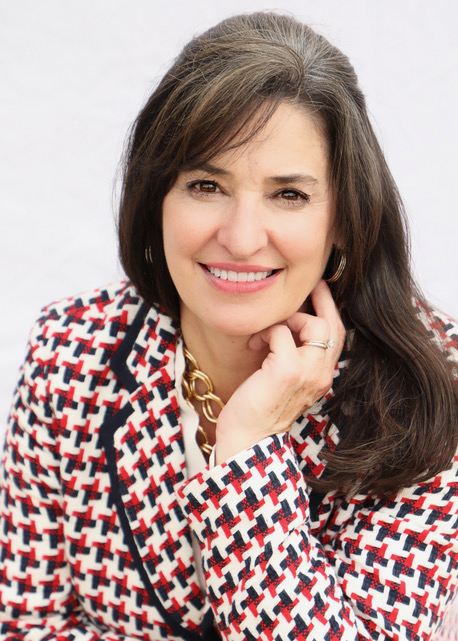
about Mindy McAlindon.
Representative Mindy McAlindon was elected to the Arkansas House of Representatives in 2023.
She earned her B.S. in Engineering, Economics, and Mathematics from Vanderbilt University and an MBA from Indiana University. Before her legislative career, she spent over two decades working in sales, finance, and marketing for multimillion-dollar brands across almost every major business segment, including startups, non-profits, and Fortune 100 companies. She was recently instrumental in strengthening the ANA Women in Advertising movement through speaking, training, and membership development.
As proud resident of Benton County, Arkansas, Representative McAlindon quickly became involved in her community through volunteering and politics, demonstrating her dedication to helping her community and state grow.
In the legislature, Representative McAlindon was elected Vice Chair of the Freshman Caucus and serves on City/County/Local and Revenue & Tax committees as well as the Arkansas Legislative Council (Co-chair Lottery) and Joint Energy Committee (alternate).
Most recently, Representative McAlindon was awarded the Legislator of the Year award by ALEC and the National Consumer Champion award by Consumers’ Research.
Mindy and her husband, Lance have four children and live in Centerton.
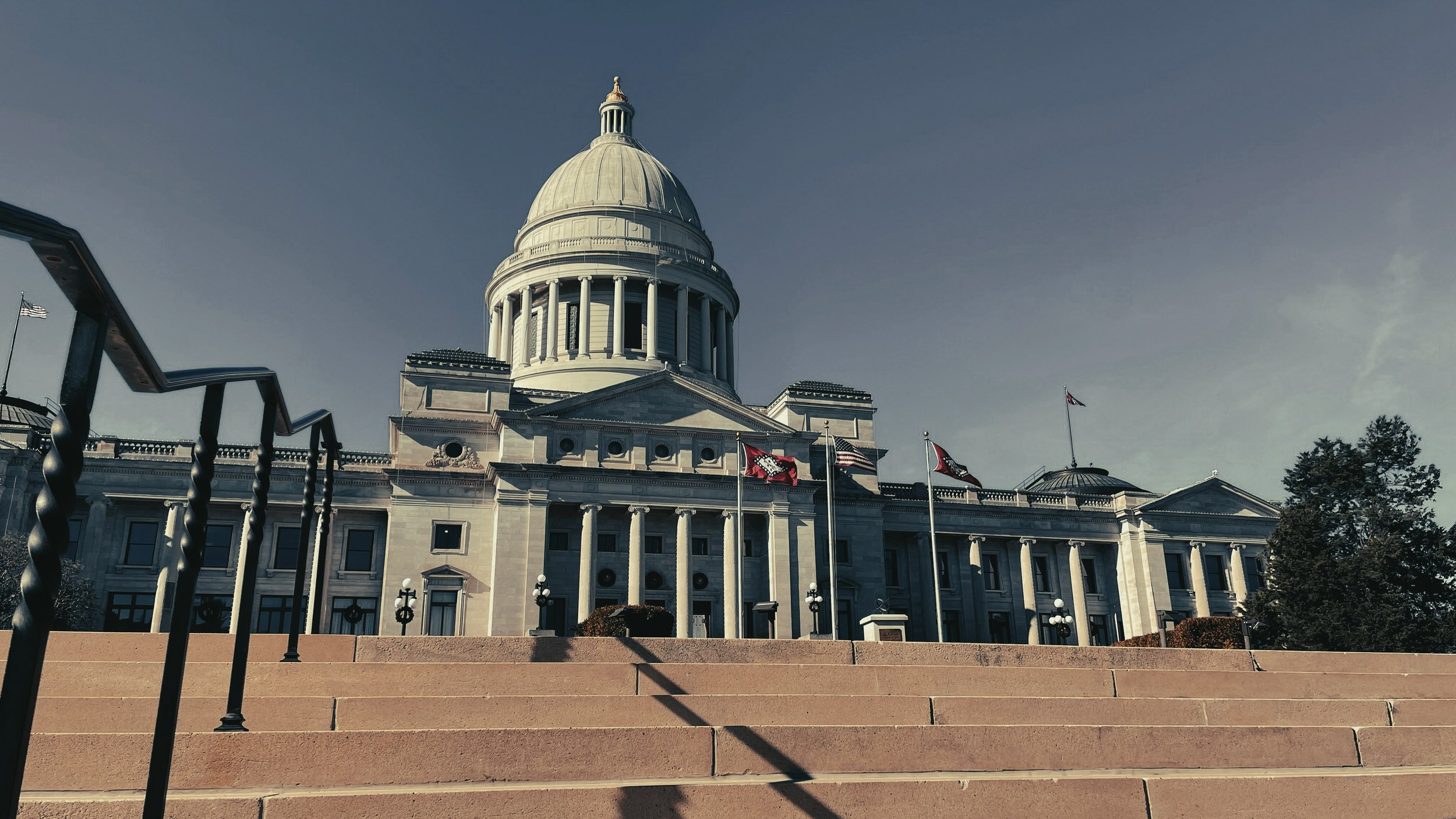
Photo by Jametlene Reskp on Unsplash
episode notes & references.
https://www.mindyforarkansas.com/
episode transcription.
[00:00:00]
episode preview.
mindy mcalindon.: I think even asking the question of not how you feel on a policy, but what would you like the future to look like? And then working our way back because we don't always disagree on the future.
And I think even 20, 30 years ago, you could argue that Republicans and Democrats had the same view of where America should go. We just had different paths to get there. And I think here in Arkansas and especially in District 10, I think we have really similar views of where we want our community to be.
So let's start there and work backwards instead of starting with policy and trying to shove it into the box.
[00:01:00]
episode introduction.
mike rusch.: You are listening to The Underview, an exploration in the shaping of our place. My name is Mike Rusch and we're back with our series of bonus episodes related to the upcoming elections for city and state offices. Throughout the course of all of the conversations of The Underview, we have had the opportunity to dig deep into the region's opportunities and challenges, and now we enter a season of deciding who will lead our community.
We have the incredible privilege of deciding together who will be elected and as to meet our community's challenges and take advantage of those opportunities. And as you've seen, this decision of who our elected leaders are, it really, really matters.
So the episodes ahead are an opportunity to hear directly from those seeking public office, to hear their beliefs and their values and why they should be entrusted with one of our most sacred responsibilities, and that's the responsibility of representing our community in the public square.
[00:02:00] So today I have the opportunity to speak with Arkansas State House Representative Mindy McAlindon.
Representative McAlindon represents District 10, which is Bentonville, Bella Vista, and a small part of Sanderton.
Representative McAlindon was elected to the Arkansas House of Representatives in 2023, She's earned her bachelor of science in engineering, economics, and mathematics from Vanderbilt University and an MBA from Indiana University.
Before her legislative career, she spent over two decades working in sales, finance, and marketing for multi million dollar brands across almost every major business segment including start ups, non profits, and Fortune 100 companies. She was recently instrumental in strengthening the ANA women in advertising's movement.
In the legislature, Representative McAlindon was elected Vice Chair of the Freshman Caucus and serves on the City, County, Local, and Revenue and Tax Committees As well as the Arkansas Legislative Council and the Joint Energy Committee.
Mindy and her family live in Centerton and her complete biography is available on the episode webpage. I would encourage you to read that in totality.
One last thing before we begin. Let me remind you of the format of [00:03:00] these conversations.
First, these are the candidates who have officially filed to run for local office. Second, both interviews were conducted within a few days of each other, and I used the same set of basic questions, and those questions were provided to both candidates in advance. Third, neither candidate had the opportunity to hear the other's interview before I spoke with them.
These are not debates, but they're long form conversations based on the same principles of dialogue that we have used for every conversation within the underview. It's a desire to understand the values being used to make decisions to represent their constituents. This is an exploration in the shaping of our place, an exploration to find a collective understanding of the things we believe about ourselves and our place. Something that I call a communal theology of place that serves as a foundation for building a shared and hopeful future. All right, we got a lot to cover today, so let's jump on in.
episode interview.
mike rusch.: Representative McAlindon, thank you for sharing a table with me. It's an honor and a privilege to be able to sit here with you and to hear your story and yeah, maybe we can start there. Just welcome, first of all.
mindy mcalindon.: Thank you. I'm [00:04:00] excited to be here. Excited to talk to you.
mike rusch.: Let's start with your story. What do you feel like you would want people to know about you? Who are entering into this conversation with us?
mindy mcalindon.: Sure. I'm married to my husband, Lance. We have four kids. Three of them are now out of the house. I still have one at home and they have been mostly homeschooled, which has just been a joy.
My background is I have degrees in engineering economics and mathematics. And I've worked for several different Fortune 100 companies. And then I stayed home with my kids, started my own consulting firm, and have worked with Fortune 100 companies since then, just doing business and marketing.
mike rusch.: My wife and I, we have four kids and we have one at home too. So things are getting quieter which is nice, but also it's a lot of fun when they come home too. Yeah you're running for representative again, reelection for district 10, which is composed of Bentonville, Bella Vista and a little part of Centerton. And I'd love to maybe start with just at the deeper place of what do these places mean to you?
mindy mcalindon.: Okay. They're also different, which is neat. So Centerton is where I live and that feels like home. It's very friendly. It's very [00:05:00] family oriented. And I love that it's a quiet community, which is great. If you look at Bella Vista is just, it's like a vacation destination in your backyard and it's fantastic.
The opportunities there for recreation, for just feeling like you've escaped. And that community has its own. It's own set of needs and issues that go along with it, and so it's neat to dig into that. And then Bentonville is, I like to say Bentonville is where opportunity abounds, right?
It's just, it's amazing to me how much opportunity is in Bentonville. It is an incubator for innovation in so many different areas. You have world class museum with small town feel it's just such a unique place So each one is very different but very meaningful
mike rusch.: Yeah We don't often think of this area in the way that this district lays itself out so I can appreciate like the unique ability of each one of those And yeah, I'd love to know, two years ago, when you raised your hand and said, I'd like to fill this seat what was, give us the background story.
I'd love to know why.
mindy mcalindon.: So actually I didn't raise my hand. I said, no. When asked [00:06:00] multiple times, I said, no, my plate is full. I'm homeschooling kids. I've got my consulting business. I am happy with what I'm doing. But as we looked at what was coming down the pike two years ago, it was really going to be school choice.
And I had homeschool, like I said, homeschool my kids had been in public school, they'd been in private school, I had taught in homeschool communities, but I also taught at the college level, three different colleges, and so I felt like I'm not a teacher, but I have a good understanding of the space and then economic development was the other area that was really going to be on the table for Arkansas, and I felt like given my background in business, I've worked in finance, sales, marketing, engineering, like I feel like I had a good handle on that as well, and so I thought I could really bring that experience.
And so I finally said, okay I'll give it a try and see what happens. So that's how it came to be.
mike rusch.: Yeah, so I'm sure you've learned a lot. We'll get to that over the past two years because you're up. You're obviously running for reelection again.
Most of the conversations we've had with the within this has been. city, regional, county. And so this is our first conversation around what does it look like for this space and how does it [00:07:00] relate back to really the state level and the work that you're doing. And so I'm really curious like how you see your role as a state representative in addressing or representing our area at the state level.
mindy mcalindon.: Yeah, so it's an interesting thing, what what we have to do is remember that at the state level, we have laws that impact the whole state. Sometimes we forget that but we impact the whole state. And so it's not like you can just say this area needs X, Y, Z. So you have to maintain that balance, but I think what's really important is to continue to work with the leaders that are here.
So I'll reach out to Mayor Edwards, for example, we had an issue on Highway 72 we had six accidents in five months, including one death. And he was Trying to figure out what to do. I said, let me reach out to ARDOT. Let's get them here. We got ARDOT in. They did a study. I think they put every sign that they had in their warehouse on that area of the interstate if you've been down that way.
But we got it done and we've not had an accident in 12 months, right? Not on that portion anyways. So I think it's ways to work with local government [00:08:00] to make sure that we are trying to find solutions that they may not have access to but that I can help them get access to.
mike rusch.: think that's great. As someone who's lived in Northwest Arkansas for a very long time maybe I'd help me unpack a little bit the day to day of what this looks like either going back and forth to Little Rock, Yeah. or, what are the things that you're hearing from people that are top of mind, or, yeah, that direct, Your activities and your agenda.
mindy mcalindon.: So the day to day differs every day. I hate to say that. But when we're in session, I leave on Monday morning at 5 AM. I come home Thursday or Friday night, usually around six or seven. And that's my week every week. And so I get my weekends with my family and then go back and do it again. When we're not in session, I'm down there about once a month.
I have the privilege of sitting on our legislative council. And that's unusual for a freshman, but I was able to trade with someone who was more senior and have the opportunity to sit there. And that's really the legislative body that, it's a really important legislative body. It actually looks at all the rules that are promulgated by [00:09:00] agencies all the budgetary issues that come up where they want additional funds.
That's what happens during that off cycle. So as much as we think about the laws as the most important thing, the legislative council really is pretty important. And then I think the best part of what I do is just dealing with constituents. I have an opportunity to help people solve problems. And that's what I do.
My engineering background. I love solving problems, and so someone will call me. I had someone called just the other day and said they're having trouble. They're starting a business, and they think this one law is in their way. We rooted it out and found out. No, actually, we don't. That agency just made a rule change in allowing them to do what they wanted to do.
But how would they know? How would they find that? And so being able to just put people together and solve problems is something that I do on a daily basis.
mike rusch.: Thank you. I'm curious, you've, this time you're raising your hand to say you're going to, yeah, you're going to run for re election. Give us a little bit of background. What's led to this decision to seek reelection?
mindy mcalindon.: So I think that I have an ability to really talk to people on both sides of the aisle. And I [00:10:00] worked hard to do that. We may not always agree on everything, but I think when we look at what we do agree on, we agree that we want Arkansas to be the best state in the country.
And personally, I want District 10 to be the best district in the state. And so we work together to make sure that those things happen. And then I think I've. I've developed relationships across the aisle to be able to make those things happen. I've had bills that I've personally run where I have had Democrats come down and speak for my bills.
Which I think is a great thing. Because there's so much that we agree on. There's just a few issues where I think we differ. So I think that just having the experience now, having drunk from the fire hose for two years. Okay. And now I'm like, okay, I think I know what I'm doing. Got my feet under me a little bit.
And then I think I did the things I said I would go down and do. I think I've proven that leadership. I've proven that they are common sense solutions. These are not radical solutions that I'm proposing. I ran a bill to to stop children from logging into online pornography. You don't have to use an ID.
And I led that bill in the House. I led another bill, which actually got national recognition. It was [00:11:00] the first one in the country to say, when we invest our state pensions, those pensions for our teachers, for our firefighters, for our police, our state employees, when those are invested, There's no politics.
You have to do your fiduciary duty. Now, that is what they're supposed to do anyways. But we were seeing across the country that was not happening. And I wanted to stop it and make sure that didn't happen in our state. And so I ran that bill and got it passed. And so there's a, there were things like that I was able to lead on.
And I think now that I even have a better understanding. of what we can do at the state level to make life better. I'd like to continue doing that. Really it is educate, protect, and thrive. That is where I live of what I want my district to look like.
mike rusch.: Keep going. I'd love to understand a little bit more. How has your perspective changed over these past two years?
mindy mcalindon.: I didn't know what I didn't know for sure. There is so much more that goes on at the state house than you think. I, every time people ask me, what do you think about it? I say. You have to serve a term in office to really understand things aren't as polarized.
As the media makes it sound when you get down there people are open [00:12:00] to having those discussions We had an education. Excuse me an election integrity bill that a Democrat was running and our county clerk called and said Hey, that bill is gonna hurt us up here. I reached out to him and said hey Would you be open to an amendment to this and he said yep, I'll run it for you ran it.
We got it Our people are happy, his people are happy and it's great. So it's not as polarizing as you think that it is. And so I think that's probably the biggest change. I also think that there's no way, there's no right and wrong. There's no up and down. When you start looking at bills that really, you have to look through what are all the implications of the bill.
It's not just because I love one idea that I'm just going to ram it through because that's never a good bill. And we need to be sure that it actually works in Northwest Arkansas, but also works down in Hazen or it works down in Helena, West Helena. And so what is that we can do to make the state thrive or to set up an environment where their local communities can then step in and make their communities thrive?
mike rusch.: Yeah, I think I find it encouraging to hear you say that it's not as polarized as [00:13:00] people think it is. Maybe give us a little behind the scenes, if you will. I think one of the things. And I'm always curious about is how you view this kind of cultural moment that we're in, right? Because there's definitely an overarching theme, for lack of better words, that we are polarized. But if you say different, I'd love to hear a little bit more about that, if you can.
mindy mcalindon.: I think I gave you an example, a couple examples of how that works, but Really, when we go at night for example, I'll give you an example, we went, ladies had a little shopping trip that we went to, Republican and Democrat women.
We hung out together, we shopped together, we just had fellowship together. And so it's, again, just because I disagree with you on certain issues, doesn't mean I don't get along with you. We have someone, Linda Chesterfield, who's a senator who's retiring this time, she's Amazing. She is, she's a Democrat, but she's an amazing woman.
And I've watched her down at Girl State and really lead in those areas and encouraging young women to step into politics. And so being able to work with her and to learn from [00:14:00] her. of how she does what she does, or why she does what she does is encouraging. Just likewise, we have really strong Republican women who do the same thing.
And so I think when you start to look beyond specific issues, there's not one issue that defines me, right? I have a lot of issues. What defines me is my faith and my family. And then we have issues within that. And so you start to find those areas where I probably agree with you 80 percent of the time, at least, right?
For any given We're going to agree about 80 percent of the time and then we're going to have differences. We can dig into those and really lean into the areas where we get along.
mike rusch.: Yeah, I love hearing that. It sounds hopeful. So thank you for that. For the district, as we think about what it looks like to help move the issues that this district may specifically think about. I'm curious, like, where's your starting point? What is your vision for what this district is or could become,
mindy mcalindon.: this district is amazing. And I will say it probably is one of the best districts in the state. We do have fortune one company. It's really hard to beat that when you look at it. And we're really blessed when we [00:15:00] look at like the Learns bill, for example, right?
A lot of people say we do, we need that well, Northwest Arkansas may not need it as much as the rest of the state. And so again, it's that balancing of the two, but we have a lot of opportunity up here. And so we raise teacher pay. We make it easier for students to attend private school, public school, charter schools, and now more charter schools will be coming in and more private schools will be coming in.
And so our educational base. to get stronger and stronger. That competition just helps lift those, lift everybody up. And so that's a benefit and I want to see that continue. I would love to see specialized schools. If we could have even just a special art school or special STEM school as we're starting to see I think the Lisa Academy is very focused on STEM.
And starting to see those types of specific schools popping up I think is really beneficial to helping kids follow, follow the path that they have been given. I think as we look at, business and economy, we'll start to see just this area is becoming Niche in so many [00:16:00] ways, and broad in so many ways.
So we have very specific aviation, and transportation, outdoor rec. Those are just amazing businesses that are popping up and becoming a leader in their field. We see biotech is coming in and becoming a leader in its field. We have the art industry, and even music. So we see all these niche industries that are really growing, and I want to be sure that environment continues to thrive, because it is one of the things that makes Bentonville unbelievably unique.
And then just continue to make sure that people have Less red tape if they want to start businesses, that it makes it easier to come in and do that. That they are in safe communities, that we are able to feel like you can walk around day night. My kids, one of the thing I loved when we first moved here is letting my kids walk around the square when they were younger.
And so just making sure that we continue to have an environment well, people feel like they can really thrive and be who they wanna be.
mike rusch.: We'll dig into some more of those a little bit, but I love Yeah, the comprehensiveness of what you're speaking about. Thank you. I love your perspective on that. I'm curious when you think about these kinds of major opportunities for this area, [00:17:00] and you look at, to your point, maybe where we stand within the rest of the state, how do you view what I think some people could say is like some very different conditions, and how do you advocate for our district? District 10 within a state that has a lot of like needs in this space. Does that make sense?
mindy mcalindon.: It does and I think the way that you advocate is by ad by putting laws in place that allow Bentonville, Bella Vista, and Centerton to grow the way they need to grow. So not tying the hands of our local leaders.
In other parts of the state, we'll be advocating for Roads and clean water. So there's a lot of different issues that happen in other parts of the state. And people will often say up here, the streets are paved with gold. That's usually what I hear when I ask for money for something. And I say they're not, but you have to understand that just because I need more, I'm asking for more money for roads.
It's not because we don't have roads. It's because we have so much growth. And so trying to advocate and help people understand that while we may get more money. Than other parts of the [00:18:00] state. We actually need it all and so finding ways to do that One of the issues that we have coming up that we've talked a lot about in in Bentonville is clean Water and sewer and we see these issues across the state not just up here We think about it up here because of our tremendous growth But in reality a lot of these pipes are just they're old and they're breaking down and we actually have areas of the state that Don't have clean water.
They're having you know, they turn on the faucet and the water is a little bit brown So And so I went to a meeting maybe six months ago, and they were talking about the water needs for the state, and so they needed a five billion dollar investment. I talked to Lane Crutter the other day, and he's it's probably closer to seven now.
Just because of inflation, just because of what's going on. And when you look in Bentonville, and you say we're really blessed. We are. But it's a lot, when you think about replacing the pipes that are underneath, when you tear down a house,
I have now completely changed the stresses on the system. And that's an easy way to advocate local and [00:19:00] statewide. So statewide, how can we help with funding? But local, they're the ones that need to figure out what needs to be done first. And working hand in hand to say, how can we build those things together?
Knowing that up here, we've got a bigger need in some ways, but not as desperate of a need. For more information, visit www. FEMA. gov
mike rusch.: I think that's super helpful in trying to understand how you balance all of those out when we're so focused on our own community Sometimes we don't understand how these things work out within the state and maybe I'd love to ask you obviously the Memorial Day Tornadoes came through this may be an example of to maybe help us understand even more hopefully your family was okay.
I know this, we would never ask for any situation like this, but I think during these moments, we learn a lot about our community. We learn a lot about each other. I'm curious what you, your experience was and what you take away from that time.
mindy mcalindon.: Yeah, it was just an amazing time to see the devastation that came through I don't think I've seen that in this area before, and if you've been to, Bentonville was hit pretty hard, but if you went to Rogers, I had a friend who lost buildings. You go to Decatur, houses [00:20:00] completely, just completely gone. And it was amazing to look at how our community came together. We, the Judge Mooring, the Mayor the Sheriff, everyone came together so quickly to put in place a plan.
Hotlines so people could call to be sure that people were getting rescued who needed to be rescued that people had safe places to go Hotels opening their doors restaurants opening for food and then the communication Even with the state level We were constantly communicated with from the governor's office as well as from our local officials to say here's what's going on and I was able to continually say information via social media to my constituents and say, if you're in need, here are some things.
And there were grants that were coming up. If you need money to help you replace something, here's a grant opportunity. And it was, it's one of my favorite bit. I hate to say it's a favorite moment, but it is one of my favorite Bentonville moments just because it showed who we were. It showed who the character of our city, which is, We're a family and we help each [00:21:00] other and we come together.
We don't always agree, but we're going to come together at a time of need. And I think that is pretty cool to be involved with.
mike rusch.: Yeah. Thank you for the work that you did during that time. And it, yeah, we would never ask for those scenarios, but it does reveal something. We, this area has people from all over the world that come here.
And so when we think about what it looks like to create like a welcoming space for people to. live and work and really thrive throughout the space. I think these are the opportunities that we that we have the opportunity to do it. We don't have tornadoes every day, which is great.
So I'm curious, like, how do we carry that on? What are your, what's your perspective? Like, how do we continue to build an inclusive community where everyone does have that opportunity to continue to, yeah, to live and work and thrive and to live in a community that is really, Something that is really special.
And I'm biased cause I've been here for a long time, but how do we carry that forward?
mindy mcalindon.: I think we're doing it. I think continuing to break down barriers. I noticed with downtown Bentonville, they have a [00:22:00] lot of, it's we're going to learn about this culture. We're going to learn about that culture.
And I think you're just opening people's minds and taking away any preconceived notions that they may have about different people. I think that helps to build that community because now I know a little bit more about you or I know a little bit more about your culture. And so I can reach out to you and gain that understanding.
But I think Bentonville does a great job of making sure that when people come here, they're welcome. I met a young woman who is she moved here from California. She's a young business woman, got a great product that she's selling and she is Turkish and Iranian and she hasn't been here two months and she said, it's home.
The people are just friendly. I just feel like I've lived here two months. I feel like I've lived here all my life. I said, that's right. That's what brings, that's what makes Bentonville special and that's how people should feel when they move into our area.
mike rusch.: I love that. All right. I want to, let's shift gears a little bit.
I want to talk about one of my least favorite topics. I think one of the things we've had throughout this conversation, not just with you is, what are the things that really prevent our community [00:23:00] from knowing each other or communicating well or operating well. And I think one of the things that some of our guests have been critical of that I've been super critical of is just our national dialogue is something that gets in the way of who we are, I believe, as people. And I'm really, I want to start with a question like, how do we think about this? You talked about we're not as polarized as we are led to believe. But how do we take our national dialogue, in a way that allows us to move forward as a community?
Or how do we walk through this? How have you walked through this kind of issue, I'm sure?
mindy mcalindon.: That is a fun question. The national dialogue is really hard because it is so polarized and it's polarized because that's what gets clicks. That's what gets people to watch a video or to read something or to repost it.
And so it's intentionally incendiary and that's harmful to us. I think The way that we work in Bella Vista, Centerton, and Bentonville is that we are outdoors. We are out in the community. We are building relationships that way. And I think that is the best way because you may disagree with your neighbor, but when you go on a bike ride with your neighbor, you're going to [00:24:00] walk with your neighbor.
They're not so bad after all, right? And you can really get to know people and learn about people. And then the national dialogue is not as impactful in our community. I think that is the best way just to continue to have events. We have so many events in Bentonville and Bella Vista for sure.
And hopefully Centerton's having more and more, but we just getting our neighbors out and getting to know one another, I think is the best way to insulate ourselves from that dialogue.
mike rusch.: I'm just curious at the state level, what do you feel like your role is in that as far as setting that tone for what our national dialogue should be?
Yeah, thank you. I think that's hopeful. I'd love to dig into that too a little bit more just because I feel like as a leader at the state level what would you ask of people when we think about this topic of our national dialogue, because it, unfortunately, it does filter down. I've seen it in our own community. Either how you model that as a leader or what your expectations of the people that live in this area should be around how we engage in good public discourse, where we may not agree, but we do that in a well, in a way that yeah, upholds and respects the dignity of each other. I'm just curious your advice there.
mindy mcalindon.: [00:25:00] So I think listening is probably, asking questions and listening I think is the best way. It's the best way to get through that. Sometimes people just repeat what they heard, but there may not be much behind it. They may not know why they think that, and as you start to dig down and ask questions, I think you can break through that facade and say okay maybe there's somewhere in the middle that we actually all exist.
It's hard sometimes, I think, at the state capitol because you do, we do things by the Republican caucus or the Democrat caucus, and so we, you are intentionally separated in some ways. But I think that not repeating that really harsh dialogue is really important. By not calling people names not calling people out by names, by really focusing on policy instead of on personality, is where we start to get past some of that.
That would be my
mike rusch.: Yeah, I would I'll probably cut this out. It's more fun. This is more of a funny comment to me, but yeah, like I, I love your example. Give me three examples where it actually worked right? I say that, sarcastically because it doesn't feel like it works. And yet I think one of the things we've been trying to work through is what is that language? What is that way that we sit down across the [00:26:00] table? And have conversations that lead towards a better community and so thank you for that. I appreciate that.
mindy mcalindon.: But I think even asking the question of not how you feel on a policy, but what would you like the future to look like? And then working our way back because we don't always disagree on the future.
And I think even 20, 30 years ago, you could argue that Republicans and Democrats had the same view of where America should go. We just had different paths to get there. And I think here in Arkansas and especially in District 10, I think we have really similar views of where we want our community to be.
So let's start there and work backwards instead of starting with policy and trying to shove it into the box.
mike rusch.: Yeah, keep talking. No, this is I love yeah, like I think number one, that's a refreshing perspective and I think Yeah, ke I don't know, I just want you to keep talking . I dunno if I have more to say on that, but No I'm, yeah.
When we think about the future of our community one of the things that I've been watching and have been asking is obviously I would love to start in the future and work our [00:27:00] way back. I think today, most of the time some of the issues that are top of mind for the state of Arkansas they're here and they're present and they're real and U. S. News and World Report has ranked Arkansas at 47th in the nation with challenges like education, economic opportunity, healthcare, infrastructure, and so I'd love to understand how you, how do you interpret that ranking?
How do you think about these kinds of issues and maybe where we are as a state nationally?
mindy mcalindon.: I think you have to say we have a lot of opportunity to move forward. I will say the newest U. S. I think it's USA Today or U. S. News, ranked Arkansas 38th in education, solely because of the opportunity that is in the Learns Bill.
So we will not probably know the full impact of that for a few more years, and I hate for people to knee jerk and say, Ooh, it's not working, because it takes time. It takes time to see what we're doing. But at 47 we needed to do something and we needed to do something drastic. And so I think that's the way that we look at it is to say we could stay [00:28:00] where we are and just throw money at a situation.
Or we could say, let's start over, and again, what do we want? We want our kids reading. If you are not teaching children to read, you have set them on a path for destruction, because they're not going to ask for help in 6th grade, in 8th grade, in 12th grade. They're not going to hold their hand up and say, I can't read.
No one's going to do that. So now they're going to not learn, they're going to act out, and it's not going to be the best life that they could lead. We've actually done them harm by not teaching them to read. And so I think that this LEARNS Act for example, gives kids that great opportunity. And it says, you don't have to go to college.
We're going to give you other opportunities as well, because there's no right one, right path. Everyone has to carve their own path, but we're going to give you credit for that. So you can still get your high school diploma, which you need. But you don't have to do the same path as the kid who wants to go on to Yale, for example.
But when we look at healthcare, it's the same thing. What are we going to do in healthcare? We have a real issue with rural Arkansas, that we are not getting the healthcare to those people. And [00:29:00] it's hard, but we've done things to say, let's think outside the box. I'm not getting doctors set up practices there. But maybe I can have nurse practitioners. And so we expanded scope of nurse practitioners so that they can do some of those basic triage things out in the communities. And we've also given educational reimbursements for people who want to go to medical school or to be a nurse practitioner. If you go practice in a rural area, we'll reimburse your tuition because we want you out there.
And so trying to find ways to get that healthcare out there in order to help people. And so I think it's looking outside the boxes in different ways. Maternal health is a big issue. What do we do with maternal health? I know the Governor set up the Maternal Health Commission to look at it and find out what's going on.
Northwest Arkansas Council has been looking into it and trying to find those sources. But in reality, when you have a mom who's got a couple kids at home, she's working two jobs, maybe three jobs, she feels good, she is not going to take off work and get child care to go to a doctor's appointment that's an hour or two hours away.
That's never going to happen. You [00:30:00] can educate her all day long on the importance of it, but the reality of her life is, I can't do that. It's that I feel good. I don't need to go. So by the time we're getting care, it's late. But we are doing things like let's continue to expand our postpartum care on Medicaid to 12 months.
So let's make sure that we're at least trying to follow these women or giving these women an opportunity to come in and not feel like it's a financial burden to do that. And so finding more and more ways. I think in the 93rd session, which was before me they expanded telehealth. And so now, okay you can't drive two hours, but if you have broadband service, you can log in and let's do a service that way or appointment that way and figure out what's going on.
So just trying to find ways outside the box to get what people need where they need it.
mike rusch.: Yeah. Do you feel is there any one thing that maybe as a state, maybe holding us back? Maybe across the board or do you, is this really going to be issue by issue as we dig into it?
mindy mcalindon.: I think it's really by issue.
We are not a wealthy state. [00:31:00] When you step outside of Northwest Arkansas, it's really not a wealthy state. And I do think that having more economic development makes a big difference. But if you look at what's happening in Arkansas, we have over in Jonesboro and out that way, we're having a real growth in the steel industry.
And you look down in South Arkansas, lithium is a big industry down there. We've had standard lithium is down there. And then I think Exxon has just put some money down there and That's looking really promising, and so we're starting to develop areas of economic development that will start to balance out our state a little bit.
We're building roads, making sure that we've got the highways in place, we're improving our schools. And so if you're a company looking to come here the schools are improving, there's roads to get you there, and oh, by the way, we're cutting our taxes. And that's a big deal. When you look at Tennessee, Texas, they have no state income tax, you look at Missouri and Oklahoma, and they are Reducing theirs, trying to reduce them to zero as well.
If we don't stay in that competitive ballpark, companies won't come. And so we are really [00:32:00] putting the pieces in place to make sure that companies can look at Arkansas and go, This is a great place to come. I think it is issue by issue, but we're putting kind of foundation in place to help.
mike rusch.: Yeah, maybe along that lines, and obviously Walmart is part of your district what is our role in Northwest Arkansas?
Are we I don't know, maybe not a model is not the right word, but what is our role in leading the state from an economic perspective?
mindy mcalindon.: I think we are a model. I think, we are an economic engine for the state which is phenomenal that we are able to do that, and it's amazing how much Walmart pours back into not just our area, but across the state.
But I think when you look at things like our outdoor rec area, they're expanding that across the state. What a great opportunity if you look at eastern Arkansas to say, that's beautiful country. And to have bike paths and bike races and things like that go across the state. You're not bringing in tourism.
You're, I've got Airbnbs, I've got restaurants. And so I'm starting small pockets of economic development, not just large companies coming in. So I think listening to the [00:33:00] Bentonville and talk to other parts of the state and say, here's how we did it. Or here's how we started as a small community. And I think that's a real opportunity.
mike rusch.: You may be reading my email. Cause I'm taking a group over to the eastern side of the state to, to do that as a part of, yeah, allowing those that come here to to see what a beautiful state it is across in totality.
All right. I would love to maybe dig into a few of the issues that really and really the basis of this is to really get your perspective on how do these issues either from the district how do they need to be represented at the state level or why at the state level do they matter to us?
I'm trying to understand Kind of that dynamic of how it works. And so I look at some of the issues that you're campaigning on. And I'd love to just dig in a little bit. You had talked about the Learns Act, for example, I would love to understand is there more work to do? You mentioned a little bit that maybe it's not all the way there, but what are the, are there big blocks of things that still need to be done within education that the Learns Act maybe is not covering or hasn't [00:34:00] covered?
mindy mcalindon.: I think it's a little early to say that there's big blocks that aren't being covered. Again, I think We need to let the Learns Act live for a few years. It hasn't even completely rolled out yet. So this year I've heard we've had 13, 000 people apply and it's really, the C and D and F schools, it's veterans, kids, first responders, kids, those types of people are in it right now.
And then next year it's open to everyone. And I think that will be very telling to see how does that work. We're seeing more and more Charter schools come in and apply. And not just for our area, but all over the state. And those are key because it brings in, one, it brings in more educational opportunities, it prevents school dropouts.
Our schools, our public schools, from having to build more buildings, which is always very expensive for the taxpayers to do, and it increases competition, which is always a good thing. And then when we're paying our teachers, we're top five in the nation on teacher salary, which is phenomenal. So we are able to retain the best and brightest that we have now and to bring in more people from across the country with more money.
New ideas and [00:35:00] new ways of doing things and really making sure that we're growing So I think the Learns Act it just needs to percolate for a little bit and let's see where and I think we'll see Areas that need to be fixed or need to be enhanced Or areas that may not work be working One of the things that the governor has just done is a pilot program to stop phones in schools And I one of our middle schools here Artisan is taking part in that and it is amazing because we have seen over the last few years You know doubling in the number of kids who are wanting to commit suicide, we've seen 160 percent increase in depression.
Alongside of that, we have seen tremendous decreases in our test scores for reading and for math. And that's all correlated to the increased use of phones in social media. And to be able to take that out of schools and give kids just that break, what they've seen in other countries or excuse me, other states is that they're having increased engagement in the classroom, increased engagement with the teachers.
The teachers are feeling more empowered because they have [00:36:00] engaged students, and that's where you want them. They have their attention. And that's really important because if you think about even kids that are struggling with depression, if I'm now as a teacher engaging with all my kids, I can now see the ones that might be struggling.
They're not just engaged in social media. I'm actually, so I think we're gonna see a lot of really great things come out of this. Social media's hard. It's very, I think it's very destructive for kids. And I've worked hard. I just had a I just had a a luncheon on mental health a month ago.
Brought in Senator Marshall Blackburn, who's been a real advocate of the KOS the Kids Online Safety Act, the KOSAB bill. And, talking about mental health, my next door neighbor's son committed suicide because of social media. Directly correlated. She went into his TikTok and found that while he searched on mental health, because he had broken up with his girlfriend, TikTok, Consistently led him to suicide, and it was a glorified suicide, and not one time did he search for suicide.
And yet, social media led him there. And pulling kids out of this just bubble that you have to [00:37:00] always know what everybody's doing all the time on social media, I think will be really great for our kids mental health, and we have got to do something to help our kids mental health.
mike rusch.: Yeah, thank you.
mindy mcalindon.: Sorry I took you down a bunny rabbit hole there.
mike rusch.: No, these are hard stories. It's the reality of the world we live in, and I think every parent would hope for ways to protect their kids in any way they can.
We talked about school safety cause it's the top of mind when I spoke to Dr. Jones and she said school safety was the number one thing that she was concerned about. And rightfully so. I'm really curious your perspective of what can we do as a state to further protect our students and teachers in the classroom?
mindy mcalindon.: That is something that we look at as a state and it's something that we looked at even in the Learns Act of how do we make sure that doors are locked when they need to be locked.
And I think training is really important that we continue to train our teachers and our first responders. Of course. I've spoken with the Bentonville Police as well as with the Benton County Police and we'll talk to them about school safety and how are they [00:38:00] trained especially after Uvalde where it looked like maybe People were not sure what to, policemen were maybe not sure what to do when they went in and said are we training those situations so that when it comes up, it's not a surprise.
And our guys are. We are, we live in such an amazing area and our guys are well equipped, guys and gals, equipped and they are prepared and they are trained. And so continuing to have resource officers who are trained to know what to do, that our teachers know what to do, and in some counties teachers are allowed to carry in the classroom if they have extra training, concealed carry permits, as well as extra training, so we just making sure that we have our teachers equipped, policemen equipped.
And then also, you hate to have this conversation with your kids, but making sure that your kids know what to do. That it's, that it is the reality of the world that we live in, and we need to have those hard conversations with our kids to say, This is what it this is what we do in this situation and that the schools are indeed having just like we have tornado drills, We're having drills to make sure if there's an active shooter that [00:39:00] they know what to do as well And I think that's really important.
I think Dr. Jones is right on and she's doing a really good job of making sure That we're keeping our school safe.
mike rusch.: Okay The I'm gonna ask one of the questions that I've run into, I think one of the critiques of the Learns Act is around the educational freedom accounts and that removing, public dollars from public schools into private schools.
And I'd love for you to comment on that. I think sometimes the way I hear it is one way, but how do you view that as either an opportunity or is that going to create a challenge for public school funding as those dollars are leaving the system?
mindy mcalindon.: So the reality is there's a lot of misinformation out there.
The reality is there's not one school that received less funding than then last year or the year before. As a matter of fact, it's increased every year because of the Learns Act. So I wanna put that to bed. First of all we increased our per student funding as well. So the ki the kids are being well funded.
I also wanna be sure that we're clear. These are taxpayer dollars. It's my dollars. It's your [00:40:00] dollars that are TA that are funding the schools, and we want. Our public schools to thrive. We cannot exist without our public schools. They do a great service to our state, and we're not gonna have a huge outflow of kids leaving, which there just aren't that many schools out there.
But if we shut down all the pub, the private schools, we don't have the capacity to educate those kids. So the private schools and the charter schools do a service for us as well. So remembering that balance. When we look at testing, I know that's an issue that I hear a lot about.
mike rusch.: Yeah. The standards.
mindy mcalindon.: How do we, the standards? Yep. If you take public dollars. Then as a private school or as a homeschooler, you have to abide by the tests. And if you don't show that students are learning, then that money will go away. So there is accountability for that, even for homeschoolers. I say that as a homeschooler I probably wouldn't take the money just because I homeschool a certain way.
You may not be doing, your test doesn't always correlate with what I'm doing, right? I tested my kids every year on the standardized testing, even though the state did not require it, just because I wanted to know. But for my kids, I'd be [00:41:00] like we didn't do science what they did in science, you're not going to do well in science this year, and that's okay, because next year we're going to be on a different level.
And as a homeschooler, I can balance that. I don't need the state coming in to tell me, and that's my personal opinion. But other homeschoolers will be so excited to have that because it is a hardship. It's expensive to homeschool. Believe it or not, it sounds like it shouldn't be, but it is. And even in private schools.
So there is accountability for those dollars. For anyone who is in a private school or in a homeschool, if you take the public dollars, you are still being held accountable. It's not the same test, and I've heard complaints about that. And one of the reasons is, first of all, that private schools should have an ability to set their curriculum however they want, or a homeschooler to set their curriculum however they want, and that the standardized testing that the schools are doing doesn't necessarily correlate.
Private schools are indeed private entities and can make kind of those decisions, but it is a standardized test that they will be taking.
mike rusch.: Is it fair to say that our expectations as citizens should be that that students are held to the, to, to the same standard as [00:42:00] far as they progress in their education?
mindy mcalindon.: So yes and no. Because a school does it in a certain order, so for example in school you may do algebra one in ninth grade. In my home school, we're going to do that in seventh grade. So if I gave you my Algebra 1 test, all your kids would fail. That's not right? So when you look at the public school versus private school testing, they're still testing competency.
They're testing to say, do you know the materials? But the school test that we do tests it on a certain pathway that private schools aren't. But yes, a hundred percent. If you are taking my public dollars, then you need to show that you are producing students that know what they're doing.
mike rusch.: Okay. Thank you.
Talk to me one of the things you've talked about as being obviously for business, but for lower taxes as well, which is something that has paced past. which is something that has passed in the state. Give us a panoramic view of what that looks like for everyday citizens in the state.
mindy mcalindon.: It's a very small tax decrease. It is retroactive to the beginning of the year, but it's a little bit of money that comes back and we're doing it very slowly. I [00:43:00] applaud the governor, the way that she is doing taxes. We've seen the experiment up in Kansas that did not go quite as well. And so it is a very small tax decrease.
At the same time, We, in our first special session, we did an additional special reserve that will allow us if something were to happen like COVID, where we just weren't bringing in tax dollars, we have a reserve to cover our entire budget. And I think that's a very responsible way to lower taxes.
The people know best how they want to spend their money. And so if we are bringing in millions of dollars of surplus every year the government doesn't need to keep the money. We set aside a budget, we exceeded the money brought in, and that money should come back to the citizens.
mike rusch.: Yeah, I think obviously no one wants to pay more taxes than is necessary. Are there trade offs that we have to think about as citizens if taxes are decreased, that's great. We, I would agree with you. We probably know how to spend our money better than the government does, but are there things that we need to be careful of at a state level?
That either risk underfunded programs or you know as we talk about maternal health For [00:44:00] example that there could be funding available to help maybe in some of maybe not that specific area But areas like that are there trade offs that we need to be careful of or what are you watching?
mindy mcalindon.: Yeah, absolutely.
There are always trade offs You don't want to cut your budget so thin that we aren't providing the services that the state should provide And that's why we look at our budget every year That's why we have other reserve funds where if we have someone who comes and say hey You The school had its roof blown off in a tornado.
We need extra funding. Okay, we've got reserves to help you cover that. And so that's why we keep those filled to make sure as we look at the budget. I think there's always extra Extra fat in government, where things can run more efficiently, where we can cut things. And so it doesn't mean cutting a program, as much as it means cutting excess that's happening.
And, as, if we looked at maternal health, your example, and said, you know what, we need 500 million to go into maternal health, and that will solve our problem, then we will find ways to put that back in there, or we would have to increase taxes in some sort to make up that shortfall if we can't cut enough. So I think it's something that you have [00:45:00] to keep an eye on, but just to collect money, and to have excess is not the way I think it should be.
I don't think that's the right way to run government, and I don't think that's good governance for the citizens.
mike rusch.: One of the things I'd love to understand, because it was in one of your mailers that I saw I, I must be in like a targeted district or something like that. I've gotten a lot of them, which is great. It's kept me in the loop on some of the issues that are important.
One of the things that I'm trying to understand is, Arkansas's role within border protection. This was something on a mailer that we're not a border state we obviously have a large immigrant population here that has been an incredible value add and welcoming part to our neighborhood. Help me understand as we think about this national issue, how does this relate to Arkansas?
mindy mcalindon.: It does. I think because it is a national issue, because we're not that far removed from the border, even though Texas is a giant state we're still not that far removed. And it's important, our governor sent the guard down to help on the border.
And I think that's important. That's a good use of her resources and a good use of the guard to say, we're going to help Texas protect the border [00:46:00] because it's important to us as a country to make sure that we know who's coming across the border. Immigrants are great. They add to the richness of the fabric of Bentonville and of our state.
And so nothing against that at all, but when we talk about who's coming across illegally in Texas or in Arizona, that it is it is an issue, right? We are seeing that there are terrorists coming across, and they, we've got them. We know that there are people coming across who intend bad. We know that there's sex trafficking and children being smuggled across the border.
We know that drugs are coming across the border, and we see that with fentanyl, and that's why the border matters to us. As a matter of fact, one of the one of my Democrat colleagues actually led a bill, freshman, she's great, led a bill to make sure that we have Naloxone in every classroom in case there's an accidental overdose of fentanyl and that's really critical It's not something we would have talked about five years ago But what a great bill to make sure that we are protecting our children Because it is coming across and we are in that [00:47:00] pathway of taking up to the rest of the country And so that's why border security matters has nothing to do with our current Immigrants they are more than welcome.
We have great communities of immigrants here in Arkansas, in Northwest Arkansas specifically, but we are talking about illegal trafficking, drugs. Those are the things that we need to stop.
mike rusch.: Maybe one just follow up question from your perspective, like, how do we as citizens think about maybe the state responsibility that you're laying out versus maybe the federal responsibility that our congressmen and senators are in Washington working towards, which, obviously is a federal issue as well, too.
How do, how can we, how should we think about that?
mindy mcalindon.: I think what we've seen over the last and I think what we've seen in the last couple, three years is a failure to protect our borders and I think we have seen state governors step up and say we will help protect our borders because we have to, because it impacts every state in the nation and just because you're not on the border doesn't mean you're not being impacted by sex trafficking or by drugs and so where the federal government is failing, the states are stepping up and if the federal [00:48:00] government steps up and does its job, then we can work hand in hand or we can redirect our resources and focus more on our own state.
mike rusch.: One of the things that you talk about is the economic engine. We've talked about that a little bit, but being pro small business and trying to understand what does it look like from a district perspective to support businesses here in Northwest Arkansas?
mindy mcalindon.: I think cutting red tape and regulation is really important. One of the bills that I ran was to make sure that small businesses can file online instead of doing the onerous paperwork. And while that doesn't seem like a lot, It's really great, because everything they already do is online, and to have to do paperwork is just one more thing, and small businesses have enough going on.
I think creating ways to make sure that innovation is able to thrive. One of the things that we did a few we didn't, they did a few sessions ago, was to create economic sandboxes, regulatory sandboxes, and they did that for FinTech, and I am looking at doing that for other industries. Let's do that for outdoor rec, let's do that for aviation, let's find these ways to say, [00:49:00] Pull the burden of regulation off you to give you time to innovate.
And then when you've got your feet under you, let's put that regulation back in. So what can we do to make sure that we are helping those small businesses get off the ground? Because as much as we love Walmart, we still have to have small business too. And those are what, so many of our people are small businesses in this town.
And that's what puts food on their table. So we need to find ways to make it easier on them to do what they're doing.
mike rusch.: As you look out over the next couple of years, which would the term of two years, obviously for this role, what do you think some of the things that we need to be thinking about as a community for these next two years?
Obviously, there's the issues today. You talk about starting at the future and working back. And so take us farther out, if you will, from maybe today. And give us a point of reference of what can we be doing as a community to start thinking about What it looks like to achieve some of those goals two years from now
mindy mcalindon.: I think the biggest thing that I would say is not to lose what makes us so great What I don't want to do is grow so fast that we forget who we are and I don't think we have I think we've done an [00:50:00] amazing job and I you know, the Bentonville mayor the bella vista mayor they've done a great job of making sure That they maintain their personalities of their communities.
And that's what I would like to make sure we maintain over the next two years that growth is good. Growth is very good. And we are in an amazing place now, a destination for the country, for people across the world, actually, for people to come in and live. But let's make sure that we don't lose sight of who we are in the midst of that growth.
mike rusch.: I think one of the things that I'm, number one hats off to anyone who's willing to serve as an elected official, I'm sure I know like citizens have very high Expectations of the work that you do and while it would be wonderful to think that I could come to you and you would solve All my problems. I also know that's not the reality I'm curious your perspective Like what do you expect of citizens to work with you? And how should we think about what it looks like to support our elected leaders? pursuing the goals we have as a community.
mindy mcalindon.: So I love when people reach out. I prefer to not have [00:51:00] swear words in the emails because sometimes they do.
mike rusch.: Yeah, that's fair.
mindy mcalindon.: But I I love when citizens reach out and tell me what they think about bills because and I literally read every email. I try to respond. I won't say every I've responded to every but i've tried. Because it helps me understand where the pulse of the district is and when you're in Little Rock I am far removed from Bentonville.
And while I live here, I'm only here on the weekends and those bills come fast and furious and so it's really helpful to me, personally to get emails from my constituents to say here's how I feel on this bill or here's this one. I'll give you an example, the we had an adult entertainment bill that ran last year, or, yeah, in 23, and I had constituents from all sides say they liked it, they hated it, they were in between on it, and I had my personal opinion on it, but we had people from specific communities that were very concerned about what was in the bill and how it was going to impact them.
And while I may not have agreed with their point of view, I firmly believe that your question deserves to be asked. And so I sat on the committee that this bill was coming before, and [00:52:00] I asked their questions. Because here, my opinion is, if the bill sponsor can't answer the hard questions, then it's probably not a good bill.
And maybe that's not one that we should be voting for, or maybe it needs to go back and be reworked, bring it back up. But everyone deserves to have that question heard. So I don't have to agree with your point of view, but you deserve to have an answer to your question. And if I don't know that answer, then I need to ask the bill sponsor.
So that's so I like that. I'd like people emailing me. I'll give you another example if I may. Please. We had a bill that dealt with veterinarians that someone from across the state ran And I got lots of emails from veterinarians On what and they were all on the same side of the bill And so that's how I ended up voting on that bill And then we had maybe three weeks later another veterinary bill came up And I was able to then go out and reach out to those veterinarians go.
Hey, I got another one You What do you think about this bill? Help me understand it. This is not my area of expertise, right? And so I need those people who that's their area of expertise to help me understand How does this [00:53:00] impact you or what is this going to do for our area? So anyways, that's how I like people emailing as long as they're
mike rusch.: Yes we talked about our dialogue, right?
So yes, the expectation is there. We will yeah, any misconceptions that you feel like maybe people expect of you that maybe it's not fair or anything. You're like, you know what? The state representative doesn't do this or, we really need to be focused on these things. I'm just curious if there's any common misperceptions that we may have about yeah, your role with the state.
mindy mcalindon.: So sometimes people forget what you do. They think I work at the federal level, so they'll email me about doing some federal bill. And I'm like I'll forward that on to Congressman Womack or I would knock on her door the other day and the lady was like, these people down here have had these dead trees for a month.
And I'm like. I'm like. I know you're a council person. I'll give them a call and help you find out, so sometimes they forget the scoop, and I wouldn't expect them to know. Unless you're in it, you wouldn't know. But so scope of practice is one thing. And then I think sometimes people complain about lack of communication. Even though There's word out there. You just don't know how [00:54:00] to get to it. So I encourage people to, sign up for emails or sign up, go into people's websites, look for that information. And there's information out there. But, worst case scenario, reach out and give it to you.
mike rusch.: That's great. Thank you. I ask everyone this, so I'm not being unfair, but I always ask people, what are your fears for this place? And the idea is can we normalize the things that, that we do, that kind of sometimes we operate out of that fear mentality.
And so just maybe in the spirit of asking you this question, what are you, what do you fear for our community?
mindy mcalindon.: I mentioned it a little bit earlier is making, I fear that we will lose who we are. That is one of the things that I would love. I talked to someone the other day in, in leadership about having, we should have kind of, a founder's day so that we understand how Bentonville was founded.
When I first moved here, we had the recreation of the bank robbery on the square. I miss those days, right? Helping people understand. There's so many new people from all over and there's a richness in our history. I don't want to lose our history. There was so much to that in Bella Vista. [00:55:00] It's a different community than it was when I moved here, it was a retirement community and now it's changing and that's not a bad thing but understand there's a lot of richness and wisdom that's there and so making sure that we just we grow and that we grow at a rate that doesn't overwhelm our schools, it doesn't overwhelm our roads and we don't lose our history.
mike rusch.: One of the themes that I've had through every conversation and really animates this conversation forward is this idea of community wholeness. And I want to maybe put that term in front of you and just ask you, what does wholeness look like for our community?
mindy mcalindon.: I think it's feeling comfortable to be who you are in the community, regardless of what we believe.
I think of it as my Thanksgiving dinner. My family, when my extended family gets together, I often tell people, I'm the quiet, shy one in the family, if that gives you some perspective of how loud my family can be and how raucous. But we don't all agree on every issue. In our dinner conversations, we had every, politics, religion, we had them all.
And it's animated at the table, people get [00:56:00] excited, but in the end We're family and we love each other and no one harbors grudges over that. You're allowed to disagree with me Because we agree on so much else And I think that's what community wholeness looks like to me that we can agree disagree on these issues But we still agree that Bentonville is a wonderful place to live and we are going to work together to make it even better
mike rusch.: So before we close, any closing thoughts that you may have?
mindy mcalindon.: Yeah, I think I would say that it is just such an honor to serve the district in this way. It really is a public service role. In so many ways, it's more difficult than I thought it would be. It's strenuous on the family. It's just a lot of travel back and forth, a lot of bill reading. But it's also so much more rewarding than I thought it would be. The opportunity to help people solve problems is, it's amazing. It's an amazing experience. ability to be able to do public service in that way.
mike rusch.: Representative McAlindon, thank you for your time. It's been an honor to share a table with you. Thanks for sharing your story and helping us get our head [00:57:00] around what it looks like for our state to, to meet the challenges that are ahead for us.
And yeah, thank you for your time and thanks for being here.
mindy mcalindon.: Thank you for your time. I really do appreciate it. All
mike rusch.: Thanks so much.
episode outro.
mike rusch.: Well I to say a huge thank you to Representative McAdlindon for taking the time to share a table with me, and her willingness to share her ideas about the opportunities and challenges for District 10. I continue to truly appreciate the unique perspectives that everyone brings to the table and I believe that at the core of each of these conversations that people really are trying to do the right thing for the people of our community.
I am thankful to Mindy for all the ways that she's served our community with her time and her resources. Her efforts have been a part of the shaping of our place today, and those efforts will continue to shape our community for years to come. I would encourage you to visit Representative McElinden's website at MindyForArkansas. com to learn more about her story, the issues she's focused on, and the initiatives that she sees as needed for the district, as well as upcoming events.
Thank you again for following along with our story and I hope that these conversations will help inform and inspire your [00:58:00] decision to choose the candidate who will rise to meet the challenges ahead for our community.
Stay tuned, we'll have more bonus episodes about our upcoming elections. Until then, thank you for being an incredible part of the shaping of our place.