
the people with Brad Sikorski.
Brad Sikorski is the new President and CEO of the Excellerate Foundation.
season 2, ep. 25.
listen.
episode notes.
In this episode, we sit with one of the region’s most important community leaders. Brad Sikorski is the new President and CEO of the Excellerate Foundation, succeeding Jeff Webster, who led the organization through a transformative season. With roots in Walmart, Walton Enterprises, and years on Excellerate’s board, Brad brings a deep understanding of both the challenges and the opportunities facing Northwest Arkansas.
We talk with Brad about the affordable housing crisis, the future of programs like Upskill and Hark, and how Excellerate plans to serve the people who keep our communities running—educators, caregivers, city workers, and neighbors living on the margins. As affordability, equity, and a sense of belonging are increasingly under pressure, this conversation offers a vision for how institutions can respond with systemic solutions, public-private partnerships, and community-rooted care.
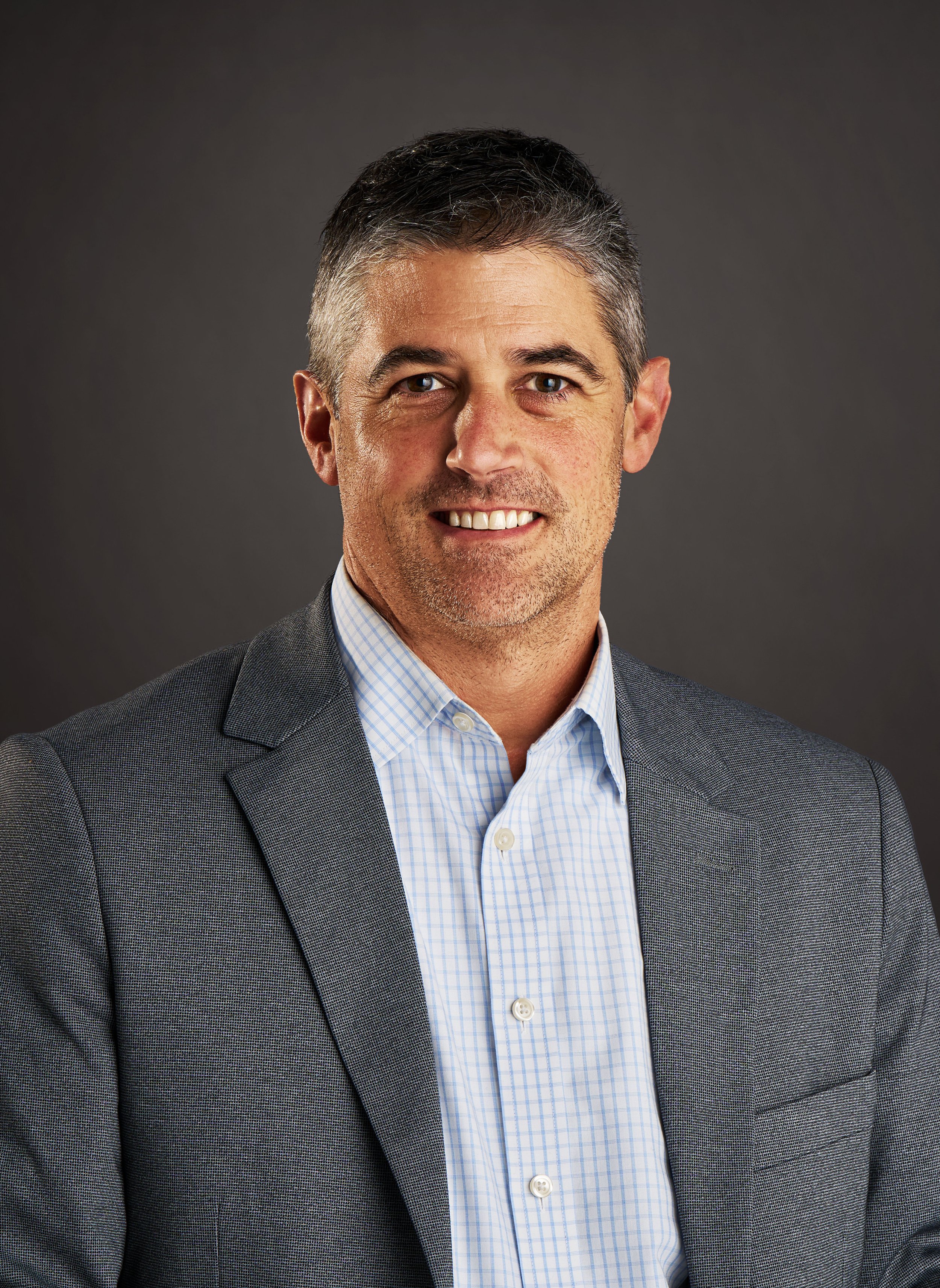
about Brad Sikorski.
Excellerate Foundation has named Brad Sikorski as its new President and Chief Executive Officer, succeeding Jeff Webster, who led the organization for six years. Webster will remain with the foundation as Executive Advisor through early 2026.
Sikorski brings a wealth of experience in leadership, finance, and philanthropy. Most recently, he served as Chief Financial Officer at Walton Enterprises in Bentonville, where he guided the organization’s financial strategy and operations. He is no stranger to Excellerate, having previously served on the foundation’s board during its tenure as Endeavor Foundation. His deep familiarity with Excellerate’s mission, values, and strategic vision uniquely positions him to lead the organization into its next chapter.
episode notes & references.
- Brad Sikorski (Excellerate Foundation): https://www.excelleratefoundation.com/who-we-are/
- Excellerate Foundation: https://excelleratefoundation.com/
- Jeff Webster (former CEO): https://www.excelleratefoundation.com/who-we-are/
- Upskill NWA Program: https://upskillnwa.com/
- Hark NWA (Social Services Navigation): https://harknwa.com/
- McAuley Place Affordable Housing: https://excelleratefoundation.com/mcauley-place/
- 2-1-1 Arkansas Resource Line: https://arkansas211.org/
- Green Band Income Definitions (HUD AMI): https://www.huduser.gov/portal/datasets/il.html
- Bentonville Public Schools: https://www.bentonvillek12.org/
episode outline.
- Introduction & Framing the Conversation – 00:00–02:47
- Brad’s Background & Connection to NWA – 02:54–04:51
- From Walmart to Walton Enterprises to Excellerate – 04:51–06:24
- A Vision for Excellerate’s Future – 09:07–10:12
- Systemic Investments: Housing, Upskill, and Hark – 10:12–14:47
- McAuley Place & Project Arrow – 12:34–15:17
- Housing Affordability & Data Trends – 15:17–18:58
- Green Band Overview and Growing Needs – 19:26–20:35
- Upskill Program Impact & Expansion – 21:00–23:31
- Healthcare and Educational Initiatives – 23:31–24:58
- Belonging, Polarization, and Community Inclusion – 25:16–26:43
- Listening Beyond the Office: Accountability & Respect – 26:43–27:57
- The Power of Public-Private Partnerships – 27:57–29:35
- Community Voice, Outreach, and Feedback – 29:35–30:36
- Leadership Transition: Jeff Webster & the Road Ahead – 30:36–31:51
- Fears, Wholeness, and the Culture of Accountability – 31:51–33:28
- Closing Reflections & Outro – 33:28–35:22
episode transcript.
episode preview.
[00:00:02] brad sikorski.: I loved the notion that my kids could grow up here, could become a teacher, could become a police officer, and have a comfortable life. That's actually one of the things that's drawn me to Excellerate is I worry that dream is slipping away as it becomes more and more expensive to live in northwest Arkansas.
[00:00:22] brad sikorski.: I see some of the challenges becoming even more exacerbated. And I think that's becoming increasingly more difficult. And so I think that, that will always be a platform for Excellerate to try to mitigate that challenge.
episode intro.
[00:01:17] mike.: Well, you are listening to the underview, an exploration and the shaping of our place. My name is Mike Rusch, and today we're taking a moment to include an important community update in our story of Northwest Arkansas. We're gonna check in with one of the people who is now helping to shape its future.
[00:01:32] mike.: Brad Sikorski is the new president and CEO of the Excellerate Foundation. He's stepping into that role following the impactful season under the leadership of Jeff Webster, who he spoke to in season one.
[00:01:43] mike.: The Excellerate Foundation has played a major role in addressing some of Northwest Arkansas's most pressing issues, housing, workforce development, access to services, and the systems that either connect or isolate people across the region.
[00:01:57] mike.: Their position gives them a unique vantage point on both the quality of life in northwest Arkansas and the deeper challenges many in our communities still face. Brad's leadership begins at a time of growing complexity where affordability and equity and a sense of belonging under tremendous pressure.
[00:02:14] mike.: In this conversation, we sit down with Brad to hear his background, his connection to this place, his vision, and how his years at Walmart, Walton Enterprises and on the Excellerate Foundation's board of directors has shaped his approach to this next chapter.
[00:02:27] mike.: We wanna know what's ahead for Excellerate, what role will it play in meeting the challenges in front of us, and what does it mean to lead a foundation, not just towards charity, but towards real systemic change. We also wanna understand the growing role of public and private partnerships in a region growing as fast as ours and how we make sure that progress doesn't leave our neighbors behind.
[00:02:47] mike.: Alright, we've got a lot to work through today. Let's get into it.
episode interview.
[00:02:54] mike.: Well, I have the privilege today of sharing a table with Brad Sikorski, who's the new president, and CEO of the Excellerate Foundation. And Brad, welcome to the table. Welcome to this conversation. Thanks for being here today.
[00:03:03] mike.: Oh, thanks for having me, Mike.
[00:03:04] mike.: I, it's, I've been looking forward to sit down, talk with you. The Excellerate Foundation has had a really important role in northwest Arkansas in meeting the needs of northwest Arkansas, responding to emergencies, and being proactive in thought leadership around housing solutions. And so, you have a really unique vantage point. You were on the board of directors for Excellerate Foundation for a long time. You've been in Bentonville and northwest Arkansas for a very long time. Help us give a framework of who you are and kind of what drew you back to this place.
[00:03:29] brad sikorski.: Sure. So I started visiting northwest Arkansas, gosh, in the late nineties. And just fell in love with the area. Loved the nature loved being outdoors, enjoyed kind of the Midwest mindset. At the time Walmart had asked if I wanted to come work for him, I wasn't quite ready to move here in the late nineties. But we'd kind of come to an agreement that eventually I would go to business school and then spend my summer with them.
[00:03:53] brad sikorski.: And so I spent my summer with them around the 2001 timeframe. And just loved it, loved being here. Loved the company, the people, and have been here ever since. In fact moved my in-laws here, moved my parents here. My kids have grown up here and so it's home. I started my career in northwest Arkansas at Walmart. Worked for Walmart for about 17 years. Enjoyed my time there. Got to the point where I decided I wanted to do something a little bit different get a little bit more involved in the community. And then went to work for the family office of the Waltons. So I worked at Walton Enterprise for five years.
[00:04:33] brad sikorski.: Again, enjoyed my time there. I kind of had one foot in the community and then, one foot kind of still out. And then this opportunity popped up, I first heard about it about a year ago. And I'd been involved with the board for seven years back around the 2011 timeframe.
[00:04:51] brad sikorski.: And was absolutely an admirer of the work that Jeff had done, over the past bit of time. And when the opportunity came to potentially, hopefully fill his shoes. I jumped at the offer. Then, so that's what got me here.
[00:05:09] mike.: That's a lot of experience and you were, I appreciate maybe the humility by which you bring that to the table, but like there's a lot there. And I, I would love to know maybe from your perspective, what are the learnings that you're bringing from those spaces that you feel like, hey, this is gonna be really important to the future of what Excellerate is going to become?
[00:05:25] brad sikorski.: When I describe Excellerate to folks outside of Northwest Arkansas I describe it as this is an organization that does a lot of good but is run like a Fortune 500 company in some respects. We are very tight with our money. We've got tight controls, a lot of processes that you would see in a big organization we employ here. And I think that's one of the strengths of the organization. Particularly when we're asking for folks to potentially fund alongside some of the projects that that we see off the ground.
[00:05:57] brad sikorski.: They know that the folks here are prudent stewards of their funds. So I, I would say kind of Walmart kind of gave me that aspect of it. The last five years that I've spent at Walton Enterprise gave me a different lens to understand, some of the philanthropic needs throughout the community and how big donors think about funding systemic change.
[00:06:24] mike.: I, I'm curious in all your years here, like how do you feel connected to this place? You said this is home?
[00:06:30] mike.: Yeah.
[00:06:30] mike.: How does Northwest Arkansas, what does that mean when you said this is home?
[00:06:34] brad sikorski.: So I grew up south of St. Louis in a very middle class neighborhood. And I had an absolute I call it a Tom Sawyer, huckleberry Finn type of environment growing up. That's what I really enjoyed about Northwest Arkansas when I moved here. I loved the notion that my kids could grow up here, could become a teacher, could become a police officer, and have a comfortable life. That's actually one of the things that's drawn me to Excellerate is I worry that dream is slipping away as it becomes more and more expensive to, to live in northwest Arkansas. The secret's definitely out on northwest Arkansas.
[00:07:13] mike.: Okay. I'm gonna keep asking because I'm curious over the time that you've been here, your involvement in the community has been substantial. When you look at our community and like the things that maybe it needs or the things that you've been really invested in or your family has been invested in. How you view that as far as the things about Northwest Arkansas that really bring life to you.
[00:07:33] brad sikorski.: I think probably the biggest thing is the sense of community. When I moved here I don't know that was as pervasive as it is today. I think the community invests a lot in things like farmer's markets, first Fridays, opportunities to bring folks together and frankly have folks feel like they belong. That's important to me. I and that's one of the things I really value about the area.
[00:07:58] mike.: Brad over your time here in northwest Arkansas, I'm just kinda curious what's your community involvement look like? Yeah. Where you've been directly, like on the ground working with people and organizations or Yeah what does that look like over your time here?
[00:08:08] brad sikorski.: Yeah. My time on the board here obviously is probably the most germane. I spent seven, seven years on the board here working with a whole host of different organizations. From a community standpoint. And this might not be exactly what you're looking for, but my wife and I are passionate runners. And the running community in northwest Arkansas is a tight knit community. We've been involved with that for many years. We're always volunteers for the Bentonville Half Marathon training program. Another organization that, that my wife and I are very passionate about is Canopy. We love the work that they do. And any opportunity that we have to support them, we do.
[00:08:48] mike.: I love that. I have an affinity for Canopy as well too.
[00:08:51] mike.: And I guess there's two kinds of people in this world. There's runners and cyclists. How do you navigate through this? This is a cycling community now. Like how does that work?
[00:08:58] mike.: Yeah. I stay to the right on the bike trails.
[00:09:01] mike.: , Not to pick on you a little bit I'm more on the cycling side, so we'll have to, we'll have to find a common ground there.
Excellerate Foundation's next chapter.
[00:09:07] mike.: Alright, let's talk about Excellerate.
[00:09:08] mike.: I'd love to understand like, what do you see as the future? Jeff was part of really taking this organization and you mentioned this already about taking it from more around the disbursement of funds and grants
[00:09:19] mike.: Yeah.
[00:09:19] mike.: Which is needed and necessary to becoming even more operational, what should the community expect in this next chapter of Excellerate?
[00:09:27] brad sikorski.: Yeah. This is still working through exactly what that looks like. But when I think about what Excellerate does really well we are really good at process, we're really good at operations good at financial controls and bringing together broad coalitions of people to tackle some of the area's biggest challenges.
[00:09:47] brad sikorski.: Today housing is a big platform. Job Upskilling is a big platform. And then Hark, which is our social services platform, is another big operational area. In the short term, those will continue to be the focus. I could see, in, in the coming years, there being another platform or two all driven by the needs of the community and whether or not those needs are being met.
[00:10:12] mike.: I think most of the people listening are pretty familiar with some of the programs that Excellerate has been promoting. I think we've spent some time like trying to understand some of these issues together.
[00:10:21] mike.: Yeah.
[00:10:22] mike.: Issues around housing, especially within the teacher McCauley place as well. Yeah. I'm curious like how you see the world. I feel like when I sat down with Jeff maybe a year ago it feels, and these are my words, I'm not gonna ask you to respond to that, but it feels like we're in a different place and kind of the state of the world.
[00:10:38] mike.: Do you see from your perspective, like big changes in the needs of Northwest Arkansas or maybe what it's gonna look like to meet some of those needs?
[00:10:47] brad sikorski.: I, I see some of the challenges becoming even more exacerbated.
[00:10:51] brad sikorski.: I, I, again, I go back to that notion of my kids, if they wanna become a teacher or a police officer, a firefighter, they should be able to live in the community in which they serve. And I think that's becoming increasingly more difficult. And so I think that, that will always be a platform for Excellerate to, to try to mitigate that challenge.
[00:11:13] brad sikorski.: I, there's a lot of other challenges that don't necessarily fit in our sweet spot. I, I, along with everyone else, I think gets frustrated with the polarization that, that exists today. Definitely a challenge. It's not specific to our community. But I don't know that's something that, that we as an organization would take on directly.
[00:11:37] brad sikorski.: The interesting thing I do think as it relates to that in the conversations that I have, and I have friends who are run the gamut on the political spectrum what I typically find is that folks typically agree on the, what. They oftentimes don't agree on the how. And so you take housing, for example.
[00:12:00] brad sikorski.: I think you're hard pressed to find folks in northwest Arkansas particularly in communities like Bentonville that don't see housing as a problem how to solve it. That's typically where the differences arise.
housing.
[00:12:14] mike.: I'm curious when we think about housing, and maybe we could look at the region in a very macro way or, yeah. I'm fine to dive into more local municipalities if we want, there's been a lot of conversations about housing. This is not a new problem that's emerging within our area. Yeah. And there's a lot of people working on that. I'm curious where you see Excellerates role in bringing solutions in this space.
[00:12:34] brad sikorski.: Yeah. One thing I think we've done a really good job of as an organization is bringing together diverse funding networks. So for housing specifically you take McAuley Place that's a, 34, 30 $5 million project. We have gotten grant funding, we've used some of our own funds. We've applied for and received federal tax credits. We've gotten help from other municipalities. We've done a really good job of bringing together, of diverse funding base to be able to pull a project like that off. And so I think that's one of the strengths that, that we bring.
[00:13:15] mike.: Do you see more projects like that in the future? Yeah. Do you feel like that's the model that, hey, this is something that Excellerate can really help move forward to meet either very specific areas or do you feel like this has a more maybe wide scale than just McAuley place at the beginning of year?
mcauley place & upskill programs.
[00:13:29] brad sikorski.: Yeah I would say anything that we do we always look to ensure that there's something systemic about the investments that we make. I think McAuley Place is a model that we could replicate across northwest Arkansas, frankly, across the state. Similar with our other platforms upskill is a model that's worked fantastic within Northwest Arkansas.
[00:13:54] brad sikorski.: We have an acute need of healthcare workers in northwest Arkansas. We have a lot of folks who are underemployed who want to participate more fully in the labor market. We basically have taken those folks. Gotten them Credentialized and have them participate, in the healthcare industry in northwest Arkansas.
[00:14:14] brad sikorski.: Hark also, it's our list. We call it our listening platform. We have a saying in Northwest Arkansas is very resource rich, connection poor heart kind of fits that need of, connecting folks in need with all the resources across the community. The one common thread that all of those things have is they tend to be systemic in nature. They don't tend to be kind of a one-off project. They tend to be things that we could replicate either across northwest Arkansas or across the state more broadly.
project arrow.
[00:14:47] mike.: Real quick on the housing conversation, I know there's been a lot of yeah, there's been a lot of municipalities that have been trying to understand what is kind of the new way forward to create housing that's going to be affordable and accessible. I, I know one of the previous projects that Jeff had worked on was Project Arrow with the City of Bentonville. Do you still see that as a viable way forward or a, like, how would you describe that?
[00:15:07] brad sikorski.: Yeah, an awful lot of people were involved in Project Arrow. I think it's a tool in the tool chest but it's an important tool to bring more affordability to the region.
hark.
[00:15:17] mike.: Brad, you mentioned Hark as this kind of listening post for the community. Yeah. I'd love to understand what do you see? How was the needs in Northwest Arkansas evolving? Where do you see things going, maybe over the past year or so?
[00:15:28] brad sikorski.: It might be helpful for the audience just to understand what Hark is. So Hark is our social services platform. And effectively in Arkansas, if an individual calls 2 1 1 that's the social services hotline for the state.
[00:15:44] brad sikorski.: If you are in Benton, Madison, or Washington County those calls get routed to us and we have a team of community liaisons who field those calls and basically help individuals in need find help. And that could be housing, it could be food, it could be legal services, it could be healthcare.
[00:16:08] brad sikorski.: The power of the platform really is are those community liaisons because they will talk with the individual, they'll really understand what the root causes of the need are. A lot of times, folks will call and say, I need help with paying the rent. And, the underlying issues might be a little bit more systemic.
[00:16:29] brad sikorski.: It might be that they, have a burdensome credit card balance and they need help with, credit counseling and things like that. That team will work with them to truly understand kind of what the systemic needs are and find them help.
[00:16:46] brad sikorski.: Additionally, they will follow up on the backend and they will understand, okay, individual, so and we referred you to these three service providers. How did they perform? Did they do a good job? Did they meet your needs? What could have been done better? And all of that information is collected and we it's a very rich data set of the needs of Northwest Arkansas and it gives us a bird's eye view of, what the needs are and who's doing a good job meeting those needs.
[00:17:19] mike.: I don't know if you can tell this yet or not, but obviously there's huge questions around our economic outlook if you will I'm curious, are you seeing any needs in Northwest Arkansas? Change substantially that we as a community should be paying attention to more than we have before maybe.
[00:17:36] brad sikorski.: Transportation continues to be a need for the community that's unmet in some regards. This is somewhat anecdotal, but mental health services, ha has popped up from time to time as well. But I would say our top needs generally relate to housing security.
[00:17:54] mike.: Within that conversation of housing security, maybe, can you give us a little bit more kind of dimension to that?
[00:17:59] mike.: Yeah.
[00:18:00] mike.: I think this has been a need we see with maybe the economic outlook being so uncertain. I'm trying to understand from a community point of view, like how big of a problem are we seeing this and Yeah. Are we seeing this change?
[00:18:15] brad sikorski.: So I'll give you a few data points. I mentioned Hark and that's our kind of our listening arm. Over the last few years we've fielded almost 28,000 cases. The number one need consistently has been help paying for housing. That, that is year in, year out been the top need of the community and it's growing. If I kind of point to the data the median home prices in northwest Arkansas over the last handful of years has grown 250%. Meanwhile, folks income, on the same period of time, has grown, 50, 60%.
[00:18:58] brad sikorski.: So it used to be, you could the median home in northwest Arkansas was roughly three times the median salary. Today, the median home in northwest Arkansas is closer to five times an individual salary. And so what that means is, folks are often house poor. They're putting, 40, 50% of their paycheck into a house payment.
[00:19:22] brad sikorski.: Which, that's a struggle for a lot of folks.
greenband.
[00:19:26] mike.: I know this is one of the core focuses of Excellerate within what you described as the green band of people. Maybe explain that a little bit more from your perspective. And your understanding where we sit today, what that look green band looks like.
[00:19:37] brad sikorski.: So we talk a lot at Excellerate about the green band. And the green band is basically folks that earn between 30% and 60% of area median income. And so what that means for Northwest Arkansas is folks that make 30 to $60,000. And what we find is, these are typically our teachers, our police officers, firefighters, city workers who are, great community members are often, struggling to meet some of their basic needs be it housing or healthcare or other factors. And so we step in to try to help bridge that gap.
[00:20:19] mike.: Brad, within the green band I'm curious, it's been defined by these levels of income. Yeah. But I'm curious if you see or are able to see any trends and is the number of people in that green band, is it growing, staying pretty static or, I'm not sure if that's something we can see or not.
[00:20:35] brad sikorski.: My suspicion is the number's growing just because, Northwest Arkansas is adding 38 new residents every day. What I can say with certainty is that the need across the green band is growing. And we've got a time series of data that stretches back almost 10 years. And. And absolutely the need amongst that cohort is growing.
upskill.
[00:21:00] mike.: Well, and I think maybe this is a good transition into some of the programs too, that Excellerate has been supporting and moving forward. I'd love for you to share maybe an update on Upskill and what's happening there
[00:21:10] brad sikorski.: so Upskill, again for folks that aren't familiar with it is a program that we launched a number of years ago. An acute need across northwest Arkansas is healthcare workers. We've been at a pretty significant shortage for a period of time. Additionally we have folks, in the area who are underemployed, who want to participate more fully in, in the labor market.
[00:21:32] brad sikorski.: Upskill is a program that finds, non-traditional students, they tend to be older. Oftentimes they tend to work multiple jobs. They might be a single parent who want to participate more fully in the labor market, but don't have the oxygen, so to speak, to be able to do it. They're working, two, sometimes three jobs to make ends meet. They can't remove themselves from the labor market, to get credentialized to become a nurse or, a rad tech or an LPN.
[00:22:06] brad sikorski.: What Upskill does is finds those individuals pays for their credentialization and then gives them a stipend for wraparound services to pay for things like healthcare, utility bills, things like that. We've had a tremendous success finding those individuals, putting 'em through college. And, on the backend the agreement that we make with them is that they serve in northwest Arkansas for two years thereafter. And what we found is that when those individuals make it through the program. Their salary on average increases almost $33,000 a year. So that's transformative for the individual.
[00:22:53] brad sikorski.: As relates to the workforce 90% of graduates make their way into the local workforce. And, they're working for the local hospitals that have the shortage. So it's a win-win for the community for the hospitals and for the individual.
[00:23:13] brad sikorski.: The one thing I didn't mention is just the regional impact. The fact that these folks are making $33,000 more a year that's $14 million that's reinvested in the community over a five year period for, folks that are our neighbors. That, that couldn't do it without us.
expanded healthcare role.
[00:23:31] mike.: When you look at the healthcare needs of Northwest Arkansas, even maybe beyond that. Yeah. I'm curious, do you feel like this is Excellerates role within the healthcare conversation within Northwest Arkansas? Kind of given there's a lot of work that's going on in these spaces and Rightfully yeah. Or do you see an expanded role for Excellerate in that?
[00:23:48] brad sikorski.: I would, I could see an expanded role. So right now we're tackling healthcare workers because that's where the most acute need is. We have made some changes around the edges, there are certain healthcare fields where, the capacity was met and we've decided not to put folks through those programs and we've added programs.
[00:24:08] brad sikorski.: I, I think that there's the possibility of expanding beyond healthcare. I. And we are taking a look at a couple of other disciplines to potentially expand the program.
educational initiatives.
[00:24:20] mike.: I know Excellerates been working with some early childhood development programs within education, and I'd love to understand your role within education, how you see that? I think Arkansas is a I don't know, maybe to say it lightly, a shifting landscape of what education looks like, and I'm really curious how Excellerate sees themselves in their role in this area.
[00:24:39] brad sikorski.: So education's always been a big area of focus for Excellerate. The way that we think about it is we look for unmet needs, and historically those unmet needs have been early childhood. Or kind of that non-traditional student that I spoke about that's an upskill potential student.
[00:24:58] brad sikorski.: As it relates to early childhood, that was actually one of the first platforms that, that we started investing in and kind of programmed to date we've invested $16 million, across 12 different school districts in the region to fund some of those early childhood learning programs.
a culture of belonging.
[00:25:16] mike.: Brad, one of the things that we talk about within this conversation a lot is just this ability for everyone to belong to this community and what does it look like to continue to create a community where everyone feels like they're included, and they have the ability to participate.
[00:25:29] mike.: And I'm curious, a lot of programs obviously within Excellerate is bridging into these areas. And I'm curious if you see anything from your perspective around maybe where this is really working well, what people are saying, or maybe if there's still spaces or opportunities that we have work to do within creating this community that, that really does feel like they belong here.
[00:25:50] brad sikorski.: Yeah. I think there'll always be work to be done. The notion of belonging and kind of creating an inclusive environment is core to what we do. And when we think about funding programs, that's absolutely one of the things that that we think about. I think one of the challenges, or one of the things that we struggle with a little bit is everything has become so polarized.
[00:26:14] brad sikorski.: And when we talk about some of these issues, oftentimes it devolves into a conservative versus liberal type of discussion. We try to steer away from that. When we think about about belonging or even advocacy, it's very much about, what can we do to help that that green band independent of any political ideology.
in the community.
[00:26:43] mike.: I saw you quoted in an interview one time, you said, "we can't listen to our community's needs from an office." And I love that. I'd love to understand. Can you maybe give us some dimension to that a little bit more?
[00:26:53] brad sikorski.: I think when you actually sit down and talk with someone particularly if it's somebody that you disagree with vehemently you always end up in a better place. And, I think that's true of, the folks that we serve. I think that's true of, some of the individuals out there who might not necessarily agree with how we deploy resources across the community. I've always been a fan of meeting with folks face-to-face particularly folks that you might not agree with.
[00:27:26] brad sikorski.: uh, you know What I would add to it is probably what we talked about earlier is what I've found is typically regardless of where you're at on the political spectrum, folks generally agree on the what. And if we can agree on the what, I think we can have a constructive dialogue on the how. We might not agree on the how, but I think we end up in a place that's at least a lot more respectful than if we all sit in our silos and don't communicate.
partnerships needed.
[00:27:57] mike.: Brad, I've heard you mention a couple times that one of Excellerates strengths is. Really this wide coalitions of organizations, partnerships.
[00:28:06] mike.: I'm curious, what do you think that the types of partnerships that Northwest Arkansas is going to need going forward to really meet some of these challenges? What are those gonna look like?
[00:28:15] brad sikorski.: I think that there will continue to be a need for public-private partnership. A lot of these needs can't be met with just the nonprofit capacity alone.
[00:28:25] brad sikorski.: And I will tell you, Northwest Arkansas has a very vibrant nonprofit environment. I think we have something in the neighborhood of 1500 501c3 organizations but they can't solve everything.
[00:28:41] brad sikorski.: And for me, where I've seen the most success in what we've done has been pulling together local municipalities, local businesses, along with the kind of local nonprofit organizations to solve some of our most pressing issues.
[00:28:56] brad sikorski.: I, I think one thing that I feel pretty strongly about is going forward, tackling these big initiatives, we're not gonna do it alone.
[00:29:05] brad sikorski.: It's been significantly more impactful to have partners along the way. So folks like Walton Family Foundation Bentonville School District, the local municipalities, the governments of Fayetteville, Springdale, Rogers, Bentonville, being able to bring all of those folks together to solve our common problems to me that's the recipe for success. And you always end up with a better answer leaning on a broad group of folks rather than trying to go it alone.
[00:29:35] mike.: Maybe I'll ask you to take one step farther. What would you ask for the people, the residents of Northwest Arkansas as we think about the future and the needs that we see around us?
[00:29:43] brad sikorski.: Yeah, that's a great question.
[00:29:45] brad sikorski.: First of all, just support. Whether we're at a city council meeting or quorum Court having support from the community is important. I think there's a notion of helping kind of create a unified community voice.
[00:30:00] brad sikorski.: If there's a need we only know about it if folks talk to us. And our phones are always open. I'm always happy to have a dialogue with anyone about a need that they see in the community. It doesn't necessarily mean that we will be able to address it but we might. And even if we can't, we have connections with 1500 501c3 organizations throughout the community. So even if we aren't the ones that are able to help we can generally point you in the right direction. I, I love reaching out to folks in the community talk about where there's need. If there's an opportunity for us to help we'll help.
next chapter for Excellerate.
[00:30:36] mike.: Brad, I think that's really helpful. I think as you look at this next chapter for Excellerate Foundation, Jeff's time was really consequential and I'm curious how you would characterize that and kind of how you may characterize what it looks like going forward as well.
[00:30:50] brad sikorski.: Jeff was a transformational leader. I had an amazing amount of respect for the work that, that Jeff did. In fact the last few years my wife was actually on the board of Excellerate. And gosh, this is probably a year and a half, two years ago I felt every time I turned on the news or opened up a newspaper, Jeff was there, either leading the charge on housing, leading the charge, on tornado relief, you name it. And I would always joke with my wife, I'd hate to be the person that has to fill his shoes.
[00:31:23] brad sikorski.: And you know, I'll be honest I will be a very different leader than Jeff. Jeff was, as I said, he was, a transformational leader. When he saw a need, he didn't blink. He just charged forward. I think I'll probably be a little bit more contemplative. I'm probably a little more ready, aim, fire. But I, this organization would not be where it's at today without the leadership that he provided the last seven, eight years.
fears.
[00:31:51] mike.: One of the things, Brad, that I ask everybody so I'm not picking on anyone is really what are your fears for this place? What are the things that keep you awake at night? What are you, yeah. What are your fears for this place?
[00:32:02] brad sikorski.: I don't know that it, it's a fear per se. But I do feel Excellerate as a brand is a pretty strong brand across Northwest Arkansas. And it's a strong brand because people here really care. And people here work really hard. I don't wanna lose sight of that. I think Jeff created a culture of accountability to one another and to the community at large.
[00:32:28] brad sikorski.: Probably my biggest fear would be losing that. I think that's what's earned us a seat at the table with local municipalities or with other large nonprofits. And maintaining that sense of accountability for me as well as the broader organization is something that's very top of mind.
[00:32:50] mike.: One of the concepts that we use to string all of these conversations together. Is this idea of community wholeness, what does wholeness mean as we work towards this idea that you've talked about? Yeah. Of building a community where everyone belongs.
[00:33:02] mike.: And so when I say that, what does wholeness look like to
[00:33:05] brad sikorski.: you? Yeah. I love your perspective.
[00:33:06] brad sikorski.: So in some respects the question answers itself. To me, wholeness is a sense of belonging. It is a place where everyone can be their authentic self regardless of who they are or what they believe and be respected and treated kindly. That to me is that's what we're looking for.
[00:33:28] mike.: I would subscribe to that definition of wholeness any day. So I appreciate your words there.
[00:33:33] mike.: well Brad, Thanks for sharing the table with me. Thanks for being willing to sit down and yeah, chart out and share with us what the next course for Excellerate looks like. I appreciate your leadership and yeah, I look forward to some really good things ahead for Excellerate.
[00:33:44] mike.: So thanks for sharing the table.
[00:33:45] brad sikorski.: Thanks for having me, Mike.
episode outro.
[00:33:49] mike.: Well, a tremendous thank you to Brad for sitting with me and offering a thoughtful vision for what comes next. Not just for the Excellerate foundation, but for the communities that it serves.
[00:33:58] mike.: From neighbors working in essential roles to housing security. From harks listening model to the Green Band of working families who are often left out of our growth narrative.
[00:34:08] mike.: Brad brought both clarity and conviction to what it means to lead with systems in mind and people at the center. He reminded us that solving big challenges in northwest Arkansas, like affordability of housing, access and belonging, requires more than good intentions. It requires collaborative partnerships, long-term investments, and a commitment to accountability and perhaps most importantly, it requires proximity, a willingness to listen, not just from the boardroom, but from the neighborhoods where the needs are felt most deeply.
[00:34:36] mike.: I sat down with Brad because I wanted to understand what the community should expect from the Excellerate Foundation in this next season. It's clear that under his leadership, our expectations should continue to remain as high as they've ever been, and that Excellerate will continue to play a pivotal role in helping to shape Northwest Arkansas driving systemic change, building broad coalitions and ensuring this place becomes more whole, not just more prosperous.
[00:35:00] mike.: I walk away from my conversation with Brad encouraged that he's leading the foundation forward into this next chapter. I think it's in really good hands.
[00:35:08] mike.: In our next episode, we will return to the story of Northwest Arkansas and we're gonna pick up in a place in the development of northwest Arkansas right before the civil rights era. That actually helped, gives a lot of insight into the current challenges in our region that Excellerate is trying to solve.
[00:35:22] mike.: So I wanna say thank you for listening, and I wanna say thank you for being the most important part of what our community is becoming. This is the underview, an exploration in the shaping of our place.