
the civil rights and labor with Dr. Michael C. Pierce.
Dr. Michael Pierce explores how race, labor, and civil rights shaped Northwest Arkansas—from early union movements to political power shifts—and how those systems still influence who belongs today.
season 2, ep. 26.
listen.
episode notes.
In this episode, Dr. Michael C. Pierce, labor historian and professor at the University of Arkansas, helps us unpack the deep connections between race, labor, and the struggle for civil rights in Northwest Arkansas. Long before the region was known for corporate giants and suburban growth, it was home to radical union organizing, socialist movements, and even biracial political alliances. Dr. Pierce walks us through this overlooked history, from the coal miners of Sebastian County to the rise and transformation of political figures like Orval Faubus, showing how civil rights were never just about laws or integration, but also about power, work, and who gets to belong.
Together, we explore how systems of wealth and political control used race as a tool to divide poor Black and white communities, weakening labor movements and preserving elite influence. We examine how immigration, racial expulsion, and disfranchisement were not only acts of social exclusion but economic strategies. And we reflect on what it means today to live in a region where massive economic power coexists with rising inequality and housing insecurity. This conversation is about more than the past, it’s about the stories we inherit, the ones we ignore, and how honesty might offer a path toward wholeness.
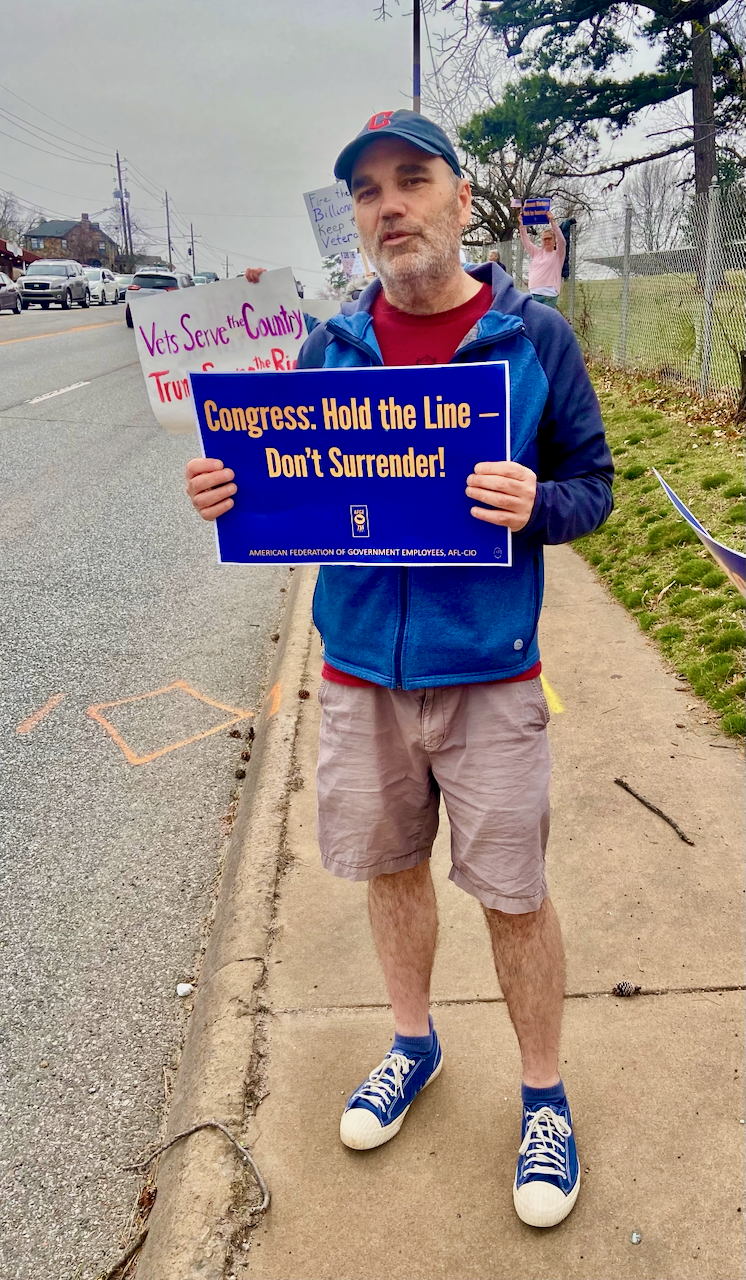
about Dr. Michael C. Pierce.
Michael Pierce is an associate professor of history at the University of Arkansas, where he teaches modern U.S. and Arkansas history. He is the author of Striking with the Ballot: Ohio Labor and the Populist Party and co-editor of Race, Labor, and Violence in the Delta. His essays have appeared in the Journal of Southern History, Labor History, Arkansas Historical Quarterly, the Oxford Research Encyclopedia of American History, and numerous edited volumes. He also serves as associate editor of the Arkansas Historical Quarterly.
Pierce received his A.B. from Kenyon College and his Ph.D. from Ohio State University. He currently directs the University of Arkansas Humanities Center’s Nelson Hackett Project, which explores the life and legacy of a Fayetteville man who escaped slavery in 1841 but was returned from Canada under international controversy. His current research includes a biography of Hackett and a broader study on how a coalition of labor and civil rights groups brought New Deal/Great Society liberalism to Arkansas in the 1960s and 1970s—and how political figures like Bill Clinton, Dale Bumpers, and David Pryor ultimately shifted the state toward more corporate-aligned politics.
episode notes & references.
- Dr. Michael Pierce: https://history.uark.edu/directory/faculty/uid/mpierce/name/Michael%2BC.%2BPierce/History
- Orval Faubus Biography: https://encyclopediaofarkansas.net/entries/orval-eugene-faubus-102/
- J. William Fulbright Biography: https://encyclopediaofarkansas.net/entries/bill-fulbright-1652/
- John L. McClellan Biography: https://encyclopediaofarkansas.net/entries/john-little-mcclellan-1708/Encyclopedia of Arkansas
- John Newton Tillman: https://encyclopediaofarkansas.net/entries/john-newton-tillman-4662/
- Southern Manifesto (1956) – Full Text: https://content.csbs.utah.edu/~dlevin/federalism/southern_manifesto.htmlcontent.csbs.utah.edu
- Brown v. Board of Education (1954) – U.S. Supreme Court Decision Summary: https://www.oyez.org/cases/1940-1955/347us483
- Plessy v. Ferguson (1896) – U.S. Supreme Court Decision Summary: https://www.oyez.org/cases/1850-1900/163us537
- Agricultural Wheel and Union Labor Party: https://encyclopediaofarkansas.net/entries/agricultural-wheel-2091/
- Commonwealth College: https://encyclopediaofarkansas.net/entries/commonwealth-college-10/Encyclopedia of Arkansas
- Ku Klux Klan in Bentonville, Arkansas (1922–1926) – Kenneth C. Barnes, Another Look Behind the Masks: https://www.jstor.org/stable/10.2307/26291365
- History of Racial Expulsion in Arkansas – Guy Lancaster, Racial Cleansing in Arkansas: https://www.uapress.com/product/racial-cleansing-in-arkansas/
- Arkansas’s Role in the Civil Rights Movement: https://encyclopediaofarkansas.net/entries/civil-rights-and-social-change-4564/Encyclopedia of Arkansas
- Southern Democrats and the Civil Rights Backlash – Charles C. Alexander, The Ku Klux Klan in the Southwest: https://www.kentuckypress.com/9780813151617/the-ku-klux-klan-in-the-southwest/
- David C. Stephenson Scandal – Wyn Craig Wade, The Fiery Cross: The Ku Klux Klan in America: https://global.oup.com/academic/product/the-fiery-cross-9780195030576
episode outline.
- Introduction & Framing Race and Labor: 00:00–03:24
- Dr. Pierce’s Background & Arkansas History Focus: 03:29–05:49
- Labor Radicalism in the Ozarks: 06:39–09:57
- Socialist Traditions and Anti-Monopoly Politics: 10:44–13:39
- Utilities and Municipal Control as Worker Power: 13:39–19:45
- Biracial Political Movements in the 1880s–90s: 20:13–23:47
- Jim Crow as Economic Strategy: 24:39–26:10
- Racial Expulsion & Labor Competition: 26:10–30:41
- Selective Memory in NWA Race History: 33:13–36:41
- Faubus’ Socialist Roots & Shift to Segregation: 37:20–48:09
- Southern Manifesto Impact & Arkansas Backlash: 50:24–54:25
- Faubus Betrays Labor and Civil Rights Coalitions: 54:25–01:01:29
- Post-Faubus Decline & Labor’s Lasting Political Influence: 01:01:29–01:08:41
- Modern Corporate Power & Labor Suppression: 01:08:41–01:10:24
- Fears, Housing Crisis, and the Question of Wholeness: 01:12:11–01:15:42
episode transcript.
episode preview.
[00:00:07] dr. michael c. pierce.: This is the point in which Arkansas goes from being the leader of integration in the Jim Crow South to the road to Central High in 1957. And so after the Southern Manifesto, the conversation changes from this is a decision we don't really like, but there's nothing we can do about it. We might as well make the best of it to, how do we organize to stop this from happening?
episode intro.
[00:01:20] mike.: You are listening to the under view and exploration in the shaping of our place. My name is Mike Rusch, and today we're asking some deeper questions about how race, labor, and the pursuit of civil rights have shaped not just our history and our region, but how they continue to impact everyone's ability to belong.
[00:01:37] mike.: These issues, labor, race, and belonging they're so tightly woven together and so politically charged that it's often hard to separate historical fact from ideological spin. But if we wanna understand the story of northwest Arkansas, we have to be willing to ask. Who worked, who benefited and who was excluded?
[00:01:55] mike.: In a place where indigenous removal and the enslavement of people created the first foundations of wealth and political influence. What happens when the demand for cheap labor continues long after those systems have formally ended? How do new sources of labor get recruited and constrained or discarded when they're no longer useful? And how does the society justify these patterns economically, morally, and politically?
[00:02:18] mike.: Today's conversation is with Dr. Michael Pierce, an associate professor of history at the University of Arkansas. He specializes in the ways that a coalition of labor and civil rights groups brought new deal and great society style liberalism to the state.
[00:02:32] mike.: This conversation today takes us back through the often overlooked history of Northwest Arkansas as a region once alive with anti-corporate radicalism, union solidarity, and interracial organizing. That was before the rise of concentrated economic powers reshaped our civic institutions.
[00:02:49] mike.: Together we explore how Jim Crow disenfranchisement and racial expulsion weren't just acts of exploitation. They were economic strategies designed to divide working people and preserve the privileges of a few. And we ask, what does that mean for us now in a region where wealth and poverty lives side by side, where immigration is more codified and controlled, and where corporations shape our civic identity, how do we understand who gets to belong?
[00:03:15] mike.: Are race and labor still being used together today to determine whose lives are valued and whose labor is expendable?
[00:03:22] mike.: We've got a whole lot to work through today.
[00:03:24] mike.: Let's get into it.
episode interview.
[00:03:29] mike.: Well, I have a privilege today of sharing a table with Dr. Michael Pierce, who's an associate professor of history at the University of Arkansas. Dr. Pierce, thank you for coming and Thanks. Thanks for being a part of this conversation.
[00:03:38] mike.: Thank you for inviting me. I'm always happy to talk.
[00:03:40] mike.: Thank you very much. I know your specialty is in modern US labor and race issues here in Arkansas, and I'd love to understand a little bit of your background and what brought you to this topic.
[00:03:50] dr. michael c. pierce.: Yeah. I moved to northwest Arkansas to Fayetteville in 2000. I was 35 years old and I had never ever stepped foot in the state of Arkansas until I moved here. My. Partner, my spouse got a job teaching at the University of Arkansas, and we were an academic couple, and I was the redheaded stepchild of academia the trailing spouse. And I'm a trained PhD in, in, in modern America. And what happened is the history department here put me to work teaching the classes that they needed to be taught. And those were Arkansas history. The state had just passed a law requiring all elementary education and social studies, education people to take Arkansas history and they needed it. And this really kind of aligned with my interests. My first research project was focused on the community I lived in Ohio. And so once I got here the questions that I had as a historian were informed by what I saw in just living. I wanted to know the history of the place in which I lived.
[00:05:03] dr. michael c. pierce.: I,
[00:05:03] mike.: and I have an affinity for this, so let's go. Yeah. Yeah. I love hearing that. I love hearing that.
background.
[00:05:07] dr. michael c. pierce.: Yeah. And if you're a US historian, and you're in Arkansas, why study the Pacific Northwest or why study south Carolina when you, there are things here. This place has a history that matters and and it's my curiosity.
[00:05:24] dr. michael c. pierce.: It's my professional work. It's who I am. And so I just started teaching Arkansas history and I published some stuff for my earlier work and it's time for a new project, Arkansas history. And so I've been teaching Arkansas history for almost 25 years now at the university, and been publishing for probably the last 15, 18 years.
[00:05:49] dr. michael c. pierce.: And I'm a labor historian by training. I study working people especially how working people mobilize to express their sort of collective needs, whether it's in the political arena or the economic arena. And so once I started turning my scholarly attention to Arkansas, that's what I looked at. And and what shocked me more than anything else. I'm from Ohio. I am from uh, a big labor state where the Ohio A-F-L-C-I-O is a powerful organization. And moving to the south, the Sunbelt, I just assumed that there was no, not much labor organizing, or not even much what I call anti-corporate radicalism.
ozark history of labor.
[00:06:39] dr. michael c. pierce.: And what I found in the Ozarks and what I found in northwest Arkansas and western Arkansas was a tradition of pro-union anti-corporate radicalism. And it's not necessarily confined to what we call northwest Arkansas today. But it is all through while the Ozarks and even the Ouchita Mountains. If we look down at Fort Smith Fort Smith has a long history of worker activism, of labor unions, of, of fighting for what they see as the rights of workers. And my interest in northwest Arkansas actually started looking at things that were happening in Sebastian County.
[00:07:30] dr. michael c. pierce.: Most famously in, in 1913 and 1914, there was a coal miner strike in Southern Sebastian County. And basically it was a fight between the United Mine workers local citizens local law enforcement against company goons and US Marshals. It was basically a civil war down in Sebastian County.
[00:08:00] dr. Michael c. pierce.: And it was seen as local officials the sheriffs of these small towns and these small communities. They sided with the strikers. The bankers in these small communities these the physicians sided with the strikers against these outside forces. And there is, this was this profound and deep suspicion in the Ozarks and the Ouchitas of outsiders of the concentration of economic power in the hands of a few. There was a defense of what were seen as prerogatives of working people and their families. And this was profound.
[00:08:45] dr. michael c. pierce.: The strike I was talking about in Sebastian County court cases from, it made its their way up to the US Supreme Court and there was its decision in the early twenties and the Chief Justice William Howard Taft of all people.
[00:09:01] dr. michael c. pierce.: And Taft said, I've never seen anything like this where a town a whole community came out in support of a union. And workers. He says it, it's unprecedented and that's happening in Western Arkansas. Just, a few years later during the Great War, during World War I, there was a general strike in Fort Smith. The Trade and Labor Council just simply shut down the town, after the Board of Trade basically had a legal coup to remove the pro-union mayor of Fort Smith. And the Trand and Labor Council said, we, this is not what democracy looks like. And they launched a general strike in December of 1917, and it was designed to help striking telephone operators.
[00:09:57] dr. michael c. pierce.: And the telephone operators were employees of the largest corporation in the world at that time at and t or its predecessor. And they were, they went on strike demanding that the states minimum wage for women law was enforced. They were asking for what the state guaranteed them and what we're seeing, but in Sebastian County is part of a larger culture in the Ozarks, in the Ouchitas of suspicion of the concentration of economic power of very, of vigilance to making sure that the rights of working people are respected. And, this is all throughout the Ozarks.
Sam Faubus.
[00:10:44] dr. michael c. pierce.: In Madison County Sam Faubus Orville's father he was a, a a radical socialist. And he ran the Greasy Creek local of the Socialist Party of America.
[00:10:58] dr. michael c. pierce.: One, one of my favorite sort of stories, maybe facts, is that the most powerful women in the Socialist Party of America in the 19 20s all came from one town in Sebastian County Arkansas a town called Huntington. There was a woman named Frida Am Ringer or Frida Hogan before she got married, who was considered for the vice presidency of the Socialist Party of America. In, in 1928 there, there was another woman, Bertha Hale, also from Huntington, who ran the Socialist Party during the 1924 election.
[00:11:40] dr. michael c. pierce.: And it's this radical pro worker. Anti-corporate. And I wanna make it clear, these people were not when they were a socialists they had no problem with mom and pop businesses. They just didn't like monopolies. They didn't like the concentration of economic power in the hands of a few people who could use that to push down wages to make life difficult for working people.
[00:12:10] dr. michael c. pierce.: And like Sam Faubus was a socialist. The people down in, in Huntington, Arkansas were socialists. Many of the strikers in Fort Smith in the 19 were socialists, but they were socialism for them was simply the idea that the concentration of economic power in the hands of a few people is dangerous.
[00:12:32] dr. michael c. pierce.: And that the government should be used to curtail the abuse of that power, and whether that means the collective ownership of railroads and natural monopolies and utilities, so be it. One of the other things about, this, you can see these ideas in the utilities around here. The electrical co-ops they were a product of this vision. They were a product of the New Deal, and it is the new deal that brought electricity to Northwest Arkansas, outside of the towns. It's you tell people Bentonville, Arkansas it has a. S municipal electrical utility. This is what they used to call gas and sewer socialism. This is a legacy of that tradition. And this tr that tradition was extremely powerful, whether it's in Harrison, whether it's in greasy Creek in Madison County, whether it's in Fort Smith.
[00:13:39] dr. michael c. pierce.: Northwest Arkansas was not as industrialized as many areas of the state, especially Fort Smith. But there was still a powerful union tradition here. And the place I work, the University of Arkansas there was a powerful union of workers in the 1960s AFSCME Local 9 6 5. And what AFSCME Local 9 65 did is they launched the first public employee strike in the south in the 19 well ever. And they won. And and when they went out on strike in 1963, they had the support of the town and the community.
[00:14:19] dr. michael c. pierce.: And it was this legacy, as I said, of suspicion of the concentration of economic power. It's a vigilance of looking out at the rights of working people. It's a, and it's everywhere.
representative of time & area.
[00:14:33] mike.: Dr. Pierce, one of the things like this situation you're talking about Sebastian County, for example, this is not, this is representative of a time and this is representative of an area corrected.
[00:14:43] dr. michael c. pierce.: Yeah. There's a story by the name of James Green and he talks about this entire area from south eastern Kansas and parts of Missouri down through Oklahoma into Texas and Louisiana and western Arkansas as being this home of this grassroots socialism. And it's not the socialism of the Europeans it's a socialist tradition that comes out of an American tradition called "producers."
[00:15:14] dr. michael c. pierce.: And it's this idea that the world is divided not between the owners of the means of production and those who sell their labor, but between those who produce wealth and parasites who live off the wealth produced by others. And so as part of this tradition, it's a 19th century tradition. It's rooted in ideas of Jefferson and Jackson.
[00:15:40] dr. michael c. pierce.: And what they said is that the people who mix their labor with the earth produce wealth. A farmer mixes his or her labor with the land and they produce a crop, and that is of a value. A blacksmith mixes his labor with ore and coal, and produces something of wealth. And what these grassroots socialists from this region said is that after the Civil war, parasites. People who didn't work, people who didn't mix their labor with the land were the ones profiting from economic growth and farmers and working people were struggling. And what the, and the, these people, historians of labor call them producers.
[00:16:29] dr. michael c. pierce.: And what they argue and what they say is what has happened is that these parasites have corrupted the government. They have abused their power, they've created monopolies. And that in order to free the producers to the pe, the people who actually work, that the monopolies have to be taken over by the government. And that they have to be natural monopolies, things like. Trains and things like utilities. They need to function to serve the people rather than greedy private interests.
[00:17:13] dr. michael c. pierce.: And so it's this grassroots socialism grounded in this sort of anti-monopoly tradition, grounded in what people have called the labor theory of value grounded in these 19th century ideals that, a working man should enjoy the fruits of his or her labor.
[00:17:37] dr. michael c. pierce.: And by the late 19th century, early 20th century people around here, they looked and they thought we're working harder every year. We're planting more crops and, but every year we're getting poor and poorer. And the people who we see who own stock and run banks, they're getting rich. They're getting rich off the labor of other people.
[00:18:03] dr. michael c. pierce.: And so what these grassroots socialists that, that were all throughout northwest Arkansas, but also the broader region, what they were saying is that government had to be restored, to help working people enjoy the profits of the goods that they produced.
[00:18:25] mike.: So when we talk about, like the frameworks of our municipalities, and we talk about, to your point, the example of utilities, for example.
[00:18:33] dr. michael c. pierce.: Yeah.
[00:18:33] mike.: This is an intent, intentional decision by those municipalities to concentrate things like power, for example, not like power in the clouds, like power, like literal power, like electricity.
[00:18:46] mike.: This is an intentional formation to make sure that these things serve the people that are there and that need these in a way that they can't be taken advantage of. Is that my understanding?
[00:18:56] dr. michael c. pierce.: Yeah. And utility companies are primary example of a monopoly, right? Yeah. You can't have seven utility companies selling electricity in a town. It just is economically inefficient. And the American political tradition, there's a deep suspicion of monopoly, or at least there used to be. It's kind of gone by the wayside. And that if you have a monopoly and you can only buy your electricity from one place, yeah. That, that. That one place has power over you and can use that power to extract wealth from you that is unjust and that is the thinking that permeated throughout this region.
[00:19:45] dr. michael c. pierce.: The most important politician before, Orville Faubus was brought up on this.
[00:19:49] mike.: Dr. Pierce, can you help us maybe set the framework a little bit. If I understand correctly, that kind of early 19 hundreds, 1920s, 1930s, what's the political framework that we're kind of operating in and what's the racial dimension of how that works as well too?
[00:20:04] mike.: This was predominantly a fairly white space obviously a history of segregation, but how does that enter into this mix of the conversation?
disfranchisement.
[00:20:13] dr. michael c. pierce.: Yeah, this is gonna be a detour, and I hope things don't, I don't go too far.
[00:20:19] dr. michael c. pierce.: Segregation Jim Crow the separation of races in public life and disfranchisement both come to disfranchisement is policies that make it more difficult for working people, poor people to vote. And since African Americans tended to be poor than white people, disfranchisement disproportionately affected African Americans. But in Arkansas disfranchisement was about it. It hurt both black and white people of modest means.
[00:20:55] dr. michael c. pierce.: And so Disfranchisement and Jim Crow come to Arkansas in the 1890s. And what had happened, what caused this to come about is that in the 1880s there was the makings of a biracial alliance of working people, of farmers of. People who worked for wages in towns and cities. And in the 1880s farmers upset with declining crop prices. The rates that railroads charged them, the banking system that was deflating the currency they were attracted to something called agrarian radicalism.
agricultural wheel & union labor party.
[00:21:38] dr. michael c. pierce.: And they demanded a series of changes. They wanted ownership of railroads and telegraphs. They wanted to reform banking. They wanted to create inflation. They wanted to make it so that they could enjoy the profits from their labor. And agrarian radicalism in Arkansas was basically institutionalized by an organization called *The Agricultural Wheel*. And the Agricultural Wheel. It was formed in eastern Arkansas over in Prairie County. But it had affiliates all throughout the Ozarks, in the Wachita in the West. And what the agricultural wheel does is by 18, late 1880s, it forms a political party called the *Union Labor Party*.
[00:22:32] dr. michael c. pierce.: And the Union Labor Party and the Agricultural Wheel were both biracial. They had black locals and they had white locals. And they were addressing the needs of poor, humble farmers. And by 1888 the Republican Party in Arkansas which was composed of mostly humble black folks formed a political alliance to try to remake the state to to challenge the prerogatives of the Democratic Party, which was led by the state's economic elite.
[00:23:06] dr. michael c. pierce.: And there was in 1888, in 1890, a series of just, of elections that were characterized by violence and fraud ballot boxes were missing. They were stuffed, they were disappeared. At one point, a congressional candidate a guy named John Clayton, was assassinated by Democrats in Conway County. And the Democrats by the early 1890s decided, winning elections through violence and assassination and fraud is dangerous.
[00:23:47] dr. michael c. pierce.: We need to get a better way to make sure that the economic elites stay in power. And that's when Jim Crow was introduced. It was a way to separate black folks and white folks in public life to to make the sort of biracial political coalitions of poor people impossible or at least difficult. And so the first Jim Crow law was in 1891 representative from Fayetteville down in the General Assembly introduces a bill to require black folks and white folks to ride in separate coaches. His name was John Tillman. He later becomes president of the University of Arkansas at a congressman representing this area.
disfranchisement.
[00:24:39] dr. michael c. pierce.: But this and by the same token. Disfranchisement and in Arkansas, disfranchisement took a couple forms. Disfranchisement was never as absolute in Arkansas as it was, say, in Alabama or Mississippi or South Carolina. But the institution of a poll tax complicated procedures that go along with that new balloting procedures that made it difficult for people who were not the most literate to vote.
[00:25:09] dr. michael c. pierce.: Centralizing control of the counting of ballots within the Democratic party. All of these things, disfranchised poor people, more disproportionately black folks than white folks, but it hurt disfranchisement reduced the number of humble white people voting and the number of humble black people voting and what we see is, I tell my students, if racial separation was natural, you wouldn't need to create a law in 1891, mandating it. And that in Arkansas, segregation disfranchisement were tools that the economic elite used to keep working people, black and white, working people separate to prevent a biracial working class challenge to the prerogatives of the economic elite.
[00:26:10] dr. michael c. pierce.: And what the coming of Jim Crow does is it really increases racial tensions all throughout the area. And, all throughout the state what starting in the 1890s is an increase in lynching. In an increase in night riding, which is basically warning usually African Americans that they need to leave. White workers see black folks as economic competitors and as opposed before the 1890s, there were economic allies after the 1890s, they become economic competitors You know, and night riding was a way to drive away lower wage to black workers. And there it becomes really complicated in Arkansas, more that Jim Crow and Disfranchisement were put in place from above by the economic elite for their benefit. And they set working class black folks and working class white folks in many ways against each other.
[00:27:17] dr. michael c. pierce.: There are exceptions in one of the great exceptions is the United Mine Workers of America. Believe it or not, the United Mine Workers of America used to be extremely powerful in Western Arkansas especially south of the Arkansas River. And the United Mine Workers of America was the most inclusive union in the late 19th, early 20th century. The joke was when you're in the mine and you're dirty and you don't have enough light to see everyone's the same color. And so these mining towns a lot of times owners, operators would introduce black workers as strike breakers. But in these mining towns, a lot of these strike breakers just said, no, we're not going to do that and join the unions.
[00:28:08] dr. michael c. pierce.: The other thing that you see happening in the Ozarks is racial cleansing. Many Arkansas towns become sundown towns. They become places where African American people cannot live. Once the sun goes down, they're expected to leave town. By the First World War. By the Great War, there were three towns in the Ozarks in which African Americans could live a community in Fayetteville a small one in Bentonville and also Eureka Springs, but other towns including Cotter, including Harrison they had episodes of, in which black folks were expelled.
[00:28:53] dr. michael c. pierce.: One of the, one of the other places where black folks were expelled, was a town Sebastian County called Bonanza. And what is the United Mine Workers of America are putting out leaflets saying, no, our members, you should not do this. That we need to think of black working people as our brothers, not as our competitors. And so down in Bonanza, it's the United mine workers are saying, no, we can't do this. But expulsion is just, it's horrific.
[00:29:26] dr. michael c. pierce.: The Ozarks in the 19th century had a larger population than the black population, than the Ozarks in the early 20th century because of expulsion. The most famous case is Harrison but all lots of these small towns all the way, across north Arkansas and down the western border, racial expulsion.
[00:29:53] dr. michael c. pierce.: But a lot of the boosters in these towns actually used racial expulsion as a way to grow in the teens or the twenties. I forget which springs, board of Trade, it's booster organization would run ads in regional papers, say, move your company to Siloam Springs because there, there are no mosquitoes, there's no malaria and there's no Negroes. Actually, they didn't use the word Negroes.
[00:30:20] dr. michael c. pierce.: And so this is part of this northwest Arkansas tradition that this racial expulsion happens. African Americans continue to live in rural areas. There were communities, especially in Madison County that traced their lineage back into before the Civil War.
[00:30:41] dr. michael c. pierce.: Okay. I know I keep on talking and not giving you time to ask questions.
[00:30:45] mike.: No, it's number one, I think this dimension that you're adding is really you may not have the benefit of this, but I look back at some of how this fits into some surrounding conversations. Yeah.
[00:30:55] mike.: But, but to me from what I'm hearing from you, like in that, is that the racial dimension was weaponized against poor, black and white communities.
[00:31:03] mike.: Yeah. But at the end of the day, it's the I guess the wealthy class that's doing that as a way of
[00:31:10] dr. michael c. pierce.: Yeah. There, there is there, In areas in which African American labor is not critical to the welfare of the economic elite, what as expulsion? That the town leaders if not encourage it, they tolerate it. In places like in eastern Arkansas where the economically is utterly dependent upon cheap black labor. There's not expulsion of black folks. And what I'm trying to get at is, but other means are used to control. Oh, absolutely. There's different types of racial violence including, most importantly lynching which is a community-wide lynchings are rituals usually led by the town's elite that help solidify white solidarity. It's us white people beyond class acting.
[00:32:18] dr. michael c. pierce.: Together night writing, which is also seen in the del the Delta and other areas is signs of disagreements amongst white people based on class that working class whites are angry with black competitors, but also the people who employ them. And so night riding targets are sometimes black folks and sometimes the economic elite, and this is happens in the Delta, but it's in, in the Ozarks and the Ouchitas, where black folks are not a necessary part of the labor force, just in sheer numbers. Racial violence plays out differently than it does in the Delta.
[00:33:09] mike.: Yeah. Gosh, it's hard to hear you say that as clearly as you did,
selection memory of race.
[00:33:13] dr. michael c. pierce.: it's hard to say it as clear. Yeah. It's just different.
[00:33:17] dr. michael c. pierce.: Folks in Northwest Arkansas have today, I'm talking about today. tell themselves certain stories. And some of those stories are that slavery in the Ozarks was more benign compared to slavery in the Delta. That Northwest Arkansas was at the forefront of school integration in the 1950s. Whether it's, Fayetteville being the first high school in the Jim Crow South to publicly integrate, or the University of Arkansas integrating in, in 1948 or Bentonville High School in 1955. And so did Lincoln, and Charleston and Van Buren started integrating. And Fort Smith made these this effort to start integration early on. And people in northwest Arkansas, they know all of those things and those are the stories that they like to tell.
[00:34:18] dr. michael c. pierce.: The stories of that Northwest Arkansas is different than the rest of the Jim Crow South, but it's the stories that they ignore. The stories like Nelson Hackett, the stories of what slavery look like on the ground in northwest Arkansas, the stories of racial expulsion throughout the Ozarks, the story of Archibald Yale Boulevard being placed, where it is to cut off the black community from the core of Fayetteville. The stories of what life was like in Fayetteville for Silas Hunt and those other first students, or the fact that Fayetteville, this progressive bastion didn't integrate its elementary schools until threatened with a, with legal action in 1965, a whole 11 years after the Brown decision.
[00:35:22] dr. michael c. pierce.: And so people in northwest Arkansas have a selective memory when it comes to race. And one of the things that I think is important for historians to do is to suggest to people that they have a more realistic understanding.
[00:35:44] dr. michael c. pierce.: Yeah, it's great that Fayetteville High School was the first high school in the Jim Crow South to publicly integrate, but there were problems. That these things are messy processes with good people and bad people. And it's not a simple story of good versus evil. It is a story that is complicated. People are both good and not as good as you would hope. And we need an honest reckoning with race relations in northwest Arkansas. If we want to move forward in, in a way that is helpful for everyone rather than this is my vision of what things should be and I am going to stick by it. But these, it's these honest, the honest conversations like you're doing are necessary for this place. Wow.
[00:36:41] mike.: I would say thank you. I just, I, yeah. I think this is the reckoning that we're trying to understand that and, I could probably talk about this all day long, but I'm here to ask you questions. But I think this is part of the process, right? Is that if we can come to terms with an honest history of where we're at then maybe there is a way to move forward together
[00:36:57] mike.: Yeah.
[00:36:58] mike.: In a way that maybe is whole. We're getting to that.
[00:37:01] mike.: Dr. Pierce, thank you. I think that, for me, that framework is incredibly helpful to try to think about our past history, which is not something we, we spend much time doing and so for some people this could be brand new information or maybe framed in a way that they're not expecting, but I think it's necessary. And so I'm grateful for that.
shift from anticorporate radicalism | Orval Faubus.
[00:37:20] mike.: Let's go back to this conversation, because you're painting a picture of economics and race and labor and all of these things and really painting northwest Arkansas as this place that the term you use this, these anti-corporate radicalism and labor organizing places, but that's not where we're today.
[00:37:39] mike.: Yeah. Yeah. Where did this shift start to happen? Or where, how do we get from there to maybe bring us a little bit more forward in history here a little bit?
[00:37:49] dr. michael c. pierce.: One of the I often answer that question by pointing to Orval Faubus. Fabaus is a product of this anti-corporate radical past. He was born in Madison County around 1911. His father Sam, was a, died in the wall socialist. A Orville Faus grew up in a family in which he was taught that race was di Devi, was imposed by the economic elite to fleece working people. And this is the way, what he was brought up on. He was a humble kid humble family, and he went to a socialist labor college down south of Fort Smith, not too far from mena.
[00:38:37] dr. michael c. pierce.: It's called Commonwealth College. It's a wild place. And he was there and that's his higher education. And the people at Commonwealth, they worked with the Southern Tenant Farmers Union. They worked with the Socialist Party. They were part of this broader left during the 1930s when Orville Faubus was there. It was a vibrant place and he was ambitious. He was student body president at Commonwealth. And he went off to war World War II. He was a little older than most people. And he was politically ambitious and he started writing back to, he had a column in the local newspaper in Madison County. And he came back and he bought the paper. He ran for county judge. He lost.
Sidney McMath.
[00:39:28] dr. michael c. pierce.: But at this time in 1948, there was this critical election a guy named Sidney Mc Math. Sidney McMath was, he was brilliant. He looked like a movie star. He had been a Lieutenant Colonel dur in the Pacific during the war.
[00:39:50] dr. michael c. pierce.: He was, he had every medal you could imagine. And he was, I. A southern liberal. He ca he's from Hot Springs and he came back from the war and he says this politically corrupt machine that is running hot springs and allowing this illegal gambling and this prostitution this is not the democracy I have fought for. And he led what is called the GI Revolt in 1946. It was about liberalizing the south breaking southern communities away from boss rule from these, people who controlled votes and would vote hundreds and hundreds of times and stuffed ballot boxes. He wanted to bring real democracy to his part of the south.
[00:40:38] dr. michael c. pierce.: And this is going on in all throughout the south, these gi revolts. And in 48 he runs for governor. And he's running for governor in 1948. He's running for the Democratic nomination, and at this time the president was Harry Truman and early 1948 here at Truman Issues a report on civil rights. He has a special commission. They issue a report and what he does, what the report calls for is a fair employment law. You can't discriminate against African Americans for jobs. Integration of the military, getting rid of the poll taxes that are keeping African Americans and poor people from voting throughout the south.
[00:41:26] dr. michael c. pierce.: Equalization of spending on education. Fair play for African Americans and black people in the court system. You would've thought if you'd listened to the leaders of Arkansas. The governor at the time was a guy named Ben Laney, if you'd listened to Ben Laney. This was directly from Joseph Stalin himself.
[00:41:47] dr. michael c. pierce.: This was an just would destroy the way of life in Arkansas. And so Ben Laney a governor of Arkansas and a lot of other southern governors led a rebellion in 1948 called The Dixiecrat Rebellion. And they nominated a guy named Strom Thurman, the governor of South Carolina to run on this democratic state's rights platform against Truman in the general election. And what these states' rights governors wanted to do was to stop civil rights legislation. They also hated a lot of the New deal labor legislation and the gubernatorial primary. In 1948, Sid McMath ran and he says, we don't need federal laws, but if I'm governor, I want to repeal the poll tax. I want to give African Americans fair play in the court system. I wanna increase spending on African American education and organized labor. African American groups got behind Sid Mcma the his opponent a guy named Holt, oh God, I forget his name. He was a former attorney general first name. He ran with the support of the segregationists and the business community. By the way, the, if you had a diagram of the segregationists and the business community, there'd be lots of overlap.
[00:43:08] dr. michael c. pierce.: There's, yeah,
[00:43:09] mike.: the Venn diagram of the two, the
[00:43:10] dr. michael c. pierce.: Venn diagram of the two, it's not a perfect circle, but it's close. They got behind Holt and this was about, the election was about labor and civil rights on one side, segregationists and the business community on the other. McMath won. McMath probably lost the white vote, but he got about 90% of the black vote or at least the 90% of the free black vote. And he becomes governor. And he helps Harry Truman win the state of Arkansas in the general election. And you know that picture Dewey defeats Truman from the Chicago Yeah, yeah.
[00:43:50] dr. michael c. pierce.: Arkansas and Texas going for Truman is the reason Truman won. And so anyway, it is during that 1948 campaign is traveling around the state and he meets Orville faas Favas. And Orville Favas becomes one of the most enthusiastic supporters of McMath. McMath running with the support of African Americans running with the support of organized labor, opposing the business leaders opposing the segregations.
[00:44:21] dr. michael c. pierce.: And it makes sense. This is who Orville Faas was growing up. And Sid McMath sees Orville Fabi as charismatic, as brilliant, as intelligent. And Sid mc math hires Orville Faba to be his executive secretary down in Little Rock. This is Orville Faubus introduction to state politics. He is part of this labor Black McMath Coalition, and he's good at it. He is absolutely brilliant.
[00:45:04] dr. michael c. pierce.: In 1954, Orville Faubus runs for governor and he's very savvy about that time that he chooses to run for governor because earlier in 1954, Sid McMath announced his intention to run for the US Senate against a guy named John McClellan. Okay. And John McClellan was an old time segregationist, anti-union politician from South Arkansas, and it was going to be handsome Sidney Math with African American supporters and organized labor supporters, and against John McClellan, the traditional leader close to Arkansas Power and light, and all of these state economic interests.
[00:45:56] dr. michael c. pierce.: And to prepare for that race Sid McMath goes to Washington DC and he sits down with the heads of the Congress of Industrial Organizations and the American Federation of Labor and says, I need money to get out the black vote in Arkansas. I need money to buy poll, tax receipts that can be distributed to my supporters on election day. It was this, it was standard at this time that political leaders, political bosses in the counties and people who ran companies nursing home operators would buy poll tax by the hundreds, by the thousands planters. And Mc Math says the reason that people who are pro worker can't win elections is because we don't have any money to buy poll taxes.
Orville Faubus elected governor.
[00:46:45] dr. michael c. pierce.: And so the A FL and the CIO gave McMath thousands of dollars, tens of thousands of dollars, and he works with African American leaders throughout the state to distribute those poll tax receipts in black communities so that black. Folks can go and vote. Fais knows this is going on, and he says There are going to be more African-American voters in 1954 than ever. Organized labor's going to be highly motivated. He says, I am going to ride Sid McMath's coattails into the governor's office. And he goes in and McMath loses Orville Faubus wins. And Daisy Bates and her autobiography says, Orville Faubus won because of black voters and organized labor. And in his early years, Orville Faubus was the most racially progressive governor. In the South. In his first term, he integrates the Democratic Party's Executive Committee. He adds six seats for African Americans during his term, he first term, he does nothing to prevent schools from integrating during his first term.
[00:48:09] dr. michael c. pierce.: The state's colleges undergraduates integrate. And by late 1955 a black newspaper man in little Rock by the name of Ozal Sutton. He writes a a article for the leading black paper in the nation, the Chicago Defender, and he says Arkansas is the one bright spot in the south when it comes to integration. And that's under Faubus watch.
[00:48:35] dr. michael c. pierce.: And what happens is Faubus has his legs kicked out from under him. Up until up through 1950, the Brown versus Board of Education decision was in 1954. Faubus is elected in 54. 55 is a year marked by really profound racial progress in Arkansas.
[00:48:58] dr. michael c. pierce.: It's led by a set of moderate white politicians Faubus, attorney General is a guy named Thomas Gentry. And what these guys say is, look, Supreme Court has made its decision. Segregation is illegal. We might not like it, but we should follow the law. And most people in Arkansas through 1955 were like, yeah, we don't white people, most white people in Arkansas, and through 1955 into early 1956 were like, we don't like this law, but it's the law. There's nothing we can do about it. We might as well make the best of it. And what is undergraduate institutions, integrating schools in Western Arkansas, Northern Arkansas, integrating schools in central Arkansas, taking the first steps, preparing to integrate school boards, working to do the right thing.
[00:49:52] dr. michael c. pierce.: And then in the spring of 1956 a group of southern congressmen including Jay William Fulbright, issued something called the *Southern Manifesto*. And the Southern Manifesto basically says that the Supreme Court was absolutely wrong and suggested if the people of the South rose up, they could stop integration from happening and what is this sea change.
background on Southern Manifesto.
[00:50:24] mike.: Well, let me interrupt the conversation for a moment to give a little clarity around the Southern Manifesto. In 1954, just before the Supreme Court issued its ruling in Brown versus the Board of Education, 17 states in the District of Columbia still mandated racial segregation in public schools. Four more states allowed it locally.
[00:50:42] mike.: As expected the decision sparked intense backlash across much of the south. The very next day, Mississippi Senator James Eastland declared "the South will not abide by or obey the ruling."
[00:50:54] mike.: By early 1956, southern legislators had passed dozens of laws. They were aimed at preserving segregation. Some local governments even closed public schools, rather than choosing to integrate them. Senator Harry Bird of Virginia called for a massive resistance.
[00:51:09] mike.: Soon after South Carolina Senator Strom Thurmond drafted a formal statement of opposition to Brown, what became known as the Southern Manifesto.
[00:51:17] mike.: Signed by 101 members of Congress, including both US Senators from Arkansas, Jay William Fulbright, and John McClellan. The manifesto condemned the court's decision as a quote unquote "clear abuse of judicial power." These lawmakers, many of whom once D defended segregation under the court's, Plessy ruling, now rejected the authority of the court altogether. They claim the federal government had no right to force school integration.
[00:51:42] mike.: Here's a brief excerpt from the document itself.
[00:51:44] mike.: Quote, this unwarranted exercise of power by the court, contrary to the Constitution, is creating chaos and confusion in the states principally affected. It is destroying the amicable relationships between white and negro races that have been created through 90 years of patient effort by the good people of both races." Unquote.
[00:52:04] mike.: This is a chilling, reframing, presenting segregation, not as oppression, but as peace, and the conclusion of the manifesto makes their intent clear.
[00:52:12] mike.: Quote, "We pledge ourselves to use all lawful means to bring about a reversal of this decision and to prevent the use of force in its implementation." Unquote.
[00:52:23] mike.: This wasn't subtle. These were elected officials across the south, including Arkansas, taking a stand against the Supreme Court, against desegregation, and against the very idea that black and white children could learn together in the same classroom.
[00:52:37] mike.: I'll include a link to the full Southern Manifesto in the episode webpage if you wanna read it in full.
[00:52:42] mike.: Alright, let's get back to Dr. Pierce.
[00:52:45] dr. michael c. pierce.: This is the point in which Arkansas goes from being the leader of integration in the Jim Crow South to the road to Central High in 1957. And so after the Southern Manifesto, the conversation changes from this is a decision we don't really like, but there's nothing we can do about it. We might as well make the best of it to, how do we organize to stop this from happening? And once all of those southern congressmen and southern senators issue the Southern Manifesto, it kicks all of those racially moderate southern politicians like Faubus in the teeth.
[00:53:35] dr. michael c. pierce.: They've been trying to thread this needle. They've been trying to make integration work in a non-disruptive way. They want to move forward with progress, and then all of these leading politicians like Jay William Fulbright and John McClellan are basically, say they just kick them in the teeth that this can be stopped and it should be stopped and that changes the whole conversation.
[00:54:06] dr. michael c. pierce.: the, One of the leading civil rights groups in the state, the Arkansas Council on Human Relations, their director was a guy named Nat Griswold, and he's quite clear. He says, look, everything changed with the Southern Manifesto. It changed the entire conversation in the state.
[00:54:25] dr. michael c. pierce.: And so what I think happens is that Orville Faubus is backed into a corner. If he wants to continue after an office after 56, after the Southern Manifesto, he has to become a segregationist. The ground has changed. The ground has changed, and he adopts, at least in late 1956, a moderate segregationist position. And when he's running for reelection, African Americans and organized labor support him. They're thinking that this sort of is an election year gambit that he'll revert to form. Anyways, he's better than the died in the wolf segregationist. He's running against a guy named Jim Johnson, who later became a Supreme Court Justice. And, but Faubus understood the ground, the terrain he was operating changed fundamentally with the Southern Manifesto. And if he wanted to survive politically, he had to become a segregationist. And so Fulbright, whose home was drove right over there he is the one who kicked Faubus in the teeth. Yeah,
[00:55:45] mike.: I think my, I think as you lay this out, I mean that change, like how do I think about that change other than just the desire to hold onto power?
[00:55:55] dr. michael c. pierce.: I think for Faubus it was definitely a desire to hold on to power. If you had looked, if you had asked any in 1955 when the Brown two decision came out, if you had a ask any knowledgeable person on race around this country, who is the least likely southern governor to become the hero to segregationists, Orville Faubus would've been at the top of the list.
[00:56:23] dr. michael c. pierce.: And so how does he go from being this, the most progressive governor on race in early 1955 to what he did in 1957? The it is just political opportunism. People like Fulbright, I think were they were true believers. They believed that I think, as Fulbright believed and a meritocracy in which he was on top and that poor people were at the bottom for a reason, and that black people were at the bottom and poor white people were at the bottom because they weren't as good.
[00:57:02] dr. michael c. pierce.: And he had, he, that's the way he thought. And so there was a Fulbright was a true believer, but Faubus was never a true believer in anything except his, he. Own political career. And he would la later say, look, whoever was gonna be elected was gonna be a segregationist by that time. Better me than someone who actually believes it.
[00:57:24] dr. michael c. pierce.: How do I get my head around that?
[00:57:26] dr. michael c. pierce.: Yeah, maybe that's the whole point. And and this becomes just extremely difficult because all of these, organized labor in Arkansas had bankrolled McMath. They bankrolled Faubus. They had, they believed that this black organized labor alliance could bring new deal style liberalism to Arkansas, could open up the political process, could create fair attack systems, could improve education, could bring infrastructure to the state. And they had invested heavily in Faubus. And when he betrayed organized labor, or organized labor, was the first civic group, political group, activist group led by white people to denounce him in early 1958. They denounced Orville Faubus as the enemy of the working people of Arkansas. And, the labor leaders had to walk this really fine line because most of the rank and file white members were probably segregationists.
[00:58:36] dr. michael c. pierce.: The leadership, wa was invested in a biracial political alliance. But and so the leaders had to walk this fine line and they would denounce Faubus as an enemy of the working class, but never mention segregation. And in in 1958 when Faubus was running for reelection his whole campaign was focused on organized labor.
[00:59:02] dr. michael c. pierce.: And he said the leaders of the Arkansas A-F-L-C-I-O just went to install Daisy Bates as the, the ruler, the Queen of Arkansas, and that they're sending hit squads to undermine me. And so Faubus turned his rage in 1958 against organized labor. And in many ways, the people of Northwest Arkansas faced a choice organized labor, Orville Faubus, and a lot of them went to with Orville Faba and Orville Faba proceeds to put together a political machine. Orville Faubus is not a, was never an economic conservative. He had a populous strain to him. He believed in generous welfare and social spending.
[00:59:55] dr. michael c. pierce.: He was also played the race card. Mu much like George Wallace who was a racist new dealer. Yeah. And what by the early 1960s is that working class white people have to choose this vision. The vision of the leaders of organized labor or the vision of Orville Faubus, and I don't think anyone got all of the votes, but organized labor was really hurt.
[01:00:27] dr. michael c. pierce.: By this, they would labor rebounds by the 1960s and early 1970s. And by the early mid 1970s, labor is organized labor. The Arkansas A-F-L-C-I-O is considered to be the most powerful single political entity outside the major parties in the state. It was organized labor that bankrolled Bill Clinton's 1974 run for Congress in this area, bill Clinton and his autobiography talks, Hey, it's the labor people. They gave me all of this money to run television ads and to become this up and coming star of a political cartoon from the era. And it's Bill Clinton as a little boy carrying a bat. And his bat just says labor, and this, they organized labor made Bill Clinton. Organized labor made David Pryor. Organized labor made Dale bumper's election possible. They were so strong.
[01:01:29] dr. michael c. pierce.: This, by the way, this black Labor Coalition. It gets kind of disrupted by the central high crisis and Faubus, but they come back together. Most importantly in the open schools movement keeping schools open rather than closed to avoid integration. But also in 1964, the coalition comes together and passes a state constitutional amendment ending the poll tax and creating a permanent registration system.
[01:02:02] dr. michael c. pierce.: The US Constitution bans of poll tax in 1964. In federal elections Arkansas is the only one of the six pulse tax states that eliminates it for state elections at that time. And that's largely because of this black organized labor coalition coming back together and writing this permanent registration law that really opens up Arkansas politics for the first time that, the elite cannot just buy hundreds of poll tax receipts and vote them that there are very few impediments to people actually exercising their franchise.
[01:02:40] dr. michael c. pierce.: And what is after that Arkansas enters into its great liberal period, this is when you have tax reform. This is when you have a minimum wage. This is when you have this whole set of pieces of legislation that regulates banking and it regulates usery laws. And it is. Legislation that really for the first time is in the interest of working people rather than the elite that control the state.
trajectory change.
[01:03:08] mike.: So help me understand, like, how does Northwest Arkansas though become a place where, I don't know that it was the intention at the time, but today we have some of the largest companies in the world.
[01:03:20] dr. michael c. pierce.: Yeah, absolutely.
[01:03:22] mike.: What is that by chance? Like what, in this trajectory change
[01:03:27] dr. michael c. pierce.: a couple of things. One is these are home grown companies. They're not the outsiders. And early 20th century the concentrations of economic power that people in northwest Arkansas feared were coming from abroad. New York bankers, Chicago bankers, St. Louis merchants, Kansas, and so having homegrown corporations is somewhat different. But the other part of this is you, what is the weakening of organized labor. These, the big companies in northwest Arkansas are all stridently, anti-union. Proudly anti-union. And the weakening of labor unions in the 1970s, both in Arkansas and across the nation, gave these companies room to grow. And, walmart sells groceries, pays their workers less than Kroger's, which is unionized, gives them a competitive advantage.
[01:04:34] dr. michael c. pierce.: Tyson grew competing against regional butchers, meat cutters. Competitive advantage After the Motor Carrier Act of 1980 trucking companies grew in northwest Arkansas because with the exception of Jones and ABF they were non-union. you know, One of the things that happens is that by the, right after World War II in Arkansas, the politically dominant force were still the large Eastern Arkansas planters. It was the utility magnets. Because of mechanization, because of trade. By the early seventies, the economic center of the state was no longer tied to agriculture. And what is the rise of the Stevens and the Dillards in central Arkansas, the rise of the Tysons and the Waltons. And by the 1970s the economic powers in Arkansas no longer needed Jim Crow.
[01:05:46] dr. michael c. pierce.: In fact, racism was seen. If you're selling chickens in grocery stores across the nation, being seen as racist is detrimental. If you're a cotton producer, nobody cares. And so this new economic elite has a different business model than the planters that dominated the state in the forties and the fifties.
[01:06:10] dr. michael c. pierce.: And this business model did not rely on Jim Crow. And this business model was just as anti-labor as those planters were. And if you're a politician like Bill Clinton, and you got elected to office with this black Labor coalition, they're the ones who funded you. Once you're in office, your political calculations change. You're more interested in staying in office. And the easiest way to do that is to cozy up to powerful economic interests. And so people like David Pryor, people like Bill Clinton, people like Dale Bumpers we're elected by this black Labor Coalition. Once in office, they cozied up to the state's economic interests and they pursued politics. I think Dale Bumpers described it best. I am a social liberal and an economic conservative. And so every time, it was a time in the 1970s that companies in including Walmart, were becoming more sophisticated in their union avoidance techniques. And organized labor would go and say, we need a new labor bill that will, make it fairer. And the people like Dale, bumpers, like David Pryor, who were elected with the help of organized labor, they just said no, they didn't want to offend powerful economic interests.
[01:07:50] dr. michael c. pierce.: And so what you see is once these politicians like Clinton and bumpers and Pryor turned their backs on organized labor. And we, you can look in 1976 with the repeal of Right to Work, 19 77, 19 78, labor reform bill in Congress. You can see it, once these happen. Labor just withers, and since Labor was at the center of this coalition, of this black labor coalition and labor actually provided most of the funding for it, without labor, there's nothing to prevent, curtail, there's no countervailing force against the power of large economic interests in the state.
[01:08:41] dr. michael c. pierce.: And so now we have, I think we have a state government that is largely controlled by financial interests. If you think that's good, great. If you think it's bad. Yeah. But you look at the money it takes to run for office you you need 20, 30, $40 million to run for a statewide office like Senator. That can only come from certain people and once they contribute money, they're, they expect something in return.
[01:09:22] dr. michael c. pierce.: One of the things I keep getting back to is Walmart right now has a business model. We have to have the everyday lowest prices. To do that, we have to cut costs. We have to cut costs everywhere we can cut costs, so we can pass along the savings to the consumer. And that means cutting wages and cutting wages and cutting wages. And walmart has a business model now that relies on a good percentage of its workers being dependent on SNAP benefits and Medicaid. Walmart is externalizing its labor costs and having taxpayers pick up the tab to the tune. About 10 years ago, they figured it was about $6.8 billion a year.
[01:10:18] dr. michael c. pierce.: I know that's probably not for this episode.
[01:10:20] mike.: No, but that's a whole can of worms. That probably that
[01:10:24] dr. michael c. pierce.: and if Walmart was unionized. That would not be the case.
workers today.
[01:10:31] mike.: Yeah. I'm curious, when we think about these kind of corporate interests, we go from a state that was really pro-labor
[01:10:39] mike.: Yeah.
[01:10:40] mike.: To a state today that arguably is not how is that kept in check? Like how are the corporate economic interests, how does that work to convince workers that they don't, that they're okay, that it's okay. The way that it, it's,
[01:10:52] dr. michael c. pierce.: One of the big things and this is really since the early, it started probably in the late seventies with the economic crisis, with the high inflation, with the high unemployment, with the high interest rates all coming together in the late seventies.
[01:11:11] dr. michael c. pierce.: Scare. It's scaring people. It's scaring people. If you don't accept this, something worse will happen. And it's getting working. People fighting over the crumbs that are left. Scholars call this precarity. You put workers in this precarious situation and use fear. Fear of that something worse might happen to keep them for asking for something better. Yeah. And you see it all of the time and and it's but the other part is you scream and yell that it's those Mexican immigrants who are destroying your way of life, rather than the fact that the world's largest corporation pays you [sound] wages. Sorry.
fears.
[01:12:11] mike.: One of the things I'm always curious about are your fears when you, from your perspective and then the conversation that we've had, I'm curious, what are your fears for this place?
[01:12:19] dr. michael c. pierce.: One of the things, and this is, I know I, I watched you at the Ozark Studies Association meeting, talking about your gravel biking. Yeah. One of the things that I do and is I'm one of these middle aged okay, older white men who rides bikes every morning. And when you ride on the Greenway in, in Fayetteville, homelessness becomes legible. It becomes seen. And what we are witnessing is a profound housing crisis. And this housing crisis is also rooted in the poverty wages that so many people in northwest Arkansas as we're not building housing quick enough.
[01:13:14] dr. michael c. pierce.: And that means that the prices of existing housing goes up. While beyond inflation and wages of people are stagnant. And that means that homelessness, hunger, misery are just going to increase. And the homeless, I'm sorry I shouldn't use the unhoused encampments in, in, in Fayetteville they're a warning
[01:13:47] dr. michael c. pierce.: of what's gonna happen to larger and larger numbers of people if fundamental change does not come. And so I guess that is my biggest fear.
wholeness.
[01:14:02] mike.: One of the themes that we use, or we try to use to string all these conversations together is this idea of wholeness. And I guess my question for you would be, like, within the work that you do, within the way that you see the world, what does wholeness look like for you in this space?
[01:14:18] dr. michael c. pierce.: I have to, this is gonna sound strange after the conversation we've just had. I can't imagine living any place else. I raised kids here. I've lived here for 25 years. It's home. I live in a great neighborhood. I have a lot of good friends. I love my students. And wholeness would mean that everyone in our community would get the advantages and the opportunities I have personally, professionally, family. I have a great life and that makes me want other people to have those opportunities too. And I see so many people shut out from the life I live and my, I'm not one of these close the door behind you. I'm, I want to give them a hand up. And so I guess that's my answer to your question.
[01:15:21] mike.: Yeah, it sounds like wholeness to me, so I will subscribe to that definition any day of the week. Yeah.
[01:15:26] mike.: Dr. Pierce, thank you for sharing a table with me. Thank you for the work that you're doing, and thanks for helping us understand kind of the long history of how these influences in our state and in Northwest Arkansas impact where we are today and maybe what's possible from here. And yeah. Dr. Pierce, thank you. It's been a pleasure. Thanks for being a part of this conversation.
[01:15:42] dr. michael c. pierce.: I, I, I love having great conversations with the people. Um, thank you for your great questions. Thank you for this opportunity.
[01:15:49] mike.: You bet. Anytime. Yeah. We have to sit back down and have a conversation in a few years to see if we can get a little bit closer to solving some of those housing problems to,
[01:15:56] dr. michael c. pierce.: I think you need beer at these. I think
[01:15:59] mike.: we should have what's the version? Drunk History. We'll have drunk under view, uh, conversations. Yeah. So I'll probably say a lot of things that I probably shouldn't, so Oh,
[01:16:07] mike.: I would too.
[01:16:07] mike.: Anyway, Dr. Pierce, thank you so much. Thank you.
episode outro.
[01:16:13] mike.: Well, incredible thank you to Dr. Pierce. In today's conversation, he helped us recover a story that's long been buried beneath the surface of northwest Arkansas. A story where working people organized across race and class, where labor strikes and union halls challenged corporate control, and where black and white communities sometimes stood together until power found new ways to divide them.
[01:16:34] mike.: What we heard today wasn't just a history lesson, it was an invitation to rethink how systems of wealth and race and labor have always worked together. Not just to build economies, but to build boundaries around who belongs and who doesn't.
[01:16:47] mike.: We saw how Jim Crow and Disfranchisement weren't isolated acts of discrimination. They were deliberate economic strategies designed to break coalitions that might threaten the power of a small few. And we were reminded that what happened here wasn't exceptional. It was part of a national pattern.
[01:17:03] mike.: Dr. Pierce helped us see how this region known today for big corporate headquarters and rapid growth once had a very different identity. And he showed us how that shift wasn't accidental. As corporations rose and unions weakened as labor, solidarity, fractured, and civil rights were reframed. And through it all, the ability to belong, to have enough to be protected and to thrive was to determine, not by justice, but by economic calculus.
[01:17:27] mike.: So where does that leave us now?
[01:17:28] mike.: If the history of race and labor in Arkansas is one of both resistance and betrayal of progress and backlash, then maybe the task ahead of us is to stop choosing between economic dignity and racial justice and start recognizing how deeply they're intertwined.
[01:17:44] mike.: As Dr. Pierce said, belongings isn't just about where you live. It's about whether your work is valued, your voice is heard, and your future isn't always at the mercy of someone else's profit margin.
[01:17:54] mike.: I wanna say thank you for listening, and I wanna say thank you for being the most important part of what our community is becoming. This is the under view, an exploration in the shaping of our place.