
the rural recreational roads with the Ozark Foundation (Michael Spivey, Brannon Pack, and Bobby Finster)
The Ozark Foundation’s leadership joins the underview to discuss the Arkansas Rural Recreational Roads Initiative (R3) , a bridge-building effort to connect urban and rural Arkansas through cycling, conservation, and community relationships rooted in belonging and shared dignity.
season 2 bridge, ep. 42.
listen.
episode notes.
In this episode of the underview, host Mike Rusch sits down with Michael Spivey (President & CEO), Brannon Pack (Senior Director of Operations), and Bobby Finster (Project Lead) from the Ozark Foundation to explore the future of the Arkansas Rural Recreational Roads Initiative (R3).
As the cycling community in Northwest Arkansas continues to grow, it also finds itself navigating complex divisions, from the All Bikes Welcome mural debate to the conversations sparked by The Ozark Podcast. Yet within these tensions, the Ozark Foundation is building something new: a movement rooted in inclusion, listening, and bridge-building across urban and rural communities.
The R3 program, now under the Ozark Foundation, is more than an infrastructure project, it’s an invitation to slow down, see one another, and reconnect with the people and places that define Arkansas. Together, Mike and his guests discuss how cycling can help heal divides, strengthen rural economies, and honor the dignity of every community. From Benton County to the Delta, this conversation explores what it means to build connection mile by mile.
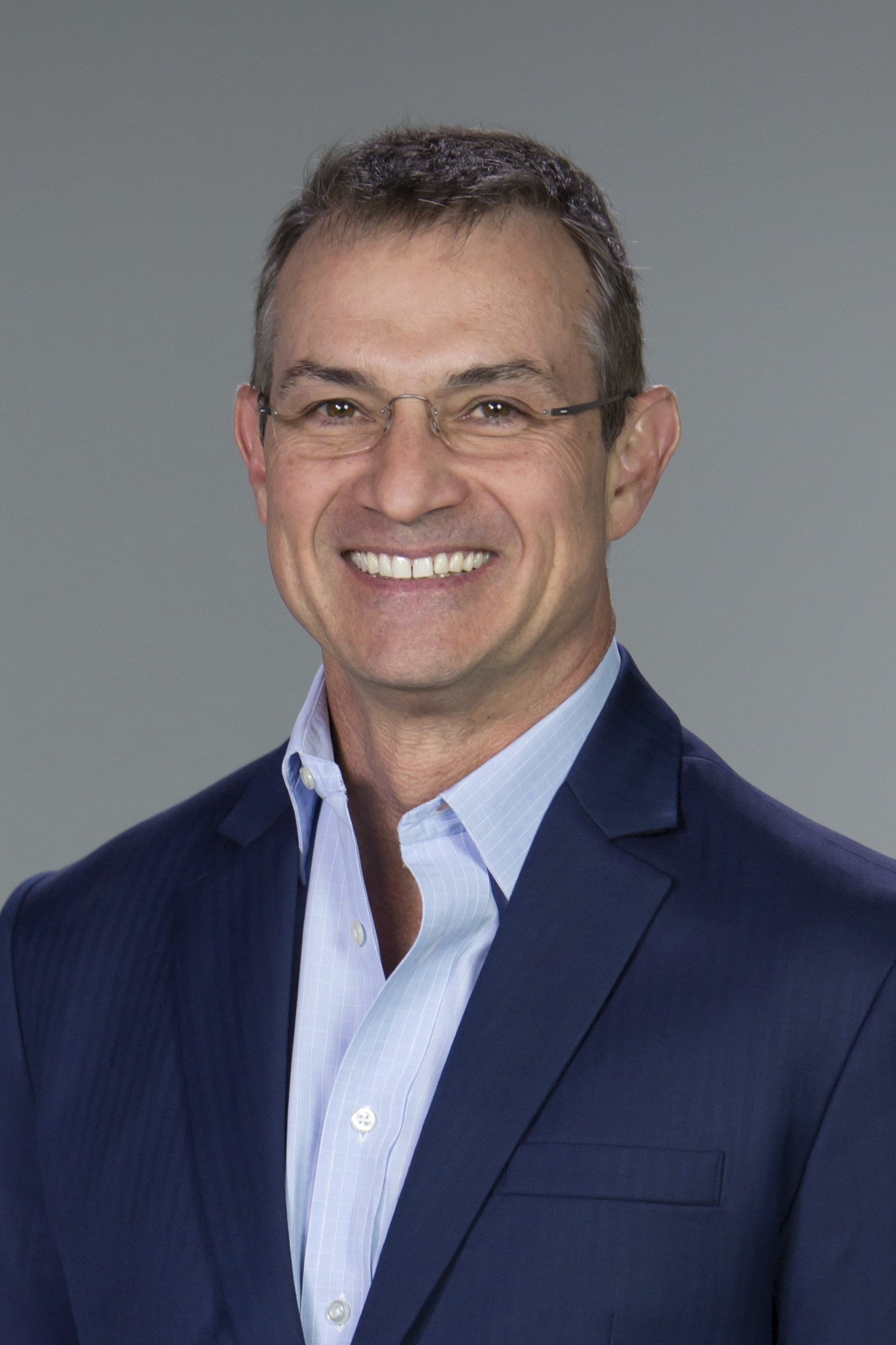
about Michael Spivey.
Mike is the President & CEO of the Ozark Foundation, a non-profit organization that he started in 2021 to support outdoor recreation throughout the Northwest Arkansas region. Events supported by Ozark Foundation include world-class events such as the 2022 Walmart Cyclo-cross World Championship, gritty events such as the Arkansas Graveler and the Arkansas Enduro Series and local community events for families such as the OZ Kids Bikes & Books Festival. The Foundation supports approximately 40 events annually.
A licensed attorney, Mike has a 30-year career in both the private and public sectors. Prior to starting the Foundation, he enjoyed an 18-year career with Walmart including six years as general counsel for Walmart Africa where he was responsible for legal, and regulatory compliance in 13 sub-Saharan countries. Prior to Walmart, he was general counsel for small business with the Export-Import Bank of the United States. He spent the early part of his career practicing law in Budapest, Hungary.
An avid endurance athlete and outdoor junkie, Mike has competed in numerous long-distance marathons, triathlons, cycling races, swim competitions and hiking expeditions throughout the world including five full distance Ironman races, the aQuelle Midmar Mile Swim in Pietermaritzburg, South Africa, the Cape Argus Cycle Tour in Cape Town, the Soweto Marathon, and the Ho Chi Minh City Marathon. He has also summited Mt. Kilimanjaro in Tanzania and hiked the Annapurna range of the Himalayas, Machu Picchu and completed the Camino de Santiago (Portuguese coastal route).
Mike and his wife Kathryn have two adult daughters: Olivia and Isabella.
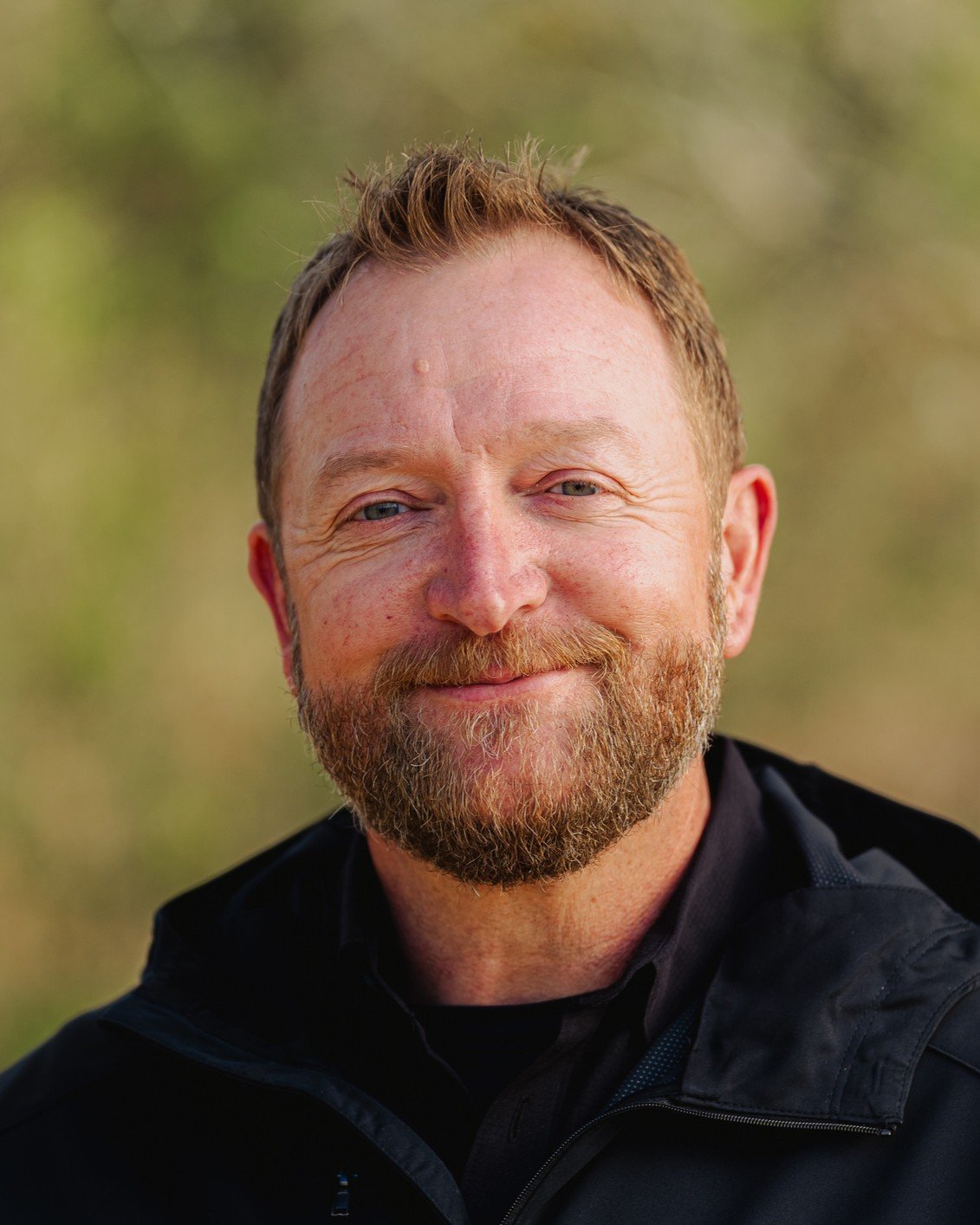
about Brannon Pack.
Brannon Pack is the Senior Director of Operations at the Ozark Foundation, an Arkansas-based nonprofit dedicated to making the outdoors more accessible to all. In this role, Brannon leads the planning and execution of the Foundation’s flagship events and programs, including the Arkansas Graveler, Arkansas Enduro Series, Arkansas Downhill Series, OZ Stage Race, and Arkansas R3. He also oversees strategic operations and production logistics, while managing key partnerships with national and international governing bodies of sport.
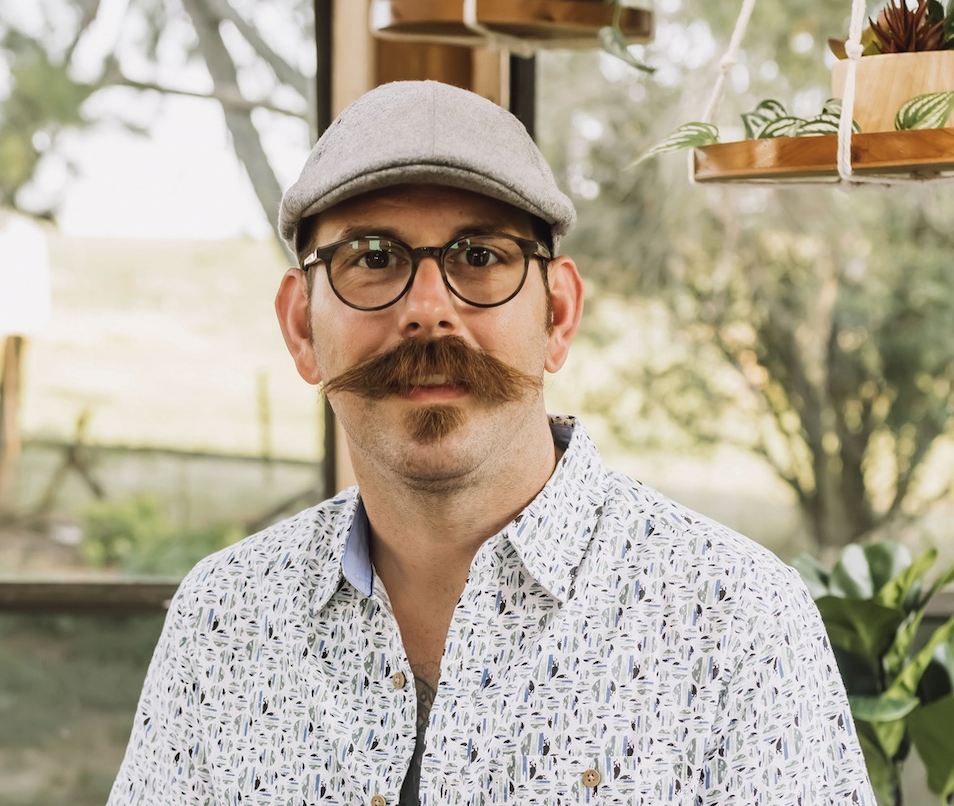
about Bobby Finster.
Bobby Finster is an avid gravel cyclist and proud Cave City native, bringing over a decade of experience in grassroots event production and community building. His innovative approach to rural tourism and recreation earned him the 2023 Ozark Gateway Region President’s Award for Outstanding Service in Tourism, as well as the prestigious 2025 Henry Award as Arkansas's Individual Innovator in Tourism. Recognized by the Ozark Foundation for his unique ability to design immersive gravel routes while fostering strong community connections, Bobby was named Project Lead for the newly acquired Rural Recreational Roads Program.
episode references
- Ozark Foundation: https://www.ozarkfoundation.org
- Arkansas Rural Recreational Roads (R3): https://www.arkansasr3.com/
- Arkansas Rural Recreation Roads Program (now part of Ozark Foundation): https://arkansasoutside.com/ozark-foundation-takes-over-rural-recreational-roads-program-expands-event-portfolio
- Arkansas Graveler: https://www.arkansasgraveler.com
- Andy Chasteen: https://www.instagram.com/andychasteen/
- The Ozark Podcast: https://www.ozarkpodcast.com
- Arkansas Department of Agriculture Unpaved Roads Program: https://agriculture.arkansas.gov/natural-resources/divisions/water-management/arkansas-unpaved-roads-program
- Beaver Watershed Alliance: https://www.beaverwatershedalliance.org
- Illinois River Watershed Partnership: https://www.irwp.org
- Arkansas Game and Fish Commission: https://www.agfc.com
- The Ozark Podcast: https://www.ozarkpodcast.com
episode outline
- Opening Reflection — Michael Spivey on growth and listening: 00:00–01:34
- Episode Intro — framing division, inclusion, and belonging: 01:34–04:31
- Introducing the Ozark Foundation team: 04:31–05:57
- How the R3 program moved to the Ozark Foundation: 06:38–08:56
- Evolving the mission and goals of R3: 08:56–10:18
- R3’s role in bridge-building and reducing tension: 10:18–13:45
- Growth, perception, and the long view of cycling culture: 13:45–15:26
- The promise of R3 expansion statewide: 15:26–21:53
- Invitation and collaboration with rural communities: 19:59–21:53
- R3 as an economic and cultural opportunity: 21:53–24:55
- Introducing Project Lead Bobby Finster and his background: 24:55–29:39
- Rural perspectives and lessons for Northwest Arkansas: 29:39–31:34
- Redefining conflict and opportunity through R3: 31:34–33:17
- Expanding hubs and connecting communities statewide: 35:04–39:59
- Expectations for cyclists and rural communities: 39:59–42:36
- Cyclists’ role in conservation and stewardship: 42:48–47:37
- Partnership with Arkansas Department of Agriculture: 44:01–47:37
- Collaboration with Game and Fish Commission: 48:18–50:16
- Arkansas Graveler 2026 announcement — “Delta Blues Edition”: 52:10–55:24
- The Graveler’s legacy and R3’s long-term impact: 55:24–56:26
- Defining success and wholeness in rural relationships: 57:22–01:03:57
- Closing reflections — belonging and bridge-building: 01:03:57–01:04:56
- Episode Outro — inclusion, belonging, and shared responsibility: 01:04:58–end
episode transcript.
episode preview.
[00:00:01] michael spivey.: But I can tell you dozens of times where I've had amazing experiences and conversations with motorists or folks in cafes or convenience stores. And that gives me hope that this problem is, may not be a problem, may just be a fact of growth.
But regardless, it needs attention and it. I believe that organizations like Ozark Foundation who are embedded in the outdoor recreation ecosystem do have a responsibility. I think it starts with listening. I think it starts with humility.
I understand that when change arises and when folks feel that maybe their way of life may be impacted, it makes for an uncomfortable situation. So again, I think it's, it begins with just, lowering the volume and everybody's sitting down and having this conversation and finding common ground.
episode intro.
[00:01:34] mike rusch.: Well, you're listening to the underview, an Exploration and the Shaping of Our Place. My name is Mike Rusch. Lately, the cycling community has found itself at the center of some of the divisions in northwest Arkansas. From the All Bikes welcome mural debate to the conversations hosted by the Ozark podcast.
We've seen how something as simple as a bike, a mural, or a message of inclusion can become a flashpoint for deeper cultural conversations about who belongs and who benefits, and who gets left out. And yet even within those tensions, something meaningful is trying to take shape across our region.
The cycling community is beginning to ask harder questions about access and representation, and whether this movement can live up to the promise of connection. If we slow down enough to notice. I think there are some really beautiful things that are beginning to emerge.
Within the work of the Ozark Foundation, a theme of bridge building is taking root, not just between cyclists and cities, but between urban and rural Arkansas, between longtime residents and newcomers between those who feel seen and those who've been overlooked.
And when we talk about inclusion, we mean it in a very broad sense, not only for those who have been historically marginalized, but also for rural communities who now find their sense of belonging, well tested by the pace of change and the pressures of growth.
Their stories of identity and livelihood are also a part of what's at stake here in a time when our community and our state and our nation need it the most. There's a growing sense that these efforts might point us towards another way.
So today I'm joined by the leadership of the Ozark Foundation, president and CEO, Michael Spivey, senior Director of Operations, Brannon Pack, and the new project lead for the Arkansas Rural Recreational Roads Initiative, the R3 Initiative, Bobby Finster.
This conversation carries to the thread from my last episode with Andy Chastain exploring how cycling can be a bridge between urban and rural Arkansas, and how initiatives like R3 can strengthen relationships while helping to empower small towns, rural livelihoods, and the landscapes that divine this place, these roads connect farmers and families and riders and residents, newcomers and old timers, and they remind us of the stories of this place, well, they're shared. They're not separate. The Arkansas Rural Recreational Roads program now under the Ozark Foundation, is more than an infrastructure project. It's an opportunity to connect people to use recreation as a catalyst for relationship, for preservation, and for hopefully shared economic growth. It also carries responsibility to ensure that these roads don't just bring riders through communities, but that they help sustain the people who live there.
In a time where division is running deep, I think R3 invites us to all to slow down, to see one another, to listen and to find the common ground on gravel roads that crisscrossed the state. From Benton County to the delta, these are the roads that remind us what connection looks like when we choose to travel together.
Alright, we've got a whole lot to work through today. Let's get into it.
episode interview.
[00:04:31] mike rusch.: I have the privilege today of sharing a table with the Ozark Foundation which is really a privilege to me to talk about the Arkansas Rural Recreational Roads initiative. And so with me, Michael Spivey, who's the president and CEO of the Ozark foundation. Michael, welcome to this conversation.
[00:04:47] michael spivey.: Thank you. It's great to be here with you again, Mike.
[00:04:49] mike rusch.: Oh, I'm so excited. Welcome back. Back by Popular Demand. Of course.
[00:04:53] michael spivey.: The last time we spoke on your program, we were in Horseshoe Canyon Ranch on the third day of the Arkansas Graveler. I think it was about 105 degree.
[00:05:01] mike rusch.: Yeah. You didn't kill me.
[00:05:02] michael spivey.: He, and we were sitting on a porch there looking at the beautiful ranch, so it's good to be back again.
[00:05:08] mike rusch.: Yeah, it, and since then we've had another Arkansas Graveler, which I wanna talk about because I love that event.
And we're gonna look forward to what's coming up in the future. If you're, if you'll share.
I also have the opportunity to sit with Brannon Pack, who's the senior Director of Operations for the Ozark Foundation. Brannon, welcome to this conversation. It's great to have you here. I've been able to ride and chase you around these Ozark mountains for a while. I can't keep up with you, but thanks for being here. Welcome to the conversation,
[00:05:33] brannon pack.: Mike. Glad to be here.
[00:05:34] mike rusch.: And then we also have a new face to Northwest Arkansas. We're trying to make him an Ozarker, I guess if you will, Bobby Finster, who's going to be the project lead for the Arkansas Rural Recreational Roads Initiative here. So Bobby, welcome. We've had the chance to ride together again. I can't keep up with Bobby either, but it's been a joy to, to get to know you and to chase chasey around these hills as well too. So welcome.
[00:05:55] bobby finster.: Yeah, thanks so much. Thanks for having us.
[00:05:57] mike rusch.: Alright, let's jump into it. We've got a whole lot to talk about. I think one of the things that I've been talking about lately in a theme of a lot of these conversations is really around the cycling community and what that looks like to be, I would hope, bridge builders in our community.
We've had some conversations about outdoor recreation and what does it look like to move outdoor recreation into something deeper, something that really what I would call relationship that can allow us to really know this place, to love this place, to fall in love with it. So we move into this place of relationship where we can yeah. We can invest more in this place to help with preservation and conservation. And to just really honestly enjoy the beauty of this place that we live in, in a way that hopefully continues to live on.
move of the Arkansas R3 program to Ozark Foundation.
[00:06:38] mike rusch.: And I'm anxious to have this conversation. I think the move of the Arkansas Rural Recreational Roads program, or we're gonna call it the R3 program for this conversation, to the Ozark Foundation is just really great news.
I know that Andy Tine talked about this in our last conversation, but Mike, let's start with you. I'd love to understand a little bit about how this evolved, how this came together, 'cause you're solidly in the recreation space with a lot of the events that you're doing, community events, the Arkansas graveler.
How has this program fit into the Ozark Foundation? How is this moving us towards a deeper place from a relationship standpoint?
[00:07:11] michael spivey.: It didn't happen quickly. It began with a conversation with Runway Group and Andy and his team that initiated the program back in 2023, I believe it was. And they asked us our ideas on how the program might evolve and how we might manage it. And we did a, deep review of our own resources and a mission review. We have a dual mission. One part of the mission is to position Arkansas as a premier outdoor recreation destination. And the second part of our mission is to lower barriers to entry. And then we have three pillars that support that mission.
One is compete, which is our competitive events. Secondly is to connect, which is largely accomplished through programs like the Arkansas Graveler and our kids programming. And then the third is conservation. And frankly, I don't believe we've fully accomplished as much in that pillar as I would've hoped for.
We typically have approached that conservation one in terms of recycling at our events and hopefully creating a zero waste event. And when the opportunity for the R3 came up. It seemed to fit that conservation pillar, which was very appealing to us. The three of us are all from here, grew up here. I was raised on a farm in Eastern part of Benton County. And so when it, the opportunity came along and we began thinking about it in terms of whether it was within our mission, it was very attractive. And it was a year conversation and we approached many different stakeholders and spoke to county leaders and state leaders and others to see what we might be able to do with it beyond the great foundation that Andy and his team created.
R3 expectations.
[00:08:56] mike rusch.: Maybe share from your perspective a little bit about what that looks like. What should we expect for R3 now that it sits within the Ozark Foundation? How do you see that mission evolving or changing? Or do you feel like, hey, we just need to stay in the same lane and do more of what we've been doing?
[00:09:10] michael spivey.: The good news is the program, in my opinion at least, has a strong foundation. It's an amazing vision. Tom Walton had this vision, and Andy and his team really got it going. I don't think there's gonna be any dramatic changes. But I think of it as a relay race. And they've passed the baton to us and we'll run it down the road and at some point probably pass it on to someone else when that time is right. I'd like to see the program in the next, year or so expanded into communities that want this kind of program. We're very intentional about. We're not throwing ourselves into communities. We're waiting for communities to contact us. And many communities have already done that.
So we want to be pulled into a community. We're not some sort of evading army of cyclists. We want communities that see value in this, whether it's through economic activities or through conservation. And that takes a lot of time and discussion. And I think Bobby and Brannon primarily are going to be having town meetings to, to ensure that this is something that is meaningful to community that is desired from the community.
And if it's not, that's okay too.
R3 and role in bridge building.
[00:10:18] mike rusch.: Mike, I love hearing that. I would, I would wanna press into that a little bit more, just because I think from my perspective, when R3 started, it was about bridge building and, cards on the table, we're in a different, feels like climate of relationships with each other where frankly, people, are running pretty hot these days. And I see that sometimes out on those gravel roads and it feels like, yeah that, that for some reason the tension levels are, are growing in our community and the cycling space. I, I'd love your perspective on how do you view that?
What, to me, I think started as a way of trying to bridge some gaps on conflict to maybe a time where we're at today, where that conflict seems to be growing. How does R3, from your perspective and the Ozark Foundation, what's your role there? Do you have a role?
[00:11:03] michael spivey.: I think we have a role, and I'm not sure what the magnitude of the tension is, frankly.
[00:11:07] mike rusch.: Yeah, that's fair.
[00:11:07] michael spivey.: Is it. Is it a small conflict? Is it a conflict amongst a minority who have megaphones? I don't know. Or is it something more serious, regardless of what that may be?
I believe we have a role and we should take it seriously. I believe that so much of, let's call it conflict in this community, and I don't think it's that much. Personally, I think it has to do more with growth, the hypergrowth of northwest Arkansas than it is a cycling, non cyclist call it cyclist, motorist conflict. And we have, we see it every day. I live in downtown Bentonville. There's street closures, there's infrastructure being built all over. We live and are surrounded by the three fastest growing communities in Arkansas being Centeron, Pea Ridge and Tontitown, and of course Bentonville is, has its own growth going on.
So I see a lot of this tension a function of that more than it is specifically about cyclists. But let's face it, we all drive cars and sometimes cyclists can be annoyance, whether it's through not yielding, not being considerate of cyclists. But I could also say that sometimes I've had some issues with motorists.
I've been riding a bike in northwest Arkansas for over 25 years. And maybe three times comes to mind of the times I've had conflict with a motorist. But I can tell you dozens of times where I've had amazing experiences and conversations with motorists or folks in cafes or convenience stores. And that gives me hope that this problem is, may not be a problem, may just be a fact of growth. And facts have to be managed. Problems can be solved, facts have to be managed. And I think that's where we are.
But regardless, it needs attention and it. I believe that organizations like Ozark Foundation who are embedded in the outdoor recreation ecosystem do have a responsibility. I think it starts with listening. I think it starts with humility. I grew up on a farm in Eastern Benton County, as I said earlier. And I understand, I understand that when change arises and when folks feel that maybe their way of life may be impacted it makes for an uncomfortable situation. So again, I think it's, it begins with just, lowering the volume and everybody's sitting down and having this conversation and finding common ground. And Andy Chasteen mentioned that I think he said it really well about, we have so much more in common than we don't, and why don't we start with the commonality and then identify those areas where we may have a difference of opinion and that's okay. And address that and find maybe solutions to that.
tension in the cycling space.
[00:13:45] mike rusch.: Mike, I appreciate that long view of your cycling and the Ozarks. I where you really the focus from what I hear from you has been about the positive interactions. It seems like lately, and I don't know, maybe it's everybody in our national dialogue where everyone is just on edge.
Do you have a feeling for maybe why this has been the topic of conversation or why we've had these kind of public conversations about conflict or where people are coming from? How do you view that in the long view of our relationships and just where we are in this cultural moment?
[00:14:15] michael spivey.: I think it's a few things. One, it goes back to this hypergrowth that we're experiencing and we all feel that, and it creates tension by itself. But I think we also have to identify that the explosion of cycling in northwest Arkansas. When I first started cycling here I would go on a it was the Tuesday night ride from Walmart.
In the early two thousands and maybe we'd have 10 cyclists, some would show up on road bikes, some would show up on mountain bikes, some would show up on time trail bikes, and it was a no drop ride and it impacted very few people. I go to South Africa in 2010, come back in 2017. I get invited to the Tuesday night ride again, and there's 150 cyclists.
I get dropped in about the first two or 3 miles and haven't been back since. But 150 cyclists on, whether it's a unpaved road or Highway 72 is an impact and it's a dramatic impact. And we would all, I think, agree that's something that is so dramatic that would create some of the tensions and frustrations that folks experience.
what's ahead for R3?
[00:15:26] mike rusch.: I, I agree. I think we're seeing a lot of growth and a lot of change. And maybe, and I'm biased, I think the R3 initiative is a bridge building and space. So I wanna dig into this even more because I think with the change and the move to the Ozark Foundation, there are some real opportunities.
So Brannon, I know you cover a lot of things from the Graveler, the Enduro series, the Downhill series state, you're doing a whole lot of things. But the R3 initiative now is coming with you and Bobby to take the lead and to start to dig into this. And I'd love your perspective on what do you see as your perspective of this initiative? What are some of the first steps and what should we start to expect from the R3 initiative?
[00:16:01] brannon pack.: Going back to what, reiterating what Mike said, the work that's already been done with this as a pilot just here in Benton County, when you look at the work of Andy and the team at Runway have already done, and what they've been able to show is that the potential that this program could have and the opportunity for an organization like the Ozark Foundation to take the reins of it and grow it.
And that to me is the biggest opportunity to where I think what we were seeing with the pilot, and I know because we were getting some of these calls, I've been in different roles in this community. I would call myself a cycling advocate for, I don't know, going on better part of 15 years professionally.
I've been in trail development. I wore a tourism hat for several years. With experience Fayetteville, Mike was able to recruit me away around 2023 to help him transition what had been a philanthropic grant making organization with the Ozark Foundation to today we are a nonprofit event production house, and as he mentioned, one of our pillars being conservation.
The opportunity with R3 for me is the opportunity for our foundation. To conserve the recreational value of the gravel roads here in Arkansas. And by gravel roads, there's 70,000 miles of gravel roads ready to be explored. And not just by bike, by, by these own communities that potentially could serve as jumping off points as these hubs that are established as part of R3.
When you look at the pilot and what they were able to establish in Benton County, I think for us what was missing was someone to help them expand that. And, the toolkit is there. We know that other people are grabbing onto that toolkit. I think Andy mentioned that. We're seeing other states grab the toolkit and do things with it, but we know here in at least the communities that we've discussed with, they've got their hand up.
As Mike said there's from Huntsville, Arkansas to Fairfield Bay, to your friend in Arkansas City and Robert Moore. There's communities that have heard about the direct impact cycling could have in a positive way here in Arkansas. And they've heard about it and they've seen it happen in northwest Arkansas and they've seen that happen now in central Arkansas, but they've never been given the opportunity to feel that direct impact.
And I see a program like R3 as maybe the first time that an organization like the Ozark Foundation can go into these smaller rural communities and show them the impact cycling can have, not just from a cycling tourist, because there is, there is definitely a economic impact that can happen with the establishment of one of these hubs as potentially bringing guests to your community that had never experienced your community before.
Cycling tourists were not complicated. Number one thing we're doing is we're looking for a new experience on our bike and with the opportunity to grow the R3 initiative statewide, we're gonna be creating, Bobby Finster, is gonna be creating new experiences for folks to have in every corner of this state.
After the ride, we're simply, we wanna be local. In this order, we want to eat local, we want to drink local beer, and then we wanna drink local coffee. We're ready to come to these smaller, rural communities in the right way and spend a little money and have a new experience. And these same networks that are established by R3 can then also be enjoyed by the community themselves.
And so for me, the opportunity to expand this, putting somebody in a role whose job now with Bobby Finster is to lead the expansion of this for the Ozark Foundation. I think to me, that was the missing component to take what has been a very successful pilot project. But then if we want to match the energy of these communities, that, as Mike mentioned, they've got their hands up, they're asking for it, they're ready for this. They're begging for someone to come work with them to understand what cycling can mean for their community. But until we put a person in a driver's seat like Bobby, to go and match that energy that these communities have. I feel like that was what was potentially missing with expansion of this R3 program, but we have that now.
And just to go back to what Andy said when he did give us credit for hiring Bobby Finster, and he said he didn't know who was behind that, but it was good hire. I'm gonna take credit for that one.
R3 as an invitation.
[00:19:59] mike rusch.: All right we'll we will give you credit then if that's, real quick before we get, I feel like we need to have a drum roll now for Bobby or something, but maybe before we talk to Bobby here, real quick, I talk to me a little bit about this aspect, mike mentioned this, which I think is really important, that, here in Benton County or where these pilot programs happen, this just emerged, right? And maybe there's behind the scenes conversations about what does that look like? How do you solve problems? What are your objectives going to be as this, is a program that is now available for the state?
That divide between, hey, we're bringing this to a place to, to implement, or we're being invited to implement this, where this is a tool for these communities. I'd love your perspective on maybe how local communities should think about this program as maybe an economic development tool if they want it.
Or is this gonna be something you're forcing down their throat for lack of better words?
[00:20:49] brannon pack.: No. Great. Great question. And we're not forcing this on any community. I think the communities that initially we're looking to work with, you talk about what are our first steps. The first step is to listen and learn.
We are committed to expanding the R3 program to three to four counties a year. Over the next three years. So three years from now, we may be talking about R3 hubs in every corner of the state. That's something that I look forward to, but we're gonna do that in the right way, and we're gonna work with communities that are ready for us.
As Michael mentioned, if they're not ready for this, that's okay. It's like we're not coming. We're not, this isn't an army of folks coming to your community. This is a nonprofit that works in the outdoor, recreational space that has people in place that are ready to work with your community when you raise your hand.
So if you raise your hand and you've got a plethora of gravel roads, as many rural Arkansas communities do, give us a shout because we'd be happy to come sit down and talk with you and explore what positive impacts establishing an R3 hub in your community could have.
a broader view of need for R3.
[00:21:53] mike rusch.: And I think one of the things that came up a little bit was, from a northwest Arkansas we're dealing with so much growth, right? When you offer this into other communities, we have to take that northwest Arkansas cap off a little bit and say, what are those communities asking for? Because you guys have been doing events all over the state, so you're seeing a pretty broad range of economic situations, maybe ways that people are looking for economic impact.
So what are you seeing in these communities that are asking for, Hey, we're raising our hand and saying, I think this R3 program could be helpful to us?
[00:22:25] brannon pack.: Yeah, and I don't, I don't think it's a secret there that there is communities in Arkansas that have been on a steady population decline for the last century, and there's also declines in other spaces and places, and the way people recreate to some degree is changing.
And I, this may not be popular, I think that the data is also out there that supports a decline in hunting and fishing, and at least the license sold and the future way that some folks are going to that either Arkansans themselves, are coming to Arkansas to recreate. They may not be showing up with a gun or a bow in their hand. It may be with a bicycle. And these rural communities in Arkansas that are declining in population, maybe the bicycle and this new form of recreation around gravel cycling could start to turn that tide and we can start to drive folks back to these communities, these amazing communities spread across Arkansas, that we can start to encourage people to consider revisiting these communities that haven't seen often, don't see guests anymore. And it could be something as simple as a bicycle that helps make that happen.
[00:23:40] mike rusch.: I love that. And I've seen our mutual friend Robert Moore down in Arkansas City is begging bicycles to come be a part of what can hopefully provide some sort of input to the, to those counties. And so I've seen that I don't know, sometimes we see that in a larger view, so I really appreciate that, Mike.
[00:23:57] michael spivey.: Yeah. I just wanted to add on something that Brannon mentioned is when it comes to outdoor recreation, whether it's hunting, fishing, cycling, it's not an either or it is something that we all share.
I'm a hunter, I'm a fisher. I do hike, I hike. I spend a lot of time on war eagle Creek east of here. Spend a lot of time on the Elk River. In fact, I probably do more hiking than I do biking these days. So it's not this either or it's something how do we share this space? How do we make sure that we're all safe, we all wanna be safe. We all wanna make sure that whether it's an unpaved road is safe for the motorist and the cyclist. And that we're not in, in a situation where we're saying, you can't pursue your happiness that or be because it may impinge on mine. And we wanna avoid that. We wanna make sure that that we're welcoming and inclusive and that the communities that we're speaking to want to have a program like the R3 in their area.
introduction of Bobby Finster.
[00:24:55] mike rusch.: No I appreciate that. And I think it's important to, to do that. It, I'm a fisherman as well. I used to hunt. I wasn't very good at it, if I'm honest. But yeah, I think it's that it is not one way and we've got the opportunity to really enjoy the state for what it has to offer, which is a whole lot. And the beauty of the people in rural communities is something that I've just grown to love over time.
Alright, we're gonna do a little bit of a drum roll here to get this introduction to Bobby. You've been waiting for so long. I know you've got a whole lot to add to this conversation. For those of you that may not remember, the conversation that I had with Mike and the Ozark Foundation last year was part of the Arkansas Graveler, where we rode from Fayetteville all the way to Jonesboro. We went through Cave City and Bobby, we got to talk a little bit in that episode about coming to your hometown in Cave City. And it's great to have you back on this conversation, but you're now in a role that has a really huge opportunity to be a part of kind of bridge building and relationship making in the state.
But maybe before we get into that, Bobby, share a little bit of your story and who you are and where you're from and why you're maybe looking forward to what's ahead for the R3.
[00:25:53] bobby finster.: Yeah, so I am from Cave City, as Mike mentioned, and that is the home of the world's sweetest watermelons, and that is something that I am very proud of.
And Mike, I think you've had your fair share of watermelon.
[00:26:07] mike rusch.: I have. And I am, I, my wife tells me that we have to go to Cave City to get some watermelons, and so I'm lacking in that, but I would affirm the title of Cave City as the best watermelon place in the whole world. How's that? Is that fair?
[00:26:20] bobby finster.: Yeah, That's great. And like you mentioned, when the Graveler air came through town, our community really took hold of that. And to this day, I'm still constantly reminded about how positive that was for the community. And I just look forward to going through town from time to time and seeing bikes, people on bikes now, so through the Arkansas Graveler and directly seeing that impact it's an honor to be a part of this group of guys. But in the past better part of a decade, I have focused a lot of my energy into digging into that community and the surrounding communities.
Batesville and Evening Shade, Sydney, all the small, little, less than a thousand in population, a lot of cases. And I dig in and I find people like the Robert Moores that have a deep love for their communities. And the more I get to know these people, the more they try to rope me into coming and helping them produce some form of outdoor recreation event or any of these things like that. I've spent the better part of the last decade assisting these communities in doing so, and in turn we've raised money for local non nonprofits that has been a huge benefit for their communities. And so mapping routes and doing that kind of work is something that goes right hand in hand with this program. And it's fun to have this platform to stand on to position Arkansas to be, a premier destination location in the country.
Bobby Finster background.
[00:27:56] mike rusch.: Well, And you've been working on this within Cave City on your own, I think for many years. And I think you've even had the opportunity to be recognized in some of that work. You were given the 2025 Henry Award for the Arkansas's individual innovator in tourism. And you were using the bicycle within rural communities to try to make a difference. So tell me a little bit more about some of that work, because my assumption would be that's gonna be a precursor of how you're going to maybe approach some of the counties that may be raising their hand saying, Hey, we're interested in what R3 looks like.
So share a little of that background about how you've been digging in and using the bike to, to make a difference there.
[00:28:34] bobby finster.: Through my love of gravel cycling, I've obviously will, go through these communities and have these experiences that are unlike anything I get to experience while I'm in these larger, larger environments, larger cities, so to speak. And I find people that are in love and they wanna showcase these, it's the little ghost town in Calico Rock. It's the little diner in Mountain View, Arkansas. It's the, whatever the thing is that the community wants to showcase. I've put together, a collection of these things and I try to connect them through gravel roads so that I can showcase these things to my friends, for these communities to help build these communities and to strengthen them.
And through that work, apparently I was nominated for the Henry Award for the 2025 Governor's Convention on Tourism. And I graciously accepted that, it was a pinch me moment 'cause I've, there's a lot of good work going on in this state. So, To be recognized for that, it was a, it was a real honor.
[00:29:39] mike rusch.: I, I'm curious, you're sitting in a room with a bunch of guys from Northwest Arkansas, but this is not where you're from per se. Like how does that perspective coming from a place like Cave City, how do you feel like that helps you maybe understand what those communities that maybe raising their hand are asking for?
[00:29:54] bobby finster.: Well, We sit around and we talk about some kind of tension and stuff like this, and it's a little different where I come from. And so to hear all those conversation, it's something that I really strive to understand and I respect the level of attention that needs to go toward this, but it's not necessarily something I'm familiar with.
As in these small communities that I'm used to, the farmers will directly reach out to me and say, Hey bring your friends out. We love seeing all the cyclists ride through the farmlands. And just so happened, we have a watermelon grower in town that wanted me to put on a bike ride that showcased their watermelon farm. So I sent cyclists through the watermelon crops and fed 'em fresh sliced watermelons. And so the big city vibe of northwest Arkansas if you will, is something I can adapt to. And it will take some getting used to. But just like any community, you find some real awesome people in these communities and there's no better place to be in the state on a bike as northwest Arkansas.
[00:31:00] mike rusch.: And Bobby, I the watermelon aspect, you've got a watermelon hat and you've got the melon grind, the world's sweetest gravel ride. I love it. So like you do, you embody the community and the pride that comes out of rural communities and can showcase really what cycling can do to maybe be a help if that's needed.
Now I'm curious maybe, I don't know Brannon, if this would be your area, but this is a really different dynamic than I think we think about here in Northwest Arkansas. And I'd love to hear your thoughts on how does that. Play into, as you think about R3, really the mission and the work that's ahead.
R3 as a solution vs a conflict point.
[00:31:34] brannon pack.: Yeah. Let's just take what Bobby said by example, and I think what he just described and based on the conversation we've already had about, you mentioned there is some tensions in Northwest Arkansas and a lot of it's just around this unprecedented growth that we're all experiencing.
If you call northwest Arkansas home, I think what Bobby just pointed out is the places we're specifically looking to work in this state with this R3 program, it's a different conversation. We're going into smaller communities that aren't experiencing this unprecedented growth. It's the opposite.
They're having people leave and PE families move out and that's, there's such an opportunity, the barriers that we've. Are creating here in northwest Arkansas around some of these conversations. Those barriers don't exist in other smaller communities in this state. And I'm excited that Bobby, under his guidance and just coming from where he comes in, cave City, Arkansas, he understands that firsthand and he works with these communities firsthand, these small, he brings that experience to the table for us.
And yeah, so I, I just wanted to, when I think about the future of R3 and the pilot that's happened in this, the density here in northwest Arkansas and the barriers that we've had in northwest Arkansas, to Bobby's point. I think the barriers are gonna be a little different as we look to expand this across the state and work with communities that have their hand up because they're asking us to come for the right reasons.
what can state teach us?
[00:32:58] mike rusch.: Yeah, I'm curious and may be too early to really comment on this yet. I don't know, maybe we'll come back to it next year, but I'm really curious, what do we as northwest Arkansas have to learn from this? Are we maybe putting up blinders around this idea of tension or what cycling and the Ozarks looks like that maybe we need to reevaluate how we think about that?
[00:33:17] brannon pack.: I can give you an example of tension from, another space and we'll call it conflict. I don't, we'll call it conflict, call it tension, whatever you want.
When I look at conflicts on trails. So mountain bike trails, you got a lot of 'em and a lot of them are multi-use where you, at any time you'll have trail runners and mountain bikers and hikers and bird watchers all using these same trails. And there's been times in the region before we had, the number of trails that we had where we did have a lot of user conflicts between the different types of user groups that were using those trails.
And that to some degree, I don't hear as much about that anymore. And because a lot of times the solution to conflict, and we can take the Ozarks for an example, a lot of times the solution to conflict for mountain biking simply build a little bit more trail. We spread that impact out of the users. And so when I look at R3 and the opportunities we have with R3 is while we may be feeling that kind of conflict in Benton County on the roads that we have here, if we are.
But the reality is with within three years under Bobby's work, we're gonna have established hubs across the state in multiple counties and giving gravel cyclists the opportunity to go ride new trail experiences in every corner of Arkansas. And when I think about now, we're starting to spread that impact out and giving, showing folks that are looking to recreate on gravel, different places to go to ride.
And I think that will go a long way. Even just take the Ozarks and the million acres of public land we have here and the opportunity to showcase what has some incredible gravel riding in Arkansas right here in the Ozarks. As we establish more hubs and we show people other places to go ride, it's gonna spread out the impact that I think maybe we saw or have perceived a scene from this pilot project.
what's ahead for R3?
[00:35:04] mike rusch.: Maybe let's have a conversation about what's ahead for R3 because I look at this as not only from a cycling perspective. This is a community relationship initiative, which I think I've benefited from a lot of people have benefited from.
So tell me like, let's get into the weeds. What is the program? What are your goals? What's gonna happen here in this first year?
[00:35:22] brannon pack.: What I will say is the Ozark Foundation, we're not looking to drastically changed this program we're taking. We're looking to build on the foundation that was laid here in Benton County with the pilot project and expand it across the state. And Mike, maybe we talk a little bit about what you know, what is the project. And, at its core, it's the opportunity to establish what we call a hub. So think of a mountain bike trail head where you go in and you create this public place for people to gather, for people to start and end and experience from on their bike, on their feet, however they choose to recreate on gravel roads.
The great thing about this project, specifically when we're considering working in rural communities in Arkansas, is that infrastructure for most cases already exist. When we talk about looking to work with communities that have buy-in or that have their hand up, we're not talking with money in their hand.
That's not what we're asking about. We're talking about buy-in because these are the champions in those communities that see an opportunity for this to have a positive impact for their community. And so a hub is simply, it may be a public parking place that already exists at a public park, right? It could be your downtown square where you have public parking available.
We want, that's literally, that's what it takes. And a couple, put up a couple kiosk signs and some public parking and we have a hub from there. It's establishing. And some of the more meaningful work Bob's gonna do is around then establishing these gravel road networks. And again, we talked about it, these.
Typically around a lot of rural communities in Arkansas, there is endless gravel roads leading from these areas of population. And so what this does, what this program does is it does establish a public parking hub that invites both your community and guests to your community to come. Park their car in your community and go have this recreational experience.
And the routes that they use are ones that we create and Bob will be creating where we vet these routes and we use public roads. We're not gonna, unless we're invited to, unless you're a farmer in Cave City and you want us to ride through your watermelon patch, we're not gonna be doing that. We're gonna be used publicly accessible resources to go out and create networks of gravel roads that are for everybody from the beginner in a community that just wants to go understand a good route to ride their bike on up into what we know to be a distance that does favor people to call it travel for gravel.
We want there to be enough there in this call it network that's established from these hubs for people to, of all degrees to come see the value in, come into this smaller community. And then after the ride, the opportunity for them to then. Hey, let's go have a cup of coffee at this local coffee shop. Let's go have dinner at this diner before we get back on the road. Let's go fill up our cars at the gas station before we head back to wherever we came from. And so there's such an opportunity with this program through the establishment of these hubs, through development of gravel road route networks, using the right roads for the right reasons that really could have a very positive impact to these smaller rural communities in Arkansas. And that's the nuts and bolts of it. It's not overly complicated.
[00:38:31] mike rusch.: Yeah I've had a chance to enjoy some of those hubs out in Pea Ridge, for example, out in Gravette. Maybe Bobby, where are those hubs today and how can people enjoy them and Yeah, what's ahead? Do you, are there new hubs coming to new cities or new counties and new routes? Yeah. What does that look like practically today?
[00:38:48] bobby finster.: So with the existing hubs, we have Bentonville, Goshen, Gravette, Pea Ridge and Siloam Springs. Currently we're just evaluating what is there and what we plan on doing to potentially reactivate some of these hubs. But realistically, our plan is not to do as much in northwest Arkansas as what we plan on doing throughout the state. Where we go first is still up for grabs. We're still taking, we're still answering questions. All the people that have their hand up, we're still picking on them and figuring out the next direction we're going to go. But ideally there's no right answer to that.
[00:39:28] mike rusch.: And you've got some work, there's some R3 routes, maybe not a hub, but over in Jonesboro and Craighead County, if I remember correctly. So you, like you, there's already people in the state that are asking and starting to implement this.
[00:39:40] bobby finster.: Sure. And we, yeah, just evaluating those circumstances or those situations and moving forward to highlight them through our social media assets or ramping up social media to bring awareness to this. We plan on going full force with that, and yeah, that's what the future looks like in my mind.
setting expectations.
[00:39:59] mike rusch.: I think one thing that would be helpful for me, 'cause, and I know we've been talking about this kind of indirectly, but as these cyclists are maybe coming to new communities that they've not been to before what are the expectations that both the cyclists should be carrying into that around? And Mike, you mentioned this too, and I get frustrated with cyclists myself around how they conduct themselves out there too. What are you, what are the expectations that should be set for those cyclists or maybe what are some of the expectations that those rural communities should have of cyclists when they come into these communities to participate in some of these R3 activities?
[00:40:31] bobby finster.: So, In my mind, with the expectations involving the communities and cyclist relationships, these things, there's a level of respect that we all should have toward each other.
And in my mind, that can be a friendly wave as Andy would promote, or that could be stopping and enjoying a coffee with the local, at the local coffee shop. But, just. Don't be a turd, at the end of the day. And have respect for the local landowners. And I think that those relationships will build themselves the more you embed yourselves in these, in these small towns.
[00:41:10] brannon pack.: Yeah. And to add to what Bobby said, and to the degree we're being mindful of this, it, we carry that in the ethos of the development of the routes themselves. And so one thing I've tasked Bobby with is as we develop these networks of routes to be sensitive to what we're creating. The last thing we wanna do is put gravel cyclists over out over their skis we'll say to where they are knocking on folks' doors out there in rural Arkansas.
And so we have a kind of a philosophy, we're taking two gravel route development to where if we hit a certain mileage mark, call it 50 miles, we're gonna publish a route. Only if there is public aid available somewhere. Mid ride, meaning there's a gas station or a cafe or something. We're being that mindful, the shorter route.
Sure. We want, these are self-supported efforts meant to by design. These aren't big thousand person events coming to these hubs, right? This is me and our friends, me and my buddies going to experience something new here in Arkansas. And when we do, we're gonna make sure that the level of route development supports what we considered self-supporting riding.
Where they can go out with a couple water bottles, a snack, they can complete that ride. And if they can't, we're mindful enough through our route development that we're identifying those, call it on route resources, the local community, local stores, local gas stations, the Dollar General, stuff like that, that do allow folks to come in and have these larger experiences while also not being call it a negative impact on the community itself.
[00:42:36] mike rusch.: Yeah. I love that because I think it sounds to me and this is what I hear, that R3 is really this initiative that can be used to meet community needs or economic input to the extent that they want to.
cyclists and conservation.
[00:42:48] mike rusch.: But you're working across the state. And so I think, one of the things that we've heard from a critique, frankly, of cyclists and not that this is your problem to solve, is what does conservation look like? How do cyclists participate in that? How do they give back? What does that mean for the land and our belong place of belonging?
And I think Brannon you had been talking a little bit about some of the programs that you've been working on to develop maybe an answer to that. I'd love for you to share if you're willing and maybe ready to share some of that.
[00:43:14] brannon pack.: Yeah. We do have some exciting call it updates. They're not to the program specifically. They're, I'll say program aligned in the sense that when we first had the opportunity when we first explored in conversation our foundation, taking the reins of the R3 and the potential to expand it statewide, we do a lot of work with other state entities, including the Arkansas Department of Agriculture, and through one of those conversations with the Department of Agriculture, we mentioned this program, and it just so happens that the Department of Agriculture also has some really great programs out there, specifically ones around the conservation of gravel roads and the minimization of the environmental impact that gravel roads can have on the waterways here in Arkansas.
Arkansas Department of Agriculture Unpaved Road Program.
[00:44:01] brannon pack.: And through that partnership or through that conversations, we've been able to establish a multi-year partnership. I guess we're announcing it today with the Let's do it with the Arkansas Department of Agriculture through their Unpaved Road program, which is a program that exists here in Arkansas. It's been here for several years. It's for, county officials, community leaders that are maintaining gravel roads here in Arkansas. There's funding readily available in this state for some, for county leadership, city leadership with gravel roads that continue to be called it a maintenance nightmare, and it's pretty easy to pick which ones those are. When you're out riding roads, you can see the roads that tend to continuously be that maintenance quagmire for some of these communities. That funding is available for communities through grants with the Arkansas Department of Agriculture.
One thing they've never been able to do through that is to find a way to disseminate that education to folks and the fact that the Arkansas R3 program and our intention to work statewide. We're gonna be working with elected officials and county officials and community officials across this state and be advocates for that program. One, we'll be out there designing routes. We're gonna identify some roads that are probably a negative impact to some of the water sources here in Arkansas, but two, we'll have the opportunity to bring visibility to this program here in Arkansas. Specifically one designed for the better building and maintenance of gravel roads.
[00:45:25] mike rusch.: So let, help me understand that a little bit. So these grants then are used to help maintain these gravel roads so that the washout doesn't go into the streams or the creeks or the watershed and have some sort of adversarial impact on wildlife or the habitat. Is that, am I understanding that correctly?
[00:45:44] brannon pack.: Yeah. Sediment runoff from gravel roads is one of the most prominent, pollution to our waterways here in Arkansas, specifically with gravel roads aligned, some of the prettiest roads you can ride in this state. Follow a little creek. Follow a little stream. And it's important that the way that those roads are built or constructed are built in a way that minimizes that sediment runoff.
And so there is programs here in Arkansas with, through the Department of Agriculture to help educate our officials on how to build those better roads. So we're gonna be a champion for that program and call that, that's probably more back of house. You're not gonna see maybe as much public facing as it pertains to the Arkansas R3 program and how we disseminate education to folks.
But one thing we are gonna do, the flip side of that is if you do show up at one of these hubs, there's so much more education around these, call it prioritized watersheds in the state of Arkansas. There's all these little. Opportunities to educate folks, and in this case a gravel cyclists. And so I'm excited for us to then expand on through this partnership with the Department of Agriculture to identify other organizations in the state, like the Illinois River Watershed Partnership that's doing such great conservation work along the Illinois or the Beaver Watershed Alliance right here in northwest Arkansas to take that education that they're creating.
We don't have to go out and create the education ourselves, but there's an opportunity to take that education that they've created and then present that in a way through this R3, that if you roll up to a hub, when you roll off, pun intended, or when you roll away, pun intended, you roll away with just a little bit more education about the sensitivity to the waterways here in the state.
Because if we're doing our jobs right, we're gonna showcase those waterways through gravel route development. And what an opportunity it is to then also bring awareness to the potential impacts of those waterways, those beautiful waterways that you're riding right along alongside.
[00:47:37] mike rusch.: Yeah, I love this. This is a not my area of expertise, but that's a different way of thinking about conservation that I've not thought of before. And I know in the conversation with Kyle and Kyle at the Ozark podcast, this was one of the big questions around how does cycling give back and be a part of Yeah. Maintaining our state and what's its give back. And I would've never thought about that. I just, I love hearing more about that. I want you to keep us informed on what's happening there in that space, because that sounds like a way, and correct me if I'm wrong, that cyclists can be directly and indirectly involved in helping to maintain our habitat, wildlife, fishing stream, so that when I'm done cycling and I'm gonna go fishing 'cause Mike's gonna take me fishing that, yeah.
collaboration with Arkansas Graveler & Arkansas Game and Fish.
[00:48:18] mike rusch.: That also reminds me too, 'cause I think in the past two years on the Graveler we've gone out there and Arkansas Game and Fish has been part of that. You can, they take, you fly fishing and they're, you're doing skeet shooting, doing all kinds of things.
Explain that collaboration back with Game and Fish and what I would the first time I saw that was an unlikely pairing, but when we got out there, it seems to start to make a lot more sense.
[00:48:39] michael spivey.: Part of it came from my own background in, in hunting, fishing and I thought it would be a really amazing experience to fuse cycling into the hunting fishing community. And so the Arkansas Graveler, Mike, you've been there both years has those experience skeet shooting, fly fishing experiences and archery. I think they're the three most popular things that we do on that five day event. We call it, summer camp for aging children.
And,
[00:49:12] mike rusch.: Hey, wait a second. Now are you talking about me? Keep going. Alright, sorry. Keep going.
[00:49:16] michael spivey.: And, and we love that collaboration. We'd like to expand that collaboration. I don't wanna preempt something here, but I have in my brain an idea of an event that would include cycling and fishing. And we've had some conversations with some folks in Colorado who have that.
They go, they get on their bike, they race their bike, they get off their bike, they fly fish, they catch a fish, they measure it, and the person who has the most fish or the biggest fish and wins the race, wins the award. And so that's something that we may look at in the future, but I love that fusing those experiences into a common experience.
[00:49:52] mike rusch.: I love that. Now, the guys on the Ozark podcast, they cut this out, but I proposed that like I can take my bow on my bike and we can have a contest to see if I can hit a target. Like jousting or something. I don't know. So if Ozark Foundation will pick up that idea. I'll take my bow and I'll ride my bike without any hands and we'll try to hit, that could be dangerous too, but
[00:50:12] michael spivey.: probably not gonna take you up on that one, Mike, but alright, I'll keep fishing.
We'll stick to just fishing.
Arkansas Graveler and R3 relationship.
[00:50:16] mike rusch.: There's somebody in a rural county that's willing to take me up on that and I'm gonna find him. Talk to me too and I would love to maybe talk a little bit about the Graveler as well too, because it feels like there should be some sort of natural collaboration between the Graveler and R3 last year's Graveler down through the Ouchita's going into Hot Springs.
What, just an amazing event. No one had heat stroke. I didn't have heat stroke this year, so I appreciate the change in timing. I would love to hear how you think about the Graveler versus R3. How those work together. Are those kind of separate entities? Where's your thinking on that?
[00:50:49] michael spivey.: I think both events are work together. R3 may be adjacent to the Arkansas Graveler. Arkansas Graveler is very much about small communities and going into communities that a lot of folks have never been to. I'm embarrassed to say that I've lived in and out of Arkansas for, all my life, and I've never been to Cave City Arkansas. I'd never been to Glenwood, I'd never been to downtown Mena. The only time I'd ever been through Morrilton was on I 40 going to Little Rock. And so the Graveler is about slowing down. It's about appreciating small communities, about spending some money in small communities. Kent General store, the owner of that establishment had his biggest day was the day the Arkansas Graveler cyclist came through and spent money at his store.
And I think the Thibodaux general store outside of Mina would say the same thing. And it's about honoring rural communities. It's about about having fun, and it's about a shared experience. And we have some really exciting plans for next year. We're about to head over to the eastern part of Arkansas to look at finalizing some routes over there.
[00:52:01] mike rusch.: You gotta tell me more. You can't just leave it there. What is that?
[00:52:05] michael spivey.: I'm gonna pass.
[00:52:05] mike rusch.: I love the eastern side of Arkansas what? Come on. You gotta gimme something. You gotta,
Arkansas Graveler 2026 announcement.
[00:52:10] michael spivey.: I'll pass the baton and to Brannon here to talk about that in a little more detail. It's, but it is exciting. And we're looking forward to Arkansas Graveler 2026.
[00:52:19] brannon pack.: Mike, you're getting all the breaking news on this podcast. I'm telling you. So for,
[00:52:22] mike rusch.: I've never had an exclusive before
[00:52:24] brannon pack.: The Ozark Foundation, we're excited to announce that in October of 2026, we're going to the fall y'all. The Arkansas Graveler will invite cycling adventure seekers to swap mountainous climbs for the farm rich flatlands of the Arkansas Delta.
[00:52:38] mike rusch.: Oh, I love it.
[00:52:39] brannon pack.: In what we've dubbed our Delta Blues addition, it will be more than just a multi-day ride. It's an immersive journey that blends gravel, roads, music, food, and community Into a powerful tribute to the Delta Soul.
[00:52:51] mike rusch.: Oh, now you're talking about love language here. All right, tell me more. Come on.
[00:52:55] brannon pack.: I've got more for you.
So by connecting there's investments being made in the eastern part of the state in the Arkansas Delta specifically by connecting the investment being made in the Crowley Ridge Gravel Trail. Martin Smith, Amman Jordan, the team over there at Studio Drift, as well as the Delta Heritage Trail, and what is a brand new rail trail in the southeast part of the state that leads right to your friend Robert Moore in Arkansas City.
We plan to weave together a multi-day gravel tour that by design. Is meant to positively impact the rural communities in Eastern Arkansas?
[00:53:27] mike rusch.: I love this. The graveler for me has been such a beautiful event the first year, getting to see a part of the state that I didn't, and I would argue with anybody that there's probably no better way to see communities than on the back of a bike.
And year two, going through the Ouchita's, some of the most beautiful places I've ever ridden in the world, and the Delta has become, to me just a, one of my most favorite places, the, we've ridden across the state. We did our, obviously Allyson did the Arkansas Traverse film, which had a big part of the delta. So we've fall, I've fallen in love with the Delta. So to hear this kind of initiative with the gravel going into the delta to really help not only economically but culturally to expose people to, what I've seen is the beauty of, of the delta. This is the same state. And I think many times we don't think about it that way.
I could get on my soapbox if I'm not careful, but I love hearing that. What, how do we, are you gonna have more information coming and when do we get to sign up and I get to sign up first, right? Is that.
[00:54:25] brannon pack.: That's a great question. I would tell folks that if, based on Mike, when you release this, that we're recording this on Monday, October 6th, we leave tomorrow on the seventh, Bobby, me and a rowdy crew are heading to the delta. You're gonna see us, you can fall us along on social. We're gonna spend the next five days riding our bikes, having the 2026 experience that we want you to have. We're doing that by design. We're gonna vet every mile by bike. We're gonna be able to show you a year out the experience that you can plan to come have in the fall of 2026 here in Arkansas.
More to come by the end of this week though, you'll see dates, you'll see a good idea of when registration's gonna open all those details to come again. We're breaking it right here on the underview.
[00:55:06] mike rusch.: I love it. I'm excited. It holds a special place in my soul, and I know the people that I have ridden with over the years have fallen in love with the Graveler and the Delta. So just see those things come together and. To know that Martin and Robert Moore and are part of that is, yeah, it feels like family coming into those spaces. So I'm really excited about that.
[00:55:24] brannon pack.: And to tie it back to R3, what this conversation a lot have been about and about, now that the foundation has the keys of the R3 program as well as we are the production house behind the Arkansas Graveler, the future legacy of the Graveler and what we leave behind to these rural communities very well may be in R3 hub.
And how exciting is that we're already working one with Robert in Arkansas City? The work's already begun, but how is exciting is it that we can go over and through a multi-day gravel event, showcase these communities? And even if you're not able to join us that year, we hope you do. But if you can't, chances are some of the communities on that year's route. The impact we're the legacy that the Graveler is able to leave behind because now that we are the driving force behind R3 very well could be an R3 hub that's there year round. You just evergreen come ride your bike.
[00:56:16] mike rusch.: I love it and I would strongly encourage everyone to follow along, pay attention to participate in this event. We're a year out so they can start training for it already, but I'm looking forward to it.
[00:56:26] michael spivey.: Yeah. One thing about the Delta edition in 2026, we believe that it is an experience that no one can recreate anywhere else. So if you think about the music of the Delta, Johnny Cash, Levon Helm the King Biscuit Blues Festival, and Helena will be part of the Arkansas Graveler 2026. Learning how to call ducks in Stuttgart, Arkansas, and enjoying some great duck gumbo and Stuttgart.
That can't be recreated in many places. So we think there's something that's singularly unique about this experience. And although we love the climbing in the Ozarks and the was Ouchitas, the flatlands of Eastern Arkansas are gonna be fast and they're gonna be fun.
[00:57:11] mike rusch.: And not all of us like the climbing. I wanna be real clear. It sounds amazing. I'm excited for it. So thank you for the investment that you guys are making into this state and yeah, into these communities. It's, yeah, it feels really whole to me in many ways.
looking forward with R3.
[00:57:22] mike rusch.: As we look towards R3 and Graveler and all the things ahead maybe specifically into R3, Bobby, maybe we'll let you end this conversation with some of your thoughts about, from your perspective, like what does success look like for R3? What do you wanna see happen?
You come from Cave City, you understand the impact of what R3 can have in these spaces. What does success look like? What could other communities hope for? How do you take what you've done in Cave City and seen that success to maybe, Yeah, use that to be a gift to the rest of the state if needed.
[00:57:54] bobby finster.: Yeah. So success for me looks just like that. I want to feel these communities digging in and wanting to take part of a program like this. I wanna feel overwhelmed at the end of the day for programs like this to be implemented in these communities.
I would love, that's what I would love to see. And so in my mind, ex expanding 1215 over the next hubs in the next three years would be ideal. I think the education piece of it is very important. I think community building is very important and I think that the outdoor recreation space in some of these communities is needed very much for more than one reason, but just to get people off screens, to get 'em outside, to educate and to bring these small communities to be feel stronger and to be able to take on any other challenges they may face. So strengthening community is huge. And I think that would be a successful R3 program to me.
how can R3 help connect?
[00:59:00] mike rusch.: You and I, we've had the chance to ride together and be on the graveler together and be in these spaces together. And so I know this is who you are in many ways, but I would ask as you look at R3, not just as a program, but maybe as a way of interacting with communities and with people, like what, at the core of that, what would you hope for that, that we can use R3 or these routes or these events yeah. To really accomplish what, what goes to the heart of what kind of motivates you and drives you, and what have you seen in these spaces that you feel like is, man, this really makes a difference in the relationship building we have with these real communities?
[00:59:35] bobby finster.: I think that just utilizing the bike to, to slow down and to be in these spaces to together and build new relationships. Strengthen old ones and to just slow down and take in the overall environment and wave to someone that may not wave back. But hey, we're making our efforts as cyclists to be responsible and to respect the land that we're on.
And that's ultimately what this program is about. And I think that using this program to not only showcase these communities, but to also as a catalyst to build relationships in these places is the most important thing to the program and ultimately will. Lead to its success.
[01:00:29] mike rusch.: Yeah, I love that. And I think I think, yeah, for me it's that human level of what all of these programs and all the work that the Ark Foundation does and so many others.
But it's, at the end of the day, it's you and I out there riding together with a group of people and seeing each other for who we are. And I just, I know you guys see this all the time. So much of this conversation about rural roads has had, has had this kind of aura of conflict around it. And I think every time I step into these communities and we acknowledge the other person that's there man, those that just gets dispelled and gets broken apart, and we see people in a new way.
And it's been fun to ride the roads with you, Bobby, out there to do that together. And yeah, I look forward to what that's gonna look like in the future.
fears.
[01:01:08] mike rusch.: I end every episode with kind of two questions of around fear and wholeness. And so maybe Bobby, I'll ask you to finish this episode up. When we talk about fears, as you look at what's ahead in this space, does anything come to mind or how would you think about maybe what some of the fears are around the R3 program or maybe just the work ahead?
[01:01:25] bobby finster.: So for me, the fears surrounding this project would be that we just absolutely lay down on the job and we don't implement these services and get to work with these communities quite like what we want to, that the overall perception of cycling and some of this tension that we have in Northwest Arkansas could trickle into areas across the state that I know have their hands up and want to do this type of work and engage with this program.
And I think that we can definitely make a difference at what level is what I'm a little concerned about, but I'm fully confident that it will make a difference.
[01:02:09] mike rusch.: Yeah. I love that. I think we've got a model here in northwest Arkansas, what it looks like to engage in the right way. And I would share that same fear with you for sure.
wholeness.
[01:02:17] mike rusch.: The flip side to that is this idea of wholeness. And so as you look to the future, and you've spoken about this already as you look at this program and in the work that you're doing, what does wholeness look like when you feel like, Hey, this is the way that it should be. This is the way that our communities maybe should be interacting together? I don't wanna put words in your mouth, but I'm curious, when I say that word, wholeness, what comes to mind?
[01:02:37] bobby finster.: To me, wholeness feels like strong community bonds that our are not wavered through various points of view on things that quite frankly, we're all going to have opinions on. And I think that to me, wholeness can somehow look around all of our differences to find one unique common thread that we can all grasp onto and love each other, and to be one in rural Arkansas in whatever way you choose.
I'm sure I've mentioned to you, Mike, is the relationships that I have built out of Bird Eye, Arkansas, I have friends all over the state. That have been formed in Bird Eye, Arkansas. And for me that place is very special because of that small delta town there, there's no other place like it for me, just because of the friendships that I've made that now stretch across the state. It's something truly special. And I think creating atmospheres like that in all these different communities who wanna work with a program like this, those opportunities will be had and friendships will be made and it will essentially last a lifetime for people.
[01:03:57] mike rusch.: Yeah. I love that I've shared that BirdEye community space with you, and it really is a beautiful model about what can happen when people sit across the table and share a meal and listen to some music and ride those roads together. It, it's a bridge building activity for sure.
Gentlemen, thank you. It's been an honor to share table with you. I love the work that's happening. Can't wait to see what's ahead. Mike, thanks for being here. I really appreciate that.
[01:04:19] michael spivey.: It's been a pleasure, Mike. Thanks for having us again. And we're honored to be part of this community, to make the community better and work with the various organizations through Northwest Arkansas and now throughout the state. And it's exciting. It's exciting time to, to be alive and to be part of such a vibrant community that is accepting and moving forward. So thank you.
[01:04:40] mike rusch.: Thanks Brannon. Thanks for being here. I really appreciate sharing the table with you today.
[01:04:43] brannon pack.: Yeah. Mike, it's been a pleasure,
[01:04:45] mike rusch.: All right. Bobby, we will be looking for you out there. Can't wait to share some of those roads with you. And we'll share all the details in the show notes. But Gent s, it's been a privilege. Thank you so much. And all right, we'll see you out on those roads.
[01:04:55] bobby finster.: Thanks, Mike.
[01:04:56] michael spivey.: Thank you.
episode outro.
[01:04:58] mike rusch.: well, this conversation with the leadership of the Ozark Foundation, it reminds me that the story of cycling and recreation and belonging in Northwest Arkansas is much, much bigger than bikes or roads . It's about the people, the ones who live along these rural roads, the ones who ride them, and the ones trying to find their place in a rapidly growing region.
The Arkansas Rural Recreational Roads Initiative reminds me that inclusion is not just about who gets invited to the conversation, but who stays seen when the conversation shifts. It calls us to include the communities who have been historically overlooked, and those who now feel their sense of belonging being threatened by the speed of growth. These stories of small towns and farmers, newcomers, and longtime residents, they're bound together in the same hope that we might learn to see one another as part of the same landscape .
If cycling is shaping the heart of Northwest Arkansas, then I would ask that we take that responsibility to ensure that it also shapes its soul to make this place more connected and more generous and more well human. The work of R3 is not about drawing lines on a map. It's about removing the lines between us that divide us and to remind us that progress and preservation, they can coexist, and that belonging is something that we build mile by mile together.
To learn more, I would encourage you to visit ArkansasR3.com and follow the work that Bobby and the Ozark Foundation and the entire team are leading. Reach out through the website or social media to share your ideas, your community stories, or your local roads that deserve to be a part of this incredible network, this incredible community of people.
I'd ask that you keep me informed as well. I'd love to come ride those routes and share the stories of the people and the places that make this state something truly amazing.
And be sure to watch for updates on the upcoming Arkansas Graveler for 2026. I know I'll be there to support an event that continues to bring people together through an incredible challenge and incredible beauty and an incredible connection. Thanks again to Michael Spivey and Brandon Pack and to Bobby Finster for their leadership and to everyone at the Ozark Foundation for being voices that are committed to using cycling for more than recreation, but as a tool for relationships, community, and a shared economic benefit.
And to you as you listen, I just wanna say thank you. Thank you for being the most important part of what our community is becoming.
This is the underview, an exploration in the shaping of our place.