
the known with Ginny Mooney.
Ginny Mooney, Co-Founder & Executive Director of 99 Balloons. The topic of our discussion is the state of Northwest Arkansas & how we build an inclusive community where people are known.
season 1, ep. 22
listen.
episode notes.
Episode 22 is a discussion with Ginny Mooney, Co-Founder & Executive Director of 99 Balloons.
The topic of our discussion is the state of Northwest Arkansas & how we build an inclusive community where people are known.
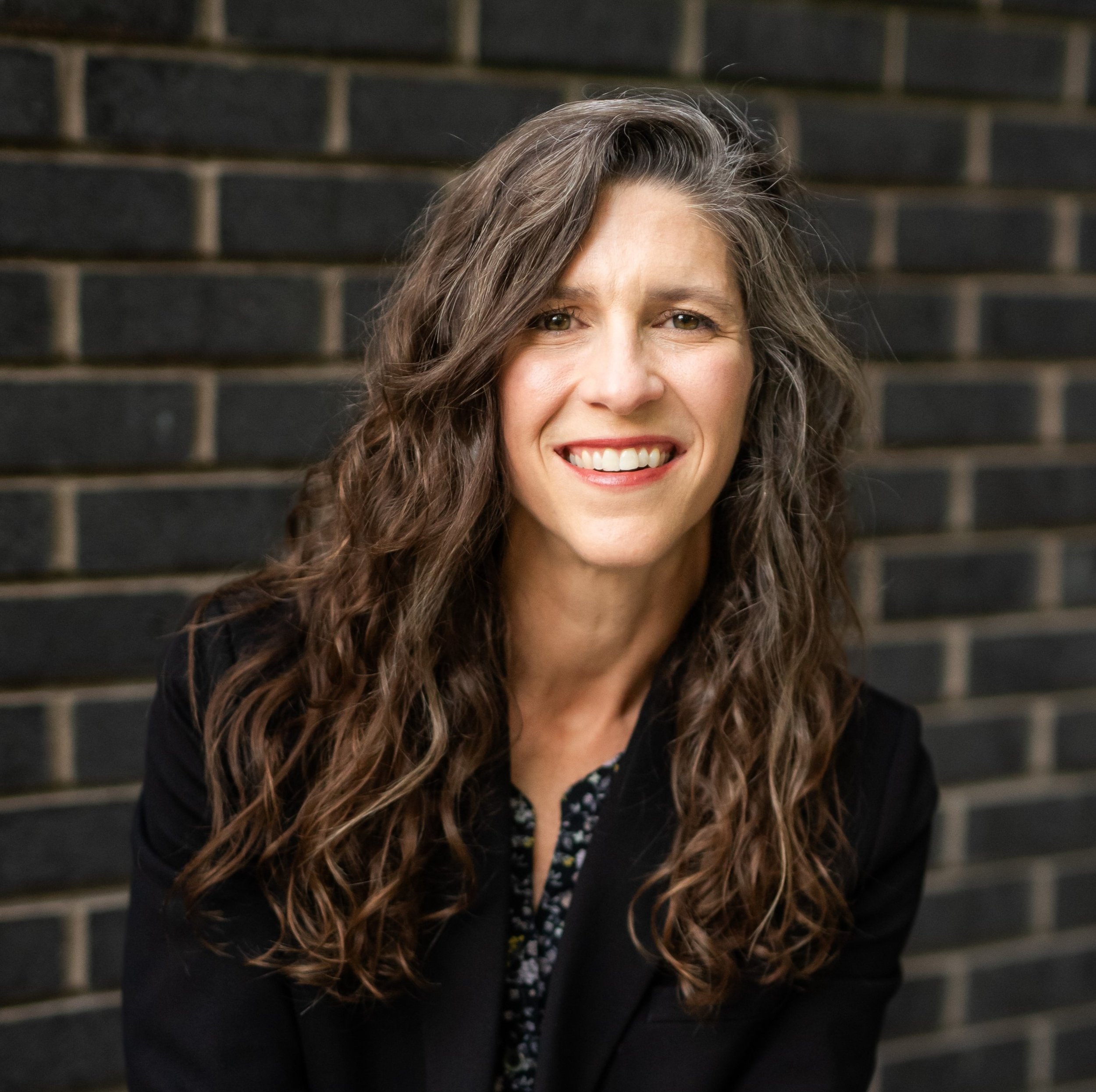
about Ginny Mooney.
Ginny Mooney, alongside her husband Matt Mooney, founded 99 Balloons—an organization dedicated to building inclusive communities with individuals with disabilities.
The name 99 Balloons symbolizes the release of balloons at the funeral of their first son, Eliot Mooney, with each balloon representing a day he spent on earth. Eliot's enduring legacy includes igniting a passion within Ginny and Matt to advocate for individuals with disabilities and their families.
They live in Fayetteville Arkansas with their three teenagers, one of whom they adopted from Ukraine and has significant disabilities. Ginny and Matt envision a world where each one of their children is valued, loved, and seen.
Since 2007, 99 Balloons has been changing the story of disability by proclaiming the worth, beauty & dignity of every human being. Currently, Ginny serves as the Executive Director of 99 Balloons.
Find out more at https://99balloons.org
Photo by Hill Country Camera on Unsplash
route.
music.

episode notes & references.
episode transcription.
episode preview.
[00:00:02] ginny mooney.: And so, what does it look like for Lena to be included in her community? And I think a lot of us will go, we just need to adapt things. Which is true.
But I don't know that always means that she is included and we want that to be enough, right? I think we collectively as a society, a lot of times without thinking intentionally, we want it to be enough. We want there, we want to say, hey, this door is open to you. You have access. You can come in.
But real inclusion. means I think that her presence is missed when she's not there. And that's different. She has to be known to be truly included. So it is not about just building the ramp. It's not about just saying we're going to adapt this. I think that it's great, but we push a little bit further with that to say, this is someone who deserves to be known.
episode intro.
You're listening to the underview, an Exploration in the Shaping of Our Place.
My name is Mike Rusch and the conversation today begins to try to shed some light on the daily lives of those who live in northwest Arkansas and experience disability.
When we talk about the state of Northwest Arkansas, it means that we have to make sure we're considering everyone who is in our community.
I want to ask some questions about how our community is considering their needs and the needs of their family as we look towards the future, what are the challenges they face? What are the support services needed to make sure that we can fully include everyone in our public spaces, Transportation, and that they have the resources for healthcare and education, employment, and more.
We may not cover all of this today, but I've invited Ginny Mooney, the co founder and executive director of 99 Balloons. They're based out of Fayetteville, and I asked her to share a family story and their experience as both a family who is experiencing disability, and serving those in our community who are also experiencing disability.
The statistics for Northwest Arkansas specific aren't clear, but in the state of Arkansas, it's estimated that approximately 18 percent of the people that live in our state experienced some type of disability. That's about one in every five people. However, most of us, when we look around our community, we don't see this, and that begs some larger questions about why don't we see it?
How do we build a community that includes everyone, when almost 20 percent of those that live here may not be visible to us every day?
And so in our conversation today, I want to ask everyone to consider, how are those members of our community who are experiencing disability, how are they included in every area of our community, home, schools, work, recreation, churches, all of it.
So thanks for following along because I think we have some answers to some of those questions.
episode interview.
[00:03:20] mike.: Ginny, thanks for sitting and talking with me today. I really appreciate your time.
[00:03:25] ginny mooney.: Thanks for having me, Mike.
[00:03:27] mike.: Tell me your story. I'd love to hear who you are and what does life look like for you today.
[00:03:32] ginny mooney.: I'm Ginny Mooney and My husband and I moved to Northwest Arkansas in 2005 and not long after that, we became pregnant with our first son. And Elliot had profound disability. He was born in 2006 with something called trisomy 18. And we were not really in disability spaces very much.
And having a child that we valued and that we loved and that was wonderful and that was disabled really changed the whole trajectory of our life. So, Elliot lived for 99 days in 2006. He would have been 17 right now. And after he was gone, we didn't need anything to remember him by. We were going to remember every moment we spent with him and everything about him, but we learned these things about Humanity and our shared humanity. We learned these things about how all of us are made That we had to live out. So we started an organization called 99 balloons and 99 balloons Really wants to change the story of disability for people And I'll tell you more about that story, but for me and for my husband, Matt we wanted to live out what Elliot taught us through the work of 99 Balloons, and I'll go as fast as I can here, Mike.
There's a, it's a much longer story that we have time for, but
[00:05:04] mike.: I will come back to some of these. So
[00:05:07] ginny mooney.: through the work of Nine On Balloons, so We ended up adopting a little girl from Ukraine who is now 17. We have two biological children and one adopted. Our two biological children now are teenagers.
And then our adopted daughter Lena is 17, like I said, and she has significant disability. And so if you fast forward from, go from Elliot fast forward to now, we are still living day in and day out with the reality of disability in our lives. Through our daughter, Lena, and could go on and on about that.
I have a feeling you'll press into more details with that, but that's the really condensed version of me and of 99 Balloons.
[00:05:56] mike.: Let's back up for a moment if we can. Tell me, what does Northwest Arkansas mean to you?
[00:06:02] ginny mooney.: I gotta be honest, the thing, this is a funny question, because I'm from Louisiana.
And I went to school, I hesitate to say it in certain crowds, but I went to school at the University of Alabama.
I knew you were going to say that.
So when I came here, people were like, Hey, when are you going to be a Hog fan? And I'd have to say never, but I do really appreciate, I appreciate the Razorbacks.
And what I came to find is that I truly loved Northwest Arkansas. It took me a minute because Northwest Arkansas was very different in 2005. I'm not sure if you remember that there were there was no Starbucks, I like to say. So it has changed drastically, but I really have come to love Northwest Arkansas and a huge part of that for us was not long after we moved here was when we had Elliot and the people who loved us and surrounded us.
Not only when we were going through really the unthinkable, which is a child that had numbered days and then when he was gone, the loss of a child. But these are people who actually, like these people in Northwest Arkansas they loved him and they were really open as we stepped into disability.
They were the ones who loved him and there were really. Also open to learning about what the disabled community is like in Northwest Arkansas. So, I love it here. I, I hesitate because so many people now are learning to love it here. So it's good. It's a little more crowded than it used to be, but, um, having the experience of having our son and what we walked through with him, this place will always have deep meaning for us.
And a lot of it is the space and the place, but it's the people who make it up that, that loved us so well and continue to.
[00:07:59] mike.: Would you consider this home?
[00:08:01] ginny mooney.: I do consider this home for sure. I mean we're creeping up on two decades and so I've lived here longer than anywhere else and so I do consider it home.
Can I say I'm an Arkansan? Do I officially get to say?
[00:08:16] mike.: You have to renounce your Alabama. Yeah, she's, I don't know.
[00:08:20] ginny mooney.: I'm an Arkansan if I don't call the hogs. That's a big question.
[00:08:25] mike.: I, I feel like if I'm in charge of that decision, you're not going to like the answer. No, I'm just kidding. Well, yeah, definitely glad you and your family are here.
We are sitting today in Fayetteville in the office of 99 Balloons. I'd love to learn a little bit more about the work that you are doing here. What is, what does your day to day look like around this work?
[00:08:48] ginny mooney.: That's a big question, Mike. When 99 Balloons started, we started with learning about disability from our son, and then we just tiptoed in.
We started with a program called Recess, where essentially my husband and I looked at each other, and we were like, well, what it took to care for our son in those 99 days he was with us could not have happened with other people loving us well. So, we started to think about parents of children with disability to start with and looked at what does it look like for their lived experience to come alongside them and support them.
So, recess is a night of respite. It gives parents a break from full time caretaking. And that's where we started. And it seemed simple enough. But what we found was that the magic wasn't just in respite. Yes, parents needed a break. But parents also and individuals experiencing disability in their family, or they themselves, needed to be seen.
And so what happened when we put on a night of respite was that volunteers started to go, Oh, I don't think I know anything about the disabled community and they started to enter in and then families experiencing disability Started to have a place for them. That was safe where they got a break and it was for siblings and so You know, it was about respite.
It was about giving parents a break. But very shortly after we realized that the magic was that actually coming together. They're coming together of people with and without disabilities in the same spaces, and I don't think we realized at that time how rare it was. For both parties, right? For our volunteers coming in saying, well, I don't really have people in my world with disabilities and for the families experiencing disabilities to say, we're pretty lonely.
We don't have a community like this. And so from one respite night. What developed over time was multiple restful nights. And then also this bigger picture mission of 99 Balloons to build inclusive communities, to get everything we do is to get people with and without disabilities in the same space.
And if you dig a little deeper, pull the veil back a little, you'll see how rare that is. It's a lot more common for younger families. And if you think about just what someone does in their day in and day life in Northwest Arkansas, they'll go to school, right? When you're little, you typically go to school, and those are your peers and because of how far we've come with special education, a lot of special education students are included in their local schools.
They're there. But what happens over time is not only does the day in and day out experience of school shift, but services and supports all shift. And so, from 99Balloon's perspective, we started to see that our recess families from the beginning, recess is the respite program that I talked about, they were getting older, and what does life into adulthood look like for them?
And we had seen that when They're younger, there is an element of isolation, but it ramps up into adulthood because that, that Really, because school goes away, right? That, that experience of school and stepping in isn't there anymore. And what's really interesting about this conversation, Mike, is we are stepping into that lifetime with our daughter who's 17.
The pediatrician last week said, okay, so she's going to be done with school in these few years. What's next for her? And I looked at her and I was like, well, that's the ultimate conversation, right? And so a huge part of what 99 Balloons does is we are looking at the isolation and the loneliness that has been a part of the story of disability for a very long time.
And we're not okay with it. And so we are creating spaces, whether that be through programs and through everything we do to get people with and without disabilities to get to know each other better. We think that's where lives will be changed.
[00:13:11] mike.: Ginny, thank you. I didn't have the chance to know your family when Elliot was here, and so, I didn't have the honor, if you will, the privilege of being able to watch yeah, what it looks like to be able to care for a family who's obviously going through a very hard time, so I didn't have the privilege of being able to be able to watch or participate in that life. Can you maybe give a little bit more insight?
You use this term inclusive community. And I realize this is very personal for you and I don't want to take that lightly in any way, shape or form, but when you think about what that looks like from inclusive community or just for your own experience, if, depending on if you want to share that or not. What does that look like?
What is the need? If you go to the core of what it means to build an inclusive community, how do you view that?
[00:14:01] ginny mooney.: Inclusion is a really funny word. And, I love it, but I also think that we all have something in our heads, right, when we hear that word. And so, we like to push into that with a little bit more meaning.
And I think to make it really, to use my story as an example, I look at Lena, my daughter that's 17, so Lena has Significant disability. The thing that impacts Lena the most is autism which essentially just means she experiences the world around her really differently. Her, the way that she communicates is different than us, the way that she receives sensory input is really different and her own unique journey and then she also has cerebral palsy, so she moves through the space around her really differently.
And so, what does it look like for Lena to be included in her community? And I think a lot of us will go, well, we just need to adapt things. Which is true. We need a, she needs a ramp to get into places. Great. We need that. She needs maybe, if there's a curriculum, then she would need that adapted. Great.
But I don't know that always means that she is included and we want that to be enough, right? I think we collectively as a society, a lot of times without thinking intentionally, we want it to be enough. We want there, we want to say, hey, this door is open to you. You have access. You can come in.
But real inclusion. means I think that her presence is missed when she's not there. And that's different. She has to be known to be truly included. So it is not about just building the ramp. It's not about just saying we're going to adapt this. I think that it's great, but we push a little bit further with that to say, this is someone who deserves to be known.
In their community and it is different knowing her is different than knowing someone that your coworker. And so that's that inclusive community. Yes. Access to services and is so important. Yes. Ramps all that is very important, but we're looking at like. Like the next step because people are still really isolated even though there's a ramp, right?
What does it look like for them to be known? So I think a lot 99 Balloons Balloons is really pressing into this idea of what does it look like an inclusive community is actually someone known in relationships. It's just a different thing. It's just a really different thing. Having access to services versus being known in your community are two very different things, especially for the disabled community.
[00:16:51] mike.: , , when you talk about being known where does that start? How do we as a community, as a society around the decisions that we make? How do we, where do we start from our posture, from our understanding, even the questions we should be asking?
[00:17:09] ginny mooney.: It's a really good question. Two words pop into mind right away, and I'm going to try to work through them a little bit, I think. But one is curiosity. That was the first thing. Another word I've heard from some people I really admire in disability space is they talk about imagination. I think we have to be curious about someone else's experience.
If we're going to share space with someone, we need to be really curious about their experience in it. So, curiosity. I think that's maybe just the first step. I one time had a, it makes me think of a therapist, Lena would sometimes have. I have therapy in home, and I had a therapist come in and say, I was trying to tell her about Lena.
Lena doesn't speak for herself. She has a communication device, but I'll sometimes translate for her a little bit. And this therapist said, well, I've hung out with autism before, so I don't need all this information. And I was like, yes, but you don't know Lena, right? So like, in that example, I would really would have liked her to have more curiosity, right?
So I think that's, I think that's where it starts.
Curiosity and then individualized.
Here's what we do. We don't mean to, Mike. I do it, you do it. We put everyone into a formula. And we say, okay, you have a chair, you need this. Even people who are really well meaning in disability space don't realize how much individualized attention, or even like back to curiosity, is needed.
And I just think we should e see each individual, and I think this is disability and not disability, right? To truly know them instead of putting them into a formula or a system. And I see that time and time again as a parent. Because I have a disabled daughter, okay, she needs to do this is the path for her.
And so I just think we need to lead with curiosity and then remember how individualized. If you're going to learn about the disabled community, you're going to have to Step into being really open about each person being their own person. And that sounds super simple. We know that. Like, I know you're a totally different person than me, right?
You have to come in. But I think sometimes we just layer on this formula. And it's so othering. We have got to see each individual. So, that curiosity would be a start. And then really being individualized would be the second piece, I'd say.
[00:19:50] mike.: What you're asking is, it feels like just a universal being a human being, right?
Right. Yeah. Yet, for some reason, we have to remind ourselves and our communities that when people may be different than us, we, our default posture seems to change.
I'd love your perspective on why do we approach the world this way?
[00:20:14] ginny mooney.: Well, for I'm fascinated by the history of disability space. And I realize that most people don't care as much as me, but I actually have. So prior to Elliot disability was a part of my life in a way that I really didn't.
Realize fully, my uncle is 68 years old and he's in South Louisiana. And when he was five my grandparents were told, really, the best place for him is in this facility that was far from home. And that was just, that was very common. So if you back the train up a little bit further, a little bit of history, you can take it or leave it.
But essentially, historically. People with disabilities have been systematically isolated. So it's not just like, and we, as a society, have been deeply impacted that we don't even realize it. We other put them in this other category because, for a lot of reasons, right? But because we're all broken people, but also Historically, they have physically been othered.
And so one of the things, if you look at some statistics, it's estimated that one in five people have disabilities. And when you tell someone that, they go, Well, that's not right. Look, there's not 1 in 5 people. I don't see 1 in 5 people around. And the reason that is because we are still in the aftermath.
Now, institutionalized and people with disabilities being in institutions like my uncle experienced early in his life, that is not the norm. I'm not saying that in any way. But we are still living the effects of that isolation. So the thread of isolation and othering is still around and a lot of us don't even realize it.
We don't even notice it, but I do think the historical context of disability really impacts. The current day reality of people with disabilities still experiencing profound isolation.
[00:22:32] mike.: Can you talk a little bit more about that history? Is that history that we have enacted through policy or decisions we've made as cultures or cities or communities?
Can you, yeah, I'd love to
[00:22:43] ginny mooney.: hear a little bit more. I'll give the condensed version. So, there was a social reformer named Dorothea Dix in the, I'm going to get my dates wrong, but in the early 1800s. And what she saw was, is that people with disabilities were a lot of times in jails. And she's, and in these like horrific conditions, and she thought, well, we need to take better care of them.
They need to be better educated. So since she as a woman wasn't allowed to go present her findings to Congress, she had a man do it, I can't remember his name. And so Congress actually approved the setting aside of all of this land in the United States in order to build institutions. Now the heart behind it was good.
They are in, it was for reform and education. And unintentionally, people with disabilities were then put in these facilities. And they started to see that what they had hoped would be education reform was actually isolation. And in some of them really horrific conditions. So much so by the end of Dorothea's life, she was really pushing no, that's not the way she was.
She was actually speaking against her original idea because it, it went the other direction. And there are, today there are group homes. There are great places. That's not what I'm talking about. But reform started to look differently. Where we started to realize, when it first started, and I'm not clear on the dates going from like the 1800s to today, but when people first started to go, well, institutions or these kind of settings, they're not great, but it would be too expensive to have, People with disabilities be more involved in the community.
And then people showed receipts and did the work and said, Actually, no. No, it's not more expensive and it's better as our community is better when we're all included in it And so we still we've come a long way. We still have a really long way to go Like I said the reality of my grandparents of parents Of a son with cerebral palsy was wildly different in the 60s and 70s than mine is now But That thread remains, of isolation.
So we've come a long way. I think we still have a long way to go for true inclusion. And what I mean by that is the shift now is instead of the funding going towards a facility, the funding goes towards supports for people with disabilities. So my daughter's experiencing that right now. We're getting more a adult systematic support.
So it will allow her to have support staff if she needs it into adulthood when she's not in school. It might cover different things that she needs to be quote unquote included. In her community and those are great and she needs those but what the gap is the gap there is who's going to really be her friend.
That's not her family and paid to be with her because for you and me, a normal part of a full rich life in Northwest Arkansas is our friendship is our the people around us. And so that's where that's like that is that next step. It's like we are supporting I think. People with disabilities, but what does it look like to be in real relationship and friendship with them?
[00:26:27] mike.: I would venture to say that maybe as a society we're ill-equipped to do this on a normal day best on our, as a society we're ill-equipped to do this in just the normal courses of our lives. And so, like how do we. I try not to say it in this way. I'm afraid I'm, I don't wanna. You try that again.
Language is tricky. Language is tricky because I don't want, I want to work for that, this conversation. Maybe we'll go. So, so in that space of isolation, we maybe as just all of us as human beings feels like on a normal day. Sometimes we struggle to do this for ourselves. We do this well as a society.
How do we think through this in the space of disability with not this, I say space of disability, like it's this other space and not our neighbors and our community and our friends and the people we interact with or could interact with on a daily basis. How do we start to change our mindset around how we think about what community needs to look like?
And you answered this with your curiosity individuals, but
[00:27:41] ginny mooney.: I think we can look at our spaces and say, where, okay where are our friends with this? I think we need to look at when we go to an event, we're on the trails, wherever we find ourselves in Northwest Arkansas. I think we need to look around and say, where are our friends with disability?
Why are they not here? It might be that there's no, I like to say ramp, because that's the thing people can hold on to. It might be that this isn't a really accessible space, but probably it's a step further. There's probably deep isolation already there. They might not feel welcome. They might not know how to move, move into.
Right. Deeper connection, but I think it starts with those of us, like education, right? Like I love when people start to grasp for the first time, why aren't people with disabilities at this event that I'm at? Why aren't people with disabilities on the trails? Like I think that's, I think that's our first step.
One of the things I think about all the time, Mike, is I, so with Lena, she's 17. 127 pounds and I push her in a jogger stroller and it is my favorite thing to see where usually We don't live far from the trails that go, near Walker Park in South Fayetteville. Now, I would love to, I also pull her in a bike, so I would love to go further, but the hills are a whole situation.
I have not done an electric bike yet, but I think it's in my near future for actually pulling her. But, I love looking at people's faces when we pass them on the trail. I literally, like some people just smile and wave like it's, what they see every day. Literally, I've had a group of probably like pre teenage kids stop, turn and look at me and go, What in the world?
And so I think that like one of my hopes is that we would have less reaction like that. I think if we start to ask the questions of why are spaces not inclusive, start to ask those questions, start to be more welcoming, allow that curiosity to build and grow. I would love to see less people looking at us on the trail going, what in the world?
Like that we wouldn't be the off group.
[00:30:18] mike.: That question around where are our friends with disabilities? You're actually doing something about this within 99 Balloons called Befriend Program. I'd love to have you explain what you're doing as a way of answering that question, maybe. Sure.
[00:30:33] ginny mooney.: So, I mentioned earlier recess and that's how we started in 2007 with this respite care. And then we start to look at adults in this isolation and we're just, weren't okay with it as an organization and just as humans, right? And so, in 2019, I guess it started in 2018, but really, And when we got going a little bit more in 2019, we started something called Befriend and essentially, it's just a friendship group.
And when we started Really what we thought, Mike, what happened was these like, organic, what we call pairings that friends would get to know each other and then, global pandemic hit and different things like that. But, we have these friendship groups that are set up where people with and without disabilities are hanging out.
And we thought these organic pairings would happen and they haven't. Really taken off. So it's really interesting. We are shifting our focus within the befriend groups to try to Help those pairings happen because a lot of times what some of the disability will do is they will come into a group setting and if they don't Communicate like everyone else, or if there's barriers to getting there, if it was hard for them to get a ride there, it took them longer to get there through public transportation they come in and even though they're surrounded by people, they might.
Feel isolated. So we were understanding that was happening in these befriend groups and as magical as they were We wanted people to really feel connected within them So we have these groups going where adults with and without disabilities are coming together and getting to know each other And now we're taking it just a little bit further that within those groups We are pairing Someone with and without a disability to get to know each other deeper and that they would be hanging out outside of that group setting as well.
And it's really, it sounds like if you don't know it and you're not in it, it sounds like, huh, great people hanging out. But it's pretty life changing for someone who most people in their world are their family members or people paid to be with them. And then they have. a group that feels like they're people, and even within that group, one person that's going to really make sure they're there and say, Hey, we miss you when you're not here.
It really changes that isolation piece in a more profound way than I can say in an interview.
[00:33:07] mike.: I hear intentionality is what I hear that this is the intentionality. of being available for relationships that maybe look different than what I am used to, but not carrying that idea of difference into those relationships.
That at the end of the day Yeah. As you said, it is, it's a friendship, um, based on everything that friendship should be based
[00:33:33] ginny mooney.: on. That's right. We say, we like to say free and mutual friendship because a lot of times in these situations, like, and maybe even people listening, if you think of someone with, without a disability being paired in a friendship, we automatically think like mentorship.
And that's just not it. There's a mutual friendship that we're trying to encourage and help people know that we share differences, right? But one is not mentor mentee. We are going to share those differences on equal plane.
[00:34:04] mike.: Well, Ginny, I love hearing that. How do you make that happen? What are the, are those community partners? Is this individuals? Like how does all that work?
[00:34:12] ginny mooney.: So typically, we go through the local church. We think it's a great third space.
It doesn't always have to go through the local church, but what we have found is that there's such a sense of like community and accountability within the local church and a lot of times if we can find one person. In one group that cares. It is like wildfire. So like one person starts to care.
They share with someone else. And then in one of two things happen, Mike, sometimes people look around and they go, Oh, there actually are people in our church community that don't come because no one's advocating on their behalf. Or they say, look, there are people who would like to come be a part of our church community, but. They don't know that they're welcome here.
[00:35:01] mike.: But you've got other nonprofit partners. You're working not just here in Northwest Arkansas, but you're working well beyond that. These are large programs in many states with many different partners. Can you give us a kind of an understanding of. Oh, what that looks like?
[00:35:16] ginny mooney.: So there's with recess because it's what we started with. There's 30 recess sites and they're all over. But most of them are in Northwest Arkansas because this is our home office. bEfriend, because it's newer, there's not as many befriends and with our focus to be front.
Is a shift and needing a lot of work, and we actually have received for 2024 a grant from the Northwest Arkansas Walmart Foundation to see what it looks like. To do this work deeper in Northwest Arkansas it's really part of their focus on social connections. And it's incredible because when we first found out about it, I was like, Hey, this is what we're already doing.
And I think they were like, well, this is what we're, Wanting to encourage in Northwest Arkansas. So it's really cool. So they're looking at social connections. Why are we isolated from one another? And so we received a grant to really go deeper into this befriend project to go How can we take this idea of groups and focus more on pairing and then groups that don't exist?
How can we pair get people with and without disabilities? together. What's needed to make that happen? How do people who don't, who want to come to a group, but not be paired, what are those barriers? What are they scared of? Are they scared of disability? Are they unfamiliar? Let's help them understand the disabled community so that we could all live together.
So, really grateful for that. Really excited about how that's going to Not just like fund the work, which is very important and that's needed, but that funding and non profit space actually equals impact. Like, I can see already now where real lives are being impacted. We have a friend, I'll tell a story, you didn't ask for one, but we have a friend who we learned about her through this person, just she came across the radar of 9M Balloons.
And when I first heard about her, I thought, Oh, well, she needs to be in a befriend group. And the person that was telling me about her was like, well, it's not that easy. She actually is in her thirties. And she's in a nursing home and figuring out how to get her from. The isolation, loneliness she's experiencing into a befriend group is just such a big jump.
So that's where this idea of pairings, we've actually paired a volunteer who, we don't always like to use the word volunteer here because they're in a real friendship, but we've paired someone with her to go spend time with her every week. And now they're thinking, they've been spending time together in the nursing home once a week for Oh, maybe six months or so and now they are thinking about going to a larger group gathering together.
And so a lot of the funding that's happening through this Walmart grant, like allowed that pairing to happen and others like that to happen. And so we're really just excited to see how it's gonna. Not just impact Northwest Arkansas, like, I think when we say that we're like, we just think of like a big broad region, but I want to remind us that it's real people who really live here that we might not see that are going to be pulled more into our community and not just as like a token, but because like our lives are better with them in it.
[00:38:46] mike.: Are there things as a region or as communities that we need to be thinking about when we, one of the conversations we're having is that Northwest Arkansas is growing and there can be a half a million more people here in the next 20 years. And people are making long term decisions about what our community is going to look like.
How do we do that to make those inclusive communities to include or encourage these types of relationships here? So
[00:39:21] ginny mooney.: We always are just like, we are those people that are constantly saying, well, have. Have you thought about this? Have you thought about this? Because I think people are doing really good work to think about that growth, think about the problems and doing problem solving.
What a lot of us don't realize is that disability touches everything. It touches every socioeconomic place that someone would find them in, find themselves in. It touches every part, every town in Northwest Arkansas. It touches every race. It touches everything. And so, everyone that, housing, poverty, every social issue, it feels like disability is actually a part of those too.
And so, I don't, know that I have a great, like, real shored up answer, but I think we have to constantly say everything we're thinking about, are we considering the disabled population within all of these things we're thinking about? A lot of times the answer is no. What I found in 9 1 1 that's so surprising is that we'll get connected through maybe like a non profit space.
And then we'll say, and we'll hear of good things happening. And then we'll say, well, what about people with disabilities? And it's a lot of kind of blank stares, so I think just like making it a part of the conversation to start with is huge. And then there are a lot of people who they themselves are disabled advocates.
Here's the thing. Language is a funny thing. You and I have talked about that before. The reason language is a funny thing, and how it's always shifting in disability spaces. We used to say, people with disabilities. You'd always say, people first language. And that's still preferred in a lot of spaces.
But now it is shifting because some groups within disability space are saying, no we are okay with our disability. You might not be, but we are. So you can call me an autistic adult. And what I love about the language shifting, I have a point here with your question, I promise. What I love about the language shifting is that it is being led out by people with disabilities instead of talking.
About them, they are becoming the voice in the space. And so, I think as we talk about growth, my encouragement is that we are making sure that we're not just thinking about people with disabilities, we are giving them a voice in all these things we're thinking about.
[00:41:59] mike.: Are there things in Northwest Arkansas that we really need to reevaluate about how our policies or program or communities or the way we think about relationships with each other needs to, yeah, needs to be rethought?
[00:42:14] ginny mooney.: A lot of it makes me think we see this all the time and I think anybody who's in a space where they would call themselves an advocate is constantly learning.
And constantly shifting. But I think about what I mentioned earlier, a little bit of the history that, that gal, Dorothea, that by the time the end of her life, she had shifted. She had changed. What advocating looks like. And I would say just really thinking about The things that we're doing, as cliche as it is, the things that we're doing, we're helping my hurt, right?
A lot of times we look at stuff and we go, this is so good. This is this really great thing. But when we go a little bit deeper, it might actually be more othering. So I think just being really aware of where of the places where we are othering and remembering that it is not us and them. It is just us.
And so, I'm not sure that really answers the question on really specific policies, but I think a lot of times, well meaning intentions can actually help. And so just being aware of that. I see that as a parent a lot of times things that are really well meaning for Lena. She can't really participate in, or it still others her in some way.
So just thinking intentionally about that.
[00:43:40] mike.: You've used that you've used that term, othering. Can you unpack that for me? What do you mean by that?
[00:43:47] ginny mooney.: Well, with the like, well meaning, one thing I think of is like, one of the sentiments I get a lot, I think if I go back to like, Other reactions on the trail.
This is the best storytelling I can do. Because I always feel like, man, someone should be following me around on the trail. We can learn so much about our region, about our people, not just following me pushing Lena on the trail. But one reaction I get a lot is pity. People feel sorry for me, when they see me caretaking for Lena.
And if you don't go a little deeper into that, then you just think, oh yeah, this is like sweet. But what you're really saying when you pity me is that there is something about Lena that is undesirable. So you feel bad for me for taking care so even in that pity I just use that as an example is there is an othering here is your reality as a parent and It is sad because it is so different than mine and so even within a like something that seems like maybe like Compassion can be in there that pity is othering and I just think We do it all the time in disability space because we don't understand it and I'm not pointing some finger at people Right, like I don't want people listening to be like, oh no, I pity people.
I'm not pointing the finger I just think we so Unintentionally other we just we there's something we don't understand And so instead of taking the time to know it and understand it. It's much easier to just other it
[00:45:25] mike.: That's a good word right there. Ginny is there anything that's maybe unique about Northwest Arkansas and how we are approaching this aspect of building inclusive communities or is Northwest Arkansas pretty typical of what we see everywhere else in our country?
[00:45:42] ginny mooney.: I think that there is something really unique and special as I get a chance to talk about these things. I do see a lot of people here in our region taking the posture of learners. Either they're already involved, and if they're not, there's such an openness. To wanting to learn, to wanting to grow, to wanting to understand the fullness of who we are and who lives here, who's in our backyard, I haven't come across people as I get to share and talk that are really standoffish.
And I think that's a beautiful thing. I think it speaks to like the warmth that we have here. And then an understanding of like, like people are united and go, we're not where we need to be. And a willingness to learn and grow in that regard. And so, I'm not in a lot of other communities like personally, but I do I'm struck by that.
When I talk about Lena from a personal motherhood standpoint and my experience with her. And when I get to know families, individuals in the disabled community, and then. attempt to translate that to those who aren't in it. There's such a welcoming in Northwest Arkansas. People want to learn.
They want to be a part. And I'm very encouraged by that as a parent.
[00:47:05] mike.: That's good. I'll ask you this question cause I, I like to ask it to everyone. And I'll give you a moment to think about it if you want it, but within this space, what are your fears?
[00:47:16] ginny mooney.: That is a hard question to ask a parent of someone with a disability.
[00:47:21] mike.: And if it's not a fair question, I accept that, and I would apologize if it's not. But I
[00:47:25] ginny mooney.: think, well, I think my answer speaks, speaks to the The profound isolation piece that 99 Balloons is pushing so hard to change that story. Like we say, we're changing the story of disability, we're changing it from isolation to real community and real relationships within community. But when you ask what I fear I fear that no one will know her.
I know her and I love her and She's so different than anyone that you would like see, like I said, on the trail in Northwest Arkansas, but she's spectacular. And I think I fear that no one's going to know how incredible she is. And that's just an example I say, because the fear is isolation.
I'm in a posture or in a position to fight for this and I know how deep it is. I know that there's a real fear that when Lena doesn't go to school anymore, people aren't going to really know her. If something happens to me, who's going to really know her and love her? I know that they'd miss out.
But how do I communicate that they'd be missing out? And that's really what we're trying to say with everyone experiencing disabilities, you are missing out if they are not in your world and in your spaces. We in Northwest Arkansas, we are missing out if people with disabilities are not included in our day to day lives.
[00:49:13] mike.: Thank you for your vulnerability in that. I know that is a, well, maybe I don't know that's a hard question and I see it in your eyes. I know people listening may not be able to, but thank you for sharing that. Yeah. Maybe the other side of that question is what is wholeness look like in this space?
[00:49:34] ginny mooney.: Being known. I think we're at a place. It sounds basic but we're at a place where we would say. People with disabilities are included, but are they known? Are they in friendship? Yes we've opened the door for them, but are we going to take the time to know them?
[00:49:54] mike.: What would you ask of each? If you had the opportunity to talk to everybody that lives in Northwest Arkansas, what would you ask of them?
[00:50:03] ginny mooney.: Well, right now I would say they need to be a befriend advocate, that they need to be a part of a buffering group and they need to Have a friend in their life with disability, not to volunteer their time, but to have a real friend and to learn the real, what people are actually like in our community.
[00:50:25] mike.: You want to add anything else?
[00:50:27] ginny mooney.: No.
[00:50:28] mike.: Well, Ginny, thank you for sitting with me. Thank you for your time. I've had the privilege of being able to, I don't know if I've had a front row seat, but I've definitely maybe been a little bit closer to watch you and your family and the work that you're doing do some really amazing, beautiful things.
And so I am deeply grateful for who you are and the work that you're doing at 99Balloons. And Yeah, I would ask you to please keep fighting because it's one of the most beautiful things I've ever seen. So thank you for all that you do and asking and calling us to Yeah, to be aware of the people in our lives and the people who are not in our lives that should be.
[00:51:08] ginny mooney.: Thanks, Mike.
episode outro comments.
Well, I'm truly thankful for Ginny and her family. They really are some of my heroes in this world. And their story of loss, of hope, and fighting for those who are unknown in our community is something that I have learned so much from over the years.
This story of disability is one that is closer to everyone than sometimes we are able to talk about. So this conversation with Ginny is an active reconnecting to this story, an active reconnecting to our community, and an ask to actively reconnect to those around us who are created in the perfect image of who they are supposed to be.
A perfect image of what we need in our lives as we pursue this understanding of what community wholeness can look like if we're really willing to move outside of what may be known to us.
If you are curious about where to start, I would recommend, just as Ginny said, reaching out to 99Balloons and asking about their bEfriend program, or volunteering at one of their many respite nights, known as rEcess, in our community. If you have a member of your community who's experiencing disability, seek them out, ask how to support their families, and better yet, seek a friendship that allows everyone to be known.
To build a community that includes everyone, a community where doors are open for everyone may be a first step, and it's needed. We definitely need to open more doors here, but it may not be everything that we can do to build a community where everyone is known. I know it doesn't sound easy, but it's something we all need. At least I know that I need it
next episode preview.
for our next episode. We're going to spend some time with Allyson de la Houssaye. Allyson is one of those community builders who seems to be active in just about every place in our community. It seems that wherever a community exists, the bicycle or outdoor recreation happens, or a story is being told about how to connect to our place in a deeper, more meaningful way, she's been involved in some significant way.
[00:52:57] allyson de la houssaye: I think that vulnerability together creates a little bit of trust and then afterwards, Oh, you're, you're a Democrat. You're not so bad. Oh, you're a Republican. You're not so bad. You know what I mean? I think going through something together that can be scary and intimidating and triumphing will then create an opportunity for connection. And it's, Oh, your personal ideologies or views aren't the thing. That's not the main focus. That's not how we know each other. We know each other because we both love our community.
[00:53:27] mike.: I really do look forward to sharing this conversation with you, and I may have to set some expectations going into it. That she gets me talking more than I normally do, or probably should. But she was involved in capturing a story last fall about riding across the state of Arkansas on some bikes. And, well, that's something we're still trying to unpack and understand.
route.
[00:53:44] mike.: And so it seems fitting that this episode's route should be on some greenway trails in Fayetteville that Ginny refers to. Who knows, you may see her and Lena out there someday. And if you do so, you're welcome to blame me if you want to interrupt them and thank them for being a voice in our community who's making a true difference.
You'll start and end at Wilson Park, so maybe plan on making an afternoon of it. There should be no hurry. As you ride these trails, take special notice about who is there and maybe who's not. Ask if these trails and parks are accessible for our community. There is a small section of the Oz trails, Fayetteville Traverse, so know that, but you can easily stay on the street if you need to avoid that.
music.
[00:54:21] mike.: And we're going to close today with the music of our once Fayetteville school teacher, Barrett Baber.
Most of you know Barrett from Season 9 on The Voice. However, he's gone on to have music on the Billboard Hot Country Songs chart. I remember first meeting Barrett long before that in a living room at a house show that was put on by City Sessions.
I just wanna go back to what I've been saying for a while now. If you haven't been to a City Sessions event, you really never know who you're missing
so if you're on Spotify, you're going to roll right in. If not go to the episode webpage and find all the links to his music.
Until next time. Thanks again for listening.