
the outdoor community builder with Michael Spivey.
Michael Spivey, President & CEO of the Ozark Foundation. Our conversation focuses on the state of Northwest Arkansas and how the Ozark Foundation is shaping the outdoor recreation industry.
season 1, ep. 33
listen.
episode notes.
Episode 33 is a discussion with Michael Spivey, President & CEO of the Ozark Foundation.
Our conversation focuses on the state of Northwest Arkansas and how the Ozark Foundation is shaping the outdoor recreation industry.
Their mission is to position] Arkansas as the leading outdoor recreation destination by creating fun, healthy, and competitive outdoor events for people of all ages and from all corners of the community.
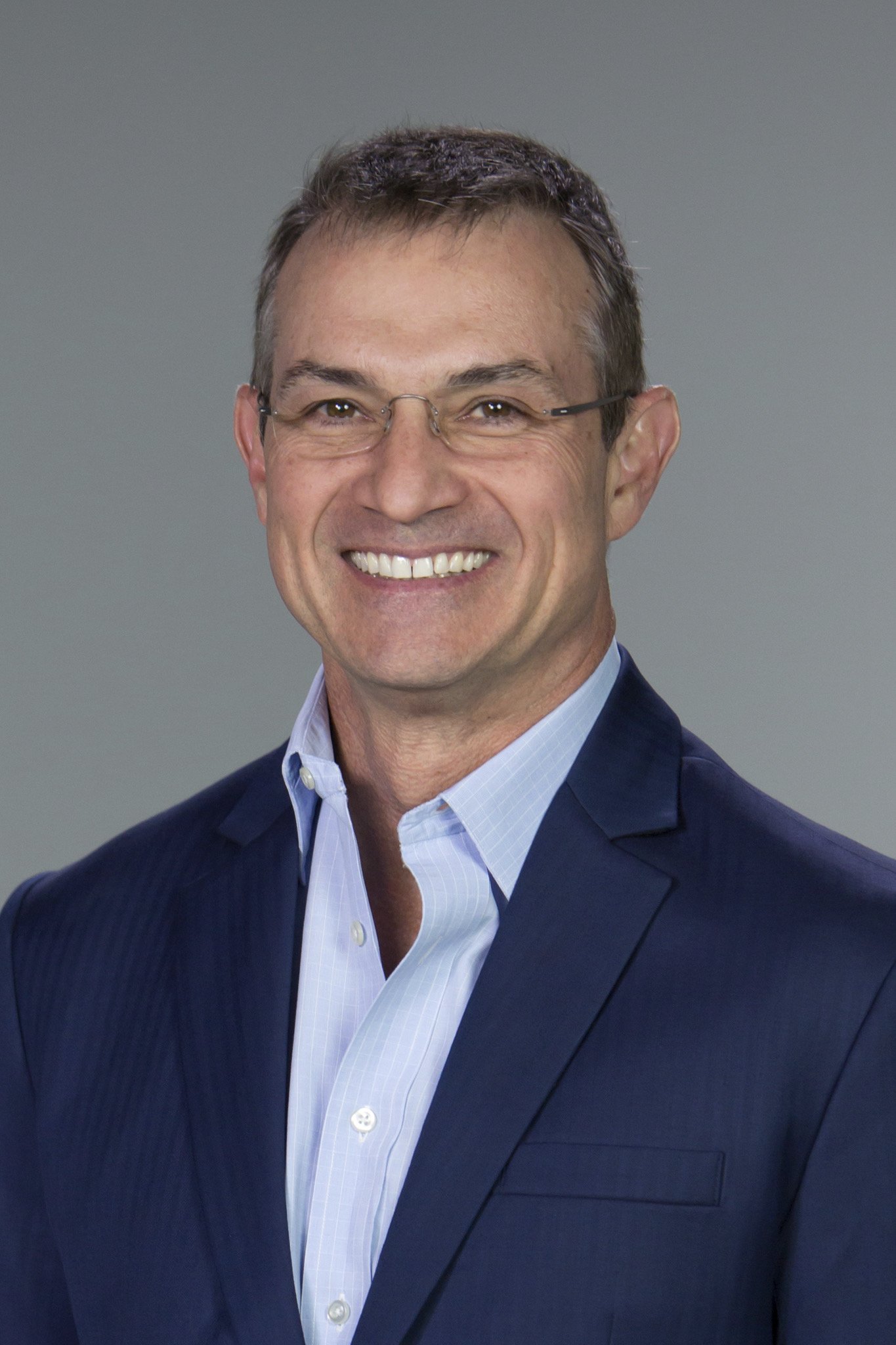
about Michael Spivey.
Mike is the President & CEO of the Ozark Foundation, a non-profit organization that he started in 2021 to support outdoor recreation throughout the Northwest Arkansas region. Events supported by Ozark Foundation include world-class events such as the 2022 Walmart Cyclo-cross World Championship, gritty events such as the Arkansas Graveler and the Arkansas Enduro Series and local community events for families such as the OZ Kids Bikes & Books Festival. The Foundation supports approximately 40 events annually.
A licensed attorney, Mike has a 30-year career in both the private and public sectors. Prior to starting the Foundation, he enjoyed an 18-year career with Walmart including six years as general counsel for Walmart Africa where he was responsible for legal, and regulatory compliance in 13 sub-Saharan countries. Prior to Walmart, he was general counsel for small business with the Export-Import Bank of the United States. He spent the early part of his career practicing law in Budapest, Hungary.
An avid endurance athlete and outdoor junkie, Mike has competed in numerous long-distance marathons, triathlons, cycling races, swim competitions and hiking expeditions throughout the world including five full distance Ironman races, the aQuelle Midmar Mile Swim in Pietermaritzburg, South Africa, the Cape Argus Cycle Tour in Cape Town, the Soweto Marathon, and the Ho Chi Minh City Marathon. He has also summited Mt. Kilimanjaro in Tanzania and hiked the Annapurna range of the Himalayas, Machu Picchu and completed the Camino de Santiago (Portuguese coastal route).
Mike and his wife Kathryn have two adult daughters: Olivia and Isabella.
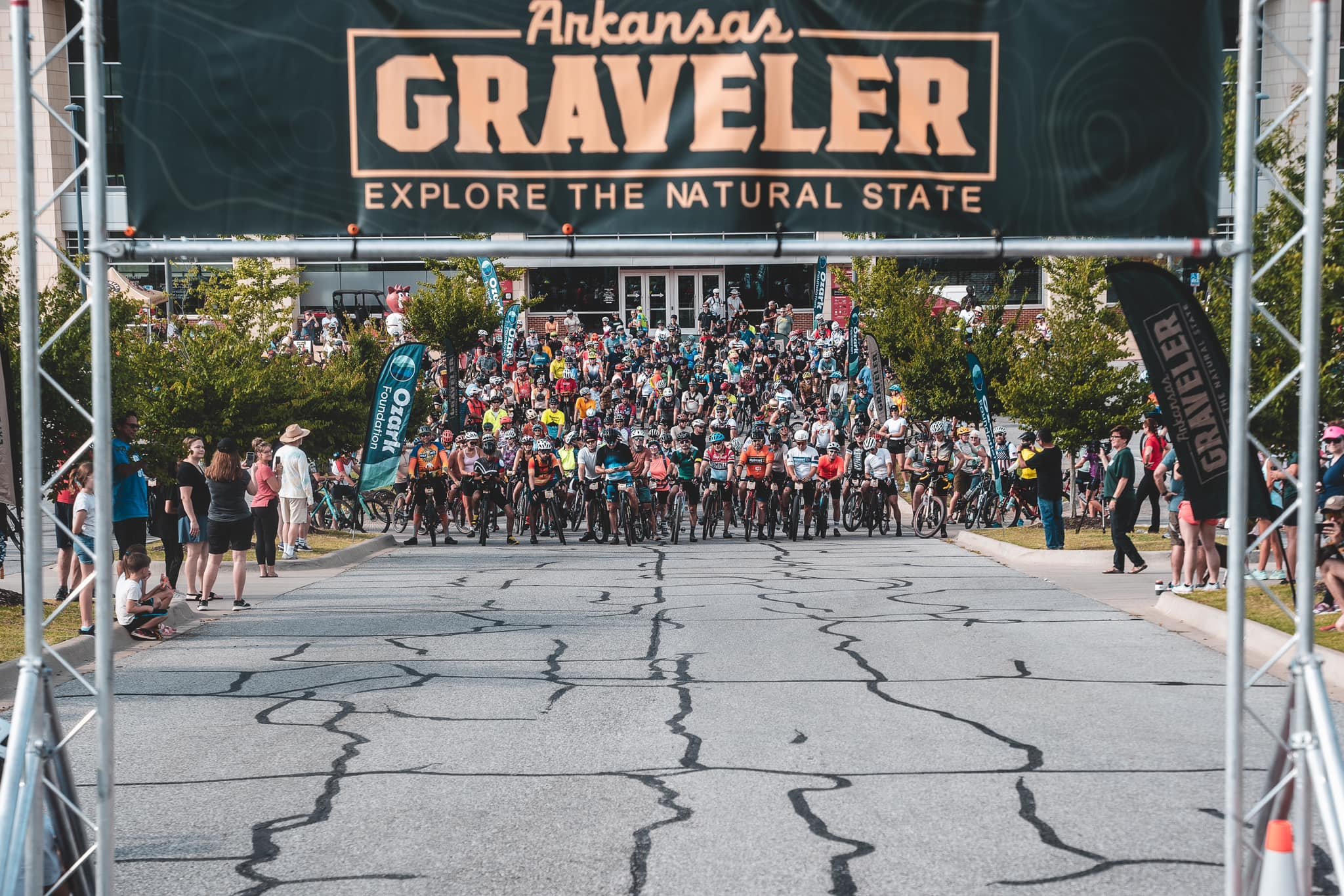
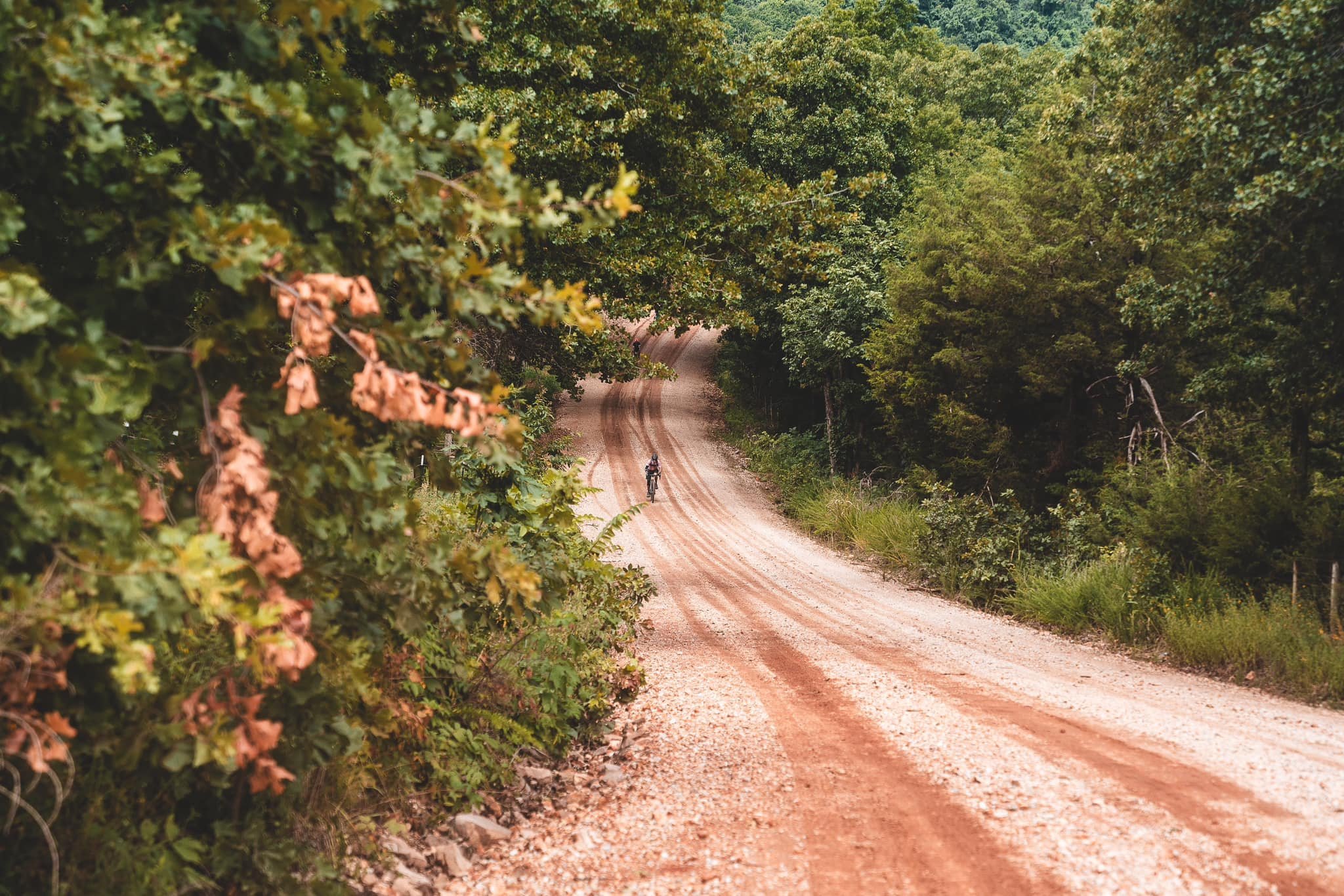
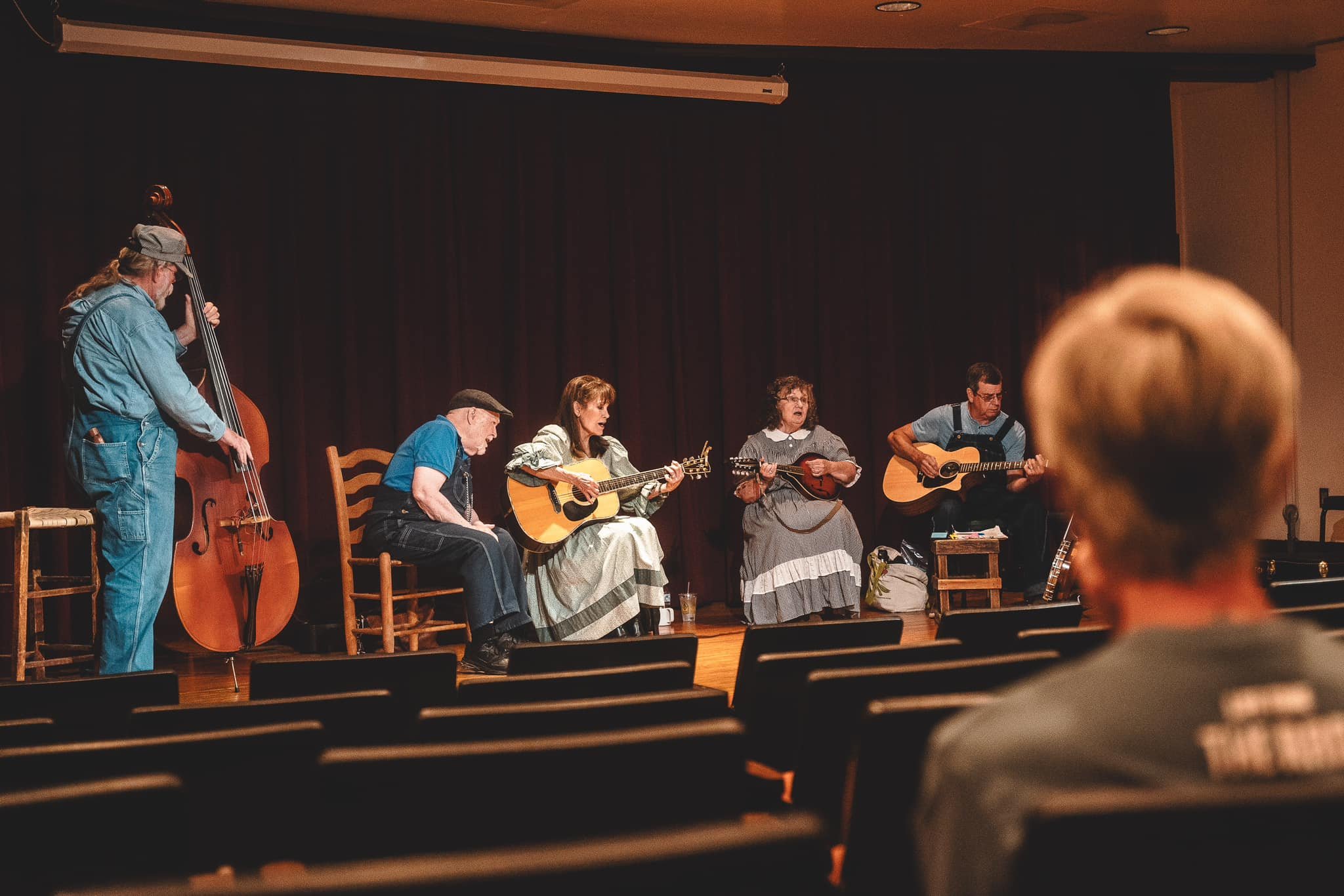
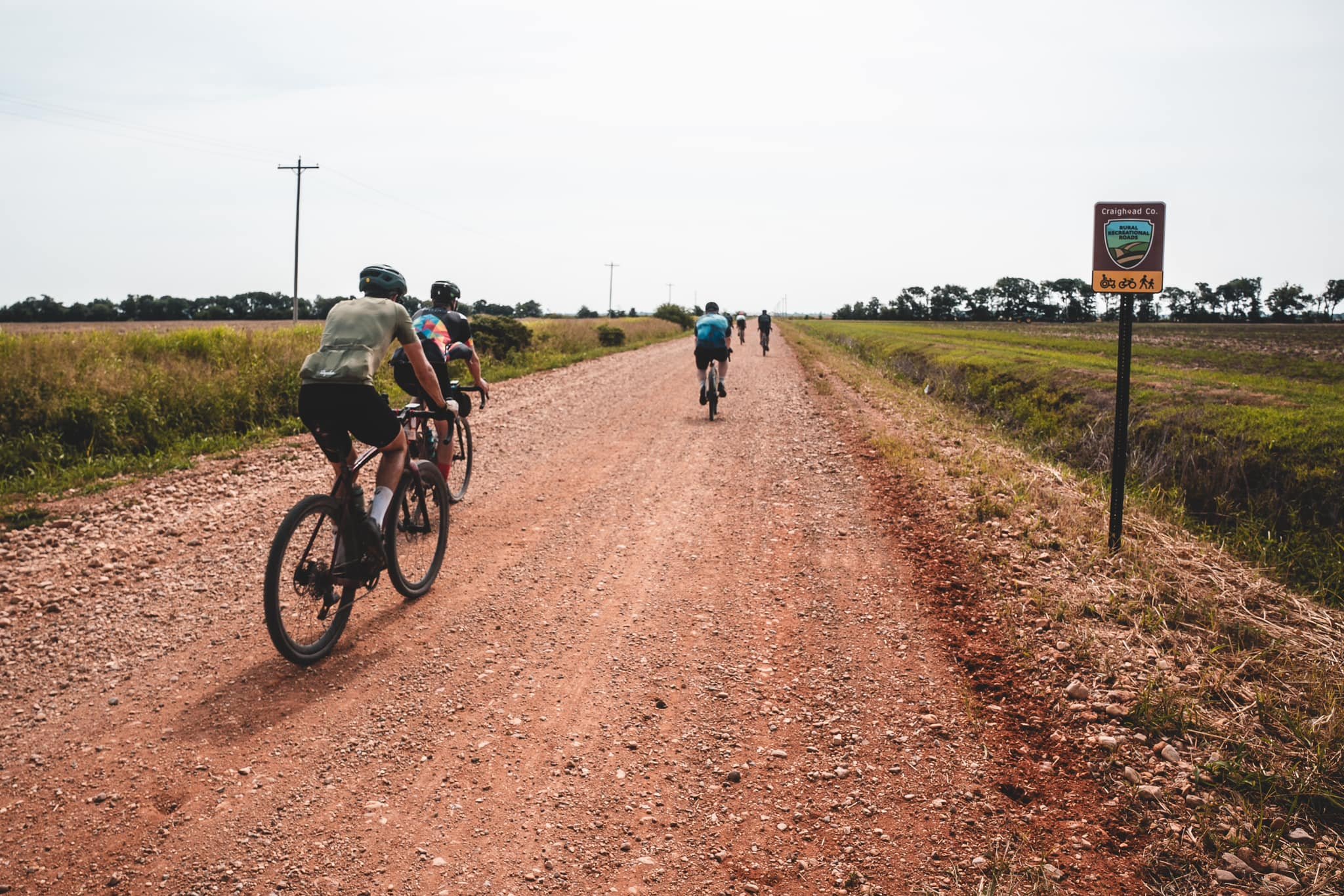
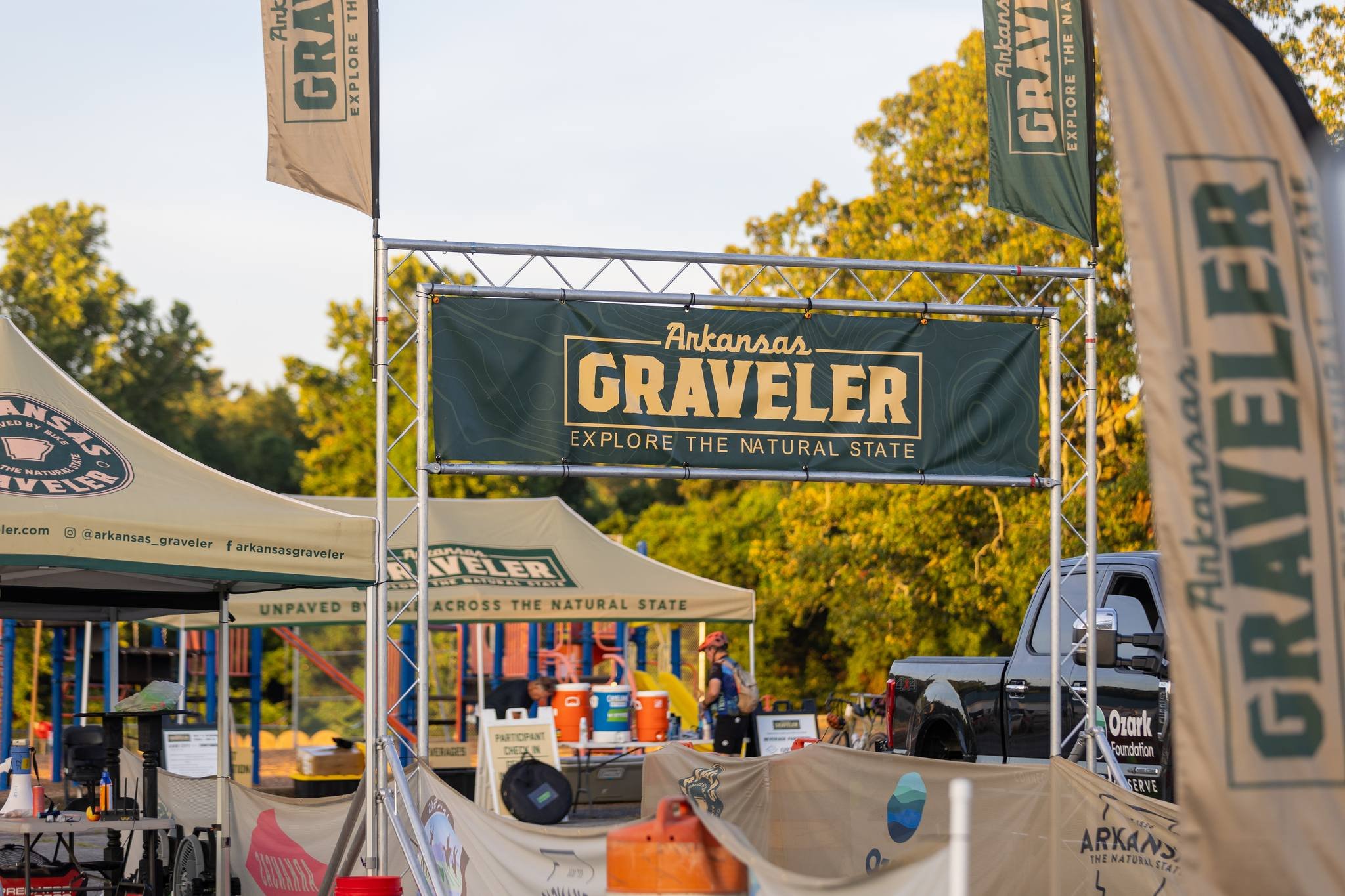
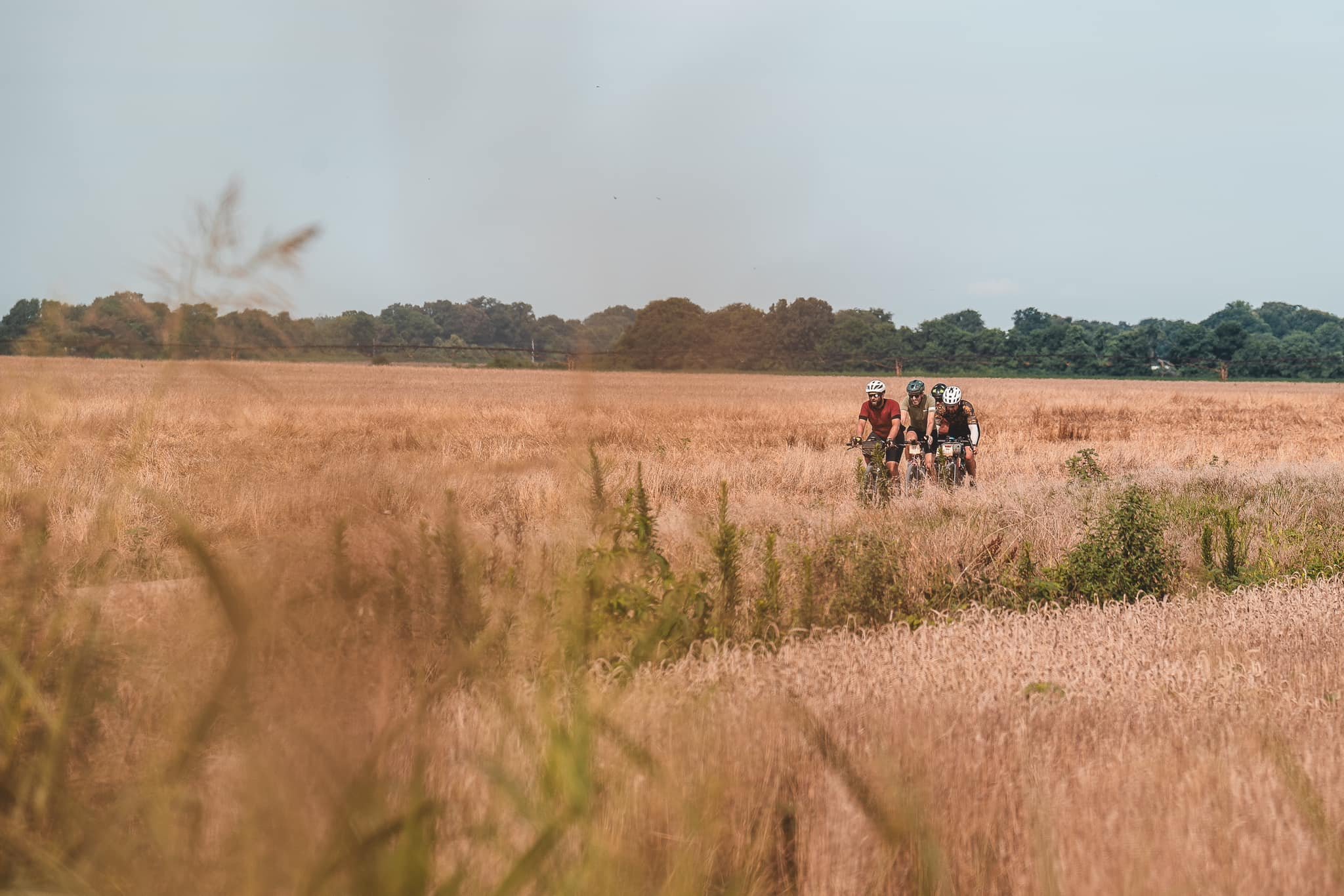
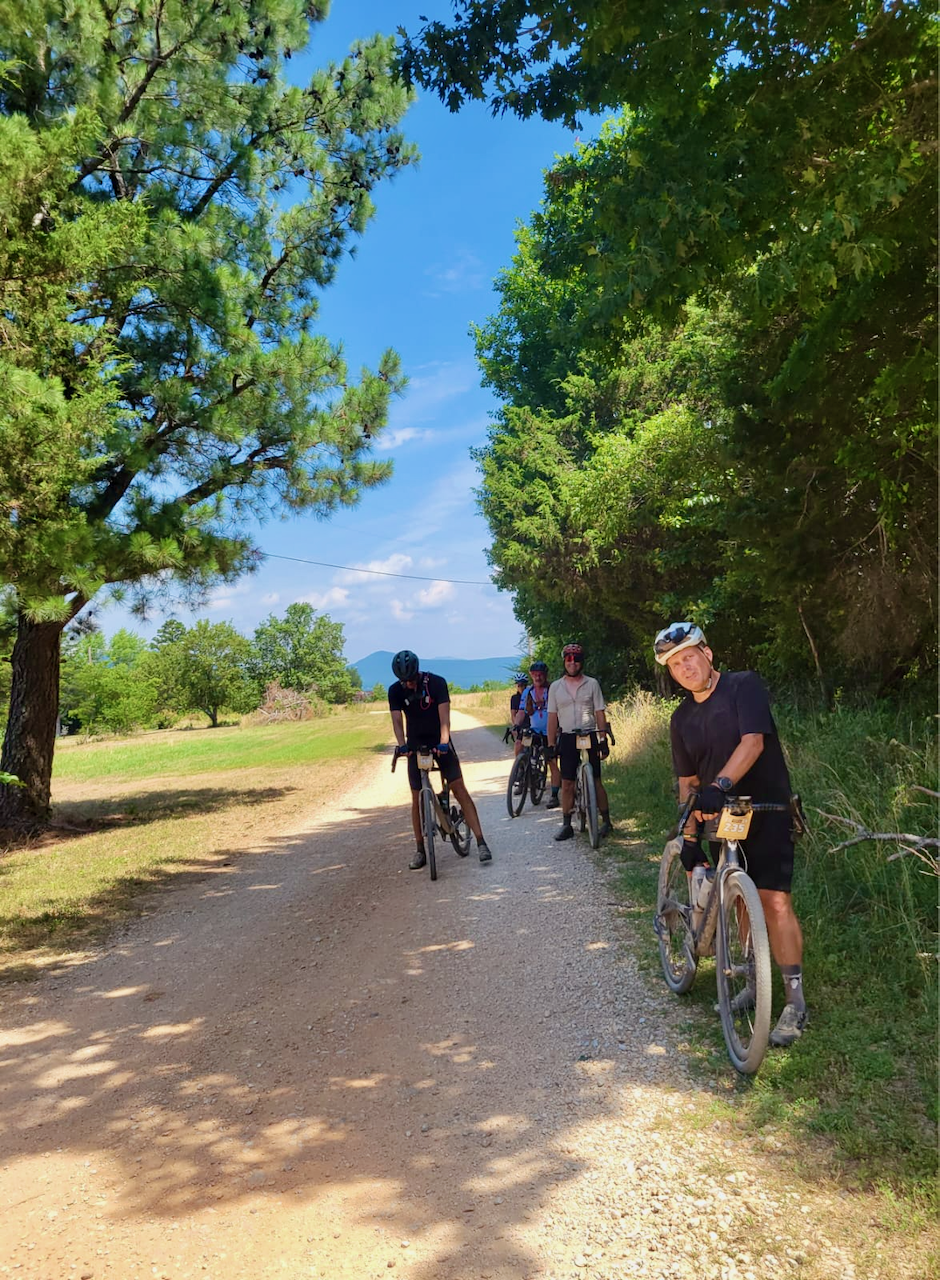
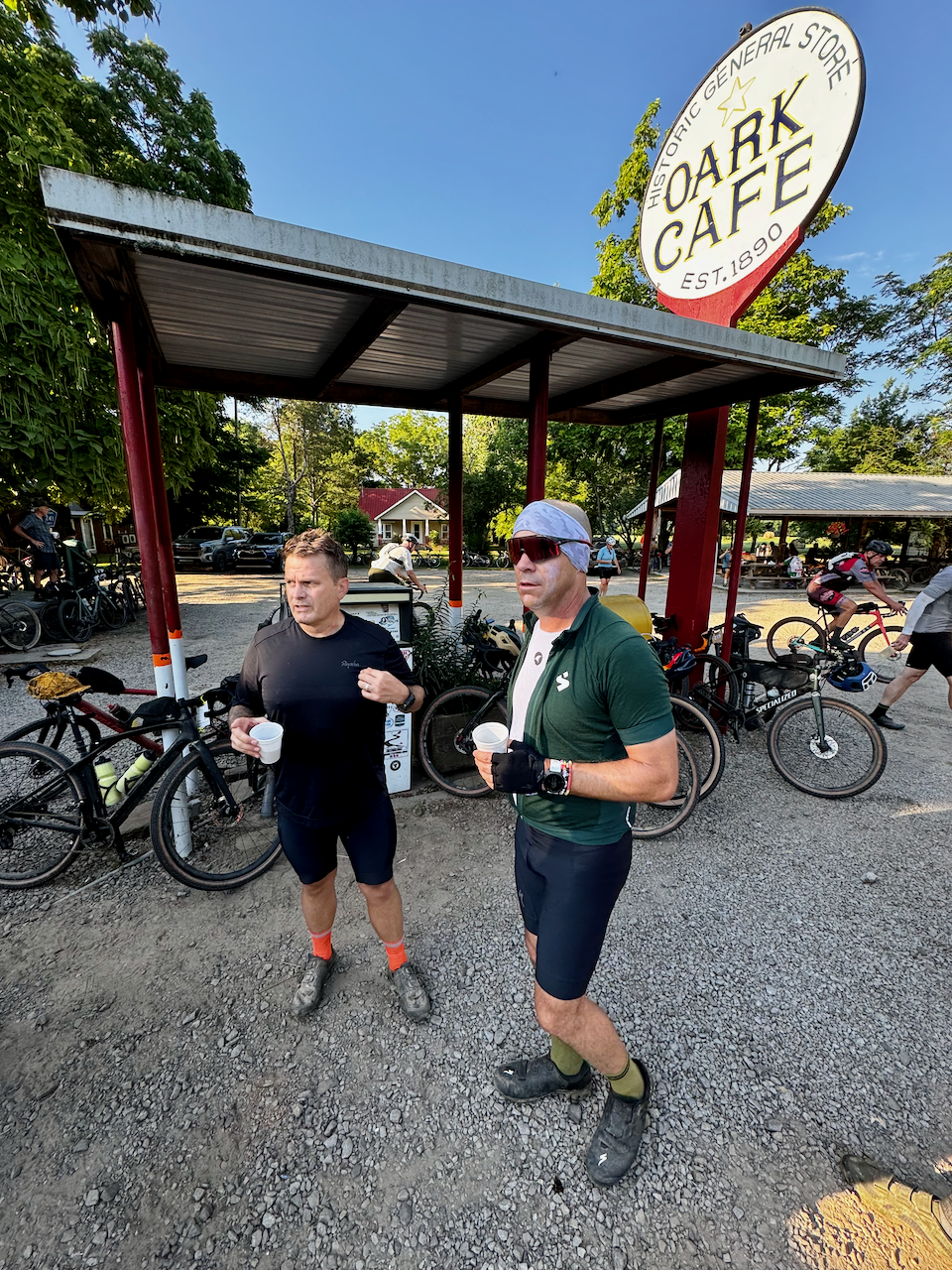
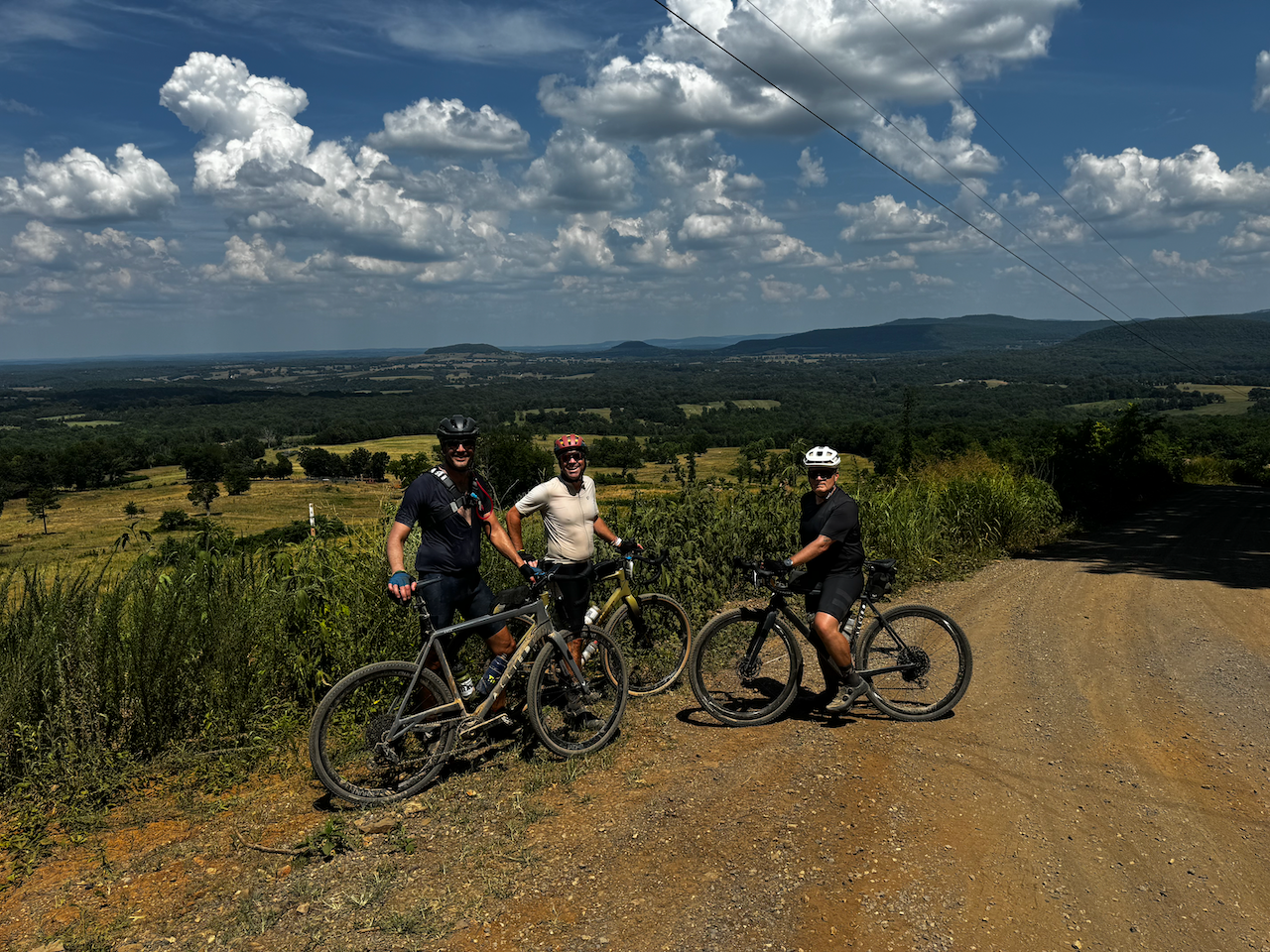
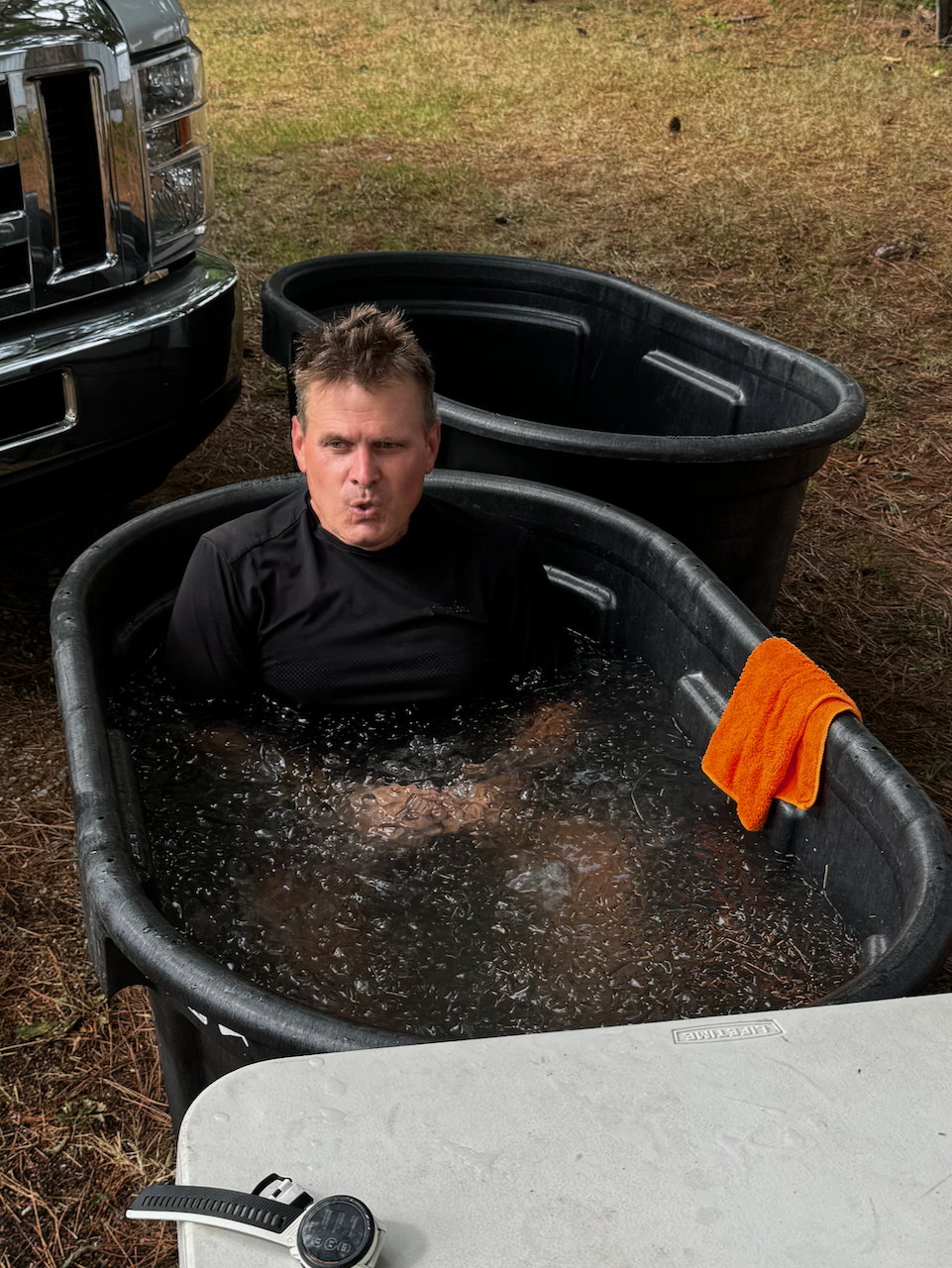
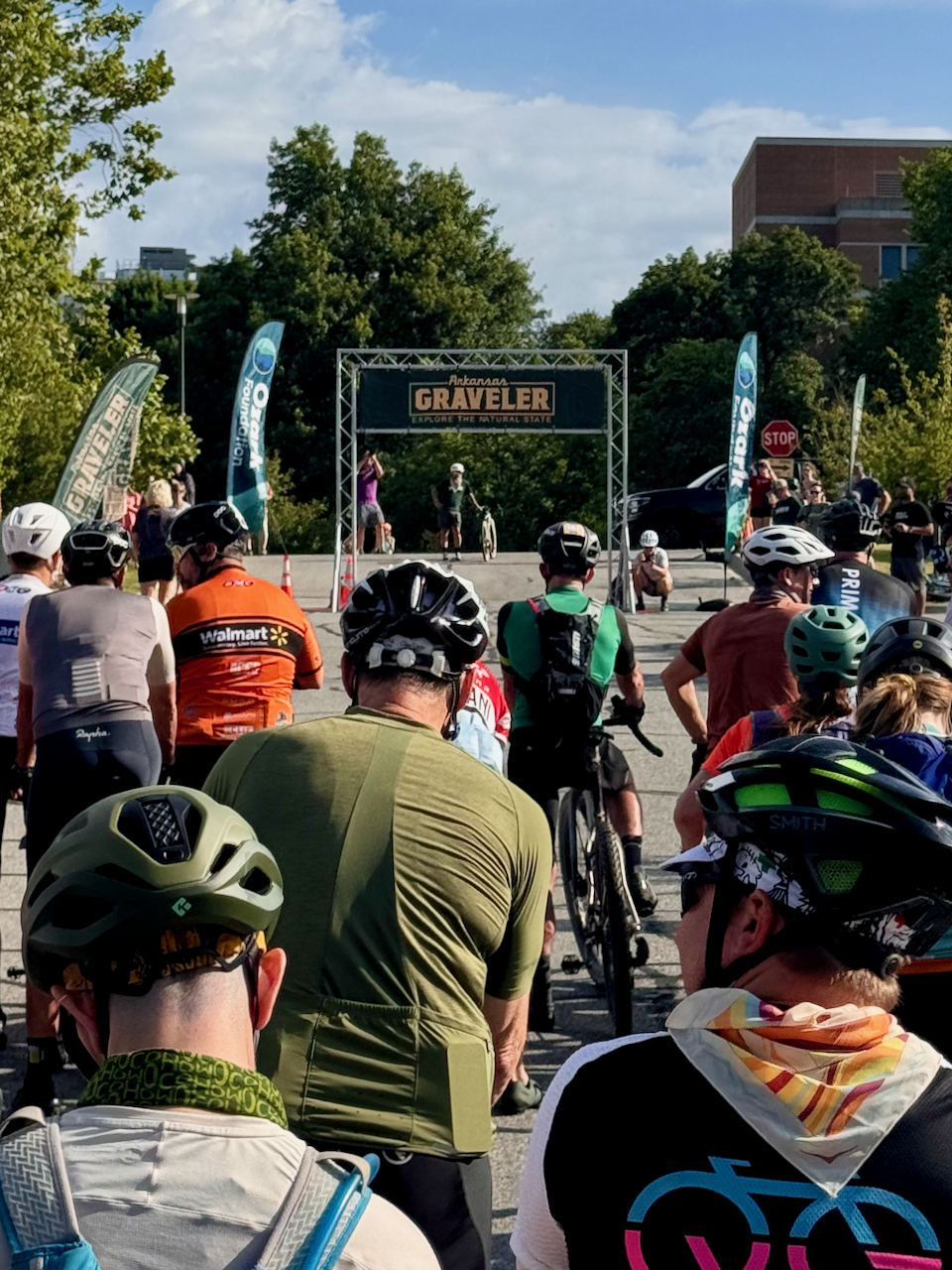
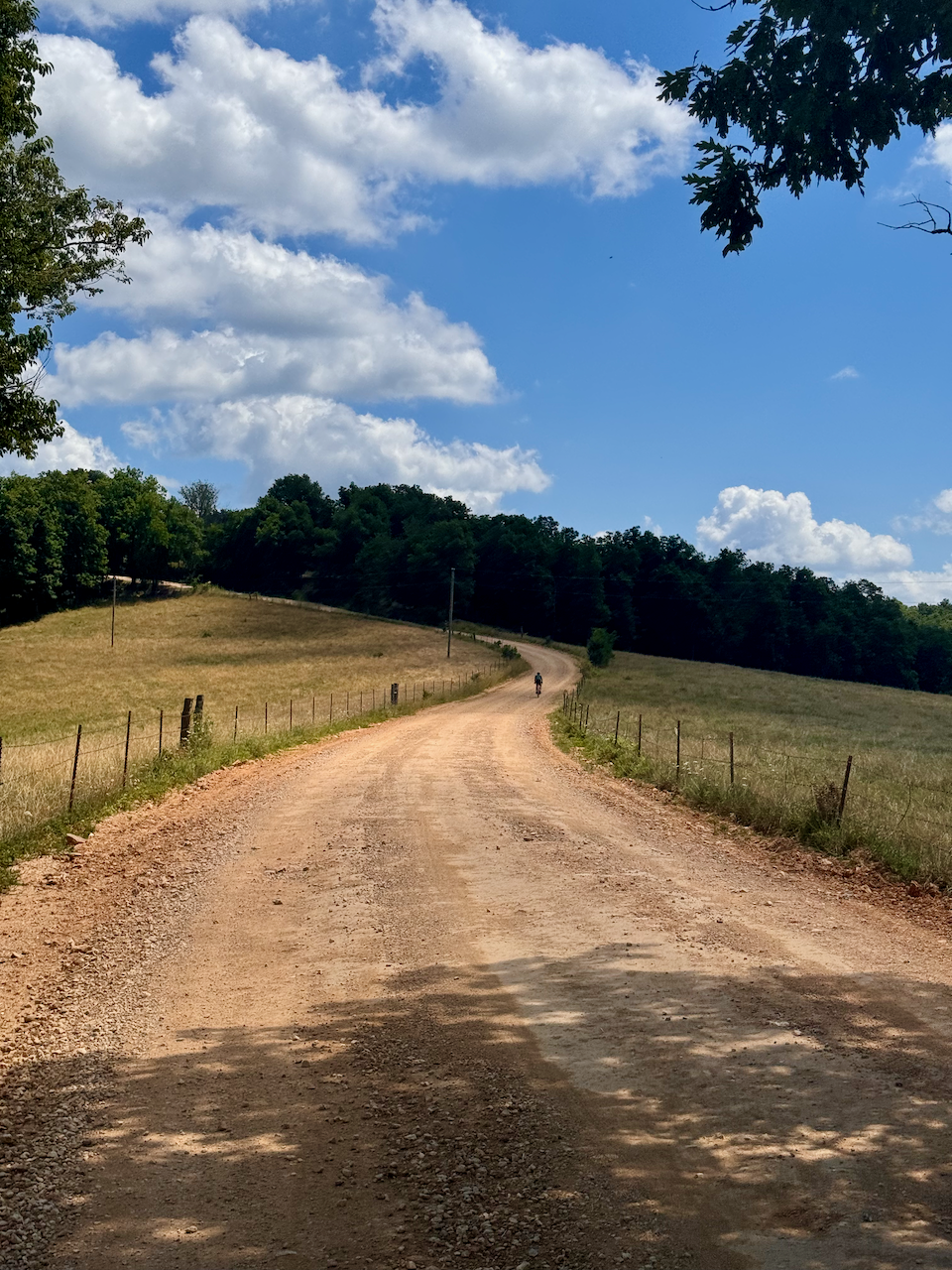
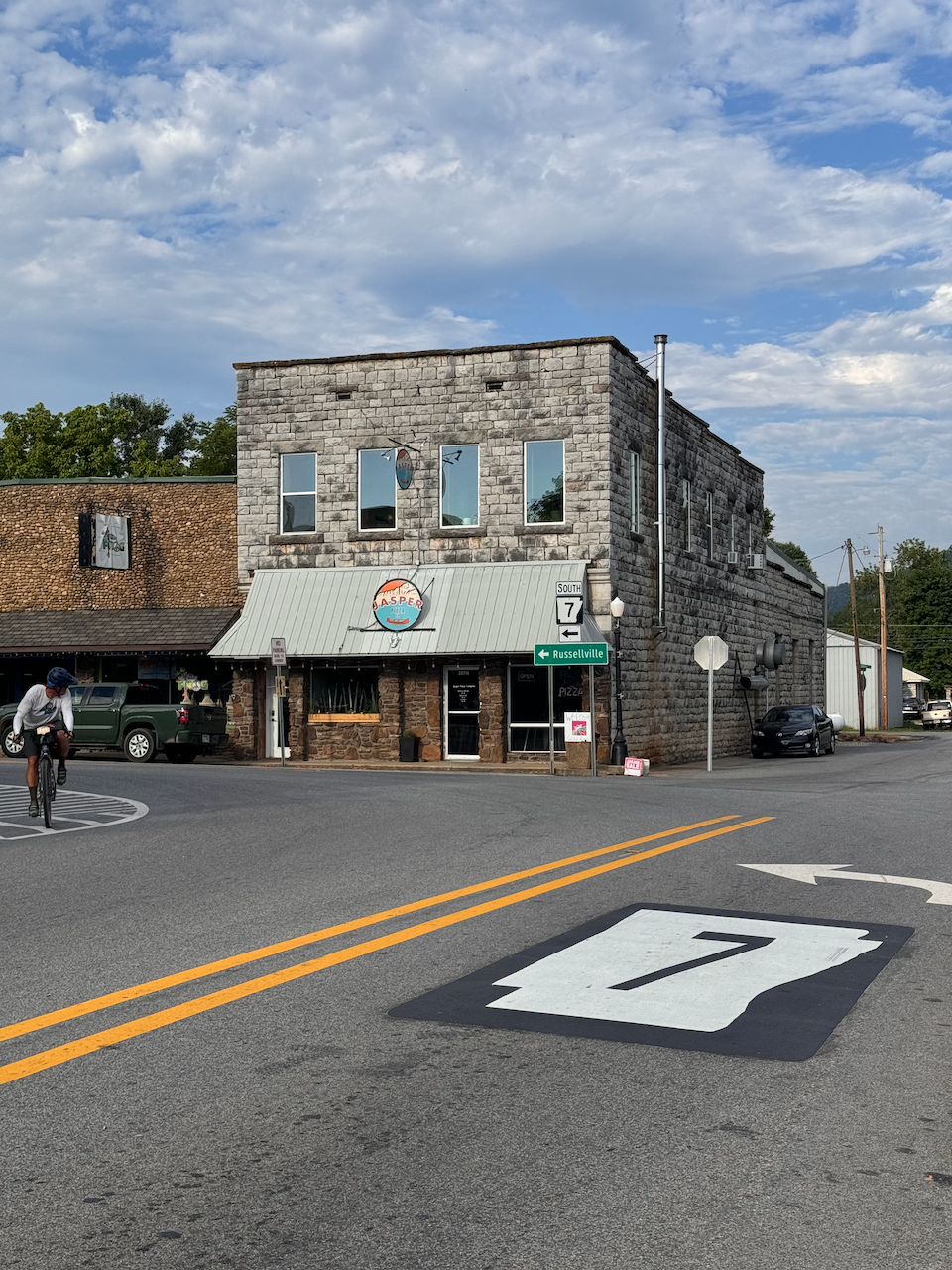
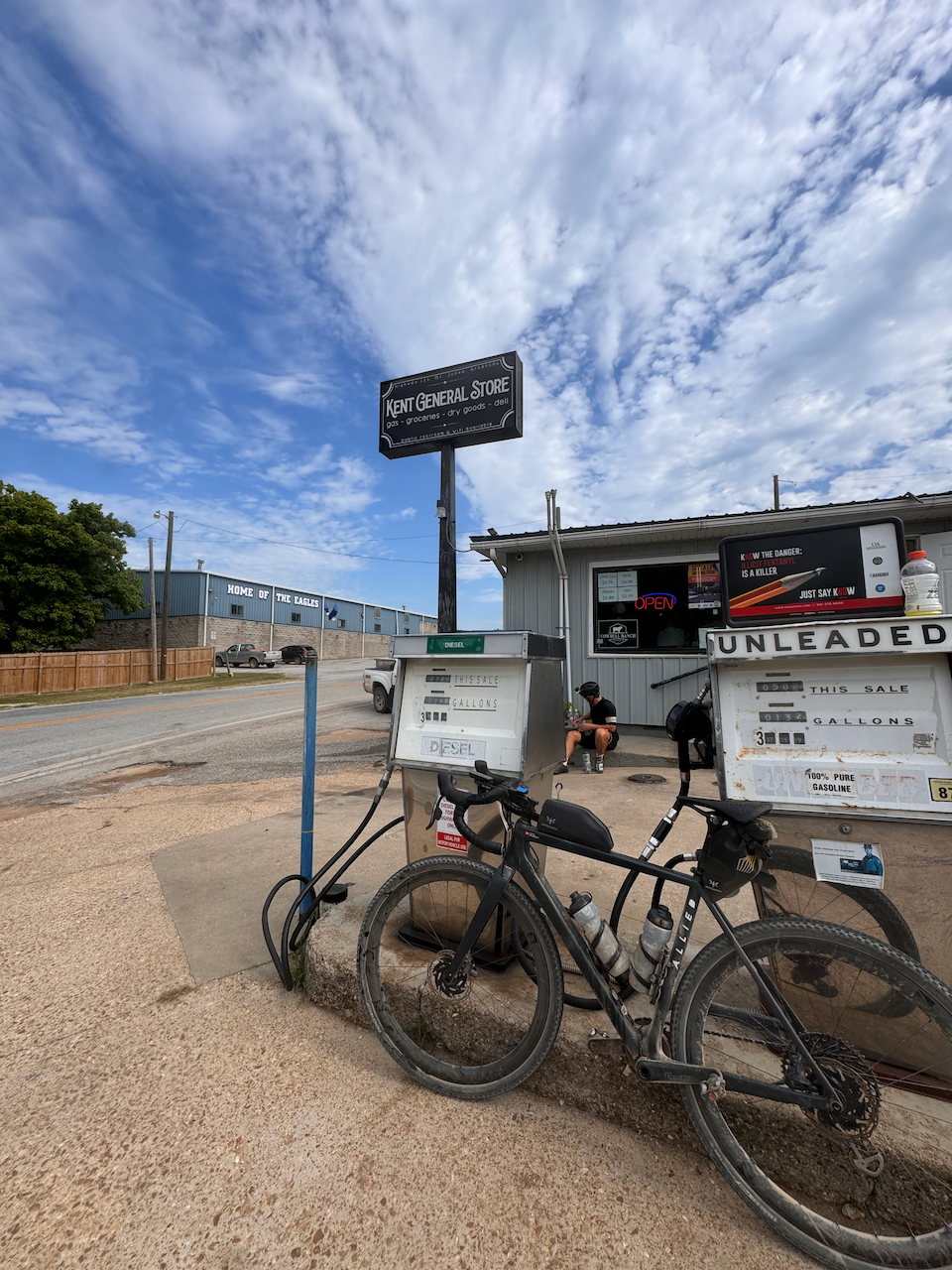
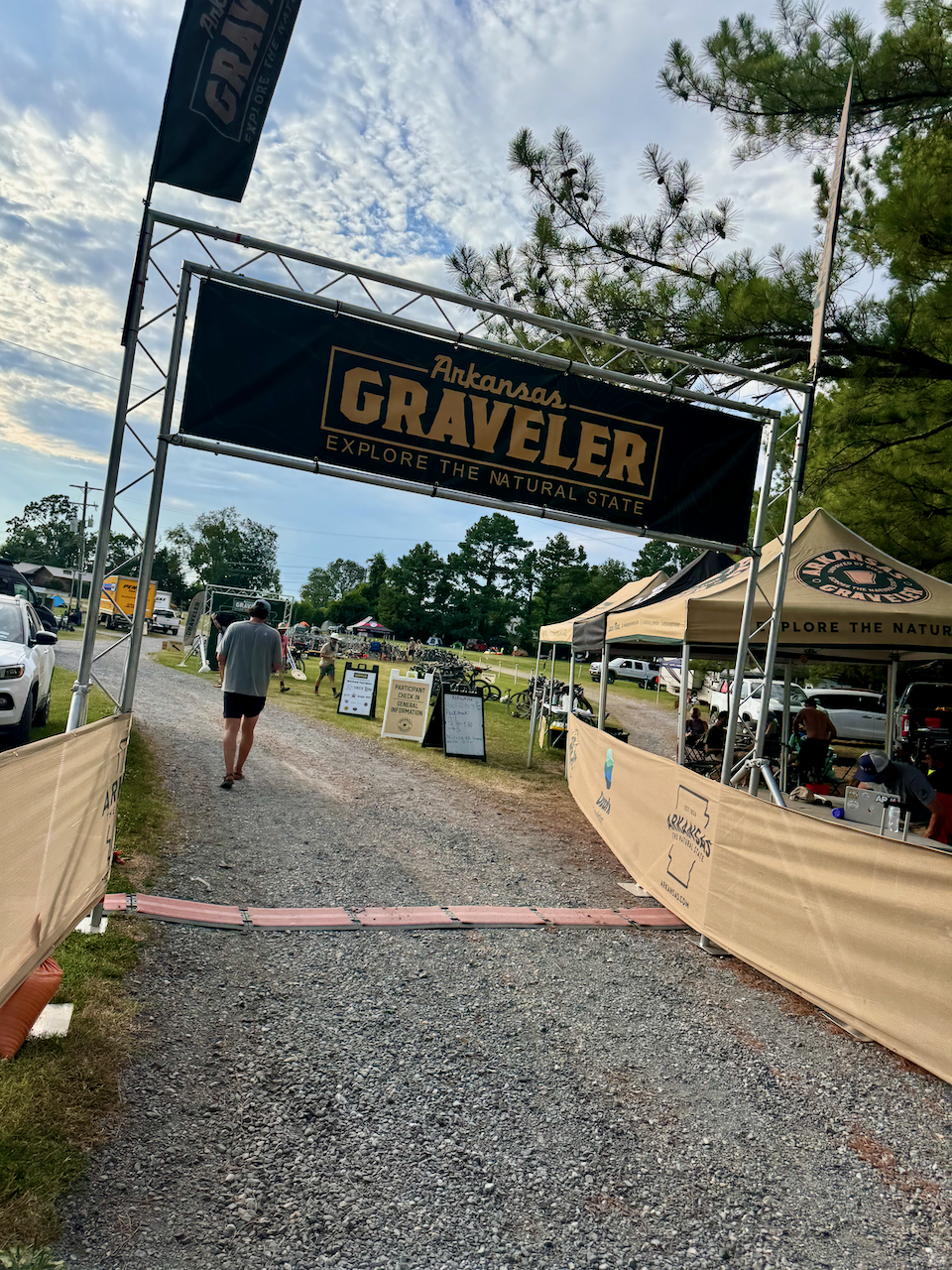
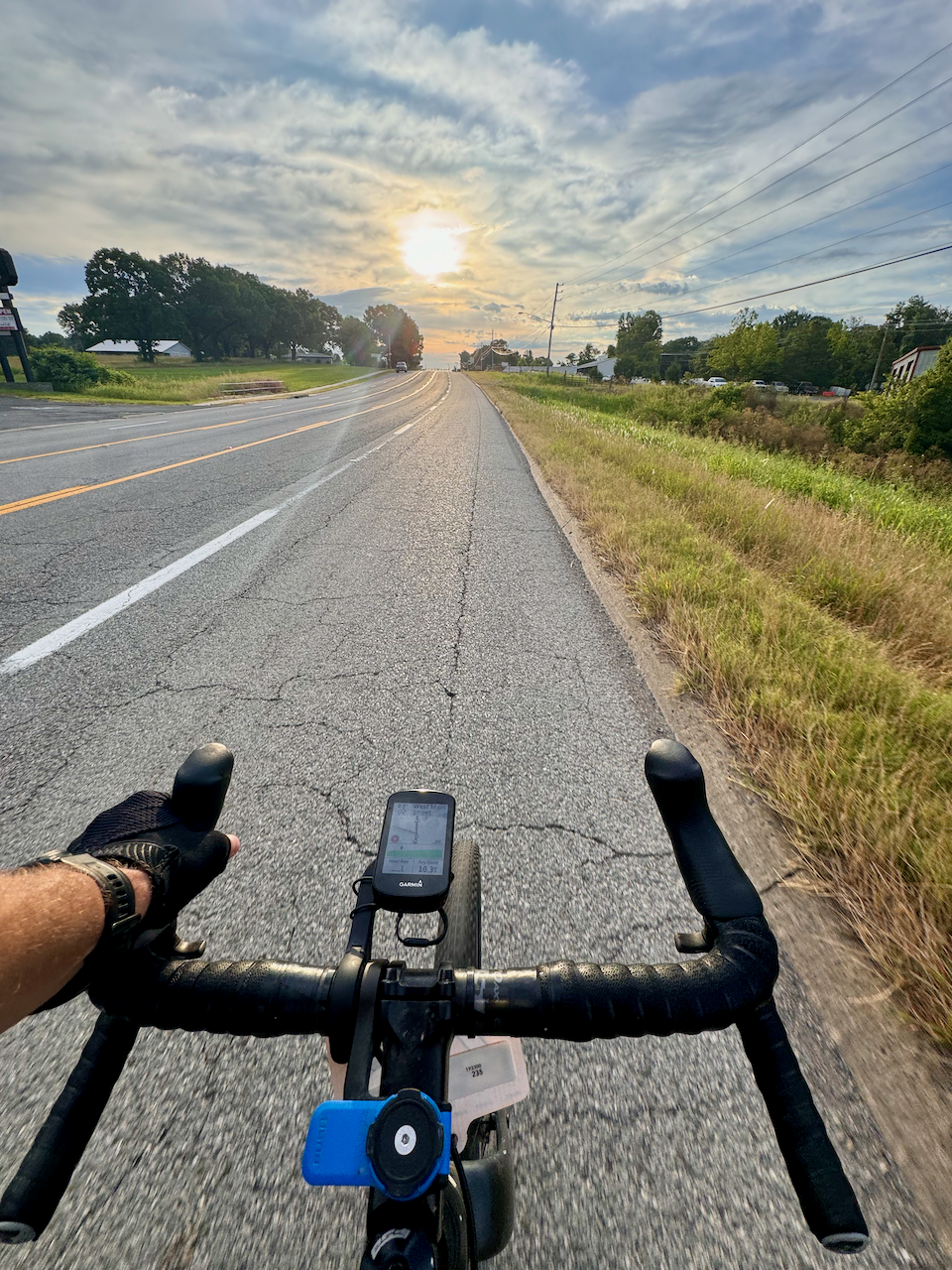
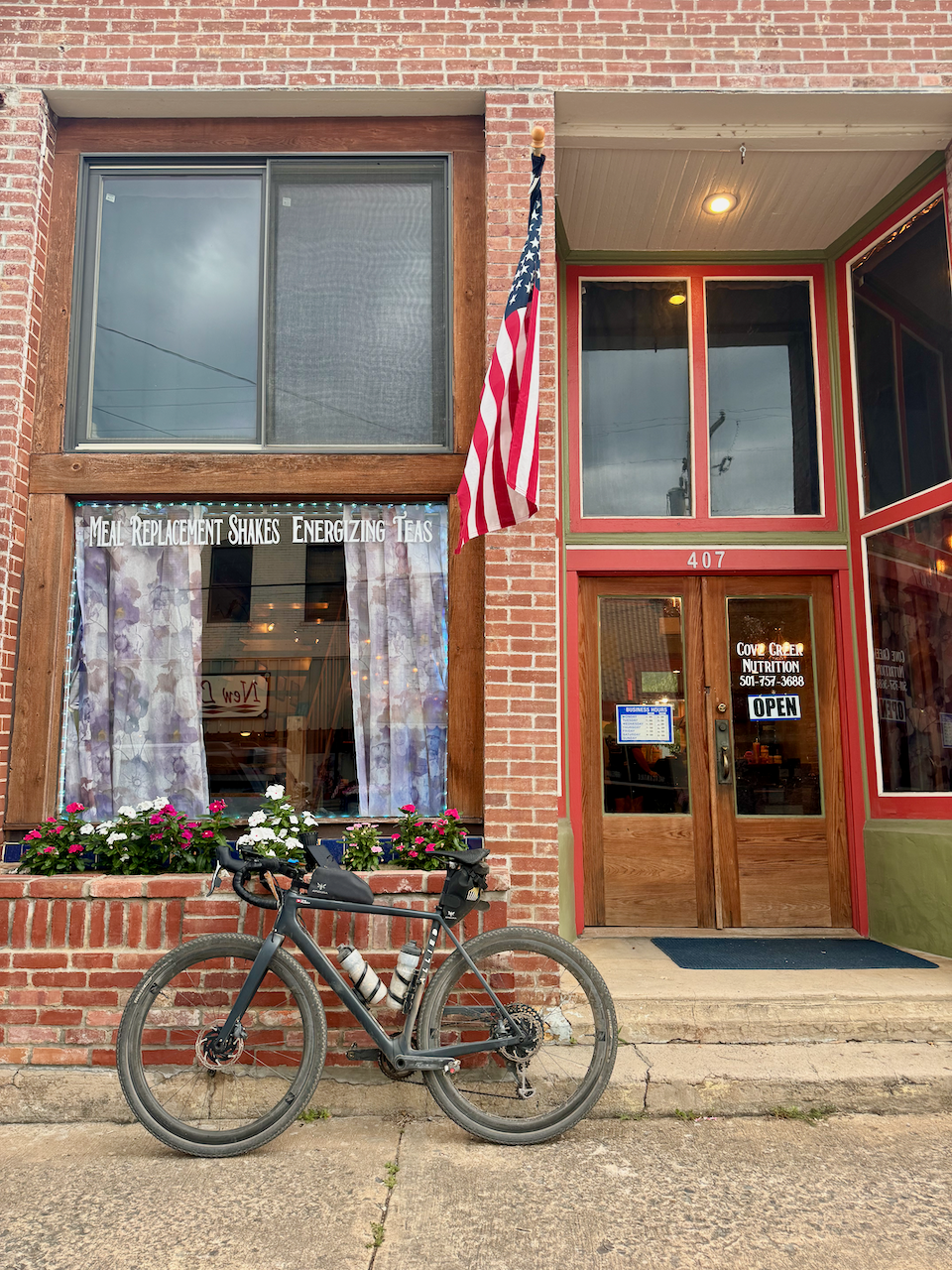
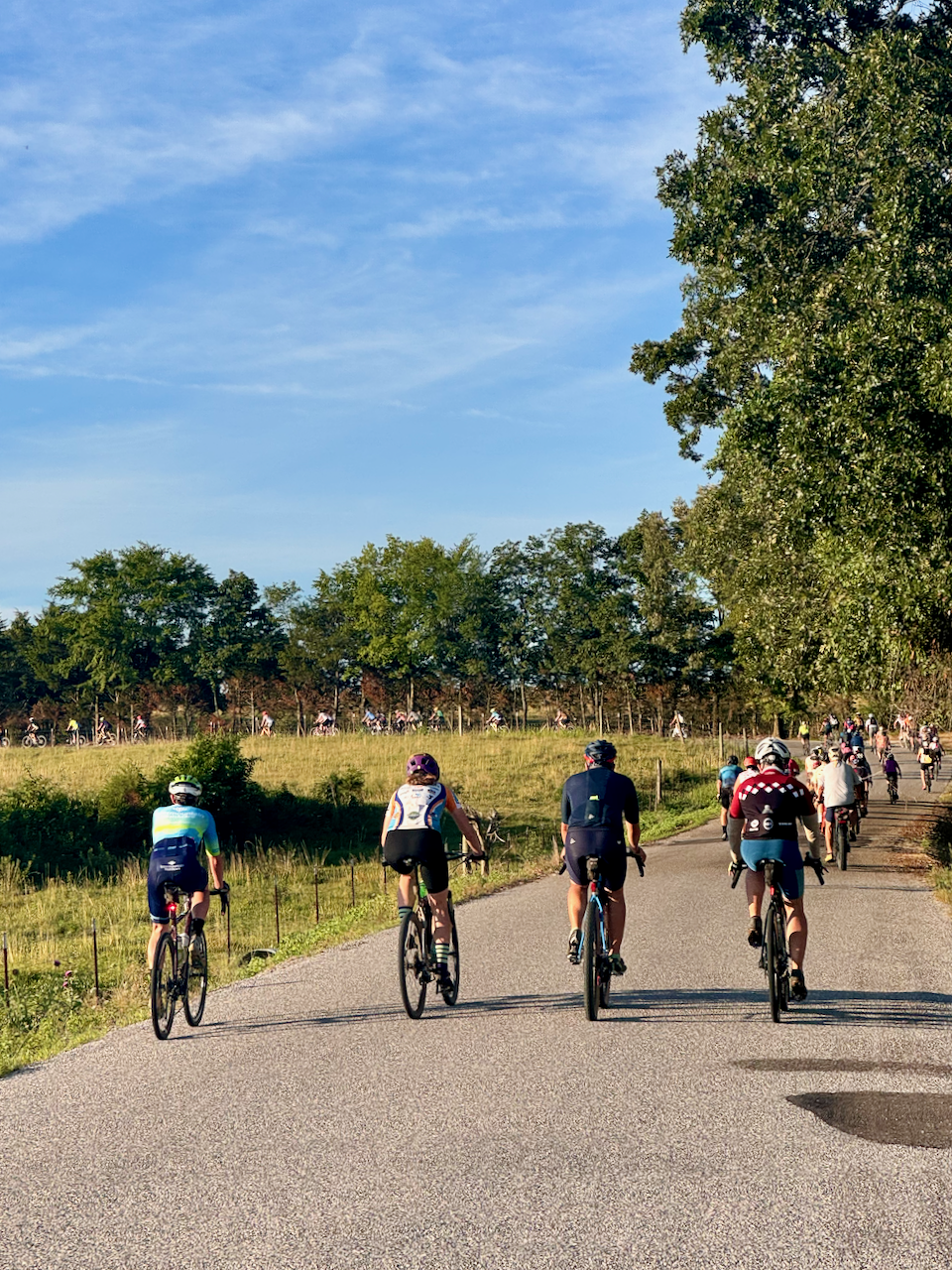
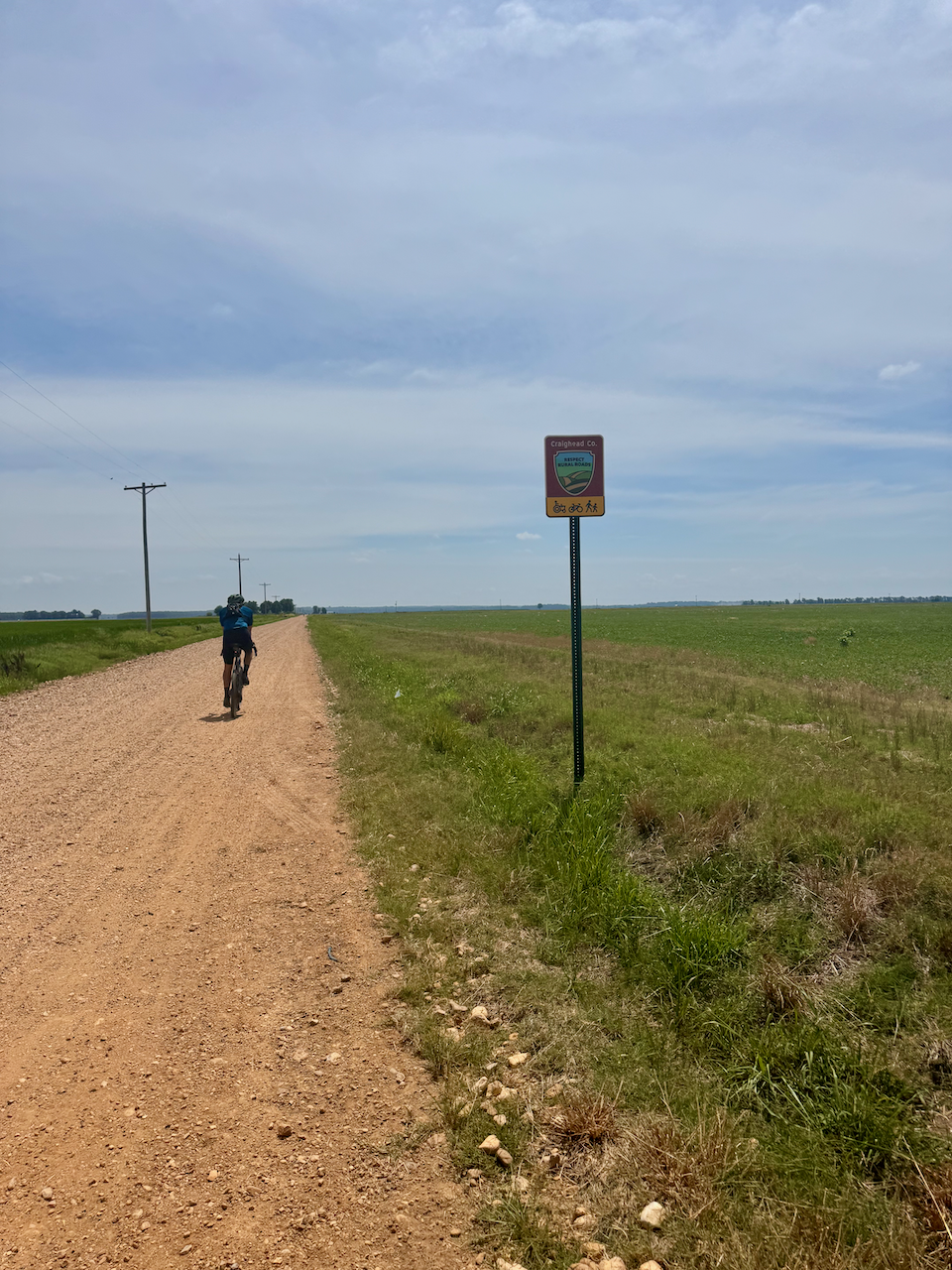
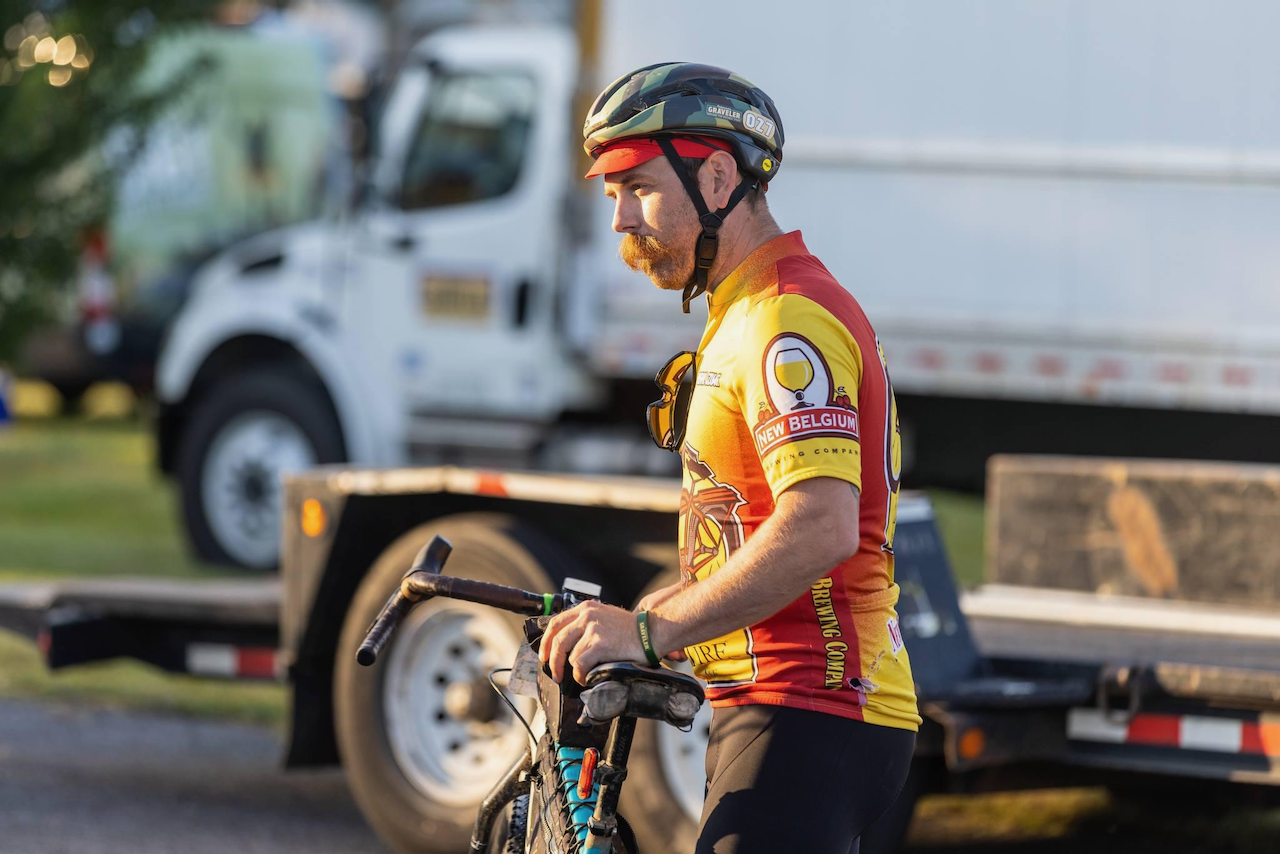
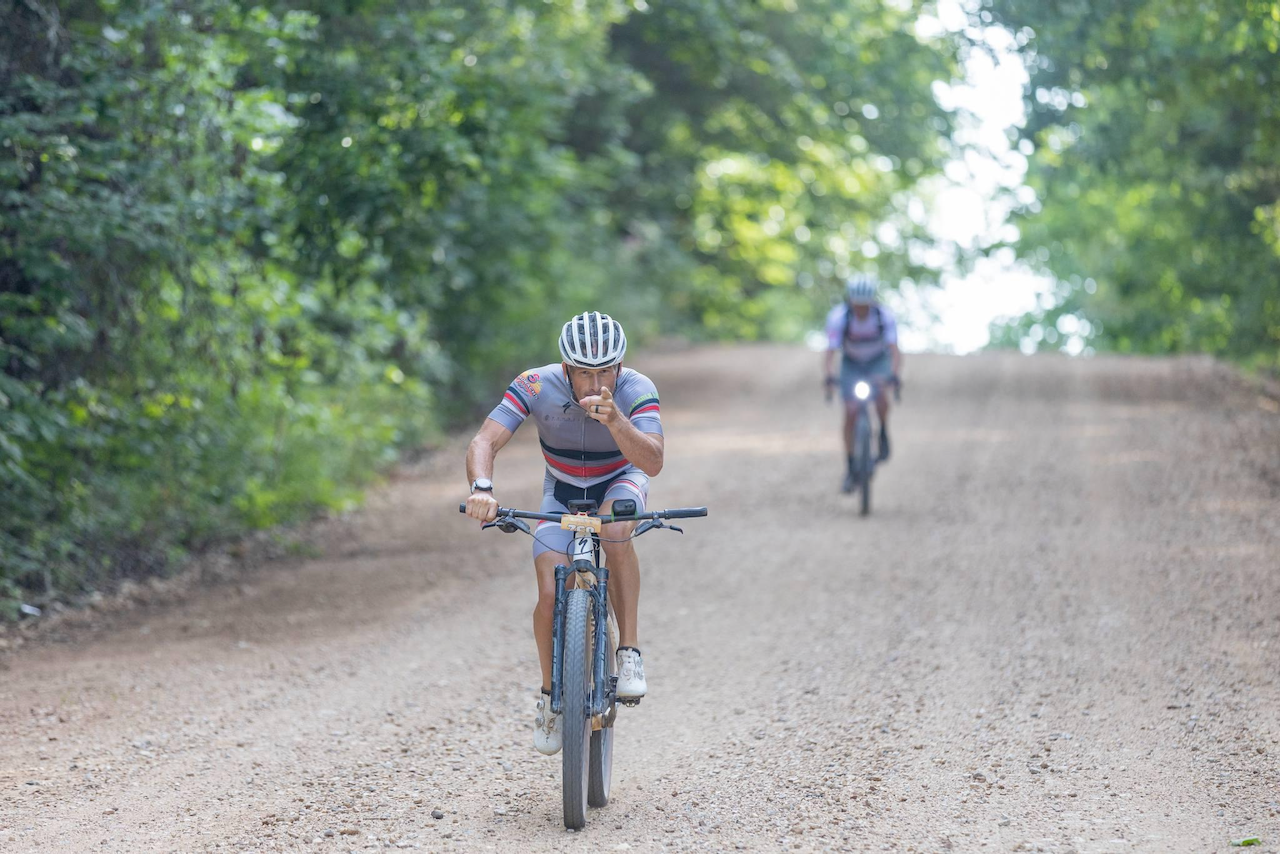
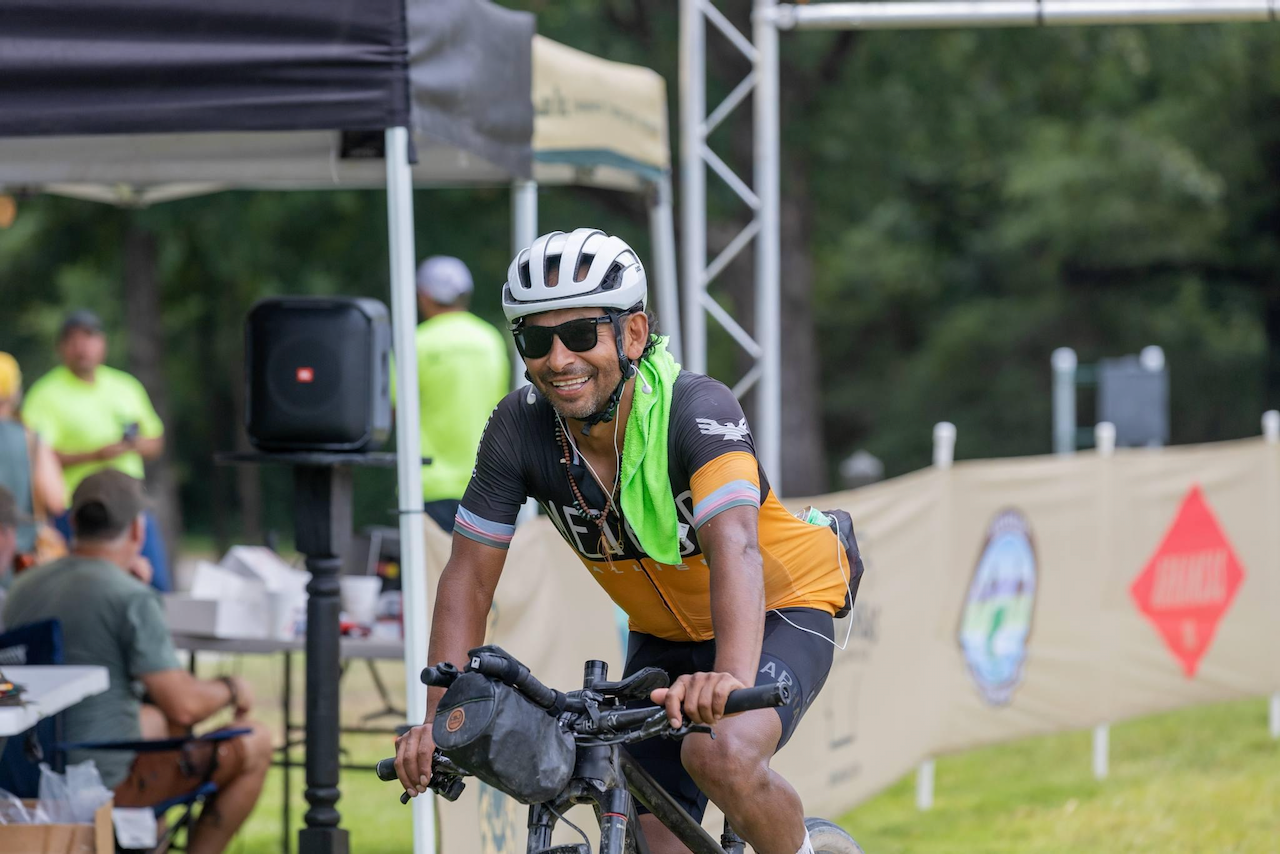
photos courtesy of Arkansas Graveler, Steve Hudson, and Mike Rusch
route.
The route for this episode is the first two days/segments of the Arkansas Graveler that could be done in two days or one day (a cool day) to reach Horseshoe Canyon Ranch.
music.

episode notes & references.
episode transcription.
episode preview.
[00:00:00] michael spivey.: I'd love to see communities in Arkansas be inspired, in positioning the state as a premier outdoor recreation destination.
I wake up every day, and I hit the ground running. We have so much work to do and it's fun doing what we're doing. We have over 300 people out in tough conditions here, and we want them to go back to their homes and say I had the most amazing experience in Arkansas. I had great cuisine. I learned about the culture of the state. I saw amazing scenery like the Ozark Mountains and I got to ride a bike. It's not just a bike ride.
episode introduction.
[00:01:23] mike.: Well, you are listening to the underview and exploration in the shaping of our place.
My name is Mike Rusch, and as we look back over this first season, we remember that The Underview's story started on Arkansas gravel roads. As we approach our conclusion to Season 1, it only seemed right that the Ozark Foundation and the Arkansas Graveler would be the fitting place to start to tie up our question, "what is the state of Northwest Arkansas?"
Last October, a small group of us from the Bentonville ride club, rode our bikes from the state line of the Arkansas, Missouri border to the Arkansas, Louisiana border, something we called the Arkansas Traverse. Okay, yes, it was about the bike, but it turned out to be way more than that. It's about returning to the land, finding our place and our sense of belonging, and allowing the land and these gravel roads to reveal its stories and its people.
So there's no way in the world I would miss an opportunity to spend a week on my bike with 300 friends, seeing this state from a new perspective as a part of the inaugural Arkansas Graveler.
This is a 366 mile ride across the northern portion of the Ozark Mountains, starting in Fayetteville, ending six days later in the Mississippi Delta town of Jonesboro. I'm going to approach this epic journey in two parts because I think it's important to first set the framework for this Arkansas Graveler.
It's one of the many events produced by the Ozark Foundation. The Ozark Foundation is positioning Arkansas as a leading outdoor recreation destination by creating fun and healthy and competitive outdoor events for people of all ages and from all corners of the community.
So I'm going to first talk with Michael Spivey, the CEO and president of the Ozark Foundation, on the big picture of how they approach Arkansas outdoor recreation as a way of building and shaping our community.
He has some things to share that I guarantee that you're not going to expect to hear from someone in this position.
Then in part two, I talk with Arkansas Graveler event director, Scotti Moody. Here is where the rubber meets the road. Well, the gravel road. And we get to dig into exactly how this has and will become an enduring event to connect people to the state and the communities of this state to each other.
So for this episode, after day two of the Arkansas Graveler, Mike and I had a chance to share a porch together at Horseshoe Canyon Ranch, overlooking the incredible Ozark Mountains near the Buffalo River.
So let's get moving. No surprises. I'm a big fan of Mike and his team, and I loved our conversation.
episode main interview.
[00:03:40] mike.: Mike, thank you for, sharing a porch with me. We're here in Horseshoe Canyon Ranch. We're on day two of the Arkansas Graveler, where you have brought hundreds of people together to come and reconnect to this place. And thanks for the opportunity to just sit and talk with you and, Tell me your story.
[00:03:59] michael spivey.: Well, Mike, thanks for having me. I can't think of a better interview venue than the front porch of a cabin here at Horseshoe Canyon Ranch, looking at some iconic scenery here in Newton County. And it's a big week for us.
But this idea has been many years in coming. I worked for Walmart for Two decades almost and spent a good chunk of that time down in South Africa where I really got involved in cycling and endurance sport. And I grew up in Rogers, graduated from Rogers high school, went to university of Arkansas had the opportunity to move overseas early in my career and was able to pick up things that I liked along the way, whether it was living in Budapest, Hungary, Boston, Massachusetts, Washington, DC, back to Bentonville, then back down to South Africa and had the privilege of again, travel and traveled a lot with Walmart and then have always been an active person, and then around 20 or some years ago, really got into cycling.
And particularly triathlon, a friend of mine, mutual friend of ours, Scott Rampy got me into triathlon about 15 years ago or so. And did a lot of that in South Africa and had just amazing experiences down there. And I kept thinking about my experiences in South Africa, which are, Anyone who's lived in that part of the world knows that despite a bad reputation, perhaps, they have an amazing outdoor recreation scene.
And some of the world's most iconic of outdoor races and events are in South Africa. And I thought, gosh, how, why couldn't we do some of that in Northwest Arkansas? I grew up at a time in the 70s and early 80s, in Rogers, Where there weren't a lot of outdoor recreation opportunities, even though we lived in the midst of it, which is so ironic, right?
We, I've lived on Beaver Lake and I did a lot of water sports on Beaver Lake, but I never really swam a lot. And now we have a mile swim on Beaver Lake. And of course what the Walton family has done with the trail system in Northwest Arkansas allows us a much deeper connection with mountain biking in Northwest Arkansas.
So all of these different experiences I've had and opportunities I've had, particularly around travel and being able to pick up some of the some of the best events in the world allows me to take those ideas and put them into action here in Arkansas.
[00:06:48] mike.: In your experience, maybe in South Africa or maybe beyond that How has those events allowed you to see maybe those communities in a different way?
[00:06:56] michael spivey.: That's a great question because I think a healthy community is a healthy community is a vibrant community. And and there is something about a connection and riding here in north central Arkansas this week I've been had many conversations with local folks here, whether it was at the OR cafe this morning, Bird's Adventure Center, or even along the route, people stopping and saying, what's going on?
I had someone last evening in Walmart saying, what's with this Arkansas gravel or event? And explained it to her. And when I told her that there were over 300 participants from over 36 States I get to see there was a sense of pride with this woman and she was very thankful for what we were doing.
And it's, it's special. It's very special. I feel privileged to be able to take part in this and to be part of the organizing group that does it. And for people who have supported me and my organization, Ozark Foundation, and to believe in that vision is something special, but bringing it back to community.
There aren't. There aren't many communities like Bentonville and the entire Northwest Arkansas that has so many different and unique events, whether it's rule of three, whether it's this event, whether it's the expedition Ozark adventure race that we put on earlier this year. And Countless other events.
In fact, I think we may have too many events in northwest Arkansas. , I, I get
[00:08:27] mike.: nonsense.
[00:08:28] michael spivey.: Yeah, I get challenged on that a lot and it's a good challenge. Are there too many events? Have we overdone it? I think at some point, it'll all fall out, but we have a special community and I think our challenge is to keep charging forward and not be complacent and keep, keep embracing. ideas and not that we ever lose our traditional values. I'm a, I'm a Northwest Arkansas guy. I hate to see old buildings torn down and I I'm particularly upset at the tornado that ripped through our region three weeks ago. And 150, 200 year old trees that have just been ripped up. I don't recognize downtown Rogers now from what's happened there. It's it really tugs in my heart to see all the damage there.
[00:09:17] mike.: Zoom out for me just a little bit. You started this, the Ozark Foundation? Where did that idea come from?
[00:09:25] michael spivey.: I think it came from a number of different places. I mentioned South Africa. I mentioned being heavily involved in endurance sport myself. It came from my childhood. My mother was a social worker. My dad was always very active in the community. They believed in giving back. They believed in My dad would say there are two types of people in the world. There are producers and there are consumers. And that you want to be a producer. You want to produce for your community.
And, and just a strong sense of giving back to the community in whatever way you can. There are some people who can, can give back monetarily. There's some people give with their time. Some people that can give with their expertise. And so however that is, you can, you can do, you should do in my view.
And I was at a point in my career where I was ready to start a new chapter in my life. I was a corporate attorney at Walmart and I had an amazing career at Walmart. I'm a big Walmart guy. Always will be. Felt privileged to be able to work for such an amazing company that, that gave me leadership skills and management skills to be able to lead an organization like this, lead an event like this with so many different parts.
And, and so it's all those different pieces that came together. And when I was considering leaving Walmart, I thought heavily about what I wanted to do with my life. I was relatively young and And this idea of, of an organization as a nonprofit that can give back to the community, but give back something very healthy and something very unique.
They've never been an Arkansas Graveler. And I'm not going to let this one go. And so
[00:11:15] mike.: please do not.
[00:11:16] michael spivey.: This is year one and we're going to have a year or two and hopefully a year 22. Yeah. And I feel honored to be able to. to welcome these 36 states to come to Arkansas and see this special place.
And they are blown away with this. I've had dozens of conversations with people who had no idea Arkansas looked like this. They had no idea Arkansas was this hot, by the way, either.
[00:11:44] mike.: June is warm to say the least, right?
[00:11:47] michael spivey.: Exactly. And this rugged beauty here in in Washington and Newton and Searcy County and.
And as we move eastward so it's just been a real privilege to be able to be part of this. And again, do it for a good purpose. And most of our events are not like this. The heart and soul of our foundation is in our family and community events. We do lots of kids races, we do bikes and books festivals, and we try to fuse outdoor recreation with something else.
Our bikes and books festival is about literacy. and outdoor recreation. So we're always looking for that, that's something that's other that, that really bonds the community into a healthy lifestyle.
[00:12:34] mike.: In your experience, I'd love to have you talk a little bit more about that. How, I, I'm biased. I, I think we live in one of the most amazing places, literally in the world, with so many things that present themselves for people to go do and explore and connect back to the land and their community.
But I'm really curious, like your perspective when you see these community events come together. What do you see happening within the people? What do you think draws people into this space that you're creating?
[00:13:05] michael spivey.: That's a great question. I, I think that there's, there's one entertainment component of it. And, and, and we try to bring a lot of energy around that and, and, and really bring excitement for young people. Because when a young child experiences something like one of our events it leaves a mark. And I'm reminded of one of our early events where this young boy, he participated in the race and he took his finisher medal to church the next day.
And I have a picture of it. He told his entire Sunday school class that he won this big race in Bentonville and they were very impressed with it. He slept with the medal. He then took it to school the next Monday, told the same story. And, that young man keeps coming back to our events, and he's always got his race plate from the prior race on his bike.
And, we've connected with him in a way that hopefully will promote a healthy lifestyle for him. And that's the magic that we love. And the other part of that formula is having mom and dad or the caregiver come with and then contact us and say I'd like to get into this. I'd like to support my son or daughter doing this.
But I don't ride a bike or I don't have a bike or I need some help and we will direct them to some of the amazing bike schools in Northwest Arkansas and places where they can, get the skills and training that they need. So it's about getting families outside and connecting in the community, connecting with outdoors.
And there's many studies on the positive mental health effects of being outdoors, connecting with nature. And, we live in an age where mental health and very sadly lots of depression and social anxiety. And And study after study shows that connecting with the outdoors is a very strong treatment, if you will, for that.
So we try to promote that as well. And but mostly we're trying to have fun and but also connect a little deeper than just the superficial. Stoke, if you will.
[00:15:27] mike.: Alright, then, I want to hear what that little, can you articulate that? What you feel like that little deeper part is.
[00:15:34] michael spivey.: Absolutely.
One of the big challenges in outdoor recreation, the barrier to entry, if you will is with underrepresented communities, and frankly, a big part of that is financial. And so we try to not just lower the barrier, but we tried to eliminate the barrier. And so as a nonprofit, we can do things that a commercial operator or promoter couldn't or wouldn't do.
And, we partner with trusted partners to underrepresented communities. We, we have found out that public libraries, for example, have a, historical trusted relationship with many underrepresented communities. So at many of our events that we partner with Bentonville Public Library, for example, over 50 percent of the participants will be participants of underrepresented communities, strong Asian Indian community, Hispanic community, African American community.
And, and we love that. And we love being able to have those connections with in the case of Asian Indian communities new, new residents, new citizens in many instances. And we love that. And and, and then we're not just partnering with library to have a bike event, but there's a literacy component to it.
And we partner with KPMG, the consulting firm, their corporate social responsibility focuses on family literacy. They have a program called first book program, and we work with, they provide us books. And so Every child who registers for one of our events, which by the way is free, sometimes we'll have a small, small fee, but we waive it if there's a financial issue, they get a book. So we're now refusing literacy and outdoor recreation into a common experience.
[00:17:30] mike.: That's really incredible. I, I was not aware that you were doing some of those things. And I try to pay attention to what's happening in our community. But to hear you articulate that yeah, it's really focused on the, to build an inclusive community, to bring people together into a way that maybe they wouldn't have access to before.
What do you see happening in those spaces?
[00:17:52] michael spivey.: I think one of my frustrations is, in the outdoor recreation space, there has been this historical recognition that outdoor recreation and the broader outdoors is exclusive.
[00:18:07] mike.: Explain.
[00:18:09] michael spivey.: If you look at the statistics, they scream the issue. At most mountain biking, cycling events, triathlons, it's 80 90% Caucasian, affluent. There's huge barriers to entry. It's well known. It's well discussed.
[00:18:28] mike.: It is well discussed.
[00:18:29] michael spivey.: And nobody's out there really trying to, not just chip away, but blow the wall down. And that's frustrating to me. There are some out there that are, are seeing this. I'm riding a bike this week from Walmart. That is their first edition gravel bike. That's going to retail for 250 bucks.
[00:18:58] mike.: And it's gotten you here.
[00:18:59] michael spivey.: It's gotten me here. I suspect there's not a bike under $2,000 at this event. Now that's breaking down barriers. And but it's not just financial. Financial is a significant one. There are, there's a historical hesitancy for certain underrepresented communities of being in the outdoors.
It wasn't that long ago, Mike, you and I, I'm a little older than you, but "whites only" signs were very common in public parks. And that hesitancy continues for certain communities for understandable reasons. So we're trying to change that by being not just saying we're welcoming, but taking very intentional steps to say, you, not just you belong here, but we want you here.
And whether it's a cuisine, whether it's saying, I understand there may be you may be vegetarian, maybe kosher, whatever the, we address that. We think about that is, are we. Are we creating a barrier that we're not even aware of? And so we really question ourselves a lot along those lines. Is there a are we addressing a financial need?
Are we communicating to members of the full community in the right way? And so we spend a lot of time challenging ourselves, sometimes beating ourselves up, probably overanalyzing it candidly. And, and, but without being artificial about it. And but at the same time, creating a really cool event that does have widespread draw and interest and engagement.
I think we've done a decent job. I think we've done some things that, again, as a non profit that we can do and that others wouldn't. And That's, that's part of being a nonprofit, that we can take those steps and, and have those deep engagements into the community.
[00:21:05] mike.: You're still relatively young organization, the Ozark foundation. What do you look forward five years, ten years into our community as, and you know this better than I, our community is growing, it's expanding, it's changing, new people are coming, it's becoming more diverse, how does what you're doing with the Ozark Foundation, how does it fit into that element of really forming and shaping our community?
[00:21:29] michael spivey.: I think we have to be open to change. Nothing stays the same. Our focus in the foreseeable future is going to be around outdoor recreation, non motorized non team event activities. But I don't think we can just be so narrow that, we can foreclose new things. 10 years ago, e bikes were not really a thing.
And now they're a major thing. Particularly on a ride like this.
[00:21:59] mike.: I've seen a lot out there. Let's put, it's allowed people. Yeah, it's allowed people to participate in events that otherwise probably would not be able to.
[00:22:06] michael spivey.: There you go. Yeah. It has opened it up to an older population and to a population that may not have the fitness level. And that's amazing. That's what you want. That's what we talk about. That's a lowering of the barrier. Right. And. So I don't know exactly. I don't have a blueprint or a crystal ball of what we would look like in five years to me, whatever that five, 10 year thing we'll be doing is if we're engaging the community and we're true to our values, if we're, if we're focused on underrepresented communities and bringing community together, who would have ever thought by the way, Mike, that in Bentonville, Arkansas you would have a, an event like our kids crit that brings over 1200 people and half of those people are non caucasian. Growing up in Bentonville, grew up in Rogers, that would have been almost unthinkable to me. And here we are in 2024 and it's happening. And for me, success will be to those kids join perhaps a bike school and then they go into a NICA program and then they do something else.
And mostly are they engaging in healthy activities. I grew up at a time when there weren't, beyond football, basketball, baseball, there really weren't a lot of activities for kids and very sadly some of my classmates made some unhealthy choices along the way. Very talented people, but they're just, there wasn't that kind of engagement into the community and that offering of healthy things. And so we're trying to address that.
[00:23:56] mike.: Just from your own Perspective. You are leading Ozark Foundation, and I've always appreciated this about you, Mike.
You, you carry yourself very humbly through these spaces. We walk down, you're watching a gentleman cross the finish line. You're telling me his story. The first thing that you do is ask him if he wants water, right? You're You're not like sitting back and allowing this to go too far from your ability to participate and serve people and care for people.
Give me some, give me some insight into how you walk through these spaces and what do you see in the people that are here?
[00:24:35] michael spivey.: I think at one level you can never succeed at what I'm doing if you don't love people, and be able to meet people and not be judgmental of people. There are people from every walks of life at this event and, and every event we do.
And what we want to make sure people here today and again, at all our events, that we're giving them a real wow experience and we're treating them with respect and we're addressing their needs. And. There's some powerful stories here. You mentioned a gentleman who I've known for frankly over 40 years and he's 77 years old and he's doing this punishing, grueling event. I mean you did this earlier today. He just finished, he rode for almost nine hours, almost 10 hours maybe. And he finished, he's 77 years old. And. And I'm amazed at that. Maybe we all be so lucky to be in that kind of condition, have that kind of mental fortitude to be able to do that.
And there are other powerful stories here. People who are battling maybe mental health issues. People here, my friend, Scott Rampy, who is raising money for multiple sclerosis research. He's simply trying to save his wife's life. And if we can create a venue here, That allows people to be themselves and to push themselves and to, address their needs and we can celebrate that together as a community.
Man, that's powerful. I I love it. I,
we have so much work to do and it's fun doing what we're doing. And it's fun. And I feel a very special responsibility. We have over 300 people out in tough conditions here. It's hot. It's a rugged terrain. And we have medical providers and we have aid stations and we have hydration stations and, we want to keep people healthy.
We want to keep them in good spirits and we want them to go back to their homes, wherever they may be and say I had the most amazing experience in Arkansas. I had great cuisine. I had, I learned about the culture of the state. I saw amazing scenery like the Ozark mountains and I got to ride a bike. It's not just a bike ride.
It's about this broader experience that we want to create for people to want to come back. I was with the gentleman today. He said, one of the reasons I came to this ride is thinking about moving here. He's from Florida. And he was asking me different places in Northwest Arkansas. I'm living in Bentonville from Rogers and, went to school in Fayetteville.
I'm a bit of a, neutral broker there, but that's what we want. We want people to love the natural state as much as you and I do.
[00:27:47] mike.: The Ozark Foundation is doing a lot of things. Not everything that you're doing revolves around cycling. You're doing swims, mile swims and Beaver Lake. You're, you're doing a lot of things. But as Northwest Arkansas continues to grow and embrace the cycling culture,
How does the bicycle, maybe why does the bicycle become such this great tool for people to connect to this place? And maybe to each other?
[00:28:14] michael spivey.: One of my earliest memories is learning to ride a bike. And it's one of the most powerful memories I have. Got a bike for Christmas. No training wheels. And my dad taught me how to ride a bike. I remember that time when I finally sorted out the balance and was able to ride it. It was freedom. We learned baby learns to crawl, learns to walk, learns to run. It's just that next step of expanding your territory. And I've always had a fascination with bikes.
My brother's always had a fascination with bikes. I didn't really get that. serious about cycling until I was probably 40 years old. I'm, busy at work and raising a family. And And suddenly got inspired to, I was always a runner and around 40 knees started hurting a bit and said, I need to find a new, new mode of transportation and, and, and reconnected with cycling.
And about that time, the Walton family started creating this amazing trail system in Northwest Arkansas. And I was able to get out on those trails and spend a lot of time on my road bike. And Met so many amazing friendships through that
And and there's just something that's always drawn me into this space, this community of cyclists who are very different. There's, you're talking about diversity. There's, there's a people from 36 states from. From Maine to Arizona, to Alaska, to Florida.
[00:29:54] mike.: I met someone from Hawaii today.
[00:29:56] michael spivey.: There's someone from Hawaii. I know it. And I'm always, amazed at what brought you here. And in each case, it's something a little different. And, uh, there's a lot of big events in Arkansas in every state. But to be able to bring, a such an eclectic group of people together who just love being outdoors.
They're not complaining about the heat. I'm worried about the heat. They're not complaining about it. We're keeping them hydrated. They just love being on their bike. And, and that's pretty darn cool.
[00:30:32] mike.: talk to me about the Graveler. How does this event fit into the grand scheme of what you're trying to do with the Ozark Foundation?
[00:30:40] michael spivey.: The, the idea of it started probably 15 years ago. I mentioned earlier that I went to school at the university of Arkansas. My brothers went to school at Arkansas state university in Jonesboro. I spent a lot of time going back and forth from two places, still have some great friends who live over in the Delta.
And I always thought it would be a cool thing to ride a bike across the state. Maybe a knuckleheaded thing to think about, but that's what I would think about.
[00:31:08] mike.: You're crazy. I can't imagine anybody doing that.
[00:31:10] michael spivey.: And during the pandemic, when we all had a little more time to think and reflect and ride our bikes, I started thinking about a bike ride across Arkansas that would be different than other state bike rides, such as the RAGBRAI, which is perhaps the most iconic statewide cycling event. And I thought about how we might make that different. And obviously gravel is one piece of that. And and then really binding in small communities. In Iowa, you go from relatively small communities, all communities across the state of cornfields. Here, you're going from Rugged Ozarks into the Delta.
So I thought that would be different. And then I thought about what, what it would take to, to make it different in terms of the community. And RAGBRAI has 20 to 30, 000 participants, which is amazing. I did RAGBRAI last year and I thought maybe we just make this one small and maybe we really focus on the quality of the event and the overall experience. And make it almost like a summer camp for adults. And that's what we talk about. It's a summer camp for aging children. And that's what we're hoping is happening as we look out across this beautiful space here. And people are talking and they're talking about their experience and they're having some adult beverages and, and they're listening to music later and having a great meal.
And there's something by the way about people getting together around meals and around the music and around entertainment and around that. And, and that's what we're wanting to do. And so many, again, I mentioned earlier about so many of the people here are here for a reason. They're here for a deeper reason than just wanting to spend six days out in the hot weather.
[00:33:14] mike.: With the Graveler, we're riding from Fayetteville to Jonesboro. Okay. I assume you're looking into the future about what this event could be. This is not the Northwest Arkansas Graveler, this is the Arkansas Graveler. What do you foresee in its ability to connect communities all across the state?
[00:33:33] michael spivey.: This event will move around the state every year. So this year is from Fayetteville to Jonesboro, but next year it could be easily from Hot Springs to Bentonville. and or other parts of the state for that matter. And we'll make that decision later this year. But more generally, we we want to expand our footprint more deeply into Arkansas.
We last year we supported about 45 events. Majority of them were in Northwest Arkansas, but we also supported events in the Delta, such as Bird Eye Gravel, where you and I met last November. And earlier this year, we were involved in Delta Grind. Our friend, mutual friend Martin Smith leads both of those events and their amazing experiences. Fell in love with Delta Grind, fell in love with Bird Eye Gravel. We're in conversations about doing Some mountain bike events on the monument trails. There are four monument trail in Arkansas state parks, in Mount Nebo, Hobbs, Devil's Den, and Pinnacle Mountain. And those are amazing trails and they all offer something different.
Some are more Enduro, some are more cross country, traditional cross country. Some have more of a marathon type experience. So we're looking at, at maybe a three to four events on those trails, which would be again, expand us outside of just Northwest Arkansas. And I could see us taking our kids events outside of Northwest Arkansas.
We get calls periodically about that. We hope that we're just a spark for communities going over and we can do a kids race. Let's do it. And but if they need help, we'll go help. We'll, we'll help set it up, help get it started and help, help, start that tradition in those communities.
[00:35:32] mike.: What happens when you start connecting communities in this way?
We've both lived in Arkansas for a long time. I think one of the disconnects for me personally, I won't speak for anybody else has been that this is my state and that I do have a responsibility to this state, not just my region. But the state is very different in so many ways. How do you see the connecting of these communities to really build that?
[00:35:57] michael spivey.: I'd love to see communities in Arkansas be inspired in the way that some of the communities already are in, in positioning the state as a premier outdoor recreation destination. We see in Bentonville and the broader Northwest Arkansas region that already people coming to Northwest Arkansas for spring break, coming to summer to ride bikes.
And Mike, you know better than I do, that was not happening 10 years ago. And, and, and that's a breakthrough, and again, it's thanks to the Walton family who created infrastructure that makes that possible. And now the state is, is doing these things, making these investments in state parks, making them more accessible, creating some of that infrastructure that you need.
And I would love to see these communities with our help or without our help, do things that create, whether it's a trail system, whether it's a walking mobility system, whatever it may be to inspire people to get outside. I think one of the wonderful programs is the NICA program the National Interscholastic Cycling Association.
And they're building. cycling skills in the school systems. And I can't remember the number of NICA teams at the state of Arkansas, but it's, it's grown from something like 16 to 30, maybe even beyond that now. And our mutual friend, Kyla Templeton got that started. 10 years ago and now my friend Terry Coddington is taking it over and continues to grow it and that's inspiring.
And that's those, good example of someone who had a vision and wanted to start something like that and got it started. And now they're, they're creating actually two divisions in the state of Arkansas because the growth of that league. And there's going to be the northern division and the southern division, I believe it is. And that's amazing. Again, something that I didn't see coming 10 years ago.
[00:38:14] mike.: You and I both had the chance last fall to go, you mentioned Martin and Kara Smith's house down in BIrdeye. When you're in those spaces and you're through the lens that you're looking at, how to use this tool of cycling in the Delta, what do you see?
[00:38:32] michael spivey.: I was blown away by that experience. I didn't know Martin that well. But he invited me to come over. I drove six hours over to Bird Eye and got in that late that evening and rode the next day and rode up Crowley's Ridge and, and got to stay there at the Smith family farm. And it was just an amazing experience to me.
It was a smaller event. Not every event has to be a thousand people to be special. In fact, I think the smaller events are the more special events because they're really, you connect in a way that's, that's deeper than you can in a larger event. The Delta has, had some rough times in the last 50 years.
I was looking at some population movements Bentonville, which has had this amazing growth and places, Pine Bluff and others, which have loss of population over the last 40, 50 years. But there's something special about the Delta. Anyone who spent much time there will tell you that.
I have a lot of friends over there. I think there is a way forward over there and we want to be part of it. To the extent that, my communities there want us to be part of it. And again, it may be a little different and But we think that we can make a difference and we're, we want to help where we can.
[00:39:51] mike.: As these events like Graveler which is clearly has a huge draw. It's been an incredible, two days in. I made it to the end here in Horseshoe Canyon. It's been incredible, the people that we've met.
I think my first warning sign about this event is the fact that you hired Scotti, who's a champion of the Arkansas high country, to plan this event. I want, I want to know, did you, did you, Did you do that on purpose to try to, to, to, to try to like weed, weed us out? What, tell me, give me some background here.
[00:40:23] michael spivey.: It's a funny story that, that you mentioned that when I first came up with this idea, this concept, I, I, I tend to write things out. I just believe you should write your ideas down and for people to take them seriously. So I, I, I took this idea in my head and I put it into a tight paragraph. I still have it by the way.
And a friend of mine, Gary Vernon, Gary he said, I like this idea. He said why don't you send it to six people? And he named off six people. One of them was Scotti This was in, I think it was November of 2020, right in the dead center of pandemic. So I sent it out within a minute. Scotti replies. I didn't know Scotti. She goes, I love this idea. I want to be a part of it. Gosh. Okay. Pretty, pretty, pretty fast reaction there. And so we decided to put it on the back burner because we were involved in the cyclocross world championship at the time. There was cyclocross world cup and it wasn't until about two years ago that I thought it was time to, move it from the back to the front burner, and by this time I had met Scotti and And got to know her a bit, liked her, liked her energy. Obviously she's got an amazing, cycling career and particularly in the endurance space. And so I, I, I think I sent her the original concept. I said, do you remember this? You still want to be a part of it? And again, within 30 seconds she's sitting around,
Waiting on you, waiting on my email. Of course not. Of course not. Right?
Of course not. And she responded, very positively. And we met and we met, I remember at Meteor Coffee Shop and a few days later, and we were off literally to the races.
And she, she shared this vision of fusing these various elements into a common experience. And I liked that about her. She had a deep Arkansas connection and she knew many of these communities. And unfortunately, as much as we tried to find this hidden passageway through the Ozark, it doesn't exist. You're going to be chewed up with 22, 000 feet of elevation anyway, you slice it.
And we tried to make some accommodations around tarmac to gravel to soften it, such as we did today. A little more. A little more highway. And but she, she just fell in love with it and she's been a joy to work with. She's passionate and I like her creativity. She connects well with people. She's a great communicator.
I think she's done a fabulous job. The entire team has done a fabulous job. I've got five people who, who support her with Ozark foundation and we have a production team as well. It takes a lot of people to put on an event like this because it's essentially a moving circus every day.
[00:43:30] mike.: I've heard that, but not from you yet.
[00:43:32] michael spivey.: Yeah, I use it a lot because every day you're moving the circus to a town 50 to 60 miles away. And there's, as you can see out here, as we look off of this front porch, there's just a lot of infrastructure that we have to move. And it takes a lot of people take strong people, by the way to move a lot of this stuff.
And but Scotti's just been a real champion of it and she connects really well with these communities. And one of the things that was important to me is that this not be perceived as some sort of elitist, selfish bunch of cyclists blowing through a Jasper, Arkansas that we did something in the community that we did a give back that we, that we make a connection with the community, that we buy local and we've really tried to be very deliberate about doing that. Example of a few of the things we're doing is we're part of the proceeds of the event are going to support an art project in Searcy County. We're partnering with the pack shack. I know, Bret Raymond, he's here this week with us and we're going to do one of his funnel feed tomorrow in Marshall.
And we're going to pack food for the food insecure and donate it to a local food bank in Searcy County. And so we're trying to be not just good citizens, but we're trying to give back and support local as much as we can. Yeah.
[00:45:07] mike.: Mike, as, as we sit here on this porch, like I look around and there's a Arkansas Game and Fish truck right here. Arkansas State Parks is here.
This is a, looks like a really important partnership with the state of Arkansas. Explain what, how that works and maybe their involvement and why their involvement is critical here.
[00:45:31] michael spivey.: Over the last Six or seven years. State of Arkansas has recognized the importance of outdoor recreation to the state in a different way than previous administrations not just fishing and hunting, but cycling has come on the scene.
Under the leadership of Governor Sanders has prioritized this and her administration. And we have had the privilege of working with Arkansas Game and Fish Commission, Arkansas State Parks, Arkansas Economic Development as co host to this event.
And as we speak, there's a skeet shooting contest going on. And yesterday we had a fishing contest going on and they've been great partners. In fact, the Individual at Arkansas Game and Fish Commission that I get to work with is a former junior high and high school classmate of mine, Daryl Bowman. So it's been a real joy to be able to connect with him and work with him on this project.
And he shares this vision as well of expanding what he does in the Game and Fish Commission space into what I'm doing and vice versa. And so it's, it's two artists being able to work on the same canvas. It's really special. And The state of Arkansas has been an amazing partner and co host, and I suspect we may be working together in the future on some joint projects, and if we can take the hunting and fishing culture here and fuse some cycling and other things, that's a big win.
I love that idea, particularly for young people.
[00:47:10] mike.: Yeah, it's incredible. Over over 30 different states represented here. To draw people to this state to see what we get to see and take advantage of every day. What a gift that is and so love to hear just the priority that it holds at the state level.
I've assumed that I've seen that. But to hear you explain that has been really, really, really encouraging about our state and the direction that we're heading in that space.
[00:47:35] michael spivey.: We have, uh On a per capita basis, probably more gravel roads in any state in the union. And there's, there's this relationship that we're hoping to build between the citizens who live on these gravel roads and cyclists who want to traverse on them.
And so we're going to be increasingly involved in that conversation. Because there's, No reason there can't be coexistence there. And I know you've been involved in a lot of that as well. And there's, the reason gravel cycling is taken off is safety. It slows the ride down. Fewer cars on so many of these roads.
But for cyclists, it also allows us to be able to experience this versus some busy thoroughfare for Fayetteville or Springdale or Rogers for that matter.
[00:48:35] mike.: As we get to sit in this place now, we have four more days, of this, right? So I, yeah we may need to come back at the, on day six and have a, just a gut check to see if, if we're all still in this happy place or not, but
Yeah, when you think about the state and the people coming and all that's going on with outdoor recreation, I'm curious, what do you fear for this place?
[00:48:58] michael spivey.: I think some of the fears, I'm not sure fear is the right word, but maybe it's just a concern, is one, that we're complacent, two, that we're not respectful, particularly in the rural areas and three, that we're seeing as we being the cycling community, outdoor recreation community, seen as intruders.
And if, if that's the case, it's because we haven't communicated the right way. We need to be, we need to be humble where we're, people from 36 states and different areas of Arkansas are, we're guests, we're guests in the community or as we speak in Newton County. And we need to, we need to understand that. We don't need to litter. We need to wave. We need to smile. I know that's something our mutual friend, Andy, he talks about and he's spot on. And, and we need to, we need to connect in these communities and not just, ride through. We need to stop at the O Ark cafe and have a breakfast and we need to stop at the, restaurant, wherever it may be, Daisy Queen and, and Marshall and have a meal and give back and Over time, if we do it right and we communicate it right and we'll get it, we'll be successful.
But if we're arrogant about it, then we won't be and we'll just create animosity.
[00:50:21] mike.: It's hard to sit in a place like this with you and see what's going on and not think that this may be the definition of wholeness, but from your perspective, when a lot of our conversations are, it really is, it's this pursuit of what, what does community wholeness look like?
Can from your perspective on this porch swing here in Horseshoe Canyon Ranch, what does community wholeness look like to you in this space?
[00:50:45] michael spivey.: I said at the outset that, a healthy community is one that is outside and experiencing the beauty of that place, whether it's in a public park. I think third space is the term of art that is used now, of where we connect outside of.
our family and out of our, out of our places of faith and that we, that we get out and we get to know our neighbors, and so often we're caught up in our own lives and our own things and we're not connecting with that broader community. And and that brings me a lot of energy when I get to know my neighbors better during the recent storm.
We got to know our neighbors better. I had in my own experience, neighbors, I didn't know that well. Next thing I know, they're helping me clear my, limbs from my house and vice versa. And our relationship has changed through that. And I think in so many instances, we just have to slow down a little bit in life.
And we have so many distractions, Mike, whether it's social media, whether it's, whether it's. It's, the things we do in our lives, whether, it's our commitments that we have that, that slowing down a little bit, a bike will slow you down a little bit, get you out thinking a little bit and again, connecting with nature.
And to me, those are very powerful situations where whether it's on a bike or running or swimming for that matter, that, that I can not only get physical exercise, but mental release as well. But I love the bike. I love being able to go in and explore new communities and I'm looking forward to our next four days now of heading eastward as we move into the delta.
Gonna be fun. Gonna be hot too.
[00:52:41] mike.: A little bit. Mike, you guys have done an incredible job and I'm deeply appreciative and deeply thankful for you and not letting this sit on the back burner for too long. Making this yeah, become reality and that I get to sit in the space with you and participate and sweat and all of the things.
But I'm just deeply grateful for the work that you're doing and the, the approach that you're taking. And thank you. And please express that thanks to your team as well, too, for being who they are and doing what you do.
[00:53:08] michael spivey.: So we feel like we're the lucky ones, to be able to, be hosts of amazing experiences, create amazing experiences to be able to engage with. Public private partners and we have great sponsors who share this vision, push us to do more and to do more unique events. And, um, it's, it's a unique time where things are coming together and it does take a lot of whether it's partners coming together, political leadership coming together, community leadership coming together to make something like this happen. We're going to be going through, I think it's six counties. So that's six County judges. That's probably 12 mayors along the way. That's, a lot of this is through federal properties, private property owners. So everyone is part of this process of this event and I co host in their own way.
[00:54:15] mike.: Mike, thank you. It's it's a gift to our community to all of these communities. It's a gift to me. And so thank you for doing what you do. It's been a pleasure to sit with you.
[00:54:22] michael spivey.: See you on the road.
[00:54:25] mike.: You will. I may have to I will cut this out. Maybe I won't. Maybe I'll leave it in. I'm going to record myself as I try to climb out of Horseshoe Canyon and give an authentic listener experience to the reality of what you've created and what you've allowed Scotti to do to us.
[00:54:39] michael spivey.: That would be pretty cool.
[00:54:41] mike.: Thank you, Mike. Yeah. For the gift. Thank you.
[00:54:43] michael spivey.: Thanks.
episode outro comments.
[00:54:43] mike.: Well, I decided not to record myself trying to ride my bike up out of the climb of Horseshoe Canyon Ranch because I'm not really sure anyone really wants to hear that kind of suffering and heavy breathing. It may have actually changed the rating on this episode.
Just kidding. Of course.
So a huge thank you again to Mike and his entire team at the Ozark Foundation for all they are doing to build inclusive communities and bring equity to how people can access the incredible outdoor recreational opportunities of our region and beyond that our state.
Yeah, it's a lot of fun, but this is not an easy thing to accomplish.
The Ozark Foundation's active commitment to remove barriers that exclude people from these experiences is exactly what we need to build a more inclusive and welcoming community for anyone that wants to participate.
I mentioned how Mike is one who seems to move through spaces with such a humble spirit to simply serve the person in front of him .
Well, after our conversation, and over the course of the following four days, Mike & his wife Kathryn showed up three times in the middle of nowhere, like angels descending from heaven with water, food, and huge smiles , just doing anything and everything that they could to bring support to anyone that came along. I'm not sure I actually would have made it through this event without Mike's and Kathryn's assistance.
next episode preview.
[00:55:59] mike.: And for our next episode is part two of this conversation with Arkansas Graveler event director Scotti Moody. Here is where we dig into how this event is becoming such an important way to weaving together the communities in this state, their stories, and their people.
scotti moody.: I think, as riders got to connect with each other through the experience of the day, the pedaling part, they also got to experience connecting with people who they could consider other than.
but who were providing all this hospitality and welcome and they realize, wow, okay, these people live so differently than me, but we're really not that different. That for my own experience, when I've traveled by bike has made me so much more openhearted to people who maybe are not identical to the way that I think or do the same things that I do.
But. It makes me want to listen.
route.
[00:56:13] mike.: And of course the route for this episode is day one and day two of the Arkansas Graveler route. Two things you can absolutely expect. First, hills. Well, actually not hills, mountains. I always forget until I'm actually riding in this place that the Ozark Mountains are just that. They're mountains. And second, some of the most beautiful places and people you're ever going to meet.
This is a multi day, one way route. Of course you can take it and change it to meet your chosen adventure, but enjoy this place. It's incredibly remote, It's incredibly beautiful.
music.
[00:56:42] mike.: and the music for this episode is also a bit of a return to one of my favorite artists, Will Gunselman. On the evening of day two, Will stood in the middle of a huge field at Horseshoe Canyon Ranch and played his signature sounds that reflect the incredible stories of the Buffalo National River.
It was truly an incredible day. And I love that Will was there to help us experience this incredible place.
[00:57:01] mike.: If you're on Spotify, you should be able to roll right into it. And if not check the episode webpage for links,
As always, thank you for following along and thank you for being a part of the shaping of our place.