
the watershed with Leif Kindberg.
Leif Kindberg, Executive Director, Illinois River Watershed Partnership. Our topic of discussion is the state of the Illinois River Watershed. This natural resource is feeling the impact of our rapid growth in ways we may not fully understand.
season 1, ep. 6
listen.
episode notes.
Episode 06 is a discussion with Leif Kindberg, Executive Director of the Illinois River Watershed Partnership.
Our topic of discussion is the state of the Illinois River Watershed. This natural resource is feeling the impact of our rapid growth in ways we may not fully understand. Our entire Region relies on how we consume or preserve this natural resource & we are crossing some boundaries of use that we can not go back on.
about Leif Kindberg.
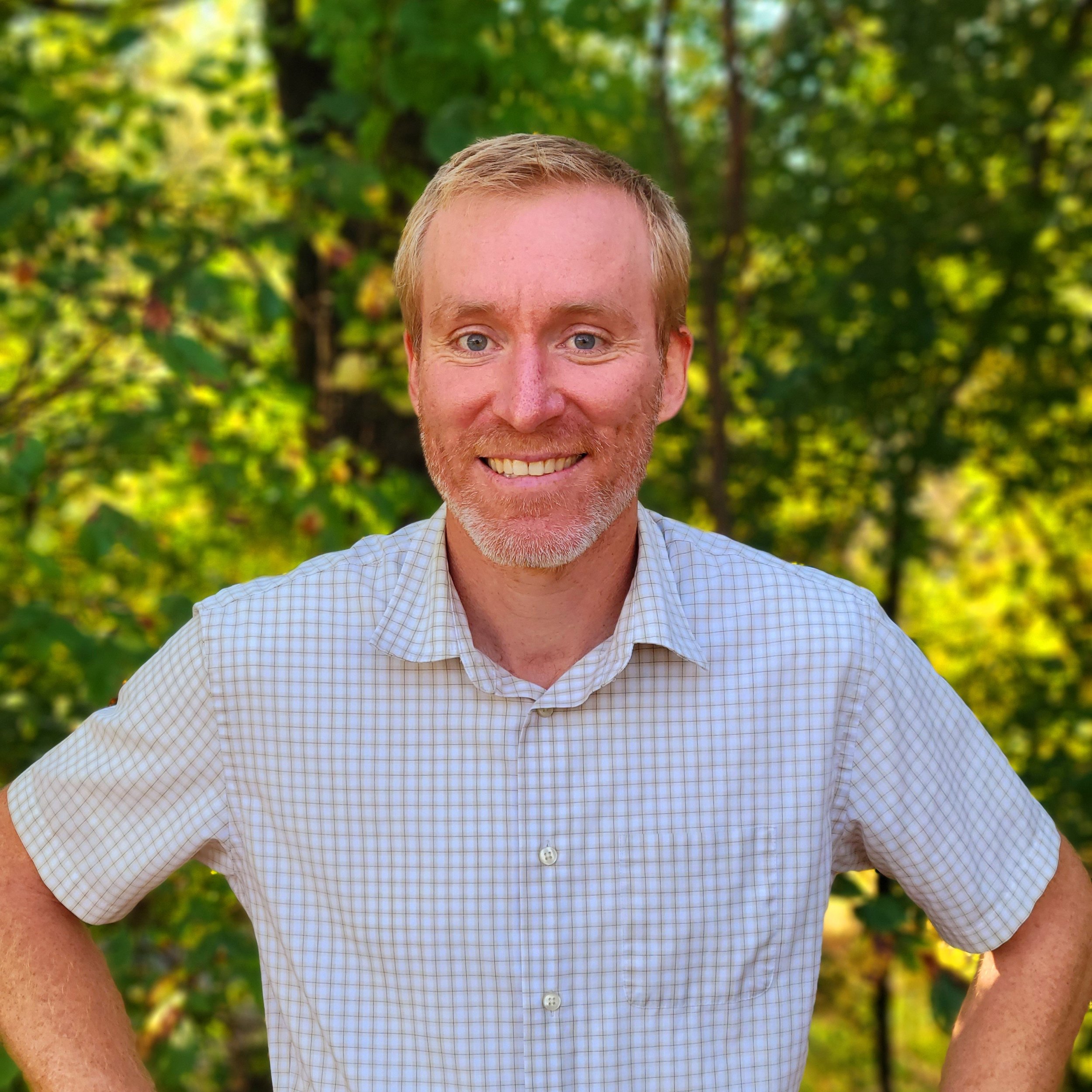
Leif Kindberg is the Executive Director of the Illinois River Watershed Partnership where he works with a staff of seven to implement education and voluntary conservation partnerships with landowners, businesses, municipalities, and others to promote and improve water quality, economic development, and quality of life in our region.
Leif has 17 years of experience in conservation, agriculture, and water resources management in the United States, Africa, Asia, and the Caribbean. Leif grew up on a small farm, graduated from Mount Judea High School, received his BA in Political Science from California State University – Long Beach and a MBA from the George Washington University.
His interest in conservation, preservation of lands, and the natural environment was rooted through these experiences. He moved back to Northwest Arkansas in 2021 with his wife and two young boys.
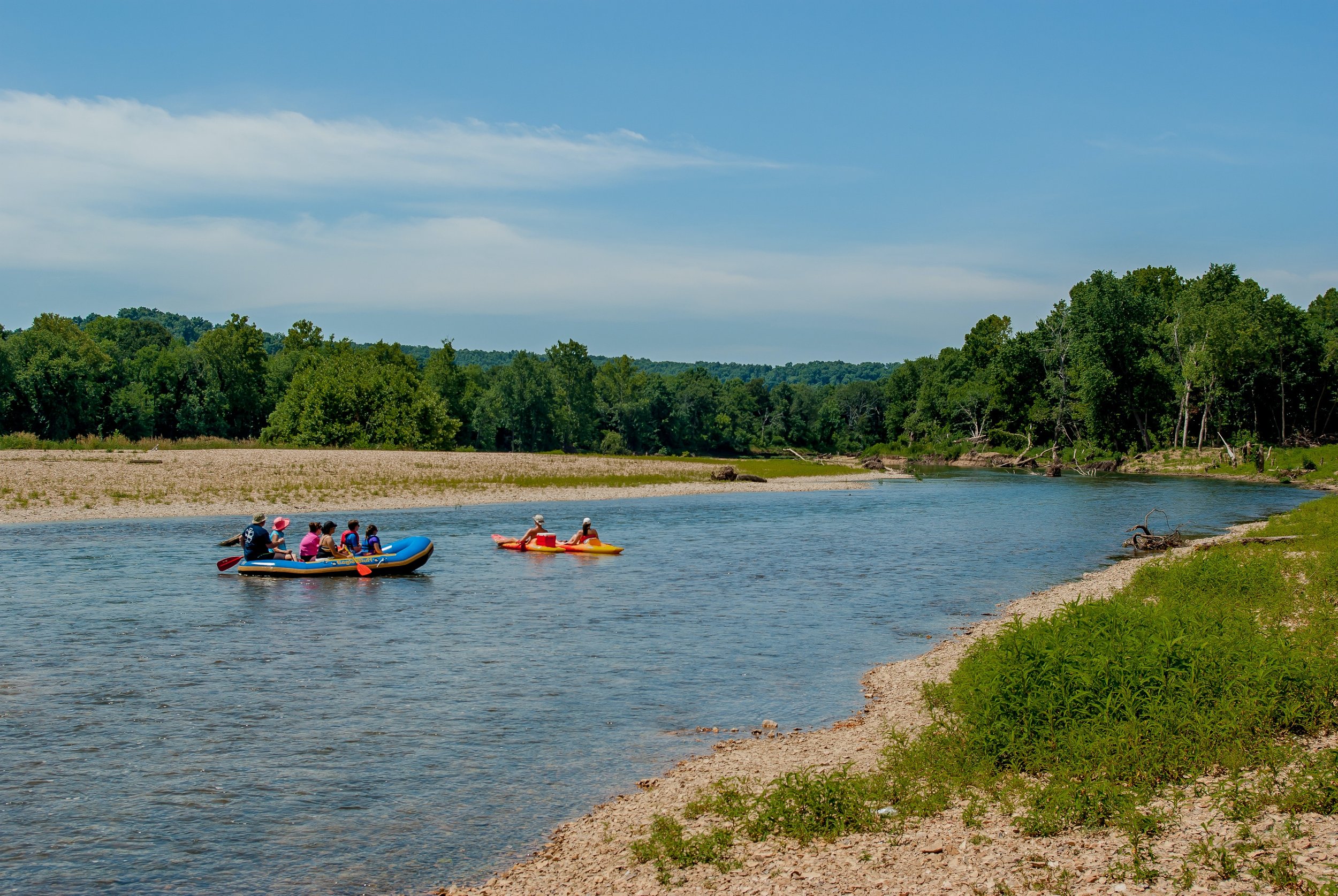
Illinois River, Northeast Oklahoma - Photo by Rod Ramsell on Unsplash
route.
We have a small collection of Routes that follow the Watershed Creeks and Tributaries. If you have a route to add, please contact us and we’ll have it added.
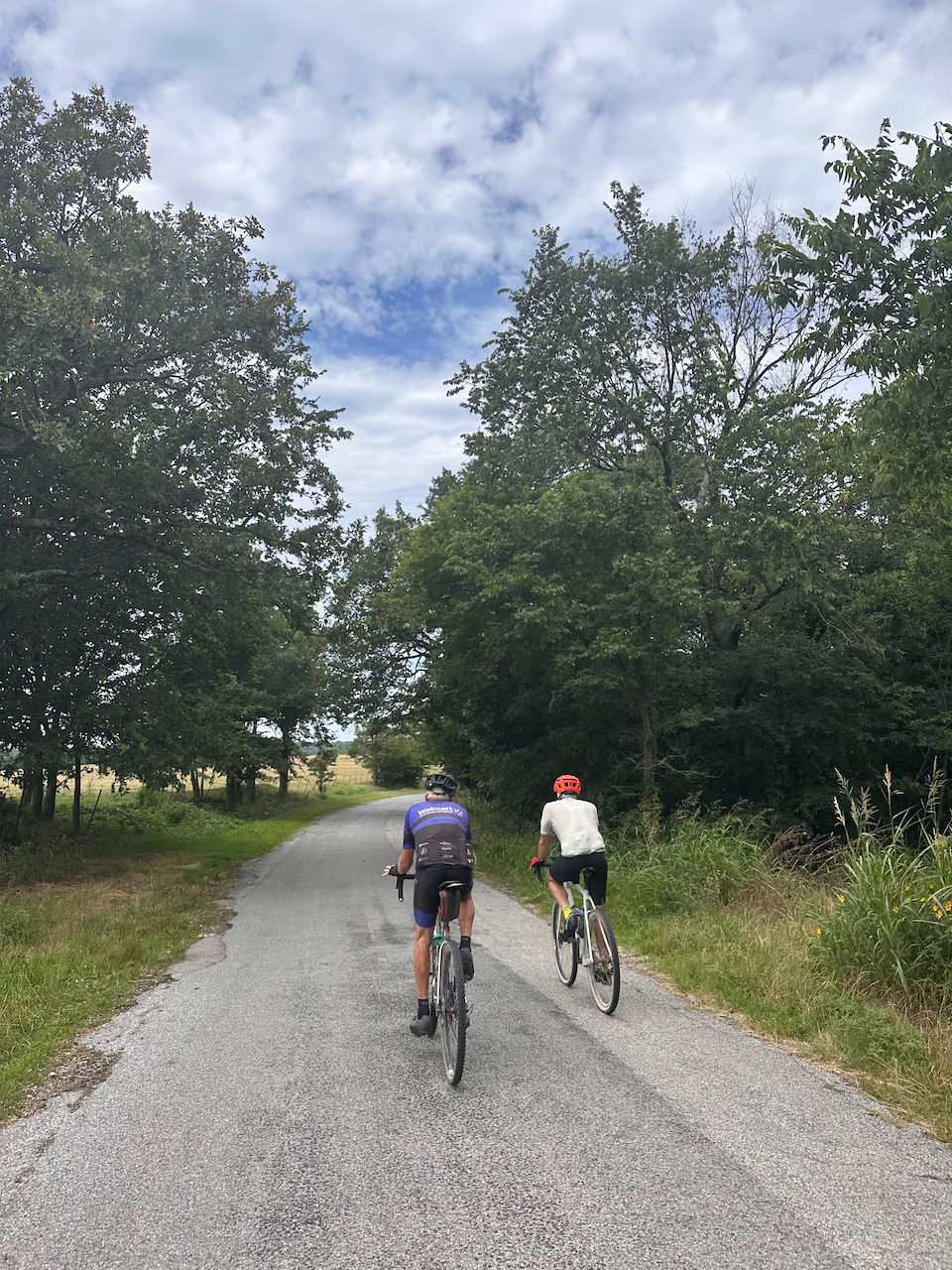
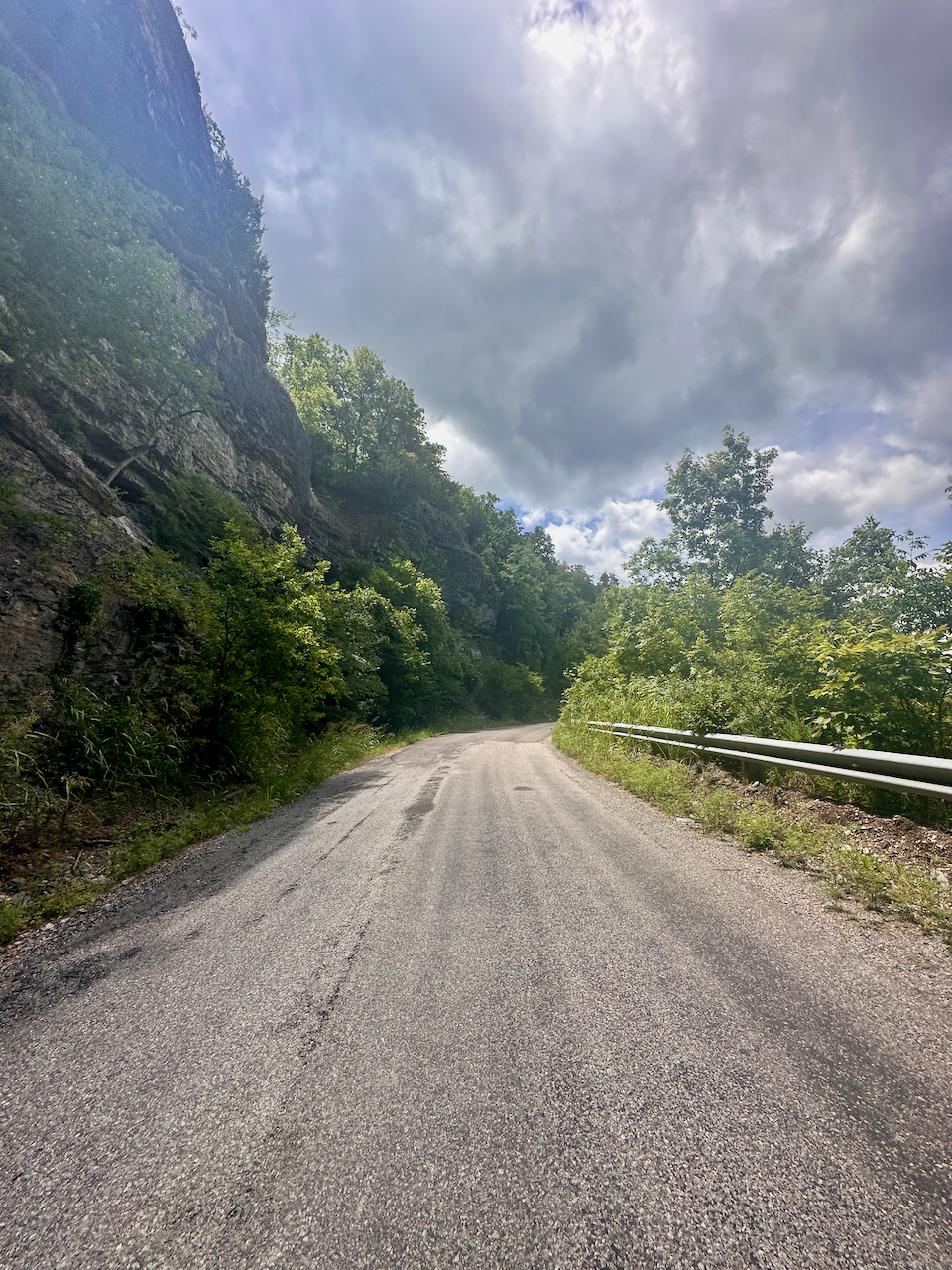
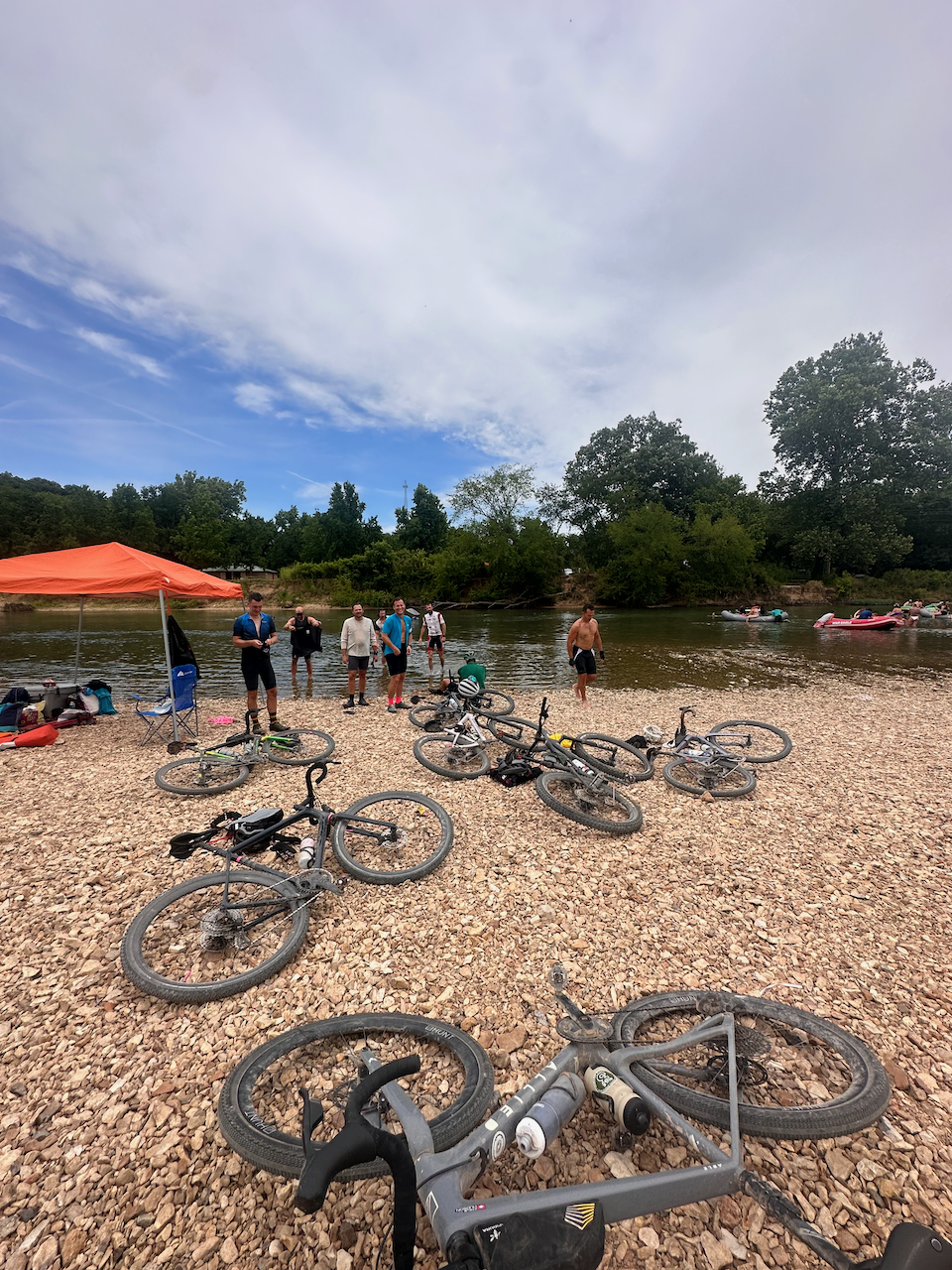
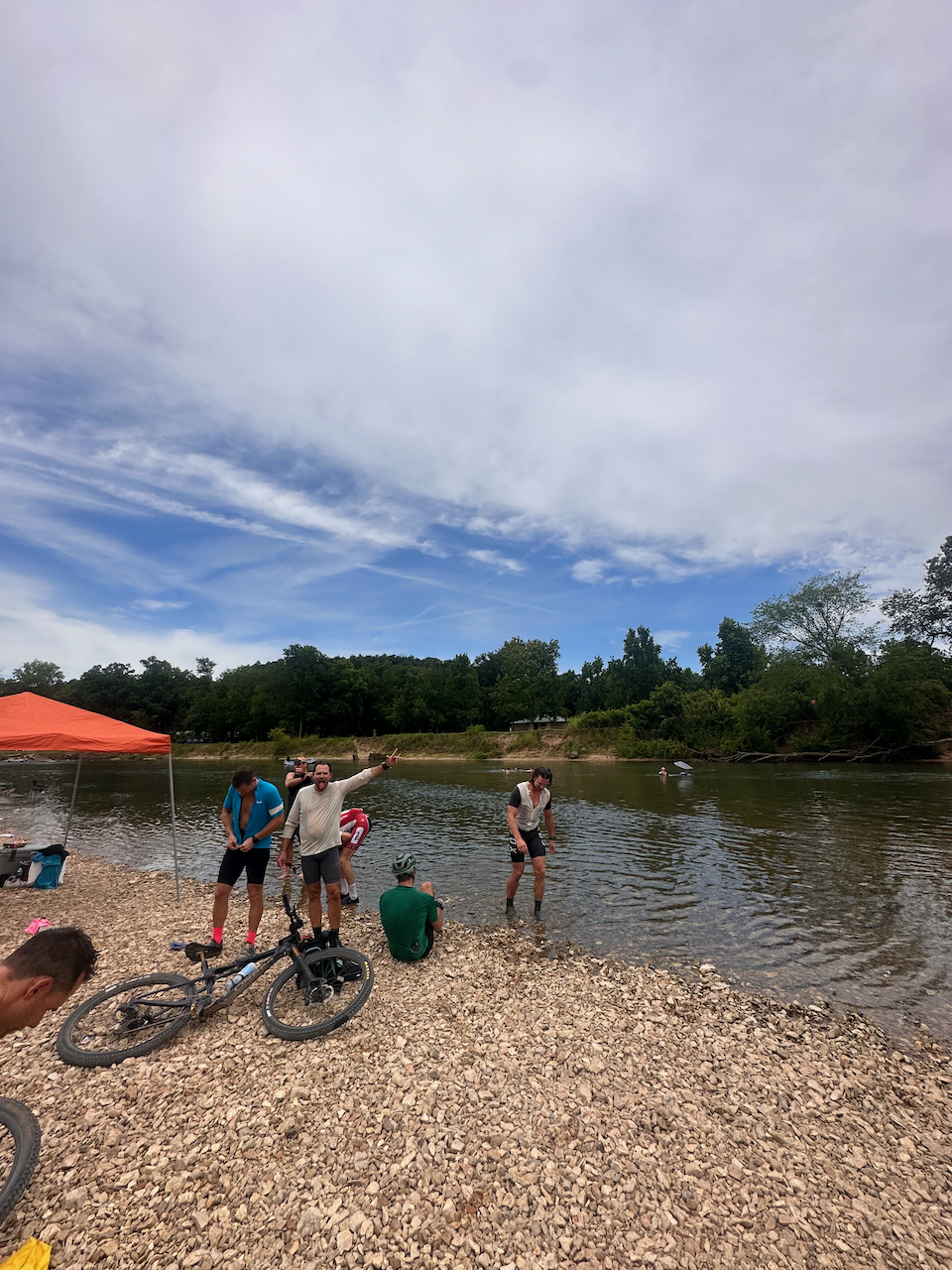
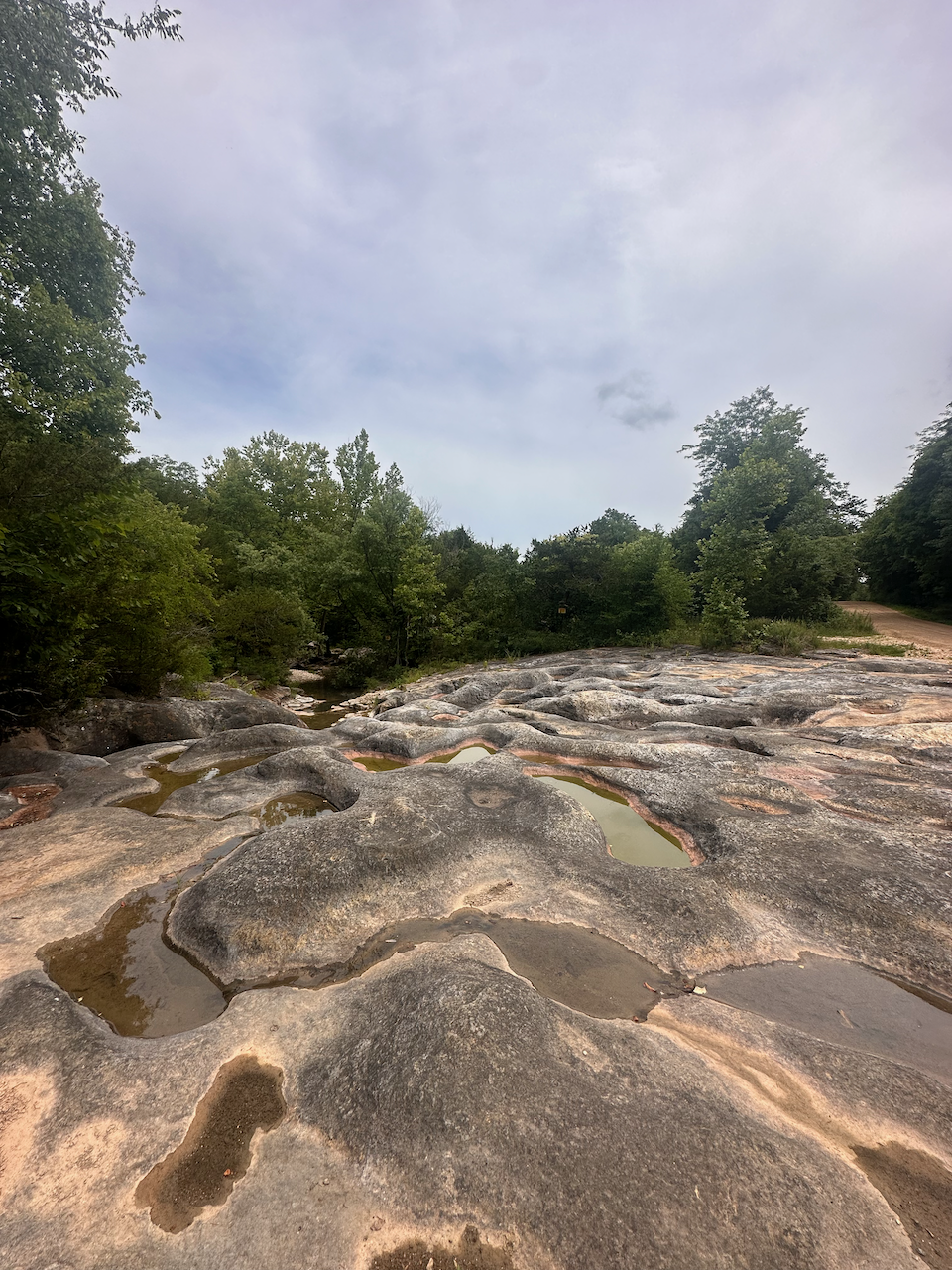
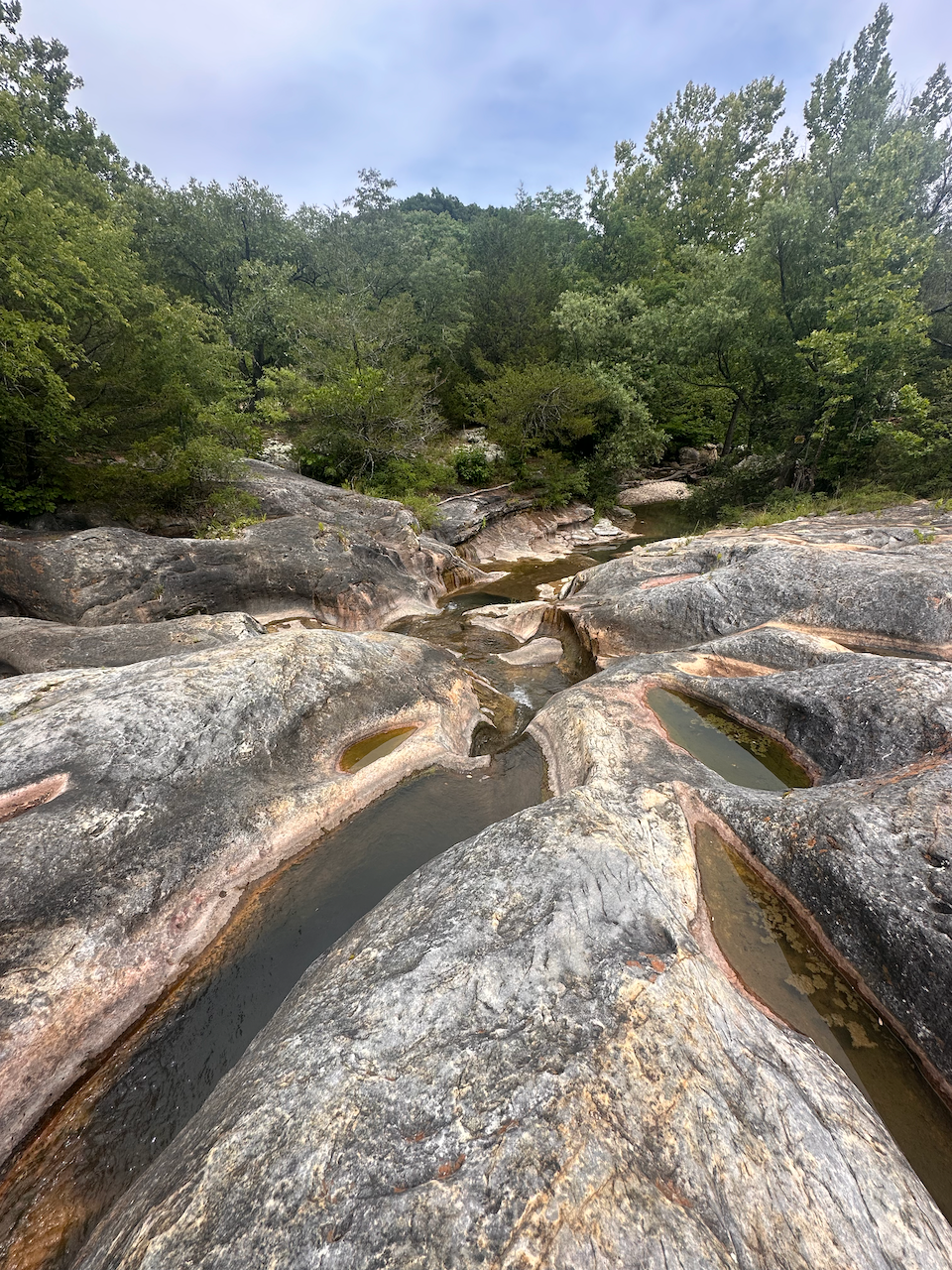
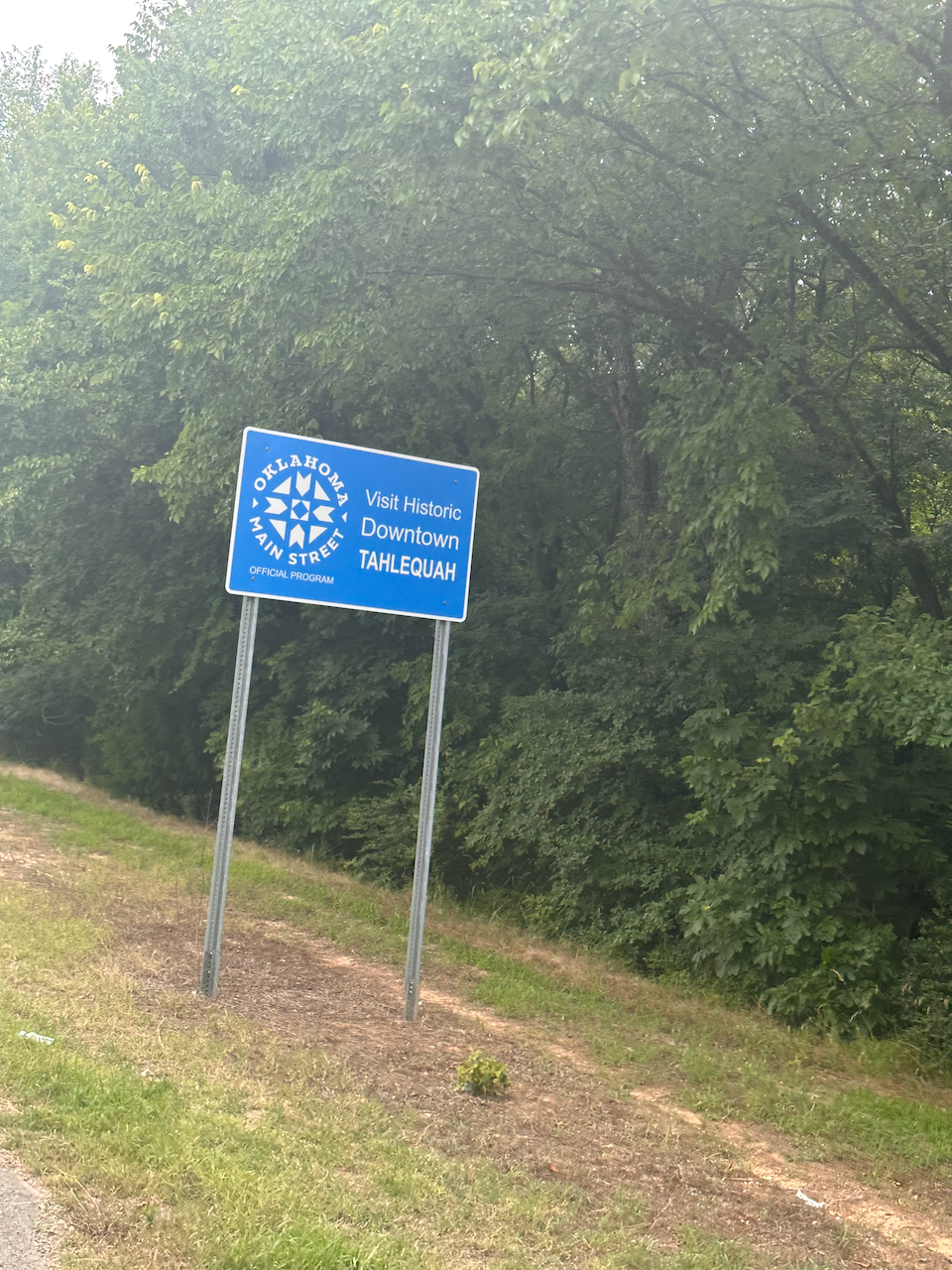
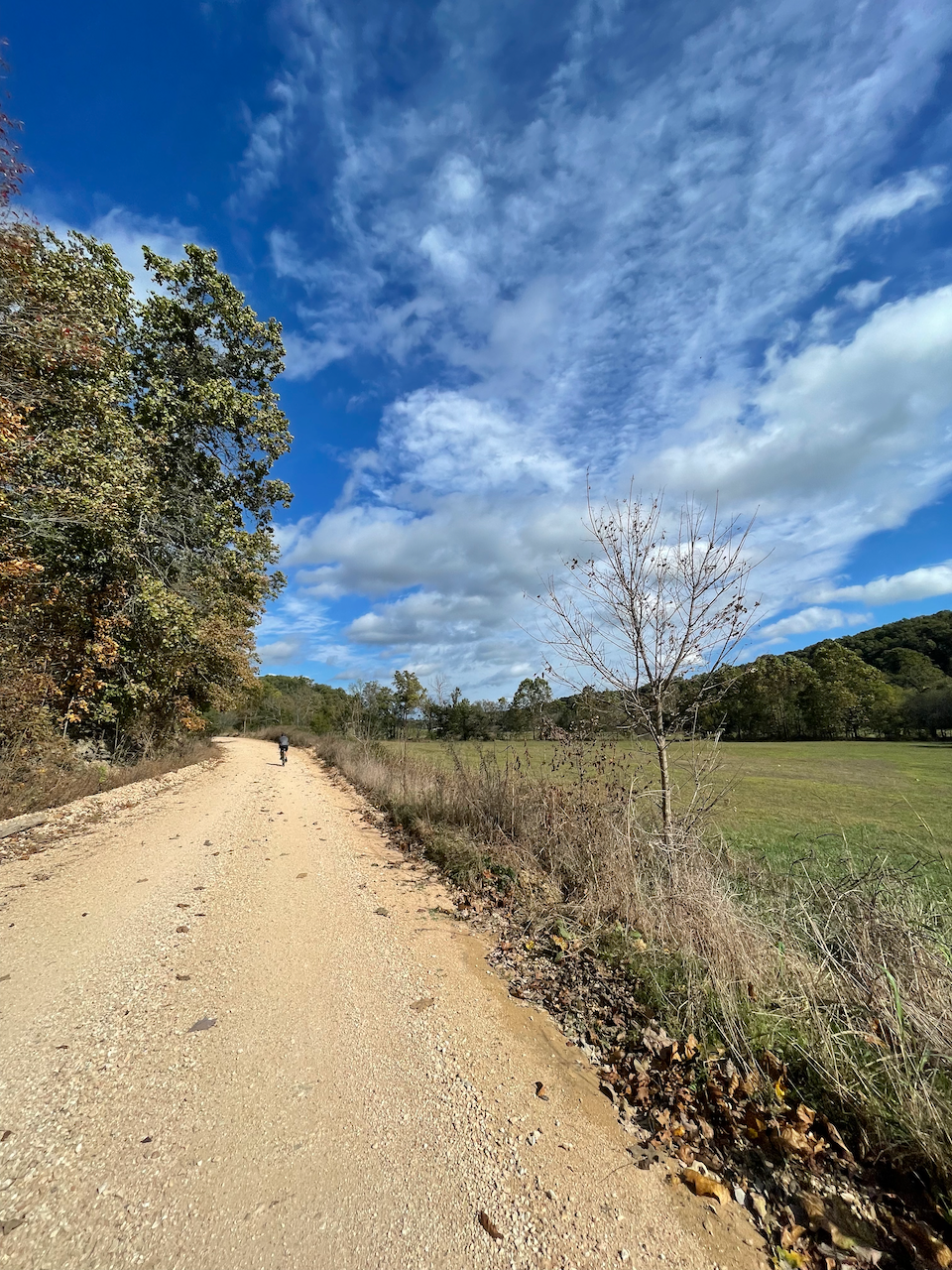
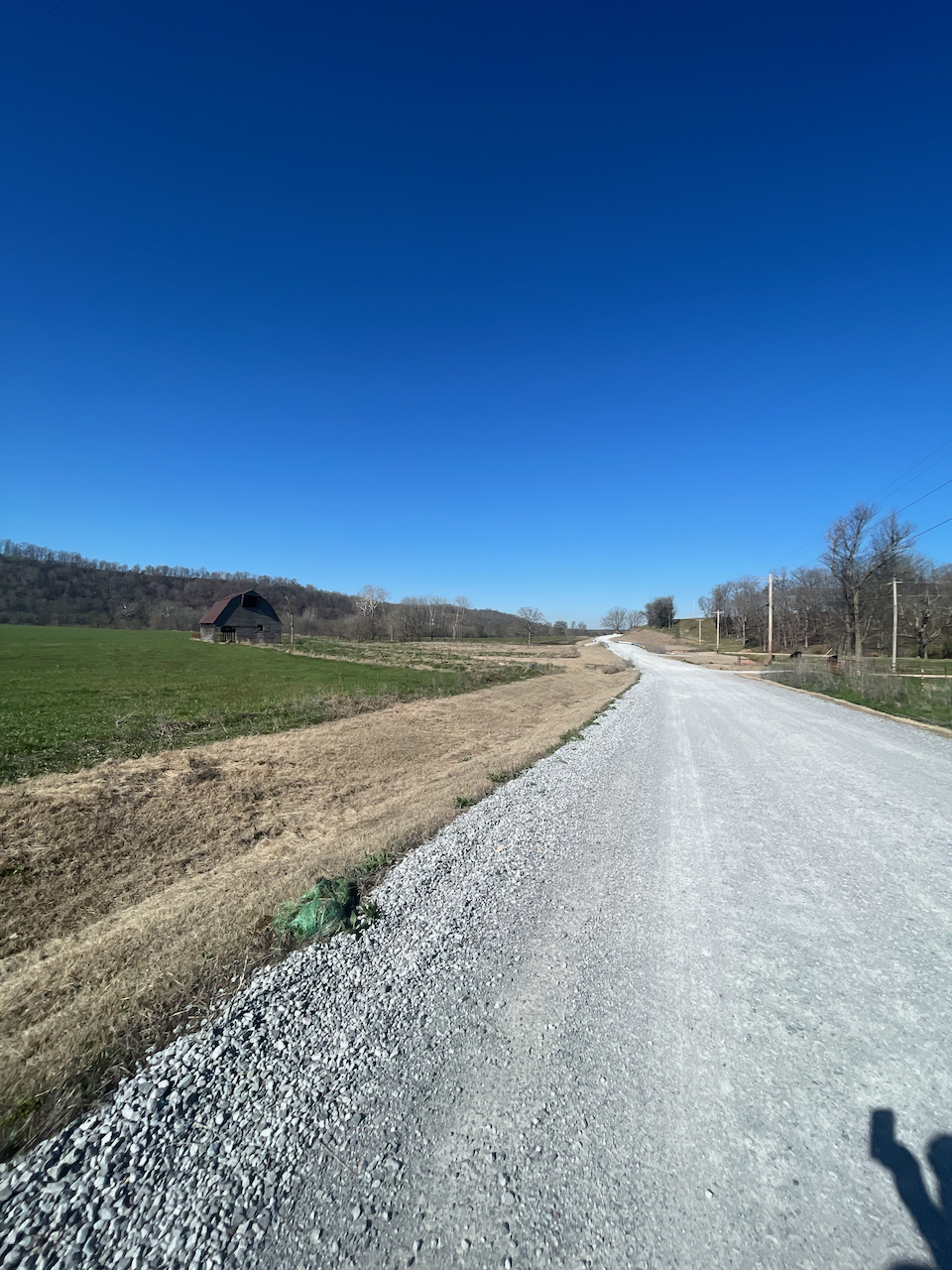
The route for this episode is one that's designed to help people experience the watershed. The main route, it's a, it's a big one, but don't let that scare you away. It's almost 150 miles in length, if you do the whole thing. And we have a couple of other shorter routes that start from different locations in Northwest Arkansas to help accommodate all kinds of skill levels.
However, the watershed is a big area, and it may take a little while to explore it. But the main route is designed to help expose you to all of it if you need a proper adventure. This main route starts in West Fork at the beginning of the watershed, and follows county roads all along the Illinois River, passing through Siloam Springs, crossing into Oklahoma, through Tahlequah, and finishing at the confluence of the Illinois and the Arkansas Rivers, before it all flows back across the state, eventually joining the Mississippi River.
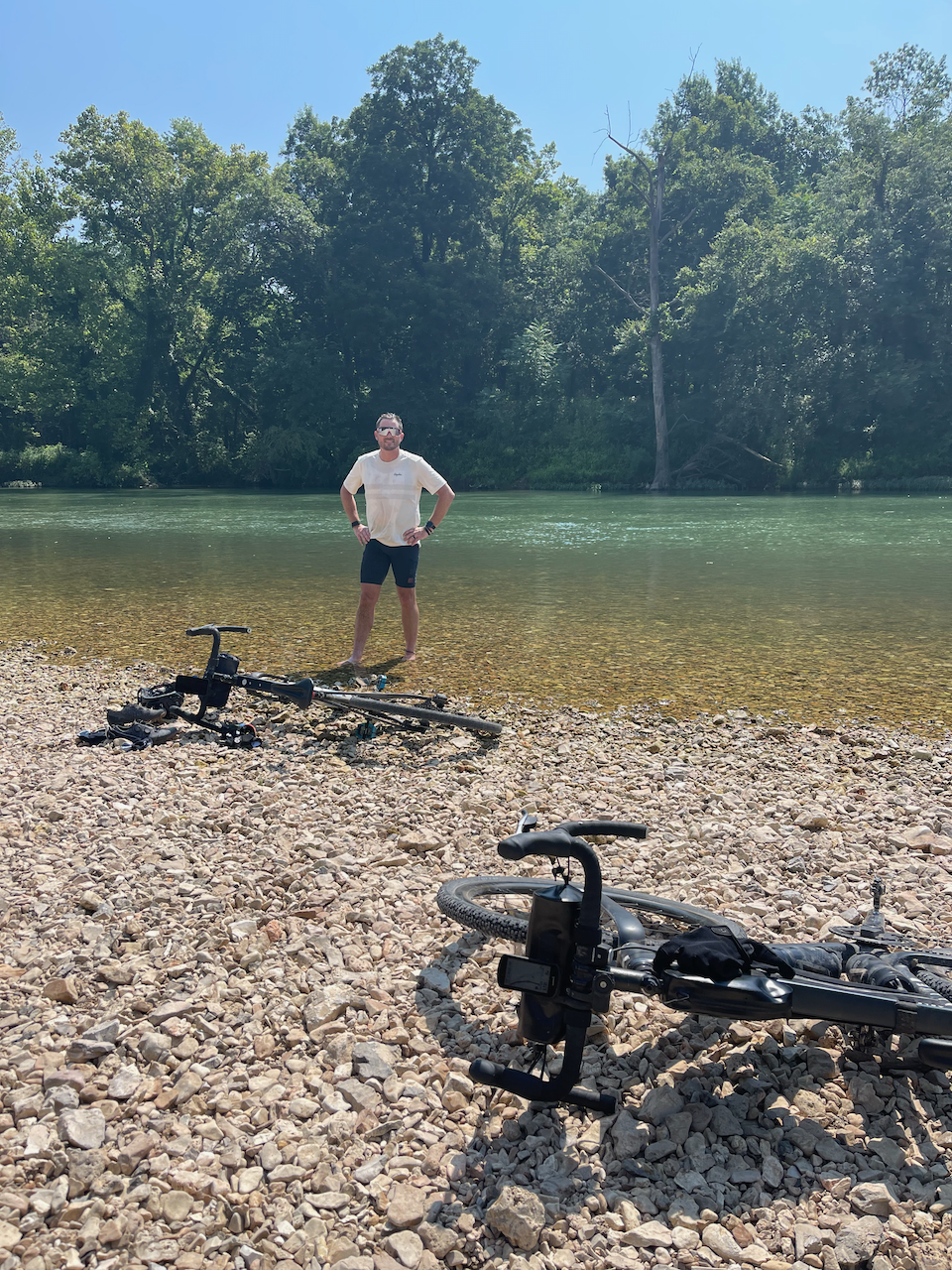
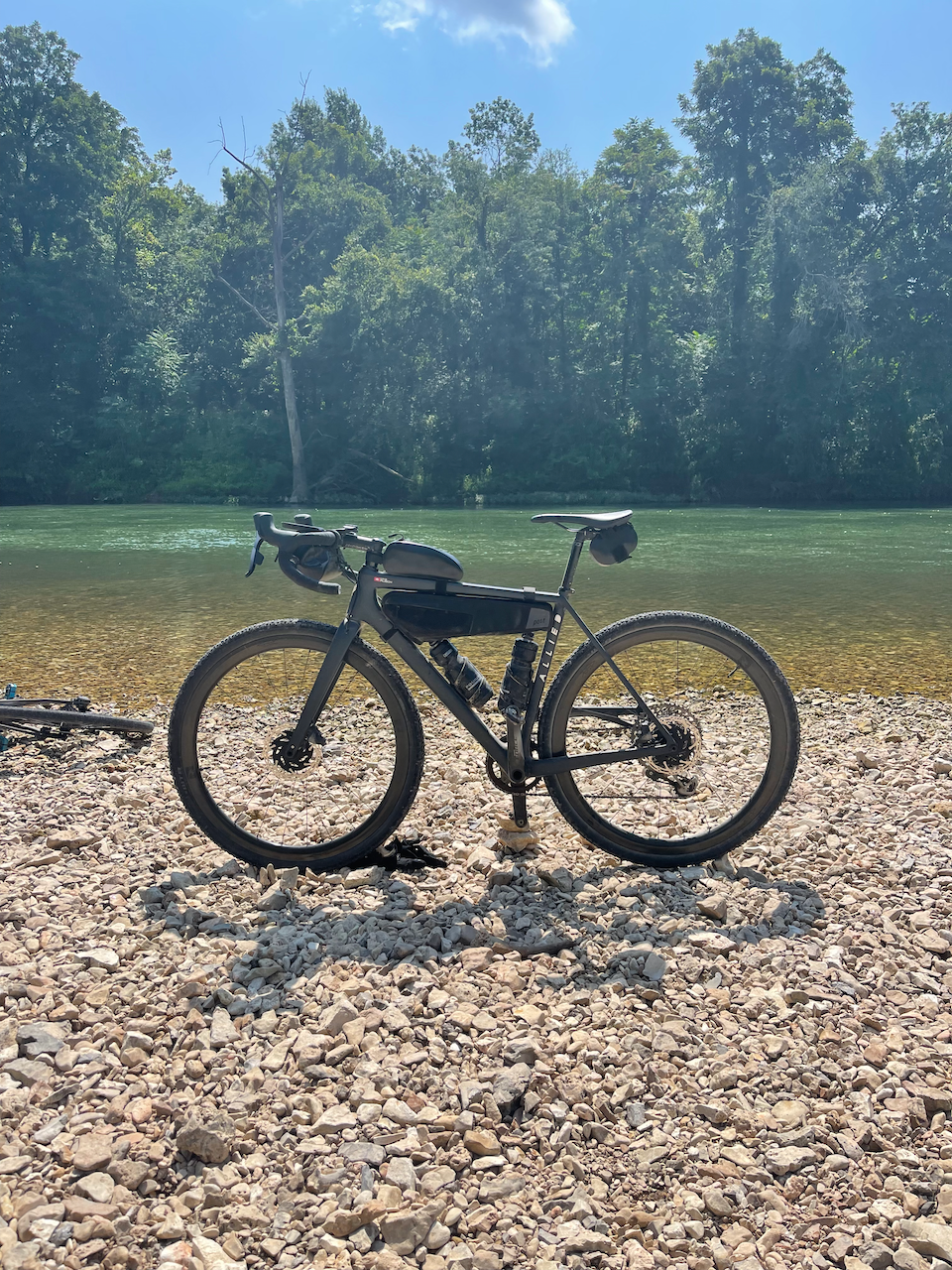
Again, check out the episode notes to see the collection of routes that you can ride to experience the watershed from each of our main cities in Northwest Arkansas. And if you get a chance to ride these in the summer, make sure you take the opportunity to slow down to cool off by getting your feet wet. It's meant to be experienced. It's meant to be connected to.
music.
Al Green was born in 1946 in Forrest City, Arkansas (a town named after Confederate General Nathan Bedford Forrest) where his father was a sharecropper before relocating to Michigan in the 1950’s
Al Green was inducted into the Rock-n-Roll Hall of Fame in 1995, he has won 11 Grammy Awards, including the Grammy Lifetime Achievement Award. He was included in the Rolling Stone list of the 100 Greatest Artists of All Time, ranking at No. 65, as well as its list of the 200 Greatest Singers of All Time, at No. 10.
Al Green's original version of “Take me to the River” was ranked number 117 on Rolling Stone magazine's list of the Rolling Stone's 500 Greatest Songs of All Time and has been covered by artists like Levon Helm, The Grateful Dead, Annie Lenox, Dave Matthews Band, Bruce Springsteen, Mavis Staples, and Talking Heads.
Source: Wikipedia.com
references.
Illinois River Watershed Partnership
episode transcription.
episode introduction.
[00:00:00] leif kindberg.: But when I look at the growth that happens as it expands and really quite honestly gobbles up farmland and, understandably so, land is sold for developments.
There will never be any time where we're getting that back, getting those remnant prairies back or getting that watershed that has been degraded or creek side that is now inaccessible and cannot be fished by my grandkids in the future.
introduction comments.
[00:01:30] mike rusch.You're listening to the underview, an exploration of the shaping of our place. My name is Mike Rusch and my guest today is Leif Kindberg, the Executive Director of the Illinois River Watershed Partnership. Our topic of discussion is about the state of the Illinois River Watershed. This natural resource is feeling the impact of our rapid growth in ways that we may not fully understand.
Our entire region relies on how we consume or preserve this natural resource. and we're starting to cross some boundaries of use that we cannot go back on. Our use of this resource, decisions made by our cities, and the impact of our use to the county, the Cherokee Nation, to our West, and ultimately back to the rest of the state of Arkansas, matters.
There's a lot to understand, so let's just jump right in.
main interview.
[00:02:06] mike rusch.: Leif, thank you very much. It's great to meet you. Thank you for your time and thanks for sitting with me. I'd love to start with your story. I'd love to hear who you are and however you want to define your story, but tell me about who you are and how you got to Northwest Arkansas.
[00:02:21] leif kindberg.: Thanks, Mike. Thanks for inviting me to participate in this. So yeah, Leif Kindberg, I'm the executive director of the Illinois River Watershed Partnership. I'm the, I'm a born and raised Northwest Arkansan grew up on a small farm left for several years for college and for work and moved back in 2021 and with my family two young boys and my wife.
[00:02:45] mike rusch.: You've been here born and raised. You don't find many people that are born and raised here anymore.
[00:02:49] leif kindberg.: We're around, but we're out in the hollers and hills in many cases. Yeah, a lot of folks do move away particularly, you know, for college and other reasons, job opportunities. But it's nice to be back.
[00:03:01] mike rusch.: That's great. What does Arkansas mean to you?
[00:03:06] leif kindberg.: That's a great question. Arkansas. What is Arkansas? It's you know, for me, growing up on the, I grew up on the Buffalo National River, on a tributary of the Buffalo National River. And so a lot of it was about farming and community being outdoors and the opportunities that that offered.
And quite frankly, I didn't, for as many of us, I think, didn't recognize What that really offered to us when we were younger. And I think that kind of drew me away from the state for some time for other opportunities and, and drew me back ultimately as well.
[00:03:39] mike rusch.: Do you feel like this is home for you?
[00:03:42] leif kindberg.: It is.
Yeah, it's definitely home. And I'd say always was. In fact, I used to, I lived in Washington DC and I would always describe it to friends as home, even when I had been gone for 10 plus years.
[00:03:57] mike rusch.: Stick with me on that. Tell me why, why is this home? What, what makes it home to you?
[00:04:01] leif kindberg.: I was born actually on a, I was born on the living room floor of my parents house in rural Newton County.
Pretty much all of Newton County is pretty rural, but it was way back in the middle of nowhere. And so I had pretty strong connections to that community, to the land there. And I think There's a sense of community that I think a lot of rural places here in the state offer. Is kind of, I used to describe it as inertia.
It held a lot of the community in place. There were, you know, social norms and expectations and and relationships that were very deep and very close in a way that you don't find in, in a lot of other places particularly. A lot of other urban places, truthfully, in my experience. I've, I've lived overseas in very rural communities and you do have some of that same sense of community in those, but it's not mine.
Home is Northwest Arkansas.
[00:05:01] mike rusch.: Tell me about this place we're sitting. Where are we today?
[00:05:05] leif kindberg.: We're at the Watershed Sanctuary and Learning Center in Cave Springs.
[00:05:09] mike rusch.: Tell me about this place. This was not the original use of this building or this land.
[00:05:14] leif kindberg.: Well, the organization was formed in 2015 (misspoke…organization was founded in 2005) by a diverse group of business and local government and conservation and other folks that really cared about the watershed and water quality in the Illinois River.
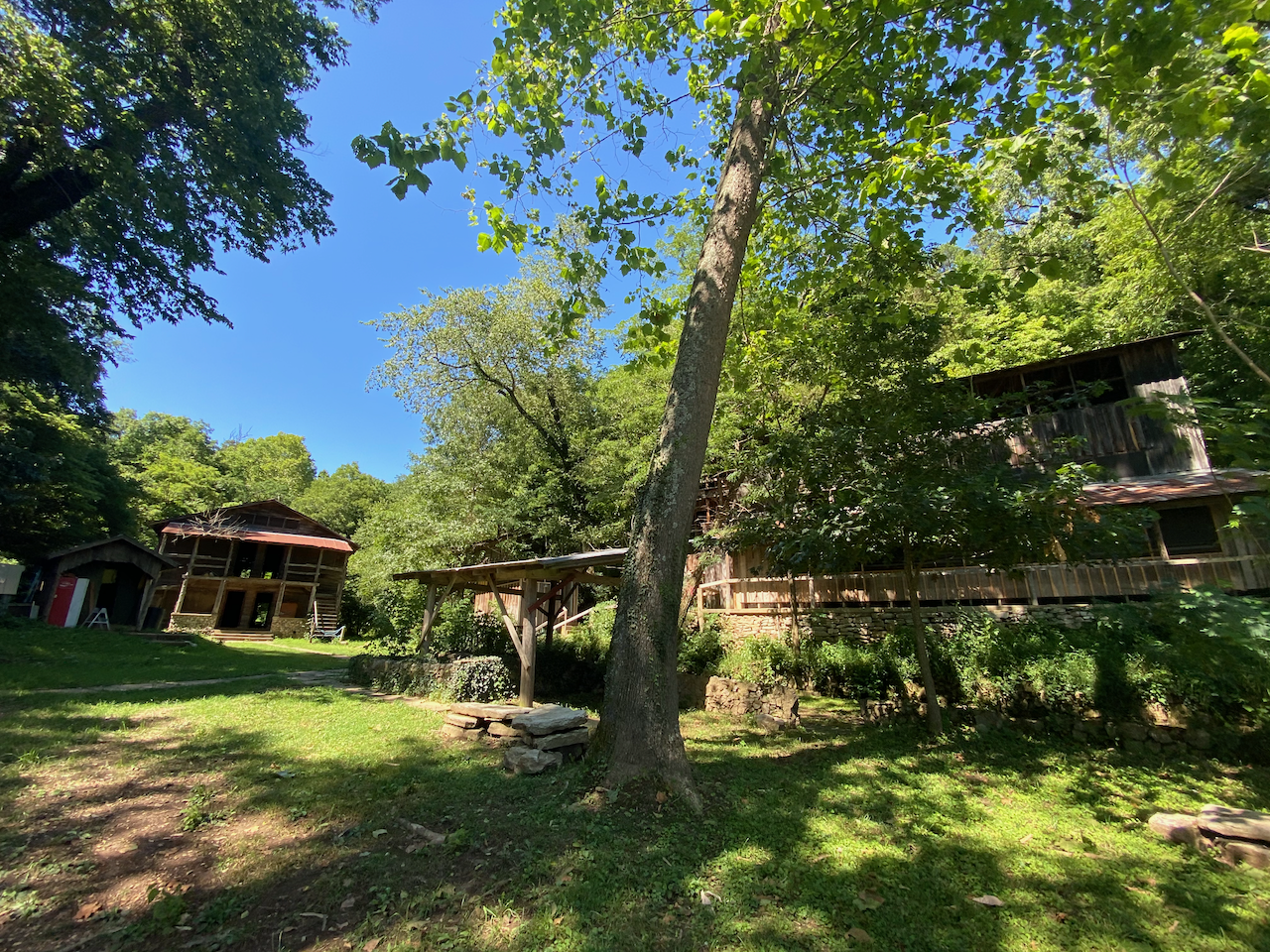
And so, we needed an office. This the opportunity to acquire this property came up. It's about 31 acres here with the Partners Lake and, and the cave of Cave Springs. This is the church the Old Baptist Church, and they were looking to expand their congregation and move elsewhere.
But , this came up for sale and we felt as a good opportunity to kind of ground ourselves in the community, have a facility that really did where we could demonstrate the practices and, and values that we have as an organization and the mission implement the mission of the organization throughout the region.
[00:06:05] mike rusch.: So where we are, this is part of the Illinois River watershed, then. It's actually protected fish and species that are actually on this property itself.
[00:06:13] leif kindberg.: Is that correct? Yeah, that's right. So we're in the very headwaters of Illinois. The, some creeks that folks may know are, Clear Creek that comes out of Fayetteville and Springdale Spring Creek that comes out of Springdale as well and, and Osage Creek, and we are on the tributary to Osage Creek here in Cave Springs.
And several endangered species, to your point there's the gray bat that lives in the cave here. The blind cavefish, excuse me, it's the Ozark cavefish that lives in the cave. It is mostly blind and and several other species that are native to this region.
[00:06:50] mike rusch.: Tell me about the mission and your work here with the Illinois River Watership Partnership.
You're the executive director leading this role. What, what are the, what's the goal and the mission of the organization?
[00:07:00] leif kindberg.: Yeah, the mission is to improve the integrity of the Illinois River through public education, community outreach and implementation of conservation and restoration practices throughout the watershed.
And so that includes work in Arkansas and Oklahoma. It's the, the watershed does cross over the state line. Our goal is to help the river meet state and federal water quality standards that are set and to generally enhance the, the quality of life for both aquatic and terrestrial species that you know, that we like to hunt and fish and, and, and that live here, as well as really the quality of life for us as residents of the watershed.
[00:07:43] mike rusch.: For those that may not know, explain what a watershed is. What does it hold? How does it work?
[00:07:48] leif kindberg.: Yeah, it's, well, it's it's a big basin. Think of a, you know, you take a cup and pour that cup into the basin and whatever falls within the basin stays within the basin. And so, it's geographically, it kind of starts down near Hogeye, Arkansas south of Fayetteville.
And then the main stem of the Illinois comes up through Weddington Woods through over to south of Siloam Springs, crosses the state line picks up tributaries, as mentioned earlier in Osage Creek and Clear Creek and Spring Creek, Flint Creek across the state line. Then it is a really popular recreation destination on the Oklahoma side.
And then empties into Lake Tenkiller before actually emptying into the Arkansas River and all of the water flowing back across the state of Arkansas. So it's important twice in some ways to the state of Arkansas and Arkansans for fishery and navigation and other purposes.
[00:08:42] mike rusch.: Sounds like, so what we do here not only impacts us, but it impacts those and our neighbors in Oklahoma, but then ultimately back to the state, lower part of the state, Delta region, as it flows back into the Mississippi.
Is that correct?
[00:08:54] leif kindberg.: Yeah, absolutely.
[00:08:57] mike rusch.: When we think about a watershed here in Northwest Arkansas, most of our drinking water comes from Beaver Lake, correct, which is not a part of this watershed. Correct. So what are the, how does this watershed then impact our lives here in Northwest Arkansas?
[00:09:13] leif kindberg.: Yeah, in several ways.
One is a growing percentage of the population live within the Illinois River watershed and its tributaries and, and they really can't be separated because they're kind of the veins that feed the artery of the Illinois River in many way. In terms of managing stormwater, for example flooding is a growing concern and challenge in northwest Arkansas not just in Illinois, but the whole region and that's driven by many factors but it's really important to the infrastructure that we install.
It can damage the infrastructure. It can, you know, create problems in terms of land depreciation. It's, it's definitely very important. And I think also, you know, from a recreational standpoint, it's, it's a great watershed for recreative fishing and birding and, and hunting along its, many of its tributaries and streams.
And there's a lot of agriculture that has been in the watershed for a long time. A lot of farm families that have lived here for generations. And so it's very personally, very important. Back on the physical side of things You know, as you mentioned, it's not the drinking water resource for much of northwest Arkansas.
It is for Siloam Springs, and it is for Tahlequah as well. Tahlequah, Oklahoma, and some smaller rural communities but where it does kind of play a role is a majority of the water that comes from Beaver Lake actually ends up in the Illinois River watershed through the wastewater treatment facilities that are, for example, Bentonville's, half of Bentonville's wastewater comes into the Illinois, Rogers, Springdale, and Fayetteville.
Half of Fayetteville as well.
[00:10:57] mike rusch.: When we think about problems within the watershed, how does that impact the communities here in Northwest Arkansas? I live in a city in a more urban environment, but there's a lot of rural agricultural families to your, to your point. Does it impact us all the same way, or is there special things that impact certain communities more or
[00:11:16] leif kindberg.: less?
In terms of how it impacts The challenges this watershed faces, they're felt in many areas, but I'll just give an example. And I mentioned it earlier flooding and the watershed as flooding increases, and it has increased over time. Both the stream flow and peak flood events have occurred at greater frequency.
Downstream landowners, which are often the rural landowners and often the multi generational Northwest Arkansans as well, are definitely impacted by that. And I think, I think there's a real recognition of that, quite honestly, in Northwest Arkansas by many and particularly in the planning and, and, long term engagement on this subject matter at municipalities and others.
They definitely recognize that and are working, I believe, very diligently to address it. Is it enough? Maybe we need more. Maybe we need to, you know, protect our downstream stream. Thank you. Stream banks, you know, by through upstream management of stormwater. we Need to protect our downstream and potentially more vulnerable landowners who, who have investments and assets downstream because they aren't always as protected.
So, yeah, it's definitely, it definitely impacts different people. Differently, depending upon where you're in the watershed physically, but I also think that everybody has a personal responsibility to this watershed, whether they're urban, they live in a subdivision and an urban area of the watershed or you know, in a rural area.
And, there's been lots of historically in the watershed. There's been a lot of. Finger pointing, I guess, would be the way to describe it towards different groups in terms of their impact on the watershed. And the truth is we are impacting it and we need to think beyond just what is in our our personal self interest and take responsibility for what we can do to, to improve it, to enhance it for our neighbor and for ourselves ultimately in the long term and our, our children and grandchildren.
[00:13:29] mike rusch.: You mentioned you've had a chance to live outside of the country working on ecological activities. Could you share a little bit more about that background? I'm curious from that experience both what you learned and are there things that apply here to Northwest Arkansas that we may not be considering or should be considering?
[00:13:49] leif kindberg.: You know, I, I guess the short answer is absolutely. There are many opportunities to learn from communities outside of Northwest Arkansas. There's a lot to learn from what communities are doing in Northwest Arkansas. I've worked in in I've worked in Africa and many countries in Africa and West Africa and East Africa and Southern Central Africa, specifically a bit in Southeast Asia, a bit in the Caribbean and Latin America and There are , surprisingly similar challenges, I think in, in many of those communities when it comes to stewardship and care for the, the rivers and, and, and watersheds and there are things that we can definitely learn from them.
I think there are some universally really important conservation and best management practices that. Extend across many areas. They certainly have to be tailored, but, you know, having riparian buffers along streams to ensure that there's vegetation that maintains water temperatures that maintains habitat for species that feed the fish that we fish in the creeks and smallmouth bass, you know, for example.
Those, those connections between how we manage lands have been adjusted significantly from their natural state. And I, I've encountered this everywhere that I've worked and traveled, personally. And I would just say that, you know, In terms of where I come from on this, personally and professionally, it's, all of my interest in this work goes all the way back to growing up on a small farm in Northwest Arkansas, where we were using, we were growing vegetable crops and livestock, and You know, how you'd care for your grass and your soils and and maintain and manage those has a direct impact on the quality of your livestock and the, you know, the ability to make a living off of that farm.
And so, that's. That's kind of where I got my grounding in conservation and stewardship of this watershed.
[00:16:03] mike rusch.: You've seen Northwest Arkansas change a lot. There's been a lot of people that have come. With the growth that is happening and the changes that are happening, do you have a way of kind of, how do you process that?
What do you see? Is the growth that we are seeing, is it moving in the right direction?
[00:16:21] leif kindberg.: So growth is happening at such a rate that one of the things that is challenging is I've been in this role for two and a half years and and it's an 18 year old organization. And so fairly new and there's been a lot of excellent leadership and work that before.
Me that has tried to work towards a sustainable trajectory around that growth and support our communities and our farmers, landowners, homeowners, the residents of Northwest Arkansas, what I recognize is that I can't keep. We are not keeping up with growth. Growth is going to happen, and the Northwest Arkansas is going to continue to grow so long as there are investments, and it's attractive, and it creates presents quality of life that is comparable or better than other communities where folks are living currently, and, and to date, it has done an excellent job of doing that.
It's really a wonderful place to raise a family and to to live and, and there's good economic job prospects and all the things that people care about. But when I look at the growth that happens as it expands and really quite honestly gobbles up farmland and understandably so land is sold for developments.
There will never be any time where we're getting that back, getting those remnant prairies back or getting. that watershed that has been degraded or creek side that is now inaccessible and cannot be fished by my grandkids in the future. And so, you know, I think sometimes you wake up and, and realize that and, and like, wow, there's still a lot of work that needs to be done to think about where do we want to be in 50 years, even 20 years, even. I mean, we're going to we're projected to meet reach a million people to by 2045 in the two county region. And we don't really have a 2045 plan for how we're going to make certain that the quality of life that we all moved here or have known for a long time, if you've lived here in Northwest Arkansas, will be maintained.
We're kind of expecting it will come along with all of the other great aspects of growth of our region.
[00:18:34] mike rusch.: Where do you see us pushing the boundaries of maybe pushing that either development or growth maybe a little bit too far, or maybe not far enough?
[00:18:44] leif kindberg.: I think probably the most clear example of where we're pushing the boundaries potentially, and to a point of, There isn't really an opportunity to return to a state where we have those quality of life factors that we value is in development of properties outside that don't incorporate some of the best management practices that we know are really important to preserving those quality of life factors.
We tend to take, often take an approach, and I don't think it's an intentional approach, I think it's just the, the, kind of a process of development and growth that we develop, develop, develop, develop as fast and quickly as demand drives that, but we don't really take pause and kind of think about, well, are developments that are going out in farm fields in rural parts of the county really the way we want to do land use planning? Should we be focusing on infill developments to really if, if, if we want to support , affordable housing and and low impact development, best management practices and things, it becomes more difficult to do that the further outside of many of the municipalities that we go with that, those subdivisions.
And so, we need a regional approach to kind of just sitting down together and saying, where do we want to be moving forward on land planning, land use and land planning? What assets do we have that we want to preserve and preserve? To our, in our community and, and what does that look like in 50 years and, and what adjustments do we need to make?
So, I think the, the land use and, and development pressure on our rural communities particularly is a challenge that we have not figured out how to effectively tackle at this point.
[00:20:49] mike rusch.: Do you see best practices and where that's happening today?
[00:20:53] leif kindberg.: Yeah, actually, I think there are, I think, I would actually credit municipalities and, and, and groups in northwest Arkansas, including businesses that are directly addressing that through their own either means and, and, you know, for example, developers that are really focusing on density and, going vertical as opposed to spreading out and thinking about reducing things like in the city of Fayetteville, in terms of the number of required parking, spaces for vehicles in the city, you know, with new developments and, you know, the kind of exploration of those types of policies I think is really valuable. Developers are really focusing, there are certain developers in the community that are really focusing on walkability and integrating natural areas and places, community spaces that are much more friendly, quite frankly, to Pedestrians and to people that are moving here and and wish to live here.
And, you know, and I think at other levels, you know, counties are looking at how can we do land use planning, for example, in Washington County, better than we have and and address some of the kind of just, you know, loss of open space and, and farmland woods and, and, and places that we really value and moved here for.
So I do think, I'm very hopeful that, and I do think there is a lot of good progress. It's just it doesn't keep up with the pace of 35 people moving into the region per day.
[00:22:35] mike rusch.: Your comments are, are really insightful because what's happening in the watershed sounds like it's incredibly, and much more probably complicated than I had understood.
But what happens in the cities really, really does matter to what happens in the counties and into the watershed. Is that a fair statement?
[00:22:53] leif kindberg.: Absolutely. I think I think actually our our municipal planning and leadership effectively drives for us as much of the water quality and and and challenges that we face in the watershed and will continue to do so, particularly as you know municipalities annex land and and development subdivisions and things like that. So, they're going to play a continue to play an outsized role and a growing role that Needs to be thought of, you know planned for I guess moving forward. Because a lot of the agricultural and traditional kind of land uses and and even businesses quite frankly in many areas are often moving To other locations, frankly because of land valuation and just you know, the development and, and, and growth of our region.
[00:23:48] mike rusch.: What, in your opinion, some of the practices that we have in planning and, and the way we approach development what, what needs to be adopted? What needs to be changed to really make it work for a 2045 goal?
[00:24:03] leif kindberg.: It's a big question. I don't know that I have the full answer quite honestly to that, but, and I but I do think actually Northwest Arkansas has the full answer and I think through bringing voices together from multi-jurisdictional and multi faceted kind of views is the the solution, quite frankly. So for us, I mean, we're we're very focused on the watershed, very focused on water quality. There are a range of things that can be done directly to enhance and improve. And meet state standards and federal standards for water quality. Um, you know, if we could envision at some point that all of our streams had a 50 or 100 foot buffer of vegetation of mature oak trees and sycamores and were habitat for all the species along those, we would have a fantastic, potentially a fantastic fishery, you know, along those streams.
It has to be all the way from the headwaters, meaning up Spring Creek you know, all the way down to Lake Tenkiller and beyond in order to do that. But if we invested in that as a region, where would we be in? 50 years or 100 years, let's say, what would, would we look back and say, and I don't, maybe you've visited the LA river in California, the L. A. River is a big trapezoidal concrete channel, and you drive across it frequently if you're in the area, and it's absolutely devoid of anything that is habitable, you know, for a bird, pretty much, or a fish and that is, can't be, I don't think that's the solution. I don't think that's the answer.
We could do the same thing in 100 years in northwest Arkansas, or we could think, Oh, what if there was a hundred foot buffer the entire length from from Bentonville to Tahlequah along the river where people could recreate, could go and fish, could go, you know, catch bugs, the kids could, you know, could watch birds.
To me, that is a better quality of life factor for our region that I think really would enhance it and It will Definitely make a big difference in terms of meeting state and federal water quality standards as well
[00:26:21] mike rusch.: I was listening trying to do my homework and I was listening to a to you speak at a stakeholders meeting in 2022 and you made a comment or that your recommendation was " to consider the significant adverse consequences of construction in the floodplain."
[00:26:42] leif kindberg.: Yeah.
[00:26:42] mike rusch.: Hopefully you remember saying that.
[00:26:43] leif kindberg.: I do remember that comment.
[00:26:45] mike rusch.: I'd love for you to expand on that. What does that mean practically for decision makers or developers here in northwest Arkansas as they consider where they are going to, to, to
develop?
[00:26:59] leif kindberg.: It is not, it is not everybody wins. And the reason is because we have, and, and to your Question.
Yes, I do recall that comment and I stand by it and still repeat it to those that are interested. The construction in the floodplain are our streams and creeks and rivers are are, they're living, they, they expand and contract, they change course depending upon the, the precipitation, rainfall events, and what we do on the land surface as well.
And for, for at least 120, 30, 40 years, we have been manipulating that quite severely in some cases to meet our goals in terms of where we want to construct things or, or how we want that. That channel to flow effectively. So we, we dam them. We dyke them. We, we, you know, dig them out. We remove the vegetation along them, all of these things and use them for pasture.
Floodplains are the, the, the ability of that artery to contract and expand as it needs to. And so. When we build in those, we basically say, no, you know, river or stream, we want you to stay within your channels. We want you to stay in your banks. But rivers don't stay in their banks. They're stable when they can expand outside their banks.
They dig and they cut and they erode stream banks when they are forced to stay in because you have high velocity and high volume. In a very constricted space. And so we as engineers and and, you know, designers planners have traditionally always thought of it as we need to construct something that controls this environment when in fact it's it's not designed to be controlled if it's going to function effectively.
Currently , the way development happens there's been a lot of investment in land, which is in a floodplain, and as land valuation increases in northwest Arkansas, that land also becomes more valuable. It's not generally as valuable as, you know, land that is, doesn't, is not in the floodplain.
[00:29:08] leif kindberg.: But we are, As a result, building in it, and we are asking that river to do to carry all of that functionality, all that workload for storm events without giving it the space to do so anymore. And as a result, we end up with flooded homes. We end up with loss of of assets because of You know, a homeowner may be , unsuspectedly, or didn't understand what it meant to purchase home in the in the floodplain. And we end up with transferring that problem downstream and sometimes upstream to other landowners because we don't plan ahead and say, no, we do need to protect that floodplain, preserve it, and leave it alone. And if we're not going to, then we need to give that stream some, expansion capacity, some in another location.
And so there are initiatives within our region, municipalities are taking the lead and understanding that and addressing that in some cases. But we're still doing a lot of construction in floodplains. There is a real loss in Economic value that a landowner has invested potentially if they're not allowed to develop in that floodplain.
And so that's, that's a real cost. And it's an economic implication for an individual.
[00:30:27] mike rusch.: What are some of the barriers that maybe people are running into, or maybe don't even realize they're running into that are preventing them from either understanding or engaging or supporting the work that you're doing?
[00:30:38] leif kindberg.: Well, I think one of the biggest challenges just is just awareness. I mean, quite frankly we don't really engage with our streams very much. Most people engage I would say the majority of the public engages by maybe, you know, doing a float trip or something once a year at some very iconic river or stream often.
The Illinois has never been known except to the locals really as an iconic opportunity and it is beautiful in many sections. And so I think what we do is we end up, you know, getting in a vehicle driving from our office to our home to our office or vice versa. And, and we drive over the bridge and it's got a post at the bridge crossing.
And that's about it. I mean, if it's lucky, it has the name of the creek or the river. And so we really don't have many opportunities to engage with water in the watershed besides coming out of the tap effectively. And so I, we really are focused on trying to raise that awareness, connect people to that.
And I think many people are really genuinely interested. I think we've seen that over the last few years too, is people want to get outdoors. They want to see, be in these places. They want to float, they want to fish, they want their kids to dip their toes in the, in the water and, and, or at least I do with my family.
And so, you know, I feel like there's a growing interest in that. Then there's the real, like, cost and of Alternative approaches to development, as we talked about, and, and to decisions that do have economic implications for our region. I mean, what we invest in matters. And so it's an area that there should be more investment in for sure.
[00:32:23] mike rusch.: One of the things you mentioned is that the watershed goes down obviously the Illinois River area down into Tahlequah, into Oklahoma obviously that's the Cherokee Nation. I'd love your thoughts on how we are neighboring well or things that we need to consider as our watershed is being managed.
It impacts. Cherokee Nation to the west of us.
[00:32:48] leif kindberg.: Well, it's important. I will say that. I think we need to, Cherokee County in Oklahoma, tourism industry around the river is a 12 million. Annual revenue opportunity at least maybe possibly more than that. It is extraordinarily popular amongst locals and folks from across the state and across the nation for that matter.
And so, we don't really think of the upper Illinois here in Arkansas in quite the same way as that, although that's changing with investments like the WOKO Whitewater Park, the Siloam Springs Kayak Park, and, and others. But the Cherokees have been there for many generations. They are local landowners in and around communities all along the Illinois and, and it's something that we need to respect their rights to that property and their desire to protect and preserve it. We need to, you know, as a whole region, including in Oklahoma and Arkansas, we need to look at the implications and the costs of the decisions that we make in terms of impacting those communities, as well as the resources, fishing and others. That are dependent upon that river. And so I think an investment in the river is an investment in our community. It's not just an investment in something ancillary to, you know, our livelihoods and our economy. It's directly linked to our economy and directly linked to the economy, the individual livelihoods of many people, both Cherokee and not, that live along the river and around it.
[00:34:33] mike rusch.: Let me make a statement and I'll let you respond to that. We preserve what we value.
[00:34:40] leif kindberg.: Absolutely.
[00:34:42] mike rusch.: Do you want to, I'm going to have to dig more. Well. Talk to, do you feel if I say that, if I say we preserve what we value what can you draw from that about either what we value or, or what we're preserving?
[00:34:55] leif kindberg.: Personal connection is what drives decision making. I mean, it doesn't matter whether it's in our relationships, interpersonal relationships, or whatever. If we don't have a connection to, in this case, the river, or a farm on the river, or a lake along, you know, somewhere here in northwest Arkansas, then we are not going to care for it.
We will care for what we actually feel connected to and preserve. what we feel connected to. And so it's so important to, to develop the next generation of folks that actually really appreciate that. And we do that through youth education about the river and what it is and why it matters to our region.
But if we can, if we could connect everyone to this river in some way, it would transform what, how we invest in this river and actually preserve it for future generations, the disconnection from it, the detachment from it is troubling to its future, potentially.
[00:36:00] mike rusch.: The outdoor recreation industry is growing tremendously in Northwest Arkansas.
How is that being used? Or what is the work being done there to help enhance or expose people to the watershed?
[00:36:15] leif kindberg.: You know, they estimate that I think almost 100, 000 people are going to come to the Woka Whitewater Park over in south of Siloam Springs. I think what's really critical about that is that there's a whole new audience of people that are coming to that river and saying, Well, I wonder if I really want to jump in here or not, you know, am I ready to get in an inner tube and float down this?
Is it clean enough? Is it healthy enough? Am I going to get sick? You know, that is a decision, but immediately just by asking that question they're going to have a deeper connection with it. And so I think the recreational use of our rivers and just outdoors in northwest Arkansas and the region is critical if we're ever going to create a sense of appreciation because I think you can very much go the opposite direction if not managed well and not engaged, I should say.
So, you know, the investments are important. I think it's really important to balance the investments because you can concentrate those investments in certain areas that will perhaps concentrate visitors and and overwhelm. We've seen that at some projects and locations along the river and really what we need to do is disperse that and and and also instill a conservation minded edict or ethic, you know, in the visitors to those sites, one, one that says, you know, trash management, throwing your trash on the ground doesn't really create the type of environment. Any of us want to be in you know, you know. You have a, you have a personal responsibility to preserving and protecting this, you value it, you're here you value it, now let's invest in it personally as well.
[00:38:03] mike rusch.: This is a question I've been trying to ask everybody that I've had the opportunity to talk to, and the question is this, what do you fear about this place?
[00:38:13] leif kindberg.: Take a minute and think about that, you can edit, edit that out a little bit, because I used that that word earlier and Mike, I have two young children and my background is in business and I work for a nonprofit now. And part of, I think the reason is the mission of what we do and my personal connection to the land and, and natural resources and, and how we can benefit and, and that enhances our quality of life.
And so what I fear a little bit is, are we going to Go down the path of really overutilization and maybe misuse a little bit of and what, you know, misuse to me is a little bit different than perhaps misuse the next person. But are we really going to plan for the future where my kids? Four and eight years old have access to and can appreciate and grow with the outdoors and experience the outdoors in a meaningful way, as opposed to a very scripted, you know, structured way, I grew up hunting and fishing and trapping and, while they're not necessarily doing all those things at the level in the same way I was and may never I hope they can really grow an appreciation for the outdoors and our region and what it offers. And so it's a little bit concerning when I see development and growth happening at a pace that does not factor in those considerations and where we want to be in the future. I hope that in my career, I'll be able to contribute something to that and getting us as I know many other people are and want to do as well. But we do have a lot of different interests in the region and they are not all focused on this watershed as much as I would like them to be.
[00:40:12] mike rusch.: One of the terms that we use is this term wholeness. What does wholeness look like to you in this work or in this space?
[00:40:24] leif kindberg.: I think actually our mission, I hate to say this, but our mission and the structure of our board of directors is about as holistic. Approach and perspective. I feel as you can take and possibly I'm a little bit, you know, blind to other alternatives in some respects, but, you know, we have a six stakeholder categories that bring in diverse and really outstanding expertise from different areas of our, our, our region and economy that allows us to really think about it.
Planning and the future of this watershed in a holistic way. And so, you know, that really guides, I think, what we do and the how we invest and keeps us out of some of the, the You know, snares that just, you know, eat up our time and resources and don't really achieve results in terms of enhancing and improving water quality and, and the watershed as a whole and the, and all the, the quality of life and, and grow our economy and all those things.
So. To me, wholeness in this work is really about a holistic perspective and investing in ways that moves us forward to where a better or maintain a current state if, if sufficient for our region. And so I'm really proud of that actually.
[00:41:54] mike rusch.: This may not be fair, so permit me and you can wave me off if you want, but what is, as it relates to your role, and you've, you've spoken a lot about your family your roots here in Northwest Arkansas the work that you're doing to preserve this place, what does wholeness look like to you, maybe personally for the generations to come in this space?
[00:42:16] leif kindberg.: I think wholeness, and for generations to come, and thinking about the future of, Northwest Arkansas and to me personally and my family, for example, is I just really want a, a pleasant place to live that has provides economic opportunity for myself and for many others everyone else you know, in a, in a, in a balanced way and I think there are a whole, there are a lot of people that are not Benefiting equally from the great growth that we're having in this region You know, the, I was very fortunate.
I grew up with parents that had, could create opportunity for me that, you know, built a foundation that allowed me to go out and explore and to learn and to grow. And I think everybody deserves that opportunity. And I think you know, if we, we really need to think about everyone that lives in our region and make certain that.
You know, they can, they can have similar opportunities moving forward and are not left behind in that process of, of prosper and growth of the region. So I think if we achieve that, I'd feel pretty whole personally, in terms of the work and also, you know, for the future of my family as well.
[00:43:44] mike rusch.: Thank you. Thanks for sharing that. What am I not asking? What is something that you feel in this discussion needs to be emphasized or or discussed?
[00:43:55] leif kindberg.: I think that we need a regional consensus driven approach, which is going to require sacrifice by probably everyone to some degree in terms of how we Grow and expand and invest in the region because if if we don't do it in some planned way a little bit as a region working together through partnering and, and, and really.
Agreeing on some common goals it's going to be really hard to preserve and protect the, the quality of life and the things that we value in Northwest Arkansas. It is going to and the region more broadly, it is going to overwhelm those values and, and we are going to look back and say, well, we should have worked together a little bit more and, and even You know, potentially set aside some of our personal and professional self interest for the, the, the goals that we have in common Leif on, as
[00:45:03] mike rusch.: I will say, I'm incredibly grateful for the work that you do.
You do it with passion. It sounds like with absolute excellence. I feel like the work that you do here is really relevant to the. Questions that I hear a lot of people asking within Northwest Arkansas about how do we continue to enjoy this place for what it is for a very, very long time to come and that the, the place that we live and that the people that are here yeah, are, are, are, are welcome and needed and necessary in these conversations.
And so just incredibly Grateful for the work that you're doing. Thank you. Thank you for doing that on behalf of our community. Thank you for doing that on behalf of our region. Thank you for doing that on behalf of my family as well, too. Thank you for leading and guiding and directing that work from, from the way that you are within the watershed.
Will you tell me as we may be close, what is your favorite place? What is the place to you that really yeah, resonates with you or you want to hold with you, or you could maybe spend the whole day there if you could?
[00:46:06] leif kindberg.: There's a little, a little confluence of two creeks in the Illinois, the river in the Illinois, that is a great smallmouth bass fishing place, and just very Scenic.
It's just really pretty. It's vegetated. There's some pasture up on one stream bank, but it's got a lot of riparian vegetation trees and very mature trees. And, you know, when the Illinois River flows in the late spring and summer, it is so clear. because of so many springs flowing into it there's just, it's, it's really beautiful that time of year and, and I often go there and, and canoe or kayak and and fish and I could spend quite a bit of time with my, my two children sitting on the gravel bar and skipping stones and, and spending time there together.
[00:46:57] mike rusch.: I love that. Well, I hope because of the work that you're doing that it endures for generations and generations to come. So we thank you for the time that you've taken with me. Thank you for laying out the work that you're doing. And if people are interested in learning more or taking that first step, if they never have.
Do you have a recommendation for a first step of how people can get engaged in the work that you're doing?
[00:47:21] leif kindberg.: Well, I think if they, if they're really, if it's their first step to explore the Illinois River consciously, and it's, and the watershed, I would just invite them even here to the Learning Center and Sanctuary.
We've got several best management practices around what they can do to improve water quality. They can fish in the lake out here along the highway. They can even kayak or, or stand up paddle board or whatever they do in the lake. And so, we don't allow swimming, but otherwise it's you know, bring their pets and their picnic and enjoy the outdoors.
I think if they want to learn more, they can definitely, in terms of what best management practices are available and to really learn and study. You know, the watershed, they can go to our website, which is iwp.org. And yeah, it'd be great to see them involved. There are plenty of opportunities for volunteering and you know, cli litter cleanups, for example, in the spring and fall.
And so, it'd be great to have more people. Interested in this watershed and in the work and, and, and Mike, I really appreciate you bringing these questions to North to the region because I think they're not asked. There's not maybe enough reflection on this and what it is that we really want for the future of our region as it grows and continues to do and in many good ways.
So I appreciate you. Investigating, looking into and kind of posing these questions to different people in the community and trying to find some common ways we can move forward together.
[00:48:54] mike rusch.: Leif, thank you for the work that you're doing and it's been great to talk to you.
[00:48:57] leif kindberg.: Thanks.
outro comments.
[00:48:59] mike rusch.: Well, it was encouraging to sit with Leif to learn about the values and challenges that relates to how we consume or preserve the Illinois River watershed. I appreciate Leif's posture of working towards an achievable and realistic greater good with both rural landowners and municipalities. I appreciate his candor and grounding us in the reality that the watershed is being impacted and that the growth of cities and the agricultural use of the land has to be considered.
So as we work towards solutions to lessen the impact on the watershed. We need to remember and take Leif's advice that a collaborative approach is key to planning for the next 20 years. I'm still learning a lot about the watershed, so it was encouraging to hear Leif speak about the intricacies of city planning and how city zoning, goals for low impact development, density, development in the floodplains, and affordable housing decisions all matter to the watershed plan. Sounds like businesses and community leaders have a good partner in Leif. I sure hope they take advantage of that.
If you're not connected with the rivers, the creeks, or the land that make up the watershed, go and explore and enjoy. This resource is open to all, and Leif is definitely encouraging everyone to go and connect with it.
A float down the Illinois River, a gravel bike ride following the watershed's path, or a simple picnic at the Illinois River Watershed Partnership Office is a great first step. Our friends over at 37 North Expeditions and the Ozark Foundation are also doing some great things and are great resources to help you get connected.
Our connection to this watershed is necessary and the preservation of it for future generations. We have the opportunity now to make sure we maintain our natural resources and our ability to preserve our quality of life, but we have to act now to develop that 2045 plan before we consume more of the watershed resources.
One side note, it was reported in 2017 that Judge Barry Mooring, who was the guest in our previous episode, passed on a pay raise and instead donated a portion of the funds to the Illinois River Watershed Partnership.
It may have gone unnoticed and may not feel like a big thing by most, but it's evidence that there is awareness and support to the matters impacting the watershed. It's encouraging to see collaboration like this between our elected leaders and the organizations doing the work. It's a good model to follow.
There are challenges for the watershed, there's no doubt. However, we all have the opportunity to be a part of the solution. But maybe our first step is just finding our way back to the land, to the rivers, and to the creeks that make up this natural resource.
route comments.
[00:51:30] mike.: Now the route for this episode is one that's designed to help people experience the watershed. The main route, it's a, it's a big one, but don't let that scare you away. It's almost 150 miles in length if you do the whole thing. And we have a couple of other shorter routes that start from different locations in Northwest Arkansas to help accommodate all kinds of skill levels.
However, the watershed is a big area, and it may take a little while to explore it. But the main route is designed to help expose you to all of it if you need a proper adventure. This main route starts in West Fork at the beginning of the watershed, and follows county roads all along the Illinois River, passing through Siloam Springs, crossing into Oklahoma, through Tahlequah, and finishing at the confluence of the Illinois and the Arkansas Rivers, before it all flows back across the state, eventually joining the Mississippi River.
Again, check out the episode notes to see the collection of routes that you can ride to experience the watershed from each of our main cities in Northwest Arkansas. And if you get a chance to ride these in the summer, make sure you take the opportunity to slow down to cool off by getting your feet wet. It's meant to be experienced. It's meant to be connected to.
next episode preview.
[00:52:34] mike.: For the next episode, I sit down with Megan Brown. She is with the Urban Land Institute of Northwest Arkansas.
And as we think about how our regional and city planning process works, I wanted to learn more about how the philosophies and values are formed and shaped that help drive development and growth in our urban landscapes.
[00:52:53] megan brown.: ..there's also a conversation to be had about as we look, as we have the mindset of diversity and the representation of different groups in our area, but a lot of our ideas around housing are built around one specific type of mindset and historical vision of what a house looks like. I mean, we have many people groups that come from backgrounds of multigenerational housing and it's it's great grandmother to great-grandson all living under one roof, and that is sometimes not even legally allowed to be built here.
[00:53:31] mike.: This conversation with Megan helps to see how the people and decision-making about urban land use and the expansion of our municipalities in Northwest Arkansas really happens and what are some of the values driving those initiatives and those decisions.
music comments.
[00:53:46] mike.: For our closing music, we're going to go back in time a bit to 1974 with Al Green. Al Green was born in 1946 in Forrest City, Arkansas, a town named after a Confederate general, Nathan Bedford Forrest. In Forrest City, Al Green's father was a sharecropper before relocating to Michigan in the 1950s.
Al Green was introduced into the Rock and Roll Hall of Fame in 1995. He has won 11 Grammy Awards, including a Grammy Lifetime Achievement Award. He was included in Rolling Stone's list of 100 Greatest Artists of All Time, as well as having the number 6 spot on the list of 200 Greatest Singers of All Time.
Al Green's original version of "Take Me to the River" was ranked 117th on Rolling Stones Magazine's Top 500 greatest songs of all time. It's been covered by artists like Levon Helm, The Grateful Dead, Annie Lennox, Dave Matthews Band, Bruce Springsteen, Mavis Staples, and The Talking Heads.
This seems to be a fitting way to end this episode. So, with Al Green, we'll ask him to take us to the river.
Source: Wikipedia