
the city council with Bill Burckart.
Bill Burckart, the current Bentonville City Council Member for Ward 3, Position 2. We discuss his last four years in office, his accomplishments, his vision for the city, and his campaign as he seeks reelection.
Bentonville City Council Member, Ward 3, Position 2.
ep. 42
listen.
episode notes.
the city council with Bill Burckart.
Episode 42 features Bill Burckart, the current Bentonville City Council Member for Ward 3, Position 2. We discuss his last four years in office, his accomplishments, his vision for the city, and his campaign as he seeks reelection.
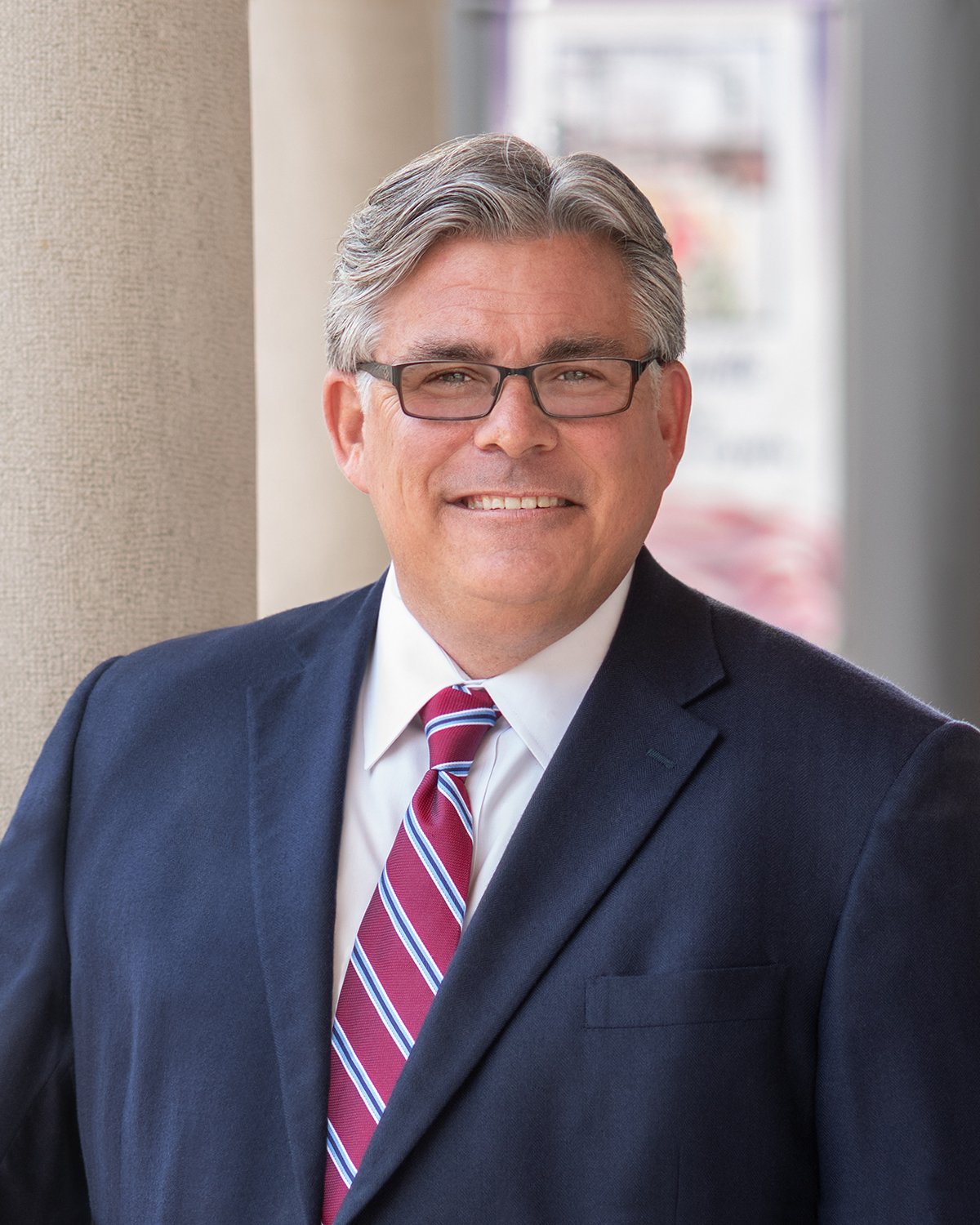
about Bill Burckart.
Bill Burckart has been a dedicated resident of Bentonville for his entire life, with the last 18 years spent in the community of Ward 3, which he now seeks to represent. Bill has a deep connection to the city, having grown up and raised his own family here.
As the co-owner and operator of Burckart Construction Inc., a company founded by his father in 1953, Billhas played a pivotal role in shaping the landscape of Bentonville for over 36 years. The company, now in its third generation, has been instrumental in designing, developing, and building communities throughout the city. Currently, they are completing the GlenArbor Community and starting the Medlin Park Condominiums project, continuing a legacy of growth and development that has spanned seven decades.
Bill’s commitment to Bentonville extends beyond his business endeavors. He attended Bentonville Schools and later pursued studies in architecture and business at NWACC and the University of Arkansas. Over the years, he has earned licenses in real estate, insurance, financial planning, and construction, showcasing a versatile expertise that has served him well both in business and public service.
In 2008, Bill was elected to the Bentonville City Council, beginning a long tenure of civic involvement. His leadership roles have included serving on the Finance Committee, spearheading the Housing Task Force and the Animal Shelter Task Force, and participating in various city planning initiatives such as the Bentonville Blueprint and the Downtown Planning Committees. His influence has also been felt at the state level, where he has held positions such as President of the Arkansas Home Builders Association and the NW Arkansas Home Builders Association.
His decision to seek re-election to the Bentonville City Council is driven by a desire to continue working on critical issues such as infrastructure, financial planning, and quality of life improvements. He believes that the well-being of Bentonville’s residents depends on a strong foundation of roads, alternative transportation options, reliable water and sewer services, public safety, affordable housing, parks, and education.
For Bill, Bentonville is more than just a place to live and work—it’s a community that he has been deeply invested in for decades. His vision for the future is rooted in the values that have guided him throughout his life: a commitment to responsible growth, a dedication to public service, and a belief in the power of community to overcome challenges and thrive together. As he seeks to continue his service on the Bentonville City Council, he looks forward to working with his fellow residents to ensure a prosperous and sustainable future for the city he loves.
episode notes & references.
Walton Family Foundation Quality of Life Survey 2024
Bill Burckart Facebook Profile
Bill Burchart Facebook Campaign Page
episode transcription.
[00:00:00]
episode preview.
bill burckart.: When I grew up here one of my biggest hopes was that I could stay here. As we grew up here, everybody was able to afford a home. It's a very meek community. People took care of each other. The churches helped take care of each other. Everybody pretty well knew each other to speak of. I want the same thing for everybody that's here now. I want the same thing for my children, that it, I would love them to be able to afford to rent, afford to buy, without assistance. I want to make sure that Bentonville remains a community for everybody.
episode intro.
[00:01:00]
mike.: You're listening to the Underview, an exploration in the shaping of our place.
My name is Mike Rusch and we're back with our series of bonus episodes related to the upcoming city and state elections. Throughout the course of all of these conversations of the underview, we've had an opportunity to dig deep in what is the state of Northwest Arkansas? What are its opportunities and what are its challenges? And now we enter a season of deciding who will lead our community. We have the incredible privilege of deciding together who will be elected and asked to meet our community's challenges and take advantage of its opportunities. And as you've seen, this decision of who our elected leaders are, It really matters.
So the episode ahead is an opportunity to hear directly from one of the candidates seeking public office to hear his beliefs and values and why he thinks that he should be entrusted with one of our most [00:02:00] sacred responsibilities. And that's the responsibility of representing our community in the public square
So today I have the opportunity to speak with current Bentonville council member for ward 3 position 2 bill Burckart. Bill has been a resident of bentonville for his entire life. He's spent the last 18 years though in ward 3 Which he now seeks to represent again. Bill has a deep connection to the city having grown up and raised his own family here.
He is the co owner and operator of Burckart construction where he's played a pivotal role in shaping the landscape of Bentonville for over 36 years. He has been instrumental in designing, developing, and building communities throughout the city.
Bill attended Bentonville schools and later pursued studies in architecture and business at Northwest Arkansas Community College and the University of Arkansas. He holds his licenses in real estate insurance, financial planning, and construction. Bill was first elected to the Bentonville City Council in 2008. He has served on the Finance Committee. He's spearheaded the Housing Task Force and the Animal Shelter Task Force. He's participated in various city planning initiatives such as the Bentonville [00:03:00] Blueprint and the Downtown Planning Committees. He has held positions such as the president of the Arkansas Home Builders Association and the Northwest Arkansas Home Builders Association
Councilmember Burckart's complete biography is available on the episode webpage and I'd encourage you to read that in totality.
format change.
mike.: Now before we jump into the episode, I want to express my gratitude for all the kind words and feedback regarding this bonus series of conversations about our local elections. It seems to be meeting a real need and my hope is that it helps us make informed collective decisions about who we will elect to lead our community as we face the challenges ahead.
This will be our last bonus episode focused on the 2024 elections. I've worked really hard to secure interviews with every candidate running for Bentonville City Council. However, I regret to share that Sara Folkins, who is running against Council Member Burckart, has declined to participate.
Originally, she and I had talked, and she agreed to sit for an interview on the same day as Councilmember Burckart's interview. However, on that day, Sara said she was not available, not [00:04:00] able to reschedule, and that she would now need to decline the invitation for the interview. I asked for clarification on her decision, but was only told that her campaign manager had prioritized other activities for her.
Look, I don't want to presume that anyone is obligated to sit for an interview with me. I am always humbled when someone says yes to share a table for a conversation. I readily acknowledge that my place in all of this is small.
The original intent though was to publish interviews only if both candidates agreed to participate. However council member Burckart's interview had already been completed before I learned that ms. Folkins now would not participate. I did consult with civil trusted and hopefully objective individuals about whether or not to publish council member Burckart's interview without ms Folkins participation.
They all unanimously agreed that it was appropriate to proceed with publishing Council Member Burckart's interview, given the circumstances, And that council member Burckart is still a sitting member of the bentonville city council And his thoughts are relevant regardless of the re election campaign.
If you've been following our previous episodes one [00:05:00] thing is abundantly clear The road ahead will be challenging to say the least. The leaders We choose in every elected position play a significant role in the shaping of our community. My hope with all of the underview conversations is to create a space where our guests can engage in meaningful value based discussions about our collective future this series is rooted in the belief that there is just too much at stake to remain uninformed about the values guiding our elected leaders decisions on our behalf.
One of the historic challenges with City Council elections is that there have been no forums to hear from our candidates, to understand their goals, their vision, or their motivations for running. Every City Council candidate that I've talked to has also reiterated this point. They've been excited to have a place to share their stories and their reasons in asking you to vote for them. This transparency is crucial for the future of our city, and I've been so thankful for time with each candidate. I can confidently say that everyone that I've had a chance to sit with, they're good people running for office who want to do the best for our city, even if they disagree about [00:06:00] exactly how to achieve that. They, like myself, believe we have more in common than we give ourselves credit for.
I will keep the door open for Ms. Folkins, should she reconsider. I realize that that would give her an advantage on hearing Councilmember Burckart's interview first, and Councilmember Burckart is aware of that possibility, and he emphasized that it's more important for everyone to hear from both candidates regardless of whether Ms. Folkins listens to his interview first or not.
I truly believe that these city council conversations are critical because their collective roles as a city council are just as important as that of the mayor.
Alright, it's a lot to cover today, but I want to remind you that this is an exploration of how we shape our community. It seeks to foster a collective understanding about our beliefs for ourselves and our place, something that I've referred to as our "communal theology of place," which serves as the foundation for building a shared and hopeful future.
Let's get started. My conversation with council member Burkhardt is rich. And so I hope you enjoy it.
episode interview.
mike rusch.: Bill, good morning. It's great [00:07:00] to share a table with you. Thanks for being here.
Thanks for accepting the invitation to sit and have a conversation with me about the state of Bentonville.
bill burckart.: Good morning, Mike, and I appreciate you having me here. I look forward to our conversation.
mike rusch.: Let's start with your background. I'd love to understand what would you want people to know about you as you seek election or reelection to the city council?
bill burckart.: No, thank you, Mike. I think the key is my family. I've been married for 30 years. I have two children, and I have two grandchildren. Most important thing in my life, I am Christian based in all of my philosophies. I have worked here and grown up here my entire adult life. I grew up here as a child, and my kids went to school here, and hopefully my grandkids will as well.
I come from a background of business, finance. I've been I own my own company now for 38 years. I worked with my father before that. Prior to that I was in finance with Dean Witter. And [00:08:00] prior to that I was selling lots for Cooper and when I got out of school. So I spent my entire life trying to make payroll, make good jobs. Trying to get through all the recessions, all of the booms and the bust. And make sure that we provide good jobs and employment and it's all been here in Bentonville, all the communities that we've developed, all of the jobs that we've provided and created. It's all been about the family. It's been about the traditions that I grew up in and still have.
It's all about my father's legacy, my legacy, my children's legacy, and Bentonville's legacy. It all really comes down to my entire life has been involved around Bentonville and how to make it successful, not just for our own family, but for others.
mike rusch.: Obviously you've been serving the city for so long. And as we look at Really the environment that we're in today you have a very long view of what has happened in the city. And I'd love to understand how would you characterize where we are today as a city in [00:09:00] this kind of cultural moment, as we look ahead for the next four years?
bill burckart.: I take, I appreciate you thinking I take a longer term view. I actually look longer, a little longer than four years, but I'll give you my perspective as it exists. We are a very fortunate community that's thriving and growing, and it's due to everybody, not just the individuals that live here, the companies, the non profits, the corporations.
We've all come together to create something here that is so unusual, and to be able to have the lifestyle and the quality of life while we're doing this is something that I don't think you find very often. We have great jobs. We have some of the smartest people around from around the world here. We have people that have grown up here, contributed to all these successes.
And we have traditions and values that are brought us here where people wave and open the door for you. And people show up two days later, [00:10:00] they're comfortable. So all of this together now is Remembering the old, remembering the traditions and values, understanding why people fall in love with this place over a couple days when they get here, understanding the business needs, the citizens needs and the capital and infrastructure needs to maintain this.
The educational system the choices that we have there, this all comes together to create an environment that Is something that is unique, the quality of life that we have here. All of that together said is second to none in my opinion. Of course I'm from here and I drink a Kool Aid often, I'm sorry.
But where we stand right now is there's two paths in my mind. One is we embrace it. We focus on from the city side, we focus on our infrastructure, we focus on [00:11:00] the needs, not just today, but four years, 10 years, 30 years. We understand what's coming. We can't stick our head in the sand, but assuming that the population isn't going to be what has been suggested and we have to plan for that.
Along with that, as we get a diversity of people here. We have to embrace that diversity. We have to embrace that culture while we also recognize and keep involved those that have built such a beautiful place before everybody got here. I benefit of growing up here. So as I see people coming, what I want them to do is still feel as comfortable as I did.
When I was here, when everybody got along, everybody, it was a pretty neat community back then. And, for those that weren't here, this is a poor area. People started working at the distribution center thereafter, and it grew from there. But we all took care of each other, similar to what happened during the tornado.
And I want to see that [00:12:00] continue.
mike rusch.: Yeah. Thank you, Bill. I love your perspective as a city council member. How do you view that role on the city council in terms of the initiatives and how you work to meet the challenges and the opportunities of the city? Thank you.
bill burckart.: I look at it, not just as a family man, but as a businessman. Anything in my business, I have to plan years in advance. If I do a project, the time it actually, anybody actually hears from it, it's six, seven years before it actually moves somebody in. City's the same way. So the initiatives that we're starting now, or need to start now, are things that are, we have to have completed.
In seven, 10, 20 years, nothing that we do today. Solves it today. So I look at the initiatives that we have is to get out in front of What we know to [00:13:00] be coming The increase in jobs five to six percent increase in jobs. That's going to require all of the above infrastructure beginning with housing and so as we try to Meet our challenges, so to speak, and we'll get into that here in a little bit in the future of this conversation, but I look at it as a perspective is how can I plan for that for the citizens and how can I use my problem solving skills in my business knowledge to.
Move those challenges, move the, solve the problem, to solve the problems and to offer suggestions and offer paths to fix those challenges. And that has been my goal since I got on the council. There was things that weren't being done, so I decided to run for, against an incumbent and run for office in 08.
And since that very moment, I've been doing [00:14:00] my very best to keep us out in front and bring up the challenges that I see that are coming, whether they're on the horizon of everybody else or not.
mike rusch.: I'm curious because you've served on city council for 16 years now. How has your perspective of that role evolved over the past 16 years?
bill burckart.: Honestly, I think that since I have been involved in so long, I have such a knowledge depth of the city workings. Particularly the finance is really where I focus on, the finance and the budgets. And I have, because of that knowledge and infrastructure, sewer water, it's what I do for a living, is every, really 90 percent of what the city does, I do for a living.
And for almost 40 years now, so it brings an insight to the council and my hope is and over the years, I think I've developed a a leadership role in the council. I bring a knowledge of finance that as [00:15:00] we look at some of these challenges that we have that I can offer a different perspective than just today's whether they're listened to all the time or not.
And I can bring a, an element to the council, one as a native, one as growing up here, but also one that provides jobs and makes payroll. And see the citizens every day blue collar, white collar and everywhere in between. I think my work ethic also helps. But I see my role in the future as trying to bring my expertise as well as other stakeholders and building coalitions to solve problems.
We don't always have that and I think it's important, certainly now that we build coalitions of all stakeholders, because we're going to need our partners. We're going to get into the infrastructure here soon. But without building those partnerships and coalitions, we're not going to be able to meet our needs.
That's not saying I'm [00:16:00] concerned. It's just simply saying that all hands on deck in this particular case. And over the next, as our population expands, it's going to absolutely be necessary. And I see reason and being calm. One thing I do in my business is I, all things start to go crazy.
Somebody has to stand there and stand in the winds and the tornado and just be calm and direct traffic and say, it's okay. And it is okay. It's actually fantastic here. Yes, you hear me at the council often talk about our challenges, but that's because I'm concerned and I want to make sure that those that come after me have all the benefits that I had.
mike rusch.: So you've announced your candidacy to run for re election. I'd love to understand why.
bill burckart.: It's challenging, obviously, as long as I've been on it in the, in my services before that, and as state president of the Home Builder Association and other associations before [00:17:00] that. I've spent a lifetime of trying to help constituents.
We're not finished. A matter of fact, I would say that my experience right now is needed more than ever. We have we just started the finance committee and I'm pleased to be on that. We're working through challenges with capital improvement plans that we've not had since 16, consolidated capital improvement plans and cash flows.
And so I'm working through that with our colleagues, my colleagues and staff. This is a, not the time to quit. This is the time as hard as sometimes. I think that boy, as I just turned 40 59, I'd like to be 49. I'm sorry. You can be 49 today. I'll be 49 today. Yeah. With the grandkids and all, but I told my wife and my family and my businesses my employees that this isn't the time to [00:18:00] stop.
This is the time that I need to double down. This is the time that I need to fully engage, ask the hard questions, use my experience in finance and infrastructure to help bridge the gap of understanding to what we have now and what we're going to need. And how do I help to do that? So this election is a little bit different than the others.
I think my experience matters and my knowledge matters. My history and business matters. And this is a critical time. If we don't start some of these things now, it could have disastrous consequences for business, for citizens. infrastructure and across the board. We have a, we have an opportunity not to turn into some cities that we go to study and we need to make sure that we don't make the same mistakes.
I've studied it. I've been there. [00:19:00] I've looked at what were the good and the bad of a lot of the cities that had high growth like us. We just don't need to duplicate it. And we don't have to. We have time and we have a clean slate to speak of, whether it looks like it or not. So we have some real opportunity here.
And I think wonderful things ahead of us. And I want to be part of that and help direct that.
mike rusch.: Yeah, you, I think you've talked about this a little bit, but maybe just too overtly ask, you what is your vision for the city of Bentonville?
bill burckart.: Vision's a strong word.
My hope?
When I grew up here one of my biggest hopes was that I could stay here. For a while there, that was impossible. As we grew up here, everybody was able to afford a home. It's a very meek community. People took care of each other. The churches helped take care of each other.
Everybody pretty well knew each other to speak of. I want the same thing for everybody that's here now. I want the same thing for my children, that it, I would love them to be able to afford to rent, [00:20:00] afford to buy, without assistance. There's a lot of people that aren't able to assist their children like I can. We have to acknowledge that. There's a lot of people here that have abilities to, to help that situation.
Half don't. And first, I want to make sure that Bentonville remains a community for everybody. That's the way it was when I grew up. It didn't matter what you had or what you don't have. It was, you're a part of this, and that's all that's necessary. But we're going to make sure that there was enough going on and people did a diversity of all different businesses, all different housing But everybody could live here if they wanted to. They could find a job. Back then it wasn't the best. But that's solved. We have the best jobs in the world here if you want one.
I guess my hope for Bentonville is continue the pinnacle of business that we have here. The startups that we have here [00:21:00] creating business the entrepreneurship that we've had since I grew up here It's everybody picking up their businesses by their boots or making it on their own or working with locals to or their friends to create something new that entrepreneurial spirit I think is You Really well entrenched here and I want to see that continue. I want to see jobs continue to grow. We have great jobs here will probably continue at 5 to 6 percent of job growth rate.
I want to make sure that people can have what they want if they want the community and quality of life that we have here. That's what we're striving for. It's very important to have that. We want a diversity in cultures. We want a diversity in people. We want it, we want the what I didn't have.
We had to go places to see art. We had to go places to eat. We had to go places to really do anything. Here it is. My kids don't have to go anywhere and I can't wait for my grandchildren. They're [00:22:00] three and two and What I want is for them to have the most opportunity in this city. than anywhere in the world, because I don't want them to leave.
And I'm just going to do my very best that it stays that way, to where those that we love and the community that we love has a quality of life opportunity for everybody, and a climate that encourages investment and entrepreneurship, and keeps our values. That I hold so dear both in my Christian faith and also in the town that I was raised in.
mike rusch.: Bill, that sounds like a, yeah, it sounds like an amazing place to be.
And I'm curious your perspective in many ways and I'm probably biased in this, but it feels like Bentonville is really in a position of leadership within our region as well too.
And I'm really curious your perspective as a city council member today and going forward in your reelection campaign, how do you view Bentonville's role within the broader region of Northwest [00:23:00] Arkansas?
bill burckart.: Our role in Bentonville First goes to the citizens, but it's broader than that. We have the opportunity to be a leader, not just in what we have available or what we can offer, the pretty things that you see. We should be a leader in thought as well. We were the first to do many things, whether they've been implemented or not.
We were the housing task force that was several years ago. It was the forefront of really a city tackling something like that, and I introduced that resolution to start that. Others have taken a lot of that information and started their own sense and actually in implemented faster than we have.
Leadership isn't just coming up with an idea, though. It is implementing it, seeing it through. And so our [00:24:00] role as a leader, we need to, ideas are great. And Lord knows I probably have more than I should share with the council half the time, but We have a leadership role and an opportunity to really be a model.
And I talked to sometimes about housing and other things that we do, creating a cookbook or creating a something that's duplicatable. And so as I try to problem solve through all the different task force, and I won't go through all the different groups I've been a part of, the goal is to, is when you problem solve, that you lay out a path.
for others to follow. And so leadership also does that. It not only leads your own community and works with the coalition and stakeholders that we have available, you have to step out of the box other than what you typically have done though to accomplish that. But you also need to show a path on how you got [00:25:00] there and what your plan is in the future and I hope that anything that we do that is successful, that we can be an incubator for things that could happen across the state, or nationally.
Our IGNITE program that I was on the Genesis Committee was a similar thing, who, nobody had done that before. There's a lot of firsts in Bentonville and we need to continue that, but continue it because it's good for Bentonville, not just for the sake of firsts. Thank you. and create a pathway for those that can duplicate it and work with the state and others to see what we're doing here, understand the engine that we are at the state, because not only are we leaders in, in what we do in business, we are a major financial engine of the state.
And there are discussions that can be made. That I hope we continue that the more you feed this engine from the state level in our raw infrastructure, the [00:26:00] better off the state and this region is. And so I encourage those discussions as well to as a leader in an economic driver of the state, one of those.
That we work with the state to try to bring in more funds so that engine can continue to produce. Because right now we're lacking in infrastructure and we could use some help.
mike rusch.: All this growth comes with challenges, which, you know, all too well. And the Walton Family Foundation recently released a quality of life study identifying some of the top challenges as affordable housing, transportation, infrastructure, some of the things we're dealing with as a city, as a region. And I'd love to know, do you see those as the challenges for our city? Or are there other things that we should be focused on?
bill burckart.: There is very little that is more important than what you've just described. Every individual that wants to live in Bentonville or lives in Bentonville, it starts with shelter. [00:27:00] There isn't any other need for infrastructure unless somebody's demanding it. That means living here. Everybody needs a shelter they can afford. That's not happening right now. It's been a decade really since, since you had a broad diverse housing options that was available to everybody. As we continue to try to grow that housing stock supply demand it's simple. There's just not enough supply to handle the demand.
When you look at the needs of housing, I want to put it as simple as I can for those that are listening. We have a five or six percent growth rate in jobs. We're only hooking up a little less than three and a half percent in utilities. So that means of that job growth that we have in the city of Bentonville. Little less than half can't live here. It's pretty simple. You have five and a half, six percent growth in jobs. You're only hooking up three and a half in utilities. Where are the others going? Most of them are going to the green fields or other cities [00:28:00] surrounding us. That's not good for us. The infrastructure it takes to build the capacity in transportation, build the capacity extended of utilities that aren't existing currently, it cost us four to five times more to build that infrastructure to bring everybody in than if we could just solve our housing policy locally to where we can have more diversity of housing here.
Infrastructure. Infrastructure is woefully behind. If you look back on the public record, I have been for over a decade asking both the city council and administration while I was on the council to please implement set asides at the rate of depreciation minimum of our water, wastewater, streets and so forth. None has been put back. It's been a concern of mine. I've mentioned it even as early as last year. Why don't we put money away for sewer and water? And simple answer is we don't know how much.
I used an example. I don't know how much it's going to cost to replace my roof. But sooner or later, I'm going to have to replace [00:29:00] it and I better be saving money because it's hard to come up with it when you really need it.
We're there. We have to come up with it now. Our infrastructure demand over the next 10 years, not including 20, 30 years, 10 years is over 600 million dollars. That's not funded. That's a lot of money that we're working with now. We have a brilliant staff, we have a good finance director it's really nice to have and so we're looking at how we're going to capital stack this and how we're going to raise the funds. It's not, it's going to have to be broader than just traditional funding that you get from for a city. We're going to have to really think this one through and it's not, the longer we delay these improvements, the worse this gets.
For instance, is there a new road on the map right now? A brand new road that's not an extension? No. How are we going to handle another 100, 000 people driving into town? Back to that reference earlier, that if we continue moving 3 percent of our growth, job growth back out of town, what are we going to do? We have an influx of 40, 50, 000 [00:30:00] people a day now, wait till that's 120, 000, because we don't have any solutions, housing solutions, it's going to be impossible.
Trying to see what's under the water from the iceberg they're all good challenges to have, but what I'm trying to recognize is the rest of that iceberg. And know that it's there, and Use our forecasting skills. Use my experience, my understanding as well as staffs and the finance director and others and stakeholders expertise that they have here in town.
We have some of the most brilliant people here in town. We need to be taking advantage of their knowledge, whether it's finance, whether it's infrastructure and pull all these people together and make sure it works. But the housing and infrastructure challenge that we have in front of us, which all is about quality of life. If people can't, if all walks of life can't live here, this is just a club. We don't need a Bentonville club. We [00:31:00] need a Bentonville community for everybody. So we, whatever the answer is, when I, and I have some ideas for solutions, we best get busy. Because the, We have lagged behind on infrastructure reimbursement and maintenance and upkeep and housing as well as other things.
So long now, it's a serious situation. It's not unachievable. We can do it. It just, we have to focus on it. And it hasn't been a focus to date. It has been mine, but not in general.
mike rusch.: Let, maybe let's dig into the housing a little bit. This is your area of expertise from a professional standpoint, but given your tenure on the city council too, these issues continue to come in front of you, a balancing growth, the need for more housing, the need for affordable housing the need for neighborhood preservation.
I'm curious your perspective on within the housing conversation, how do you balance those three things, which [00:32:00] I assume should be working together, but sometimes in the decisions that are in front of you they may be a little bit more difficult sometimes to navigate through about how do we balance these things?
bill burckart.: It's a good question. It's the most difficult one that I face often. I want to get back to the housing in general. My opening discussion about making sure that there was a place for everybody. Shelter is the main thing. We won't have citizens if we don't have shelter. And we have current citizens that we have to keep and be mindful of.
When I grew up here, there were 6, 000 people, so everybody to me is a newcomer. All the growth has happened since I was a child, and so we found room for them. And while there were challenges along the way, There's not a single person that I know of that they lost property value due to anything that went around them.
It allowed their kids to live around them. It allowed their grandparents to be on a fixed income, to be able to live [00:33:00] in a home that's not expensive. When I look at the challenges that we have in housing today, that, for me, that's my driver. That's my goal is that When I hear, I went over to the high school recently and their new Ignite program, it's a poly sci and urban planning.
You know what their biggest concern was, is I'm not going to be able to live in Bentonville. I was shocked that they had said, I don't know why I'm shocked, because they're, the kids are brilliant, the curriculum's great. But it's the same thing that I hear at all different meetings. What am I going to do because I can't afford to live here?
And then I turn around and I hear businesses tell me that I can't recruit or retain because they can't afford to live here so I'm losing employees. And I have citizens at the same time. Wanting, in some cases, wanting more housing so there's affordable housing for their family and others. And then I have some that says, no whoa, my neighborhood's fine.
I don't want any change. [00:34:00] Bentonville I recently got a questionnaire that seemed to be all on my growth. There's so there's a segment of the population that doesn't want anything. And I can appreciate that a lot of them probably are similar to me that grew up here that enough's enough.
So to answer your question point blank, I look at that we need to increase the housing in Bentonville so dramatically that when we did the housing recommendations from the housing task force it looked at how can we create A higher density overall in the city collectively. That doesn't mean an apartment building needs to go next to a historic neighborhood, some have been saying.
Or we were so intrusive in our zoning that it doesn't make any sense. For instance, say for instance a neighborhood and somebody wants to Bring a high density multifamily or commercial that is not a mixed use or doesn't blend and flop it right down into what I would say a [00:35:00] transition zone.
You first have to look at what the zoning is. You first have to understand that. For me, zoning is very simple. You have a commercial nodes, you, then you expand to like a mixed use multifamily. Then you have a medium density and then you have neighborhoods. And it should blend that way. As you get closer to the commercial, your density gets higher.
And as it goes the opposite direction, your densities get less and less. How to incorporate densities into neighborhoods that it's going to be necessary, say, for instance, in your edge, your down D and twos, your edge and things like that, there are form based and other natural codes that are zonings that were recommended by the housing task force that you can see that while it's a higher density, Blending in with these neighborhoods, you don't feel it.
There is fourplex or [00:36:00] eightplex that looks like a large old box Sears kit. For some of the natural, the downtown bungalow styles. So there, there's ways that we can incorporate density. without affecting the feeling of a community. And so my hope over the next year or two or five is to show how that can be done and blended within this transition zone.
Once you get out of that transition zone, I don't really see a lot of that conversation going on. It's really those that are close to downtown as you see downtown growing out. There is some pushback along corridors and arteries, even on 12 and 102 and things like that, pushing back from that commercial areas into the neighborhoods.
That is probably to be expected. Those are the only places for the commercial areas and you're going to bring density around that. I do hope that we move to more of a nodal. What I mean by that for the [00:37:00] audience, if you can think of within about two miles or a mile and a half of any neighborhood to speak of, you have a commercial area, you have a commercial services area.
And in that is your basic necessities and some shopping. And then you'll have higher density around that and expanding from there. It does a couple things. So if we could spread out just from the square in the downtown, it would be It creates multiple economic impact areas. It creates commercial nodes for people not to have to drive downtown.
So it, it helps our transportation grid. And then within that, if you work within the housing, to where you create this zone of commercial and higher density and lower density, then your public transportation can work because you have a higher, density of population around these areas to be able to pick up and transport, whether you're picking up using that employment base or that density of citizens base to transfer to the employment base.[00:38:00]
If we can get to that point, our traffic is less congested, our neighborhoods work much better, they have services all around them, and our public transportation in this particular case example would be busing works much better. And so I'm looking forward to broadening the conversation of getting the commercial nodes set up as well as our transportation grid.
And with that, because if we can do the nodals like we did the bikes and trails, we have a bike and trailer park within a mile and a half of every community now. If we could do a similar with nodes of commercial and residential higher density, then less would have to be necessary throughout the downtown area because now you have employment bases outside of that.
And I hope I've answered your question of my thoughts on how I think these things through. But the transition is going to be a complicated subject matter. It's going to be based on every single community as we move in neighborhood by neighborhood. What I want to make sure is that the [00:39:00] city does their job.
Recently we had something that a neighbor, higher density was going into a neighborhood area. When you look at it, there wasn't any infrastructure. Now that didn't mean that the developer did anything wrong or there was any problems with drainage or anything like that. It meant, it just simply meant the neighborhood's not prepared.
The streets aren't a line. They're not wide. There's no ditches, there's no drainage. Everything's blocked. There just isn't an infrastructure outside of that particular piece of property that could handle it. We should be out in front of that. We should be making sure, and I have asked for decades to focus on sidewalks and drainage downtown every year.
And we just seem to be coming back to it, piece by piece. So I encourage us to focus in when you see somebody handicapped walking downtown and they're skipping from sidewalk to sidewalk because the city doesn't complete them. I think it's [00:40:00] ridiculous. Yes, developers pay for all their infrastructure, but if there's a piece between this job, this project, and that project that's on a major corridor, we should finish the sidewalk.
I, you see it all the time. So I think it's a multi pronged approach between the city working with the neighbors. We also have to understand that fear is a motivator. We have to do a better job, not that people don't understand what they're hearing. We have to do a better job of providing information to relieve those fears.
My entire life, every time I've done a project, I've built affordable housing most of my life. And that's all private money. It's my money. I don't get anything else. I've worked hard for that. Every time I've done a neighborhood, somebody said not in my backyard, or that this is going to bring my values down, or this is going to be horrible.
Since 1988, [00:41:00] our first little affordable subdivision, the first zero lot line in Bentonville, over on 3rd Street that was always said, and it has never been the case. We want to make sure that you bring neighborhoods in the conversation. If I was a developer, I would go in and come into the neighborhood before I go to the city and I would say, here's what I'm thinking.
I'd like your buy-in. What can I do for you to help this be more palatable for your neighborhood? Whether I had buy, ride or not. And try to get that compromise or get that buy in before it gets too far along. We also have to have a revised plan. We have a community plan that everybody bought in from 15 to 18.
We didn't adopt it till 18. It took us three years to adopt it. We had thousands of people involved in that community plan. But people aren't, some people didn't become a part of that. [00:42:00] And they don't like the vision of that. So we're doing a new one. And Bill Bentonville, and it's going to be another community plan.
We should be done soon, so I encourage everybody to be a part of that. Because what has to happen is it, We have to have predictability, we have to have predictability for investors, for business, and for the citizens. So if I could, if we could fix nothing else, we need to fix our predictability for everybody involved.
So when we finish with this plan, That everybody's had a chance to view it. We have a good, clear majority mandate that everybody's accepted this. And then put that into working documents that allows it to be predictable for not just the landowners or the homeowners, but also for the people that are investing in our community, trying to build the much needed housing that we have.
Because the last thing we need is both the citizens and the developers and the business people. Not knowing what's to come. And [00:43:00] then you're going to see complete breakdown and the lack of any development or investment. Similar to this year. We only have 184 single family starts this entire year. Now I'm going to pause for a minute to get everybody to the scope of that.
You have 6 percent job growth, you have 60, 000 people here, people moving in every day, and we have 184 permits this whole year for single family. We have zero for multi family through September. We have been flat or declining since 2015 and our housing starts. So while we've doubled in population, I would just think about this, we've doubled in population and we have produced the same or less since 2015.
Now I know people say we, we don't need any more housing, we don't need any more apartments, but think about that statement. That the population has doubled, but our production has remained the same for 10 years. That's not sustainable, no matter what [00:44:00] community you live in. And we're not just dealing with the inflation of the national level.
We have our own here, and my goal is to not just try to find ways to bring everybody together in a coalition, both neighborhoods and homeowners and builders, developers in the city, but it's to recognize real problems and to try to solve them before the housing, crisis hits. Prices and the challenges that we have are unobtainable to 60 percent of the population.
I covered a lot of ground there, so focus in, focus
mike rusch.: in for me if you would. I've got a hundred more questions for you now, but we won't have a hundred more, but yeah, maybe two questions on this housing conversation. Where's where's the disconnect in what we need to see happen and what is happening are, what do we as a, maybe a citizenship of [00:45:00] Benville, what do we not understand that's allowing that disconnect to happen? I know you mentioned the Housing Task Force, Project Arrow, maybe things that need to be implemented there is it you mentioned fear as well too. I'm just curious where you think that disconnect is and getting to where we need to be in, in housing versus maybe what we have been doing.
bill burckart.: It's hard to, it's hard to understand that. It's hard for me, I've been involved trying to get the square going again since 2098 and trying to get people living downtown to make the business successful and then dealing with affordable housing. Even when I was State President of the Home Builders Association, I had to go fight at the legislation, at the legislative floor as a witness to say we need to get the impact fees under control, at least have a law that says here's what you have to have because all the imposition of fees and cost, that has all continued, so the [00:46:00] disconnect for us is that it's a For me, it starts at the council level and our government level.
We all need to do our homework. I spend my, what I don't spend at the office and at my job. I won't go through how many hours, but then I, the amount of time that I spend working on the details of finance and understanding of different issues with the city. That's where my knowledge comes from.
The, how do you get people engaged into reading all the information and trying to understand how it's all linked together? I have found it very difficult over my decades of working with the housing and policy and legislative affairs. very much. So I try to simplify it as often as I can, not because people can't understand it, but they don't have time.
They're not, the time that we have at the city council, very few people come and listen. So when I have those conversations, more and more are coming to the task force [00:47:00] meetings or the groundworks meetings or the the Bill Bentonville meetings that have these discussions. But it really doesn't get out very often that the magnitude of the challenge that we have, you hear it on national news and different cities.
So for me,
Trying to have the conversation, no matter who's in front, get off on a political side. Decisions are hard at the council all the time. There are some decisions that we have to make that aren't popular. If we're going to, no different than a, than when I was raising my children, my decisions weren't always popular with them.
But I saw their future. I see the future, in a way from my standpoint of knowledge. And while it can be managed, It's a serious challenge. So how do I link with them? I'd say just more conversations more good data. [00:48:00] And we need to find ways to bring the citizens into the conversation more than just the Bentonville plan because they're just trying to think about their neighbor, just each area, which is fine in my yard, my, my property.
That's where it all starts. Bringing more people in and sharing all the information to where they can see, okay, now I'm past my yard, I'm past my neighborhood. Wow, this is a big problem we're going to have or having. Relating it to people that are having children that are about to reach college.
Sharing it with people, you and my age, that have parents. Mine passed. Recently it was my mother. But we all have parents that are now on fixed incomes. Where are they going to live? And it's not just an antidote. This is real. We have a broad base of our population that has no option here. Despite all our efforts, and it comes down to bringing that information, [00:49:00] getting an administration and our council member all on board, which we were at one point on the recommendations of the Housing Task Force.
But it fell short in implementation like it always does. This won't be the first time things like this have fallen through the cracks. But we have to stay steadfast in that. It is our responsibility to stay steadfast in that. And if the implementation of recommendations that were passed 100 percent by the City Council and example projects or things that are brought before this council, whether the laws have been written or not, based on the implementation, we should move forward on that if we all agreed on that.
Currently, right now, we still have only enacted one or two items out of the laundry list of arrow that we put forward. It's not enough. And to your question initially, What should we be doing? We should be showing our leadership. If everybody would show their leadership, and as they did when it was easy to [00:50:00] approve the recommendations.
And they came back with the same Being as resolute with the implementation and showed that leadership, then the citizens would see a effort by all that this is so important that we have to do something, then a, maybe they'll believe a little more or engage in the conversation to ask their particular Council member that, that maybe once was against that.
Maybe say, Hey, I heard this and y'all are all for this. It must be serious. Tell me more about it. But right now we're fractured and if you've ever tried to run a car on four out of eight engines it doesn't run very well, and you'll probably end up in the shop, and it'll cost you a lot more money than it should have if you'd just maintained it and looked ahead on your maintenance.
We're in the same boat, and it really is our job to provide more [00:51:00] facts, more information, and, using people like yourself and others that can maybe help us explain it differently. I don't know any other way to explain it other than the economics of it. I have a unique position because I've supplied housing for seniors, I've supplied housing for brand new families.
I, I see it all the time and I see those that can't afford it, can't come up with the down payments. Now you're looking at insurance through the roof and taxes through the roof. Everything that people are dealing with right now is, People are hurting right now. And when you combine that with not offering an option for their place to live, and they have to live 30 minutes out and drive into town, their cost just goes up more and more every day.
And so this is something that is so serious and such a passion of mine. I hope I can do a much better job than I've done in the past explaining the facts around the challenge that we have in front of [00:52:00] us and why it's so important. I've just not done a good enough job, I don't think to bring the data in a format that I think can as you can tell by this interview, I speak too much about it.
I need to make it more concise to, and try to bring more coalition partners in from the citizenry and not just the community leaders and nonprofits and others that they forecast this for a living or the corporations around here that forecast this for a living and realize we're tens and tens of thousands of units short just to supply what we're going to need to supply those businesses.
It's
Walmart made a critical decision to leave their corporation here and expand it. Other corporations have done the same thing. Now we have a state of the art hospital going to go in, another 3, 000 employees probably, when all the service industries and everything else, the teaching hospital, all the things that we have [00:53:00] here.
Those are all opportunities for people to have good jobs. But you gotta be able to live here. Or if you've lived here your whole life and you need a house because you're now on a fixed income, there isn't one. Or if you're just coming out and my kids are just coming out and they're struggling out of college and trying to make a living, where are they gonna live without assistance?
There isn't any. So this isn't a conversation about where it goes. It's becoming a conversation of are we going to do it and are we going to put the mechanisms in the city's policies and regulations to encourage housing or are we going to continue to impede Development and construction in the city of Bentonville, and I hope we don't.
Because it can get much worse. Look at Austin, look at the other places that didn't do anything and wanted to [00:54:00] resist what was already happening. We could just say no more growth, and we're heading that way. I shudder to think what Bentonville will look like. When we're going to pace faster than some of those other cities, and we don't do what it takes now to maintain our quality of life.
And that includes housing and infrastructure for everyone, not just for those that are now here, but don't want anybody else. And I hate to say it that way, but if I had that point of view when I grew up here, when I first got into business, That would have been horrible. Now it's our turn. For everybody that's listening, I understand traffic and everything, and I've got solutions, I think, to help that.
But the answer isn't, now that I'm here, we don't want you. That's not the answer. Because what a lot of the people that you don't want, you just need to look at your own family or your friends. Half of the people can't, so it's not just others or new [00:55:00] people. You just need to look. It's a people within ourselves and that's back to my opening statement.
My goal is to make sure it's a community as it was and that is where everybody has opportunity and housing and we're all working together in good jobs and without housing infrastructure it's just not going to happen.
mike rusch.: I realize that housing, infrastructure, transportation, they do work together, but are there things within as we think about infrastructure or transportation that we need to also consider as a part of this conversation?
bill burckart.: I think the first thing is understanding that our capital improvement plan over the next 10 years is close to 600 million. We have total combined Unrestricted unencumbered of probably and I'll be could be off here five or six million dollars. But like the streets we haven't met probably four million, three million available to spend. Of the [00:56:00] 250 million dollars in water our total utility fund probably has 20 Unencumbered.
General fund has about 30 million total. Now we need to keep a reserve of probably 25 percent of our operations. It doesn't leave a lot for the 600 million that we have to raise. And a lot of that is maintenance and repair. As you see us shift our priorities, which I hope to do soon, it's not that we're not trying to continue all the other things that we've been doing, but now it's time to take care of what you don't see the sewer, the water and roads is the biggest out there.
We only have 7 million in the road fund of which, 4 million, 3 million is encumbered. We have hundreds of millions of dollars worth of roads to do besides the bond funds. We don't have any road south of 112 to move traffic out of Rainbow Curve. [00:57:00] We need new roads and so any road that you start today you'll be lucky to have on board in 10 years.
So there are a couple things that need to be raised at the height of scrutiny right now and have much broader discussion. And funding the infrastructure and building that capital stack and making sure that we do that and plan new roads and new expansions that aren't on the books at all right now and start that immediately because you think the traffic jams are bad.
Wait till you have another 100, 000 coming in if we don't solve some of the problems.
mike rusch.: I, I know we've talked a lot about the challenges because they're real and they're front and center for most everyone as we consider what the future looks like.
But I do want to talk about the opportunities to maybe shift gears a little bit. When you look forward, what do you see as really the opportunities that we have as a city to take advantage of [00:58:00] today?
bill burckart.: I'm a half a cup, half full guy, so you can't be in my business and not be an optimist. I think for our city, the opportunity in front of us.
is endless. And I, it sounds like a funny statement, but I don't think there's anything that a person can't do if they set their mind to it and work hard in the city of Bentonville. They can make any business. They can focus on any talent or challenge, whatever they want to do. And that's exciting to me.
The entrepreneurialism that you see here in town, the startups where else in the area, where else in the country do you have such an incubator for that? You have design excellence coming from some of the large corporations and the Walmart foundation and all that they're offered to encourage the best examples that are possible for our community.
Okay. [00:59:00] The future of Bentonville, I think, is so bright that it's going to continue to bring the brightest, the smartest people to our area, which only continues to encourage that. If you're a child in high school and you want to, you're concerned about this community or you hear all this talk about the challenges, Those challenges exist because the type of community we are and it'll, they'll be solved because we are the type, we'll all come together to solve these.
We just have to focus on what exactly it is. But if I was talking like I was to the Ignite students the other day, you can do anything you want here. Unlike when I grew up. If you wanted to work here, you were working in a distribution center or a fast food or place like that. You didn't have the options you have now.
And this has all come about by a lot of hard work and a lot of people doing remarkable things. [01:00:00] Bentonville will continue to be that remarkable place. We have a quality of life that I know you recognize in biking. I do. I do a lot of hunting. I do a lot of canoeing. I do a lot of basically backwoods, which I can go 10 minutes anywhere.
I want and enjoy all of it. So I think we make sure that we have that in the future, which we're working on every day. We just saw the 8th Street Park, Gateway Park come in, and all the land that we have going to parks and trails, and we'll keep that available like I would go anywhere to see nature. But we need to make sure and the opportunities exist for anybody that wants to be a part of a company or stay home, raise their Children or homeschool their kids.
And that everybody has all the tools that they want to do by their choice. And they have a community that encourages that is acceptable to that. Yeah. And [01:01:00] that if you want to start something that's unique in this world, and you want to put down roots or build a company, you have that opportunity here, and people that can encourage you and help lead you.
That's Bentonville that I've always grown up with. Now it's just so much broader, and so many tools available that Really, we should be the beacon for so many people in so many places that says, this is what real entrepreneurialism looks like and this is what opportunity looks like. Despite challenges, there's nothing like it.
And I will certainly do everything I can do to keep that Dream alive here in Bentonville.
mike rusch.: Bill, thank you. I think one of the things that I'm curious about I know people come to city council and they expect you to solve all their problems, which would be great. I wish we had a place where we could go do that. But citizens have a responsibility as well, too, to be a part of what the city is becoming and is going to become. And I'm really curious your [01:02:00] perspective on what should the city expect of the citizens as participation and involvement into what this city is going to become?
bill burckart.: This the city collectively, if you want to call it an entity, the city itself needs to do a good job of encouraging people to participate, not when it's against something. But to help plan something. I keep referring back to the way things were and it still is. It's much engaged with people in community groups and church and other things that they solve the problems within those spaces.
They come together they work through solutions and a lot of it's helping people individually. And that, to me, that's the same way the city needs to look at building communication and building teams and [01:03:00] volunteers and efforts of getting people engaged, no different than your churches.
People ask. They go out and they say, Hey, we've got a, we've got a family in trouble. I need all these volunteers today and we're going to solve this problem. I don't think we asked like that. I think we need to if we could be as honest as we possibly could and say, Okay, I'm not looking for experts in this or that.
I'm looking for everybody to be engaged on any different level. Here's the problem. A, and I'd like to get anybody that has any knowledge base around this space to please come in and help us. I would like to see as part of the administration of the council more boards, not less. Like the finance committee, we just started that after all this time and I would like to see people on that finance committee from other sources, other businesses, other citizens that have expert, Understanding of finance sitting on that board, just like we [01:04:00] should on, we, we appoint people on the planning, but there's so many other boards that are available or make some bringing people together, going to your community partners and engaging in them, sitting in on those conversations and bringing that those facts that we need to share with people to those boards.
People are swamped right now. We're working all the time trying to cover our debt. Okay. Debts and our cost of living and kids in school. And so really people don't get engaged in the city unless there's something that shows up in their back door. How do we get them involved? We need to make it as easy and as simple as humanly possible.
So in that one hour, they may have a week that they may choose to engage in that conversation. But you're right our citizen involvement, with the exception of a few meetings, there's very little that come to the council and frankly, that information, the agendas are hard to find, you'd have to [01:05:00] know where to find them on the sheet.
We only get them on a Friday that we talk about them on a Tuesday. So there's very little engagement with the citizenry on the topics that we're meeting on every week. I'd like to broaden that to where we could have actually more time to discuss it with our constituents so we can get more input on that.
But how to get people engaged? We go where they're at. We go to the churches, we go to their communities, we go to the neighborhood meetings. And I think that we need to be ambassadors, no different than the Chamber is or other people are. We need to be ambassadors, not just making decisions, but Sharing our knowledge that we know.
There is so much information we could share during this interview, but it would go on for a day. But if we could share that individually with people that want to know about a topic, and we could go where they're at, that's what we need to do. And then also use our stakeholders and our partners here to share that information out to their circles.
And see if you, they [01:06:00] can encourage them to do the same. Daylight is best and the more daylight and the more conversations we can have, it also would maybe reduce some of the fears of the unknown, that if people really know why you're doing something and that the result of it's not going to be their worst nightmare.
Thought ever, then we can overcome some of these without it being a political discussion. Hope I've answered your question.
mike rusch.: You did. Bill, one of the things that I hear you talking about is the complexity of what it looks like to, to not only set a plan for the future, but also to implement that. And that experience is very different with a city that's, 60, 60, 5, 000 people versus 6, 000 people.
And I'm curious what you feel like is critical around the city council and the experience that is really needed to go from 60, 000 people [01:07:00] to 100, 000 people, within the next five to 10 years.
bill burckart.: It's a great question. I think now more than ever, That the experience that we would have on the council members and in the administration is critical to have a firm grasp on financial knowledge on planning, on seeing problems, building coalitions and to solve those problems and raising capital for those problems.
As much as we'd like to think that we're the small town and we're, that experience isn't necessary. I think we have to be, make sure that not just the experience of people taking care of their constituents, and that should always be the case. Citizens are first. They also need to have the knowledge base to analyze a half a billion dollar worth of infrastructure plan.
They need to make sure that our overhead [01:08:00] stays reasonable and in line with inflation and not double inflation. So managing our finances, managing just like we do you do at your household or I do in my business. Knowledge of providing jobs, knowledges of running larger financial needs, understanding planning, understanding project management, infrastructure.
As we're analyzing this and developments and all the other questions that come to City Council, We need people that can look at that, understand it, and bring a value, bring value to that conversation. I look for it a lot outside the council, because that's, I think that if I can have smarter people than me around me that's better in my business and for the city.
And so I'm hoping that as we move forward through this election and other elections, that we understand the complexity of the city and understand that, that those that are going to be making the decisions need to be able to understand that complexity have [01:09:00] some history in some form of that. Simply to be a better steward and more fiscally responsible like you would in your own family or household or business.
mike rusch.: One of the things that I ask everybody, so I'm not picking on you, and you've mentioned some of this is, and I think it's important to articulate what our fears are, because I think that gives us we put those on the table and maybe it gives us the opportunity to, yeah, to think through our challenges or those things differently.
So I, I think in the spirit of that question I'd love to know, as we think about the cities, your roles as a council member, yeah, what are your fears for this place?
bill burckart.: I would say first for me, as my own values go I'm not here to dictate anybody else's values, but I want to simply share that. I hope that we always are the town that the reason people stay. You and I have been here long enough to remember people coming here for three or four years and leaving, but now they're staying, [01:10:00] and I want to continue.
My biggest fear is that we lose the values that we hold dear and also people find so endearing. I won't go into all the accounts that I have of people coming here and after their first day, they call their husband or wife and they say, We're moving here or we're staying here and that's because the people, and so what I don't want to lose is the value that we hold in each other.
I do not want to be what I see so often in the news of that this differential between people because of class or where they come from or anything else. There's no place for that here. So I hope that people that decide to move here and those that are here, those that are here are accepting of those that have come and those that are coming by acknowledging and accepting those that are here. Don't try to make us what you, where you came from.
Basically appreciating each other, open the door for people, [01:11:00] wave at strangers, say hi to strangers. That's what I want to keep and that's also one of my biggest fears, that changes. The other fear that I have is that we do not take care of the things that we've talked about for the last 30 40 minutes. The result of that is catastrophic. And so my fear is that none of what I share gains ground or people that are warning over and over again, that this needs to take place. We can't seem to get across the finish line. The result of that will be really sheer chaos, no transportation, lack of infrastructure.
The cost of living here will be so great that my grandchildren won't be able to be here for years. That's a huge fear of mine and it's not that people don't understand. We just haven't, we haven't gone out where they are and tell them about it. The quality of life I spoke about just a second ago, but that's more than just people, place and thing.
It's also for your person. That I, [01:12:00] the faith is very important to me and that that we always know that, that faith is part of the community. Amen. We want to make sure that they always have a place at the table. Our community churches, our community outreach and all the non profits. And then lastly, I want to make sure that Bentonville, Like I mentioned before, is a place for everybody.
My biggest fear is, we've done it off and on over the last several decades. I don't want Bentonville to be just a club. I don't want it to be only if you make 200, 000 and above to be able to participate in a community that I grew up in that we didn't have anything. Literally. Some things people don't know. I was, my family was divorced and at the, there, when I was in high school, just mom and I, after my sister moved out and things were tough, but we were able to make it. My biggest fear is those that are going through challenges or choose to, to [01:13:00] a certain lifestyle, whatever it is, that this town isn't for them anymore.
And that's not who we are. I know that growth is hard. I know that it's challenging to have the roads closed here and there. I expect more of it, if we're ever going to get caught up. But my biggest fear is that we don't do those things and then People that should be part of this community are no longer part of it.
That's my biggest fear.
mike rusch.: One of the themes through all the conversations that we've had is this idea of community wholeness. I'd love your perspective when I use that term wholeness. From your point of view, what does community wholeness look like?
bill burckart.: Community wholeness to me is, it's always narrowed down for me when I was young. I don't know if you've ever heard of the I Am Third scenario. And I don't want to get off into religion too much, God, family, friends,[01:14:00]
community. Nobody deserves to be here more than anybody else. Nobody's story is less important than anybody else's. As we City leaders move through the move through these challenges of growth. We need to always remember that the more we can bring people together and the more that we can share those experiences as each individual has them.
The more people understand each other, the last thing we need here is identity politics or anything like that. I've been a conservative my whole life. As we're talking about local politics, those values I hold dear with my conservatism. Will always be the case. My understanding as a person that grew up here, where everybody took care of each other, that if you needed something, you go to your church, you go to your friends, you go to your family.
It wasn't very rarely the government, it was each [01:15:00] other. That's community wholeness. We have the people, we have the corporations, we have the non profits, we have the groups. There is an opportunity. There's so many people helping. And very few people are aware of all of the groups that are actually helping and building and putting their talents or their money toward building this community.
I'm just thrilled to be a part of it and to watch how collectively everybody's doing something that very few in this state has ever accomplished. And so I just hope it continues. And more and more of that, and I would say the good education that we have, the quality of life we have in our parks and trails the spirit of entrepreneurialism that we have here the opportunities that we have here, and the people that we have here and the generosity of them, just like during the tornado.
It wasn't the government. It was the people. That's togetherness. So [01:16:00] that's what we want to maintain. I want to guide good stewardship of the financial needs of the city. I want to guide in the decisions based on my understanding and others that are around me that maybe have more understanding, better understanding than I am.
I don't know everything. But I can promise that there's not a subject matter that I haven't dove into to the fullest extent before I make a decision. And that's just not the week. That's for the last 38 years. I've been on the council a long time, but before that, I had to make these decisions on a statewide level with the State Home Builders Association and local.
And legislatively before that, on how to do affordable housing. I don't know. I just want to use those talents and I know that the community as a whole comes together to solve these problems as it always has and I think it continuing will surprise a lot of people because the opportunities that we have if we do pull all [01:17:00] together and we make this city for everybody there's nobody that can touch us and I'm so excited about that.
That no matter who you are, what you do or how you feel keep all that identity politics away from here and let me know how I can help. And that's where I'm at.
mike rusch.: Well, Council Member Burckart , thank you for your time. It's been a pleasure to sit with you and to hear your perspective. You've been serving the city for so long and so thank you for the work that you do every day to serve the city and good luck on the reelection campaign.
Yeah, Thanks for being here and thanks for the work that you've been doing.
bill burckart.: Mike, thank you for having me. It's conversations like this and more in depth conversations that I hope everybody can have more of and I appreciate you doing what you do. Thank you very much.
mike rusch.: Thanks, Bill.
episode outro.
mike rusch.: Well thank you to Council Member Burckart for taking the time to share a table with me and for his willingness to discuss the opportunities and challenges that the city of Bentonville will [01:18:00] face over the next four years and even longer. I continue to appreciate the unique perspectives that everybody brings to the table and I believe at the core of each of these conversations people really are trying to do the right thing for our city.
I'm incredibly thankful to Bill for all the ways he's served our community and our region with his time and his resources. His work and focus have played a significant role in the shaping of our place today And those efforts will continue to influence our community for years and decades to come. I encourage you to visit bill's campaign website or facebook to learn more about his story, the issues, and initiatives that he views as necessary For the city and find some upcoming events.
And i'll close again with extending an invitation to Sara Folkins. These are the questions. This is the format, and while I realize my small place in the future of our city I do believe our city deserves the opportunity to hear from every candidate seeking public office.
And to all of those who have followed these conversations I just want to say thank you for following along with our story And I hope that these conversations can help inform and inspire your [01:19:00] decision to choose the candidate that will rise to meet the challenges ahead for our community. Don't forget early voting begins October 21st. Please go and vote. It's our highest obligation as citizens and this is our communal practice of deciding together who will be charged with our community's most sacred responsibility.
We may have some additional bonus episodes before the end of the year. However, I'm spending the majority of my time now on season two, the story of Northwest Arkansas. the conversations that I've had, the guests that I've met, the things that we're talking about. They have been incredible, and I just can't wait to share those with you. I promise it's going to be an incredible story you're going to hear.
So thanks again for following along and thank you for being the most significant part in the shaping of our place.
[01:20:00]