
the city council with Holly Hook.
Holly Hook, the current Bentonville City Council Member for Ward 4, Position 2. We discuss her last four years in office, her accomplishments, her vision for the city, and her campaign as she seeks reelection.
Bentonville City Council, Ward 4, Position 2.
ep. 38
listen.
episode notes.
the city council with Holly Hook.
Episode 38 features Holly Hook, the current Bentonville City Council Member for Ward 4, Position 2. We discuss her last four years in office, her accomplishments, her vision for the city, and her campaign as she seeks reelection.
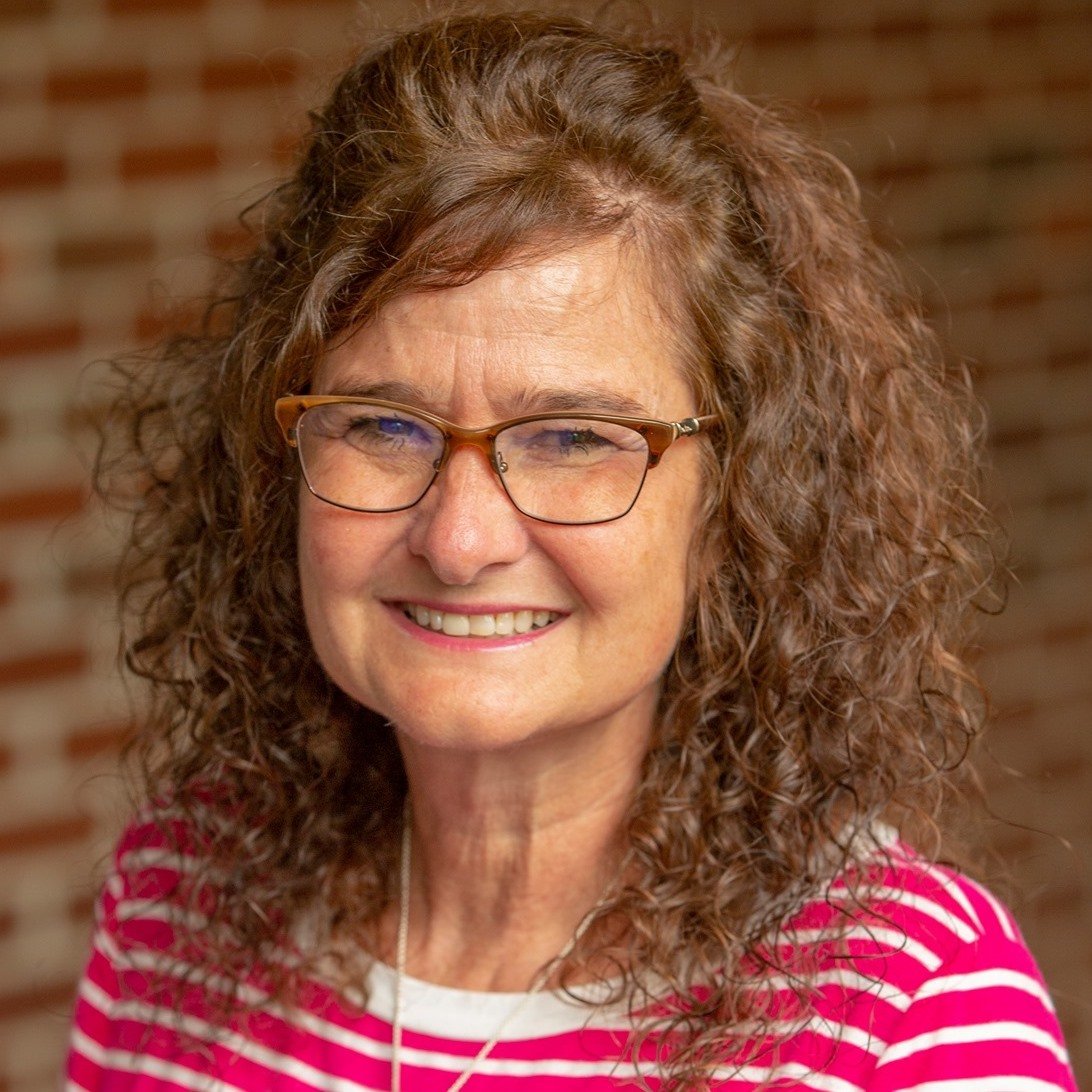
about Holly Hook.
Bentonville is my home, and I intend to serve it to the best of my abilities. I am excited to continue serving on Bentonville City Council Ward 4, Position 2. Being a resident of Bentonville for 27 years has equipped me with wisdom, experience, and passion for the city of Bentonville. From my initial participation in the Student Government Association in college to the Bentonville Parks and Recreation Board for six years, and currently the Bentonville City Council, serving my constituents energizes me.
My husband, Dr. Todd Hook, and I moved back to his hometown of Bentonville from Memphis, TN. It was there I received my Masters from the University of Memphis.
Bentonville’s small-town charm and unlimited possibilities attracted us back to the area. Todd started an optometry clinic, Hook Eye Care, and I continued my teaching career with the Bentonville Public Schools (BPS). Leaving BPS after the birth of my first son, Hunter, I became a part of the grassroot beginnings of the Amazeum. I was the first hire of the Amazeum, serving as the Capital Campaign Coordinator from 2003-2014. I also served as a business adjunct teacher for Northwest Arkansas Community College from 2005-2016. For the past 10 years I have worked as the Director of Donor Relations and Marketing at 90.9 KLRC, a contemporary Christian radio station owned by John Brown University.
My eldest son, Hunter, graduated from Bentonville High and recently from Harding University. He and his wife, Ashley, have moved back to Bentonville and now call it their home. My second son, Jacoby, joined our family in 2009 and is currently enrolled in the Bentonville Public School System.
Besides spending time with my family, you can find me serving on the Board of For the Love, serving in the ladies’ ministry at Bentonville Church of Christ, walking or riding Bentonville trails, or playing pickleball in one of our amazing Bentonville parks. Serving on the local boards of Bentonville Parks and Recreation, Loving Choices, Associated Women of Harding, and For the Love, has given me vast amount of experience in developing good stewardship skills, supporting employees, and researching governance.
With this position I continue to ensure the city grows in a sensible and sustainable manner. I also hope to use my strong communication skills to listen and represent my communities’ concerns. Overall, I intend to transparently lead, connect, and support my community.
episode notes & references.
Walton Family Foundation Quality of Life Survey 2024
episode transcription.
episode intro.
[00:00:00]
mike rusch.: You're listening to the underview, an exploration in the shaping of our place. My name is Mike Rusch and we're back with our series of bonus episodes related to the upcoming elections for city and state offices here in Northwest Arkansas.
Throughout the course of all of the conversations within the underview, we have had the opportunity to dig deep into our region's opportunities and [00:01:00] challenges. And now we enter a season of deciding who will lead our community forward.
We have the incredible privilege of deciding together who will be elected and asked to meet our community's challenges and take advantage of its opportunities. And as you've seen this decision of who are elected leaders are. It really, really matters.
So the episodes ahead are an opportunity to hear directly from those seeking public office, to hear their beliefs and their values and why they should be entrusted with one of our most sacred responsibilities. And that is the responsibility of representing our community in the public square.
So today, I have the opportunity to speak with Bentonville City Council member for Ward 4, Position 2, Holly Hook. Councilmember Hook has been a resident of Bentonville for 27 years, and she is deeply involved in the community.
She has a long history of civic participation, from her time in college student government to her current role on the Bentonville City Council. She has also served on the Bentonville Parks and Recreation Board for six years. After earning her master's degree from the University of Memphis, she and her husband, Dr.
Todd Hook, [00:02:00] returned to his hometown of Bentonville. Here her husband established Hook Eye Care, while she continued her teaching career with Bentonville Public Schools. She later left the school system to become the capital campaign coordinator for the Amazium, where she played a pivotal role in its early development.
Additionally, she worked as an adjunct business teacher at the Northwest Arkansas Community College, and is currently the Director of Donor Relations and Marketing at KLRC. A contemporary Christian radio station. Councilmember hook is also dedicated to various local causes. She serves on the board of directors for organizations such as For the Love, Loving Choices and the Association of Women of Harding. In her personal time She enjoys the Bentonville trails, playing pickleball and being active in her church and her community. Councilmember Hook's complete biography is available on the episode webpage. I would encourage you to read that in totality.
One last thing before we begin. Let me explain the format of these conversations.
First, these are the candidates who have officially filed to run for local office. Second, I only sat down with the candidates if both agreed to participate.
Both interviews were conducted within a few days of [00:03:00] each other. And I used the same basic set of questions, which were provided to both candidates in advance. Neither candidate had the opportunity to hear the other's interview before I spoke with them. These are not debates, but they are long form conversations based on the same principles of dialogue used in every conversation within the underview.
The focus is on the values being used to make decisions about representing their constituency. This is an exploration of how our place is shaped through the people who are shaping it. It's a search for a collective understanding of our beliefs about ourselves and our community. I refer to this as our "Communal Theology of Place", which serves as the foundation for building a shared and hopeful future. Alright, let's jump in. We've got a whole lot to cover today.
episode main interview.
mike.: Council Member Hook, thank you for sharing your table with me. I'm incredibly honored and humbled just to be able to sit here and share a table. Yeah. Thanks for all the work that you do on behalf of the residents of the city of Bentonville. And I'm really looking forward to our conversation and so welcome.
holly hook.: Thank you. for having me.
mike.: Of course. Let's start with your [00:04:00] story. I know you've been a Bentonville resident for a very long time. You've been serving on the city council. So I think I'd love to know from your perspective, what do you feel is important for people to know about you?
holly hook.: Okay. First off, the first time I ever heard Bentonville, the name I was in college and I lived in Memphis. A lot of people don't know this about me, but my dad was a construction worker, and Sam Walton actually came to Memphis, recruited him to come and build warehouse nine, which was in Bentonville.
As one of his projects and so my dad, which was working in Memphis, his company, they hired his company and he came and lived here in Bentonville. And so I was in college, like I said, so during the summers and weekends, my mom and I would drive over. My dad would fly home drive back to see us. It was interesting because I look back now, fast forward since 1983, [00:05:00] or sorry, 84, and here I am.
I'm actually serving in Bentonville, but it was neat. I feel like I saw Bentonville like a lot of people didn't. It was very rural, very not populated. And it was just a great opportunity. Again, I was just here. Just my dad was here temporarily for a year or so. And so I was just here as a visitor visited my dad.
But we went to church here. We stayed out at Beaver Lake, so I got to know the lakes real well. And so that was the first time I'd ever heard of Bentonville. And so fast forward when I was in Memphis. I was a school teacher. I taught and I met my husband at church in Memphis. And he was there for school and he went to Southern College of Optometry.
And I met him at church, and we started [00:06:00] dating, and he was very proud of Bentonville. And he was from here, he had graduated Bentonville High School, and he pretty much made it pretty clear to me early on in the relationship that he was going back to Bentonville. And so of course, I was in the back of my mind.
I always thought we will for a little bit and then we'll come back. And so anyway, in 1996, we got married and just as he had said we got married, went on our honeymoon. And a week later we lit up a U Haul, came to Bentonville, Arkansas. And I jokingly say I came kicking and screaming but it was more because of the people.
I laughed. And I got here, I started a teaching job. So I was a public school teacher here for five years, actually taught in Rogers one year and then Bentonville for four. And then After that I took a little bit of a break and had a baby and as stay at home moms do we get [00:07:00] these great ideas and bursts of energy and something that I noticed we didn't have here because my education background was a children's museum and so a few of us State home moms, and there was a dad or two that was really passionate about it.
Very grassroots started coming together and trying to figure out how could we build a children's museum. And so anyway, I served as vice president on that board and that literally dream actually became a reality. I was the first. I was the capital campaign manager. I was responsible for 21. 9 million that we raised to actually break ground on it.
So I did that for 10 years. And then About the time that my kids were growing out of the children's museum phase God was actually called, calling me out of that into ministry. And so I ended up [00:08:00] taking a job at John Brown University. I worked for KLRC and basically I went to help with their development program.
And just helped to grow that and so I've been there for 10 years. So I tell you all this because I feel like all of that kind of adds to my experience and has really helped me along the way. Just working at the Amazium from the very, very Humble Starts to actually working with project managers and donors and private foundations and just really, I was the glue that held it all together and brought everybody to the table to keep the project moving.
And so I felt That was something that I really cherish and I feel valuable because I was the only employee for almost 10 years. So yeah, so that's my background while I was Working at the [00:09:00] Amazium, I did have the opportunity. I always try to have some sort of involvement with my church and sometimes involvement with my community.
Once I moved off being vice president of the Amazium, I felt like I should still fill that role in community. So I applied for the parks and recreation advisory board and was selected and I actually had the opportunity to serve on that six years again. I share that because I feel like I came into city council.
With some prior knowledge that a lot of people aren't privy to just because I had that experience and really knew about the park's budget and the strategy and the work plans and things like that. A little bit more experience since. So I did that. I also at the same time served on Love and Choices, was on that board for six years.
And now I'm currently serving on For the Love board. So I [00:10:00] feel like these boards have given me an opportunity to make decisions https: otter. ai
All of those nonprofits have each grown tremendously while I was on the board. And so I feel like I've had a little bit of input in the, in those developments. So yeah, I lived in Bentonville. I'm a Bentonville resident. I've been here 27 years. My husband owns a small business. He's an optometrist.
Dr. Todd Hook has a very small business here in Bentonville. We have two children. My oldest just graduated from college and moved back to Bentonville. And then my youngest is a freshman at Bentonville High School. So that's who I am.
mike.: I love it. Thank you for sharing that. Well you've had an opportunity to serve our city over the past four years as a member of the Bentonville City [00:11:00] Council, and I'm just curious what your thoughts are about the significant things that you've seen happen as a part of the city council in the city of Bentonville over the past four years that you've been a part of.
holly hook.: Great question. When I decided to run for city council, I got all sorts of feedback. Are you crazy? That's a lot of work. They don't listen to us. It's all rubber stamped. And unfortunately, a lot of that feedback was negative. And so because of my enneagram of helpfulness, I always want to try to make a place better than I left it.
And so I wanted to help people. And so I literally, one of the first things in the four years that I've served is I have prided myself on communication. I'm the one that, before a ordinance is passed before a property zone is changed, I'm walking the [00:12:00] neighborhoods, I'm calling people, I'm listening to the planning commission videos or attending planning commission, and I'm listening for the feedback of the constituents, and I feel like that's one of the gifts I have is communication, and Basically being very proactive about meeting people and talking to them and hearing what their thoughts are and how they feel about something that's coming on the agenda.
And so I feel like have given an opportunity to people to feel like they, they are being heard and being represented.
mike.: I'm curious as we now move into a re election cycle, you've raised your hand and said that you want to run for reelection again for this position.
How do you characterize where Bentonville is today? Maybe where it was four years ago when you first stepped in this role?
holly hook.: We definitely have added a few more people. We're growing. As far as the [00:13:00] election year probably, this just hysterically, historically, Arkansas has a very low turnout on voters.
And that's sad. That makes me sad. I think one thing that I have done personally, and just like I mentioned in the prior question, is I have worked really hard. To get people involved and I feel like then from my first meeting, which is actually right after COVID. So it was a little different because some of the procedures were different.
But even after that to now more people are attending, more people are voicing their opinions. People are sending emails. I. Maybe I'm just optimistic, but I feel like people are getting involved because of some of the initiatives. They have felt like they've been a part of the change. And so with that, they're giving hope to they have been given [00:14:00] hope and that.
You do have a voice and we will listen and so I love it's always not my favorite night, but when the City Council chambers is full. I love that because that means people care and they feel Hopefully my goal is when I'm done When they leave there, they'll feel heard and seen. And I think every citizen in our community deserves that.
And that's something that I have really made that a priority.
mike.: We've got four years ahead and you've announced your candidacy to run for this position again. I'm just curious, maybe in the most basic sense, why have you chosen to run again?
holly hook.: So here we are, four years into it, and I just have to tell you, the time The energy, the effort that I have spent on trying to learn the amount of information has been strenuous I've spent a [00:15:00] lot of time just going through agendas, reading through budgets, and so I feel like I've almost been in college the last four years and I've learned so much and now I feel confident that we're not having to start all over, but that I already have a lot of this under my belt, if you will, and that I can move forward with this knowledge and experience.
And the great thing is during this time, I have made some incredible relationships. With some of the experts and the people who have experience and our staff and I have built a trust where I feel like I don't have the answers and I'm usually the first to admit it. I definitely don't know everything, but I'm in a position that I know the people who do, and I can come to them, I can ask them.
I just feel like, [00:16:00] um, as fast as we're growing and as quickly as things are happening, we need people with experience. And I definitely feel like I have learned a lot and will continue to. Canvass the neighborhoods, talk to the constituents, represent them well. Yeah.
mike.: Yeah. We're definitely in a, just an incredible time of change and growth and it feels, I can appreciate what you're saying. To me it feels overwhelming.
And so to take the time to be able to dig into all the details of what's going on is, I can only imagine the amount of work. And so I think my question, on top of that then is, as you look towards the next four years. What is your vision for the city of Bentonville as we look forward?
holly hook.: I probably should have given this disclaimer at the front, but I don't want to discount myself, but I am serving Bentonville, our community prayerfully, I'm serving it prudently and also [00:17:00] passionately. And so the views that I bring to that city council table may or may not be Holly Hook's views.
They may or very well be and will be the views of the constituents. And so when I look at vision, my vision is for Bentonville to be a place that the constituents want it to be not hollyhook, not private organizations, not a specific person, but what the constituents want. And so I always and I'm glad that I take the time to listen to them and give them opportunity to voice because I want them to be in that vision.
Those constituents are who I visualize. On top of that, I want more than anything, probably the most important is safety. I think I mentioned in my background that I actually came from Memphis, and Memphis was not safe. And I saw that [00:18:00] firsthand when I was in graduate school. I had a couple of incidents and that were very scary.
My parents, I would keep them up at night. worry in because they knew that I was out on the streets by myself. I was going, into buildings on campus at University of Memphis by myself. And so I always, any decision I make, I'm going to look at the safety factor because it's huge. And I think It's important.
Also, a vision I have is I want us to be welcoming to the people who are already here and the people who are coming here. I feel like that's important. Obviously, economically healthy. That's very important to me. Again, I can't emphasize how much I didn't realize I was learning while I was in Memphis, but I was watching and seeing.
And I saw a city that [00:19:00] grew too fast, grew too much, and ended up failing miserably economically. And so it's always going to be in the back of my mind of What works and what doesn't work.
mike.: I think as we look towards the future, I'm really curious what do you feel like some of the initiatives that we, as a city, need to together be considering or looking forward over the next four years? To take advantage of the opportunities that we have, and we'll get to the challenges in a minute.
But I want to start maybe in the positive space of, what are the opportunities ahead? What do we, what are the key initiatives that we need to be working on together as a city?
holly hook.: I cannot wait until the day that Bentonville can roll out the new master plan,
mike.: the land use plan.
holly hook.: The land use plan, yes.
Because I came in the middle of one that [00:20:00] I wasn't a part of the process. And during this process, our city staff has been so intentional about bringing the community together. I have sent hundreds of emails telling people, Hey, I need you to come to this event. I need you to voice your opinion because the best way that we can be consistent is to have a consistent land use plan and to know what that plan is.
And it is so valuable. It will help with the infrastructure because the utilities department will know, Hey, this is probably an area that's going to grow. So we need to make sure we get those wires underground or, whatever it is. And so I I cannot express the importance of it.
We're close. We're not to the finish line yet, but I do know [00:21:00] during my second term that will help make the decisions easier. The best way to disappoint somebody is not know the expectation. And so now when constituents look at the retired one or we'll say out of date, it's not matching up.
And that is so hard because I'm sure back then they all went to these meetings. I hope. I don't know. Again, I wasn't involved in that process, which is surprising to me because I was pretty involved in the community, but I don't ever remember being invited to the library or to the fire station to come say, Hey, this is what I want my neighborhood to look like, or this is where I want us to be.
So I feel like maybe we're definitely doing it better because the communication and just the awareness has been there, but also we've been so intentional and I cannot wait till that because I think that causes a lot of the [00:22:00] heartache and a lot of the disappointment. And I would say that initiative in itself, I've attended almost All the meetings even went and took notes for some constituents that couldn't make it and, gave them, showed them electronically how to get their comments on there.
So yes I think that's huge. I think. Within the next probably year or so, we're going to have to work cooperatively with our surrounding cities to create the street and trail maps for the connectivity. That's huge. I, and I think that's important. I feel like we're introducing more modes of transportation, and that's great, but do we have, and are we at a place?
where it's a reality, where it can really happen. Just this morning, I took my car to get an oil change, so I had to walk home, and, which [00:23:00] was fine, that's what I could do, I was able to. But then I realized if I pay cash, I'll get a discount, so then I had to ride my bike to the store. store to get cash.
And, I saw some things that made that a barrier, and so I know we're not there, but I know it's an initiative that we are going to be very intentional about is the connectivity, not just in Bentonville, but city Inner city. I would say northwest Arkansas, and I think that's important.
And then finally, I think we have to continue the collaborative work of all of our staff on the capital infrastructure improvements. Again, some of that. We'll come with the master plan or with the with the master plan, but also I think just continuing going in and looking at where, where are [00:24:00] deficiencies and what needs improvement.
mike.: As you explain this, all that's in my head is the challenges of growth, Right? And so I think one of the things that I've, I think continues to come back into our conversation is how do we meet the challenges of growth, but how do we really maintain Bentonville's unique character? And the things that, I've been here for a long time.
I'm biased. You have too, but how do we meet the challenges of growth and at the same time preserve the character that we all love so much about this place?
holly hook.: Yes. And that is the million dollar question. As I mentioned before, I have great relationships and I just want to voice one of my dearest friends is the mayor of Bartlett, Tennessee.
And I reached out to him and it was no surprise that they have the same issues as Bentonville, Arkansas. It's not a citywide, it's not a [00:25:00] statewide, it's a countrywide as far as growth and how we do it. I think what makes us unique Is because we do have some private funders and we have some amazing nonprofits.
I work in the nonprofit world and so I get to be a megaphone for them and I see how active and how passionate they are about. Whatever their cause is, they do it well. And so I, 27 years, I want that charm and I, but I want us to grow. And I said this when I ran the first time and I'm going to say it again.
I want us to run to grow sensibly. But sustainable and I think there's ways that we can do this. I don't know that Holly Hook has the ways, but I know the people that do. And I know that we can come [00:26:00] together collaboratively at a table and say, Hey, what does this look like? What's working, what's not, and again, bringing in those constituents because, the ones who's been here a long time, they're feeling the growing pains and they've got opinions.
And so I think, um, just we're innovative. We're smart people. We didn't get here. Like I said, my dad started working with Sam Walton in 1984. So there's people here who know we're going to grow. We just know how, we have to know how to grow and do it sensibly and sustainable.
mike.: Maybe to dig into that just a little bit, I'm curious, do you feel like there's some, like principles or values that we really, if we could all agree and center around those things, that it's like a place of safety in many ways for how we're going to grow forward.
I'm just curious, [00:27:00] What are those foundation or bedrock elements that are going to help us do or maybe overcome this challenge that we have in front of us?
holly hook.: I think it's keeping the people involved in the projects. And making sure that people understand what's happening and why it's happening and let them be a part of it.
Yeah that's tough. It's a hard and that's one thing I've learned on city council is we have a lot of hard decisions, but we all come from different expertise and backgrounds and. What keeps me up at night is that we get stagnant and we don't make [00:28:00] decisions, but I feel like that we all want to make the hard decisions.
We just want to do the next right thing.
mike.: And you mentioned too, with so many residents have been here for a long time and new people coming literally every day. Just the desire, like how, when we think about creating a neighborhood or a community where everybody that wants to live here is welcome, what are some of the ways we can think about that as a community?
How do we build what I guess you could say inclusive communities, but. Communities that allow everyone who wants to be here the opportunity to be here. How do you think about that?
holly hook.: Yeah, it's funny, I people are moving here and I laugh and I say mostly we're responsible for that because we're bringing, as I mentioned in my intro, my son just moved back to Bendville because he loved it.
Where he was raised and he wanted to come back here. And [00:29:00] and then we invite friends and family to come here because it's not a secret anymore that this is the best place to live. But I do feel like we can welcome them in. What I don't like is when people when they move here because they like it, but then they want to change it.
And I was like, okay, what drew you here? What were the things that you liked? And, they'll mention, the good schools, the parks, the trails, but then they'll mention the things that they don't like. And then they automatically want to change that. And so I think again, it's coming together with everybody having that same attitude of this is a really good place.
How can we make it where we can all get along? I always say Kumbaya like I want us all to feel welcome. I want us all to be here. I don't want a specific economic [00:30:00] class here. I want all classes here. I don't want a specific ethnic group here. I want everybody. And. But again, it goes back to intentionality of making sure we're intentional of being welcoming to the diverse types of people.
mike.: No surprise in a place that's growing at the rate that it is, there are some challenges that we're facing as a community. I think you're aware of the Walton Family Foundation. They recently released their quality of life report, and it identified some of these top challenges that I think a lot of us have been talking about for a long time, that of affordable housing, transportation and infrastructure.
And I'm curious, do you agree that those are our challenges or do you feel like there are other things that we need to be considering and focused on for the future as well?
holly hook.: I do. I, and like I say, I think that survey could have happened almost anywhere and those would have been the challenges. So [00:31:00] yes I agree.
I do think there are challenges. But funny story. When I moved to Arkansas in 1996, I made the comment and I just said, wow, there's like orange barrels everywhere. And a very wise couple that were older said, Oh, don't you know, Arkansas stores their barrels on the road. And I just laugh. And I thought so let's be fair.
That was 1996 and here we are 2024 and we're still seeing a lot of barrels, or road construction signs. Just think that's, it's not a new problem. And I feel like sometimes we try to make it a new problem, but I think it's something that's been around for a long time, and if people are patient with us.
And if they know that the project's coming and they see what the impact [00:32:00] will be after the project's done, and I'm speaking specifically about traffic I feel like that we make progress, and that's, again, when I said people need to be involved in the project, nobody likes to wake up.
Anyone in CD, that the roads closed, the city does an amazing job and you can actually get alerts of telling, Hey, this is going to be closed. This is when it's going to close. This is when it's, projected to open, and I love that. I love the communication. And yes, we do have some some very real issues.
Can't deny that. Do we work on them to the best of our ability? I want to say yes. I, and again, I have a front row seat because I'm in it every day. A city council job is not just twice a week meeting. It's literally [00:33:00] A little bit of time every day just to stay caught up and so when I see those challenges and I know what we're doing behind the scenes, it does give me hope and I do try to communicate to that to people and I think that's what's important is, Hey, this is why we're doing this.
Same thing, I talked earlier about having the, um, future plan for our utility. We need to know because when we take down, a single resident and we put up six or seven townhouses, that's a different amount of toilets flushing than that single house. And so that's going to stress and strain.
Our infrastructure, our sewer and, water. And so again, I think it's communicating and understanding and having, knowing what's coming is imperative. And none of us know, none of us have a crystal ball. But I [00:34:00] do think doing the research, the best. Predictor of the past is the future.
I mean of the future is the past and like I said, we've been growing since 1996 And I can only see in here that it's gonna be more
mike.: I do want to talk about housing just because I feel like number one. It's the biggest thing everybody talks about. You're also at the crossroads of so many of these conversations.
And so I'm really curious your perspective when you think about Bentonville and maybe Northwest Arkansas in general, but when you think about Bentonville's responsibility and our housing challenges maybe if I gave you a crystal ball like how do, how should we as residents be thinking about that?
Because obviously the land use plan is going to be something that's going to help set expectations for that and infrastructure and hopefully try to get ahead of it. But where we're at today, I'm really curious your thoughts about when we think about housing, what should be in the back of our mind or what are the solutions [00:35:00] that we as a community need to be thinking about supporting, preparing for kind of the whole gamut of it, if you will?
holly hook.: Yes. I wish that 20 years ago, we would have thought about the impact that we have caused on our city. Everybody wakes up and says, oh, we don't have anything affordable. But then I'm like we watched them tear it down, and a lot of it, specifically downtown, what we tore down was affordable, but what we built is not affordable.
And so I don't like to look in the past because you can't go back and redo, but I think we have to be aware of that. I, when people are surprised, [00:36:00] they're like, wow, I know my husband. When we first started looking for a house, we lived in an apartment. And when we first moved here he had landed a job and I had, I was going to be a teacher.
So we were basing our Our living arrangements on just my salary. So we got an apartment and it was not in Bentonville. And when we started looking at houses and we saved, we both both of us, we worked two jobs because he lived in Bentonville. He wanted to be in Bentonville. That was his passion.
And we both. Worked hard to, and I don't want to say earn our way, that it's what it was. And so when we started looking, the houses that we were looking, we're downtown and of course we're kicking ourselves now that we didn't buy them. But and so many of those, I used to go to a Bible study in what was a very affordable triplex, which was torn down to, for a very, upscale townhomes.
And first of all, [00:37:00] let me just repeat what I said. Like we have done this to ourselves. And not we, you and I personally, but, thinking past, what can we do now? So we have to be more intentional about finding housing. in the middle, that missing middle. You're probably familiar with that.
I'm sure you've done some interviews on that. I hear my son just moved back and I've heard so many times, Oh, young people, they want to be in apartments. They don't want yards. They don't want maintenance. They don't want My son doesn't want a lease. Like he wants a house with a yard. And so I think that's a little bit of a misconception because I do think people do want houses.
They just can't afford them. And so I wish that we would have built some more moderately priced houses. My husband and I we say we bought [00:38:00] in 1997 and we could never, afford to have the home that we have now, which is not a huge house. It's just, the housing market is crazy right now.
And so I, I really think that we have to work on finding Some middle ground with some affordable houses that will actually give people opportunity. What I see a lot is some of the prices of the apartments, the townhouses. It's outrageous right now. So it's not just houses are high, that rent is high, groceries are high, living.
And so I want, I want us to look at it four prong, I think that we should really work on our needs, our housing, transportation. [00:39:00] Our utilities, those things that we need to live. And I think we have to get a grasp on that as far as affordability.
mike.: I'm curious your perspective on what do you feel like the city's role is within that?
holly hook.: That's a great question. I think I just mentioned my husband and I, we worked hard to get where we were. And I do feel like. What's going to happen, because I, I often say we are lower, we are upper, lower class. That's how I define my husband and I. I, not barely getting by, but not much above that.
And so when our taxes start raising and when our costs take high, we're going to be in part of that population of not being able to have housing. And so I don't know I don't want the city to feel like that [00:40:00] has to be on them as far as making houses affordable. I do think there are some things we can do, like help with zoning and those types of things, but I want to be very careful with taking tax dollars from people who may just be living paycheck to paycheck and I don't want handing it out to sense just so they can live in Venmo.
That's where I stand and I, it was interesting when that big affordable housing project came up. I'm on the board for the love and One of, one of the team members said, Oh, but don't you want our clients to have a place to live? Because a lot of people, some of the people who come to For the Love are homeless and they don't have jobs.
And I was like, okay, I think [00:41:00] there's a huge misconception. About affordable housing and attainable housing, like it's two different things and most of your affordable housing, there's a threshold, of you have to make less than 90, 000 to be able to get money off your rent or something like that.
And so I told her, I said, look, I said if we'll call him Bill just to protect it. If Bill made 60, 000 to 80, 000, I could find him a place to live. But that's a different type of affordable housing and that's more of a mental health issue. And I did bring that up that night that I think, people have misconceptions about who's actually going to be in these affordable housing houses that are being built.
And we have some great private partners. We have some wonderful nonprofits. I love that they can come together. And be at the [00:42:00] table and help figure this out. Now the particular one that we were asked to rezone, it was interesting, not a lot was said and not a lot was published that was actually in a flood zone.
mike.: And so referring just for clarity, you're referring to the Bentonville school teacher. Yes.
holly hook.: Yes. Cause I'm a former teacher. I support teachers. I, again, I taught here, not everybody can afford to live in Bentonville when they teach. And I get that that's a road that I've traveled, but yes, specifically to that one, what I didn't want to do and what I heard from the constituents was we don't want our property to flood and one thing and I don't know, we've talked about some good initiatives.
Flooding is huge for me, huge. And so one thing that the city passed was the three foot where they have to build it up like if it's in a flood plain. They actually have to build it [00:43:00] up. When I was on city council, we had houses less than 10 years old that were flooding. And that's sad. Nobody expects when you buy a new house that it's going to flood.
And so I was so happy that we passed that because I felt again, a safety factor. We were protecting our constituents. On the other side, though, when you do have to do that, the properties around that are already established, water is going to run down. And if you know anything about Glen Valley, which I've been here long enough to know, 25 years ago, it flooded badly.
And those constituents had worked so hard and attended city council meetings, did all they could to get some drainage repairs to get that. I understood their concern, if we build this high density next to them, the water is going to go [00:44:00] somewhere and is it going to flood? There was not a picture in the paper of me and my rain boots walking that property that day when I was praying over it and, trying to get some wisdom and to get a feel for it.
I was like, wow, this is soggy. Like this is really soggy. Do I think the engineers would have done a great job on that project? Absolutely. But when they have to go into the projects around it, that's when it gets really expensive and that's when it falls on the city. And and again, that was one of those projects that I, Talk to people.
I called them. I read their emails and the constituents were who I listened to. And I think that was the night I came famous for my, it's never going to be a Hollyhook vote. It's going to be what's What I hear the constituents say. Yeah, which recently I heard from somebody. They're like but you're a leader.
You need to make those decisions. You don't have to listen to them. [00:45:00] And so I had to pause because I was like, first off, I feel like I represent them. That's why I'm here. And I feel like I need to bring their voice to the table. And secondly, calling me a leader, i, yes, I serve in a leadership position, but there are leaders all throughout Bentonville that have knowledge, experience, expertise that don't have a seat at the table.
And I go to them and ask them, and so I do I feel like in that particular case there wasn't a lot mentioned about what the constituents, and the traffic. My son just started at Bentonville High School and I had heard about the traffic. I went up and monitored the traffic.
But boy, I had no idea about the traffic until I just took a freshman to Bentonville High School, and I can't even imagine adding one more car to that area. I almost got hit twice [00:46:00] yesterday trying to get in and out. Of trying to get to a parent teacher conference. And that's the safety. Again, I always pat back on my safety.
It's a safety concern.
mike.: I'm curious, you've mentioned a couple times, just like the voice of the constituent as like this factor, right, on how you're making decisions. Obviously, you're an elected representative, and. I think it also, one of the things that came out of this Walton Family Foundation study was that when residents feel like they're talking to their local government, sometimes they don't feel like that's listened to.
I feel like I'm hearing the opposite from you, right? You're listening very well. I'm curious what does that process look like? Because if we have a real low kind of civic engagement, if you will, for whatever reason, how are you making sure, like, when you're listening to that constituency, right?
It's not just the loudest voices, but it's the most representative voices who sometimes maybe aren't at the table as well, too. I'm just, I'm curious, like as an elected representative, what is that feedback cycle and what, how does that work [00:47:00] and how are you, and I asked this just because you brought this up a couple of times and it's fascinating to me.
Like, how do you, yeah, how do you process that feedback from the citizens to make sure that it's representative and sometimes not just the loudest voices in the room? And I think this is a challenge for any city council member, obviously, but I'm curious how you process that.
holly hook.: Great question. So a couple of things, I actually do diligence.
I normally, I say this. If you live near the project and it's going to affect your day to day, I listen with two ears. If you live away from the project or, for whatever
Also I reach out to people. I don't just listen to the ones who, I was surprised. I called a few people who I knew lived in the, again, I've been here 27 years. I felt like at one time I knew the whole [00:48:00] city. I'm getting sad because we're getting so big, but I I don't know I don't necessarily feel that now, but I called people and I asked them and I was like, Hey, tell me what you think.
You haven't stated your thoughts. I'm curious because you live next door to it or you live in that neighborhood. What do you think? And so I don't rely just on the loudest. And I try and I think I said early on, I'm the one that's canvas in the neighborhoods and talking and asking and it's interesting how many people say no one has ever came to my door.
Just recently I was over at a subdivision because they had. I a project come into planning commission and I knocked and they were just like, no one's ever asked us. And I was like you can talk to, and that's something that I think citizens have a responsibility. And I think that's something we need to work on.
Like we can't. [00:49:00] Constantly be relying on us going to find out the answers, they need to let us know. And I think we've gotten better with that. The number of emails we're getting, the number of responses is it is remarkable, actually. It's time consuming. It's very time consuming.
I'm responding to everyone. That's one thing that I get. They don't necessarily like my answer, but they like the fact that I respond to them. And that. They feel at least that I listen to them, and that is hard. That is hard. And I never want wealth or status, or I don't even know what, I never want that to, to trump, just any citizen that lives in Bentonville,
mike.: I think within that vein, you're as a city council member, I know people have very high expectations of you, probably unfair of any city council member. When you think about what does it mean to be a responsible citizen? I'm hearing you talk about what it looks like for people to be engaged in the civic process of [00:50:00] being a part of local government, a part of their community.
I'm just, I'm curious what expectations would you have of the residents and citizens of Bentonville to help be a part of what the city is going to become in its future?
holly hook.: Yes. And I think our mayor does a great job of giving opportunity. You can, she has a mayor a council that you can attend and learn.
There's like I mentioned with our Parks and Recreation and also with our master planning, we had community events and you show up and you listen, come to city council. They're not, it may or may not be the most exciting thing you can do that day, but it can at least get you informed and get you involved.
And so I love having constituents coming. I was just, it was interesting. I was just having lunch with our police and fire. Today's 9 11 and I'm very it always takes me back. And so I always try to do something intentional. [00:51:00] So I went and had lunch with our fire and police and I was listening to them and it was just, it was so encouraging to hear how they engage in the community.
They have community night owls. And, the fire stations go into the schools and they meet. And so I think that responsibility to the students, to the citizens is to become involved. And, if you can attend one thing that we did this year is, this four years of city council was keeping the meetings on zoom.
It worked well in COVID, but it actually works well now because not everybody can be away from their families on Tuesday night, at six o'clock. And so now they can zoom in and I know that there are people that are willing to just watch it just to stay in contact. And so I think that's important.
I, those input meetings city events, things like that. It's important to hear and to learn and to know what [00:52:00] is going on. And, I, and again that's how I meet my constituents is I'm out in the community pretty much every day and I'm trying to have conversation with them. As we said, we're growing so quickly, I can't meet everybody.
Do I want to? Absolutely. Am I attempting? For sure. But I'm doing that to say, hey, how are you involved? What are you doing? Like I said, I was serving on Parks and Recreation Board. Why? Because my family lived at the ballparks and there were things that I wondered or I questioned or I, and so what did I do?
I applied to be on the Parks and Recreation. Crazy. But it was like, Hey, if I have an opinion. I should probably try to do something about it or if I have an idea, I should probably do it and there's always I and one thing I do and I right now I know the public [00:53:00] transportation is accepting committee members.
We've had some people who have been very adamant in their opinions on what they think about our Bus transportation. And so I sent them the application. I said, here, apply. I can't promise you'll get on there, but you won't if you don't try. And same thing there's a couple of openings right now on some other boards.
And I send those applications out to people and said, here's your chance. You have commented to me, you have made negative comments, apply for this board, come be a part of the mayor's council. And that's what I do. I'm constantly trying to plug people in to the community.
mike.: I think I appreciate the idea that obviously citizens have a responsibility. I'm curious your thoughts. Like where have you seen that work really well in our community?
holly hook.: Funny story. When I prayed about and started talking to people who I think are very [00:54:00] wise and wisdom about running for city council. I realized immediately my husband was going to be my worst constituent. Like he is constantly almost, he's not a negative person, but So my proudest moment or one of my proudest moments has been when there was some work being done.
Again, we go back to traffic on Moberly and literally within days of creating a new road, 5th Street, we realized that we were not going to be able to get out of our neighborhood. We truly were blocked in. And our neighborhood was furious. They, there were safety concerns there. We couldn't get a fire truck in.
We couldn't get a fire truck out. And I I don't know how to say this nicely. I try not to I really limit my time on social media [00:55:00] because I feel like it's a free place to vent. But it's not productive. And but people are going crazy. It was the outrage and they were mad at everybody and anything.
And so I immediately, within the next day, I was talking to some city leaders. I was like, Hey, do you realize we can't get out of our neighborhood? We are literally blocked to get. Out of the neighborhood to make a left turn was impossible and even a right. And I was like, what can we do? And so the mayor, who she's so good at, was like, let's bring him to the table.
So I canvassed the neighborhood. I had a little sheet of I made, I typed up a note that said, Hey, let's talk about this, come to a meeting. And I put the time and the date and, bring your complaints, but more importantly, bring your ways of solving it, be thinking about this. And so I taped it on everybody's door, and [00:56:00] everything.
And we literally had over 75 people show up. And during that meeting, we had the stakeholders there. I was like, I don't want this to be a gripe session. I don't want, I want to see progress. And so we had, because of course, it was the Walmart home office. So we had the Walmart people there, we had the city folks there, and we had the neighborhood there.
And when we left there that night, they, It had come to a conclusion, and granted this didn't happen overnight, but they concluded that it was a problem for safety and that we were going to work on this. And over time they actually built us a road into a, into their parking lot so that we can cut through to get to 8th street to get out of our neighborhood.
And even my husband, who again, he's my constituent. He was, I hate to wear [00:57:00] it, shocked. Because when you get to this age, not hardly anything shocks us. But he could not believe that they listened to us. They built us a road and we are able to sneak through the parking lot, go. It's not a public road.
It's literally cutting through the parking lot. And it's temporarily as. As as the buildings are being done, but it wasn't the answer. And I and our neighbor was like, I can't believe it. And I was like, it's a matter of getting the right people at the table and having calm conversations.
And that's what I do. I rarely come up with a solution. But I always come with the people and I can communicate that. And so I was, and it's worked. They did try a few things first. They put the do not block drive. And, I, I said to the police officers today, the only place in the city that people listen to that is in front of the police station and they left. They go, no, they block us into so
I [00:58:00] knew that sign was like a bandaid on cancer and I knew it wasn't going to work. And so I continued, I was super just persevered as far as we have to come up with a solution and we did. And I think that really built some trust. In those constituents, because it was like they finally felt heard.
mike.: One of the things as we talk about how our community works is that I want to normalize the things that maybe sometimes we don't talk about, which is our fears, right?
And so one of the questions that I've asked Everyone that I've had the chance to sit with is, what are your fears for this place?
holly hook.: I, being a Christian, being faith based, I don't live in fear, but I do have things that keep me up at night. And again, it goes back to wishing that I had all the answers.
Every day I start my [00:59:00] day, just help me to do the next best thing. So what I want and what I hope for Bentonville is that people We'll continue to have pride in the city and that we won't have division The beginning of the conversation, I mentioned Memphis I the only reason I go back to Memphis is for the people.
I think people are important here and I don't want what happened there to happen here with Safety concerns and just the sprawl where it's brought out so much now that, the economic detrimental that has caused. I think. For me, I am, it's, I'm not [01:00:00] fearful. I'm hopeful that we can still be the Bentonville that people like us, long timers are proud of.
And people want to be here. I, I hate for Our middle class and lower class to have to move out because I feel like that's a dynamic of a city that I would not want to see.
mike.: I think one of the things that I'm curious about, and you've mentioned this a few times in our comments here, is just the role of your faith and what you do and how you look at your role within serving our city, serving our community, serving the people that live here. I'm just curious if you can maybe help give some context. So how does this part of your life really help inform what you do in the actions and the, how you make decisions about, yeah, what happens in our city?[01:01:00]
holly hook.: Oh my faith is Very important. I make every decision, as I said at the beginning, prayerfully. I always want what's best for people. I care. I've even been told I care too much, which I don't know that's even possible because I think we're in a world right now where people need to feel loved and cared for.
And I I do. I don't compartmentalize it. It's who I am. It's what I do every day. I serve it For the Love. I instead of like when we had some flood victims, I went and bought them groceries, and I don't know, maybe city council isn't the right fit for me. Maybe I should be like the welcome wagon.
I don't know, because wanna serve on city council with compassion, and it sounds like a pretty big goal, [01:02:00] but I want to make sure that people feel loved and that they feel cared for and that I'm here for them. Not just as a political leader, but as a person who cares. And when I walk we had a fire downtown and I drove by on a Sunday afternoon and I went and I said, Hey, what can I go get for you guys?
And I think. That my purpose here in Bentonville is to help people and somehow the two intersected of being on city council and helping people. And so I It's just what I do. It's who I am. That won't change. Even if city council goes away, I'm still going to help people. I'm still going to care for people.[01:03:00]
I'm still going to find the best in people. One of the biggest compliments I had just two nights ago was somebody said, Hey, I thought it was funny that I saw the most liberal person sign in a yard. Next to yours and I just laughed and I said I take that as a compliment and they go you do and I was like yeah I said I'm not really into politics and I'm not really into parties I'm into people, and for whatever reason they wanted a side in my yard is probably because they felt like I listened they probably didn't even agree With maybe what I said, but I was able to convey it in a loving way That hopefully they took for it from it that I cared and It's just who I [01:04:00] am
mike.: I just want to say number one, I'm humbled that you would share that. I thank you for your vulnerability and thank you for your transparency. And I know people when they listen to this, they won't be able to tell, but obviously I can tell it's a very emotional conversation. And so I'm humbled that you would share that with me. And I wish people could see your face, your facial emotions as we, yeah, as we talk through this. And so thank you for that. I'm humbled that you would share.
holly hook.: Thank you. Um, I, in my job I am a behind the scenes person and so I, I'm definitely not here for the title. I'm definitely not here for the accolade, accolades 'cause there's not many. But I'm here for the people.
mike.: One of the things that I've been pursuing through all of these conversations is this idea of wholeness.
And it's been a part of all these conversations of what does community wholeness look like as we collectively come together to understand the things that we believe about our place and the things that we believe about each other. [01:05:00] And so when I say that word wholeness, I'm really curious, what does it, what to pursue or to be a part of making this community whole.
holly hook.: Just first off, when I think of wholeness, I think of unity, which I've always laugh at unity is in community. And so I feel like it's every part of it, every aspect of the wholeness of the community, whether it's Our transportation, our property, our water, everything as a whole, looking at it holistically, which, and Not fragmented, not broken, not not distracted [01:06:00] by all the things, but coming together as a community, as a whole, and then, Working together and being together.
mike.: thank you for your time, and thank you for sharing a table with me.
Councilmember Hook, thank you for Yeah, the work you do every day on behalf of serving this community in the city and been honored to sit with you and I know as we move towards an election season, there's all kinds of things to do and all kinds of people to talk to.
But yeah, thank you for sharing your story and thank you for your vulnerability and your transparency and for serving our community the way that you have.
holly hook.: Thank you. Thank you for letting me be here and allowing for me to share who I am and what I'm about.
mike.: Thank you.
episode outro.
mike rusch.: Well, thank you to Councilmember Hook for taking the time to share a table with me and for her willingness to discuss the opportunities and the challenges that the City of Bentonville will face over the next four years. I continue to truly value the unique perspectives that everyone brings to the table, [01:07:00] and I believe that at the core of every conversation, people are genuinely trying to do the right thing for our city.
I'm incredibly thankful to Holly for all of the ways that she served our community and our region with her time and her resources. Her work and focus have played a significant role in the shaping of our place today, and Those efforts will continue to influence our community for years and decades to come.
I encourage you to visit Holly's campaign website. There's a link on the episode webpage to learn more about her story, her family, the issues and the initiative she views as necessary for the city and for upcoming events.
For our next episode, I have the opportunity to speak for a candidate for Bentonville City Council, Ward 4, Position 2, Jocelyn Lampkin.
jocelyn lampkin.: my top three reasons for running. Smart growth, which affordable housing, I lump under that, but smart growth, infrastructure Improvement, and Family Oriented Initiatives. So when I'm saying smart growth and talking about affordable housing I'll just be [01:08:00] honest, the, when the city council didn't approve the zoning for the initiative to provide housing for teachers and first responders or city, City members city workers.
I was quite disappointed in that, because if we don't care enough for them to have a place to live close to our, to where they work, then what are we saying?
mike rusch.: I look forward to sharing that conversation.
I want to say thank you again for following along with our story. And I hope that these conversations can help inform and inspire decision to choose the candidate that will rise to meet the challenges ahead for our city and our community. Stay tuned. We have a whole lot more to come and I want to just say thank you again for everything that you are doing to be a part of the shaping of our place. [01:09:00]