
the city council candidate with Jocelyn Lampkin.
Jocelyn Lampkin, a candidate for Bentonville City Council Member for Ward 4, Position 2. We discuss her involvement in the City, her vision for the city, and her campaign as she seeks election.
Bentonville City Council, Ward 4, Position 2.
ep. 39
listen.
episode notes.
the city council candidate with Jocelyn Lampkin.
Episode 39 features Jocelyn Lampkin, a candidate for Bentonville City Council Member for Ward 4, Position 2. We discuss her involvement in the City, her vision for the city, and her campaign as she seeks election.
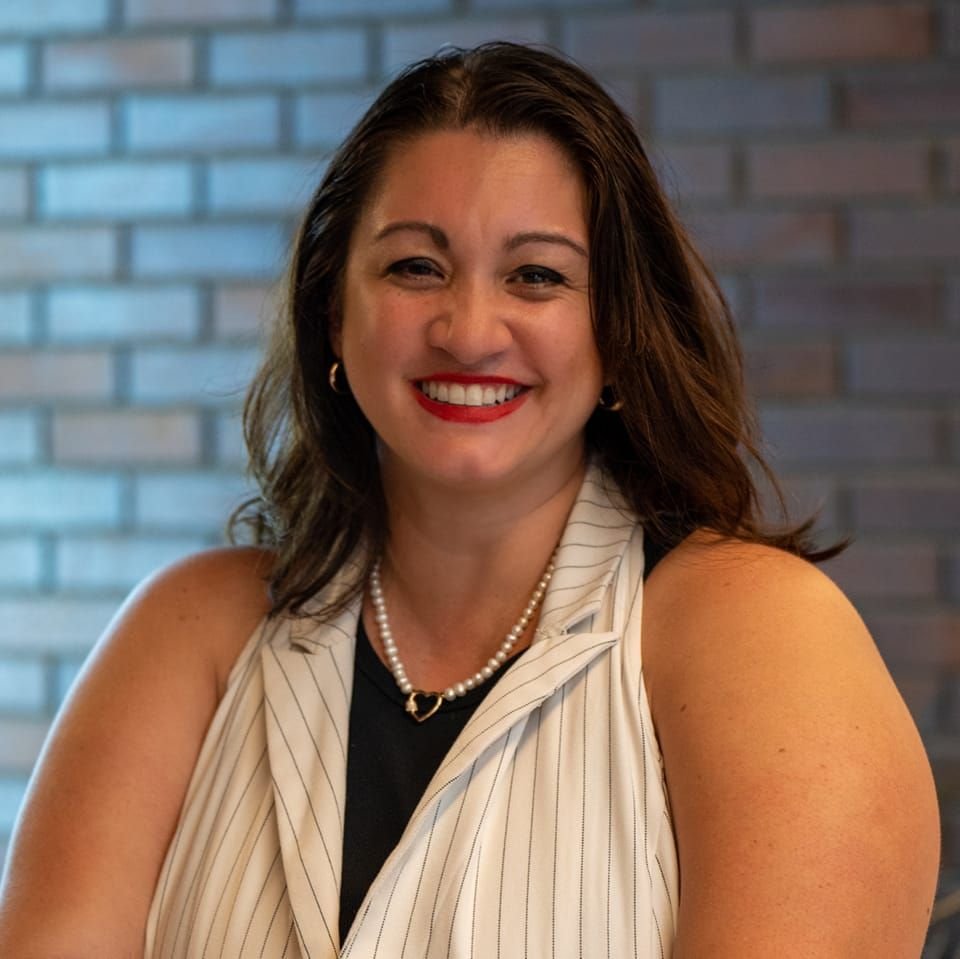
about Jocelyn Lampkin.
Jocelyn Lampkin moved to Bentonville, AR in 2017. She is a diligent military spouse. She and her husband have three boys in three public schools in the district, who are actively involved in extracurriculars ranging from mountain biking to soccer. While Jocelyn loves to support her kids in their sports, she also loves to enjoy the many events throughout the year in the city. Some of her favorites include First Fridays, Bentonville Together, and brunching on the weekends at local eateries with her friends.
Jocelyn graduated from Austin Peay State University and works at Walmart within the Ethics and Compliance division. She is familiar with policies and procedures and ensures clear communication of why they are important to associates, both nationally and globally.
When not at her corporate job, Jocelyn gives many volunteer hours to the PTOs of the schools her kids attend, scouting, NICA, and many other non-profits. She enjoys riding on the local trails and helping to promote safe travel for alternative transportation (biking).
Jocelyn completed the Community Council offered through the city in 2023. She enjoyed getting to know more about her local government and the many departments that work hard to keep our city strong and vibrant. Now, she hopes to serve her community as a City Councilwoman for Ward 4, Position 2.
Website: votejocelyn.com
episode notes & references.
Walton Family Foundation Quality of Life Survey 2024
episode transcription.
[00:00:00]
jocelyn lampkin.: my top three reasons for running smart growth, which affordable housing, I lump under that, but smart growth, infrastructure Improvement, and Family Oriented Initiatives. So when I'm saying smart growth and talking about affordable housing I'll just be honest, the, when the city council didn't approve the zoning for the initiative to provide housing for teachers and first responders or city, City members city workers.
I was quite disappointed in that, because if we don't care enough for them to have a place to live close to our, to where they work, then what are we saying?
episode intro.
[00:01:00]
mike rusch.: You're listening to the underview, an exploration in the shaping of our place. My name is Mike Rusch, and we're back with our series of bonus episodes related to the upcoming elections for city and state offices here in Northwest Arkansas.
Throughout the course of all of the conversations of The Underview, we have had the opportunity to dig deep into the region's opportunities and challenges, and now we enter a season of deciding who will lead our community forward to meet these. We have the incredible privilege of deciding together who will be elected, and asked to meet our community's challenges and take advantage of its opportunities. And you've seen, these decisions about who our elected leaders are, they matter, they matter a whole lot.
[00:02:00] So the episodes ahead are an opportunity to hear directly from those seeking public office, to hear their beliefs and their values, and why they should be entrusted with one of our most sacred responsibilities, and that's the responsibility of representing our community in the public square.
So today I have the opportunity to speak with Jocelyn Lampkin. She is a candidate for Bentonville City Council Ward 4, position 2. Jocelyn moved to Bentonville in 2017 and she and her family are actively involved in activities ranging from mountain biking to soccer. And while Jocelyn loves to support her kids in those sports, she also loves to enjoy the many events throughout the city. including First Fridays and Bentonville Together and the local restaurants with her friends.
Jocelyn graduated from Austin Peay University and works at Walmart within the Ethics and Compliance Division. Jocelyn gives many volunteer hours to the PTOs of her schools, Scouting, NICA, and many other nonprofits. She enjoys riding on the local trails and helping to promote safe travel for alternative transportation.
Jocelyn participated in the Community Council offered to the City in 2023. She [00:03:00] enjoyed getting to know more about our local government and the many departments that work hard to keep our city strong and vibrant. now she hopes to serve her community as City Council Member for Ward 4, Position 2. Jocelyn's complete biography is available on the episode webpage. I would encourage you to go read that.
One last thing before we begin, let me explain the format of these conversations. First, these are the candidates who have officially filed to run for local office. Second, I only sat down with the candidates and both agreed to do so.
Both interviews were conducted within a few days of each other. I used the same set of basic questions, and those questions were provided to both candidates in advance. Neither candidate had the opportunity to hear the other's interview before I spoke with them.
These are not debates, but they're long form conversations, and they're based off the same principles of dialogue that we have used for every conversation within the Underview series. We want to understand the values being used to make decisions to lead and shape and form our community going forward.
This is an exploration in the shaping of our place. An exploration to find a collective understanding about the things we [00:04:00] believe about ourselves and our place. It's something I call a "communal theology of place", and that serves as a foundation for building a shared and hopeful future. All right, we got a lot to cover today. Let's go ahead and jump in with Jocelyn. I hope you'll enjoy this conversation.
episode main interview.
mike.: Jocelyn, thanks for sharing a table with me.
It's great to connect. It's great to meet you. Thanks for, yeah, thanks for being willing to sit with me. I appreciate it.
jocelyn lampkin.: Absolutely. Thanks, Mike, for inviting me.
mike.: Absolutely. I know that you are running for City Council for Position 2, Ward 4. For the Bentonville City Council.
And so you've thrown your name in the hat to sit in that chair, hats off to anyone who's ever willing to do that. And I would love maybe to start with your story and who you are. And yeah, we'll get, go from there.
jocelyn lampkin.: Sure. Yes. So I came from I come from a divorced family. My parents met when they were very young in the Philippines.
So I was born in the Philippines and moved here when I was still a toddler. So my father was an Air Force airman [00:05:00] and my mother moved along with him. So they were very young when I, or I was very young when they divorced and grew up in a divorced family. We moved around a lot, so having a place to call home was different because we just moved around a lot.
But Bentonville, I've been here for 17 years, and this is home for me. This is where I'm choosing to raise my family, and this is the home my kids know. As far as my education, I went to Private schools. I was homeschooled up until the 11th grade and When I went into public schools, it was a shock to me.
Oh, I enjoyed public school very much made a lot of friends and Graduated from there. I just celebrated my 20 year high school reunion. So Just having those connections was amazing and I wanted that for my children I knew that was something I wanted for my kids and then I went on to college [00:06:00] Graduated that's also around the time when I met my husband, he moved here for a job opportunity and I followed along in 2006.
So for those who weren't here in 2006, there was barely a mall and not a whole lot to offer. Restaurants closed at 6 30 p. m., which was very different for us. But we found a community of people who also moved here for job opportunity and they were young as well. So between 2008 to 2012, I had a job with Walmart, but from 2011 to 2014, we had three kids and I made the decision and I had the privilege to work from home and, or not work from home, but Work as a homemaker raising those kids and it's, it was great to have that time with them, but I knew I had a passion to be back in the workforce.
So I was able to go back part time in 2018 and currently work in a compliance area at Walmart, and I'm loving it, thriving there. [00:07:00] So I hope to continue to do that as well as be involved in my kids lives.
mike.: Yeah, I know that's beautiful. I love hearing about your family. I, no one can see it, but I can see the glow in your face. And it's beautiful to do that, to see that.
So you've announced your candidacy for Bentonville City Council. I guess my first question is why?
jocelyn lampkin.: Why? In 2022, my husband was deployed. I decided to remodel my bathroom. Tried.
mike.: This is a different direction than I thought you'd go, but keep going.
jocelyn lampkin.: While I was trying this project, I listened to a book called "run for something." And there were several questions within the book that said, are you passionate about your community? Do you care about your neighbors?
And When I was answering yes to all of those things, it dawned on me. I, maybe this is the direction I need to go in running for something. And so 2022, I ran for a justice of the peace while I didn't [00:08:00] win. It did spark a very big passion for me in civic responsibility and just being a service member to my community, contributing back to my community.
And so this year I have the opportunity to run for city council and I jumped on it. So here I am.
mike.: That's great. I love to know, what do you feel like it's important for people to know about you as it relates to their decisions about who they vote for this role?
jocelyn lampkin.: Sure. Yeah. So one thing about me I'm an active listener.
I, I pay attention and when I'm listening, I'm absorbing what I'm hearing and whether it's relative to me or not, I want to make sure that I'm providing a community that is open and welcoming to those of every walk of life. Whether they pray like me, go to church like me, go to temple, go to mosque, whatever it is, [00:09:00] I want to make sure that we can cohesively live together in a community and thrive together.
So active listening is one of my biggest attributes, I would say, in making that space.
mike.: That's great. As you look at the environment of our city and what's going on, and we'll get into some specific challenges and opportunities there, but I'm curious how you may characterize this year's city council races and maybe what's at stake.
jocelyn lampkin.: A week and a half or a little while ago, I went to a hobnob event from Greater Bentonville Chamber and Rogers Chamber of Commerce. They hosted this event. It was the first of its kind and I didn't know what to expect. I was late, added to the agenda, but I went there. And there were a lot of politicians there and a lot of community members there, which I was actually very surprised about because I didn't see a lot of advertisement [00:10:00] outside of those who were running.
So seeing that they got the message and they made the time to come, that, that gave me hope. We haven't had good turnouts the, ever. So seeing all those people come and ask questions, not just to see if we're running a specific party, but to ask questions and see what our values are. That really gave me hope.
So I'm hopeful that we're going to have a good turnout and that people are actually paying attention as well as. Asking questions that matter to them.
mike.: That's great. And I love that you talk about the values because I think one of the things we've tried to do in this conversation is to understand those values and the values you hold and the values that would you would use in this position.
And so maybe let's start I don't, what does Bentonville mean to you?
jocelyn lampkin.: Bentonville means home. Like I said it's the one place I've lived the longest and we've brought three boys into [00:11:00] this world here in Bentonville. It's the only home they've known. It's not the only home I've known, but it's the home that I've created.
And I have a village here. I have a community here and sharing that with others. It's very important to me. And so how do I go about raising three young men, making sure that they see in my example that we shouldn't just be consumers of our community, but contributors as well. I want to make sure that it's your home.
You want to take care of it. How do you take care of it? How do you Make sure that your neighbor who worships differently than you also feels at home? So just making it an inclusive area but again it's home for me. That's what Bentonville is.
mike.: I'd love to maybe start as we think about how city council positions they really do, they shape our community in an incredible way.
The decisions that they make [00:12:00] are incredibly important, especially within this growth that we've seen here in Northwest Arkansas. I think sometimes the most basic question is what is, what's your vision for Bentonville?
jocelyn lampkin.: What is my vision for Bentonville?
Think if you ask anyone, you want to keep that small town vibe, but we love the big town amenities.
My vision for Bentonville is to grow smart. Let's think of ways that we can be innovative in our growth, but hold on to those old town feels and, our square is amazing. It's fun to go walk after lunch on a Friday with your girlfriend or maybe your spouse or your dog or whatever it is.
And. Just feel like you're not in a big city. It's nice to have that feeling. So how can we continue to grow and have those small town feelings, but also be welcoming to people who want that as well? I've been to the city events that showed how we're growing and they were [00:13:00] taking comments and building those little community pockets.
All throughout the city, not just having one main hub downtown. I think that's brilliant and a great way forward.
mike.: That's great. I'd love to know in your time here in Bentonville, like how have you been engaged? And where have you showed up in the community already working towards that vision?
jocelyn lampkin.: Let me pull up my notes here.
mike.: I'm just kidding.
jocelyn lampkin.: So while I was staying home raising children, Which is not the, it's not a job for the faint at heart. It's a very isolating job, but I made sure that I still stayed connected. So I volunteered at church a lot. And once my kids were in schools I jumped on that PTO bandwagon, but I made that a welcoming space as well.
I think PTOs get a bad rap and. We didn't want that, so I made sure to make it inclusive and it was fun. It was great. But I wanted to give others an opportunity to step forward and say [00:14:00] yes, so I stepped away and currently I help out with Boy Scouts. My oldest is in Boy Scouts, and so I'm on the board there just helping.
With the many things there, let's see, I've helped with Children's Shelter FRG, which is a family readiness group for the military, and then Best Friends Animal I love dogs, my husband does not, and I was like, I'm just gonna babysit them for a little, foster them but yes, that was fun.
mike.: One thing I may want to go back to a little bit, too, is And you mentioned, you said, how do we grow well and keep the character of our community? I'm really curious. How do we do that? That, that seems like a, it's simple to say, but what the challenge at hand is not insignificant.
So yeah. How do you dig into that a little more?
jocelyn lampkin.: I had the opportunity to be on the community council group last year with the mayor. And what I realized [00:15:00] is we have a wealth of knowledgeable people here. People running our departments for our city. People who've come from big cities. I would Maybe guess that they've taken a pay cut to, to come to our city and help it grow.
I could be wrong on that, but hearing that they've come from big cities to help our community, that was great to hear because they've helped big cities. So how can they help us in. Growing smarter and not expanding to that massive feeling, one of, one of the department heads that I talked to came from Austin, Texas, and I've heard a few times where people are saying Bentonville is a new Austin, and then others are like we don't want to be Austin.
So having someone from Austin, you can come and say, here's what I did to help with the trails and your trails are connected. Much better than Austin, Texas. That's impressive to me. If we can connect our trails [00:16:00] better than the capital of Texas, that's impressive. Using the knowledge that we have here, investing in that, and then being thoughtful as we plan these things.
People get degrees in, in areas that they like. And we should listen to them when they say, Hey, the ground is okay here. Or, Hey, maybe we shouldn't move forward with this project because of the cost or whatever it is. But, trusting in those that had been hired to do their job. I think that's very important.
mike.: I think one of the things that I see, too, that everybody sees as we continue to grow in this region is sometimes, there's people that have been here a long time. I'm, generations and then there are people who, are new to this area and that melting pot of sorts.
It can be a really beautiful thing and sometimes it can be challenging. And so I'm curious your thoughts, like how do we honor those long term residents and the character and culture that they've created? It's what has made [00:17:00] Bentonville really beautiful. And at the same time, create a place of welcome and acceptance for new people that are coming.
jocelyn lampkin.: Yeah. I was listening to the city council meeting the other night and there, there were several public comments on a rezoning and one of one of the residents mentioned I've been here for four generations and you're right. People have been here for generations. They have cattle companies that they've owned for several generations, which is amazing.
It contributes back to our community to our society. And then for those who are moving here. We, I think we're trying to make sure that it's inclusive. People may be coming here from a country where they don't typically drive cars and they need a public transportation or they need to be able to walk to the grocery store.
So having, there's been a big push for sidewalks, which I greatly appreciate and I know, the neighborhoods I [00:18:00] live in, we've seen that the positive outcome of people being able to walk to the grocery store, walk their kids to the school safely. That's great to have. Public transportation, we just recently had the buses.
I rode on it the other day and nobody was on it but me and my son. And so how do we make sure people know about it? I've told a few people and they're like, Oh, I didn't even know we had a free bus. While it doesn't have a big route now, it could if we use it. If we don't use it, we're going to lose it.
And I've talked to several young people who move to the area out of college but don't drive. And they have to take Ubers everywhere. Some people I've talked to through my work, they're like what does transportation look like there? At the time, I would say you can take an Uber or a Lyft, but now I can say, we have public transportation.
And that's such a win. But again, we have to make sure people know about it. [00:19:00] Active transportation, so biking, walking, riding a scooter, there are those. dangerous one wheel devices, which I'm sure my kids are good at, but
mike.: I don't think you could pay me enough to get on one of those. I'm
jocelyn lampkin.: not gonna try it.
I better not. But as far as active transportation, I have also biked to work and I have a direct path, which is safe. I know moves Bentonville. They are working on getting more paths and that's great. But for the drivers who don't know the rules of bicycling. We have to make those more apparent.
For instance, if you're not a biker and you see someone crossing at a red light bikers can treat a red light as a yield. And a lot of times drivers don't know that. So they think bicyclists are just taking advantage of an open opportunity. But. Making those things aware aware to our public, because if we're educated, then we can cohesively live.
mike.: That's [00:20:00] great. Yeah, one thing I'm curious about, just because I think as a community, and I hope you were not impacted by the tornadoes that happened on Memorial Day. But it to me, it becomes this event that really reveals things about our community and about our neighbors. And I'm curious as you think about that time, I'd love to know how you would characterize the city or the response or what.
And maybe if you have stories that yeah, that happened during that time,
jocelyn lampkin.: I was not impacted. Thankfully it was Labor or Memorial Day and I remember laying in bed. Let's be honest, if I hear a tornado siren, I always lay in the bed. I grew up in Kansas for a little bit and so tornado sirens have always just been a, should we check out the clouds type thing or, but it was middle of the night and the wind was so strong.
I was like, okay, maybe I should get away from the windows. My youngest who's [00:21:00] nine, he was terrified. And I remember getting a text, like texting all my friends and one of my friend's son was home alone and I was texting him to get in a shelter, get somewhere safe. And this just. started our group, our village text and making sure everyone was safe.
And one of our friends was stuck in their shelter. So they were able to get out, but we did go and help them that, that weekend, as well as other people impacted from the storm. What I saw and my son and I were out really early that morning taking, we went to Sam's Club and we grabbed several cases of water and I said, people won't have electricity.
They're going to need water and sure. We would just drive around dropping off cases of water because a people were working and it was hot. It was very hot. And they didn't have water and I didn't want people to be hurt, [00:22:00] their body to be hurt because they're trying to clear their driveway so they can get out or clear their sidewalks so people can get through the roads.
So just making sure that people had that That resource. And then We did have to cancel or move our plans. But everybody who had the same plans as we did, they were also helping. It wasn't just a hey, I'm sorry I can't come to the barbeque, but hey, we're all helping the community because the community needs us and we're all helping.
While we weren't impacted, the community is impacted. So let's give back.
mike.: One of the things that obviously has been talked about are the challenges we face as a community.
You've mentioned some of those around transportation. I think you're aware the Walton Family Foundation came up with a quality of life study identifying some of the top challenges. And they were listed as affordable housing, transportation, which you talked about, infrastructure.
And I'm curious if you agree with those or if you see other [00:23:00] needs in the community that need to be addressed as well.
jocelyn lampkin.: Yeah. So actually I didn't read that until you sent it to me. So thanks for sharing it.
My three, my top three reasons for running smart growth, which affordable housing, I lump under that, but smart growth, infrastructure Improvement, and Family Oriented Initiatives. So when I'm saying smart growth and talking about affordable housing I'll just be honest, the, when the city council didn't approve the zoning for the initiative to provide housing for teachers and first responders or city, City members city workers.
I was quite disappointed in that, because if we don't care enough for them to have a place to live close to our, to where they work, then what are we saying? Or, these are people who have taken jobs that don't pay a whole lot. And typically that's a selfless job. I [00:24:00] know I appreciate my kids teachers.
And if they live in our area, if they're able to live in our area, affordable housing for them. They're not driving 30, 45 minutes home every day after being at a school or work for 10 to 12 hours. They're coming home to Bentonville. They're putting money back into their city. And we're not just providing a street for them to drive on when they come into town because they don't live here.
But we're providing a place for them to live and feel safe. So affordable housing is, it's huge for me. And it's not just for teachers and first responders. It's for the people who service us every day. The people who work in service industries, fast food. I know that we have a lot of people who work in those because, in those services, because I see the drive throughs every day and some [00:25:00] of them spill into the road.
So how are we supporting the people who serve us every day, whether it's food or dry cleaning or all of these jobs that people serve their community. And then infrastructure improvement. When, a lot of times when you think of infrastructure, People think of roads, which yes, we must maintain our roads.
We must have access for our emergency vehicles. And we must make sure that people can also walk and bike, like I've said. But also so that's the top layer. But what about the underbelly, the sewers? Are we considering that? And are we looking at making sure as we grow, our sewers are And water lines, they're going to provide for the expected growth.
How are we going to accomplish that? So I would say that the article was, pretty spot on with what [00:26:00] I'm standing behind and running.
mike.: Within those areas, I'm curious, do you have any things that you think that the city should be doing differently as we approach some of those challenges?
jocelyn lampkin.: I, doing differently, I was able to sit in and listen to small business owners talk. It was a very intimate conversation. And, The one thing I heard was, I heard several things, but the two things that stuck out to me are when you open up a small business, you have to go through these procedures and the fire department comes out, they do their checks and they tell you what to fix.
Then someone else comes out to look and that person has different. objectives for you to complete. And so these small business owners are delaying their opening because every person that comes out is giving them something else to look at. And so how do [00:27:00] you streamline that to make this a place where people want to have a small business?
At the end of the day, a small business in this area benefits the city. Those tax dollars will come and help that, help the community. It'll bring in the people who want to Shop or take advantage of those small businesses. And then the other thing that I heard was a lot of the small group talks that the city was getting their information from was not from here.
It was from talks from other cities. From big cities, from cities that were similar in size. But why aren't we asking? Our small business owners or our community to gather in those sessions and get their comments. So I think those could be improvements and I know that the city has offered this community to give feedback on how we continue to grow.
And they gave several opportunities. Lots of people have come out to those, but continuing to have those community [00:28:00] engagements, I think that, that's crucial.
mike.: You mentioned active transportation and housing and even the infrastructure, which really, drives the first part of how all the rest of that goes right. And so the city's currently in a process for creating a new land use map, which is to set out what is going to happen in the city for this next version of the land use plan.
And I'm curious as you look at these issues. Is this process going to hopefully meet these needs or do you see issues arising within that process today that we need to step back and say, Hey, maybe we need to look at this a different way. I'm curious.
jocelyn lampkin.: When I was looking at the planned Bentonville Platts, I'm not sure what you would call them, maps?
I was encouraged with the amount of thought they went into to create these [00:29:00] Small downtowns, I would say. I mentioned it earlier, but we have a wonderful downtown. But as we continue to grow, how do we keep that small downtown feeling all throughout the city? And Plan Bentonville, I think, did a great job of saying, Hey, on the southwest side, closer to the airport, we could build that smaller community where it's not going to be called a downtown, but they can have that same feeling where there's a walkable park.
There's going to be events there. They can have food trucks so they can have that same feeling closer to home. And I honestly think that as we grow, as we expand that's going to be a great option because We're running out of parking and I know it's going to, it's going to look great. The promenade once it's done but it can't hold everybody.
So how do we spread that out? How do we make sure that everyone has that opportunity to experience it? And plan Bentonville. I think they're doing a great job of taking, also [00:30:00] taking people's comments. Cause. Maybe some people don't want that in their house. So how do you compromise? But yeah,
mike.: thank you.
That's helpful. So we talk about challenges. Those are the things that are in the news, but like beyond that, the opportunities that are ahead for us. I really love your perspective. What are the, what do you view as some of the biggest opportunities we have as a city ahead of us?
jocelyn lampkin.: All right. So I would say this is, this hits on my third point for running, which I've labeled as family oriented initiatives. And what do I mean by family oriented? Families of all kinds. Whether it's a family like mine, where it's a traditional husband and wife and kids, or a single parent with kids a grandparent raising kids, or A single person with a dog that's a family.
And so how do we continue to reach everybody, no matter what their family looks like? David Wright has done a great job [00:31:00] with, The activities and what's offered to families with kids and I love it. My kids have been in soccer we've done the things and having that was great. As I talk to younger people the next generation after mine, so as I talk to them, the one thing that I'm hearing is, yeah, Bentonville's nice, but there's nothing for me.
It's it's built for families. So we've, we are losing talent, and these young people with brilliant minds are going to cities that are offering them something that we aren't offering. How can our Bentonville Rec, Parks and Rec, offer something to this demographic? These people who don't have children, and make them feel included.
I think that's, That is one thing that I would like to help with and help focus on.
mike.: When you think about [00:32:00] opportunities I'm going to ask you one more follow up on that. Yeah, when you think about opportunities within that, I think you're talking about quality of life issues, which are great. I'm also curious what do you view as opportunities economically for our city as well, too?
Thank you.
jocelyn lampkin.: Oh. Opportunities for us economically. I want to say that we're doing a great job at being sustainable, and maybe this is a different route, but I have a big passion for being sustainable, and I'm excited to be a part of this. I don't know if you've ever paid for jerseys for our kids and, or for kids through Parks and Rec, but every year we pay for new jerseys.
And so economically, I'm like, while I know that our fees are covering this, could there be a better way to maybe recycle these? One, it takes [00:33:00] clothes out of our landfill that parents only use once, one season. Two, it's it brings down the cost of those services. We could be allocating the money for something else.
Maybe growing the parks. So that, that could be something. Personally that I think of and then
I know that there is A great website for small business owners But again, not many people know about it unless you're a small business owner. So educating the public I think that's huge a huge On our part as stewards for the community Educating each other.
mike.: I love your views within that about, how does Bentonville support, obviously the business leaders that are here, the existing businesses, even more new businesses.
Like what kind of environment are we setting as a city in order to [00:34:00] grow our economic opportunities? We have to increase our tax base to increase the about. That we can invest into the city for meeting its growth challenges.
jocelyn lampkin.: What are we offering?
mike.: Oh meaning what are your views? What can we do?
What should we be doing?
jocelyn lampkin.: I think this goes back to affordable housing, honestly. Can't afford to live where you work, you're going to go somewhere else. You're going to go home to another city. And maybe you'll buy food there. Maybe you'll buy your groceries there. Maybe you'll, I'm not sure participate in the activities in that town.
Our city's losing that money. Our city's losing that money and then we are, we're providing roads as they come in. But our infrastructure is not ready for it. We have to build those roads with the dollars that are being spent somewhere else. And we need to make sure that people can afford to live close to where they work.
And if you're a small business owner, you get a [00:35:00] call that your business is flooded and you have to drive an hour or whatever it is. I might be exaggerating, but you have to drive a long distance to get to your small business because you don't live. Within 10 minutes of it. And that's unfortunate.
We got to make sure that we're taking care of our small business owners in affordable housing, but also, as I mentioned earlier, making the process to start their small business. Quickly, if they can't start early they're losing money. Honestly, while I'm not a small business owner, I've gone through the steps to.
Possibly become one. And a lot goes into that. A lot goes into planning your business, making sure that you have the funds to get it up and running and then get it started. And if you're not meeting the codes for one person but you meet it for the next person or not meeting it and continuing to wait, they're wasting, you're wasting their money.
And we're also wasting our money [00:36:00] because we're not benefiting from them being closed.
mike.: Bentonville, we're the home of Walmart. And because of that we attract people from all over the world. Yes. To work and live and raise families. I would love to know as people, as you think about people coming to our city and being a part of this community, what do you want them to experience?
What do you want them to take away from this place? What do you want them to go tell the rest of the world about who we are?
jocelyn lampkin.: Secretly, I don't want them to know. No, I'm kidding. I. I love my community. Just on my street alone I think we have people from five different countries, the kid, the school, my kids go to, they have nine different houses that kids are sorted into.
And each house is named after the characteristics and each characteristic is named as. in a language spoken by the nine different languages we have at the school. I think that's wonderful. [00:37:00] They've created an environment where if you speak a different language, if you've grown up speaking a different language, then you're still included and you could be sorted into your house or the house where your native language is, or you could be sorted into another house where they teach you.
That, that word and that meaning, and that's, that is elementary school. How we're transitioning that to our community. My kids and I, we love let me rephrase this. I love to go to First Friday. I love to go to community events. My kids used to love to go with me, but I think they're entering that, that teen stage where they have better things to do than hang out with me.
mike.: Hang in there though, Mom.
jocelyn lampkin.: They'll come back. They always come around when they need money, but here we are. But going to those events I've been to the, when the [00:38:00] Muslim mosque is open, I think it's called the mosque. Yes. It's open. They open it to the community and learning about. their religion, their beliefs.
That helps you to understand your neighbors. Continuing that, that understanding. So when I think of people coming here, I revert back to my mother coming to the USA when she was 19 years old. She didn't know the language, but she cared enough to learn. And, We should care enough to learn how to say our neighbor's name right and how to greet them.
Maybe just a hand wave. Maybe my neighbor across the street, I might say As Salaam Alaikum because that's their common greeting. And I want to make sure that they feel welcome because in the end, if we can live together cohesively, it just makes us stronger.
mike.: I think one of the things of city council members is that citizens have a lot of responsibility. They ask a lot, right? They assume that you're going to come and fix all their problems for them, right? And while that would be [00:39:00] wonderful, we also know that citizens have responsibility.
Totally.
And so I'm curious if you were elected to city council, what would you expect of the citizens of Bentonville?
jocelyn lampkin.: Yeah. So I would expect questions. Like I said, I'm an active listener and I think it's important for people to ask questions, whether you know the answer or not. No question is a dumb question. And that just helps you be more educated. The other thing is. Be involved, come to city council meetings or listen to them.
Often times I'm listening on my phone or from a computer at my house. So I can feed my kids and make sure they get to bed on time. But just be involved in that way. A lot of times. Complaints are really easy. Praise is not. And so just, if you see, if you, if there's something happening that you like, make sure the city council knows.
If you see something you don't like, absolutely [00:40:00] make it known, but ask. Hey, what are we doing to change this? Or what's the reason behind allowing this or not allowing this? So again, asking those questions.
mike.: When I think about being a citizen of our community, I think the question is what can I do as a citizen to to make the biggest impact, to support the goals of the city, support the goals of the region.
I'm curious, what do you think? What's you obviously asking questions, great. But beyond that, what can I do as a citizen to make a positive impact on our community?
jocelyn lampkin.: I'll say that probably the easiest thing is go to the web, the website, benmillar. gov. I was on there earlier just to see how many openings we have for city jobs.
And. There's a lot of information, even just on the landing page, that you can go out there and search for yourself. You don't even have to ask anybody. It's right there at your fingertips. Sign up for those notifications on road closures. Sign up for the notifications that are, provided to [00:41:00] you as a resident and then be at the events that are hosted.
I know the police department just had the national night out event and what a great turnout and how fun for the community to engage with the local police officers. But if you don't take time to, to be there I always tell my kids, you prioritize what's important. And so if you're not prioritizing being at events I understand if you can't make it to all of them because we've got schedules to keep, but if you make it to some of them and you're being involved, I think that goes a long ways.
mike.: That's right. Jocelyn, one of the things that I ask everybody that I speak to is I'm curious, what are your fears for this place?
jocelyn lampkin.: So my fears are Being complacent in, Hey, somebody else will take care of that. [00:42:00] Or, I don't need to vote because my vote doesn't matter. Or, we're fine. We've gotta be involved.
We've gotta be involved in how our city's growing. We've gotta be involved in making sure our voice is heard. If you want a seat at the table, make a seat at the table. So yeah, I think complacency is probably what I'm thinking. And while I might be part of groups that are actively involved there's a whole lot of communities who maybe they don't feel invited into, to being active.
Yeah, I think that's what
mike.: I would say. One of the themes of all of the conversations we've been having is this idea of community wholeness. What does community wholeness look like? Obviously, City Council is charged with making this community as great as it can be, right? And I'm curious, as a City Council, potential City Council member what is, what would community wholeness look like to you?
jocelyn lampkin.: Community wholeness I want to say this goes back to my attribute of active listening. We, as [00:43:00] city council members, we have to listen to those who we've, we have been given the opportunity to work with at the city level and the residents of the area. And how are we listening to them? Is it going, are we listening to them based on one view?
Are we taking the time to consider, hey, this person is from a different background? And are we listening to make sure that we can compromise? on, on values, not give up values, but compromise because we have a community that people come from different countries, from different backgrounds, from different socioeconomics.
And we've got to consider a place for everybody, not just for how my family looks and lives, but how my neighbor looks and lives and making it a home for everyone.
mike.: Jocelyn, thank you for your time. I'm honored to share a table with you. Thanks for, [00:44:00] yeah, sharing your views about what your hopes are for the city and your ideas and your vision. And, yeah, thanks for sitting here and good luck come this November.
jocelyn lampkin.: Thank you so much, Mike. And one last thing. Just so that it's out there. But VoteJocelyn.Com is my website.
mike.: Awesome. Thanks Jocelyn.
jocelyn lampkin.: Thank you.
episode outro.
mike rusch.: Well, I want to say a huge thank you to Jocelyn for taking the time to share a table with me and her willingness to share her ideas about the opportunities and challenges in the city of Bentonville is facing for the next four years.
I continue to value the unique perspectives that everyone brings to the table. And I do believe that at the core of each of these conversations, people really are trying to do the right thing for the people and for our city.
I'm incredibly thankful to Jocelyn for all the ways she served our community and our region with her time and her resources. Her work has been a great part in the shaping of our place today, and those efforts will continue to shape our community for good in the years to come. I would encourage you to visit Jocelyn's website at VoteJocelyn. com to learn more about her story [00:45:00] and her family and the issues and initiatives that she sees. are needed for this city, as well as upcoming events where you can go and meet her.
Thank you again for following along with our story, and I hope these conversations can help inform and inspire your decision to choose the candidate who will rise to meet the challenges ahead for our city and our community.
Stay tuned, we'll have more bonus episodes about our upcoming city and state elections. Until then, for being an incredible part in the shaping of our place.
[00:46:00]