
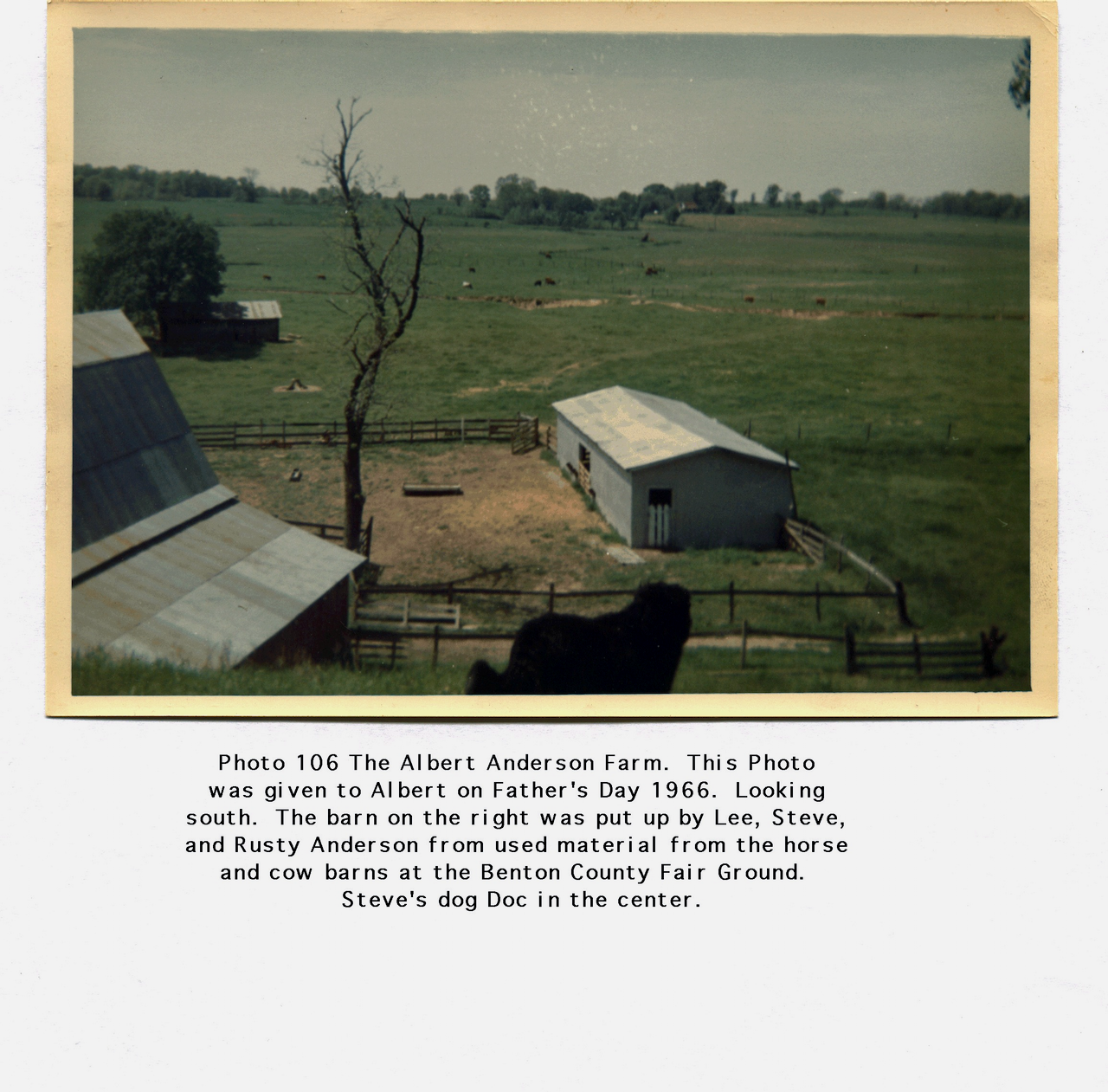
the Anderson Family with Steve & Rusty Anderson.
What does it mean to inherit a legacy tied to land, opportunity, & the first settler? Sixth-generation descendants of one of Northwest Arkansas’s earliest white settlers share how their family is choosing to remember and reckon with a complex past.
season 2, ep. 16.
listen.
episode notes.
In this episode of the underview, we sit down with brothers Steve and Rusty Anderson, sixth-generation descendants of Col. Hugh Allen Anderson—believed to be one of the first white settlers to arrive in Northwest Arkansas in the early 1800s. Through their family’s oral history and deep regional roots, we explore a story that reaches back to when Arkansas was a territory, into the era of westward expansion, and through generations shaped by slavery, land, and legacy.
The Anderson family’s story is not just local—it’s national. It echoes the larger themes of Manifest Destiny, Indigenous removal, and the economic systems that built America. As we trace their lineage and reflect on the complexity of what it means to inherit such a history, we also consider what it means to reckon with it. This conversation offers an honest and layered look at how one family is choosing to remember, acknowledge, and carry their past.
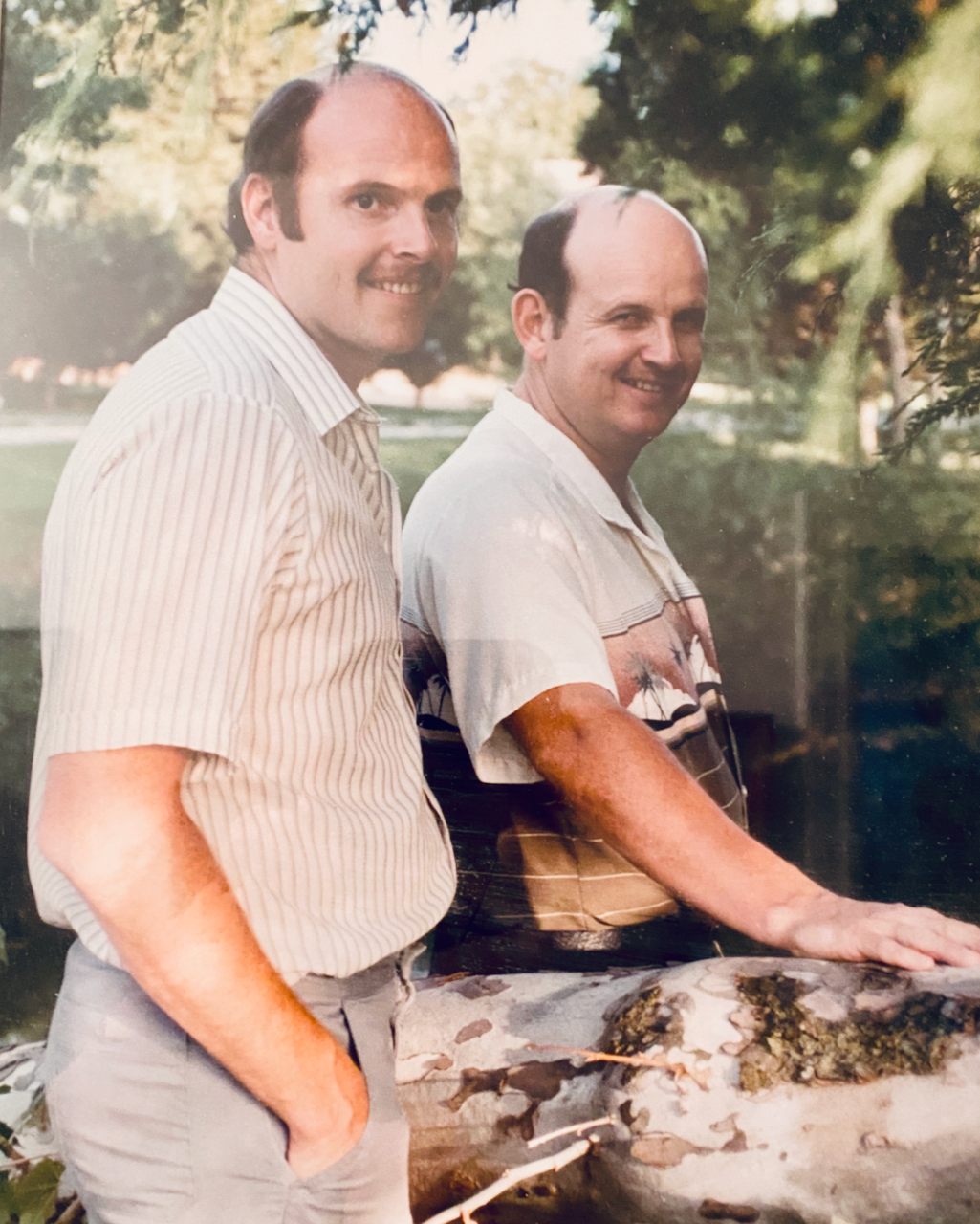
about Stephen L. Anderson
Stephen L. Anderson was born in 1948 at Bentonville Memorial Hospital in Bentonville, Arkansas. He attended Vaughn Elementary until its consolidation with Bentonville schools in 1960 and graduated from Bentonville High School in 1966.
After working in agriculture and as a heavy equipment operator, Steve joined the U.S. Army in June 1968. Following basic and advanced training at Fort Rucker, Alabama, he served as a classroom instructor in the UH-1 “Huey” Crewchief School. From 1969 to 1970, he was deployed to Vietnam, serving as a crew chief for a UH-1H Huey with A Company, 25th Aviation Division.
He later completed U.S. Army Flight School in 1972 and went on to fly the UH-1H Huey, AH-1 Cobra, and OH-58 Kiowa helicopters at duty stations including Fort Knox, Fort Rucker, Fort Hood, Fort Eustis, and Giebelstadt, Germany. He served as both a line pilot and a Maintenance Test Pilot, retiring in 1988 with the rank of Chief Warrant Officer 4 (CW4).
Steve’s distinguished military service was recognized with numerous awards, including: Bronze Star Medal (with Oak Leaf Cluster), Air Medal (with 7 Oak Leaf Clusters and “V” Device), Meritorious Service Medal (with 2 Oak Leaf Clusters), Army Commendation Medal, Army Achievement Medal, Good Conduct Medal, National Defense Service Medal, Vietnam Service Medal, Republic of Vietnam Campaign Medal, Vietnam Gallantry Cross with Palm, Army Aviator Badge, and Master Aviator Badge.
After retirement, he worked in Brussels, Belgium, as Safety and Training Officer and Maintenance Test Pilot, performing post-rebuild test flights on UH-1H, AH-1F, and OH-58 helicopters. From 1990 to 1992, he flew offshore support missions for oil rigs in the Gulf of Mexico.
From 1992 to 2024, Steve served as an air ambulance pilot for Air Evac EMS out of Springdale, Arkansas, completing 3,288 patient flights. In 1995, he helped establish the aviation division of the Benton County Sheriff's Office, where he also flew as a line pilot and Safety and Training Officer until his retirement from flying in 2024.
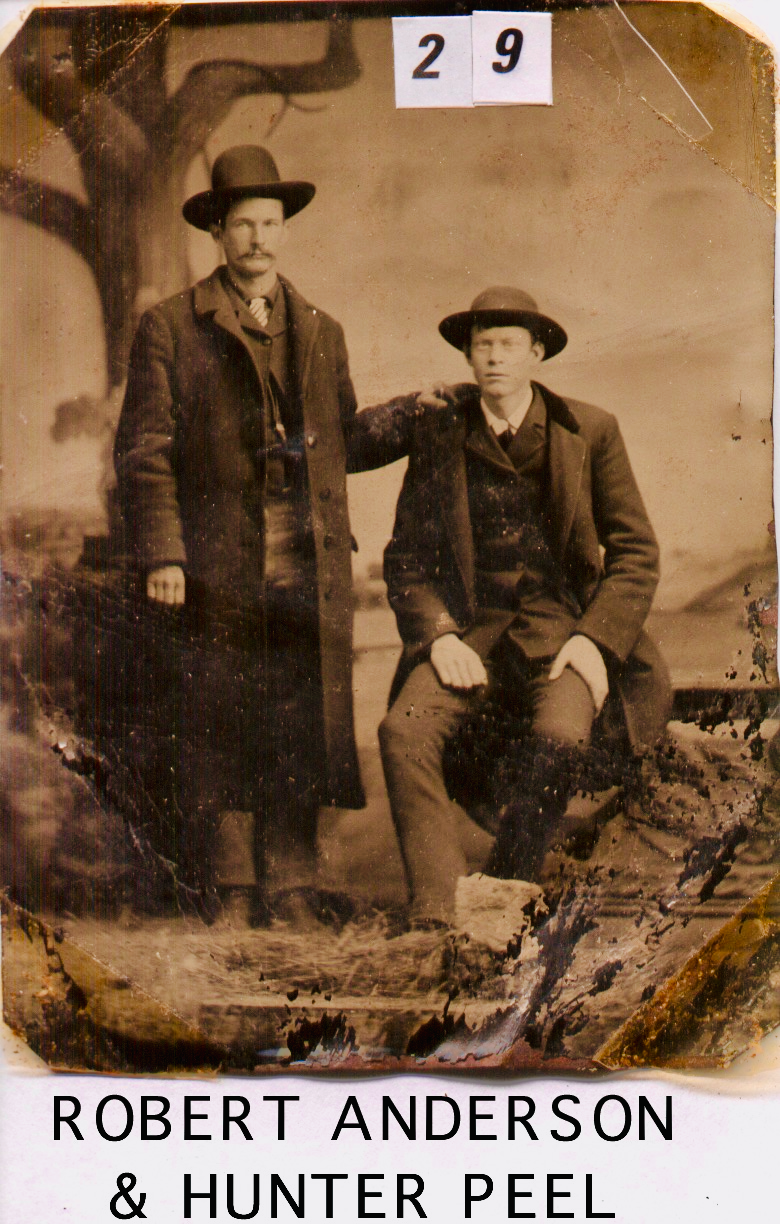
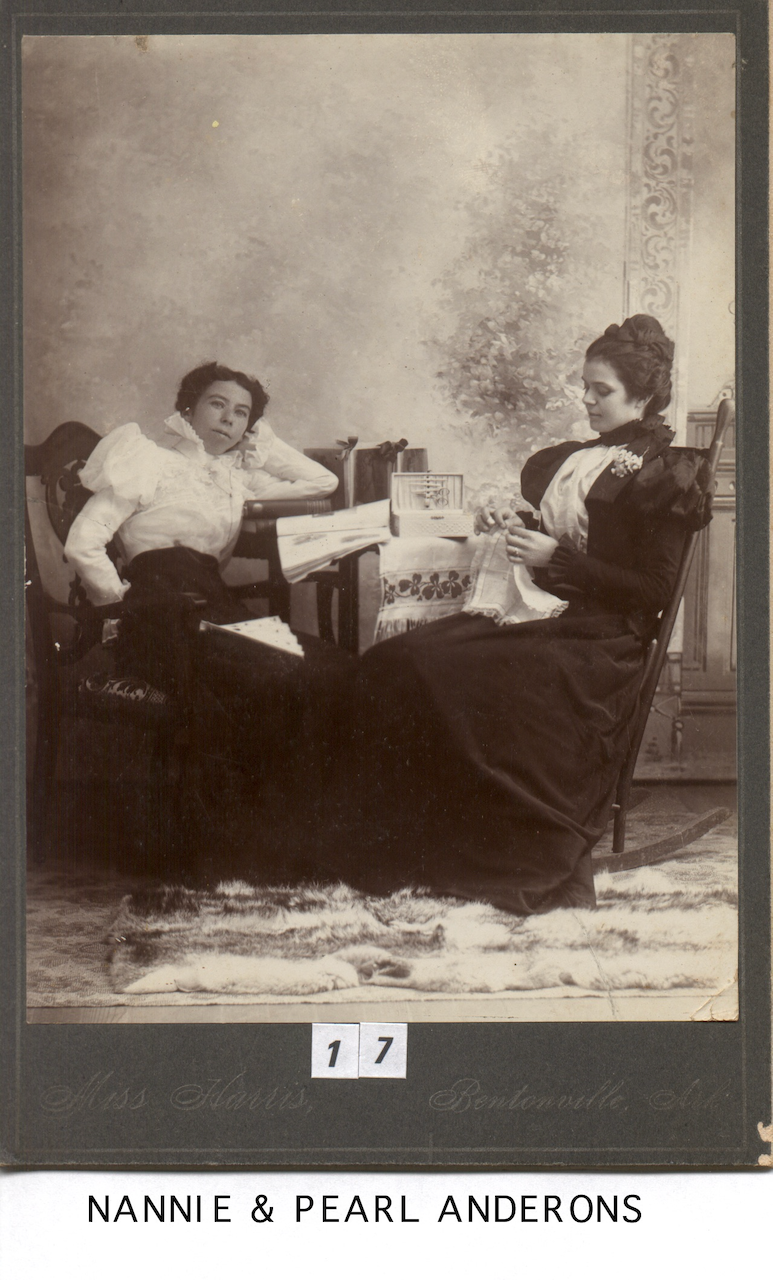
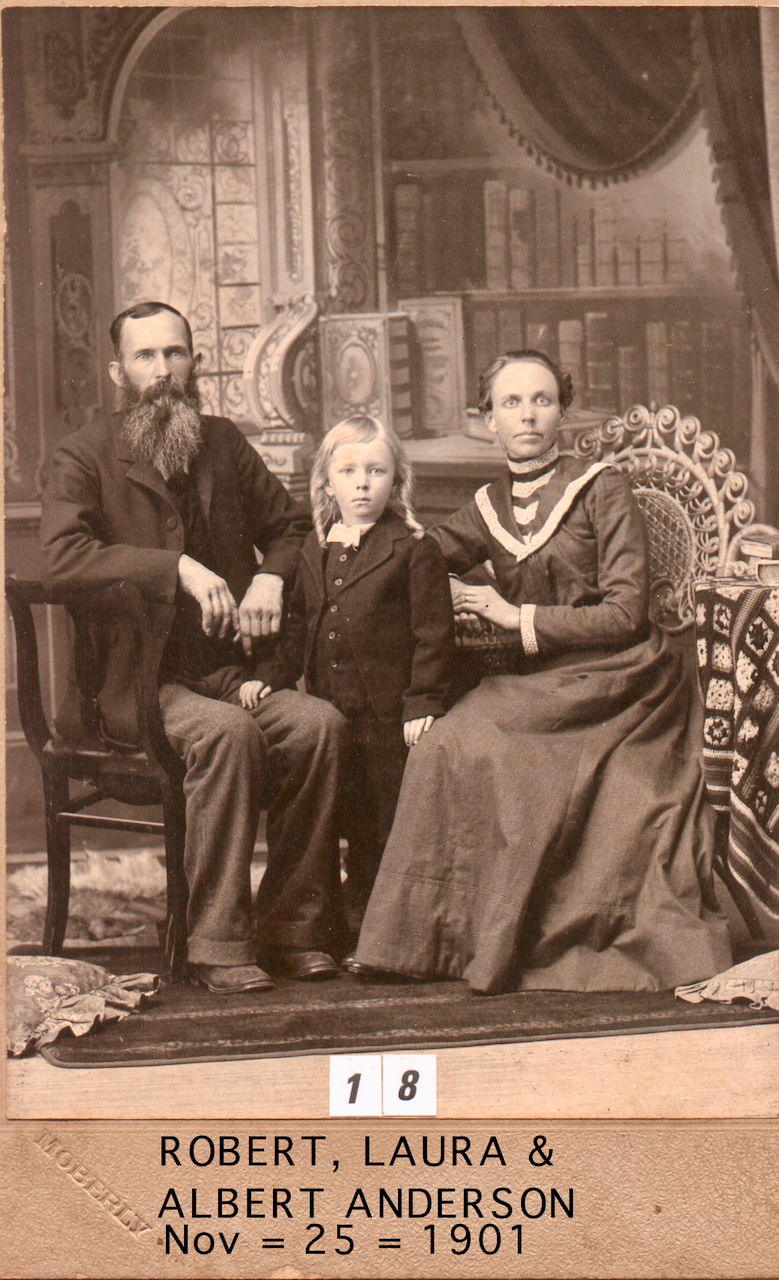
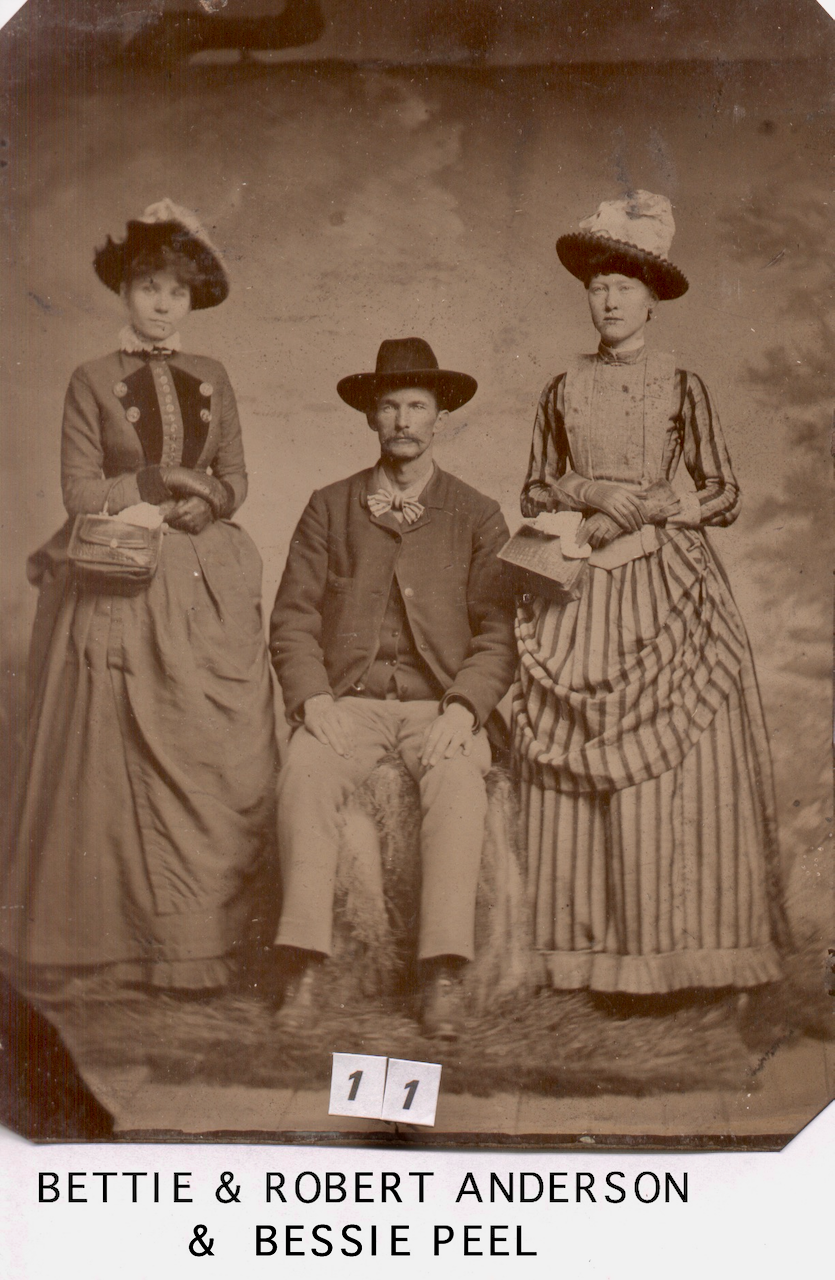
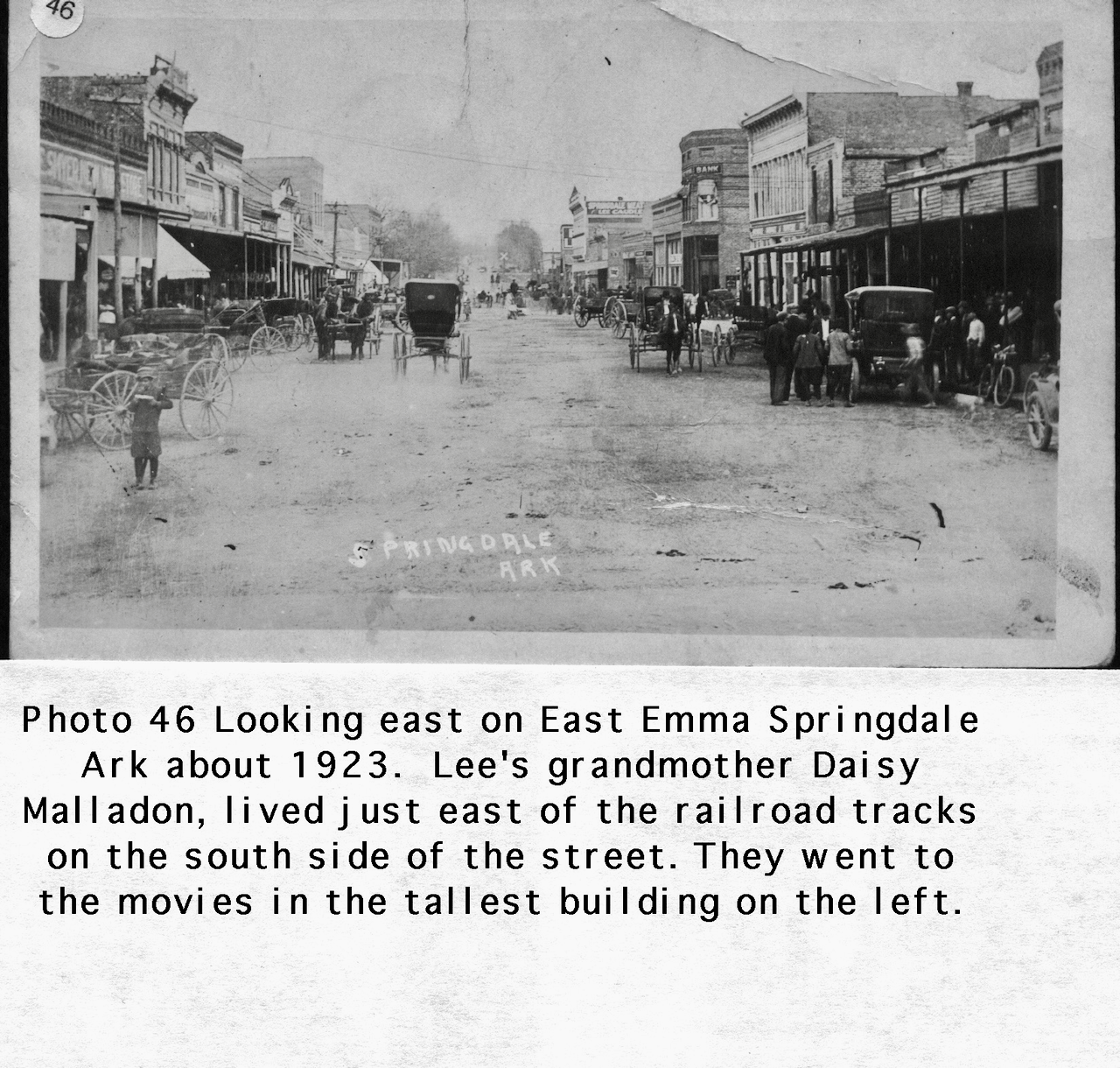
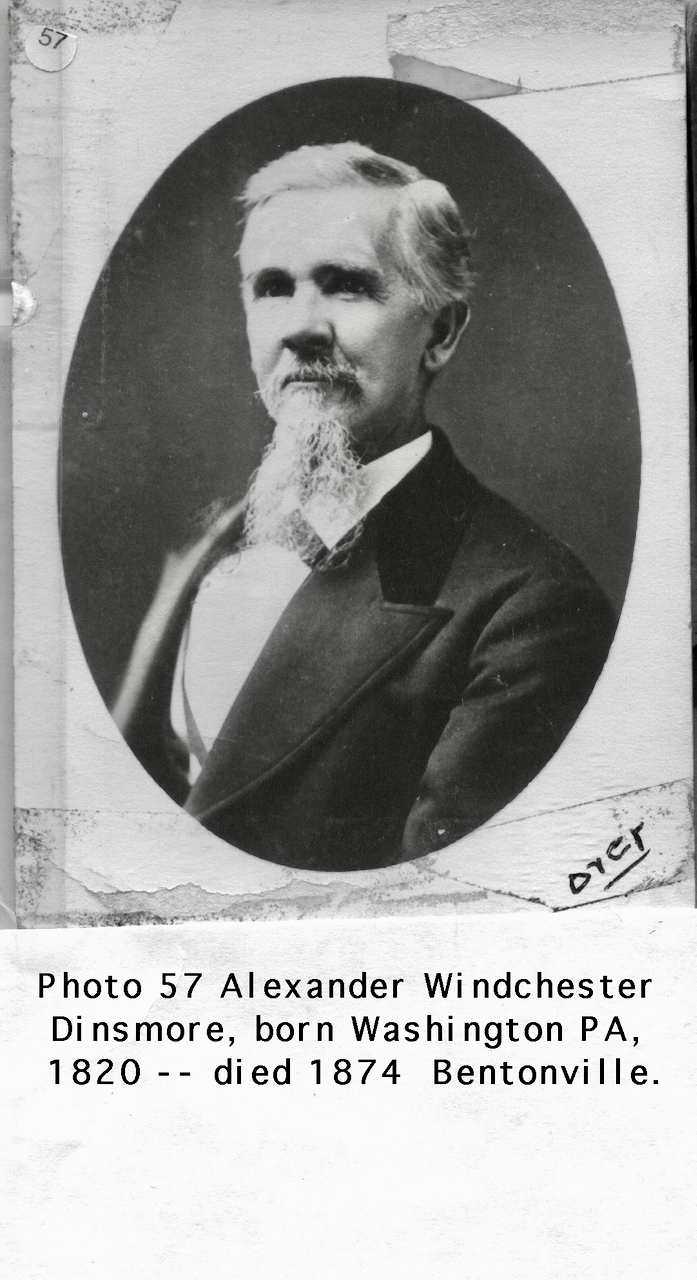
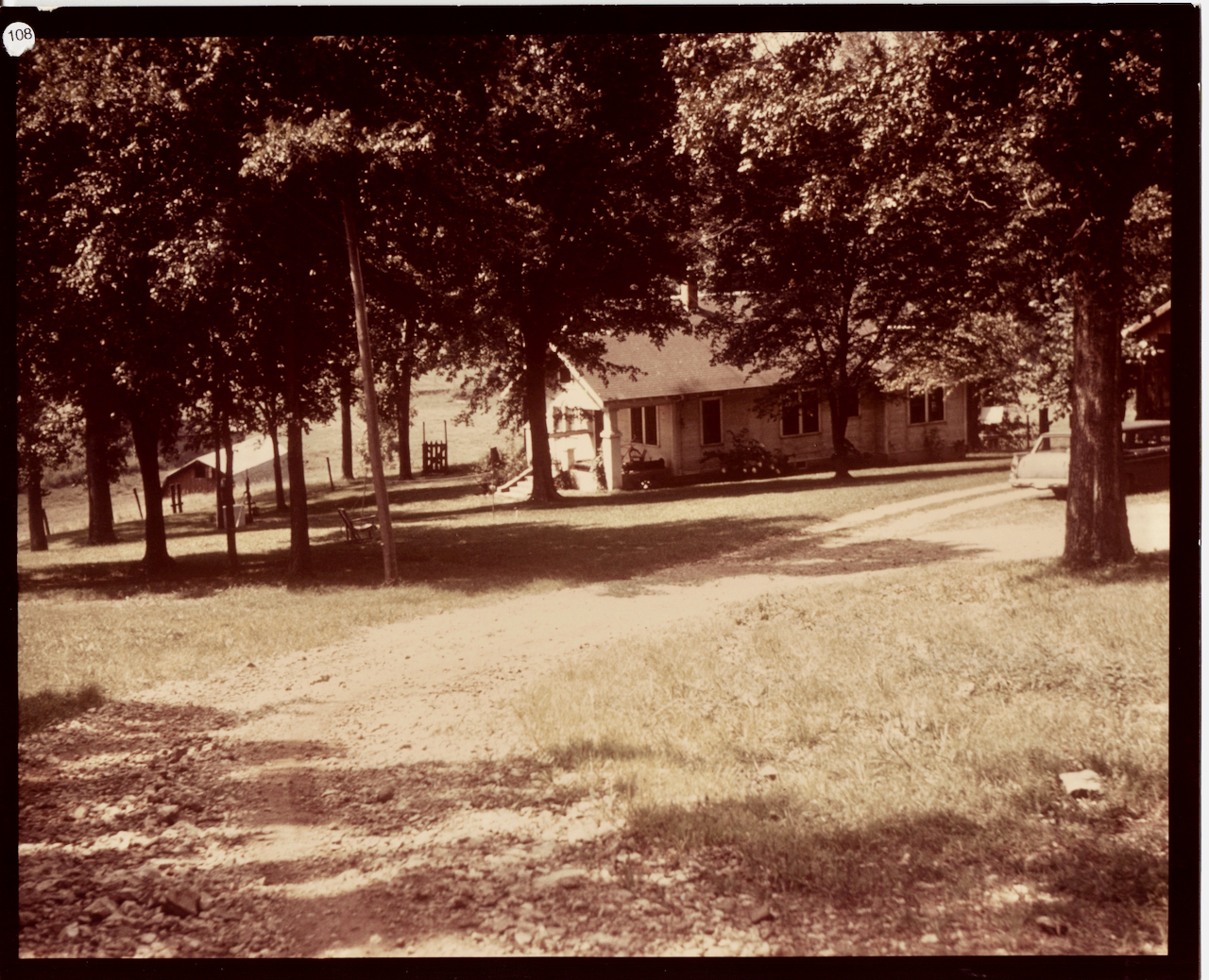
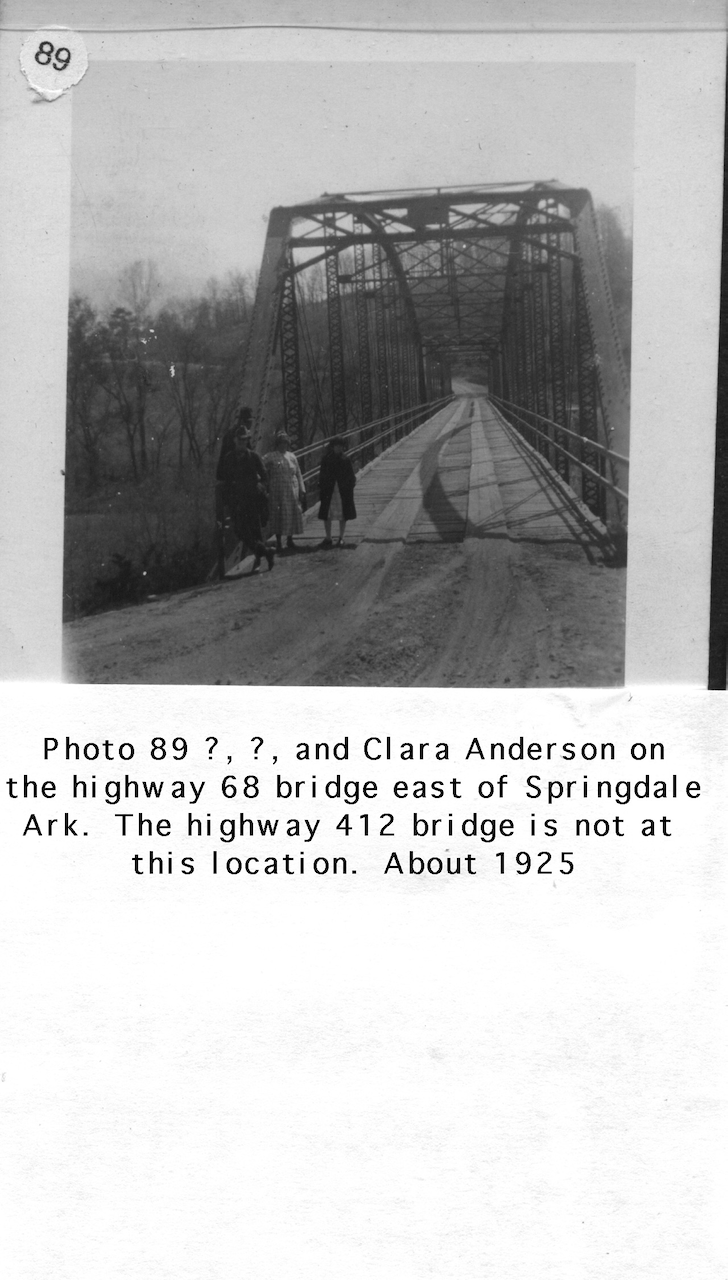
episode notes & references.
Hugh Allen Anderson - Vintage Bentonville
- Hugh Anderson Dinsmore – Vintage Bentonville
https://www.vintagebentonville.com/dinsmore-hugh-anderson.html#gsc.tab=0 - Alexander Winchester Dinsmore – Vintage Bentonville
https://www.vintagebentonville.com/dinsmore-alexander-winchester.html#gsc.tab=0 - Samuel West Peel – Vintage Bentonville
https://www.vintagebentonville.com/peel-samuel.html
Aaron Anderson “Rock” Van Winkle (1829–1904)
https://encyclopediaofarkansas.net/entries/aaron-rock-van-winkle-18175/
https://friendsofhobbsstatepark.com/wp-content/uploads/2023/10/Rock-Van-Winkle.pdf
Alph (Lynching of)
https://encyclopediaofarkansas.net/entries/alph-lynching-of-15296/
- Goodspeed’s History of Benton County (1889)
https://books.google.com/books?id=Ems-AAAAYAAJ (or available via local archive reprints) - Trail of Tears National Historic Trail – National Park Service
https://www.nps.gov/trte/index.htm - U.S. Federal Census Records (1830 & 1840) – National Archives / Ancestry.com
https://www.ancestry.com - Archaeological Survey of the Anderson Family Slave Cemetery – University of Arkansas
https://nwablackheritage.org/cemeteries
episode outline.
- Episode Content Warning (00:00:02)
- Episode Preview – Hugh Allen Anderson (00:00:17)
- Episode Introduction – Mike Rusch (00:01:42)
- Origins of the Anderson Family (00:06:01)
- Hugh Allen Anderson’s Arrival in Arkansas (00:07:24)
- The First Homestead and Land Grant (00:08:55)
- Enslaved People and the Horror of that Legacy (00:10:10)
- Arrival and Joining the Conversation (00:12:05)
- Family’s Role in Founding Benton County (00:13:12)
- Thoughts on History, Responsibility, and Memory (00:15:37)
- Family Cemetery and Unmarked Graves (00:19:18)
- Reflections on Enslavement and Reckoning (00:23:30)
- Community, Change, and Belonging (00:26:40)
- Walmart, Local Culture, and Economic Shifts (00:30:22)
- Entering the Conversation (00:35:18)
- Hopes for the Future and Inclusive Community (00:37:41)
- Group Reflections – Remembering, Healing, and Moving Forward (00:41:03)
- Closing Thoughts – Legacy, Land, and Shared History (00:46:55)
episode transcript.
episode content warning.
[00:00:02] mike.: Before we begin this episode includes mentions of suicide, racial violence, and lynching. These topics are not the focus of the conversation, but they are a part of the historical context. We understand that these subjects may be difficult for some listeners, and we wanna let you know in advance.
episode preview.
[00:00:17] steve anderson.: Hugh Allen Anderson a prominent individual. Served in the war of 1812. Came to Northwest Arkansas, to the territory, as they called it then. 1821 to 1823. He first came here on horseback with a person that's never been named, and um, found the little valley out by what is now the airport. Had a nice spring, and decided to claim that under a land grant from the War of 1812. He uh,went back to Alabama. Loaded all the things to start a homestead. The uh, pigs, the cows, the sheep, unfortunately, the slaves and came back here in 1823 to 1826,
episode intro.
[00:01:42] mike.: You are listening to the under view, an exploration and the shaping of our place. My name is Mike Rusch and today we continue our journey into the layered and often complicated history of Northwest Arkansas.
As we walk through this story of Northwest Arkansas and all of its history, we've often spoken in broad strokes of movements and migrations and the forces that have shaped this land. But history also lives in the specific and the personal in the lives of families who are still here today and the stories they tell, and in the silences that they've carried.
In our recent episodes, we have explored what it means to reckon with that history through the voices of those whose communities were displaced, erased, or marginalized. But in this episode, we turn towards those who are reckoning with a different kind of legacy, one of opportunity, inheritance, and participation in systems that by today's standards are difficult to comprehend.
And yet we don't come to these stories to assign blame or force anyone to carry the weight of their ancestors. Instead, we come with curiosity, with honesty, and with a hope that naming what was might help us all better understand who we are today.
My guests are brother Steve and Rusty Anderson, sixth generation descendants of Colonel Hugh Allen Anderson believed to have been one of the first white settlers to arrive in 1837 in what would eventually become known as Benton County. However, family oral history suggests that their arrival could have been as early as 1821.
And I wanna say, if I'm honest, this was a hard conversation to frame. It's an exploration of the shaping of our place, but it's told through the eyes of descendants nearly 200 years later. It's not a commentary on what happened, but simply a reflection of what has been handed down through family stories, stories that can easily become legend. And yet it's clear that what happened when Hugh Allen Anderson arrived here, it still echoes into today. It still shapes this place.
The Anderson family today lives outside of the current of a lot of our cultural influence, but they've remained rooted and they've chosen to step forward not with all the answers, but with a willingness to remember and to reckon with their history.
This is also a family that has served their country and their community at great personal cost. Steve Anderson flew helicopters in Vietnam during his 20 years in the Army, and he spent more than 30 years as an air ambulance pilot here in northwest Arkansas. Rusty has spent his life working with Walmart and living in deep connection with the people and the rhythms of this place. Their stories don't sit in the past alone. They're a part of our present. And their view of community is still growing. It's still stretching from generation to generation, still trying to understand what it means to belong to this place that's changing and to carry forward a family name.
In their story we find something unique in this day and age. We find the full arc of the American story in American mythology. From the Revolutionary War, the war of 1812, land that was claimed through early military land grants, settlement that coincided with the removal of indigenous people, the era of enslavement, the Civil War, reconstruction, political influence, agriculture, and business and national defense. And you see where I'm going. And today they are simply hoping for their future generations.
Their story begins with Hugh Allen Anderson establishing their first homestead near what is present day, Northwest Arkansas Regional Airport. And according to records in oral history, they did not arrive alone. They arrived with 40 enslaved individuals according to census records. And as you'll hear, today's descendants do not take that lightly. They speak with clarity about the horror of that part of Hugh Anderson's story, and they express the desire to be a part of an inclusive community, one that belongs to everyone. This isn't a conversation about blame, it's a conversation about memory, about what it means to hold it well.
The other night I was at Crystal Bridges to listen to Joy Harjo. She's an American poet, musician, and playwright and author, and she served as the 23rd United States poet Laureate, the first Native American to hold that honor.
And she said this,
“we accept the hard parts of the story because they happened. That way the hard parts can no longer have control over us.”
And we're going to reckon with all of that history.
Today, their remaining connection to the original homestead is through the Family Cemetery.
And one note before we begin, we start the interview with Steve Anderson and his brother Rusty joins us about 12 minutes into the episode, you'll hear him arrive. You'll also hear the voice of Anndee Anderson. That's Steve's daughter who is sitting with us during the conversation.
All right. A whole lot to go through.
Let's get into it.
episode interview.
[00:06:01] mike.: well Today I have the privilege of sharing a table with Steve Anderson. Mr. Anderson, thank you for being here. It's a privilege to be able to hear your story. You are related to Colonel Hugh Allen Anderson, who is one of the earliest recorded settlers to Northwest Arkansas.
And so you have the ability to kind of take us back in time and in meaning, if you will, maybe as far back as we can go into that history to really understand your family story and what early life looked like here for people coming in obviously who are not native to this space, and so, maybe we can start there.
Mr. Anderson, welcome to this conversation and I'll start wherever you want, but I'd love to hear your family story.
[00:06:40] steve anderson.: We go back as far back as I can, I've got documents from 1600 and I've also have a letter from an aunt to my grandmother, Clara, that stated it how exciting it was that the gentleman had returned from England and had traced our family back to 12 hundreds. And we asked her to please send a copy of the genealogy to the Oklahoma branch of the family. And no one has that document.
I'm hoping that this might shake that out of a tree. Some, somebody in our family has got a documentation in our family all the way back to the 1200's in England.
Hugh Allen Anderson.
[00:07:24] steve anderson.: Anyway, talking about Hugh Anderson. Hugh Allen Anderson uh, we pick up the story in northwest Alabama. He uh, was a prominent individual there. He uh, served in the war of 1812. As a matter of fact, my family has served in every conflict of this country going all the way back to Rogers Rangers, except for World War I. My grandfather only had one arm and he couldn't serve.
So Hugh came to Northwest Arkansas, to the territory, as they called it then. I've, I have conflicting stories on the dates. 1821 to 1823 that he first came here on horseback with a, a person that's not, we've never been named, and um, found the little valley out by what is now the airport. Had a nice spring, and decided to claim that under a land grant from the War of 1812. He uh, then went back to Alabama. Loaded all the things to start a a homestead. The uh, pigs, the cows, the sheep, unfortunately, the slaves and came back here in 1823 to 1826, depending on what reference I found.
And um, came back and set up the the family homestead went back in the 1830 to 1831, depending on which reference you find as late as 1836 as early as 1831. I've seen documents or mentioned and brought the family out. And, which was kind of unique and unusual because at that time people would go as far as their brains, their equipment, or the money would take 'em. And when they broke down or ran outta money or ideas, they'd look around and say I guess we'll settle here. So they became settlers. If you don't believe that, look out in Texas, all the broken wagon wheels at the ranch gates, 'cause that's where they broke down and set up their homestead.
So he came back here in somewhere in the 1830s. And, my great-great-great-great grandmother, Mary, walked into dinner on the table and the beds made. And they had a log cabin, a very nice log cabin that had been constructed. And consequently she had a pretty cush life considering what the other pioneers went through. They set up the homestead. The next item of note is that in 1847,
[00:10:16] mike.: Could I ask, I'm curious within that story very beginning, is that all oral history or is that written down history, or are these story Yeah. Stories passed down?
[00:10:25] steve anderson.: Some of it the dates I found in Goodspeed I found in I've got several documents here that set state different times. Okay. But those times have been documented by a genealogist in the past. Alvin Seamster was one of the big, the really super guys, unfortunately, Alvin and my granddad Albert did not get along, so my granddad would not share with him. But that's where I've come up with these dates is okay. Good Speed is a very good source and I forget what the others are. I just, I glanced the room this morning.
[00:11:01] mike.: are there stories that have been handed down just about what life was like when Hugh Allen Anderson first arrived here? This is what was Indian territory at the time. This was pretty far away probably from anything that he'd ever known before. Is that correct?
[00:11:15] steve anderson.: Oh as a matter of fact, one of, one of our family jokes is the only way you can be more native in northwest Arkansas is to have feathers in your headdress.
Yeah. And yes, it was the territory. It wasn't even state until 1836. And so mainly this is oral histories. And my great-grandmother, Clara, wrote a book, a novel at it's at my brother's house, and she changed the names of the family members Colonel Jameson as opposed to Colonel Anderson.
But she wrote on the day-to-day occurrences in northwest Arkansas, sewing bees, singings there's one she wrote a story about my grandfather who had one lost an arm when he was 10 years old to polio. They were at the old Timbered Hill Cemetery out by Vaughn, and they had built a Christmas Ferris wheel, and it wasn't a Ferris wheel for kids to ride. It was a Ferris wheel that they put decorations and gifts and stuff on. But my granddad helped build this thing, and he was just a little kid and his uncle put him on the Ferris wheel and let him go around several times, and it's a very huge story that she tells about that.
[00:12:37] mike.: All right, well carry on. I'm, I'm curious, like obviously there is some record of Hugh Anderson coming here. But I'm really curious to where those historical records in the family oral traditions kind of intersect as well too. Sure. So yeah please continue with your story. I, I wanted to make sure I understood that.
[00:12:54] steve anderson.: Okay. In 1847, I wagon train came through the area and one of the wagons peeled off and stayed at the Anderson Spring or the Hazel Glen Spring. And because their little boy had scarlet fever, they've ba basically been kicked out of the wagon train because it was so communicable. And after a period of time, the little boy died. And the mother didn't want to bury the child in the traditional manner, which was a they, you'd bury him on the prairie and you'd never, there'd be no record of the grave. And they would even, they, there was another wagon train came through and what they would normally have done was a bury him and then obliterate the grave so that the animals couldn't smell the body or no one would ever bother it.
So my fourth great grandmother, Mary, took this lady up on the hillside and she said this is where our family cemetery will be one that's appropriate. Would you like to bury your son here? And they did. His name is Miller. And so that was the first grave in the Anderson Cemetery, which is located out near the airport. at Vaughn, we don't talk about the specific area because of vandalism, but but he was buried there and there was a sandstone slab crypt that was made. And that was our first grave in our cemetery.
Hazel Glen Spring.
[00:14:23] mike.: Do you have stories about why that specific area here, what is now Benton County, why that area was chosen?
[00:14:30] steve anderson.: I think the primary reason was the spring because you had to have a source of water and without a ready source of water, you couldn't be successful. And in this area, the water table is such that it may be as little as 80 feet as, as more, as much as 500 feet. So hand dug wells were difficult to install.
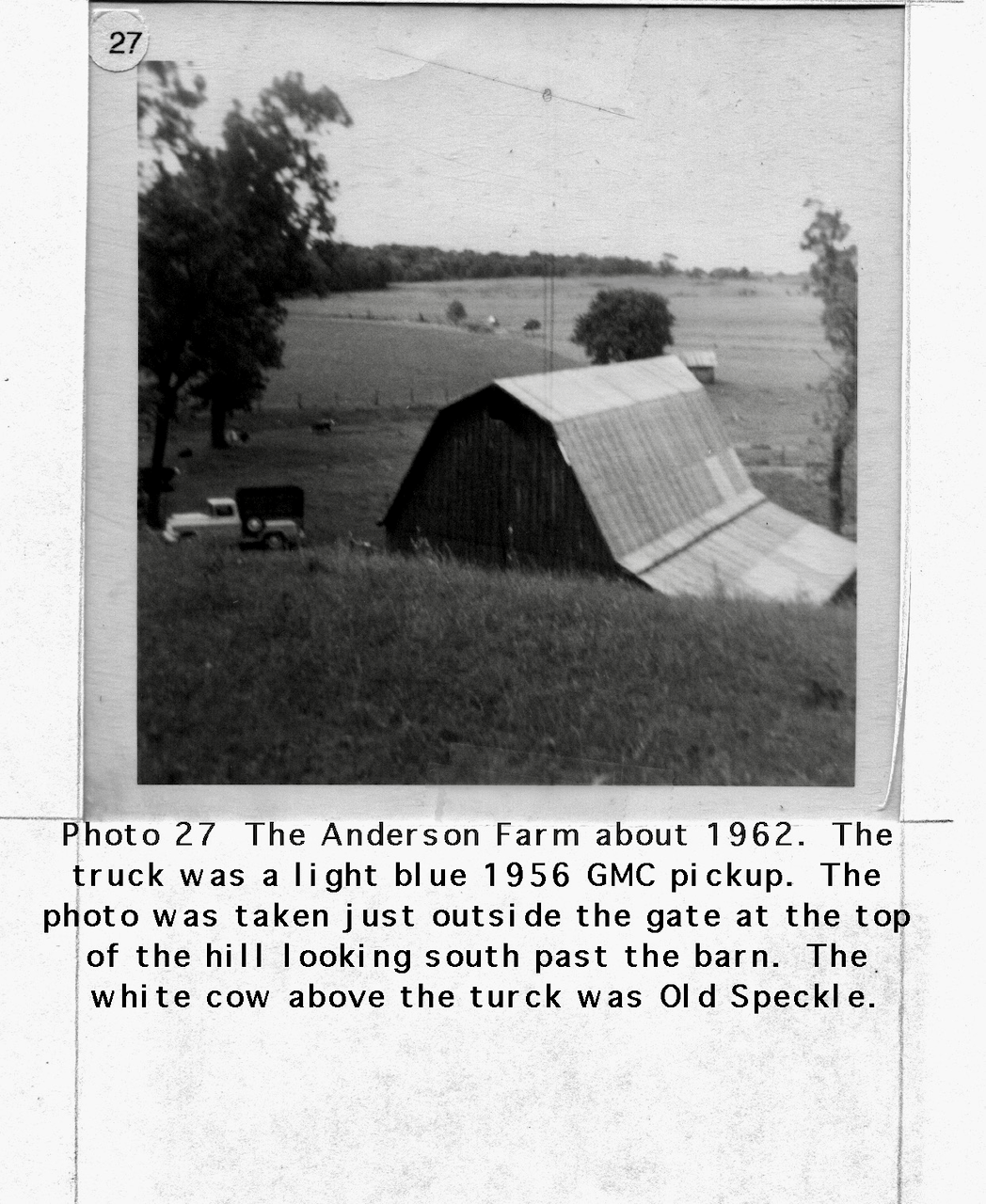
And having a spring like that, which is, has never dried up except once in my history. And that was in 1980 54, whenever they had a terrible drought here. But I think the reason they selected this was number one, it was the spring. Number two is good bottom land.
Continuing about the cemetery, we've got a cemetery marked off by a fence. And this fence has got an interesting little side tone. If you look at that picture, every place that the wires cross is a hand crimped installation.
So somebody in, in 1912 when that fence was erected, somebody sit there and used a crimper and crimped, every one of those thousands of connectors and the fence is still standing. We're in the process of building a fence around the fence to keep keep the cows from rubbing up against it and damaging the fence anymore than already.
So that brings us up. Let's see.
[00:15:59] mike.: From your understanding when that property was developed, could you maybe in your mind or kind of give us kind of an idea of like how many houses and what structures were built onto the property there?
[00:16:11] steve anderson.: There was the house, which is the first house is a log cabin. Of course, there was uh, slave sheds, that's what I would call 'em, kinda low rent situation there. And and a barn place for the animals that probably came second after the homestead house. And um, there was a, in my memory there, there was a, an old garage across the, from the spring. That was one of the original buildings that had been there as long as my dad could remember really?
And those structures were still there.
A structure.
A structure.
And then the old ho, the second homestead house was there until the 1980s. And Rex Grimsley decided to have a bulldoze because he's afraid someone would get in there and get hurt and be a legal problem. He did tell me later that he, if he'd have known how solid that old house was, he would've renovated it. He said it took days with a bulldozer to bulldozer the thing in. I be, I know there's I went and looked at the debris and there was 12 or 14 inch square beams that were hand hued in that house.
[00:17:24] mike.: To, to the extent of understanding how that land was, 'cause it's obviously you go out there today and it's probably unrecognizable, I would assume, probably to family members, but was it agricultural crops or how do you make a living in a place what seems to me at the time as remote as this place probably was?
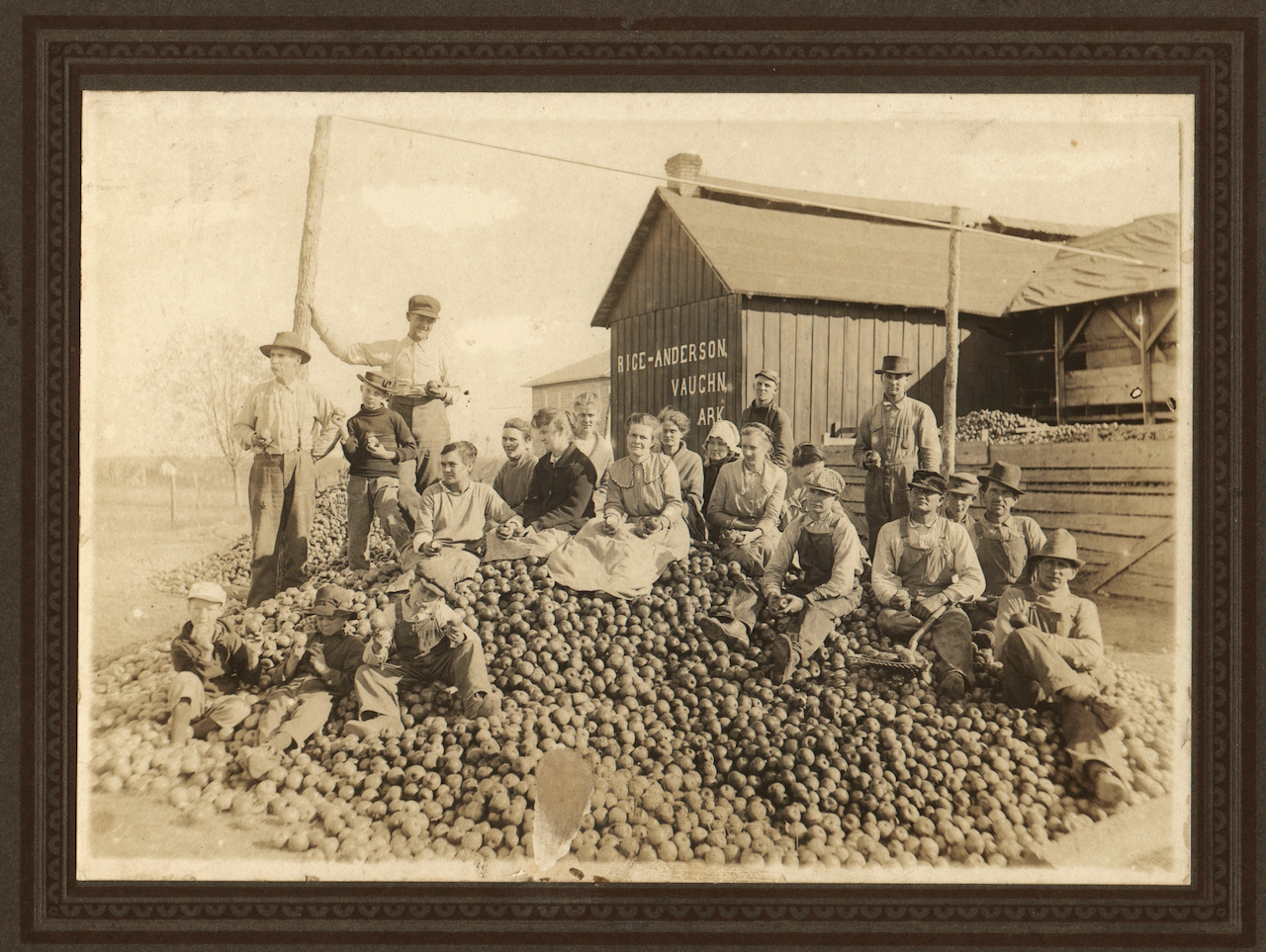
[00:17:44] steve anderson.: That to the best of my knowledge is, was subsistence living. The old story is if they didn't fix it, make it or breed it, it didn't get done. And essentially when they started out, they didn't have any cash crops that we know of. Right. Later there was apples and and other agricultural crops.
Hi brother.
intro Rusty Anderson.
[00:18:04] mike.: Hi, Mike.
I'm Rusty.
Rusty, nice to meet you. Nice. Thanks for joining us today.
[00:18:07] rusty anderson.: Has Hugh been born yet?
[00:18:09] steve anderson.: Yeah, Hugh's made at the Arkansas. And the Miller boys, Miller Boy's been buried.
[00:18:14] rusty anderson.: Carry on.
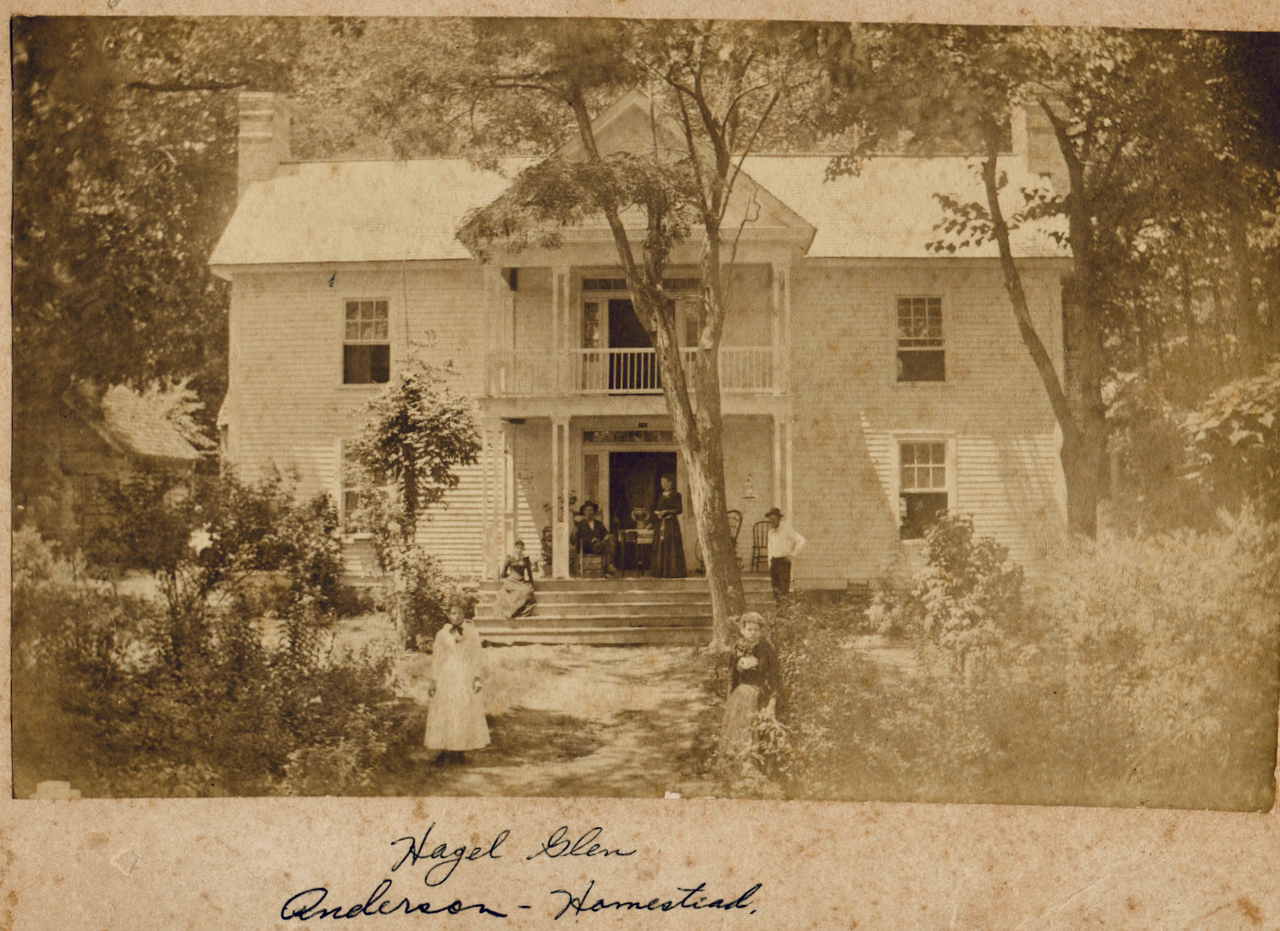
[00:18:14] steve anderson.: Okay. So the the homestead was called Hazel Glen and it was pretty much the center of the community for a number of years. Then in the early 1900s, they moved the church and the store from the Hazel Glen area to what we call Vaughn now. And and that established the little community of Vaughn.
Hazel Glen is, has been mentioned in several documents that I found, and that's where the actual homestead was established.
Oliver Anderson.
[00:18:46] anndee anderson.: Before that, how many acres did Hugh have?
[00:18:48] steve anderson.: 870 at one time.
[00:18:51] mike.: That was, so the original allotment was 870 acres, is that correct?
[00:18:56] steve anderson.: The original allotment would've been 360. It would've been a section, but through purchasing and trading it grew to 870. And then Oliver had so many children that got all paired down. And over time it disappeared. Okay. We had the last 80 acres when Rusty and I were growing up.
[00:19:17] mike.: My understanding, correct me if I'm wrong and I think this is where you're going, is that Oliver was the one that basically carried, from a descendant standpoint, the land holding. Is that correct?
[00:19:27] steve anderson.: Yes. Oliver to the best of my knowledge, Oliver inherited everything.
[00:19:31] mike.: And do you know why specifically?
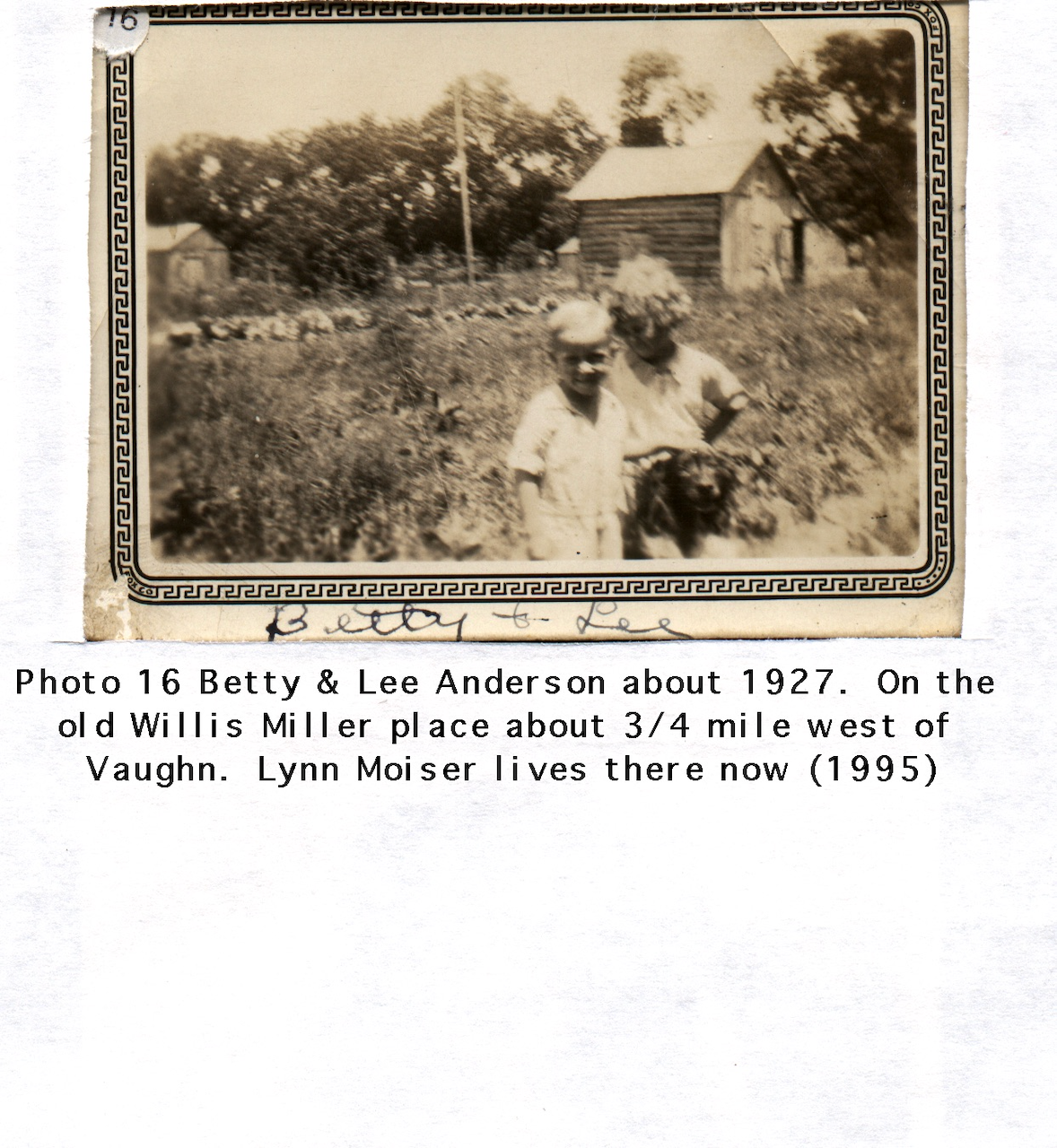
[00:19:33] steve anderson.: I have no idea. Okay. It just I just know that he's the one that took over the land and farmed it for until his death in 1910. He was born in Lawrence County, Alabama in five July of 1831. So he was just a little boy when they moved here from Alabama. And he passed away in November of 19 10. He was 79 years old, which is pretty long lived for that period of time.
He had a number of children and he had a successful homestead. We got census from the middle 18 hundreds where he had number of cattle, sheep, pigs, and slaves. They even went down to as, as far as wagons and implements, horses that they had. And he basically just to sit there as a farmer very very calmly. In the area for a number of years until the Civil War broke out.
[00:20:41] mike.: Do you have do you have a lot of information or about other siblings or descendants of Hugh?
Yes, I've got a list of all the siblings.
I'm curious some of their stories. And this may be a little all over the place, so forgive me as we kind of wind our way through there. Are any other significant stories around any of the other siblings or descendants of,
[00:21:01] steve anderson.: There were nine children and of that nine children, they most of 'em stayed in the immediate area.
[00:21:09] anndee anderson.: Oliver's children or Hughs children, Oliver's children.
Robert Anderson.
[00:21:13] steve anderson.: And great-grandfather Robert was one of Oliver Irving's children, and he was quite the Scallywag. He treated my grandfather very badly. He went to the Oklahoma land rush and left our eight or 9-year-old grandfather to fend for himself. He would've starved to death if it hadn't been for Oh, by all by himself. Yeah.
[00:21:42] mike.: So you're not kidding. This was legitimate.
[00:21:45] steve anderson.: Yeah. And he had a horrible temper. And he came to a bitter end. He was my, my grandfather went to a neighbor's house terrified, and his stepmother had disappeared and they went back to the farm and found that Robert had killed himself with a shotgun.
And that just shows a type of individual that Robert was, wow.
[00:22:11] steve anderson.: I'm sorry.
I found out these stories later in life I wish I'd have had the opportunity to talk to my granddad about 'em because he was he was quite a character. He lost an arm to polio when he was 10 years old.
And the aunt and uncle that took him in, the aunt had him turning a sharpening stone to exercise that arm. And he, she, he was getting use of it back and then she decided they were being mean to him and stop that. And his arm just shrivled up.
During the the Civil War served with the Indian brigade. And at the end he was actually in the Battle of Pea Ridge. He was a wagon driver. this area was kind of a hotbed of confrontation between the Confederates and the Union. And they, the family survived that.
moved family to Texas.
[00:23:05] steve anderson.: But he saw what was coming and Oliver did, saw what was coming, and moved the family to Paris, Texas to his brothers to get away from the war. And after the war, he was mustered out in Fort Smith and uh, walked to Paris, Texas and his brother set him up with the rudimentary animals and equipment to uh, come back and reestablish the homestead. And when he came back, after they came back, one of the many Mary's in our lineage sent this letter back to Texas to tell what they found whenever they arrived.
Want me to read this?
I would love for you to.
Anderson Family Letter to Mary Anderson (grandmother).
[00:23:55] steve anderson.: It says,
Hazel Glenn, June the 18th, 1866.
_Dear Mary, we received your very kind letter a few days ago. We were very glad indeed to hear from you. _
This is the Texas ladies responding to our grandmother. We got back to our home on the 18th day last February.
_We found very little on our place. Our place hardly looks tall like it did when we left it. Our fencing's nearly all burnt up. Ollie has about 30 acres under fence, and that is all we have. If Ollie lives and has good luck, I hope he will well in a few years, be able to live again. _
I transcribed this exactly, so_, _
_we are broke up._
_We are broke up and we are almost, we have almost nothing left, but still I am lively, thankful, and highly blessed that Ali's life was spared through the civil war that has passed. We have to work very hard and live as savingly as possible just to get along. Our country here is very much destroyed._
_Everybody has gone to work and good question, marks couldn't read it to make something to live on. I think after the present, co crops are made that there will be plenty of bread. Meat will be very sparse until people can get started with hogs again. All the hogs in the country were killed up, but very few persons have any meat at all._
_Cows are very scarce, none at all, but Texas cows Ollie brought, has bought some, but we haven't got them broke Good yet. I would adore you if you would have good cows or hogs to bring with you if you can. They will be very scarce and hard to get here and if they're not brought into the country, I think there will be a great many milk cows driven from Texas, but they are not as good as the ones we used to have._
_Liz GaN and family are all well and getting along very well. Their place was not destroyed at all. I was very glad of it. It looked like she had trouble enough. Poor Bergen, she never has heard anything from him. So evidently his this lady's husband disappeared in the war. Mary do's husband died away in the south from his family._
_Mary received letters from his friends that gave her a great deal of satisfaction about him to now that, that he was well cured for through all his sickness. I had been up to see our place here where Glen purser lives. Once I came home and it looked better than I expected to see it, I was through our or through your orchard._
_The trees live, most of them look well. I think your place is fared tolerable. I went up there the other day and got cherries enough to make a good pie. Your cherry trees are very full and a good many apples on your trees. Your well and house are in good or as good as ever. I drank out of your well and thought of you and the wonder if you have a good water to drink where you are as you have here._
_I want to_ _come back as soon as I want to come back as soon as you can. I miss you very much. This is the best country here I ever saw it. It is just good enough for me. I wish I had 100 years yet to live here. I am better satisfied with this country since I've come back than I've ever been before. There will be a great migration to this country this fall, both from the north and the south._
_Oh, Bob Curtis has sold out and he will go back to Texas this fall_ _I can't think of what can possess anyone to sell a good place here and move to the great dead country. His family is living on the same place. He and his daughters have been to see us. I haven't been to see them yet, but we'll go soon. I don't visit very much. I have so little. I have so many little children._
_I have five children, three boys and two girls, and none of them large enough to be much service. But Willie is Willie, he is right smart help with his papa. John Dusenberry is making a crop with us this year. John's a very industrious, good boy. John has a little wheat growing on Lisa ton's place. He is going to cut it tomorrow._
_I don't know whether there will be any wheat groin on either of our places or not all. He can tell you what he knows. I will leave room enough for the, on the next page for him to write. I haven't seen your place south of us. I don't know how it looks. Bell DeBerry is down there making a crop for Joe Hudson._
_He expects to build as soon as he lays up his crop in the same place where he used to live. They go back after his family this fall. I have been up to Bentonville, wants to see Jane Toliver since we got home. Mr. Dinsmore has got back to Bentonville again and is selling goods, but has not got his family there as they are living._
_At and I couldn't get the address come for three miles set from Ville. He has no house to move his family into at Bentonville, _
_this is one of the things we had discussed earlier during the war, as the union and the Confederate soldiers moved back and forth through Bentonville, the Confederate. So sympathizers would point out a union sympathizer and they'd burn his house and when the other side took over, they burned another. And I think they had about 12 houses left in Bentonville at the end of the war. _
_Ole' Vance and scratch and saggy are both alive and well. They are still with us and like they always have been. We have a great deal of spring more than ever saw my garden._
_Looks well have been raising beans out in the garden for some time. Any vegetables will be good to fix. Corn in this country is quite small for the time of year. Still owing to the backyard spring I have your cradle. I borrowed it from Yam Partner's wife to rock my baby. And Ms. Partner, that's the old lady, says she brought it from the flagging children._ _But I have got it. And I'm going to hold onto it until you come, and then you can do as you please with it. I will have to get,_ _I have to get to give Ollie room to write. I could sit here and write to you all day. I hope to see you soon. Give my love to Becca and all the children, write soon. We'll be glad you're here to hear from you at this time._
And I don't know what happened to Oli's these, I've got it somewhere. So, goodness, they came back to the,
[00:32:22] mike.: thank you for sharing that. First of all,
[00:32:23] steve anderson.: They came back to nothing. Basically all they had was running water at the spring and that's what they had. Start all over again. Start all over again. They the family history is stated that they burned the plantation house down and they tried to burn the log cabin, which was the original cabin, but the log cabin didn't burn. So they did have something to get in and outta the weather in.
Willie/James Anderson and Lynching of Alph.
[00:32:49] steve anderson.: So, that takes us up to the 1860s. Sometime after or before the Civil War, William Anderson, Ollie's brother took a slave to Fort Smith to be sold because he, uh, he was being unruly. And um, somewhere in the Boston Mountains, the slave killed William by smashing his head with a rock, according to the news stories. Then he came back to the plantation, and uh, when he was caught, they asked him why he came back, and he said, because William's little girl would miss her daddy so bad, he was going to kill her, so she wouldn't miss her father. Which is just sad on top of sad. And he was executed by the people.
[00:33:45] mike.: Well, I'd like to interrupt for a moment and talk about this a little bit more in Steve's account. It was William, but the Encyclopedia of Arkansas mentions James J. Anderson as the one who was killed. The story as it's recorded in the Encyclopedia of Arkansas gives a more detailed account of this event
in August of 1849, an enslaved man named Alf, owned by the Anderson family of Benton County, was accused of killing James J. Anderson, the son of Colonel Hugh Allen Anderson.
According to the accounts submitted, James had been transporting Alf to Fayetteville to be sold or transferred when the incident occurred. Alf fled but was soon captured in Washington County by a posse that was led by Alexander w Dinsmore, a prominent Bentonville merchant and the relative of the Anderson family.
Contemporary newspaper reports confirmed that Alph was returned to Benton County and placed in jail. When captured alf was reportedly in possession of a pistol and a gold watch that belonged to James Anderson, which was the primary evidence that was cited against him.
The Washington Telegraph dated August 22nd, 1849, reported this...
“Alph an enslaved man who had been arrested in Washington County and committed to the jail of Benton County, charged with the murder of James Anderson.”
Despite being in custody, alpha was never tried in a court of law. Instead, he was forcibly removed from jail by a mob and lynched. He was hung from a tree in what is now the Bentonville town square. This act of extra judicial violence occurred in broad daylight and was never prosecuted.
ALF's death is one of the earliest documented lynchings in Arkansas. His lynching is emblematic of how enslaved people were subjected to mob justice regardless of arrest, evidence, or due process. We obviously don't have the full account. We weren't there and there aren't any court records to help us understand what had happened. We have heard Steve Anderson's account, and I wanted to include the information out of the Encyclopedia of Arkansas just as a part of this historical account.
If you wanna learn more, I've included a link to the full story on the episode webpage.
Alright, let's get back to Steve Anderson to continue the story.
[00:35:42] steve anderson.: So they started building the country back. They built the Mill dam. Our our ancestors pitched in on that, the Mill dam out on Osage Creek.
That was before the Civil War. They burnt the mill at at Osage during the the Civil War. And with the two armies wintering in this area. It must have been quite interesting. I would imagine that if there were any deer, rabbits or squirrels left, they were very nervous.
Robert Anderson.
[00:36:11] steve anderson.: That brings us up to Robert.
[00:36:14] mike.: Can I maybe ask you?
Sure.
Alexander Winchester Dinsmore.
[00:36:15] mike.: You mentioned Dinsmore and I, I believe if I understand correctly, that one of the descendants was married to Alexander w Dinsmore?
Correct.
Is that correct? Yep. I'm curious now, he played a pretty significant role in the county and in the state especially leading up to secession.
Yes.
And I'm just, I'm curious stories you have about him as well too, or that relationship or I'm assuming that's who you were referring to when you said that Dinsmore came back?
[00:36:41] steve anderson.: That's correct. It is a Dinsmore family. Actually, I don't have hardly anything on the Dinsmore's other than what I've seen through in obituaries.
[00:36:49] mike.: Well, let me interrupt and fill in a little bit of the backstory of who Alexander Winchester Dinsmore was, and yes, this is the same Dinsmore that we talked about before. He was a prominent 19th century merchant and a landowner and and a political figure in Benton County, and his influence helped shape the region in the decades leading up to the Civil War.
He was closely connected by marriage, as we've talked about to Hugh Anderson's family. He married Catherine Anderson, who was the daughter of Hugh Anderson. Dinsmore was known for operating one of the few general stores in Bentonville prior to the war, and that made him a central figure in both the commerce and community affairs of the city. His stores served not only as an economic hub, but also as a training ground for his son, Hugh Anderson Dinsmore, who would later become a US congressman and a diplomat.
However, in 1861, as the tensions escalated before the Civil War, Dinsmore, was formally approached by the citizens of Benton County to represent them at the Arkansas Secession Convention.
That's the statewide gathering called decide whether Arkansas would secede from the Union or not. He ultimately signed the articles of secession for Benton County that aligned Benton County with the Confederacy and his signature represented one of the clearest formal endorsements of secession from Northwest Arkansas leadership at the time.
And although Densmore was not a large scale plantation owner, his social and economic standing along with his family connections squarely placed him in the upper ranks of Benton County's elite white settlers.
The actions that he took at the convention and in his participation in the Confederate aligned politics, it really shows us even more how the regions of Northwest Arkansas were implicated in the broader structures of slavery and states rights, and ultimately white supremacy that fueled the war.
If you wanna learn more about Dinsmore background, I'll include a link in the episode webpage, but let's get back to Steve Anderson to continue with the family story.
[00:38:34] steve anderson.: Robert was born in 1858 and he passed away in 1924. So, he was fairly long lived for the time. And, like I said, he was not a nice person.
Albert Anderson.
[00:38:49] steve anderson.: And that brings us up to Albert.
Our grandfather Albert lost that arm when he was 10 years old. He was an incredibly industrious individual. He had Anderson's moving in storage in Bentonville, and he uh, he actually had that business until 1960s. And he had a stroke in 1970 and passed away.
One of the interesting stories about him is that, I was in Vietnam in 1969 and 70, and when I went to Vietnam, I went by to see him. He was in the nursing home in Bentonville, and he held onto my hand and big tears rolled down his face and he said, son I'll be here when you get back. But I don't know how much longer I can last.
So I came home last of October of 1970, and on the way to Fort Stewart, Georgia, after my leave, he passed away. I'm sorry.
I went by to see him every day and he couldn't talk, but I was just always letting him know I was there. but he was quite a character. He he had a standard shift, had a 19, what was it Rusty? 47. 47
19 47 tractor under this moving van. And he had a 1947 truck under a winch truck. And he was the only one in this part of the country that had a winch of any kind for a period of time. And he would hang steel, like at the foundry building in Bentonville. He hung the steel with that winch Tucker, my dad did. And he and my dad.
[00:40:35] rusty anderson.: RE Baker
or in RE Baker Yeah.
The school.
[00:40:39] steve anderson.: In the school, yeah. Yeah. He built a lot of the Bentonville schools,
[00:40:44] rusty anderson.: probably many others we don't know.
[00:40:45] mike.: So this would've been then your grandfather and your father that worked together?
[00:40:49] steve anderson.: Yeah, grandfather and my dad. Yeah. Dad. Dad was Lee, grandfather was Albert.
So, so our granddad ran Anderson moving his storage for years. I worked for him as a teenager, meanest son of a gun I ever worked for. That old man could move more with one arm than I could move with two.
[00:41:07] rusty anderson.:
[00:41:10] mike.: Let's let's finish the family.
Yeah, please go.
Lee Anderson.
[00:41:12] steve anderson.: So, our dad, Lee, he he did a myriad of different jobs. He was the hardest working guy I've ever seen in my life, and he would he hauled propane for 37 years around here.
Deliveries out in the country. And he would, in the wintertime, he would go full speed ahead, day and night. It was incredible. We hardly ever see him because there was just, so many chicken houses that needed gas. And I, I remember riding with him and there was two or three places where we would cut the fence and drive the truck through the fields whenever it was icy and snowy because the hills were too steep.
And we would put log chains through the holes in the wheels. And that's what we'd use for ice chains. Talk about a rough ride. Then in the summertime, he would, we also had 80 acre farm in the summertime. He would work us, and then he'd go haul gas in the afternoon.
Steve & Rusty Anderson.
[00:42:11] steve anderson.: And then uh, myself, I grew up here and then I spent 20 years in the Army. Worked a year and a half in Belgium as a test pilot for a Belgian company rebuilding US Army helicopters. Then uh, two years in the Gulf of Mexico, flying oil field workers off shore in helicopters. And um, in 32 years flying for AirEvac out of the Springdale Hospital air ambulance. And also at the same time, on my off days, I was flying for the Benton County Sheriff's Office.
And my brother worked for Walmart forever.
[00:42:45] rusty anderson.: 56 years.
[00:42:47] mike.: 56 years. Really?
[00:42:48] rusty anderson.: 28 during the day and 28 during the night. You bet you.
[00:42:54] mike.: So, I'm super curious. I don't, what other family is still in the area or do you still have contact with from the Anderson family?
[00:43:02] steve anderson.: Him and I. Really
[00:43:04] rusty anderson.: we're it,
[00:43:06] steve anderson.: he is got his kids and I got mine.
[00:43:09] rusty anderson.: So just a few years ago we had a cousin Centerton. Roger Anderson. And he moved to Tennessee. To Tennessee.
[00:43:16] steve anderson.: He wanted to be close to his grandkids.
[00:43:18] mike.: Interesting. So basically all the descendants, you're the two of you I guess, and family are are the only ones left in this area then?
[00:43:26] steve anderson.: Yep. Correct. His son, his sons are the end of our line.
[00:43:30] rusty anderson.: Oliver now.
[00:43:31] steve anderson.: Oliver now. Yeah.
[00:43:33] rusty anderson.: Tyler, my youngest one. But
[00:43:34] anndee anderson.: yeah, we got a new Oliver in the family, then his grandson's Oliver now.
[00:43:38] mike.: Oh, congratulations.
Why did you both stay?
[00:43:42] steve anderson.: I didn't,
[00:43:43] mike.: You came back. You're here,
[00:43:44] steve anderson.: I traveled all over the world trying to find a place I like better than northwest Arkansas. Yeah. It's one of the few things I'll admit that I ever failed at. And I came back here in 1990 and it's been a up and down ride.
[00:43:59] mike.: Why this place though? What drew you back, I guess you, or what was it that, that you loved so much about this place?
[00:44:05] steve anderson.: Well, my family, my mom and dad and uh, this this had always been home, even traveling in the Army, we moved every four and a half years and, but this was always home. That was where we lived. But this was home and I was always drawn back here because of my roots, but because I just like northwest Arkansas. Yeah.
Before we got 350,000 people within 10 miles of where we're sitting.
[00:44:32] mike.: It's a little bit different today.
Of course, as I said, I started working for Walmart when I was 16, so I just made a career of that. So there was no option. Of course, Walmart tried to get me to move other places, but I dodged that. I was pretty good at dodging that. 'cause I think I'm the only person at middle management or up that did never left Bentonville. Wow. I never worked anywhere but Bentonville, the home office.
What does it mean to you to be connected to such a long history here in, in Benton County?
[00:45:06] rusty anderson.: I can ask some of that. To me, it's all the people I know and all the acquaintances I have that I look at other people that well. Okay. Just like my brother, he moves away for all those years. So he lost contact with a large percentage of those people. I never did. So I still know so many people around here, and right now I'm the president of the Bentonville Alumni Association, so I've kept that moving forward and it pretty well, they didn't have a dance or anything for about 10 years and we started it back a little over 20 years ago.
[00:45:45] mike.: That's good.
[00:45:47] steve anderson.: , the kids that we grew up with they're very, very important to me out at Vaughn. I went to Vaughn Elementary School and was there until they closed the school in 1960. And there was nine of us that started together and went all the way through high school together. And we still like, I mean, I've got a text link with most of them.
His girlfriends.
Yeah, all my girlfriends. Yeah. That we keep up with each other, we keep losing one here and there, but out of the nine, there's seven of us still left.
[00:46:16] rusty anderson.: And you and Debbie now have been responsible for keeping the Vaughn School reunion together.
[00:46:20] steve anderson.: Yeah, I've been, we've been president and secretary for the Vaughn School reunion since 1990.
[00:46:27] mike.: Curious, is there I know there's a connection to the Berry family through there any formal connection to the Peel family as well too, that you're aware of?
[00:46:35] steve anderson.: There, yeah, there's, yeah, there's a peel in this, there, there's a lot of, there's Peels in our cemetery, right? There's a family connection there through marriage. Okay. Yeah. It was Oliver's daughter, married Peels. Okay. Married a Peel,
[00:46:53] anndee anderson.: wasn't it, Amy?
[00:46:55] steve anderson.: I don't remember.
[00:46:58] mike.: What to your knowledge, if Oliver was the one that inherited all of that kind of land and property and all of that, what happened to all of that today? Do you have any formal connection back to that at this point? Or has that all been broken up and divided and sold at this point?
[00:47:13] steve anderson.: It's all gone. It's all gone. We my dad sold the last 80 acres and while I was in Vietnam.
[00:47:20] rusty anderson.: There's a third of an acre left.
[00:47:22] steve anderson.: Yeah. Cemetery.
[00:47:23] rusty anderson.: Cemetery.
[00:47:23] mike.: The cemetery.
How does that feel? Is that you not care Or maybe you do, I don't know. Oh,
[00:47:30] rusty anderson.: we take care of it and we have a decoration every year.
[00:47:33] mike.: Like how, what's that connection? Maybe not having a connection other than the cemetery, which is a significant connection, but to all of that land. If there was 800 plus acres at some point
[00:47:43] rusty anderson.: sure. Like To have it today. Yeah, sure would. No. When we moved off the farm, I was 15 and a friend of mine stayed on the farm and he's still a large farmer.
[00:47:55] mike.: Sorry, real quick. When you say the farm, is that the property? Yeah, the last 80 acres. Okay.
[00:47:59] rusty anderson.: And he just couldn't understand how I could move away from the farm.
And I told him, I said I'd roll rocks and milk cows and fed calves on tip buckets as much as I wanted to.
so it was not that hard for me to move off because all the work that was there from the time I was a kid. And that's why I tell people when I got ready to retire at 44, people told me I was too young. I said, I've worked all my life, I've worked on a farm since I was four or five, and then worked out since I was like 10, 11 odd jobs, mowing lawns, hauling hay whatever was available.
[00:48:36] mike.: And then went to work for Walmart at 16, which was really my third real job. So. I guess other than the cemetery, there's not any formal connection to that land than any longer,
no.
I assume you have ac obviously there's laws around having access to all of the cemeteries, so you have free access to that as you need to.
[00:48:56] steve anderson.: Yeah, we have two access directions and one one of 'em from the east, one from the west.
This may be a too personal question, but I assume, is that where everyone would want to be buried? Yes.
[00:49:07] anndee anderson.: Yes.
[00:49:07] steve anderson.: Yep.
[00:49:08] mike.: What would that mean? What does that mean to know that land that
[00:49:12] steve anderson.: it's just very important. When we go out and clean the cemetery each time, we sit there and watch the airplanes take off at XNA and we often wonder what Hugh or Oliver would've thought if they were transported to the cemetery that day and saw the airplanes taking off.
Yeah.
reckoning wth slavery history.
[00:49:30] mike.: I do. I want to ask you about what we will get there in a second here, but the and this may be a sensitive topic, and I want, I'll approach it with that.
And if you don't want me to publish this, then please say so. I am curious the connection back, you said that and it's part of the record, that there were enslaved people that came with Hugh Allen Anderson when he first came.
And and while that's, a tragic part of our history on. I'm kind of curious how do you process that? How does that part of the family story?
[00:49:59] steve anderson.: To me personally, it's abhor to the, that anybody who's ever been enslaved, it's just it is just, but it was the way business was conducted back then, and there's nothing I can do about it.
[00:50:10] rusty anderson.: History. There's been slaves all over the world all through history.
[00:50:15] steve anderson.: There are today.
[00:50:16] rusty anderson.: There are today. Yeah. It's just an unfortunate way they did business.
[00:50:21] steve anderson.: Even today, with these, all these immigrant kids that are missing 300,000 of them, that they're, there's so certain portion of 'em are sex slaves.
[00:50:33] mike.: Yeah. I asked not, that's not a, that I don't carry anything into that question. I think people connecting to the history of this place that's a, that is a part of the south, it's part of the United States, it's part of Arkansas is history.
And I think some of the conversations that, I'm always interested in is, how do we reconcile or reckon with that history, right? As a people, not just, not as a single family necessarily, or a single individual, but like how do we reconcile as a community sometimes with those stories?
[00:51:02] steve anderson.: My, my personal opinion is that my responsibility is to teach my kids that it's a horrible, it's a horrible thing and teach my kids that should not be tolerated. My kids grew up on an army basis. Yeah. There was there was every, you look out on the jungle gym on any day, and it was a multicultural situation and my kids grew up with without any inkling of prejudice that I could've ever been able to tell.
[00:51:37] anndee anderson.: Tell 'em what Casey said when we came back to Casey, wonder where all the people were when we came back from Virginia.
[00:51:45] steve anderson.: Oh, yeah. Yeah. See, we came back, we retired out of Virginia Fort eus Virginia, and we came back and our oldest daughter said there's only one high school. We're all the people.
[00:51:57] anndee anderson.: We're all the people that don't look like us.
[00:51:59] steve anderson.: Yeah.
[00:52:00] rusty anderson.: Yeah. My thought on the history is the fact that, okay, if Jesse James or Clyde Burrow or someone like that was in your family, what's it have to do with you? Yeah. Other than history.
[00:52:12] steve anderson.: Yeah. Do you need to go. Yeah. Give the bank the money back.
[00:52:15] rusty anderson.: No.
[00:52:17] mike.: Yeah. And that's not a story that's unique to, to, to the Anderson family in any way, shape or form. So I'm just, I'm always curious. I appreciate that. I'm not trying to, sure. I'm just, I'm always 'cause I feel like sometimes and I, growing up in the South, I guess not compared to your family, but it feels I think sometimes there's a, I don't know that communities today even know how to reconcile through that.
And so I think in some ways you probably have lessons to teach people about the importance of history and how do we move past that as a if we can, or how do we,
Aaron “Rock” Van Winkle.
[00:52:46] steve anderson.: when I look at the people like van Winkle how successful he was. I'm hoping our family had what con contributed to that. Sure. Because he came as a slave from Alabama as a very, as a little boy. With the Anderson family. Yeah.
[00:53:01] rusty anderson.: Oh, you mean Aaron? Okay. Yeah.
[00:53:07] mike.: Well, the story that you're hearing between Steve and Rusty is the story of Aaron "Rock" Van Winkle, who was born as an enslaved person in Alabama. Around 1829 and brought to northwest Arkansas by Hugh Anderson.
Oral history indicates that he was later sold or transferred to Peter Van Winkle, who is a prominent lumber mill owner whose timber operations became central to the region's economy. The exact circumstances of that transfer are unclear, but what is certain is that Aaron was one of many enslaved people whose labor underwrote the building of Northwest Arkansas. After Emancipation Van Winkle remained in the area and he continued to work in the timber industry, likely contributing to the same mill operations where he had once labored under bondage.
He settled in an area now known as Van Winkle Hollow, which is encompassed by Hobbs State Park, and he was remembered locally as a respected and steady presence. While his life is largely absent from the written records his name endured through oral history, and it quietly carried through many generations.
His story is a reminder that the foundations of this region were not just cleared and milled by entrepreneurs, but by enslaved people whose hands made it possible. Aaron's life continued after emancipation. It continued with resilience and labor and a quiet contribution to the building of this region.
His presence in the story invites us to remember that these were not just historical footnotes. These were lives that mattered then, and they matter now, Aaron "Rock" Van Winkle was laid to rest in Bentonville Cemetery. You can go visit his grave and headstone today.
Alright, let's go back to Steve and Rusty to continue our conversation.
archeological survey.
[00:54:33] mike.: You don't I assume there's no connection back to any, does anybody know what happened to any of those descendants? I assume not probably, huh?
I met with the, state archeologist a while back ago, and I know there was probably what, 25 years ago, there was survey done of a cemetery out there.
[00:54:49] mike.: In that pile right in here.
But you participated in that. Sounds like you were very help helpful in trying to get those stories told straight.
[00:54:56] steve anderson.: Correct. That's a really good history of, of our family. Yeah. That he worked
[00:55:00] mike.: together.
thank you for sharing that with me. That I just, I'm curious 'cause I think I'm always trying to understand where there are examples of people who can help guide us through and teach us, as a culture, what that looks like to continue to move forward.
The time around the civil War too I'm curious what do that period after I, I would say reconstruction if you will, of building back, from what this county looked like.
It's hard to find a lot of records or understanding of what happened in the county after the civil war. Just because of the damage that was done. Yeah, I'd love to I'm curious if you have more stories around what that kind of period, maybe 1866, if you will, into maybe the 19 hundreds of what that time looked like or family stories around kind of that rebuilding process.
[00:55:47] steve anderson.: The Kansas Reg Legs came down in this area,
[00:55:50] mike.: share more. Yeah.
[00:55:52] steve anderson.: They were supposedly Gorilla troops, but there was a bunch of s Scallywags killed in Robin. Now the, I think it's cemetery started whenever one of the family members was trying to save his brother's horses and got killed. And they buried him where he fell. And that's where they started their cemetery. I think it's a, I know that. So what's that c The cemetery over Bob Sims is Bob, Juanita Simms', it's not Coffelt,
[00:56:23] rusty anderson.: I don't recall.
[00:56:24] steve anderson.: Anyway, that's where that cemetery got started. Oh, I did not know that. Yeah. Yeah. And there was just a, it was just a very dangerous time to live.
Yeah. And they look at this letter that that was written right after the war. They were, there was just nothing left, nothing.
[00:56:43] rusty anderson.: I was sitting there listening to that and I was like I. In my mind, it'd be like, she would be talking about all the houses burnt, all the buildings burnt in Bentonville, but they didn't just drive downtown and look around like we did.
She hadn't been to town. She made reference that Dinsmore had been to town, so she wasn't there to see it. And I was sitting there, that was running through my mind, like, why is she not mentioning some of that? It's 'cause she didn't see it.
[00:57:08] mike.: Yeah. And it was probably by the time they got the homestead reestablished, it was a big deal to go all the way to Bentonville. Oh yeah. 10 miles. Yeah. Was an all day trip. Buy horse and buggy. A horse and wagon.
do you feel like there's any misunderstandings about the Anderson family or misconceptions about the role in the county or anything like that? Do you feel like the historical record is pretty accurate around
[00:57:35] steve anderson.: Oh, I believe so.
Yeah. Alvin Seamster, he was really a standup guy and was quite a historian and I think he established, how our family influenced this area pretty well. Yeah.
[00:57:47] mike.: How would you characterize that? What do you feel like the influence of the Anderson family has been on this area?
[00:57:53] steve anderson.: Just another hardworking family, trying to mind their own business and take care of business. I you're talking about what it's like coming back here after being away for 20 years. Where else can you get a car fixed and the charge is $1,500 and you give the guy the $1,500 in cash and he asks, and one of the workers in the shop asked, you want a receipt for that?
And I said, no, this is Tim Puryear. I said, whenever I have to have a contract with Tim Puryear is the day I give up. We work on a handshake. Your word is your bond. And we take care of anybody that we could possibly can.
family influence.
[00:58:34] rusty anderson.: Given the influence of the Anderson family in this area, what do you think that has to teach us today about, and I would maybe go beyond that. What does that have to teach us today about what this place is becoming or should become?
[00:58:48] steve anderson.: Well, One of the sad things for me is when we were kids growing up we didn't have, we didn't have helicopter parents. If when we had our chores done and we got to go play with our friends, we'd get on our bicycles and we'd ride all between Highfil and Vaughn and Centerton and we'd go play in the churchyard at at Vaughn on a Sunday afternoon.
Our parents never worried about somebody accosting us. Yes. It was it was just such a different time. If if one of our parents wanted to find us, they'd get on the the telephone and they'd ring up everybody because it was a party line and say, Hey, anybody seen the kids?
Oh, yeah. It's down at so and so's house. And if at noon if you were hungry and the kids stopped at Lennon, Beah Brown's, there was always a peanut butter sandwich for everybody. And and we knew when the sun went down, we'd be home. And that and that's, and now I'm, I have cameras on my driveway, so if I come in and go to the bathroom and the twins, we have 5-year-old twins that live here with us, with our nieces kids, that I keep an eye on these kids because I'm afraid somebody's gonna steal my babies. It's a totally different t time and a different era.
We've lost a sense of right and wrong. I. We've lost a sense of self. People are searching in the wrong places for the wrong things.
It just breaks my heart that I have to worry about, you know, these little kids in my front yard, my daughters, I've got a granddaughter in Oklahoma City that's going to college now. And you think of all the things that our society can drop on a kid that's a little bit naive and from, for us, small town Arkansas. And it, it has changed so dramatically through the years and I don't think it's been a change for the good.
belonging.
[01:00:48] mike.: Your connection to this place and I think I hear this, I don't want to, I don't want to assume, but like, how do you belong to this place? How do you feel like you belong to this place?
[01:00:59] steve anderson.: For 30 years, I flew the air ambulance helicopter for AirVac out of the Springdale Hospital. I had over 3000 patient flights. And that's, to me, that's a major contribution to the area. Also, at the same time, on my off days, I was flying for the Pinton County Sheriff's Office. We put together the helicopter operation and still in effect. And I got to see a real negative side of our county with the Sheriff's office. I always say that if I if I'm in a situation where my sense of reality starts to slip, I go to the monitoring cage at the jail and I watch, and in that jail, there's about one third of the people that are Bubbas and Ettes that run their mouth.
They did something stupid. They're going to do their time. They're gonna pay the pay society, and they're gonna never be back again. Then you've got about a third are maybe more that are just always in trouble. It's a rotating door, and then you got a small percentage, about 10% that are just mean. And that is such a reality for our community.
My brother had a neighbor that had a very expensive lawnmower stolen, and the attorney for the county wouldn't prosecute because it wasn't enough money. And then we let, and it's a broken glass theory, if you let things like that pass, next time it's gonna be a car, and next time it's gonna be a car with a kid in the back, who knows?
How should this history of your family, how should this inform the way that we think about what this place should become?
[01:02:38] mike.: If you look at how it was compared to how it is, maybe it'll give us a goal to improve things.
What do you feel like you can see maybe in your family story or in your family today that really defines what community, this idea of community looks like?
[01:03:00] rusty anderson.: We grew up in the Vaughn community, and it's still a community. It will be a community of the last one's gone. The last few but go ahead.
[01:03:10] steve anderson.: With the the Vaughn School reunion's a good example. As near as I can tell, we've lost somewhere in the neighborhood of almost 400, through the years of people that attended the Vaughn school.And we're down to about 30 at the last reunion. And whenever you look at the situation where I am, he's the kid. My brother is the kid of the bunch that comes to the reunion. He had him and his, he's six years younger than I am. So I have a situation where you know we, we see like Dean Roller passed away and Landy Ferris passed away. And we are, it's inevitable, but it doesn't make it any easier. But we're losing so much of that heart when we're losing that generation.
[01:04:03] rusty anderson.: That's what I think of when you say community. That's what I grew up in as a community. I feel sorry for the people that haven't, and that's what I started to say a while ago.
My brother moved off. These people that move away and then they don't know anyone. I, I can't imagine that feeling because I've always been here. I've always had that community support, and I guess that's why I'm president of the alumni Association trying to keep that together. It starts with Vaughn to Bentonville.
[01:04:34] mike.: Maybe if you will let's go back. You, I think Steve you mentioned this a little bit, like what would Hugh Anderson think about this place today?
[01:04:42] steve anderson.: Oh my goodness.
[01:04:43] mike.: What? I'd love your, I'd love your thoughts.
[01:04:45] steve anderson.: It'd be so overwhelming. When, when you grow up and your idea of high speed transportation is a oxcart. And see what we have today and the technology we have today, it would just be over absolutely overwhelming. It would, you'd have a nervous breakdown. Look at the difference just in our generation, when we were growing up, a transistor radio in your pocket was a big deal. That was high tech buddy. You could, and you could listen to KURM and you could listen to, what was that other array?
Kmo ca camo. Yep. And when the sun went down, you could get WLS in Chicago and you could listen to rock and roll and and look at the technology jump just in our generation. Yeah.
My dad always said, he said, I've gone from walking behind a horse farting in my face plowing the field to the space age.
[01:05:45] mike.: Yeah. I'm curious, like the letter that you had read earlier coming back after a really I don't even know how to put words to it, after the Civil War had come through this area there, there appears to be some hope in that letter though, if I'm, if I don't know if I'm inferring that
[01:06:01] rusty anderson.: hope in that individual yeah. That, yeah. Was hopeful. Yeah. And that's a choice we have every day as a human being. We can be hopeful, we can be happy, or we can be sad and derelict. Yeah. It's, It's a choice.
[01:06:19] mike.: I think I'm just just to have a history that spans over such a long amount of time probably gives you a perspective that probably I know I don't have from being able to look at our stories within a much larger view.
[01:06:32] steve anderson.: We look at the this book or this novel that my, my grandmother wrote tells about singings and church sewings getting together and the community coming together to build a Ferris wheel at the old Timate Hill Church.
Those sort of things.
Are we losing that?
We're members of the Nazarene Church. I'm my, I'm a board member. My wife's on several boards for the church, and we have taken a small group of kids and tried to teach them right and wrong, right from wrong and how to deal with life. And my wife has taught junior church to the point that we're in our second almost third generation of kids.
She's taught to sing outta tune with the junior church. Kids always said she couldn't carry a tune if it's in a bucket with lid on it. But she loves to sing and she loves those kids. And and she makes a little bit of a difference. I think she makes a big difference because you look at the kids that have gone through that and Andy's group and younger and older. some real, there's some real citizens out there. So there is hope.
[01:07:46] mike.: I'm curious, do you have a favorite Anderson family memory or a story that you would, that you say, yeah, this really captures my attention, or this really defines who I think our family is?
Anndee.
[01:07:57] anndee anderson.: So kind of tying together a lot of what dad and Uncle Rusty have been saying. When I think of what the Anderson legacy is, and I guess where, what my perspective is what's going to help be passed on with me and Tyler, my older sister's away and so we are the kind of the core of the ones. And he's naming his son after our ancestors. And I and I think we carry on that, that Anderson spirit in our generation.
But what I see is it's working hard. It's building your community and it's open arms of hospitality. The fact that the first person in our family cemetery is not a part of our family. That has been an idea that has marked me. I don't know if we've ever even talked about that, but as a person now who, I was away for a while, we were missionaries in South America and have come back and treasure this as my home. I.
What I see is with everybody coming in is it's a beautiful opportunity for hospitality and a beautiful opportunity to build the kind of community that says who we are and to invite people into that. And I believe that is a part of the Anderson legacy, is inviting people in and when and inviting them along to work hard and build a community together.
I see that in my situation as I come back from South America with linguistic skills that happen to be quite useful now I look for opportunities to be that hospitality, to build that community because you can't just rely on the neighbors anymore because the neighbors change really often. And so we've gotta make the neighbors the new community.
[01:09:30] mike.: As you listen to your dad and to your uncle, like what do you hear in their stories and in their in their experiences that you feel like you want to carry with you into future generations?
[01:09:41] anndee anderson.: I definitely think it's that can do attitude. What kind of person comes into the middle of nowhere to build a life and then build the community that comes around 'em?
Our people do. That's what our people do and it's our people in the best sense of the word. We talked about the legacy of slavery. That's a part of the family story. Yep. It happened and we are devastated that slavery even happens, but we don't carry that as a just as a something negative. We carry that as we go in and build a future where that is no longer the future. And I have seen that in the way that I was raised to treat people the way that I've watched my family treat people.
And it's not based on anything other than how you're building your community. What kind of community member are you? And so, I think that our legacy is one of you take somebody at face value you, you take their word until they don't keep their word and you keep building together. And then that is who we are as people, where people get in and get it done and take care of the people around us.
When the tornadoes came through last May, my dad was on the verge of a heart surgery and still managed to walk a chainsaw in deep in the neighborhood in the middle of Rogers so that our friends could cut their own trees out 'cause we wouldn't have let him do that on that moment.
But the point was, if you can't do it, but you have the tools, you get the tools and share with your neighbors and you help them get the job done through what you can do, we did, we also allowed him ha, we allowed him to drive his truck and trailer as we're hauling off stuff from people. we do what we can in that moment to facilitate. And as an Anderson who's not good at wielding a chainsaw, that would be Tyler's job from my generation. I did what I could do and I got on the phone and I organized people because those are the skills as the child of an Army wife that I was taught. Those are the skills I gained from my community. I didn't grow up on a farm, but I grew up with logisticians and so I carry that on with me.
[01:11:49] steve anderson.: I think, with my military background, it goes back to duty, honor, country. It seems that our country is being overrun by people that have no connection, that have no love for our country. They want what our country can give them, but they don't want to be they don't wanna be part of the country.
And part of what I grew up in, or it is, I dunno how to say this, it's just to the point where the people I run into, I just feel that they have, they care about nothing but themselves.
But then I have a situation where I see real hope. I have a young man that while I was recovering from my I four bypasses, we had a home health nurse that said, yeah, we're talking about swimming pools.
And she says, yeah, I've got a guy that takes care of my swimming pool. And I said, wow, I can't do it. So I contacted this guy, this youngster is 28 years old. He's
lives with his parents, I'm sorry, he's 24 years old, lives with his parents, helps his mom and dad out, started a business in this environment, and you just showed up every day when he said he would. And that is just so unusual in our society these days. Showed up every day. He did a great job as a matter of, and I got a note from him, a text from him yesterday saying, Hey, just wanted to keep in contact and see how you're doing and if there's anything I can do for you.
So there is hope. It's just sometimes it just seems overwhelming because you hear all the negativism, TV is a, is a curse in a lot of ways because, when we were kids, the Kansas City Star newspaper would come down and you'd hear, you might hear of a kidnapping or might hear of a robbery or something. Now, you know, every time somebody hiccups, you hear about it on tv and it just seems like the whole world is going aw, awry.
I guess that's all I wanna say about that. I,
[01:14:05] mike.: How do you as a family think about preserving all of these stories and preserving all of this history so that it goes beyond for future generations as well too?
[01:14:15] steve anderson.: i's, so I'm working on I've worked on this for several years and I'm really getting interested because I just noticed the other day I've outlived everybody in the family, all my ancestors, all the males, and my ancestors, I have now officially outlived them.
So I've got a duty to get this prepared and organized in such a way that our story can carry on, he's got a son. How many kids has he got now? Four. Four. Four kids. They live up in Missouri, just across the border in Missouri. What a fine young man. These guys are pioneers. He and his wife, they've got a little farm.
They got farm animals, they got kids running wild on the side of the hill and they're learning so much from Tyler and they're learning so much from their mama, Selena, and they just absolutely are the essence of what makes our country great. I look at my daughters. My daughters are all citizens. You can't say that about a lot of people. You can't say that they're a good citizen and good for the country, but I'm so proud of them because not only can they out reach out, but I, but my wife and I have taught them the, or given them the tools that gives them the ability to think and to influence what's going on around them.
She organized a whole church's efforts for the trash cleanup after the tornado and just did a fantastic job.
[01:15:57] mike.: All right. I've got two more questions for you, and I know I'm probably probably, I'm probably missing a whole lot here, and so I may have to come back to you.
[01:16:06] steve anderson.: You're welcome back anytime.
[01:16:07] mike.: Thank you. That's very kind of you. I appreciate your generosity and just sharing your stories with me the first of these two questions is I always wanna ask people about their fears for this place.
I think it's important that we articulate those 'cause I think it helps us maybe hold it out here a little bit and be able to look at it together. And so if I were to ask you that question, what are your fears for this place? Given your story and your history and your connection to this place? What do you fear?
[01:16:36] rusty anderson.: I don't know that I'd call it fear. Concerns. Yeah. I have concerns. I have concerns with the direction we're going. Just that happens with population. You get more percentage of problems and I see that happening now. I think they're doing a real good job of keeping a lot of it quiet. And a lot of people don't realize what's going on in Benton County.
And they're everywhere as far as that's concerned. But going back to what my brother was talking about is the people not caring and maybe being a problem. I think with the population you've just got that to deal with and I don't know what we would do with it or about it. It's just a fact. Just like the speed of the growth around here's a fact. What do you do with it?
[01:17:23] steve anderson.: just the growth has changed benton County and especially Bentonville so much. What I fear is that we lose touch with the reality of the ability to take care of our neighbors. A good example the lady just down lives down the hill. She she passed away. She's 90 something years old, sweet lady and her daughter I've gone down and asked if there's anything I can do and what, and then, so that her funeral was Saturday and I went down to the daughter and I said. I'll watch your house while you're at the funeral. And she says, what are you talking about?
I said, I'll watch your mother's house while you're at the funeral to make sure nobody comes and breaks in while you're at the funeral. And she said no one will do that. I said, oh, yes, they do. And that's one of the things they keep quiet around here is people will check the obituaries and they'll go empty a house while the family is gone.
And like in this case, all the neighbors were gone. I was babysitting with the kids. So I kept a, it was only one way in, one way out. So I kept an eye on everything while they were at the funeral.
And what I fear is we've lost our humanity and our care for each other. And terrifying sometimes whenever you see the number of shootings, the number of drive-bys, and the, these folks from California that this is a little sheriff story that come here and commit crimes and then they're absolutely amazed the number one people will testify against them and number two, that they shoot back.
It's a, it was a robbery over, over by Gravette here years ago. And the deputy went they call the de the deputy went over and was interviewing the person that was robbed and he said can you identify the truck? He said, yeah, it was a red Toyota pickup and it's got bullet holes in the tailgate. He said, why is that? He says, because when they drove by, he said, they shot at me and I shot back. But he said, but this shows you the country people as opposed to the, some of the city people. He said, I shot low because I didn't want to hurt 'em. I just wanted to mark their truck. And they caught him in Siloam Springs with bullet holes in their tailgate.
So the idea that I've used to string so many of these interviews together is this idea of community wholeness. What does wholeness mean to our community?
[01:20:07] mike.: And so, if we around this table can understand what it looks like to pursue that idea of what community could be, I'd love to understand what does that look like? What does that
[01:20:19] steve anderson.: ideal that be? Ideally?
[01:20:21] mike.: Yeah. What does wholeness look like to you?
[01:20:23] steve anderson.: Ideally our society would look like. What we grew up with at Vaughn, we had, we were raised by other moms and dads, our moms and dads.
Each kid had a mom and dad that took good care of 'em. But if their little butts were being shown and mom and dad's back was turned, there was another mom and another dad that would grab you by the stacking swivel and straighten you out. And that really meant a lot. It really instills a rightness to some the way people approach their society in that we learned early that we can make mistakes. You better not lie when you get caught, but somebody was always looking over your shoulder, taking care of you
[01:21:12] rusty anderson.: called them our nutter. Moms,
[01:21:14] steve anderson.: other moms and
[01:21:15] rusty anderson.: nutter
[01:21:16] steve anderson.: moms.
Nutter moms. Yeah.
[01:21:17] rusty anderson.: Kind of off track, but it makes me think of another story.
We was talking about the bicycles and being free to ride. When I was young enough, my mom thought I needed a babysitter. She would leave for work and then I would get on my bicycle and ride seven miles to the babysitter's house.
[01:21:35] mike.: That's a good story right there.
[01:21:39] steve anderson.: It was a different time.
[01:21:41] mike.: I would just say thank you to you both , Anndee, to as well too, just for yeah.
Number one, let me share a table with you and hear your stories and hear what you've learned and what this community has been and is and can be today.
And so I just wanna say thank you both for allowing me the honor to sit here with you. Thank you.
[01:21:56] steve anderson.: Thank you.
[01:21:57] rusty anderson.: Thank you.
[01:21:58] rusty anderson.: Alright. Nice meeting you.
episode outro.
[01:22:02] Well, a big thank you to Steve, Rusty, and Anndee Anderson for sharing their family story. And what it is meant to live with that legacy in this place. They weren't speaking as historians or representatives of the past. They spoke as sons and brothers, veterans, daughters, and granddaughters as people who have remained rooted in the land their family arrived on nearly 200 years ago.
What they offered was memory, honesty, and presence. We heard about the early rhythms of family about service and sacrifice and what it means to live quietly in connection to a history that is still unfolding. We heard about Hazel. We heard about Hazel Glen Spring, the land, old cemeteries, and new questions and about what it looks like to stay rooted even as your understanding of a place and your relationship to it changes across generations.
They know where they belong and they know that their final resting place will be among their family who first arrived here in the 1820s. Their story helps us see the long arc, not only of the formation of this place, but of a country as well. And I'm thankful for their time and their openness to engage in all parts of this history.
One part of this conversation that I have struggled to represent well is Hugh Allen Anderson's relationship to the enslaved people who were brought to Northwest Arkansas with him. That part of the story matters also.
This part of Hugh Anderson's legacy is not unique to its time or its complexity, but what is uncommon is the openness in which the Anderson family today has chosen to engage with it. I'm grateful for their willingness to sit with the past, to hold it honestly, and to speak from within it. It's something we can all learn from, and while their rejection of this part of Hugh Anderson's legacy is clear, We also recognize that their voices are not the only voices that matter here.
We have to name the absence, the voices of those who were enslaved, their names and their stories, who were not preserved in the same way, but they were here and they shaped this place too.
That silence does not because of the Andersons here today. We cannot place the weight of that history on them. That is something our entire society must carry. In fact, I would say it's because of their care and remembering and their choice to speak about it, that we're even able to hold this part of the story at all. Their participation makes it possible for us to listen and to learn and to begin asking better questions of ourselves and our community.
Throughout this season, we continue to ask "what happened here?" And "what does it mean for us today?" That work will continue because my research here is not complete. If there are descendants of the people that were enslaved and brought here by Hugh Allen Anderson, I'll continue to search and if we find them and they're willing to share I would like to include their voices in this conversation to ensure that they are heard with the same care and weight.
This story reminds us that history is never just behind us. It lives in the land beneath our feet, in the silence between generations and in the names that we remember or forget to remember. And while not every story has been preserved equally, they all have shaped this place. The truth is we inherit more than legacies. We inherit choices. The choice to listen, the choice to name what was, and the choice to build what we could still be.
Stories like the Anderson Family's don't give us all the answers, but they offer something rare. A willingness to be present, to hold the memory with care, and extend an invitation to belong, to build, and to begin again.
Because becoming a community where everyone belongs isn't about erasing the past. It's about carrying it forward with honesty, with hospitality, with humility, and with hope. The work of remembering is sacred, and in that tension between what's been lost and what might still be found, we shape the kind of place that we want to become.
I look forward to checking in with the Anderson family again. There's more to this story still to come, and I'm grateful for their trust and their presence.
And maybe I'll let the words of Anndee Anderson, the next generation of the Anderson family be where we leave it today.
“You know, When I think of what the Anderson legacy is, and I, think we carry on that, that Anderson spirit in our generation. But what I see is it's working hard. It's building your community and it's open arms of hospitality. What I see is with everybody coming in, is it's a beautiful opportunity for hospitality and a beautiful opportunity to build the kind of community that says who we are and to invite people into that. And I believe that is a part of the Anderson legacy, is inviting people in and inviting them along to work hard and build a community together. I see that in my situation as I come back from South America with linguistic skills that happen to be quite useful now, I look for opportunities to be that hospitality, to build that community because you can't just rely on the neighbors anymore because the neighbors change really often. And so we've gotta make the neighbors the new community. “
So I want to say thank you for listening, and thank you for being the most important part of what our community is becoming.
This is the underview, an exploration in the shaping of our place.