
the mayoral candidate with Steve Galen.
Steve Galen, a candidate for Mayor of Bentonville. We discuss his story and background, his work in the community, his vision for the city, and his campaign as he seeks election.
City of Bentonville.
ep. 37
listen.
episode notes.
the mayoral candidate with Steve Galen.
In Episode 37, we feature Steve Galen, a candidate for Mayor of Bentonville. We discuss his story and background, his work in the community, his vision for the city, and his campaign as he seeks election.
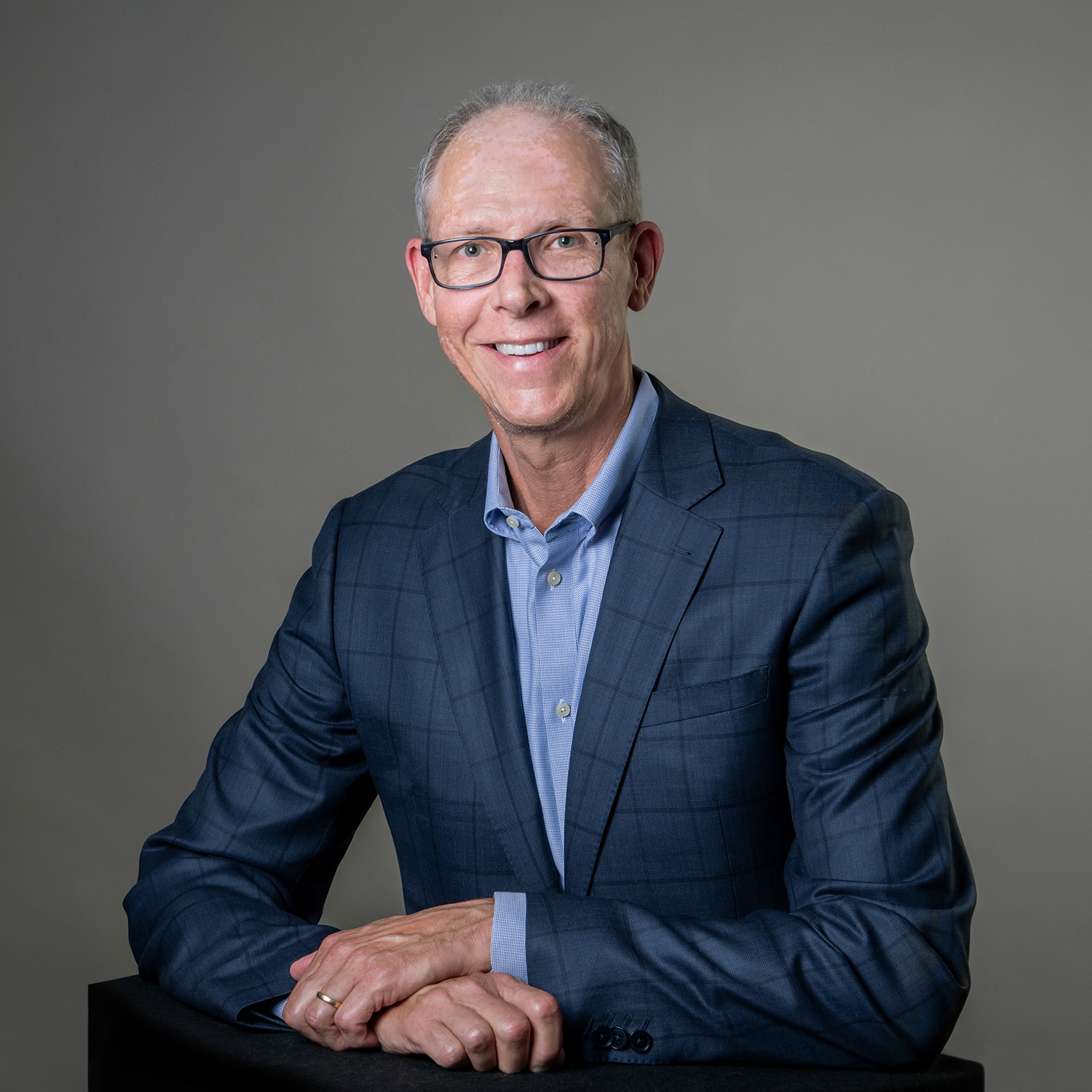
about Mayoral Candidate Steve Galen.
Steve Galen is a business leader running for Mayor of Bentonville.
After graduating from Virginia Tech and getting a Masters of Business Administration from George Washington University, Steve had a successful business career for over 30 years, working for 3M, Del Monte Foods, Timex, and Bissell Homecare. He led large retail sales teams with dozens of employees and multimillion dollar budgets, overseeing everything from marketing to finance and customer service.
He and his wife Susie have been married for 30 years. The couple moved to Bentonville in 1996 and have two children, a son and a daughter, both Bentonville public school graduates who went on to the U of A. Steve has given back to the community for decades as a non-profit leader, serving in volunteer roles with Mercy, NWACC, Best Friends, Bentonville Library Foundation, and many others. Steve enjoys tennis, golf, gravel biking, and spending time with Susie and the kids.
episode notes & references.
Walton Family Foundation Quality of Life Survey 2024
episode transcription.
episode preview.
steve galen.: my overall vision for Bentonville is pretty simple.
It's really just preparing our city for growth while protecting our charm and sense of community. We have incredible talent living right here in Bentonville. Managing large, multifunctional teams and leading community boards has taught me that we can accomplish anything when we work together. There's always a solution.
episode introduction.
[00:01:00]
mike rusch.: We are listening to the underview, an exploration in the shaping of our place. My name is Mike Rusch and I'm back with part two of our bonus episode related to the upcoming election for the Mayor of Bentonville. Throughout the course of all of the conversations we've had through the underview, we've had the opportunity to dig deep into the region's opportunities and challenges.
And now we enter a season of deciding who will lead our community into the future in the role of the Mayor of Bentonville. We have the incredible privilege of deciding together who will be elected and asked to meet our community's challenges and to take advantage of our opportunities. And as you've seen, this decision of who our elected leaders are, It matters. It matters a whole lot.
So the episodes ahead are an opportunity to hear directly from those seeking public office, to hear their beliefs and their values, and why they should be entrusted with one of our most sacred responsibilities. And that is a responsibility of representing our community in the public square.
Before we begin, I want to again explain the format that these conversations have [00:02:00] followed. First, these are the candidates who have officially filed to run for local office. Second, I only sat down with the candidates if both candidates agreed to do so. Both interviews were conducted within a few days of each other, and I used the same basic set of questions, and those questions were provided to both candidates in advance.
Neither candidate had the opportunity to hear the other's interview before I spoke with them, and the current officeholder was interviewed first, and their interview is also being published first. That was last week's episode. These are not debates, but long form conversations based on the same principles of dialogue that we have used for every conversation within the interview.
So today I have the opportunity to speak with Bentonville Mayoral candidate Steve Galen.
Steve is a business leader running for the office of mayor for the city of Bentonville. He graduated from Virginia Tech and got a master's degree in business administration from George Washington University. Steve has had a successful business career over 30 years working for companies like 3M, Del Monte Foods, Timex, and Bissell Homecare.
He led large retail teams with dozens of [00:03:00] employees and multi million dollar budgets, overseeing everything from marketing to finance and customer service. For He and his family moved to Bentonville in 1996. It had been deeply involved in the city and seen its growth firsthand. Steve has given back to the community for decades as a non profit leader, serving in volunteer roles with the Mercy Foundation, Northwest Arkansas Community College, Best Friends, Bentonville Library Foundation, and many other places. Steve also enjoys tennis, golf, gravel cycling, and spending time with his family.
Okay, yes. For those of you who've been following the interview for a while now, you did hear that Steve enjoys gravel cycling. And you know that I enjoy this also. However, I ask no questions here, and I make no judgments based on this. For those that I ride with, you know, that if I were to ask him questions about his preferred, you know, gravel tire pressure or something like that, it could actually tip the scales against him in the court of Mike's opinion. So I'm going to leave the real controversies out of this interview and ask no questions about gravel cycling as hard as that is for [00:04:00] me. Okay, we're just kidding, of course.
And so his complete biography is available on the episode webpage. I'd invite you to go read that and learn more about Steve and his family and the work that he's done as a resident of the city of Bentonville.
All right, we got a lot to cover today, so let's go ahead and jump in. I hope you'll enjoy this conversation I had with Steve.
episode interview.
mike rusch.: I have the chance to share a table with Bentonville mayoral candidate Steve Galen. And Steve, thanks for being here this morning. I really appreciate your time. Thanks for sharing the table with me.
steve galen.: Oh, Mike, good morning. Thanks very much for the invitation. I appreciate it.
mike rusch.: Let's get started. I'd love to hear a little bit about your story. I know you've been a Bentonville resident for a very long time, very active in the community but you're running for mayor. And so this is an opportunity for people to really understand you and your story. And yeah, what do you feel would be important that you want people to know as you step into this this season?
steve galen.: Sure. My wife and I moved from the Washington DC area in 1996 to Bentonville and we've been here ever since. Like a lot of people in town we were only expecting to be here [00:05:00] two, three years and next thing 25 more years followed through, but we love it here. It's a, it's a very safe community.
We were able to raise two children who both went to Bentonville Public Schools and graduated from the University of Arkansas. As far as my background, I have an undergraduate business degree from Virginia Tech and an MBA from George Washington University. I just completed a 38 year successful business career in December, working for, lots of large corporations like Del 3M and Bissell Home Care.
And what I'm most passionate about is the, and proud about is, What I've been able to do to give back in the community, working with some great nonprofit organizations the Bentonville Library Foundation. I worked with the group back in the early two thousands to raise the $15 million to build the first library, and under Howard Kerr's leadership.
We [00:06:00] were able to raise another 11 million for the expansion, which should be opening in the next couple of weeks. So I'm excited about that. I've also worked with the Mercy Health Foundation for 15 years. And I was the president of the Arkansas Crisis Intervention Center for eight years. Lots of things that really help citizens and the quality of life in Northwest Arkansas.
Something else I'm very passionate about is education. And I was given the opportunity to help co found the marketing analyst certification program at NWAC, which allows people from outside the supplier industry to take a five course certification and then, be placed as an intern with a Walmart supplier.
And I did that for 10 years. Boy, I think I placed over 250 people in the community, which I still get people that come up to me today and say, thanks very much. You placed me with Hamilton Beach. It's been a great career. So that's a little bit about me. I guess the one fact I'd like people to know is I'm a [00:07:00] big fan of WE.
I know Sam has a great quote that individuals don't win in business, teams win, and I fully believe that. So all the work I've done really couldn't have been accomplished without my family and friends and folks I've met in Bentonville over the years.
mike rusch.: That's great. Sounds like obviously a long, long service to this community, and so thank you for serving this community so well. And maybe I'd love to understand after all of these activities and participation, like what does Bentonville mean to you?
steve galen.: Susie and I were blessed to come to Bentonville, back in the nineties.
Coming from a large city, we were very happy to move to a small town that was safe for our kids. We didn't have to worry about letting them outside to go play with their friends. Didn't have to worry about them riding their bike around town. Of course, it was only 14, 000 people and I moved here. Now we're 60, 000. And, traffic is a lot more dangerous, but still we feel very happy to be here. Bentonville has been great from a career standpoint as well, [00:08:00] working with the largest retailer in the world and the largest corporation in the world in total revenue, I was able to enjoy a 27 year career as a Walmart supplier, making so many great friends at both Sam's club and Walmart over the years.
And plus, everyone in the supplier community who was also really into giving back to the community.
mike rusch.: You have chosen, you've thrown your hat in the ring to seek the office of mayor of Bentonville. I'd love to understand why have you decided to do this?
That's a good question. It took a while for me to answer that for my wife.
That's fair. Maybe I should ask her the the other side of that question too, but no.
steve galen.: If you'd ask her, I wish you'd ask her now and not go back in time for four or five months. Mike, I never intended to run for mayor. I'm not a politician. I'm a businessman. But some folks approached me at the end of January.
Knowing that I had just recently retired and said we could really use someone with your, business [00:09:00] experience and education and non profit commitment over the last 25 years to provide leadership for the city. We love Bentonville and it has incredible opportunities ahead. But we're also facing some serious challenge that haven't been addressed.
I'm talking traffic, infrastructure, housing. Those are the three things I hear when I talk to people around town. We have an opportunity to meet those challenges head on. Leverage all the community stakeholders, you have lots of experience and expertise in specific areas to to really get ahead of growth and not continually be far behind growth.
So that's probably the reason why I'm running for mayor is I just couldn't stand back and watch another four years of more of the same happen.
mike rusch.: I'm curious as you think through that, like how would you characterize the mayoral race for the next four years?
We've [00:10:00] been in this incredible era of growth. We've had guests on the program before, so that, a lot of our challenges are wrapped up in our success and our prosperity.
But how do you characterize what the next four years and what this race really means to the city?
steve galen.: This is really a crucial race for our city's future. The last six years we haven't made a ton of progress in terms of facing our toughest challenges. And like I mentioned before, we really can't afford another four years of the same.
Incremental efforts reacting when issues become crises will only put Bentonville further behind. I believe the mayor needs to act you. Like a CEO looking 15, 20 years down the road and not getting bogged down in details that can that can best be handled by department heads. The Bentonville mayor must provide leadership and be able to make tough decisions that require taking a stand on important issues to ensure a growth doesn't stagnate because we [00:11:00] fall victim to the same challenges that face other communities with explosive growth.
mike rusch.: So as we step forward in this next four years, to me, it, the question that I feel like I'm always asking of our community and of the people that are leading or asking to lead to this community now what is your vision for Bentonville?
steve galen.: Mike, my overall vision for Bentonville is pretty simple.
It's really just preparing our city for growth while protecting our charm and sense of community. We have incredible talent living right here in Bentonville. Managing large, multifunctional teams and leading community boards has taught me that we can accomplish anything when we work together. There's always a solution. I plan to expand the role of Community Development Director to keep an open dialogue with key stakeholders around town. Groups that have great ideas, are passionate about Bentonville, and really want to be heard. I believe firmly in face to face meetings. Period. I've had my share of Zoom meetings over the last 15 years, and honestly, I'd [00:12:00] rather shake someone's hand across the table.
mike rusch.: Yeah, I appreciate that. I think after COVID, we've all had enough of that as well too.
You've spoken about some of the key things that you feel like are challenges for our community. Things like traffic and infrastructure and housing. I'm curious though while those may be the issues or the challenges, what are the initiatives that you see that we really need to focus on over the next four years?
steve galen.: Those are key issues and Probably the priority that quickly goes to the top of the page is traffic. It's really been eye opening to see how bad traffic has gotten over the last six years and how very little we've done to address it. So that's a top priority for me. We need to move folks around quicker by using things like technology to reduce wait times at traffic lights.
We're not even using pressure sensitive pad technology, which has been around since the 50s. We'll work to get funds to fix traffic bottlenecks with dedicated right turn lanes and [00:13:00] address dangerous intersections like Tater Black Road and 102, which When I was knocking on doors out that area, I had at least 15 residents say, we need a traffic light there.
We need to start listening to our citizens. We'll lobby the state to secure funding to help traffic flow better and safer on major arteries like Highway 72, 102, and Airport Boulevard. We're a huge economic engine for Arkansas. We need to leverage that and really let them know if they want to continue the great progress Arkansas has made.
Northwest Arkansas, and in particular Bentonville, really needs some help to make sure that we can move our folks faster around town. My biggest concern, Mike, is that we're not addressing these, and we won't address these with another four years. And we'll get folks that'll just put their hands up and say, You know what?
Bentonville's great, but I just can't stand the traffic there. I'm going to [00:14:00] move out to Pea Ridge. I'm going to move out to Cape Springs. We can't afford to let our growth stagnate. Once we start doing that, things just start falling apart quickly.
mike rusch.: Yeah, growth has definitely been a challenge in the city. And maybe for all the, I would dare say maybe for all the right reasons, right? This is such a unique community. And I'm biased. I know you've been here for a long time. You've seen this community change. And so I think, we, it feels like there's this balance between meeting the challenges of growth, but also maintaining really the unique character of our community.
And how do, can we do both of those? How do we do both of those things?
steve galen.: So I've, like I mentioned, I've talked to a lot of people in the last six, seven months. If you're talking specifically about Bentonville charm, there's really two perspectives that I've heard.
One is protecting our green spaces, the parks and the trails.
And, we've been very fortunate to have a key benefactor, which has picked up. 80, 85 percent of that cost. And I think a private [00:15:00] public partnership can continue to support those.
The other area where people believe it's their definition of Bentonville charm is protecting established neighborhoods. Now, this is a very passionate topic for a lot of people, and I completely understand why. We need to make sure that the citizens are being heard. bought in fully with the plan Bentonville that Tyler Overstreet's done just a fantastic job of presenting to the city because we need to make sure the residents share what they want and we identify areas in town where it makes the most sense for infill.
Now a lot of folks in established neighborhoods, I think they welcome, two or three townhomes that are beautiful on a street. But what they don't want, and I can see their point, is a big box that has 12, 15 apartments. Our roads are small in Bentonville. These roads can't [00:16:00] handle the traffic. Townhouses have garages. Apartment buildings don't so that's something we definitely have to face head on and not stick our heads in the sand.
mike rusch.: When you think about the things that you're hearing from residents around protecting neighborhoods, which is something that I live in downtown I do hear that a lot. I'd love to understand how do you work within that space to work with developers and work with residents to, We all know within Plan Bentonville, there's going to be needs to make the city and not necessarily just downtown, but to have more people accommodated in the space, more density in those spaces.
How do you do that practically with developers and with residents in a way that hopefully is a collaborative effort to create those communities in a way that preserves what they love? But at the same time, it accommodates more people who want to be here.
steve galen.: That kind of leads into, our housing crisis that we really have not addressed.
I've spoken with dozens of developers. Most of these guys [00:17:00] are small business owners. They're not raking in the dough. They're doing everything they can to provide a good living for their family. As a city, we need to make it easier and less costly for these developers to build homes in Bentonville.
Because right now, we're not even coming close to meeting the demand with a supply of homes. We're falling farther and farther behind. If you look at, realtor home sales over the last six years, there's A lot of communities that share our borders that are selling homes around 500, 000. That's not the case in Bentonville.
We have an overly drawn out permit process, which can, has lengthened the time since Bob McCaslin was mayor by a factor of two, it can take. easily two, two and a half years for a project to conclude [00:18:00] because, we're not coordinating all of the inspections under one, director who's tasked with making sure things are streamlined.
We're also creating unnecessary fees for developers. That are just adding to the costs. And speaking of costs, I should mention that when you draw out the process, a lot of these guys, probably most of them are sitting on interest only loans for very expensive land. They can have interest payments alone per month of 50 to 70, 000.
So stretching it out another 12 to 14 months, you're talking like six, seven, 800, 000 of additional costs. Where does that cost go? It goes into the price of the home. We're at, we're pushing all of the development responsibilities on developers and I believe impact fees should be fair and just, and they should help us, build out some of our infrastructure, but a lot of the stuff we're asking them to do are things the city [00:19:00] should have been doing all along.
We're asking them to do all of the infrastructure improvements. Not just some, there is no shared cost model. So by doing that and not taking full responsibility for what the city's responsibility is, we are artificially making costs so high that we all have to pay more, so much more. I don't know about you, I have adult children.
I'd love to be able to have them live in Bentonville one day. I talked to a ton of people who feel the same way. At the rate we're going now, That's a very unlikely prospect for my kids. We can do something about it.
Now, coming back to your question and actually answering it this time, what does all this mean in terms of making it more difficult, more costly and stretching out the process?
How does that impact our ability to be able to maximize our infrastructure by putting [00:20:00] more walkable and bikeable neighborhoods in the city? That when you have developers that are putting financials to a project, with the high interest rates and all the costs that the city is lumping on top of the developers, two or three townhomes for a single family, quarter acre lot just doesn't pencil out.
That's why they're forced to do these large multifamily, apartment buildings. That's the only way they can make any money, not a ton of money, any money. I'm optimistic that interest rates will come down. I'm also optimistic that with a more of a business minded approach, we can make things easier and less costly for developers and we can start increasing the supply of homes.
Which will start, balancing out the cost because, as at the larger supply, the lower the cost that we all pay.
So in terms of protecting neighborhoods, I think we can make it happen just by being a better [00:21:00] partner with our developers, actually crediting them for building the fabric of our society and working with them to say, listen, this is our land use map.
This is where we want to build. And these are the types of projects we want here and there bring them in.
What are the projects you have that could match up with our land use map? That way it's a win, we can, we keep local businesses profitable and we're building an increased and faster supply of homes for everyone that lives in Bentonville, the, infrastructure, housing, and traffic are all interconnected and it's a vicious cycle. If we're not building the homes we're pushing everybody who still works in Bentonville outside the city limits, which just makes our traffic that much worse. And we miss out on the benefit of having them pay into the tax base if they live here.
Which is crucial if we're going to continue to invest in our infrastructure. If we don't do [00:22:00] that, then the folks that live here now are going to have rapidly rising costs because the denominator is so small and the infrastructure or the numerator just keeps getting bigger and bigger.
mike rusch.: Within those areas and I'm sure you're aware of the Walton Family Foundation came out with their quality of life study that, identified these infrastructure, transportation, affordable housing as some of the biggest issues.
And so you're speaking directly to some of those concerns. How do you think about prioritizing those? You mentioned they are all connected and related. What goes first? How do those initiatives move forward in a way that Maybe you could solve all three of them, or do we have to solve one before we get to the others?
steve galen.: Now I think they're interconnected in a way, Mike, that you can't work on one and ignore the other two. You have to work on all three together. So we've talked about, building homes and how do we make it so young families. Can live in the city where they work and [00:23:00] put down roots, raise their family and pay into the tax base. So that's definitely important. And that's something that's definitely fixable with strong leadership.
The second thing that we also have to focus on at the same time is traffic. There's so many things that we can do to move folks around faster. Some things are immediate, like using signal light technology, I think 102 and North Walton Boulevard, when you're trying to turn left to go east on 102, I've seen as many as 30 to 40 cars. That traffic light on a timer only lets through five or six cars at a time. What happens then is the rest of the cars bleed into the traffic lane, which just makes the backup worse. There's technology out there where it'll sense and it'll let everybody in that left turn lane flow through at the same time.
So there's something we can do that's [00:24:00] immediate. We can work on adding dedicated right turn lanes. There's so many things we can do from a transportation perspective, but honestly, urban planning is something that is critical for our future 15, 20 years down the road. I remember when Bob McCaslin was working with Walmart and ARDOT to, create funding for the 8th Street Interchange. That wasn't something that was going to happen overnight. But, that used forward thinking and Bob's business skills to say, Wait a second. Walmart wants to build this campus. They're going to add as many as 7, 000 people. If we don't put a dedicated interchange there, We are going to make 102 and Central just a parking lot. So that's one of the things in terms of urban planning. Where do we need the new arteries that require state funding? And let's start working on those now.
And then [00:25:00] finally, infrastructure, so infrastructure is a big challenge for our city and another area where we've fallen far behind. If you don't have the infrastructure in place, and I'm talking mostly sewer and water, if you can't add any more toilets to Slaughterpen Wastewater Treatment Plant, you can't build any more.
There are places around town where we have old six inch pipes. That just cannot take new homes. I was knocking on doors in a development off of 72. And I had people tell me that their sinks were backing up because Slaughterpen just couldn't handle the sewer. That's terrible. There's no reason why we should be in a position where it's a crisis.
We've known this problem is coming for a long time. We should have started planning to upgrade our system six, seven years ago. These are all connected and you have to do them all at the same time. Because if [00:26:00] you don't, then we just are going to continue to fall behind in all areas.
mike rusch.: Yeah, the complexity of it, is beyond my understanding. I've tried to be a student of all of these things. That's very kind of you. But I think I'm trying to understand, how these things work together.
And one of the conversations we've had, too, that's overlaid a lot of Northwest Arkansas's issues around growth is this topic of affordable housing, and there's been a lot of work with the city and developers and nonprofit organizations to try to work through what that looks like.
I'd love to use kind of your perspective. As an overlay. When we talk about housing, when we talk about infrastructure, when we talk about the growth going in what is the overlay of this affordable housing conversation into all of this?
steve galen.: Affordable housing checks off a couple boxes. One, actually several boxes. How many times do you go to a restaurant and half the restaurant's closed because someone couldn't get here because of traffic on I 49? So there's a convenience [00:27:00] factor where it's just, it's frustrating to live in a town where you can't get the services you want.
Our workforce, they also, just like anybody else, they can pay into our tax base. If we push everybody outside the city limits, like I mentioned earlier, they're just going to make traffic worse and we're not going to have the tax base to invest in our infrastructure. There's also a, an economic impact of having people living in the city as opposed to just commuting, these are people that are shopping at local shops. They're buying groceries. They're buying clothing. So there's much more of an economic impact by having those folks living here. In addition to the frustration of not having the convenience of The services you want because workers are just, it's tough for them to get around.
And finally, I think it really comes back to traffic because they're just, we're pushing them out, but they're still working here and they're just making rush hour [00:28:00] exponentially worse. So there's many reasons, financial frustration to support more affordable housing and I guess the one thing I'd like to dispel is, unfortunately, other people can, use affordable and low income in the same way, which for affordable, and we're talking about police, health care workers teachers, firemen, city workers, Walmart workers at the new home office campus. These are folks that are upstanding citizens. They make a good salary. I wouldn't call a family that's making over 100, 000 a year low income. They just want to be able to live closer to where they work, put down roots.
I'm not sure if that's really something that's an unrealistic dream. Now, of course, there are certain parts of town where the cost of living is just so high. That [00:29:00] ship sailed five, six years ago. But there's lots of other areas in town where there are opportunities to build nice, condos, more townhouses, where infill makes sense, so that everybody can try to live in Bentonville where they work.
I believe that We have an opportunity to be a leader in the country in this. We have so many intelligent people here. We have the world's largest retailer and largest corporation in our backyard. By working together, I believe that we can further our growth and not stagnate by finding room for everyone.
And at the same time, still protecting the Bentonville charm that we all love.
mike rusch.: Yeah. I'm curious your perspective on what do we sacrifice as a community if we don't figure this out?
steve galen.: I think at the, at one end of the spectrum, we risk being, developing into a city like Aspen [00:30:00] where there are, the house cost of housing is so expensive that workers have to be bused in. Workers live in parking lots in mobile homes or vans because he just can't afford to live near where they work.
And again, we're not talking downtown. We're talking areas, outside of town where it just makes sense. And then also something to mention is that, for folks that make really good livings, they could be architects, they could be Walmart suppliers, they could be Walmart buyers, two income families. It's finding room for them to be able to afford a house. That's, five, 600, 000 or, maybe less than 500, 000 where they can put down roots. There are some people also, Mike, I believe that if they had an opportunity to trade the size of a home. For being closer to the [00:31:00] city, I think they would, rather than go after a 3, 400 square foot house, that's, a 45 minute commute to downtown, they might be interested in a 1, 400 square foot townhouse because they want, they prioritize walking around and being able to enjoy everything the city offers.
mike rusch.: Steve, one of the things that you've mentioned, I think, which is true the traffic concerns of the city. This is probably, and this is my bias, is not going to be solved by one thing and one thing alone.
There's been a lot of conversations within the city around the subject of active transportation. I'd love your perspective on where this fits within the priorities of trying to solve this issue, and what does the role of that look like, maybe even in our quality of life and, economic abilities.
steve galen.: Active transportation, in my view, Mike, to your point it's not a silver bullet, but it's one of many solutions that could add up to real progress. Road improvements, new roads, public transportation, HOV [00:32:00] lanes on I 49 during rush hour, are all important as solutions. I think dedicated bike lanes for e bike commuters Are also necessary to ease congestion over the next several years and beyond.
If you look out 15, 20 years what do we all want? I know when I grew up and probably when you grew up too, you could bike everywhere in town. We really can't right now. Our bike trails are like the sidewalks in town. It's a patchwork quilt. They're not connected. My vision for the city when it comes to active transportation is through a private partnership.
Build out the remaining 93 miles of bike trails that Trailblazers has planned out. Including, tunnels and overpasses so that kids and families can bike [00:33:00] downtown and they don't have to get on a road. And the, that same infrastructure can, make folks that want to, or give folks that buy an e bike an opportunity to choose riding their bike versus being stuck in traffic for 30, 40, 45 minutes. I also know that in talking with a lot of motorists, I think they're suspicious about bike lanes and things like that, putting a stripe of paint on a road is not in my opinion a dedicated bike lane. I'm talking about separating cars and bikes and pedestrians so everyone can navigate the roads and the trails safely.
I think if you put some real time educating the community on all the benefits, I really believe that all motorists would welcome the opportunity of active transportation so that they're, they don't have to worry [00:34:00] about navigating a road with a bike on there. I know it it's a dangerous situation.
So again, I think there's a lot of things we can do to ease traffic around here. And while active transportation isn't going to improve traffic by 50%, even if it improves it 5 percent added up with the other things that we can do with moving cars quickly through town, addressing the bottlenecks, adding dedicated right turn lanes and securing funding from Little Rock to create alternative arteries that move folks in outer regions, cities beyond our borders.
Bentonville. I think those all together You know, paint a picture that we can really get ahead of traffic and make the quality of life for Bentonville so much better.
mike rusch.: Yeah I'm biased. I rode my bike to say to where we are today and I know you did too. And I would love nothing more than to be able to ride my [00:35:00] bike wherever we could.
It's easy to talk about the challenges we have as a community because those are front and center and things that we need to address. And, everyone's aware of those, but I want to shift and talk about maybe the opportunities for Bentonville and in terms of like our quality of life and our economic goals, love your view.
What are some of the major opportunities we have as a city that we can really look forward to putting in motion or keeping in motion over the next four years?
steve galen.: When you look at opportunities, I break them into a couple of different areas. One is the tourism industry, right? And we have that covered.
We have, benefactors that have built beautiful museums that people come from all over the country and the world to see. We have, beautiful parks and trails, which again are underwritten by a large benefactor. So I think those are mostly a private public partnership. Where we have other opportunity is in terms of [00:36:00] increasing our revenue stream so we can continue to invest in Bentonville's future without putting an undue burden on the folks that live here.
I'm talking about economic benefit, right? So all those parks and trails and museums are great and they really make people want to move here. But my focus is really getting our infrastructure, housing and traffic under control so we can start recruiting businesses and putting out the open for business sign for Bentonville so that we can get, businesses that come here with quality jobs.
We can, recruit more retail here. I think Rogers has done a great job with Pinnacle Hills Promenade of making just a regional shopping area that everyone goes to. I think those are lost opportunities for Bentonville. I think we have a lot of some businesses and, little to [00:37:00] none of others that people want.
One of the things that I've been thinking about off and on over the last, four or five months is, surveying the citizens of Bentonville and finding out what types of businesses would you like? I know if you want to buy clothing you really are forced to go to Rogers because they have a lot of clothing chains.
That's one area where I think there's a lot of opportunity for us, but, serving the citizens, finding out what they want, actively recruiting those types of business to the city so people don't have to drive outside of Bentonville to reach them. So that's where I think we have an opportunity to secure our future financially by watching our dollars, opening the city up for business and just increasing the amount of retail and business amenities.
mike rusch.: No, I think that's super helpful when we think about, the quality of life with the economic goals and how those things work together. I'm curious, you've mentioned, obviously Walmart has got a [00:38:00] huge presence in our city. It's absolutely significant. It's been transformative for the city and for this region. I'd love to understand, like, how do you view the city's partnership with Walmart? The global campus is getting ready to probably open here. Whoever is going to be there is going to be. Going to be navigating through what that looks like to have this brand new global campus open.
And so I'm really curious, like how the city's partnership with Walmart really works and what is your vision for that?
steve galen.: Sure. Mike, I think our partnership with Walmart should be one of collaboration.
We really need to co exist so we can both accomplish our goals. It's not a, they accomplish their goals and we can't or vice versa. We can really work together on this. Walmart, like any business, they want to recruit the best talent to drive growth, right? And I think it's very smart on their behalf to do everything possible to make Bentonville just the coolest little city in the world.
Hats [00:39:00] off to them. But it's our responsibility as a city to make sure we're prepared for that growth so we can welcome the new families. We both want the same thing. Growth And an increased quality of life.
mike rusch.: That's great. I think through that, we see people that are coming, they're coming to Bentonville from literally all over the world to live and raise families.
Obviously you mentioned the tourism industry. I'm curious, how does the city really work with this dynamic of building inclusive community? What, how do we do that and do that well, so that the people that come here feel welcome, they feel belonging. What do you want them to experience here? What do you want people to walk away from the city with?
steve galen.: I think the short answer is I'd like all visitors and newcomers to appreciate everything that Bentonville can offer while at the same time contributing to a vibrant culture that continues to evolve over time. And I think we can do more as a city to help.
incorporate them into the fabric of [00:40:00] Bentonville. I'm very proud to lead an initiative for the Bentonville Library Foundation, when the new library expansion opens up in September, of using the library as a community hub a really low cost community hub so that we can get nonprofits and community groups into the library.
There's so much opportunity to create an environment where, let's say, for example you are new to Bentonville, but you want to engage in the community. There's a lot of nonprofits here. One of the things we'd like to do as a group is have a monthly meeting with, different nonprofits.
They have booths in the new Walmart community room so that people can come in and say, they can go around, meet the folks at different nonprofits, find out what interests strike their fancy and immediately start meeting with folks that share similar interests. I think that's one way to jumpstart the opportunity for newcomers to feel like they're [00:41:00] part of the community.
mike rusch.: Oh, that's great. I think one of the things I'm curious about is, our city went through yeah, really difficult tragedy through the Memorial Day tornadoes, right? And so you see this aspect of communities coming together for people that have been here for a very long time.
I'm really curious as we think through that experience. What did you see? What was your view of watching our city go through Something that obviously we would never want to go through but now I think are starting to emerge on the other side of that. And yeah, I'd love your perspective on what you saw of this community through that experience.
steve galen.: I'll share two observations, one of pride and one of concern.
As a long term resident, I couldn't have been more proud of those in Bentonville who came out with their chainsaws, their ropes, and themselves to help their neighbors. It was truly uplifting to see these countless acts of kindness. It just made me real proud to live here. Travis Matlock Dennis Burge, [00:42:00] Mike Bender, David Wright, they all sprang into action, did a fantastic job reacting to the damage.
But I have to tell you that I was very concerned when I learned the city had no official disaster plan. Now, keep in mind, we live right next to Tornado Alley. Next to tornado alley.
And we did not have a formalized plan with a binder for every single department head and city leader that we could open up on day one and start calling pre arranged contract providers to remove our compost have Second and third and fourth compost areas that didn't fill up because we didn't think through what happens if we have a major storm, heaven forbid, what did the storm and touchdown and wiped out 500 homes?
Where would we have staged the water, the food, the clothing, where will we have housed everybody? What was the chain of command? I think [00:43:00] Bentonville as a whole and I'm talking mostly the residents and the department heads did a great job reacting to what was thrown in our laps. I don't believe the city leadership did a great job.
It took us two weeks to finally get someone under contract to take care of our compost facility. That's something that can never happen again. Yeah, I, with a long business career, when leaders are in a position of responsibility over a large group teams, they're responsible for looking down the road and anticipating, good and bad opportunities.
This was a bad opportunity that we should have planned better for. And I think that's just, that's something that, only someone with business training, leadership, management training, someone that knows how to put together comprehensive plans using lots of [00:44:00] data and leveraging experts can be the person who, sets Bentonville in the right course and prepares it for future challenges.
mike rusch.: Yeah, Steve, thank you. I think, this to me is wrapped in this question of, as a citizen of Bentonville, what should we expect of our city, right?
We expect a lot. We expect our city to, to solve a lot of problems. To get ahead, to create opportunities, to solve challenges, but I think wrapped in that and some of the things we saw within this experience of going through these Memorial Day tornadoes are citizens taking responsibility for their community.
I know citizens are going to have high expectations for their city and our leaders as they should. We should, that's a good thing. But what is our responsibility as citizens in the shaping of this place? If you're sitting in the mayor's spot what do you expect of the citizens to help be a part of this city becoming what it's going to become?
steve galen.: In general, my philosophy on what is the number one expectation of a [00:45:00] resident or a citizen of a community is to get engaged. That could be volunteering for a task force, working with a non profit, or boy, even help picking up trash at the city parks. They're all important. There's no point system that ranks any one activity that's better than another.
You really need to get involved to be heard. I'd like to see the citizens be engaged in city affairs. And I really welcome ideas from everybody. That's what makes us great listening to concerns and doing our best to build a city that we're all proud of. Joining in the conversation is super important.
mike rusch.: I think it is important that citizens at least they know what's expected of them to be a part of the shaping of our community. I'm curious your perspective too, as you look at the role of mayor in the city, what are some of the, maybe the misconceptions that most people have?
I would love to be able to call the mayor's office and say, please fix whatever this needs to be addressed. But I also understand that there are layers [00:46:00] of government and that are good, that can work for us.I'm curious s what are some of the common misconceptions that it's important for people to understand about this role of mayor within our city?
steve galen.: Yeah, that's a great question. Thanks for asking. I think, and I've encountered a lot of these questions over the last six months.
Folks should know that mayors have very little control over state and national issues. There are so many divisive issues out there, like immigration, for example. The mayor of Bentonville, Arkansas really doesn't have anything to do with that. That's why we, we elect folks to, to manage those issues in Washington, D. C. And I have confidence that, folks like Tom Cotton and John Bozeman are working on our behalf every single day.
A mayor is really, a CEO of a town. It's their job, on one hand, to make sure that the city runs smoothly, that we're providing [00:47:00] services at a reasonable cost, we're controlling our spending so that we're not making the citizens pay for our lack of Not controlling our costs. And the other thing that CEO needs to do is really look 15 years, 20 years down the road to prepare the city for growth. And that's really a lot of it is urban planning, where is the growth coming? Where, what can we do to bend it, to make sure it fits within, our expectations of what is good growth and not be surprised at something because we're not monitoring the data that is abundant in Northwest Arkansas.
Folks like N. W. A. Council, Urban land Institute groundwork. They have countless experts on staff and on their boards that provide a lot of insight [00:48:00] into volume projections, what are our infrastructure needs and how we can work as a region. The end of the day, the mayor has responsibility for the city's pressing needs, not things that are outside of their control.
mike rusch.: Well, Steve, I'm super thankful for your time and I've got to my two final questions for you that I'm really curious as you think about our city.
One of the questions I'm always asking is what are your fears for this place?
steve galen.: My biggest fear after talking with so many people and learning more about this city than I ever imagined, is that if we don't address the serious challenges facing us, which are all in crisis mode right now, our city is going to start to stagnate. I've had so many people Caution me that if we don't address these serious concerns, they want to make sure we're not living in the best time to live in [00:49:00] Bentonville and it's all downhill from here. We have such tremendous opportunity, but really preparing our city for growth is what keeps me up at night.
mike rusch.: No, thank you for that. I always feel like it's important to put those on the table and just say these are the things that we really do need to address as a community.
Throughout all the conversations that I've had, my desire has been to really ask everyone and get to the root of what does community wholeness look like.
And so I'm curious within your perspective and the journey ahead for our community and city, from your perspective, what does it look like? What does community wholeness look like for our city?
steve galen.: When I think of the phrase community wholeness, I think it really speaks to the community coming together as one. To take care of, folks in our community that, that need a little help. Working with non [00:50:00] profits and churches and volunteers to really point these groups and folks in the right direction that can really have a significant impact on our residents here.
I read in the Walton study that Folks that make 100, 000 or more their belief that things are all great here are much rosier than folks that make less than 100, 000. So I think we have the capacity and we've shown that many times that we're very empathetic to people's needs. And I think coming together as a community to help out those in the community that are also paying taxes is something that gives me hope that we will fulfill our destiny of being just the best town in the world.
mike rusch.: Steve, I'm incredibly grateful just for the time to sit and share a table with you and to hear your thoughts and your vision for what you would want this city to become. And so [00:51:00] thanks for your time. Thanks for being here. And thanks for the work that you've been doing to serve our community for so many years.
As we move intoo this season, where the community gets to make a decision about who will lead it going forward. I'm just thankful for your time to sit here and talk through that. So thanks for being here.
steve galen.: Oh, thank you. This is my first podcast. There's so many first things I've done in the last six months. This is really amazing. Thanks very much for your invitation.
mike rusch.: Then I'll consider it the best one so far.
steve galen.: So that's absolutely the case.
mike rusch.: That's great. Steve, thank you very much.
steve galen.: No, thanks Mike. I appreciate it.
episode outro comments.
mike rusch.: Well, thank you to Steve for taking the time to share a table with me and his willingness to share his ideas about the opportunities and challenges that the city of Bentonville is facing for the next four years. I continue to appreciate the unique perspectives that everyone brings to the table, and I believe that at the core of each of these conversations, people really are trying to do the right thing for the people of our city and our region.
I'm incredibly thankful to Steve for all the ways he's served our community and our region with his time and his [00:52:00] resources. That work and that focus has been a great part of the shaping of our place today, And those efforts will continue to shape our community for good in the years and decades to come I would encourage you to visit steve's campaign website at stevegalenformayor. com To learn more about his story the issues and initiatives that he sees as needed for the city As well as a list of upcoming events where you can meet him and learn more about the work that he has ahead
So thank you again for following along with our story And I hope that these conversations can help inform and inspire our decision To choose the candidate that will rise to meet the challenges ahead for our city and our community.
Stay tuned we may have more of these to come and until then I just want to say thank you for being a part of the shaping of our place [00:53:00]