
the new community Srividya Venkatasubramanya.
Srividya Venkatasubramanya founding member and Executive Director for Ra-Ve Cultural Foundation. How a community is using Indian performing arts create a sense of belonging and pathways for participating in the shaping of NW Arkansas.
season 1, ep. 24
listen.
episode notes.
Episode 24 is a discussion with Srividya Venkatasubramanya founding member and the Executive Director for Ra-Ve Cultural Foundation.
The topic of our discussion is the state of Northwest Arkansas & how a new community is using Indian performing arts to create a sense of belonging and pathways for participating in the shaping of Northwest Arkansas.
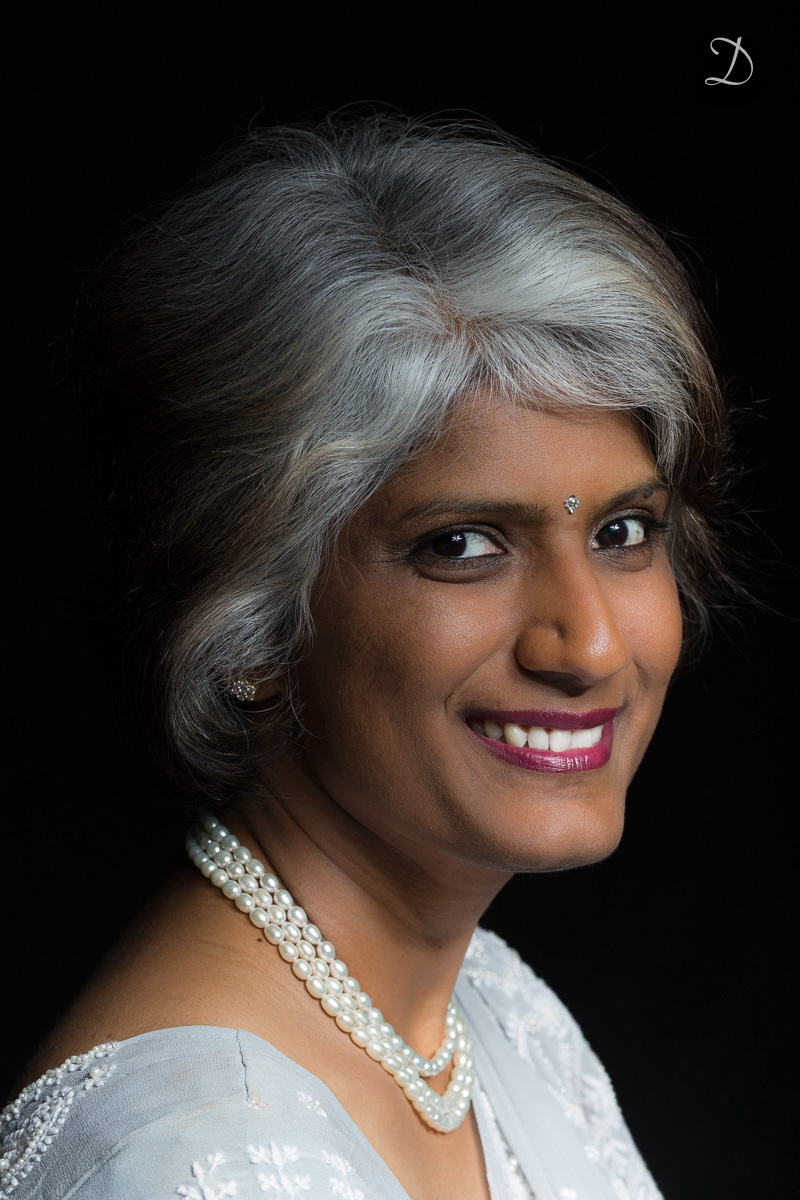
about Srividya Venkatasubramanya.
Srividya is a founding member and the Executive Director for Ra-Ve Cultural Foundation. Her exposure to Indian music and dance in her formative years helped shape a lifelong love and appreciation for the performing arts. For several years, she organized an annual event called ‘Sargam’ to bring Indian classical performances to Northwest Arkansas. As a tribute to her parents and in honor of their legacy of service, Srividya named the foundation Ra-Ve, an amalgamation of their first names, Raji and Venkat.
Srividya’s background as an educator prompted her to start the Ra-Ve Cultural Foundation to help and support the next generation’s efforts to learn Indian music and dance, by increasing exposure and opportunity. “For me, it is important that we nurture our cultural identity and give it voice in a multicultural space like Northwest Arkansas”
Srividya’s academic background is in Spanish, foreign language learning and teaching, and Curriculum design. She speaks and understands 5 languages.
[caption id="" align="alignnone" width="3931"]
Photo by Brad on Unsplash
route.
The route for this episode is…
Directions & Info for Pea Ridge Hub
music.
Ra-Ve Cultural Foundation on YouTube
references.
episode transcription.
episode preview.
[00:00:02] srividya venkatasubramanya.: You don't have what I call a pipeline Towards creating that common experience. You know, we're still not there. And hopefully, Ra-Ve will keep working to dig the trenches and create that pipeline and, help more of us come together and see that we really are more similar than different and continue to learn about each other and work together. Working together, collaborating is not easy. It's not easy. It's not at all easy, but we have to do it. If we don't do it, then we're not going to enjoy the results of it.
episode intro comments.
You're listening to the underview, an exploration in the shaping of our place. My name is Mike Rusch, and in the United States today, Indian Americans are the second largest immigrant group. And here in Northwest Arkansas, it's estimated there are approximately 25, 000 people from Southeast Asia who are now making this region their home.
You can look no farther than Creekside Park in Bentonville that includes a regulation sized cricket field to help host the region's NWA cricket organization that has 32 teams comprising of almost 800 players.
This new community in Northwest Arkansas is breathing life into our region and bringing with it their traditions, pastimes, food, and music to help shape our region as it continues to grow and draw more people every day.
Today, I have a privilege to share a table with Srividya Venkatasubramanya, the Executive Director and Founding President of the Ra-Ve Cultural Foundation. Srividya's journey of coming to the United States and to Northwest Arkansas to create a home is one that goes deep into what a sense of belonging really looks like when someone with a very established culture suddenly finds themselves in a place that may be very different. Her story is a revelation of how a new community tries to create a sense of belonging while preserving who they are, their identity in a place that may feel very different.
The topic of our discussion today is a state of Northwest Arkansas and how this new community is using Indian performing arts to create a sense of belonging and pathways for participating in the shaping of Northwest Arkansas. Got a lot to cover and it's a great story. Great conversation. Let's get started.
episode interview.
[00:02:51] mike.: Srividya, thank you very much for sharing a table with me. I'm incredibly humbled and grateful that we can spend some time together.
So thanks for being here.
[00:03:00] srividya venkatasubramanya.: Oh, thank you for having me, Mike.
[00:03:02] mike.: Well, I'd love to start with your story.
[00:03:04] srividya venkatasubramanya.: Where do I start?
[00:03:06] mike.: You can start wherever you'd like.
[00:03:09] srividya venkatasubramanya.: So I grew up in India and I grew up in a very conservative what we call a Tamil Ayur family, and I think a lot of people who know what that means will understand exactly what that means because that comes with the whole cultural definition.
But for me it was different because I grew up mostly in Delhi. You know, so though I am from Chennai, I grew up mostly in the north and two cultures cannot be more different even though it is very much a part of the same country.
My father was a very conservative person in terms of his political views, his social views, everything was a typical you know, man who believed, you know, his wife you know, you know, that his wife had certain roles, that he had certain roles, his children had certain a certain position in, in the family,
but he got married to somebody like my mom, who couldn't have been more liberal in that sense and I think my father had his liberal side, but I think my mom pulled more of that out of him. So I think we benefited, therefore, from both views growing up. We were, I think, very very rare family where both our parents would encourage us to to speak up.
We had grand discussions at the dinner table or, in the living room. I remember many times sitting and just discussing politics, religion, education work, and what is right and what is wrong and what you should do and what you want to do and just all those things, you know, we, we grew up with parents who helped us develop our own voices. I don't ever remember our parents saying that you had to become a doctor, or you had to become an engineer, or anything like that. My sister, she did botany, which was unheard of at that time. And then she followed it up with a master's in French. You know,
[00:05:10] mike.: as one does,
[00:05:13] srividya venkatasubramanya.: and I did I did Spanish, like I have a degree in Hispanic studies it was a five year combined program, bachelor's and master's, and that's what I did from the University in Delhi.
So, you know, like we were never you know, the typical Asian stereotype, right, of you know, always being on top or, you know, becoming a doctor or an engineer, that never applied to our family, right? So that's how we grew up. And we were very strongly rooted in our culture religion and our culture. That's how we grew up. Again, you know, a very strong sense of identity about who we were as an individual and how that was a part of a community, you know. And then I and then I got married when I was 23. And my husband was already living here in the U. S. He was at he was living in
minneapolis. And like many women like me, who ended up coming to the U. S., not because we wanted to, but because we got married to someone who was already here on a visa that's it, that was in 2001, and it is 2024 now, and we moved to Arkansas about 15 years ago. And yeah, this is, this has, is becoming home more and more.
And then we moved here, which is somewhere between the Midwest and the South here in Northwest Arkansas, and that was again another whole different cultural experience. And I think the more I tRa-Vel around the world And I meet people. I love meeting people. And I meet people from literally all over the world.
And I think we are more similar than different is, you know, the conclusion at the end of all this. And it, it's a conclusion because every day I get more proof of it, that we are more similar than different. So, so that's a small a gist of, my life so far.
[00:07:30] mike.: I'm always curious. You, you mentioned this as becoming home, but I would love to hear you talk about that.
It is this home? . Do you feel like this is home yeT?
[00:07:39] srividya venkatasubramanya.: Yeah. That's that word home is so hard to define. My daughter, you know, she's she's a sophomore at the U of A and She was home, this was during the holidays and she would wake up like in the middle of the day, and, you know, by the time she had lunch, it was 5 o'clock, and you get the idea, right?
And I said, come on, sweetie, you can't do this. Like, you know, you need to Wake up a little earlier in the day and you know and perhaps help me or you know spend some time with me or And then she said something she said but this is home and when i'm home I'm i'm like a child all over again, you know, and you are mom and you know And I don't have to I don't have to take responsibility for everything,
and and that really struck me. And I said, yeah, exactly. That's home. You know, home is where you're relaxed, where, you know, there are no rules, you know, there's nothing like you have to do. And here in Arkansas, that's been hard because I am Indian. I'm Hindu. I live you know, that means certain things.
And in order for me to follow those things here is a very big challenge. One has to make compromises and that's hard, you know, when you have to compromise on the way you want to live. And and then people don't understand. that either, you know, so you are in an environment that is not relaxed. So, so that's why I say that, you know, Arkansas is becoming like home.
It has a, a decent sized Indian community, but I can't say it's a huge Indian community enough, it's big enough to cater to all our needs, you know, that we all have as an Indian community and and that's hard and and the larger community also is not very I don't think many people really understand what it means to be Indian or Hindu and you know, and, and, and that's also challenging.
So, but we're getting there. Little by little.
[00:10:00] mike.: , you mentioned as you were growing up that this idea of identity between kind of individual and community was very well, known. But then you come to Northwest Arkansas and you said maybe there's compromises and challenges. Is it, is it compromises and challenges like from an individual standpoint or a community or a combination of all of those things?
[00:10:22] srividya venkatasubramanya.: That's a great question. Yeah, I think it's both and all.
So let me explain a little bit, right? So for example, the Hindu system, and I want to call it a Hindu system.
I don't want to say religion because frankly, it's not a religion the way people understand religion. It's a way of life. It's your, it's a set of beliefs and, and lots of things. But for example, we follow the lunar calendar, so our calendar is. It's 14 days of waxing and 14 days of waning with the full moon and the new moon in between, right? So every full moon there will be something, there will be some kind of a celebration, some kind of a prayer or, you know, we identify a certain goddess or something, some element that we that we celebrate, that we give thanks to or pray to in a specific way.
Every New Moon is typically dedicated to your ancestors, but may also have other you know, some other focus also. And then the days in between. And there are multiple days for, for multiple, again, aspects of. life, celebration there are, we have festivals that are dedicated to the farmer, to our crops, there are and therefore the sun god, you know, everything in the Hindu system is sacred. Animate or inanimate. Everything. Because we believe that the entire universe is permeated with the same consciousness. And that's what your quantum theory also says, you know, it's all energy.
And so however you look at it, you know, it really doesn't matter. My ancestors chose to look at it in this particular way. And I love it. You know, I love that way. I love the stories behind it and the significance behind it. And I choose to continue to follow it. So with all these different celebrations sometimes if you are living here, I followed that calendar.
Then I have, if I have kids, then I have my school calendar. And then I have the American calendar, which is you know, with your July 4th and the Memorial Day and celebrations that I don't identify with, which took me a few years to understand and learn about and participate authentically in those celebrations.
So trying to handle three, four different calendars is very challenging. It's, it can literally drive you crazy. Like, so I think the stress of it does catch up and then you have to, somewhere you have to draw a line and say, okay, this week you know, if it's between Halloween and my Navratri, which is, which sometimes will come together, which one do I choose, right?
But I have to do both. I cannot give up one for the other. So it's, it's riddled with those kinds of choices and compromises and at some point of time you do, I do feel guilty, you know, am I betraying my ancestors, am I betraying my traditions you know, in, in favor of something else?
Not that that's right or wrong, but there is that guilt. And, and you, I can't just write it off, you know, I can't just say, I'm here in a new land and therefore I cut ties with my past. I cannot. I cannot deny my parents and my grandparents and everyone who came before that, because I am here because of them.
[00:14:05] mike.: Let me go back because I'm, I'm just, I'm super curious. And the reason I'm curious, I mean, my family many, many, many generations ago immigrated to the United States of which I have no knowledge of today. And my hope would be and maybe my disappointment would be that when that family came here from, from Europe, that that they carried that same maybe tension or that desire but now so many generations beyond that it's been lost to me.
And so I, I hear the tension maybe in this idea of identity from a community perspective, and I would love to maybe try to understand that a little bit more and that how do you balance that tension between the community where you live and some of the, I say values, but maybe their priorities is a better word.
And being able to also authentically be who you are in this place. How does your family, how do you, maybe, how does the community that you're a part of work through that kind of tension?
[00:15:09] srividya venkatasubramanya.: So let me start with why we even come, right?
So in India we grow up you know, education comes first with children, you know, you have kids and it doesn't matter which socioeconomic background you come from. Education comes first. You know, every mom and dad is absolutely obsessed about sending their kids to the best school they can and, to have the best education and so it's not surprising that with that kind of a focus over the past so many decades because you know India was colonized and we got our independence in 1947 and and since then if anything there has been A greater focus on education and trying to build the nation and everything so, so, so it's not surprising that so many Indians come to America especially in the fields of computer science or, Whatever, the stereotypes are, many doctors and so on.
And and I remember I, I personally have been asked, you know, I've been told that, you know, that we've taken away jobs or from, from deserving Americans and so on.
But I don't know if many people really even understand the immigration process. The H 1 visa was created here in America because they couldn't fill jobs. That, that's exactly why the policy even came up. It was not a policy created by India, you know, and put here. America was not able to fuel its economy with enough educated labor.
And companies here were literally scrambling for people with the right technical background and people from all over the world applied. So that is how that visa came up and that is how so many of us ended up here in the first place. So we didn't take away any jobs. These were jobs that were existing that were not getting filled.
And so when we come here, and like I mentioned earlier, the wives, we are all, many of us are educated, but the visa that we come on is a spouse visa, which means we cannot work. So imagine, you know, having spent 20, 25 years of your life becoming a doctor or anything, and then you come here and you can't do anything.
You can't do anything, like you can't work, you can go to school, but whatever your husband is earning is not enough to pay, you know, for you to go back to school and try to recertify yourself. And if you, even if you did, what do you do with it? Because you can't work on an H4. So it's a very frustrating and not just frustrating, it's a very I want to use the word demeaning. But what I'm trying to say is that it pulls you down. I mean, I don't know, perhaps most of us end up in depression, I don't know. It's, it's hard. It's hard to have worked or you know, or just started working and then to just move and then for that future to be just cut off like that.
In my particular case, I ended up going back to school because I just enjoy learning. So I was enrolled in a PhD program at at the University of Minnesota in Curriculum and Instruction. A program I did not complete, but it really helped me get out of the house, meet people. I was a teaching assistant, so I was dealing with students, I was teaching Spanish, which is what my whole background is in, and I was trying to develop my own ideas about teaching and curriculum, and, So, and that was a great boost to me, but I did not understand exactly how universities function in the U. S. and it was very, again, quite a frustrating experience to go through all that. And we were having kids, you know, we were planning to have a family, so I had a young child and we were planning to have another one. And, And I still didn't know what I wanted to do and what I wa what I could do, you know?
And then it so happened that we got my husband you know, got a green card and that helped us move out of that job. So I think another thing a lot of people don't understand about the H1 visa is that you can't just move jobs. They hold you to your job description, so it's a very specific job description. You know, it will tell you exactly what you're qualified to do, and you have to stay within that job. If that job description changes, that's a whole new H1 application. So it's not as if, we get this visa and then we come here and, any job is game or anything like that.
You can't do that. So, so when the green card came along we were able to, my husband was able to move jobs and then that gave me the ability to also start working or do something than just be home. Perhaps that is the choice for, some people, perhaps they enjoy that. And I'm not trying to say that, you know, everybody should be out there working or not.
The whole point of life, I suppose, is the freedom of choice, right? It's the freedom to do what you want to do, right? And to be able to do that. And if you don't have access to that freedom, then what is life all about?
[00:20:53] mike.: So as you come to Northwest Arkansas, this is an opportunity to really engage in the community, but you're coming maybe from a place of being, yeah, new to this place, new to this culture. Where, where did you start?
[00:21:05] srividya venkatasubramanya.: My first visit to Bentonville, we drove from the airport to Bentonville and we passed through all these pastures with cows and I started laughing and I told my husband I said Isn't this what people always tell, you know, say about India, you know, they are like, oh land of cows and things and I'm like We are right here in the land of cows It was a very surreal moment when I moved here to Bentonville and It was a very small place and I was a I'm a completely city bred girl never lived in small towns. So, for me it was like are you sure we are moving here?
And then he told me about Walmart, and my only experience with Walmart at that point of time was you know, it was the best price that I could get something at. So that that's all I knew about it. I didn't know it was the world's largest retailer or I didn't know anything about Sam Walton. And for the very first time in my life, I moved to a place where I didn't know anybody, like not a soul.
So, my first introduction to Arkansas was the Walton Life Fitness Center, where I used to take my daughter, and I would go and work out.
So that was where I started meeting my first round of people. And I still see them sometimes at WLFC and, you know, we talk about how much time has passed, but that, and then we found that there was a temple of sorts 15 years ago, that temple was like it was literally a shed.
And the Indian community would gather there for all the major festivals and prayers and they don't think at that point we even had a priest. Like, you know, it was very much a community effort. And but that's how we met some Indian people and the rest as they say is history, you know, from there then got to meet more people and I was struggling to find something to do because there had been so many years of disconnecT. it's very hard trying to start something new again after having trained in, in for a certain thing.
And my husband because I was, And I am very passionate about teaching. He suggested that I start a franchise with Kuman which is an after school math and reading enrichment program you know, I didn't know anything about starting a business or nothing, and we started and I opened my doors in 2010. With a two year old and a six year old, and and that, that helped me, that, I think, that experience of being a small business owner and a young parent, I think shaped my life here in this area because I think for the first time I started feeling good about myself because I was doing something that I loved and something positive, something constructive in the community where I was living. And I met as many people who valued me for it as those who didn't.
[00:24:29] srividya venkatasubramanya.: So, I've had people, walk into my Kumon Center in the early years who'd come and ask me "Oh, you teach math and reading? What are your qualifications? Are you qualified to teach?" And I used to be like, really? You're asking me that question? I grew up trilingual between English, Tamil, and Hindi. And I was like, okay. So that was the day I put up all my three master's degrees that I have from three different continents, on the wall and yeah.
And then people stopped asking me that question, but I still had, I would keep getting those questions. I would every now and then I would get a certain parent who would ask me if if the content in the worksheets were religious because they insisted that they should be religious. And I was like I'm sorry, but no, and and then, you know, in a workplace scenario I'm Hindu, and if, say, you know, somebody I, you know, was working with me was Christian, then they would bring something in that, or they would try to say something to a student that was not appropriate and I would have to train everybody and say, okay, I understand that that's your personal belief, but, you know, it's my personal belief also.
I have certain personal beliefs, but those are not things I can impose on anybody. Or communicate to a child here at the center and so all these challenges were there and I had to figure out and learn how to communicate that appropriately in a way that people understood. So it helped me more and more learn how to deal with different kinds of people and handle them and get the work done and Yeah, so I think a lot of people skills, people management and, and a big part of that was also mentoring, started mentoring a lot of women, especially
[00:26:18] mike.: American women or Indian women or both,
[00:26:21] srividya venkatasubramanya.: both, both, because I found, and, and this is all proof of what I was saying earlier of how similar we are, you know, than different because I found, uh, some of these young Arkansas bred women. who would come to me, they were working for me from age 17, 16, 18, and they needed as much mentorship as as a teenager their age, or that was Indian, or, or even a 30 year old housewife who was wanting to get back to working. You understand Why they have to get back to working because they also have had that disconnected period of time and and they needed to be mentored because they were not sure how to leave their husband and their children home and go to work, even if it was part time, right?
These were huge challenges. So that's where I started mentoring. I had to sit with them and go beyond the typical workplace scenario, you know, of the relevant training that you needed just to come and work, but I had to sit with them and go with, it is okay if you cook the dinner in advance and leave it for your husband to warm up later and eat, you know, it's, it's okay. You know, it's not the end of the world and you're doing that only twice a week, so it's, it's okay. But, but you have to understand that for a lot of people that that's very hard, so I think I learned a lot of that, you know, running my Kumon. And so while that was going on, my children were growing up and I was a little stubborn, uh, in wanting my children to learn Indian music and or dance.
I didn't want it all to be only western cultural enrichment classes or whatever. You know, all the afterschool activities that they did. And that was because I wanted them to have a good root in their identity. So even though my children were born here in the US and they're Americans it kept making me think, what does it mean to be American ? That's a whole another podcast, I think, but
[00:28:39] mike.: Well, let me ask because as you're a small business owner and you're engaging with this Northwest, Arkansas and American culture there is a desire still within you of this identity to community that you have been a part of and that you grew up in and your family's a part in and How do you hold on to that
in this idea of this tension of what does it look like to be an American, especially maybe even for your children, but at the same time coming from India and having such a strong cultural foundation that you don't wanna lose. I, I know this is, this will lead us into this conversation of starting the foundation, but I would love to hear, all of those things, , if you will,
[00:29:24] srividya venkatasubramanya.: and, and exactly. It started from that first choice. Mm-Hmm. You know, of saying. My children I put them in gymnastics when they were three. My daughter, I remember when you know, when we were in Minneapolis, I took her for ice skating classes when she was three.
You know, they said, Oh, there's a rink right by, you know, why don't you go take her? That's what you do in Minneapolis. So, so, so I already had that larger American culture around me and with very easy access, right? But then I wanted something that would keep them rooted in their Indian heritage too because it is valuable because whatever my ancestors came up with is valuable to me. pretty darn good.
There are people who still from all over the world go to India seeking that spirituality, you know, seeking that something that is not available in the rest of the world. So I value that greatly. And so I wanted them to do it and I looked around me and it was very confusing because on one side we had Bharatanatyam dancers and Carnatic musicians who were teaching classes and yet a lot of the community events that we would have would give a platform only for Bollywood, That confused me because typically if you're learning traditional arts, then you also perform traditional arts as a community. You know, like children would, you know, show their basics, whatever they're learning.
And that really bothered me, you know, that really bothered me, and you know, I would bring up those very uncomfortable questions you know, when we would discuss about these events and things like that. And I would fight for, why don't you give at least, you know, 10, 15 minutes for these children who are learning the traditional music and dance.
So I was now double stubborn because I didn't want my children to start with the popular dance and music. I very much wanted them to learn their traditional arts Because the traditional arts are rooted in Indian spirituality, in Hindu spirituality. So, so I, and I felt that that would be an easier way for my children to learn about these elements. of our culture than to just tell them the stories and the, which, which we also did.
So that is how my involvement started with the art scene the Indian art scene here in Northwest Arkansas. And I realized that the students needed motivation. They needed a platform to gain that sense of belonging because they felt like fish out of water. When they went to school they stood out. They were not understood, and the dance class became, or the music class became their place for Finding that Indian community and the teachers needed support because these were mostly full time professionals on their respective visas and so on already handling a lot of stuff and then trying to somehow pass on what they had learned, you know, as youngsters in India and trying to pass it on to the next generation here with children who didn't have the cultural environment. in which these adults had learned that's hard, man. That's really hard. You can't, one individual, two people cannot create that entire cultural environment. It is not possible. So, and when I looked around me I didn't find many people investing in that either, because it was just easier to do the popular culture stuff.
I don't blame them, but it's just so much easier. You just play a few songs and you're done. You know, you don't have to worry about it being original, it being rooted in your culture or not, it really didn't matter. But that just didn't go well with me and not just me, there were more, there were other parents like me too, who given a choice would have liked to stick to this. And that is how in 2010, I started my Kumon and I started this thing called Sargam, which was just an annual event that showcased Indian traditional arts.
That's it. That's all it was. And me and my friend my friend, Nandini and I, we both started that, um, and she keep telling me, you started it and you whine so much to me that I said, okay, I would help you. I mean, that's, that's her version of things.
[00:34:20] mike.: I have a friend like that.
[00:34:22] srividya venkatasubramanya.: But we both would spend nine months every year slowly but surely move towards that particular date and trying to find a venue was so hard but we would do it and we had enough people in the community telling us that we were wasting our time, that it wouldn't lead to anything, nobody would come, and, But you're like, it's okay, you know, even if just 20 people showed up, it's still worth it, because it gives those children and adults, you know, a sense of belonging here in Bentonville, because it's not too much here to call your own here, you know, So that's how we started Sarkam and it went on for about six, seven years, we did it.
I'm very grateful for the people who did help us. There were so many people who helped us and I, I cannot I cannot say that. That was insignificant.
It was very significant, and we were able to pull it off, because those people would show up. They would show up when it mattered. You know, towards the end, they would. And that, that helped. So we stopped. You know, we took a break after 2016.
We just took a break both of us. And then my life changed I, between 2016 and 17 in about six months, I lost both my parents suddenly out of the blue and that's another aspect of living, you know, halfway across the world from your family. It's so hard, it's just what I see, you know, I see families who bring, you know, grandparents many times will bring their grandchildren to my Kumon Center and I'll always chat with those grandparents because I miss my grandparents and I miss my parents for my children, you know, and we just don't have that here.
We have it in India, but we don't have it here. And that's that's huge loss of social capital, if you really think about it that way, you know, do not have your immediate family because your immediate family is your backbone cross cultures. We are more similar than different cross cultures is you may love them You may hate them all that is different, but they are your backbone there. They do show up for you in most cases. So so yeah, so So when that happened, you know It really brought that moment Heads on to me where I felt. Okay. What am I really doing here? You know, and, and by that time my husband and I, we had decided to live here, continue living in Bentonville, because around 2015 to 16, we had thought of moving out of the area.
We had, we had considered that very strongly because it was a struggle. It was a struggle from so many points of view, and we thought we'd go to a bigger city or something. And And just different things, so many different aspects of that situation at that point of time, and we decided to stay. And after this happened, after my parents, I lost my parents also.
I told my husband, I said, I can't just do this. You know, I need to do something more meaningful. I have to. It's, in Indian spirituality, we say, you know, your birth and your death are two things you will never know when they will happen. They're the greatest secrets. You don't know. You think, you know, your child will be born on a certain date and I challenge you to find me a family that for sure knew when that child was going to be born.
That doesn't happen. And so it is with your death, you know, you're never going to know when you're going to die. Nobody knows that. It's the greatest of secrets. So, given that and I was like, I just have to do something that when I, when my moment comes to close my eyes, I want to be able to do that with peace of having done my best in my life that was given to me.
So, that is how, after much deliberation and thinking, I started Ra-Ve Cultural Foundation in 2018 to solve these problems that we had been facing in the arts especially. Because it is still a very easier, much easier way to help children, especially keep in touch with their roots and even for adults to keep in touch with their roots and and to continue to build a life for themselves in Northwest Arkansas. So that's the goal of Ra-Ve, you know, to facilitate that, to make that easier, to help and support and, and start finding those relationships with local artists and organizations that, that are already doing this professionally and how can we help them learn more about what we do and what does it mean to be a dancer in the Indian sense of the word or a musician?
And how do we work together because we have to work together because whether we like it or not, we do live together here in this community. And, you know, that means that if I can learn to appreciate jazz or Ozark music or I don't know, hip hop. You know, I mean my children listen to all sorts of things and I'm like, what is that?
Right? And my son yesterday, he played some music from this Iraqi Canadian singer, and I was listening to his music and I was like, wow, you know, I can, there are some strains of Sufi music in what I was hearing, and so I, I really feel that all these are such global things, but, but somehow over here we still don't have a system, we don't have a way.
You don't have what I call a pipeline Towards creating that common experience. You know, we're still not there. And hopefully, Ra-Ve will keep working to dig the trenches and create that pipeline and, help more of us come together and see that we really are more similar than different and continue to learn about each other and work together. Working together, collaborating is not easy. It's not easy. It's not at all easy, but we have to do it. If we don't do it, then we're not going to enjoy the results of it.
[00:40:51] mike.: Well, first, thank you for sharing your story with me, because just thank you for your vulnerability. As someone who's lived here in Northwest Arkansas for a while now I think I, I said this before, but being in a predominantly white community, I've, I've not taken the steps to go and engage with the Indian community to understand culturally how do we create this place of welcome.
And I also understand, or I'm starting to understand just what a dynamic force art and music is, and not only understanding culture, but, but allowing people to participate in it.
And as I listen to you talk about what you're doing with Ra-Ve, it's, it's not just about art or dance. This is a cultural experience. This is an embracing of a, of a cultural background in history, but also something today as welL too.
I think what makes me lean into this is just that it is about more than the arts. And I'd love to understand, like, as it goes beyond the work and the programs and the artists, which are all amazing, but as it goes beyond that into creating a sense of community here in Northwest Arkansas, what does that experience look like? How has that allowed maybe this community to start to understand and appreciate the Indian culture? But also maybe steps to hopefully start to engage in that culture as well, too.
[00:42:11] srividya venkatasubramanya.: I don't think popular culture needs explanation.
I hope not.
[00:42:16] mike.: Maybe to me. But I think my kids can help me with that.
[00:42:20] srividya venkatasubramanya.: Exactly, you know, I think, I think the next, it's more a generational thing about popular arts then, you know, this, but I specifically want to talk about traditional arts music and dance forms because, so one of the things that a lot of people feel, even Indians feel a little awkward about Indian traditional arts is because it is rooted in Indian spirituality, Hindu spirituality. It is not religious. A lot of people mistake the two. They're two very different things.
First of all, we do have some, religious hymns and things like that, which we do not perform, you will only hear them at the temples, very specific, but only certain people and so on and so forth. Even I don't dare to assume that role or expression or any of it.
Spirituality on the other side is all about trying to understand the secrets of the universe. It is taking a step back and looking at this whole universe as one thing, it's not about I'm Indian, you're American, you know, it's not at all about that. Spirituality goes beyond all those experiences. So the Sanatana Dharma that we say, you know, or what a lot of people understand as Hinduism or so on it looks at that principle that we are all the same.
Inanimate, Animate, we are all infused with what makes this universe. And we have a word for it called Brahman. And Brahman is, it's not male, it's not female. It's, it's, it's everything and nothing and but we have a name for it. You know, it's that ultimate level of consciousness that you can have.
From where you see everybody, everything, this whole universe. I mean, I'm not even, not even just Earth or the solar system, right? The entire universe. So we have stories of Of how the universe was created, you know, and and stories that can be different from other religions or other points of view and other traditions. And they, they have some very interesting things to say about how the universe was created or what does it mean?
What does the consciousness look like, or what do you mean by God, or why do we worship the goddess, or how did the goddess come about, you know? There's just so many aspects to prayer and to this wondering about what this life, or this whole world, or this whole universe is, right? So, so that is what the, the My ancestors, when they created a song, or or a dance, or expressed themselves, they kept seeking that ultimate consciousness, that ultimate truth.
That was what they sought. And they told those stories through these songs in many different ways, coming from our lived experience. Right? Because that's what we know. We know our lived experience and through that they would talk about that. There were many mystics who have left behind amazing poetry and, and so that is the, that is the essence of a lot of the Indian dance and music. And for many, it is sacred. It is not religious. It is sacred. But also, for many people, it is a way it is a way to connect with your roots, with your culture. And, and that is Ra-Ve's point of view, to, to tell the story of Rama or Krishna or, or the Devi.
[00:46:16] srividya venkatasubramanya.: Knowledge being more powerful than ignorance. There's that you know, we have these three phrases. Life is full of duality. You know, you go and, and, and you always seek to go move from the untruth to the truth, from darkness unto light, from vritti or maha vrittam, that's a little hard to define in English, but loosely translated, it means moving from death unto non death, or to be eternal.
So, you always want to be better, right? That's the uplifting story at the end of it.
And there are so many people from outside the Indian community. You know, India has been that place where people want to go you know, for spiritual purposes, especially. So there are a lot of people here outside of the Indian community who also seek that, who recognize that and who want to learn more. And and for those who don't know anything about it, it is just another experience.
It is just another exposure, my life has taken me to all these different cultural experiences, and I'm the richer for it. I've not lost anything out of it. If anything, I've gained so much more confidence and so much more understanding of, of everybody.
And that's why I, Can say again very confidently that we are more similar than different, you know, because that's the truth, you know, we just think, you know, sometimes, you know, the, the, the color of our skin or the clothes we wear or something we do, you know, may seem different, completely different and alien or, you know, something like that.
But when you actually, you know, just talk to them and find out why they do that. You'll often see the roots are kind of the same. Very similar. Yeah, very much.
[00:48:29] mike.: There's a common question that I continue to ask because I, I, I'm really curious when you think about the Indian community here in Northwest Arkansas, when you think about your own experience here I'm curious, like, what are your fears for this place?
[00:48:44] srividya venkatasubramanya.: Oh, gosh .
I think the immigration system definitely needs an overhaul. I think it's long overdue I think to use people for your own economic development and then to not help those people live a meaningful life. I think that's a huge disconnect. I think that's unacceptable. I, I'm talking about very legal immigration.
I'm not even getting into all that illegal immigration. I don't want to talk about all that stuff because that's not my lived experience. But even the legal immigration, I think this country definitely has to look into it. And I understand that any system has its pluses and minuses. You know, I'm not saying that everything in it is bad or something like that.
I think I think if you look at it, and I don't know the particulars, but I'm sure whatever that system is, is a few decades old. And I think in the past just 20 years, just in the past two decades, I think everything has changed so much. You know, our global involvement with each other, I think has just changed so much.
So I think that definitely needs some attention because that causes, you know, I think a lot of, I mean if you're here to work, the lives of the spouses and the family I think have to be addressed And there should be enough support to make their lives not as stressful as it is.
You know, and so I think whether it's local government, whether it's state government, whether it is federal government, at whichever level these things may need to be addressed, I think they should be addressed.
And the cost of living, especially in Bentonville, I think, is becoming really outrageous. Indians especially are, You know, they are kind of a barometer, I think, for cost in a lot of things, because Indians are very careful about spending their money, whether in India or here, it doesn't matter.
I so, so when Indians, when I see right now, when I see a lot of Indian families struggling to earn a home. You know, there are warning bells that are ringing, and I think that has to be addressed and life is hard for everybody. I mean, this again, it's not just you and me, you know, we all have problems. All of us are dealing with, you know, our own, we're all carry the weight of our problems on our shoulders and, you know, to make it just that much easier and it is, it's a little harder for immigrants, you know, whether legal, not legal, whatever, however you want to see it. It is harder and let's just make it a little easier. Why not? I think having Good transportation connectivity in this area I think is super important again towards building that welcoming community that place where we feel, okay, I can live here for another two years at least. I'm not going to give up yet.
[00:52:01] mike.: Within these conversations, we've been exploring this idea of wholeness or maybe completeness, if you will. I'd love from your perspective, what does wholeness mean for you, your family, your community here in Northwest Arkansas?
[00:52:15] srividya venkatasubramanya.: How do you think about that?
What would make my life complete? Family and And family is, that's a hard one because like I said you know, your parents your uncles, aunts, everyone is back home and it's hard, it's not realistic to import all of them. But I think that sense of family that we can build my friend Nandini and I, you know, we choose to behave like sisters, you know, so we, so our children benefit from having a local aunt, you know, which otherwise we wouldn't have. And so that, I think that sense of family. Again, it goes back to what is a home. It's a place where you can relax, where you're not threatened, where you don't feel, where you're not alert all the time, expecting something to go wrong or something to not work out.
I think whole, being whole for me is having those close, meaningful relationships where I don't have to explain myself all the time, where I don't have to be, you know, Constantly asked constantly I mean asking is not nothing wrong, you know, please do ask, you know, by you know How to say your name or you know, why do you wear for clothes the way you do or something like that, right? I mean nothing wrong in that but to constantly be asked that as if This is the very first time you're even encountering someone from India or something like that, right?
I mean, I think you can Google, you can, I mean, there's so many ways you can learn, you know, about something that you don't know. So to take that, to have people around you who, who take that interest in wanting to know more about you, it just goes back to that authenticity, that sense of, I really want to know you.
You know, you're not just somebody, that I pull out in a conversation as, oh, you know, I have an Indian friend who so to have an authentic experience, because when you have that authentic experience with someone from a different culture you straight away don't have to ask that many questions.
I lived in Spain. I have tRa-Veled in Europe. I recently met somebody from Europe. And we were just having a conversation about life in Europe. I was not asking her, you know, how do you go about eating in Europe or how do you do this in Europe or this or that. No, we just had a conversation because I already had that experience.
And you don't have to go live in Spain or in Europe to have that. You know, you have, you know, You, you, you have a friend who's from Europe and you bother to learn, you know, to look in your social media for things relating to where they come from or something and you learn more and more about it, automatically, you know, you, you, you're able to have a conversation instead of it becoming a question and answer session.
So I think that is being whole for me, you know, to not have to explain who I am all the time, to just be myself and to be comfortable being that person.
[00:55:41] mike.: Thank you. It's, it's a beautiful answer and picture. And I, I think as Northwest Arkansas continues to move forward these are the kinds of relationships that really are necessary and needed for this idea of wholeness within our, within our community.
I know I have work to do and I just I'm super grateful that you would come and sit and let me learn like a sponge just because I feel like in so many ways that this idea that our community is continuing to grow that we can work together to do that. It's just a beautiful idea. And so I'm. incredibly thankful for your wisdom and your insight and just taking the time to sit with me and, and walk through what is, what does life look like for our community in so many different ways?
And so, Srividya, thank you very much for your time and your, just your graciousness and just the energy that you carry with you. It's really beautiful. So thank you so much.
[00:56:35] srividya venkatasubramanya.: Oh, thank you, Mike. That was so sweet. And Thank you for reaching out. Really, I appreciated it. I'm always open and I think a lot of Indian people also, they are very open. They're very We are not strange people. We're just as strange as anyone else. So, so always happy to be invited to such conversations. Thank you so much.
[00:56:56] mike.: Thank you.
episode outro comments.
[00:56:59] mike.: Well, just a tremendous thank you to Srividya for sharing a table with me. Her joy is so present, and it flows so freely to everyone around her. Her story is unique, and yet it is also the story of working towards creating a common story within our own traditional community, while also trying to build bridges into existing communities here in our region.
It's such a beautiful culture of offering friendship, arts, and music. She reminds us that despite how we may feel that at the core of who we are, we share so much together, hopes, dreams, fears, and our desire to know each other in a way that works towards a richer and more beautiful community.
Her voice calls us to engage and calls us to enter into learning more about the stories of her community or family and place of origin. She's offering them freely without condition for everyone to step in and find the same beauty and meaning that she has found.
I'm really grateful to have Srividya as a part of this community and grateful for all she does and all that the team at the Ra-Ve Cultural Foundation does as well to open doors and create spaces where we can be known.
She came here without having any relationships outside of her immediate family. And today she is a part of adding her community's voice to the shaping of our community. And for that, I'm incredibly thankful
next episode preview.
[00:58:08] mike.: For our next episode. I think it's important that we understand at a deeper level how the region's housing policies can create a domino effect into so many other areas of our community. Specifically the intersection between housing policy and criminal justice issues. The connection between land, housing, wealth, and poverty, it has a direct connection to the likelihood of someone being incarcerated.
To really understand this connection, I have the privilege to sit with Fayetteville City Council Member and the Executive Director of the Arkansas Justice Reform Coalition, Sarah Moore.
In April, the City of Fayetteville passed a resolution declaring a housing crisis. This is a significant statement that will direct next steps in addressing this in a much more comprehensive way.
[00:58:49] sarah moore.: We are in one way or the other going to be addressing and solving for and paying for every person within our community in one way or the other. For me, when I look at the evidence behind and the data behind how we currently approach statewide in Arkansas and even in our region individuals struggling with poverty or some of these other unmet needs. There's this tremendous upward opportunity and how we meet folks.
People, you know, in poverty, unfortunately have a higher propensity to end up in the criminal legal system to face arrest. To face mounting fines and fees that they can't pay within our court system, and so there's just a continuing cycle of part of our population that struggles to have full opportunity within our communitiEs.
[00:59:40] mike.: I look forward to sharing this conversation because it gives us a broader understanding of how issues like incarceration, poverty, stability in housing, affordable housing, and more needs to be addressed as this region continues to grow.
route.
[00:59:52] mike.: And then the route for this episode. I have searched for and have not found any cycling groups that are centric to the India or Southeast Asian community. And this actually was the topic of discussion last week at a People for Bikes draft event where I spoke. A gentleman in the audience asked what the cycling community could do to help build bridges to the Southeast Asian community here.
I was honest in my response that I didn't fully know, because whatever has been happening clearly isn't working. However, I said I would listen to those ideas, and if that's something we could figure out together, I'd love to engage.
So we are meeting for coffee to see what we can do together, more to come. But if we're going to use this bicycle to build a community, then it's time to listen and time to build pathways within our community so that anyone can be included.
music.
[01:00:35] mike.: And we're going to close this episode with music that's special because it comes from the work of the Ra-Ve Cultural Foundation. This was recorded at Ra-Ve's Black and White Contemporary Carnatic Music Series that took place in 2021 during COVID.
If you're on Spotify, you're going to roll right into it. And if not, check the episode webpage for details. I'd encourage you to listen. This is some of the great work that Ra-Ve is doing.