
the mayor with Stephanie Orman.
Stephanie Orman, the current Mayor of Bentonville. We discuss her last six years in office, her accomplishments, her vision for the city, and her campaign as she seeks reelection.
City of Bentonville.
ep. 36
listen.
episode notes.
the Mayor of Bentonville with Stephanie Orman.
In Episode 36, we feature Stephanie Orman, the current Mayor of Bentonville. We discuss her last six years in office, her accomplishments, her vision for the city, and her campaign as she seeks reelection.
[caption id="" align="alignnone" width="1195"]
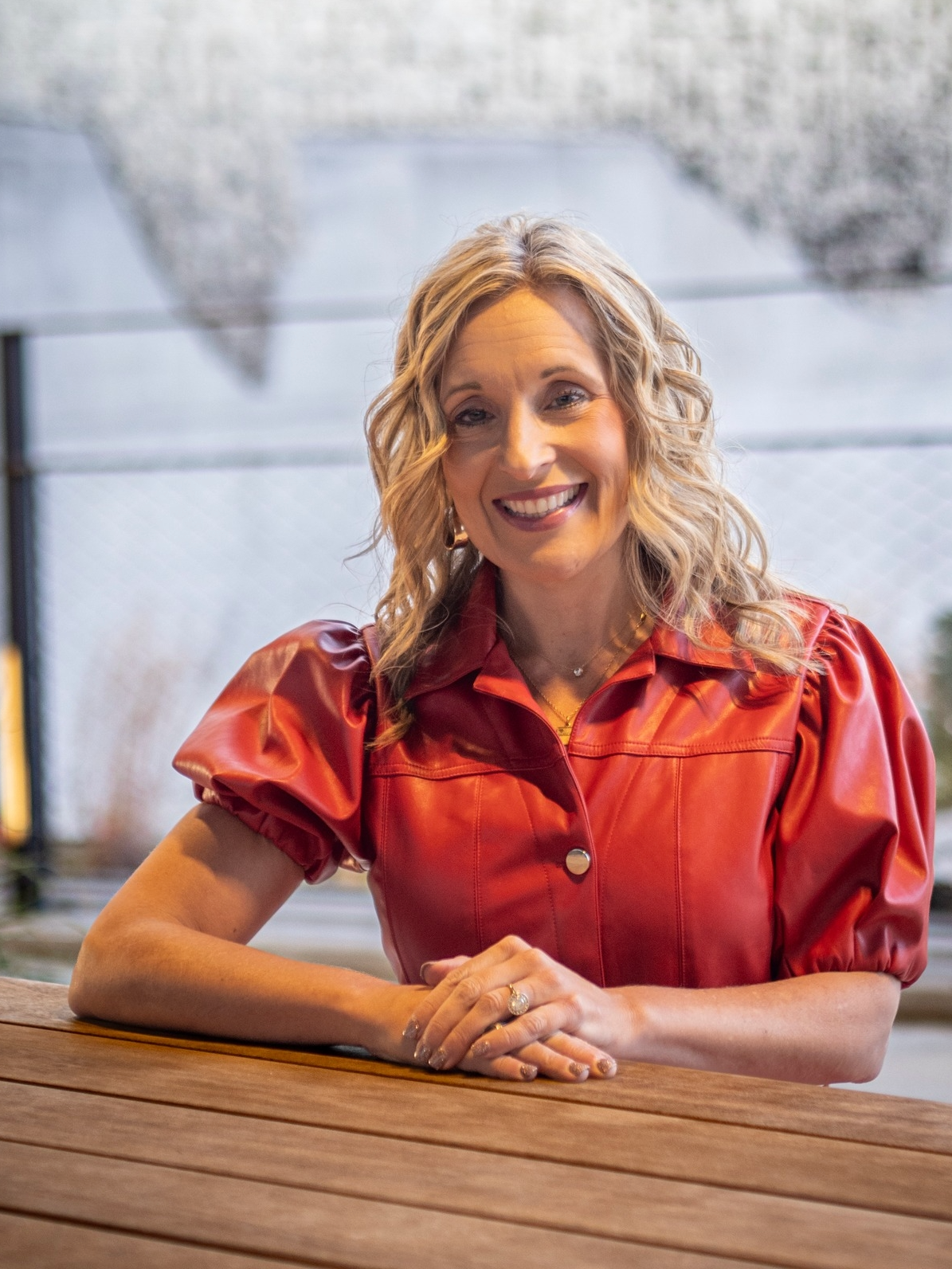
Mayor, City of Bentonville [/caption]
about Mayor Stephanie Orman.
Bentonville Mayor Stephanie Orman is in her 6th year in office after being elected to lead the City of Bentonville in 2018. Stephanie has been married to her husband, Terry for more than 20 years. The Orman’s have been Bentonville residents for 20+ years and have two children, Taylor, who attends Bentonville High School and Landry who attends Washington Junior High.
Providing transparent, timely and consistent communication has been a top priority of Mayor Orman’s since taking office. Some of the new initiatives she has launched are 3 City of Bentonville social media outlets, started the Great Neighborhood initiative, and created the Bentonville 311 communication system connecting citizens to city services. She also started the Spirit of Bentonville award, Mayor’s Youth Council, the Community Council, the Connecting Community Needs to Community Resources initiative and the Bentonville Together Initiative. Improving infrastructure has also been a strong focal point. The passing of the bond extension in 2021 will provide funding to continue to support strong sustainable growth. In addition, she is highly committed to preparing, preserving and promoting an excellent quality of life and professional municipal services within our City and in partnership with our community.
Stephanie is a graduate of the University of Arkansas and received her graduate degree from Southwest Missouri State. Prior to being elected Mayor of Bentonville she had a 20+ year career in the marketing industry and began her career at KNWA (NBC) affiliate in Northwest Arkansas.
Stephanie served two terms on Bentonville City Council prior to being elected Mayor of Bentonville. Mayor Orman serves on the Northwest Health Board of Trustees, the NWA Conservation Authority (NACA) Board, and is the Benton County municipal representative on the NWA Economic Development District (NWAEDD) Board of Directors. She also serves in an Ex-officio position on the Greater Bentonville Chamber of Commerce and DBI Board of Directors. She participates in the Northwest Arkansas Regional Planning Commission, serves on the Benton County Intergovernmental Council and the Advisory Board for Cities of the First Class for Arkansas Municipal League. She is a graduate of Leadership Benton County, the Bentonville Police Department’s Citizen’s Police Academy, a member of the Bentonville Noon Rotary Club, and an alumni of the Mayor’s Institute on City Designs (MICD) program.
Mayor Orman serves on numerous boards and committees and is very active in community activities, including her children’s schools and sports teams, her church and other community organizations. The Orman Family are active members of Bentonville Church of Christ.
[caption id="" align="alignnone" width="3936"]
Photo by Brad on Unsplash [/caption]
episode notes & references.
Walton Family Foundation Quality of Life Survey 2024
episode transcription.
episode preview.
stephanie orman.: And [00:00:00] when you talk to people. They love Benton. Like people love Bentonville and they love the quality of life here. They love that we have jobs here. They love, everything that we're thinking about from our parks and recreation to our trip trails to the, our library extension. People want to be engaged with our community and we just have, we have so many things to be thankful for here. And we have so many things going for us. I think it's taking that positive energy and focusing on that.
[00:01:00]
episode introduction.
mike.: Well you're listening to the underview, an exploration in the shaping of our place. My name is Mike Rusch and we're back with a few bonus episodes related to upcoming city and state elections. We've had the opportunity up till now to dig deep into the region's opportunities and challenges and now we're entering a season of deciding who will lead our community in the various roles of our elected officials.
We have the incredible privilege of deciding together who will be elected and asked to meet our community's challenges and take advantage of its opportunities. And as you've seen this decision of who our elected leaders are, it really matters.
So the episodes ahead are an opportunity to hear directly from those seeking public office, to hear their beliefs and their values and why they should be entrusted with one of the most sacred responsibilities, the responsibility of representing our community in the public square.
So [00:02:00] before we begin, let me explain the format of these conversations. First, these are the candidates who have officially filed to run for local office. Second, I only sat down with the candidates if both candidates agreed to do so. Both interviews were conducted within a few days of each other, and I used the same basic set of questions. And those questions were provided to both candidates in advance. Neither candidate had the opportunity to hear the other's interview before I spoke with them. The current officeholder was interviewed first and their interview is also being published first. These are not debates, but they are long form conversations based on the same principles of dialogue that we have used for every other conversation within the underview. Conversations about our beliefs and our values and what's ahead for our community.
So today I have the opportunity to speak with Bentonville Mayor Stephanie Orman. Mayor Orman is in her sixth year in office after being elected to lead the City of Bentonville. She and her family have been Bentonville residents for over 20 years and Mayor Orman is a graduate of the University of Arkansas and she received her graduate degree from Southwest Missouri State.
Prior to being [00:03:00] elected the Mayor of Bentonville, she had a 20 plus year career in the marketing industry. She also began her career at KNWA, which is an NBC affiliate here in Northwest Arkansas. She served two terms on the Bentonville City Council prior to being elected Mayor of Bentonville. And Mayor Orman serves on the Northwest Health Board of Trustees. The Northwest Arkansas Conservation Authority Board and is the Benton County Municipal Representative on the Northwest Arkansas Economic Development District Board of Directors.
She also serves in an ex officio position on the Greater Bentonville Chamber of Commerce and the Downtown Bentonville Incorporated Board of Directors. She participates in the Northwest Arkansas Regional Planning Commission, serves on the Benton County Intergovernmental Council and the advisory board for cities of the first class of Arkansas Municipal League. She's a graduate of Leadership Benton County, the Bentonville Police Department's Citizen Police Academy, a member of the Bentonville Noon Rotary Club, and an alumni of the Mayor's Institute on City Designs Program.
Mayor Orman serves on numerous boards and committees and is very active in community [00:04:00] activities, including her children's schools and sports teams, her church, and other community organizations.
Her complete biography is available on the episode webpage. I'd encourage you to go read that, but we've got a lot to get through today.
So let's go ahead and jump on in.
episode interview.
mike.: Mayor Orman, thank you for your time. Thanks for being willing to share a table with me. I'm humbled that you would accept the invitation and yeah. Thanks for being here today. I appreciate it.
stephanie orman.: Happy to be here.
mike.: I know that as we have been talking about Northwest Arkansas, about the beauty of this community and the opportunities we have as a community and the challenges that we have as a community. You are in a position obviously of great influence in the city. And you get to see a lot of things that probably a lot of us don't. And so I'm really excited to sit down and have a conversation with you.
Obviously, you've been the mayor of Bentonville for six years now. So I'm happy to go into your background and story. Although I feel like you've talked about that a lot. I think what I'm really curious is like your personal connection to the city and really what is, what does Bentonville mean to you?
stephanie orman.: Sure. So we've been here a [00:05:00] little over 20 years and we actually, I say my husband's in the vendor world. And this is obviously an area from the CPG standpoint. That was going to be good for his career, but we really wanted to get to an area where we could start a family. We had family in the area and because it was, we knew the job market was going to be good for him.
We wanted to make sure that we came into a city. Our goal was to not have to move every two, two years. So some of the vendors do and be in an area where he could grow with his job and then also my career could come with us, but we also wanted to start a family and we wanted to make sure that we could be in an area.
And be able to grow with our careers, but also be grounded in community. And Bentonville, it's home for us and that's how we got here. And we came here wanting to stay here and that's what we've done and be very engaged with the community and the city. And that's been our plan.
We plan to be here forever.
mike.: For forever that's beautiful. Forever's a long time. I do understand coming out of the CPG world, the, the need to stay here and to be rooted. And so thank you for that.
As the mayor of Bentonville, you have been our mayor for [00:06:00] six years and you have raised your hand to say you're seeking reelection for this for the office of mayor.
And I guess my biggest question is why? What what is driving or what's the motivation behind that?
stephanie orman.: The last five and a half years, we've just been very busy. We've went through pandemics, tornadoes, but. With all of that, we have been planning and we've been really working with our community to understand what Bentonville looks like in the future and how do we grow well.
We've been looking at other communities and how do they do it well? What mistakes can we look at in another community? So hopefully we're in that really, we surpassed that 50, 000 population, which There was into that large city category. So we're at that we're a baby in the large city category right now.
And that's, that is really takes a lot of planning and understanding of where you want to go, because you're now really at that phase of thinking about your infrastructure and how do you do it, how do you get it in the ground and also be able to grow. With that. We are very fortunate in this area that we have [00:07:00] jobs.
And so people are going to be here and they're going to come here for jobs. So we have to make sure that we have the type of infrastructure to really facilitate everything from the businesses to the housing to everything. And that's at a very minute level. That is what I felt like the city has been the last five years really preparing for understanding getting the data and the research to be able to show this is what we need to be doing.
This is what we need to think about in a plan. We've been combining our plans to we have a master street plan and bike and ped plan, combining those so that we really understand where the growth is going to happen and how it should happen and how we can be I don't know if we'll ever get ahead of it.
I think it's a really challenging thing to set it here and say it to you, but I think that we have a good plan in place to be able to hopefully grow well and try to manage it as we grow.
mike.: That's great. As you look forward, these next [00:08:00] four years I'm really curious, like, how has your perspective changed over the time you've been the mayor of Bentonville and like, where are you today?
And as you look forward to the next four years, like how has that perspective have changed or evolved or grown?
stephanie orman.: I just have, I have a lot of respect for local government. I love the engagement. I love listening to the public and then bringing them in and saying here's, I understand the concern.
How do we work together to, for a better solution? And I would tell you like 99.9% of the time when we're able to come together and have those conversations around a round table, I said, we have a "can do" attitude in Bentonville. And so we try to figure out what is the solution. There's a lot of challenges, especially with infrastructure.
from, in a project, finding the funding, but also just getting through all the barriers, whether it's environmentalist or permitting or whatever it might be for that infrastructure piece. There's a ton of challenges on the back end and you really have to dive in. And you have good teams. We have good teams here in the city of Bentonville, but you have to dive into those issues and really understand how do you move projects along so they don't get [00:09:00] stalled.
And how do you have a planning process within that? And also how do you collaborate? City government is it's not just us that can fix everything or do thing, but how do we collaborate with partners to do things even better? And that's one of the things I'm really proud of over the last five, five and a half years, we've really worked to have those collaborations so that we can move projects forward and we can hopefully move them forward better for the community.
mike.: As you look at what's needed to be mayor over the next four years, I'd love your perspective on how to, and to your point, the city has now crossed into that large city kind of designation.
So how do you as a leader relate to that? Think about what's needed in a new capacity for the next four years that maybe wasn't there in the past six.
stephanie orman.: It's a lot of research and planning and that's what we've been doing and we've been doing, able to do that in collaboration with partnerships to do that.
And so now it's taking those plans and actually implementing [00:10:00] them to action. A lot of times we can do a lot of talking. And not actually see action, but in, in 2021, when we passed the bond extension we went through a couple of years of design with some of those projects, but all of those projects are starting to come to fruition.
You're starting to see them come up out of the ground. And what I really like about a bond and the fund and that type of financing is that we had to go to the public and we had to say, we had to prepare these projects and we had to say, this is what we want to do for this. Community. The challenge has been with just the cost of infrastructure and construction.
There's been some challenges with that. We might put something out to bid and we might not get a bid on it. That's happened several times with us. So moving those projects through. Even when there's a challenge of trying to get a bid on a project it's something that we're really trying to think through how do we get the workforce here?
How do we do that? But you have to have all these plans in place and designs in place first before you can ever get into those stages of [00:11:00] actually building it. Again, I think it's just. really paying attention to the needs of the community. And in this case, we had to go ask for the permission to be able to do these projects.
I think each project that you look at, you have to, you got to have public buy in for the project. And then you have to do the work to find the funding for it and do the work to be able to acquire the land, move the utilities, and then actually get the construction crews in the ground, making the project come to fruition.
And I think that we've got a proven record of that now, and we have, we want to continue that progress. Look, I tell people all the time, I could have, I know road closures is a challenge in the city. We could really have just about every road in the city. Under construction, we can't do that strategically.
We have to be able to move traffic. So I know even sometimes it seems like we might have every road closed. We don't, we could actually have more and be doing more improvement projects, but [00:12:00] again, you got to make sure you're moving traffic through. through the system. And so we focused a lot on connector roads and different things to try to be able to have different traffic patterns in the city.
And it's just, it's it's a real challenge. And I think you have to stay focused on it. You have to stay focused on it with your teams and you have to walk the community through, through that progress because You see the orange barrels, it's not fun. I don't like them either, but we have to get the projects done.
And so how do we work with the community to educate and help them understand what we're trying to accomplish and why it's going to benefit them and the end of this. So hang on with this, let us get the projects done and in the ground. And you're going to see we have just so many amazing things coming in the city.
And when you talk to people. They love Benton. Like people love Bentonville and they love the quality of life here. They love that we have jobs here. They love, everything that we're thinking about from the our parks and recreation to our trip trails [00:13:00] to the, our library extension. People want to be engaged with our community and we just have, we have so many things to be thankful for here.
And we have so many things going for us. I think it's taking that positive energy and focusing on that. There's always going to be concerns in a growing a growing city, but when you can focus on the positive and continue that's also how you make sure people feel welcome in this community. If they see a positive attitude about, around what you're doing and how your community is growing and engaging that, that's going to grow that community feel as well.
mike.: There's been a lot of change over the past 20 years, 10 years, especially over the past six years as well, too. I think one of the questions that we've been working through within these conversations is, what are we becoming? What is this place becoming? And there's a lot of activity to your point, a lot of construction.
There's a lot of shaping of our place that's taking place. And I think one of the things that I'm always trying to pursue is really what's the end goal? [00:14:00] What's the, maybe not the end goal, but what's the vision for this place? And so I think one of the questions I'm always curious about is when you step back from all the work that's going on and say, what is the vision for Bentonville?
And I'd love your perspective. What do you, as you look at this place, what is your vision for it?
stephanie orman.: I always say I want it to be the safest and the most vibrant city in America, and that's never going to change now, different people have different visions of what that looks like. And so I think that's why it's really important as mayor is that you have to be able to hear both sides of it.
Of a conversation and a story and you gotta find the connector points. You gotta find the ways to move something forward and find where those where you can get entities to come together on a vision. So when we talk about the Bentonville plan, the plan update to the Bentonville plan, we're talking about walkable neighborhoods, we're talking about connectivity.
And that's connectivity from building, connecting roads to building more sidewalks and trails. But in helping [00:15:00] everybody, whether you're in a car or on a bike or on foot to be able to get to their destination, right? We talked a lot about community and making sure that we're creating a development atmosphere that promotes community, right?
And I think those are all common ground areas that you can find in how, what we say is growing well in this in the city. I think you, you really have to make sure that you're listening to the public and make sure that they feel heard in the process. And that can be challenging in a growing city, right?
Because there's different what growth looks like for different individuals is different, right? So how do you find those common ground areas? And that's one thing we've really tried to do through the what we've been doing with the Bentonville plan, we have an interactive land use map, we've had more community engagement sessions than I, I at least our consultants tell us that we've, they've never seen a city [00:16:00] engaged like we have.
And we do hope through that process. process that we're able to put some things into the planning process that helps us really preserve what we love and promote what we want.
mike.: I, just because I live here, I probably resonate with your comments a whole lot because I think one of the challenges that I hear is maintaining what we love about this place, the unique character of what Bentonville is, and at the same time meeting those challenges for growth.
And I'm curious from your perspective, how do you balance that? I know communication is part of that, you mentioned that, but how do you balance these two seemingly things that seem to fit together really well, right?.
stephanie orman.: So I've always said I try to be, my goal is to be the community's mayor. And so what that means to me is that if I know there's opposing sides or something, I'm going to say, okay let's bring people together and let's have a conversation. And I will say this area, I feel like is willing to do that.
We're willing to get in, get a room and have a conversation about now it takes time and [00:17:00] resources. And sometimes there's not. We don't have enough time in the day to bring everybody in and try to work through individually with but that's our goal. And especially when we look at from a development standpoint or a housing standpoint, how can we talk through some of these things with the public?
How can we lower fears maybe on the backend end of a development? People are always, I can give you, I see all the concerns that come through. I see the three one ones. I can give you the top 10. And I'm very intimately involved and I know what the concerns are. It's going to be traffic. It's in traffic different areas have different concerns with traffic.
It might be that it's being built near a school and I, we love our schools, but when they're in, when you're trying to get children to school, there's going to be traffic around that school, right? So we have to think about those things when the development. I live on the east side and I'm on a state highway of which the city doesn't have a whole lot of control of it, but it's becoming a real challenge for me to get out of my [00:18:00] neighborhood in certain times of the day and feel safe doing that.
And I think those are real concerns from the public that yes, we want to grow in, in, in development. You're seeing much more intensity in development and you But you also have to think about these factors, right? And those are real concerns from people on how do we work together with the neighbors and the developers to hope, hopefully have better a better sense of community when we work together and also hopefully address some of those concerns.
mike.: I'm curious your perspective, cause you may be the only person in the city that can probably represent this, but. When you look at residents who come together in the city with seemingly opposing views or ideas of what the city can be. You sometimes stand right in the middle of those places.
I don't envy that position, but what do you feel like from a resident's standpoint, from a citizen's standpoint, what do you hear in those places that are, that you become those building blocks of of moving this community together, together well.
stephanie orman.: If both parties are willing to put the effort [00:19:00] in, I think you see beautiful results.
It's just, some people, sometimes it's just the fear of how the other person's going to react will keep people from coming together and having a conversation. I'm a big believer in conflict resolution and mediation. And Honestly, as mayor, you, that's how I approach a lot of things.
mike.: That's encouraging, by the way.
stephanie orman.: Yes. And so I always say I have an open door, come talk to me. I can't always fix everything that comes in the door because of, multiple things on the back end that might not allow us to do it. But. We always want to work towards a better solution. And I think even if we don't get to the exact answer that you wanted when you came in the door, hopefully we get, we move a little closer to that.
If both parties can come to the table and really say, I'm going to, I'm going to consider, try to get an understanding of where you're coming from and where you're coming from and how do we come together on that. So I would say, I say my nine success rates in the 90 percent when we actually follow that [00:20:00] process.
mike.: That's great. You had an opportunity to help lead our community through the yeah, really the tragedy of the Memorial Day tornadoes that came through our community. I think as you talk about bringing people together in a community, working together I'd love to what do you take away from that experience?
What did you see in our community? What do we have there to be proud of?
stephanie orman.: Obviously, the tornadoes were devastating when you look at just the destruction of what they cost, but the inspiration of people coming together. We have debris meetings now twice a week with our contractors and their what they say about our community and how much faster we were able to clean up because we had a community that just came together and did it.
I can't tell you how many different volunteer groups just reached out and said, Hey how can we help? And. So my office, we put out a a debris number. And so we've been collecting all of the resins that needed to be and really trying to figure out where those gaps are. So obviously we went through the FEMA process, but we can [00:21:00] only pick up, there's a lot of caveats with FEMA.
I can't pick up on state highways. So anything that's still out there on a state highway, I'm sorry. We're trying to figure that process out for you. We can't pick up on private roads. So there's several caveats to this, but. There's also some gaps if you can't get it to the curb for us and different things.
So how did we really try to figure out, answer the phone calls, I was coming in on the weekends doing debris calls trying to figure out where those gaps are to help people. And we just had a tremendous amount of people in the community that said, like, how can we help? And we would literally give them an address and we would say, Call this person and see if you can get a volunteer group to them.
And the response was tremendous. And again, I think at least our contractors are telling us that they haven't seen this type of response really in pretty much any city that they've worked with across the U. S. So I think it's just a testament to what I call the can do attitude, but also just the generosity of this area.
And what I would also say to that is there's [00:22:00] still a lot of people that, are still trying to come back from the tornadoes. So I would encourage the community to look to your right or your left when you go out your door and see if there's a neighbor there that's still in need, that still has some recovery to, to happen and see how you can help them.
And I think this community will continue to do that.
mike.: That's great. I had the opportunity to serve a lot of my neighbors during that time and really to me, and obviously no one would choose to go through those situations, but the beauty of what happens in them. spaces is really incredible. I definitely resonate with what you're saying.
As we talk about challenges obviously that, that was one that was still working through, but it shows an opportunity of us to work through hard things together. You're aware that, the Walton Family Foundation released their quality of life study and they adopt, let me rephrase that As you're aware, the Walton Family Foundation released the latest quality of life study for the region that really identified some of the top challenges of affordable housing, transportation, infrastructure, some of which you've mentioned.
And I would agree how, or I would ask do you agree with those that those are the biggest challenges for the city of Bentonville or do you feel like there's other things that may be more nuanced that we need to really take a look at as [00:23:00] a community?
stephanie orman.: So again, I see all of our 3 1 1 concerns, so I can go a little more. My to some specific points in the city, like I know I can go in there today and I will have traffic concerns traffic light concerns. I will have street light concerns and that, and I get those on a daily basis that we have to, I will have probably, water leak concerns, trying to make sure we keep up with all of that.
And then I will have, so flooding concerns and some, and all of those kind of tie back into those more broader topics. But I have now the information of really to pinpoint where those specific concerns are. And that's what we're trying to do with our different teams is really say, okay, we know this is important to the community.
So how do We, how do our, how do we put in a better process or a better system on this end to really attack how we make sure we prioritize these things that [00:24:00] people are telling us are important to them. And I don't just say someone contacted me about it. I say I have the data in the system to show you these are the specific concerns coming from the public.
So one of the things in the 2021 bond is we we had a drainage and people kept saying what are the concerns? Like how many concerns are you getting and different things? And so we started tracking all of that in the three one, one system. So we now know every area in the city that has a drainage concern.
And so now having that data allows us to be able to get the designs in place and then also figure out what the funding mechanism or, where the funding comes from to address that for the city. So we have prioritized list in the city. And we do it by the number of homes that are affected, number of people, if it's depending on if it's drainage or if it's even sidewalks, or we have initiative in the city for to do sidewalks around parks and schools.
And we look at how many [00:25:00] people are affected with that specific project. And that's how we prioritize. Same thing with streets when we overlay streets, we have a budget for that we have actually have a company that comes in and they monitor all of our streets and they grade our streets and that's how we come up with that process.
So we have a process for a lot of things in the city of how we try to do that in a very fair. manner for everybody across the board. But we know what those specific concerns are. I'll tell you right now, a big concern right now that we get is just grass, making sure people cut their grass because this community really cares about a high quality of life.
And for many in our community it's, do they know their neighbor? Is there, is the neighbor next to where I'm taking care of their housing? And do they live in a an quality area? And I know that because of the concerns we get coming into this. I can directly trace back the specific concerns to what I think are When you really go talk to people and they [00:26:00] might give you some overarching topics like transportation or housing and different things, but if you really talk to them, they're going to give you some specific concerns.
And so we're really trying to dial in to those specific concerns and how do we address them at every level in the city.
mike.: Obviously you're aware that housing is a challenge, not just in Bentonville, but across the region. I'm really curious like your perspective on it's challenges and it's opportunities right now.
The city is going through plan Bentonville with a new land use map, all new everything seems to be like on the table for discussion. And so I'm curious how you view this one that seems to take up a lot of airspace, probably a lot of your conversations, but just as I sit here with you, like what, what should a resident of Bentonville who lives here, how should they think about it?
about this topic of housing affordability, density, how does this fit into the land use plan all of those things.
stephanie orman.: Sure. So we we actually had an affordable housing committee and they've, they made some recommendations and the city has been able to [00:27:00] implement some of those recommendations.
I would invite the community to come in and look talk to us about those recommendations. Cause some of them we've tried to vet on the backend. And we haven't been able to bring some of them through the process to get everybody on board with. Some of the recommendations, but several of them that we have.
The C we're back into the CBGG funding and contact us about that. There's different area areas that we can help fund with that funding. And that's federal funding that we basically, it comes down and if we don't take advantage of it, it goes to another city. So we need to be doing that.
There's a lot of work. You have to have five different plans for that. And so we had to do a lot of work to be able, and you have to have community input and. different things that go with that. But we've worked through that, and we've now received the first tranche of funding for that. And so we feel like that's that was and that was a recommendation from that we also implemented some zoning called cottage zoning.
And so it allows for some different types of [00:28:00] housing that was a little harder to do under our older zoning rules. And then We also, we, our team has been meeting monthly on the development process and we've actually been able to track so we have some research on how we've been able to short, shorten the development timeline.
And really we've been working and listening to developers on, where are the roadblocks? How do we, how, when you get to pre con, how can you have this checklist of things that have been done so that the process is really smooth and easy for you? And how do we encourage that with development?
So I feel like, we've been really trying to work on things from the city's perspective of how do we make that process as easy as possible. We're going through the land use. That's really important. One of the things that we've really discovered over the past years, a few years, especially as we've been growing is [00:29:00] that if the land use isn't as close to accurate as possible and you're changing it.
So all of our utilities use that land use plan just for their build outs. So when that's not as accurate as possible, it causes challenges for that long term infrastructure planning. And we've also seen a shift in so we have older infrastructure in a lot of areas, especially in downtown in Bentonville.
And that infrastructure was built for A lower density. So what you have to think about through this is if we as we change those densities, you're changing the needs of the infrastructure, right? And so that's a really important conversation. That's why we're doing the land use update right now.
We're also trying to figure out we're really wanting to work with landowners to figure out what is it they're wanting to do with their land? How do we incorporate that? But also, Make sure those [00:30:00] that are already invested in here in the city, there's some, there's connection and from a form standpoint, from a, just a community standpoint, what's going in next door makes sense.
And there's transitional planning in that. The other piece of this is we're seeing different types of development. I would say mixed use has definitely been something in the last five years that you're seeing a lot more of but if you haven't and it's something that I think many people appreciate, it's going to have a much higher demand though, probably on the systems.
Then, because a lot of things that you're seeing transition where, it's a residential estate or a single family home, and now we're putting 200 units or a mixed use unit in there, it's going to have a much different demand on that. So it's really something that we have to think through and that land use plan is a big part of that.
We've done everything we can to try to go to the public and talk to them to try to talk to [00:31:00] landowners and bring people together in those conversations. So hopefully what we end up is a pretty solid land use plan that we're not changing a lot. I think that's going to give more consistency for the developer.
It's going to also give more consistency for the resident, right? If we can get to that point where we're not changing it have a lot of different land use changes and zoning changes coming through. And so our goal would be with this process to really not have that and give more consistency on both sides.
mike.: That's great. I know that I would assume that the demand, obviously from developers and for growth is incredibly hard to coordinate all of those components. You mentioned infrastructure is really, it sounds like the beginning of a lot of those issues. What would be the priorities for the infrastructure of the city?
To really maybe stay in line with where development's wanting to go. Cards on the table, like I've had some developers that I've had a chance to talk to or say we're behind as a city, right? And the needs of people coming and the rate at which housing is being built, it's not looking like we're going to be able to keep up with the need for housing, [00:32:00] which could inflate, some of the housing costs and aggravate some of these issues.
And I think what I've heard from them and what I'm hearing from you is that at the core of that is really the infrastructure development. And so I'm curious how you would prioritize that or is that a part of the land use plan? Okay.
stephanie orman.: For us, really, infrastructure is, it's roads, water, and sewer, and electric.
I will say we've got a big emphasis on water and sewer and we've been working regional, regionally with Beaver Water District as well, but water and sewer is really the core, and it has to, it really needs to be in the ground before the electric has a little easier ability to meet those needs just based on how it's put in the ground.
And then roads, we're doing the best we can with that. But you can only expand roads as much as the area will allow you to do that. So When developments, traditionally when developments have come in, they've been responsible for road improvements. They've been, they'll, they have to do a downstream set study [00:33:00] on capacity to see if there's capacity.
And they're, if they're the development, the one development that pushes the capacity. to be able to have to upside up, upsize a pipe or whatever it might be there, they're traditionally responsible for that. So when you have a better land use plan that you can plan out that infrastructure and you can actually start to put some of that infrastructure in your capital improvement plans and plan for it long term the type of infrastructure growth or that we would like to get to.
So it's not a burden just on the next large development, and that's what's And that's how the city has operated in the past. Moving forward, if you, if, and we had to also get to an understanding of what we think growth looks like. And so we've been working with obviously regional sources to get what we think that growth number looks like.
And so then you back your plan based on that population. The other piece for Bentonville that's really challenging is it's not [00:34:00] just the population, but we are. We also have to look at those, we're now, we're being told maybe 2 million in tourism. So those are all using our infrastructure when they're here, right?
And right, the last stat, which is several years old now, is that we have roughly 35, 000 that come into the city during the day. So but they're all using our infrastructure. So not only do we have to look, we're looking at population increases. With our water and sewer, we're also trying to take into account those other two factors.
It's really challenging on that front. There's a big focus on it but our capital improvement plan will increase because we're trying to meet those needs. Now, on the back side of that, it's how do you meet those needs without Pushing that all onto the ratepayer and I think that's our goal or my goal as mayor is to make sure that we have other funding sources that's not just pushing that to the ratepayer.
Having those conversations, some of those conversations are harder to have, [00:35:00] right? We have to be able to push, we have to be able to bring people to the table. And on the back end, in my opinion, we have to have multiple funding sources to be able to accomplish these things. And everybody has to come to the table with a willingness to say, yeah, you know what, we are going to grow.
We want to make sure that we are keeping up with the infrastructure. And so we're all going to need to be part of the solution.
mike.: I'm curious within this conversation, because some of these Conversations around housing or infrastructure, they're not, they are a problem in Bentonville, but they're not unique to Bentonville.
This is a regional conversation too. I'm curious your perspective, like what's Bentonville's role in the regional conversation? Or how are we participating in those conversations to try to deal with it as a region as well too?
stephanie orman.: Sure. And I would say it's not just a regional, although in Arkansas, I think definitely Northwest Arkansas is the growing part of the state, but you can look across the U. S. and in any growing city, affordable housing tends to be, at the top of the list. I always say that I [00:36:00] would like for us to take the conversation, not just around housing, but really about affordable just affordability in the area. And for me, that's not just the cost of the unit, it's.
The utilities, it's transportation and it's food. Like those are the four basic things that people need. And how do we really look at those? And for us, because in the city of Bentonville, we have utilities underneath us. I think I've, we've got a unique perspective to look at that. End of it and how do we look at utilities and if you look in cities, this is one thing we've learned by researching other cities, their cost of living, it's not just housing, but their cost of living skyrockets, right?
And so within that, I think you have to really look at your utility set up and try to really understand that and how do you keep those utilities as reasonable as possible to with growth. We, because we have our own electric department, we help [00:37:00] developers pull in the electric, like we provide the engineering plans so we can do a lot of things to help developers to hopefully help keep down their costs that maybe they don't have access to in other cities.
So really having those conversations, utilizing those things. Having the game plan CIP plan with water and sewer and working on a regional level with that. One of our wastewater treatment plants is a regional plant and we've actually, we're finishing the expansion for that in December.
We've and we're also working with Beaver Water District on that. And they're also trying to make sure that they can fulfill capacity, right? So you've got to work with these regional entities to make sure that the collaboration is there. And I think we've done a really good job of that.
And it's just the behind the scenes efforts that, that we're doing on a daily basis to help that conversation. But overall, I, [00:38:00] as far as affordable housing, I think there's multiple fronts that you have to look at to really work with developers. We say, I know sometimes I said, we never want to be the source of a project not going as quickly, we want to be a resource. And if we have that conversation with builders and developers, and if I would say come in my office, we'll pull your project up and track it, and we'll go through it and see where. We're, and we're not perfect at the city. If we need to recognize something there and say, okay, we need to do this better or faster, we need to think about this.
We want to be able to do that too. And you got to come in the door and have a conversation with this and not just be upset, on the outside either. And I really, that's been my message to all of our teams. And really it's the message back from my teams that they're like. Mayor, we really want to sit with people. We really want to be the resource. And so I hope that's what you're starting to see in those [00:39:00] conversations are out there. And it really will take all of us being willing to be around the table and collaborate on all of these fronts to make it, to produce the most affordable housing. Also quality products out there.
So you want, just because you're trying to get to more affordable housing, you don't want to lower the quality of what you're producing. Because again, what people like about Bentonville is that we have a high quality of life here. So it's a combination of working together and collaboration on all those fronts.
And a lot of it comes down to just being willing to get in the room and say, Hey, this is a concern. How do we do it better?
mike.: Super helpful. You've talked about just, yeah, the high quality of life that we enjoy in this region and the city. And it sounds like congratulations in order as well, too, because on Tuesday, a huge movement forward in parks and recreation and an investment into the quality of life, not only by the city, but by other other entities that have [00:40:00] chosen to, to make an investment there. I'm curious, what are you, what do you view these major opportunities for Bentonville and the improving and maintenance of quality of life? How does this help us move forward as a community or economic goals or quality of life goals for the citizens? How do you see the role of this playing out over the next, four to, four to ten years?
stephanie orman.: I, like I said, I think that Bentonville really offers that unique blend of arts and culture and outdoor recreation and business that you just don't see in so many cities.
We have private partners in this area that care about the community. And the grants that we received, were because people care about this area, and they do want to see the quality of life. And for us in the city of Bentonville, and those that support us, they recognize that parks are very important to the quality of life here.
We have an initiative to have parks within a certain walking distance of everybody. Walk or biking distance [00:41:00] with everybody that lives in the city. We have an initiative that eventually we say you can come spend a day, two days in the city of Bentonville and you can just go from park to park and they're all connected and have that type of experience.
We think. That leads to a high quality of life that we think that's a very important factor in the city of Bentonville and people wanting to live here. And so we believe in it. We are fortunate that we have private partners that believe in that concept as well. The other grant that we received was for an adult wellness center.
And we were I think our teams were able to tell the story. We have a wonderful community center. We knew we had a private partner that's had a passion for this particular product or amenity to give to the, to give to the city. And we also knew that our community center that was loved, we needed to pull some of that population from it because it's so used.
And knowing what we needed for from that facility and then having a private [00:42:00] partner that wanted to be able to help provide that to the city. Again, it's amazing. We should all be super thankful that we have those opportunities here in the city of Bentonville.
mike.: In the course of the next four years, we're starting to see already, the Walmart, new Walmart Global Campus is starting to open and become a part of the city in a way that it hasn't before.
And I'm really curious there, Walmart's presence in our city is obviously significant. I'm really curious how you view the city's partnership with Walmart in terms of both quality of life, but infrastructure and transportation and as an economic engine for the city as well too.
stephanie orman.: So I agree with all of the above that you just said.
When I came into office in 2019, shortly after that, when we realized Walmart's definitely going to build the headquarters here and they're going forward. And it's always been a collaboration with our team to work with them. And we were able to work with them in a way to tell this, the story or the needs of the city too.
And you can see that in the infrastructure that they've built and the headquarters, the whole North West end is water infrastructure [00:43:00] and it's a system that allows water to come to be monitored and be released as our system can take it. And you don't have, you typically don't have developments like being that thoughtful about, they didn't have to do a lot of the things that they're doing on that campus, but they care about the community and they've been very thoughtful in that process.
The Razorback Greenway is going to run right through that campus. And when you think about that, having that type of access in a corporate setting like that is, it's really unheard of, but they were willing to have those conversations. I think that they feel so passionately about Bentonville and the community that they were willing to say, Hey, how can we really make this campus a part of the community?
I really. Everything that we've worked with them on from the campus standpoint has been a really good relationship. They're helping build the roads and infrastructure, and I don't know what else we could ask for from a corporation to do that. Obviously, they're an economic engine for the city, and that's really [00:44:00] important to the city, it's, I feel like it's been a great partnership. I think if you'll talk to some of the others Cindy Marsiglio and some others that we work with on a regular basis there, hopefully they'll say that it's been a really good partnership. But it's not just good for Walmart. It's not just good for us. It's good for our community, right?
mike.: And not just because of that, but obviously Bentonville is attracting people from literally all over the world that come here now. And it's a very it's a growing diverse city in many ways. And I'm curious what is your perspective as people do come here from all these different places? What do you want them to find in this place? What do you want them to experience? How do you want them to feel welcome in this space?
stephanie orman.: I, I really want them to feel like it's a community and it's that, that it's their community. And what I will tell you is people. I talk to them all the time and they're like, people are welcoming here.
They smile at you. They talk to you. They want to have a conversation. They want you to come have coffee with them. And they say that, they're coming from an area where they just didn't, that wasn't the experience. And so I do think as [00:45:00] we grow, one of the most important things that we can do is keep that sense of community.
And it doesn't mean that I have to. I have grown up with everybody since I was in kindergarten here, but it does mean that as a community, we say we're committed to making people feel welcome in our community. And I think that's when you get to the core of what makes a city work, it's the people.
And if the people are willing to. Work together and collaborate and be positive and have that, want others to have that type of atmosphere or connection in their community, then you're going to have a successful city. But it's not just up to city government or Walmart or it's up to everybody that lives in our city to be part of that connection and part of that conversation
mike.: that I'll probably cut this out.
But I was on a bike ride this morning with someone who had moved here from the West Coast and we were on a bike ride and someone stopped to let us go. They didn't have to do that. And the only response was that would never happen anywhere else other than Bentonville. [00:46:00] And so it's encouraging to just see that as we move through the city, people that are expressing that in a great way. So anyway. for whatever that's worth.
One of the things that the Walton Family Foundation quality of life study said was that residents they felt their ability to influence local government was relatively low. And I hear you talking a lot about sitting at the table to work through problems.
I love your perspective. What is, what does it look like to be a good citizen in the city?
stephanie orman.: Some of the things I tried to start here in the city of Bentonville is we have a community council and a youth council and I actually just left, but we had, we always have them the third Friday of the month.
So I just left both of those. And so I really wanted to find ways to that the average person that hasn't, been involved in our boards or commissions can just come in and have and learn about the city. And so that's been a really important initiative to me. I always tell people like, Okay.
We have so many different boards and commissions in the city. What are you passionate about? Come [00:47:00] talk to us about it. And, maybe we're starting a committee of around something that you're passionate about. I want people to feel engaged with the community. I always say I have an open door.
I think sometimes, especially when we're talking maybe on development projects and stuff because they're being asked to come in and comment on a project in front of a board that's not, that's harder for some people to do. That's why I would encourage people to come get engaged with us in some other manner.
So when you do want to come talk on some of the things you're more, you feel more comfortable, you feel like you're more heard. I would say also to you, our boards and commissions are had a lot of conversation about how can we make sure that the community feels heard when they come in and talk to us.
And so I think, I hope that you'll see that will be, that the community will be more comfortable coming in and talking to us, but find a way to get engaged. I, when people call me with a concern, what you're probably going to hear from me is if I had an idea. Sometimes I don't have enough hours in the day to get back with everybody.
I'll probably try to [00:48:00] call you back and say, Hey, come in and have a conversation with me about this. Let's talk about this. Let's see if there's, but I'm going to ask you to be engaged too with this so that we come to a a better solution together versus again, I'm not sure. Sometimes we can just solve it like that, but usually it's got to be a collaboration and you've got to want to come to the table too and be part of that.
solution. So I just encourage people call my office. Again, all of our departments, the goal is for us to be a resource for the public. So feel comfortable. We do a lot of public input sessions from Parks and Rec. Pretty much all of our projects with Parks and Rec start from public input. What do you want to see in this?
Same thing. We've with our police department, we just did National Night Out, we do the Citizens Police Academy. They do a variety of things to make sure that they're connecting with the public. One of the things that I don't know we've talked a lot about, but one of the things I always look at from the mayor's standpoint is I wanna have the safest city in America.
[00:49:00] So every, everything that comes through my desk, I'm looking at the safety aspect of that for our community, because I know. Usually in most surveys, quality of life, but safety is going to be right up there with that, right? So they want to live in safe communities. And I think we have that here. But we also, we want you to feel comfortable if you do have an emergency that when you pick up and call 9 1 1, that our team's going to come help you.
And it's just across the city. We want to be a resource. We want you to feel comfortable talking to us and. It's always more work and time on our end if there's problems or we can't communicate. So come talk to us.
mike.: I appreciate that. I yeah, it definitely seems there are avenues for citizens to be involved in ways that can help move the city collaboratively together forward.
And and I'm curious as well to and maybe put you on the spot a little bit, but I'm sure you get questions all the time that you like probably out of your kindness. You're [00:50:00] like, I can't, I don't control that. Or I can't, that's not how it works. Or you're probably tasked with a lot of things that yeah, are incredibly difficult problems.
I'm curious, like maybe as we go through this process of determining who the next mayor is going to be. What are some of the misconceptions that maybe most citizens have that would be helpful in understanding as we make decisions about the leadership of the city yeah, that can help us move this place forward together well.
stephanie orman.: I think a lot of it's just feeling comfortable to come talk to us and let us I think if you talk to anybody that's been through community council, though, it like opens their eyes like, Oh, I didn't know all this on the back end. So there's just so much more information we have on this side or things that we're trying to get through and deal with to build and move a project along.
I always say if we could assume positive intent with things and come to the table in that manner that's one of the things I would like for the public come talk to us, let us have a conversation, explain it. 99 percent of the time, once we explain it to [00:51:00] you, again, you may not agree with everything, but you at least understand it.
And when we have that understanding, it just diffuses, it diffuses everything in that process. Yes. And then, I think the public should hold us accountable. If there's something out there that we can do better, I want the public to know we want to do that. So come talk to us, tell us your concern.
There are things like, I was talking about earlier, like state highways, right? We have several of them that run through the city. And and I happen to live on one and we've been having conversations with. with ARDOT and some regional entities on how do we do something better on the one that I live off of. But those conversations, they're long term conversations and they have to move from conversations to actual plans and then you got to find the funding to get it done. So they're not short term projects, right? And so some understanding from the public. of, just [00:52:00] nothing goes fast enough, I think.
And trying to understand what that process looks like. But I also think if you come engage with us, you can, you might be able to help us make the process faster because we've got engagement from the public. But coming to it with the mindset of respect and working together, I think that's really important.
Especially in, in, in today, just with social media and everything else out there, we've lost a little bit of that sense of wanting to actually talk across the table and come to be able to ask questions and come to understanding. And so I'd like to see some of that come back into the process.
I love to talk about Bentonville. I love to tell you what's going on. It's really hard to communicate all that's going on back here. So if there were any way to, to, get bundle information better or tell the public, I always thought do we just have a, city or council chambers day and you [00:53:00] just are.
Hours of the week and people can, the public can just come in and just talk to us. And I will say some, a lot of our best solutions come from the public too. So we want you talking to us.
mike.: Great. Mayor, I want to be sensitive to your time but I've got two, these are my two questions that I asked everyone when we sat down. I want to understand when you think about the city, like what are your fears for this place?
stephanie orman.: I don't really have fears for Bentonville because I know like the type of resources here that we have and the ability to meet challenges.
My biggest fear is just keeping a positive attitude and a positive atmosphere. When you talk to people and they're coming here and they're like, Bentonville's great. People talk to me, what they're saying about where they're coming from though, is that it wasn't, I didn't feel connected. I didn't feel like part of the community.
And I don't think that always has to do with whether you live in an apartment or a single family [00:54:00] house or whatever. It has to do with the community and how willing are we to have positive, respectful conversations and get things done together. And collaboration is a key piece of that. And if we all come to the table with that thought process or assuming positive intent with others, I just think we're going to, we're going to go get things done much faster and go so much further.
So my fear is just We let the, sometimes the chaos of the world sink into some of that and we forget how many resources and how grateful we, we really should be for all the things we have here to be able to bring projects together or to our giving community here is amazing to build and meet needs here.
So if we focus on all of those things and the positive things, I just think that, um, that's how. That's how I want to see our community grow. And my fear is that if we let other things in the world take over that or take over our [00:55:00] conversations, that's to me the thing that can really detour our community and progress in our community.
mike.: Yeah. Thank you. I couldn't agree more. In many ways. One of the things that all of these conversations that we've been having is really to the exploration of what is it, what does community wholeness look like? We use this term wholeness. And so from your position, I, the question would be to you, what does community wholeness look like to you in this place?
stephanie orman.: Community also means that we're working with the public, we're listening to them, we're developing hopefully a vision together. And then we're also taking actionable items, like you have to be able to get things done. And so if you can get that collaboration and buy in to these projects and we're moving them along together.
It's just it's much more fun. I will tell you that. And the projects are always so much better when you take the time to get the buy in and come together. But it does mean that both sides have to sometimes be willing to listen to the [00:56:00] other side and get, and might have to compromise on something every once in a while too.
Or we might have to say, you know what I, you've explained it to me and I see your perspective in this too. So yeah let's maybe change this and let's do it this way. So again, I just think it, it has a lot to mean to me, a lot of the, I will say the lot of things that I see where we can't get to resolution comes back to communication and being willing to communicate across the table of people. So that's a big vision for me is that I just want to continue that atmosphere. I want to make that atmosphere better. I want to make sure that the public feels welcomed and a part of the conversation. But I was also one, we have to get things done too, right? So You gotta have the conversations, get a plan, move together, and then have actionable items.
mike.: Well, Mayor, thank you for your time. It's incredibly humbling to be able to sit with you and just to hear the work that you're doing and what the city is doing and yeah, I just thank [00:57:00] you for the work that you do every day and you show up and you're trying to move this place forward and so thank you for the work you're doing, your team yeah, and thanks for being able to sit and talk with me.
I appreciate it.
stephanie orman.: Thanks for having me.
episode outro comments
mike.: Well, a tremendous thank you to Mayor Orman for her time and her willingness to share a table with me to discuss both the opportunities and the challenges ahead for the city of Bentonville. I learned a lot in our conversation, and there is additional information about her initiatives, upcoming events, and ways to get involved in her campaign that's available on her campaign website, OrmanForMayor. com.
I'm incredibly thankful for all the work she does every day to help lead this city forward. And when we talk about those who are part of the shaping of our place, Mayor Orman is certainly at the forefront of those efforts working across our community to try and overcome our challenges and position the city to take advantage of the opportunities ahead.
So thank you to Mayor Orman and everyone who is a part of the city staff that is working every day to serve this city.
next episode preview.
mike.: In our next episode, we're going to speak with Steve Galen, who is also seeking the position of mayor for the city of Bentonville.
steve galen.: my overall [00:58:00] vision for Bentonville is pretty simple.
It's really just preparing our city for growth while protecting our charm and sense of community. We have incredible talent living right here in Bentonville. Managing large, multifunctional teams and leading community boards has taught me that we can accomplish anything when we work together. There's always a solution.
mike.: So I look forward to sharing that conversation. And thank you again for following along with our story. And I hope that these conversations can help inform and inspire our decision to choose the candidate who will rise to meet the challenges ahead for our city and our community.
And this is a unique opportunity because when we talk about how every person here has the opportunity to be a part of the shaping of our place, this is the real practical way that we can all be involved in raising our hands and work together to decide the shaping of our place for the next four years. [00:59:00]