
the cyclist with Andy Chasteen.
The underview episode 18 is a discussion with Andy Chasteen, Rule of Three, Oz Gravel NWA, Rural Recreational Roads. Our topic of discussion is the State of Northwest Arkansas and how the growth of cycling in the region is shaping our region.
season 1, ep. 18
listen.
episode notes.
Episode 18 is a discussion with Andy Chasteen, Rule of Three, Oz Gravel NWA, and Rural Recreational Roads.
Our topic of discussion is the State of Northwest Arkansas and how the growth of cycling in the region is shaping our region.
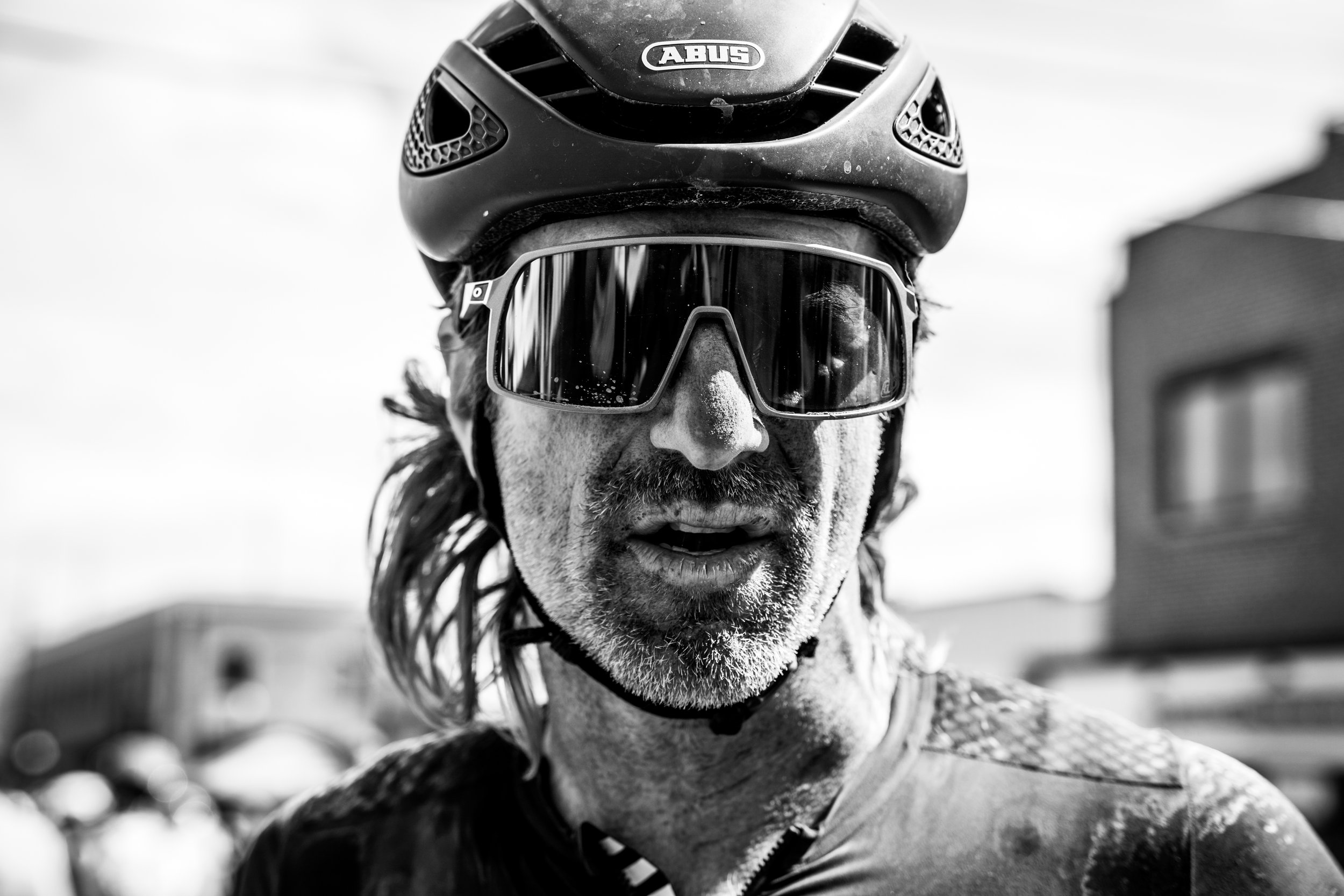
about Andy Chasteen.
Andy is a lover of people, builder of community, and player of all things outdoor. The majority of his work resides in the outdoor and cycling industry, including cycling and community advocacy with the Runway Group on initiatives like Rural Recreational Roads, OZ Gravel, and more. He his the founder of 24 Hours of Horseshoe Hell and Rule of Three.
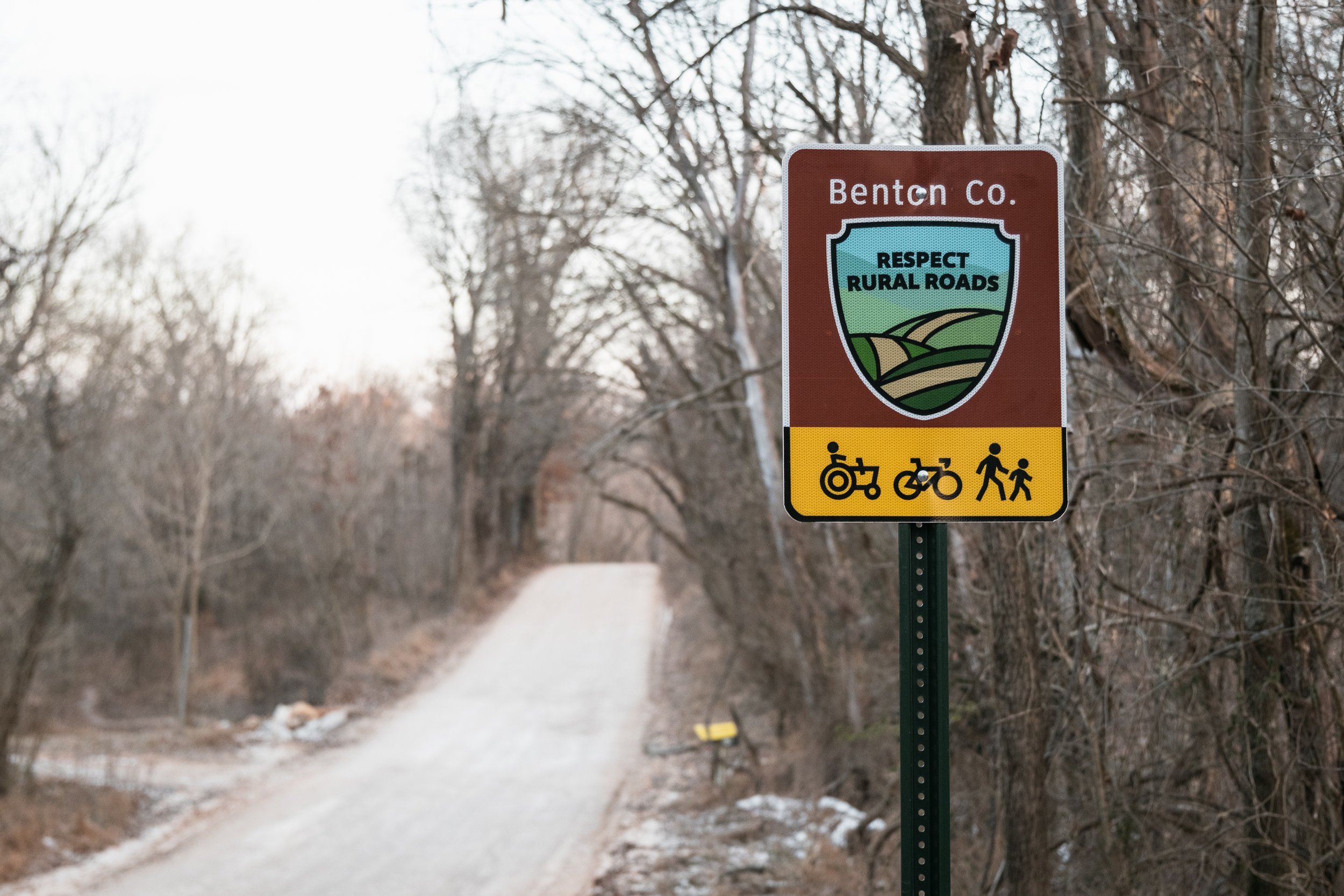
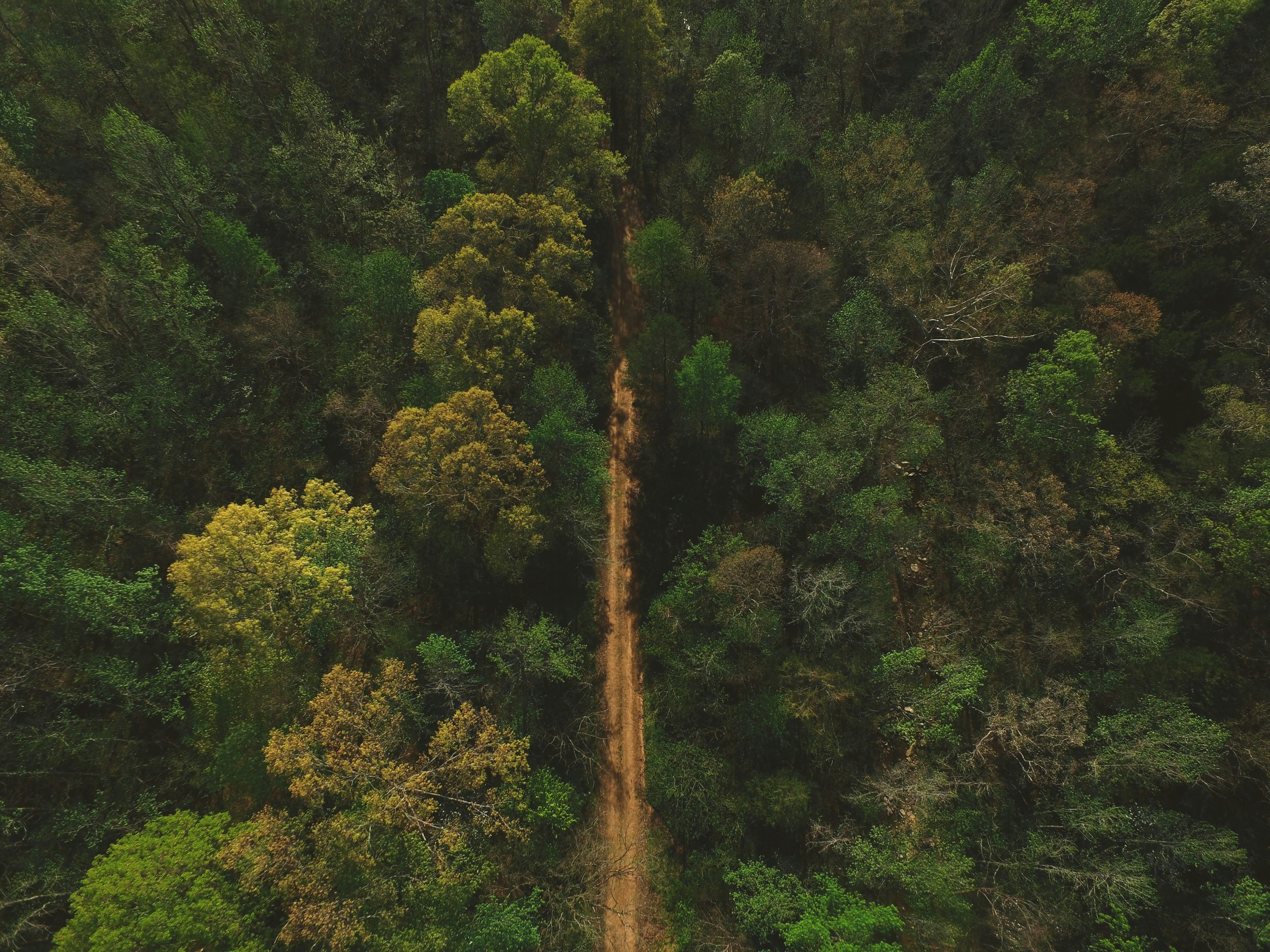
route.
The route for this episode is a Rule of Three route that Andy says is his favorite. Enjoy this route that leaves from Downtown Bentonville, heads Northeast on Sugar Creek Road, North to Bella Vista, and back on some single track that finally makes it way back to Bentonville.
music.

references.
Arkansas R3 (Rural Recreational Roads)
episode transcription.
episode intro.
[00:00:02] andy chasteen.: That's what this boils down to face to face conversations with people that you may not have anything in common with, or maybe you have different political beliefs or whatever the case may be. You can always find common ground with people. It doesn't matter who they are. You can always find some common ground.
And that's what we're trying to do with everything that at least I'm working on. Let's find some common ground. Let's make some friends. Let's wave to everyone we see on the street and let's keep this place a friendly, welcoming location for anybody who comes here.
episode intro comments.
Well, you're listening to the underview and exploration in the shaping of our place. My name is Mike Russian. I just want to say thank you for jumping in and taking this journey with me. I know some of the past few episodes have been harder topics to work through as the stories and the struggles are real.
However, I am encouraged because the Dr. Nick Ogle says "we need the hard things because by going through the hard things together, we ultimately get to a place of creating unity with one another."
It's not always easy, but when you focus on the people who are working so hard to make our community better, you really can see it's a beautiful thing. So in the spirit of the beauty of making this community better, today we have the opportunity to talk with Andy Chasteen. Andy has a really unique space in our community, something that isn't easy, but something that he makes look second nature.
Andy is helping to lead the shaping of this region's identity as one of the best destinations in the world to experience cycling and all of its forms.
I've said before that when I think of Andy Chasteen, I always feel like I'm in the pursuit of this mythical creature that uses the bicycle, almost like wings to flow, through our hills and hollers of the Ozark Plateau. It's really the only explanation that I can think of because in last year's Hazel Valley Rally, he passed me not once, not twice, but three times.
I'm not really sure how that works, but I would call myself a liar except that I saw it with my own eyes.
And this also factored into my decision to have this conversation with Andy at a table and not on a bike because if we are on a bike, the interview may have lasted about 20 seconds before he dropped me.
So this is a fun conversation and we laugh a lot. So I hope you'll enjoy this conversation between two locals full of inside jokes and a little heckling by me as the commoner who subjects himself to Andy's creations, but I'm better for it. Our community is better for it.
And I think you'll hear very quickly just how Andy is practicing the work that Dr. Nick Ogle discussed in our previous episode. So lots to cover today. Let's jump on in.
episode main interview.
[00:03:05] mike.: Andy. Good morning. Thanks for sitting with me today.
[00:03:10] andy chasteen.: Good morning. Pleasure to be here. I've been listening to you for a bit now. So, yeah, well, I'm excited.
[00:03:16] mike.: Yeah, it's only been out there for a bit.
[00:03:18] andy chasteen.: I know. I know. It's been a short bit.
[00:03:19] mike.: Hey, thanks for grabbing the table with me. I really appreciate that. One of the things we're trying to dig into is how this place is formed and shaped and I'm biased I think the bicycle is one of those key components of reconnecting to a place and you seem to be in the middle of that. I'd love to hear your story to the extent that you want to share it about who you are and maybe how you got to Northwest Arkansas.
[00:03:40] andy chasteen.: Yeah, I'll I have a very long story, but I'll keep it as short as possible.
I grew up in Southern Missouri, a little town called Mountain Grove, kind of across the border moved to Texas in the later years of high school. Went to college in Oklahoma City, played basketball in college, and got into rock climbing after college a lot of different outdoor rec activities, trail running and kind of backed into cycling, and then I, you know, over the years, I kind Evolved into running my own like consulting business and got into the bike industry through really creative originally shooting photos things like that And you know Obviously Bentonville has grown to an epicenter of cycling culture and even business if you will.
And so I was drawn here through work originally. I had some clients here that I would, I would visit. And quite honestly, I spent Quite a bit of time here with work and kind of living in my Sprinter van. And so, so finally my wife and I decided to move here. So we've, we've only been here for a few years, but permanently, but I've been coming here for a long time and it feels like home just because of where I grew up. So that is a very shortened story of, of kind of how I got into really the bike side of, of life.
[00:05:06] mike.: I try to kind of lead and ask people like, what does Arkansas mean to you? What does Bentonville mean to you these days?
[00:05:12] andy chasteen.: For me, especially, especially Bentonville I guess I'll go back. What one of the other things that was that I was drawn to here in Bentonville was the friendly wave, was the was the walking down the sidewalk and, you know, the person that you're coming towards, they don't have their eyes down, ignoring you.
They say hi. And so it feels like this, you know, again, I grew up in a small town and so things like that speak to me, like, you know, your neighbors, you know, that type of thing. And so, other than the bike the Bentonville, Northwest Arkansas area reminds me of when I was a kid, you know, small town. And I love everything about that.
So that's one of the things that all be obviously the outdoor natural beauty. I'm an outdoorsman. I love to spend every waking hour outside. And so, the outdoor recreational opportunities here are second to none. So, I'd say those, those three things, yeah.
[00:06:14] mike.: This becoming home for you, or do you feel like it is home?
[00:06:17] andy chasteen.: The second we moved here, it was home. Yeah, yeah. I mean, I've been coming here for work for so long, my wife and I had quite a few friends here, and so, it felt like home immediately. And and I'd rather, I'd rather be nowhere else. That's for sure.
[00:06:33] mike.: One of the things I think is really interesting about you as you try to make this place home is you don't own a car.
[00:06:37] andy chasteen.: Is that correct? I do. I do own a car. You do.
[00:06:41] mike.: Let me rephrase that then.
[00:06:43] andy chasteen.: We have That is pretty funny because I'm never driving that car.
So we have, my wife and I have two cars, but those things just sit dormant. Okay. Yeah, we live, you know, fairly close. So, you know, the commute into town is pretty short, but we both have e bikes and and I prefer to live life like that even when the weather's bad, throw a rain jacket on, it's just easier and it feels better for me to be driving a bike.
[00:07:09] mike.: I think one of the things, Andy, that always makes me chuckle is you know, you describe yourself as a consultant.
[00:07:15] andy chasteen.: I know.
[00:07:16] mike.: I feel like
[00:07:17] andy chasteen.: I hate that word, but I don't know what else to call it.
[00:07:20] mike.: I always feel like when people talk about you, it's like you're this mythological creature, right? That like, changes form and shape and you don't own a car. There's all these legends around you and like, you, you, all these kinds of things.
When you think about yourself and your role or your necessarily occupation, but maybe the, the, the things that you do for passion, I've, I've heard you say that you get paid to do the things that you would do for free.
What, what is, what is, what do you do? How does it?
[00:07:48] andy chasteen.: I know it's complicated. I've had a thousand jobs you know, per year for almost my whole life. And it really goes back to that's funny, that word mythical creature sounds very weird to me.
But I've just always, I'm a, I'm a stubborn human. And so I decided a long time ago that I cared less about money and success. And I cared more about fulfillment and happiness and what I was doing every single day. And so I decided a long time ago that I would do everything on my own terms and do the things for work that I would do for free if I could.
And so that's been my North star, my, you know, I would say for the last, you know, 25 years or so, and it hasn't always, you know, it hasn't always panned out, let's just say, you know, but on the financial side, right? It hasn't always done that, but I've always been a fulfilled, extremely happy person doing the things that I love every single day.
I've never gotten up. And said, man, I don't really want to go to work today. That's just not how I chose to live my life. And so, and sometimes that really does mean at times, especially historically, cobbling a living together, right? I didn't come from means, let's say in my childhood. And so a lot of that was cobbling a living together over the years.
But what I've I've kind of found my stride and and I guess, you know, for lack of a better term you asked what you asked what I do for a living. And like I said, it's a lot of things, you know, I consult with bike brands mostly on brand side, so, helping helping a company decide, you know, who are we who is our audience, who do we want our audience to be, where do we want to place ourselves in the market, right?
So I do a lot of that work. I started really off as a photographer, so I still shoot photos sometimes. I've ran countless social media accounts for clients. And now I do a lot of the word consulting. I do consulting work, obviously for the runway group, which is one of my huge passage. I love doing work for them.
And so that's kind of where I'm at. I do, you know, I co run Rule of Three event with Lauren Pickman. And I founded a rock climbing festival back in 2006 out at Horseshoe Canyon Ranch. That's called 24 Hours of Horseshoe Hell. And so, I've done, you know, I still do a thousand different things. And I love all of it, you know.
So, I will say it's a lot of work, but maybe that's why People have a hard time understanding what I do because I don't really throw a lot of that out there. I just do it. Maybe. I guess that's why. I don't know.
[00:10:31] mike.: I've had the chance to participate in some of the things that you've created. And there is something unique and special about them. And so I use that term mythological creature in jest. But I think it It feels to me like it's a lot of what maybe is carried with just the passion and intention that you put into the things around you.
And so, I will notice that your website's called the mullet theory.
Yeah.
What's the theory?
[00:10:55] andy chasteen.: I'd love to know.
Mullet theory is business in the front, party in the back. And so, I, I really do feel like most businesses need to have a serious side and a playful side, right? I think that's important to the vast majority of businesses in, in the world.
And so that's my mullet theory. It's pretty simple. Quite honestly. You gotta be serious at times. There's work to be done, right? But also there has to be plenty of play in life as well.
[00:11:27] mike.: You're involved in some really fun initiatives that are really shaping Northwest Arkansas. You've been a part of creating this cycling culture with initiatives like you mentioned, such as Rule of Three, Oz Gravel, the Arkansas Rural Recreational Roads, I mean, it's hard to argue that Northwest Arkansas is not a better place because of that cycling.
And I see you really at the center of a lot of those conversations of pursuing what it looks like to build and cultivate and grow a cycling community here. And I'm really curious what drives that at its core.
[00:12:05] andy chasteen.: I think at its core is I'm a people person. I love humans. I love people. I'm extroverted.
I recharge by being with people. I, when I'm alone, I, I, it drains me. I love being around people and part of, you know, I think whatever I was into, you know, even if it wasn't, you know, riding a bike, I would be ingrained in that community trying to build that community because I love people. I don't care who you are.
I love people. I don't care what you believe. I don't care what you look like. I care about community and creating senses of belonging for people and we, we do that in our events. I try to make that, you know, North star with initiatives that I'm working on, whether it be the rural recreational roads initiative with farmers and rural people it's not about us bike riders. We are out. I'm kind of moving off into like a tangent here, but I think at the at the core it is really about people for me and And that's really why I do most of the things that I do is people
[00:13:07] mike.: Dig into that i'd love to i'd love to unpack that a little bit more. Why?
[00:13:11] andy chasteen.: It makes me happy to to experience people having a sense of belonging. I think that might be really the unpacking of it. It and part of that is a selfish thing. It makes me happy to create that that environment for people. So I think at its core, that really is what it is for me is I want everyone to feel like they belong in the place that they're at.
And that's my responsibility in the initiatives I'm working on to, to make that, make that happen.
[00:13:42] mike.: I appreciate that. All right. I've got a couple of questions on rule three. Now I've had an opportunity to participate in this event. So my first question on the rule three is really like, do you like pain or do you just not feel any pain?
[00:13:56] andy chasteen.: You know, so let's, let's go back to the core of humanity here. Okay. What were we doing 8, 000 years ago, 10, 000 years ago? Were we, were we living in danger, running from tigers? just barely surviving we kind of were. And so I think, I think it's ingrained in, in people's DNA to struggle at times. And I think that we live in a world with the air conditioning and and I've talked about this before, but I really, I believe that we, we, as humanity, we kind of have it easy right now.
And that's, that's a great thing, right? Like, as far as let's say in the developed world, people are living. better than they've ever lived. Let's just say that. So I think at some, at some point, People get bored and complacent in life and they need a challenge. They feel like they need a challenge in their life.
And sometimes pain and struggle is good. And so I think that's, I personally believe that's why a lot of ultra distance events are becoming so popular in this day and age. People need something to go out there and maybe they're going to fail at it. But if they don't, if they overcome, it creates this confidence in them and and then over, you know, overcoming, right? And so that's the, that's my long way around to getting to the rule of three. Let's do something really, really hard. Let's put something super difficult on. And and it can be something that you can be proud of if you, if you finish that event.
So I think that that's kind of what rule three is really. And it's just a big party to like, let's not take ourselves too seriously here. Let's just have a good time. You know?
[00:15:39] mike.: Yeah, I love that. I, I've often felt as I've ridden the courses that you're just trying to kill us all, so, in a good way, in the best way possible, I guess.
[00:15:48] andy chasteen.: Yeah, but like, again, at the finish line, you feel pretty good, I mean, you feel pretty empty, right? But like, you feel pretty good once you've, once you've crossed that finish line, you've like, I just did something really hard, you know?
[00:16:00] mike.: Yeah, I feel it. We did a statistical analysis of the rule of three tarmac gravel to single track ratios over the past few years.
[00:16:08] andy chasteen.: Oh, no.
[00:16:10] mike.: It's a new scientific theory that we named after you. It's the Chastine theorem. Oh, no. And it shows that over the past three rule of threes, the single track portion of the ratio is increased by a factor of 1. 75 times. So is the rule of three really just a mountain bike event that you're trying to trick us into riding?
[00:16:29] andy chasteen.: No, no, no, no. Okay, so you make it, you actually make a really good point. And I have been like for those that don't know about what rule of three is, it's like a hundred mile. gravel event that is supposed to be, right? Apparently it's supposed to be 50 miles of gravel, 30 miles of pavement, and 20 miles of single track, like intermixed in all day.
I count in and out of different turns. And yes, I have consistently been trying to make the course a little bit harder each year, but this year, 2024, I am, for the record, I am going to take a little single track out, but I am going to add a little pavement and gravel. So you're going to be looking at like 110 miles, but less single track, a little less single track.
And the reason I'm doing this is because I have noticed that people have been riding mountain bikes a little bit more. And I'm like, no, this is a gravel event. No mountain bikes. So thanks for calling me out on that.
[00:17:31] mike.: I'm not trying to call you out. I'm just observing. Yeah, that's an observer in this.
[00:17:36] andy chasteen.: Now I know people are actually.
[00:17:39] mike.: Well, yeah, I mean, and if you can't keep track mathematically, you can keep track just with your body.
[00:17:43] andy chasteen.: Yeah, you can.
[00:17:44] mike.: Yeah. I'm not able to ride this year because my daughter's graduated from. Oh, that's right. Yeah. Yeah. So would you move it back for a week for me?
[00:17:52] andy chasteen.: Listen, listen here. The calendar in Northwest Arkansas for cycling events, not only cycling events, just events in general, like you get in where you can fit in these days, I think, you know, it's pretty jam packed, a lot going on around here these days.
[00:18:07] mike.: Yeah, no, I'm, I'm I will miss it this year, so I'm, I have to deal with I have to deal with that myself. I guess it's okay.
Now one of the things that we've been talking about through this is just kind of the aspect of how our region is changing. So I've been paying attention to city council lately and I did see a request for a pair of wild mountain lions to be brought into Bentonville in May. And I didn't know if that was behind, if you were behind that, and then those were going to be the final test to cross the line.
[00:18:33] andy chasteen.: It is. Yeah. Great.
[00:18:36] mike.: Every year is rule of three we have a tendency to kind of go up to the northeast, if you will. Have you thought do you have any plans for going any other directions? Maybe out west? I hear it's flatter,
[00:18:46] andy chasteen.: but yeah, yeah, yeah, this year, this year, the plan is actually to try to spend almost the entire course in Arkansas. So historically we've taken up in Southern Missouri because the terrain is beautiful up there and it's really nice and it, it just creates for a better course logistics at times, right? But this year I'm going to try to keep it in Arkansas. It, if not a hundred percent, almost a hundred percent.
And the reason being is because we have this. Really amazing palette of gravel roads so we can change the course every year. And so let's do something different this year So really the kind of idea what I'm hoping to do is head out east first Come back through Pea Ridge hit some of the singletrack, then out west, out through like Sulphur Springs, and that's up there, so I'm looking at that type of course now, and then coming back in you know, Gravette, kind of, right, sorry, realm, and so, and maybe even partner with some of these towns for aid stations, and let's put some, let's put some let's put some eyes on some of these small towns, and maybe they can, eventually gain some economic impact from, you know, you know, cycling tourism, maybe one day.
And that's the long, that's the long lens, right? It's not going to happen overnight, but
[00:20:02] mike.: no, I love that. I think Sulphur Springs area, when you go up to the northwest, it's just
[00:20:06] andy chasteen.: That riding is amazing. Beautiful. Yeah.
[00:20:09] mike.: Yeah. You know, I'm tempted to ask what's ahead for the rule of three. But I feel like when I do that, it kind of brings this connotation that where we are today needs to evolve or that it's not arrived yet. And I also feel like in thinking that, that I really wouldn't understand the rule of three if I asked that question. And so I guess, I think my question is, is really rooted in this, how do you keep it from changing? How do you keep it true to where it started?
[00:20:33] andy chasteen.: Well, one thing that Lauren and I do to keep it from changing is to not, not give into the temptation to let more people in. We have 1500 people right now, and that is a nice it's a fairly even mix between the 50 milers and the 100 milers. And so it, it keeps from clogging up our local roads with that number.
And then it also allows us to. put on a quality event without it getting too big for us. Lauren and I, this is, this is not our full time jobs. We just do this for fun. And so, we can't let 3, 000 people in and it still become, it still be our for fun, you know, hobby job. And so the whole idea is to keep, resist that temptation to let more people in to make more money on it.
Who cares about that, right? Let's create a great experience for people. And, you know, I've always said with, with 3000 people, you cross that finish line and there's that many people there eating and drinking and hanging out. You don't, you feel like you're lost in a crowd. But with 1, 500 people, there's the possibility that you cross that finish line and you feel like you know everyone there.
Even if you don't, you feel like you do. It's a smaller, more intimate size. And yes, 1, 500 is a lot of people, but it's still not at that ginormous, huge event level. And that's how we resist the temptation to change. And quite honestly, I don't want the Rule of Three to change. I want Rule of Three ethos to say the same.
Affordable entry fees. No cash sponsorships. If you want to sponsor the event, come and create value for the people there. Don't give us money. And so these are like the rules that we've put in place. And I say these publicly a lot. For accountability purposes, really not because I'm trying to brag or whatever, it keeps Lauren and I accountable so that we keep the event we keep that event ethos in perpetuity.
[00:22:37] mike.: One of the things I've also heard you talk about is how maybe what Rule of Three becomes is the ability for, for people to take this idea and do it in their own communities as well too. Yeah. How does someone start? If I live far away from Arkansas, maybe I only get to come to this event once a year, what can I do to carry that ethos or that idea? Yeah with me into my own communities.
[00:23:02] andy chasteen.: Yeah, a rule of three for me is not the event A rule of three is the style of ride that you're going out to do that today that day And you're hitting all the terrains on your gravel bike is essentially the idea and so wherever you live As a matter of fact wherever I go if I'm out traveling or on work I try my best to do a rule of three right everywhere I go and it's all you know It's looking up single track trails in that area on whatever you know, trail forks or, you know, mountain bike project or whatever it is.
And then trying to sprinkle in gravel roads and some pavement and just do a multi surface ride wherever I'm at. So I think that's really the idea behind Rule of Three is what's, for me, it's the by far the most fun way of riding a bicycle out there. So why wouldn't we spread that love everywhere?
You know, you don't have to come and do rule of three to do rule of threes where you live, you know,
[00:23:58] mike.: I appreciate the spirit behind just asking people to take it and make it their own and to make that part of their communities.
[00:24:08] andy chasteen.: Yeah, we actually went up. There's an event called core four up in Iowa.
And I, I went up there and I didn't, I wouldn't say that I taught them how to put on an event because what do I know? Right? Like we're just winging it here, you know, down here with the rule of three, but I went up there and we talked about ethos. We talked about, Hey single track gravel pavement.
They have B roads out there that are really cool to go through like farmers, you know, cornfields and stuff. So they, they added those in. So they were able to put together a, you know, quote unquote rule of three style event, but add their own flair to it. I applaud that they should do that. You know, the more people out there doing rule of three style events, they don't have to call them rule of three.
I don't care, but do them because of the most fun, you know, so.
[00:24:57] mike.: Let's talk about Oz gravel. I think this is one of the newer initiatives. I'd love for you to explain a little bit the spirit behind that. And, you know, I think the question that I'm trying to understand too, is like, how do we use these roads, these gravel roads, by cyclists, but hold that really in balance with the people that live there.
[00:25:16] andy chasteen.: I think that you're Let me let me rephrase what you just asked me,
[00:25:22] mike.: please.
[00:25:22] andy chasteen.: I really, I know you're probably wanting to eventually get to rural recreational roads as well. Let me juxtapose those two different initiatives together.
Because I think talking about them both in the same conversation is probably more important.
[00:25:37] mike.: Let's, let's do it.
[00:25:37] andy chasteen.: So really, let's start with rural recreational roads. And I know you probably want to deep dive into that because that's a really meaningful. initiative, right? Rural recreational roads is the routes out there on the roads.
Rural recreational roads is building relationships with the folks who live on those roads. Farmers the people who live out there. And also let's not, let's not forget, you know, there's other ways to enjoy those roads, whether it be, you know, people horseback ride on those gravel roads, people run on those roads.
So it really, it was really built to be. a almost like a we really wanted to preserve the rural experience. Let's just say that. The rural recreational roads initiative is let's look, let's preserve the rural experience, whether on the recreational side, whether it be, you know, cycling, running horseback riding, whatever recreational, you know, activity that, you know, folks do on those roads.
Let's build relationships with the people who live out there because there is this disconnect between. People like me who live in the city and people, and people who live on these rural roads. So let's, let's, let's build a bridge between that disconnect. Let's build relationships with with them. And, and let's also, let's also add economic value to some of these small towns who have amazing gravel infrastructure.
So, so we built out what we call hubs with a rural recreational roads initiative. Right now we have them in Siloam Springs. We have them in Gravette and we have them in Pea Ridge. Obviously Bentonville is a hub, but it's kind of like the. epicenter essentially. And so you can drive to these hubs in Pea Ridge Siloam, park your car in a safe place, public parking go out on a ride, experience new roads that you've never been on before.
And then, oh, by the way, when you're done, here's some local spots where you can go and eat. Maybe there's a hotel that you can stay at in this town. And by doing that, we're adding economic impact to these smaller towns with infrastructure that's already built. So that's kind of the Rural Recreational Roads Initiative.
And what we really desire for that to do is. Catch like wildfire on its own. So right now we've got you know, Brandon pack. He's he lives down in Washington County and he's taking the reins of building the rural recreational roads initiative in Washington County. Goshen is about to approve. I think they've actually already approved with the city council for a hub there.
And so what we really would like to see people do is. Spread the rural recreational roads initiative into their counties, maybe the people who live in those counties and then eventually maybe that the rural recreational roads initiative is. Overseen by a committee, maybe maybe each person in each county.
So we don't know exactly what the future of that looks like. We have our visions, right? But we want this, we want people to take the reins where they live and say, I want a rural recreational roads program here. What do I need to do to do that? So we built out a toolkit for that. So people can do that. Martin Smith in the Delta is doing that.
And so it's catching on. It's really catching on. One of the first downloads of our toolkit was from, I believe, Oregon. So that's the Rural Recreational Roads Initiative. And there, there is more to talk about because we've partnered with the Farm Bureau and we're doing these rambles where we go out and we ride out.
to a farm. And the farmer, we do a farmer chat and Q and a, and we're learning about the people who live out there. Right. So it really is kind of us educating ourselves on the way I hate to say rural folks. Cause I I'm kind of a rural folk, you know, anyways. But it's, it's, it's us educating ourselves on their way of life so that when we're passing through their zones, we can respect that and understand that, you know, as cyclists essentially. So That's Rural Recreational Roads Initiative.
Oz Gravel, on the other hand, is really just the inspirational mouthpiece for inspiring people to ride their bikes on gravel roads. Oz Gravel is something that we can own here in our region for in perpetuity, right? As rural recreational roads expands maybe beyond our reach, maybe it expands into other states. And all across Arkansas, let's say, well, Oz gravel, we can keep right here in our zone as the inspirational mouthpiece to to spread the love of, I guess, you know, riding gravel here.
So it's right now, it's really hard to differentiate those 2 brands. I get it. I understand that. But I think as, as we, as they mature, I think people see, start to see the difference and we named a rural recreational roads that for a reason there is no. Location marker in that name. Is there, so that means you can do it anywhere.
So that's kind of the difference and I hope I explained it well, but yeah.
[00:30:44] mike.: Actually, that's super, super helpful because trying to understand how both of those are moving forward and the goals maybe for each. And I, and I love, I do appreciate the, the reframing of the, really the the rural recreational roads is kind of being the, that's, that's the thought leader.
It sounds like, is that a fair assessment?
[00:31:02] andy chasteen.: I think so. It's, it's very community driven, right? Matt Hartman from Spoked Bikes here in town. He is putting on gravel road cleanups and he's doing it in partnership with Rural Recreational Roads. And so we're, so that, that's the, that's really the community builder, right?
Like, choose your own way of getting involved in the rural recreational roads thing. And then, like I said, Oz Gravel is, you know, it's parallel Oz Gravel with Oz Trails. It's inspiring people to ride their bikes. And it is very confusing right now. I get that. But as, as these brands emerge and grow and mature, I think that people will begin to see the difference in them for sure.
[00:31:47] mike.: So I want to lean in a little bit more to the rural recreation.
[00:31:50] andy chasteen.: Sure, yes.
[00:31:51] mike.: I feel like I feel like this is really critical to understand kind of how this moves forward. And I have spoken with Martin. Smith and dealt with the work that he's doing and it seems like he's really taken ownership of this And it's and it's serving a purpose for him of building relationships between people Between elected officials.
[00:32:11] andy chasteen.: Yeah
[00:32:12] mike.: about preservation of those roads And there's an economic kind of implication to all of this
[00:32:19] andy chasteen.: sure
[00:32:20] mike.: and so i'd love to understand, I downloaded the R3 toolkit. One of the first things it talks about is the economic opportunities that are associated with that.
Given kind of that quote unquote spirit of gravel and this idea of adventure and this kind of economic opportunity, that's kind of there as well. How did those move forward in a way that like without commodifying it or do we need to commodify it in order to get these things to some traction to be able to to last and afford for as long as we want them to exist?
[00:32:55] andy chasteen.: I think the beautiful part of that is each town or community can decide whether it's commodified or not. You know, Mayor Nathan See in Pea Ridge, he is embracing with both arms cycling in the Pea Ridge area. And he wants to bring cyclists to the Pea Ridge hub. He wants them to visit the local restaurants and add economic impact there.
So I think it really is up to the local either community or even county, whether or not they want to be involved in the program. It's a really, it's quite a light lift economically. It doesn't cost a lot to put on a Rural Recreational Roads program in your county. It really just takes a little elbow grease.
It takes meeting with officials getting establishing a hub building routes out of that hub, and building relationships with whether it be the county judge or mayors or anyone in that community who could embrace or not embrace that program? It's, in my mind, it boils down to building relationships with the people in the community, and it's up to them whether or not they want to have that program in their community, which is, which is quite great actually.
So, I think it, I think it really just depends on, on, on where you're at.
[00:34:12] mike.: Given the desire, I think it's fair to say to see this continue to expand if I'm. somewhere in a county that doesn't have one of these initiatives going on? What, what's my first step? How do I get involved? How do I start to understand more about this so that I could potentially start to see this kind of thing implemented in my own community?
[00:34:31] andy chasteen.: The first step is certainly downloading the toolkit on our website. I think that that's probably your first step so you can educate yourself on what the program looks like, what it entails, what, how much work does it involve setting it up. And then once you've kind of browsed through that, if you have questions, you can obviously contact us.
It's pretty easy to contact us through the, through the website. It's, it's very simple. It's Arkansas R3 and the three is actually the number dot com. So, we have a contact tab in there and we're always happy to help you. The, the, The, the interesting thing again, and I, I'm a broken record on this, but the coolest thing about the rural recreational roads initiative is that we don't want to implement it in your community.
We want you to implement it in your community. We've built the blueprint for how to do it and we can help you along the way with, you know. advice and you know, connections with leaders or whatever the case may be. But we want the people who live in these communities and ride in these communities and are involved in these communities to build this program.
And that way it's community built. This is not a, we're not trying, this is not a money making endeavor for, for our organization in any stretch of the imagination. This is a community building endeavor. So,
[00:35:50] mike.: Do you, as you think through your experience on the R3 side? Do you have a favorite story that comes to mind?
[00:35:59] andy chasteen.: Yes. And I, I, I apologize if anyone has ever heard this story because I have told it before. But I'll never forget when we were first Working this program out. We had a we had a meeting with some farmers in Benton County, and it was really just a, it was with the Farm Bureau they invited some local farmers in, and the whole conversation was going to be centered around, okay, how can we like coexist isn't the right word but how can we like, get along real nicely on these dirt roads, you know.
There's these weirdos in Lycra riding their bikes down these gravel roads. It looks weird. And then it's like, well, we're riding, you know, we're, you know, these are public roads. It's like some cyclists are like these public roads we have, you know, so how can we like build a bridge between these two quite different, you know, types of cultures.
Right. And so I was, I went into this meeting thinking this is my perfect opportunity to, yeah. Educate these farmers on us and you know, we're just passing through We'd love that. We love the beauty for the same reason that you know, you love it You know, it's you know, beautiful area, whatever. Anyway, so I had this I my hubris was like on high levels here You know, I was like, well, this was my perfect opportunity and I left that meeting thinking you know what we should be educating ourselves as cyclists on these people's way of life.
They live on, this is their zone. This is where they live. And I'll never forget that was the meeting that changed my entire mindset behind the program. We need to know and educate these ourselves on how these people live their lives.
Like one of the farmers, I'll never forget one of the farmers told this story of Having animal control called on them by a cyclist years ago. This was years ago Because they're dairy farmers and they're you know, as you probably know dairy cattle carry their weight differently than beef cattle do.
And so this cyclist thought that they were neglecting their cattle. And so they called animal control on them and all ended up well in the end because animal control came out and they're like, No, this is a normal looking, you know but it was, it was just this interesting, like, well, we could have avoided that if our cyclists would have known just a little bit about the rural way of life or farming or whatever.
So a lot of these rides that we're doing are, are. Is our way of educating our, our cyclists on, on rural living farming in the, in the area so that we know and we can respect the way these people live and we can pass through almost unnoticed. Right? Except for wave at everybody. So, yeah, I think that's the best story I have.
And that, that was really a turning point for my mindset. And it really, I was quite embarrassed at my arrogance. Going into that meeting, I left very humbled that meeting for sure. And it was the, it was, it was really cool because it was the start of some really meaningful relationships with, with the farmers that we still talk to, to this day.
[00:39:03] mike.: I, I really appreciate that perspective. What do you think we as cyclists have to learn from those spaces?
[00:39:11] andy chasteen.: Well, I think there's a myriad of specific lessons to be learned. But if I was, you know, if I was going to say one thing, it was just, it would just be respect. You know, again, I've already said this, but, you know, we are a weird alien looking group of people that a lot of these people, you know, that live out there, it's still new to them.
You know, we wear tight pants and we're flying by on, you know, with flashy clothing on and. bright, you know, colors and whatever. And so they think we're weird and maybe we are, you know, so, but I think that it's, you know, a friendly wave goes a long way from time to time. If I see someone out in the front yard, I'll stop and talk to them.
How's it going? Try to build some sort of rapport with them. I've been yelled at before by people I'm stopped on the side of the road. You know, eating or something and I get, you know, I'm yelled at by someone and, and I actually roll over to them and to find out, you know, why am I in trouble? Specific story.
Well, you know, I was getting yelled at by a guy the other day. This was maybe a year ago and I went over to talk to him and he was like, I don't want you guys throwing your wrapper, you know, your trash out into my, you know, into my cow. You know, I want my cows eating your trash or whatever. And and I got to chatting with him in 20 minutes later, I was rolling away and he was saying.
You tell all your cycling friends, the next time they're by here, if they're thirsty, they can drive, they can ride their bikes down my driveway, the spigot's right here, you tell everybody, they're welcome to use it anytime they want to. And it really is about face to face conversations with people. He hated me until I went over and talked to him for 20 minutes, and now he's my friend.
I wave every time I pass by there and he's outside, and we know each other. And we would have never gotten that if I wouldn't have just had a conversation with the guy, you know, and I think that that I'm running on a tangent here, but this is really what, what we're talking about and what you probably talk about every single one of your podcasts.
That's what this boils down to face to face conversations with people that you may not have anything in common with, or maybe you have different political beliefs or whatever the case may be. You can always find common ground with people. It doesn't matter who they are. You can always find some common ground.
And that's what we're trying to do with everything that at least I'm working on. Let's find some common ground. Let's make some friends. Let's wave to everyone we see on the street and let's keep this place a friendly, welcoming location for anybody who comes here.
[00:41:56] mike.: Yeah, I mean, Andy, I feel like I just asked you to keep talking for five more minutes because I'm biased and I, I would absolutely agree with you to me, as I hear you Talk through some of these things that, to me, this is what sets the course of a community.
This is what sets the course of a culture. This is what sets the course of how we make a decision collectively about how our communities move forward. And I'm just, I'm really curious, like, how do you view the cycling community's ability to do that, or role to do that, or responsibility to do that, kind of moving forward for Northwest Arkansas?
[00:42:37] andy chasteen.: In a variety of ways giving back to the community you know, with rule of 3, we put on an event where it's a, it's a, it's a fundraiser for pedal forward who gives bikes away to underprivileged, people. And so I think giving back is highly important. If, if I'm being quite honest, I, you know, let's, let's just be honest for a second.
The cycling community in northwest Arkansas spoiled. We all are, we have it amazing. I'm not sure there's a community in this country that has it as good as we do. And we've gotten a little spoiled, you know, all me included. But I think giving back is a way that we can unspoil ourselves, right, and do something meaningful.
So I think giving back is certainly one of those things. Being friendly and courteous is another way that I think we can move this community forward. One thing that, you know, obviously I'm not a local. I feel like a local, but I'm not a local. One thing that I am like somewhat concerned about as the place grows is losing its friendliness.
So what's the answer to that? In my mind, the simplest thing, and I've talked about this before, is a wave. Wave to everyone you see. Wave at cars. Wave at cyclists. Wave at pedestrians on the street. Anybody you come across, wave to them. That is the universal sign of I'm friendly. And so, I, and I, I think the cycling community is, is like trying to like pound into our brains.
Like, let's just wave at everybody. We're not too good to wave it at everyone we see out on the street. And so friendliness and respect obviously is another really nice way to move, move things forward. Things that we can actually do, right? Like, on a, on a solo level, like each human. So I think that those would be two ways that we can, we can really move our cycling community forward.
Cause again, you know, as big as cycling is here, it's still relatively new as a culture in Bentonville. And so there's motorists who don't like to see us out on the streets. But they can't be too mad if you're waving at them, you know what I mean? And I'm not talking about the middle finger wave. I'm talking about a five finger friendly wave, you know, so there are plenty of ways that the cycling community can help move this place forward.
And I think it's volunteering. It's giving back. It's gravel road cleanups. It's waving at people. It's being respectful out. Let's obey the laws of the road. Let's not blow through stop signs and, and have people, you know, I like to say at the beginning of events when I'm talking up, talking in front of the crowd, I like to say, listen, your behavior affects the way people see me because people see cyclists, all of us the same.
So if you Mike are out there flipping people off that are buzzing you, let's just say a car buzzes you to close and it makes you mad. If you flip that car off, the next time that car sees me on the road, they associate you with me. And even though I'm friendly and I'm going to be courteous to that person, they see your middle finger in me.
And so what I try to tell cyclists a lot and I'm like, I'm not perfect. Right. But like, I try to be friendly, even to the people who aren't friendly to me, because I am a representative of every person who rides a bike in this town or in this region, whether I want to be or not. And so are you, Mike. All of us are. So the way we behave is, is very, you know, it, it affects everyone else.
[00:46:16] mike.: Yeah, I feel like Andy, all of a sudden our conversation switched and now you're my gravel cycling therapist. I, I am guilty of those. Yeah. Quick tempered reactionary.
[00:46:29] andy chasteen.: We all are. I get it. Cause, cause when you get buzzed by a car, someone's being mean to you in a vehicle, you're like, well, you know what?
You could kill me with that car. So you it's, you get defensive pretty quick. And I understand that. But it's just, it's much better to just give them a friendly wave because then they feel like the Jerk, I guess, you know, and you're the one that did the right thing no matter what so it but we all we're all guilty of it, obviously.
[00:46:55] mike.: Well, I appreciate The perspective because I think it's needed and yeah, even in my own desire to build communities.
I find myself to your point Yeah, defensive of my vulnerability on a bicycle and probably do more to inflame the situations than to defuse them. And so I'm going to, I need to have a Andy Chasteen button on my jersey. I think that's the good angel, right?
[00:47:22] andy chasteen.: Well, I pre, I mean, I preach it all the time, which means that like, if I mess up, you know, But I'm, I'm, I'm a pretty low key, generally speaking, pretty low key.
It's easy for me to like, if someone's mean to me, I can just smile and wave and let them move on. Anyways.
[00:47:39] mike.: Yeah, thank you for that. Andy, I'd love to understand how, how does Hazel Valley fit into all of this?
[00:47:45] andy chasteen.: There's a, there's a bit of a backstory on Hazel Valley because, you know, Hazel Valley was ran for years, you know, it's one of the longer running events really in, in the area, I believe, and a few years back you know, it kind of, it kind of got dropped, you know, people got busy, they didn't want to put it on anymore.
And so, I think we were approached Laura and I were approached to see if we wanted to, you know, kind of take it over and and we said, yes. And we originally ran it as as, as it was originally intended. So, which was like a, I think it was like a free just ride. Right. And so I think we ran it maybe one year that way it was, you know, the riding down there, the, in the national forest is just, it's magical.
And so, and so we got this idea. We were like, you know, what, what if we just charge 50 people, 50 bucks and we did chip timing and we did a regular event And we talked to the owner down there at Hazel Valley. Beautiful place, obviously. He was like, yeah, let's do it. That sounds great. And so the rest is really history.
We kind of just took over an event that was already wildly successful and we're just stewards of it, essentially. Now, it was called the Hazel Valley Grand Prix and we thought the Hazel Valley Rally sounded funnier. And so we just, we changed the name, but it really it's the route is relatively the same.
I think we really just run it in reverse now because it's a little It's safer that way. I hate to use the word safer because no gravel riding is safe, but there's some, there were some descents that were pretty, pretty technical going one direction. So we reversed it and it's a little less, I guess it's just a little bit it runs better that way.
Let's say that but the whole idea behind Hazel Valley Rally is again, a cheap entry fee. A great time, free food and drink. This year I think we're gonna add some camping, which would be really cool. And so it's, you know, it's another early season, April, what are we? April 13th this year. We are, we keep pushing it back like a week or two every year just so we can get those leaves on the trees, you know?
[00:49:50] mike.: Thank you.
[00:49:50] andy chasteen.: Oh yeah, yeah, yeah. So. And maybe better weather, but yeah, we're just being stewards of, of the Hazel Valley Grand Prix, essentially, because it was such a well run, cool event for years. It would have been a shame to let it go. So, and plus, you know, the Hazel Valley Ranch is such an amazing place to go check out.
[00:50:10] mike.: Maybe to that point too, I see you've been spending a lot of time down at Horseshoe Canyon Ranch. Yeah. I, there's I'd love to understand maybe are you planning events down there? They're just, I saw actually this morning, there was an Axios article about that property being bought by Runway Group.
And so I'm just curious if there are plans for gravel adventures or kind of what the plans are there if you, if you want to talk about that.
[00:50:36] andy chasteen.: Yeah, you know, I've been going to Horseshoe Canyon Ranch for all 20 years now. I really kind of started rock climbing there. So it's always, and I, that's where I founded the 24 Hours of Horseshoe Hell event.
And so it's kind of been my home away from home for 20 years at this point. I've, you know, the former owners, Barry and Amy Johnson, they're like family to me at this point. And so, I, I love that place. It's, it's a part of me. It always will be. And and so I've always spent a lot of time there climbing and camping and having a good time.
And the gravel riding around there is it's I guess you could call it advanced, but it's still amazing that, you know, there's a lot of, a lot of climbing lots of big hills out there. And then you got the Buffalo River close. So there's, there's there's endless outdoor recreational opportunities to be had out there.
I am not personally planning a gravel event there but I would not discount it. Just because. of my history with events in that space. And that canyon is such a enclosed area. You can really spend three to four days there, either in a cabin or camping and really feel like you're really out there and you never have to leave the property, which is so cool.
You've got, you know, food, you got your amenities, you got shop, everything you need there, whether you're camping or staying in a cabin. And so I'm not, I'm not yet planning an event out of there, but I tell you what. Man, the, the potential there is pretty cool.
Now I will say the gravel doom event. I don't know if you've ever heard of the gravel doom event. It's like, I think it's a 400 mile ultra distance of gravel. It's very hard.
[00:52:21] mike.: It's ridiculous.
[00:52:22] andy chasteen.: It's ridiculous. Yes. Now they are, they changed their departure to leave from there. And so I believe that is on the 28th or 29th of this month, March. And so they're, they're like, They're headquartering there essentially.
So they'll leave out and then however many days it takes you to do that route, you'll finish there again.
So until they find your body,
that's right. It's so hard. Andrew Onerma that the guy that runs that, what a sadistic human he is.
The riding out there is all time. It's all time.
[00:52:56] mike.: That's awesome. Have you heard of Kessler Mountain in Fayetteville?
[00:53:01] andy chasteen.: Yeah. I've been up on Kessler yeah.
[00:53:03] mike.: Really?
I heard a previous guest said it was the crown jewel of mountain biking and maybe the world. And I told him that was dumb. I wonder if you could just, I'd love your opinion that we can just settle this to me.
[00:53:19] andy chasteen.: Yeah. Yeah. Yeah. I like to say there's nuance in most things, so, you know, I mean, I would not tend to agree with that, but I would also say that Kessler's not too bad either. Yeah. He gets pretty good riding, you know, but it depends on what you like, right?
[00:53:37] mike.: Yeah. I'm putting you in a position to answer a question that I'm obviously,
[00:53:40] andy chasteen.: and I'm given the politician answer. That's what I'm doing. So
[00:53:44] mike.: we can, we can, we hear that in your voice.
[00:53:46] andy chasteen.: Yes.
[00:53:47] mike.: I'd love to understand your perspective on to, to your point, the cycling community is, is growing here. What, I'd love your thoughts on kind of how do we grow the accessibility and diversity of the cycling community?
There's, there seems to be some. I say challenges. But how do we think about that? Can we think about that differently in a way that allows more people, more accessibility, more diversity within that within that space?
[00:54:12] andy chasteen.: That's a, that's a, I would say that's a great question. And I'd say that there, I'm not. I'm not exactly sure what the full answer to that is, but I have thoughts on it. I think that obviously you have to, on the accessibility side, you have to make sure that people have the access to, let's say, get on a bike. or get a bike or at least have the opportunity to try one out to see if they even like it.
I don't think we need to make people be into bikes. There's plenty of other things to do here, right? There's paddling, there's rock climbing, there's hiking, there's any, there's almost any kind of outdoor recreation That you can, that you can imagine is that we, we have here and it's really good.
I don't think that we should try to make people ride bikes, but I think we should give them the opportunity to try them to see if they like them. And then once once that is once that's established, whether they do have an interest in that or not, I think we have to figure out a way to make those bikes accessible to purchase or or earn maybe in some way.
And that's, that's why we at Rule of Three, we, we support Pedal it Forward so heavily is because they are actually doing things. They are doing things to get people on bikes. I grow extremely tired of people talking about things. I would rather us do it. So that's why I'm so supportive of what Kenny does over there at Pedal it Forward.
And I know there's many other, I'm not discounting anyone else, but they are actually getting people on bikes. They're giving people bikes, their own bikes, they're educating people. And so I think that that's certainly one way that we have to do better. And I don't know what the answers are on that, but I think that we can do better in getting people the opportunity to, let's just say, get on a bike and try it.
And pedal up forward. I'm sorry, people for bikes. They're doing intro to ride series. So they're getting people who have never ridden bikes and teaching them how to ride bikes to see if they even like it. Maybe they won't, but maybe you'll make lifelong bike riders out of that. And so there's a lot of organizations in town who are doing amazing work.
And I'm not, again, I'm not discounting anyone else who's doing amazing work. Those are just a couple of the ones that are really. Doing things. And I, I go back to again, stop talking about it. Stop saying about it, stop signaling to people that you want to do things, and let's just do it. Just do it, you know?
[00:56:56] mike.: What's your favorite place to ride in Northwest Arkansas?
[00:56:59] andy chasteen.: Ooh, well, my favorite ride is a rule of three ride, right? So, yeah. Currently, I will say currently the rule of $3.99 that we did back in February,
[00:57:14] mike.: the mountain bike race, we did?
[00:57:17] andy chasteen.: I will say, I will say that the 39 mile route that we had available for that event. Is currently my favorite route out there because you get to you get to, you get to leave town on, on the gravel connectors, right?
You got all, we've got all these Oz gravel connectors that we've envisioned, and that's something that I actually do kind of want to talk about is connectivity place here. But so that route is really cool because you get to leave town on gravel connectors. Which allows you to stay off of busy paved roads, and then you're out into the country, and then you're kind of going up, you roll up in between Pea Ridge and Bella Vista, and then you're back into those B roads, which is probably what you're thinking about for the mountain bike ride, which, you know, some of those B roads back in there, they're very unmaintained, but it almost feels like you got this mile to a mile and a half of What I would consider almost feels like World Cup cyclocross course because you're like these really off camber, steep banks that you're kind of riding along.
And then you're really steep inclines for really, really short amount of time than steep decline real quick. And so you're like fully in it. And then you got some single track and then you get, you get You get for a second, you get like relieved with some pavement right as you're like at your limit.
You're like, Oh, pavement. Sweet.
[00:58:30] mike.: Literally a second.
[00:58:31] andy chasteen.: Yeah. Yeah. And then you're, yeah. And then you're back on single track. I did put a lot of single track in that route. So the people, you know, rule of three, nine and there's a perfect practice for people. And so that's currently my favorite route right now.
The 39 mile rule of $3.99. 2024. I can't remember the name of it, but it's on ride with GPS, but that's my favorite right now.
[00:58:52] mike.: Well, I love that answer on the route. We'll make that the the episode route for that.
I do one of, one of members of the groups that I ride with asked, if you were aware there was such thing as called an A road, are you familiar with what that is?
[00:59:06] andy chasteen.: An A road to me is a paved road and that's boring.
[00:59:12] mike.: Thank you. Andy, talk real quick about the connectivity aspects. You're working on some great gravel connectors that are linking key trail systems together.
I'd love to understand how that works.
[00:59:25] andy chasteen.: Yeah, so connectivity is, has been at the forefront of our minds with, you know, Gary Vernon, trail development, gravel connectors. It really is. I think, I think it's 1 thing that will set our community apart from other, let's say, cycling centric communities is if you can, if you live in a neighborhood and you can ride right out of your neighborhood on a single track, that's connectivity.
Right? You don't have to ride on busy paved roads to get where you want to go. You don't have to get in your car and drive to the trailhead. Like connectivity in my mind is Really key to building a robust, let's say, cycling center community. And so 1 thing that we've been really focused on lately is connectivity here.
And that's with mountain bike and with gravel. So, obviously, Gary Vernon. You know, whatever you want to call him he's got many names. Some of them aren't great, Gary. No, I'm just kidding. Anyways, Gary's kind of like the, you know, he's the mountain bike, you know, guy. And so Gary and I have been working a lot pretty closely on connectors.
And so my vision on the, on the gravel side is to. So as this place grows, the footprint, the footprint of Northwest Arkansas is going to grow. How do we protect and preserve ways in and out of town for gravel cyclists? So that they can have a nice experience. They don't have to worry about traffic as traffic will continue to grow as we know, and those are different conversations for another time, but we do know that traffic will grow.
We don't do know that maybe some gravel roads will get paved. Those are some things that we can't control. So, but what can we control right now? We can control. building private gravel connectors to preserve the gravel experience here in Northwest Arkansas in perpetuity quite honestly, and so if you're thinking 20 years down the road, do we still want to be able to call ourselves one of the best places in the United States to ride gravel?
Not only gravel, but also, let's say mountain bike too. Well, if we want to do that, we're gonna have to make sure that we have really nice connectivity here. So, people can Get where they want to go without having to be terrified of traffic. And so we've been focused heavily on that for the last year and we're still going to continue to look at that and see where can we connect and and build.
Great experiences, but also safer experiences. And things that are just more enjoyable for people to ride. So that's kind of where we've been on the connectivity. And we have built some really cool Oz Gravel branded connectors. And one of the cool things in working with Vernon on this is it's allowed us to, like for example, let's just, let's call out the A to J gravel connector that we just finished.
That's our newest one. So, that gets you, as a gravel cyclist, from A street up to J without having to ride on the busy J street pavement. But what else does that do? That allows a mountain biker who wants to ride their bike over to Handcut Hollow, a connector to get over there too. So, we're also looking at, okay, how can some of these gravel connectors double?
For mountain bikers to get where they want to go to. So we're looking at that as well. We're trying to look at it through these, all these different lenses to create the best experience possible.
[01:02:49] mike.: I love that. And I'm, I'm biased. I mean, I, the connectors, I think have been transformational in thinking about routes and, and connecting between different trail systems and just it's opened up a whole lot more you know, options as far as how we think about safely navigating to those spaces and, and they're fun too, right? They are fun, ride?
[01:03:10] andy chasteen.: You know, and just like you not to add on to that, but, you know, I know that you've had some city planners on, on the podcast in the, in the, in the past here, and obviously we're thinking, we're, we're trying to think on our end, similar to how they do, like they're aren't they they're looking at like this long vision of the future, right? We're looking at that too, like, what does this place look like in 20 years? And how can we preserve the experience for a bike rider? On our end, at least, let's say, in, you know, for, for years to come.
So we're trying to look at it similar to how you know, a city planner might look at it, but, but in the realm of gravel and mountain bike.
[01:03:50] mike.: Yeah, well, I did my conversation with with Benton County Judge Barry Moehring you know, he said, you know, what, what gravel roads do you want? You can't have them all.
[01:03:58] andy chasteen.: Yeah.
[01:03:58] mike.: Well, my point of view is we should be able to have them all right?
[01:04:02] andy chasteen.: Yeah, I know.
[01:04:03] mike.: So obviously we're going to have to talk about that. But sure. Yeah. He asked, what's the plan for really kind of thinking about preserving those roads for recreational use? Sounds like if, if those plans are, if the work that you're doing is leading towards that or a part of that, then that's really encouraging from a cycling community standpoint.
[01:04:21] andy chasteen.: Yeah, and we can, like, like I said, you can only control what you, what you can control. I understand and we understand that not every, you know, not every road is going to stay gravel. We want it to, obviously, we are advocates of gravel roads. And that's, you know, that's one thing that we keep hearing from a lot of these farmers.
A lot of these farmers, they're, they're, they're a little one, you know, I haven't done a, let's not say I haven't done a survey, but the ones that I am talking to face to face, they're torn. They, they think a paved road would be nice for them because it's not dusty. Their house doesn't get dusted up in the, in the summertime, you know, from passing cars.
And so they, they're, they're a little torn. Some of them want to. Paved road. But then some of them understand that a paved road means more traffic, it means faster traffic, it means more danger. And so there is this there, you know, I, I couldn't tell you what the percentage split is on that, but we have.
We at the Rural Recreational Roads Initiative and a lot of these farmers and people who live on these dirt roads, we have a thing in common. We want to preserve these gravel roads because they're slower, they're safer they're prettier, and so we do, that is one common ground that we've really found with a lot of people who live out there, is a lot of those people don't want those roads paved.
[01:05:45] mike.: Yeah, like how do you preserve not only a community and a beauty, but a, but a way of life as well.
[01:05:50] andy chasteen.: That's right too. That's exactly right. Yeah.
[01:05:54] mike.: Andy I, I asked everyone this question, so you may not know everything, but what are, yeah, what are your fears for this place?
[01:06:02] andy chasteen.: I think my biggest fear for this place is that as it grows, it's going to grow. We probably want it to grow, right? But as it grows, it loses its feel. I, I am terrified that this place will lose its feel. And I, again, I go back to the wave, but the wave is the fix all I'm telling you, you know, let's just keep this friendly small town feel forever, no matter how big this place gets.
And I know that that is, you know, very idealistic. But when I roll onto the square.
On my bike, and I come to one of those four way stops, and a car's on my right, and I'm waving them through, and they're waving me through, and I'm waving them through, and they're waving me through, and no one's in a hurry, and we wave at each other, and we smile.
That's, that's the best feeling that I ever have in this town, is when I have an interaction like that. And if we lose that I think we'll lose a huge piece of, of this town.
[01:07:03] mike.: One of the concepts that we're working through is what does wholeness look like in this space? I'd love to understand what does wholeness look like to you for this community, for a cycling community, or however you want to define it.
[01:07:16] andy chasteen.: I think you've been having a lot of conversations on how people can have a sense of belonging here, no matter who you are, where you come from, whether you're transplanted or local, or you've been here forever, your family's been here forever. Wholeness is a sense of belonging, right? I mean, I think so. I could be wrong, but to me, wholeness is feeling welcome, feeling like you belong.
You know, I I think that a sense of belonging is getting plugged into a community. And that community can be a lot of different things. It can be church. It can be local organization that you have common interest with someone else or many someone else's in that, in that organization. It could be the cycling community.
There's a rock climbing community here. There's an art community, you know, whatever your passions are getting plugged into a community I think is the way to preserving wholeness. Um, I think, yeah, yeah, I think that's probably my answer on the wholeness end of that.
[01:08:21] mike.: Well, Andy, I'm, I'm a fan. I'm biased. I'm for you and the work that you're doing and as someone who has benefited from the impact of the initiatives that you've been pushing forward in the community that you've created, just thank you so much for the work that you're doing and please continue to do it. I, I really appreciate the. Yeah, the value and the perspective that you bring and how do we continue to make this really a beautiful community. And so, Andy, thank you for your time. And please, yeah, keep doing what you do.
[01:08:52] andy chasteen.: Thank you. I'm honored to be on. Thank you.
[01:08:54] mike.: Thanks, Andy.
episode outro comments.
[01:08:55] mike.: Well, a huge thanks to Andy for his time and for sharing a table with me. He was kind enough to bear with me on some of the inside jokes around the work that he does, but I only have those because he's done such a great job of creating an atmosphere for people to go through hard things together and come out on the other side, achieving something that they can be proud of.
our conversation, I'm even more convinced that Andy's role is this community poet practitioner is what is needed to continue using cycling as one of the tools to bring people together and to build a better community, one based on the true desire to find common ground in relationships with everyone.
next episode preview
[01:09:31] mike.: And we're going to continue this type of conversation in our next episode. I'm heading out to Western Benton County to talk with Benton County Farm Bureau President Wes Evans.
Wes and his family were honored as the Benton County 2023 Farm Family of the Year. Their family are beef cattle farmers on their own farm for the past 18 years, but their roots in Highfield go back generations.
I want to learn more about how the growth of Northwest Arkansas is impacting farm families like Wes's. But I also want to dig into a little more of some of the things that Andy was talking about. How he's building relationships through the Arkansas Rural Recreation Roads Initiative. I think there's a bigger story here than we've heard so far.
[01:10:07] wes evans.: Everybody come from a different place. Everybody's at a different place in life. And if you don't understand that, you really don't need to be part of the conversation, , and so trying to get everybody to come together from different walks of life and figure something out that's community.
The biggest thing as far as community and trying to bring everybody together with the rural cycling thing, the best thing I heard was my good friend Andy Chasteen with the Runway Group.
"He said, did we lose that with the wave?"
And so me and him had a complete conversation about the wave, and between farmers and cyclists. You'll see that going down the road, if somebody doesn't wave at you, you automatically, I'm just gonna say, you almost just don't care for that person, right?
But if you throw a finger up or a hand up and make it a point, hey, I see you and I, respect you out having a good time, that changes the whole demeanor of each other. And it forms more of a community bond.
[01:11:10] mike.: So I look forward to sharing this conversation. Wes loaded me up in his diesel truck and gave me a personal tour of his neighborhood. It's a big neighborhood. And he's explaining to me as we drive how all of this change is happening right before his eyes.
route.
[01:11:23] mike.: So our route for this episode, well, if I'm honest, it's caused me a lot of pain, but it's also a rule of three route that Andy says is his favorite. So ,despite the pain, I would say it is a tremendous route. I think you're going to love it. I loved it. It just hurt a little bit.
music.
[01:11:38] mike.: And as we close today, I'm going to leave you with some music from a little while ago, like 1975. It's with Glenn Campbell, the American country singer who was born and is now buried in Billstown, Arkansas. For those of you that don't know, Billstown is east of Pisgah, which is south of Delight, Arkansas. Or, it's about halfway between Hot Springs Village and Texarkana.
And I'm sure you know Glen Campbell's famous song, rhinestone Cowboy. I don't know, somehow someday I just expect Andy to ride into event in rhinestones. So maybe this is just a little inspiration.
And for those of you on Spotify, you'll roll right into the music. If not, go to the episode webpage and you'll find links to all the great music.