
the farmer with Wes Evans.
Wes Evans, Evans Family Farm & Benton County Farm Bureau President. How the region's growth is impacting the county and farm families. How Benton County residents are welcoming the Arkansas Rural Recreational Roads initiative.
season 1, ep. 19
listen.
episode notes.
Episode 19 is a discussion with Wes Evans. Evans Family Farm & Benton County Farm Bureau President.
Our topic of discussion is the state of Northwest Arkansas and how the region's growth is impacting the county and farm families. Additionally, we will discuss how Benton County residents are welcoming the Arkansas Rural Recreational Roads initiative.
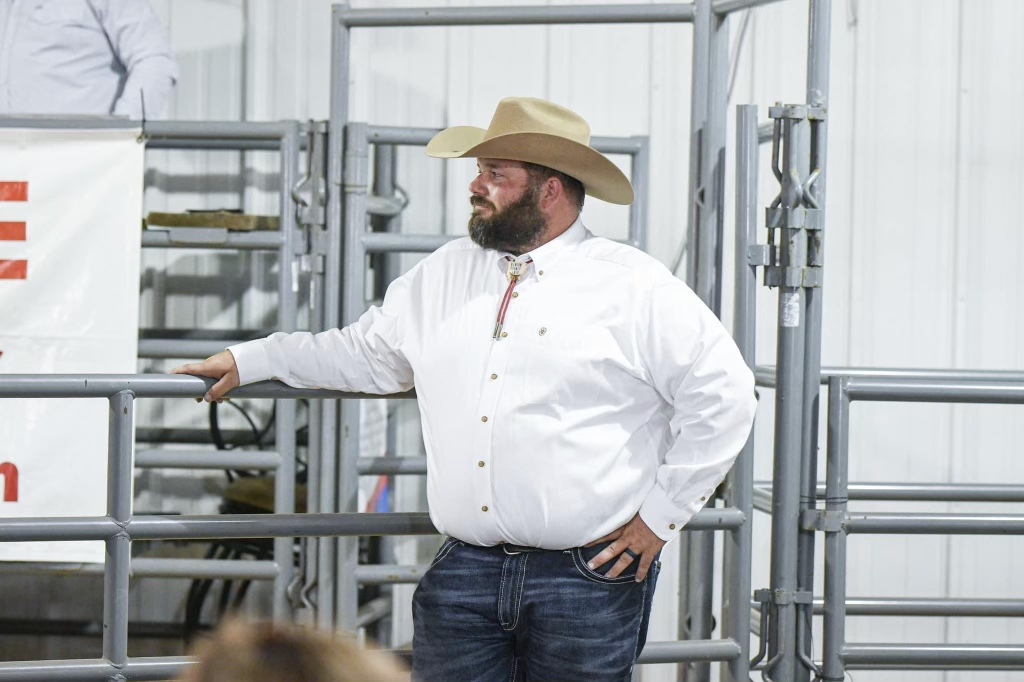
about Wes Evans.
Wes Evans, a native of Northwest Arkansas, has a passion for agricultural education and advocacy. Growing up on a small dairy farm in the heart of Benton County, Wes began his lifelong journey as a farmer with a foundation of hard work and a passion for livestock production. As an advocate for the agriculture industry, Wes strongly believes in the importance of sharing farmers’ stories and highlighting the challenges and opportunities within the industry in an accessible way. He is particularly focused on reestablishing the connection between children and agriculture, which led to the development of Benton County’s “Pasture to Plate” program. This program provides students with a comprehensive and educational look at the cattle business, regardless of their agricultural background.
In addition to his advocacy work, Wes has held various leadership roles and currently serves as the President of the Benton County Farm Bureau. Wes and his wife, Laura, are dedicated to "raising kids and cattle," passing on their passion for farming to their children Emma (15) and Weston (13). Both children are actively involved in showing Charolais cattle at local, state, and national levels.
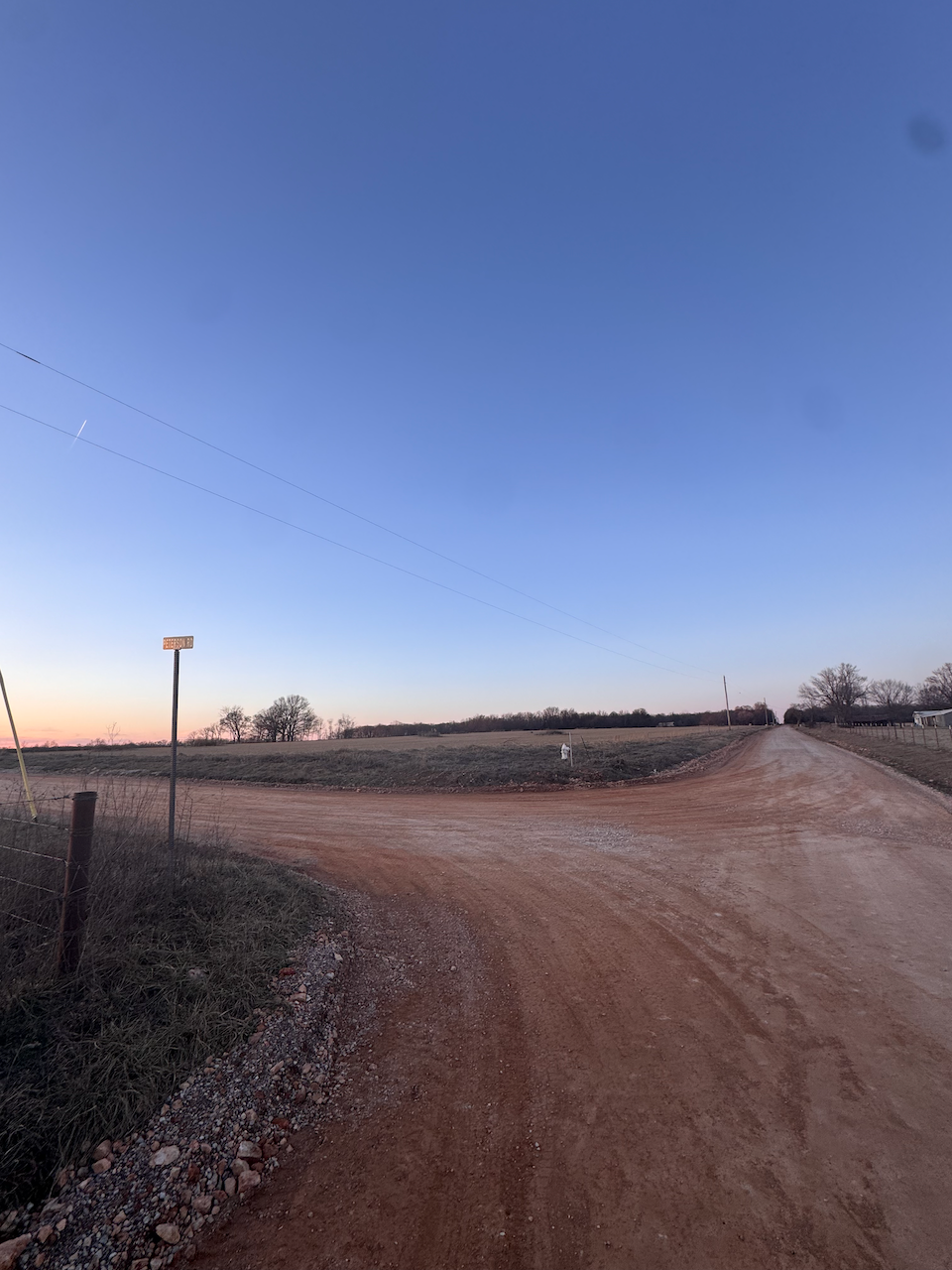
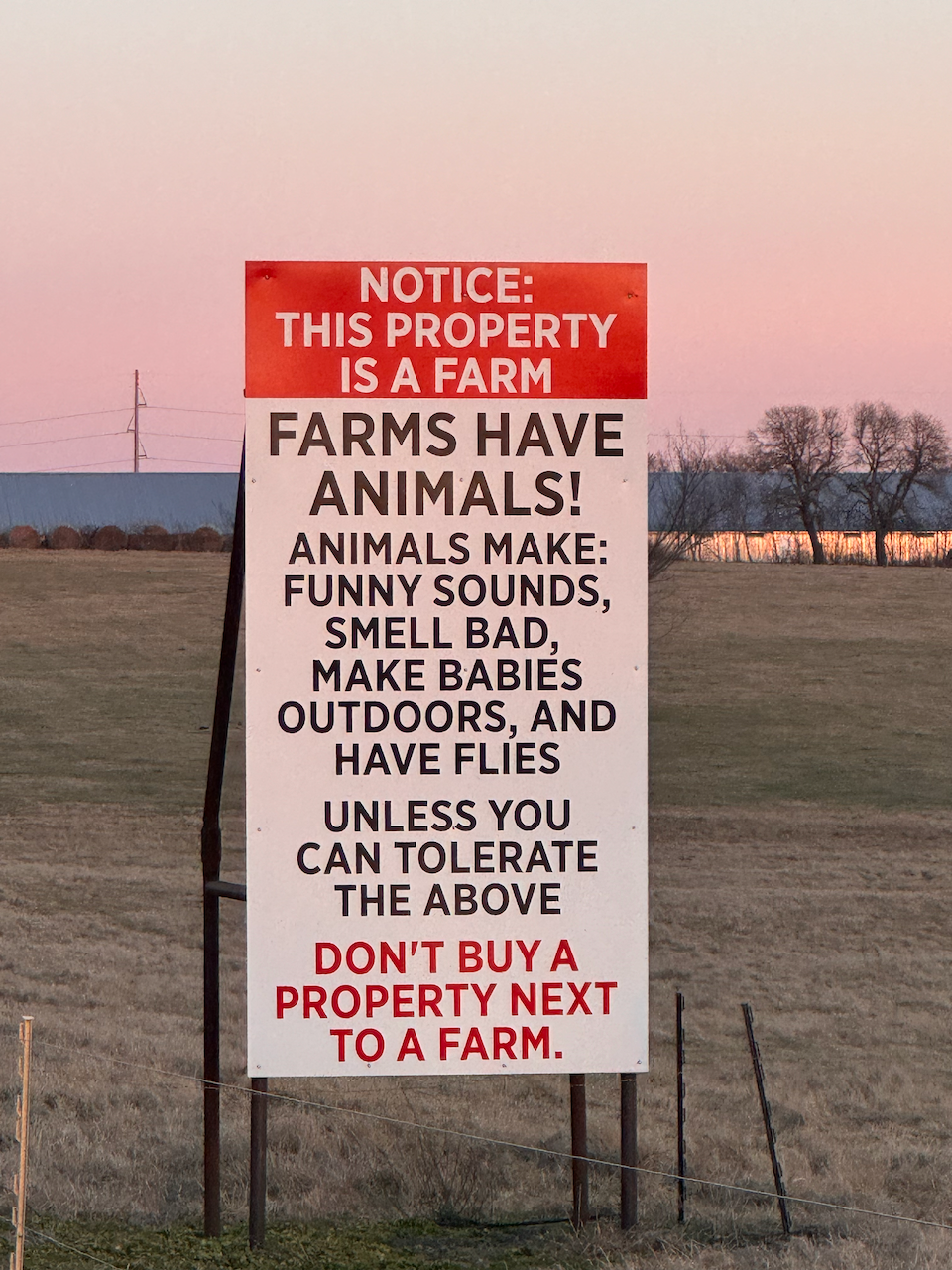
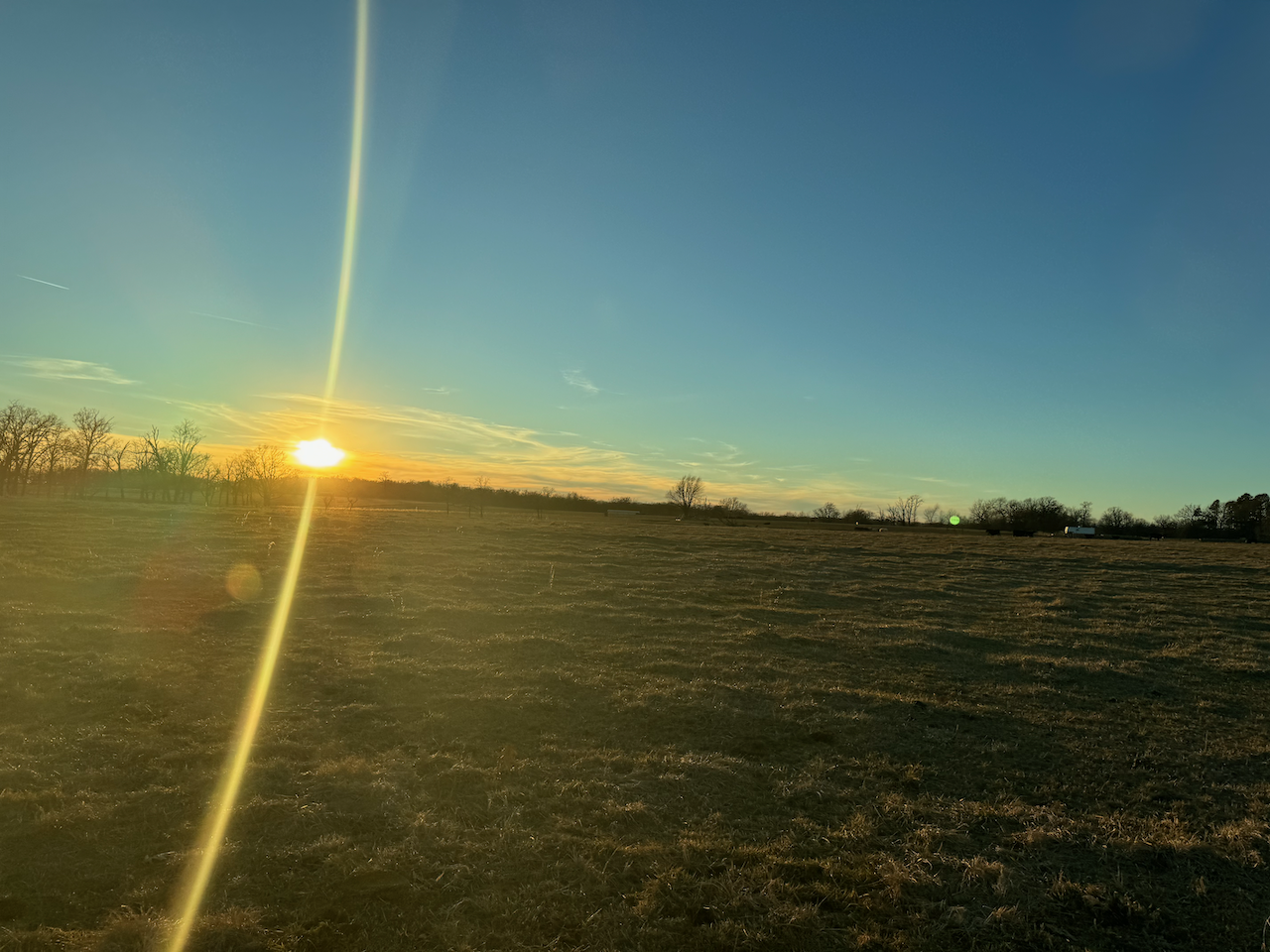
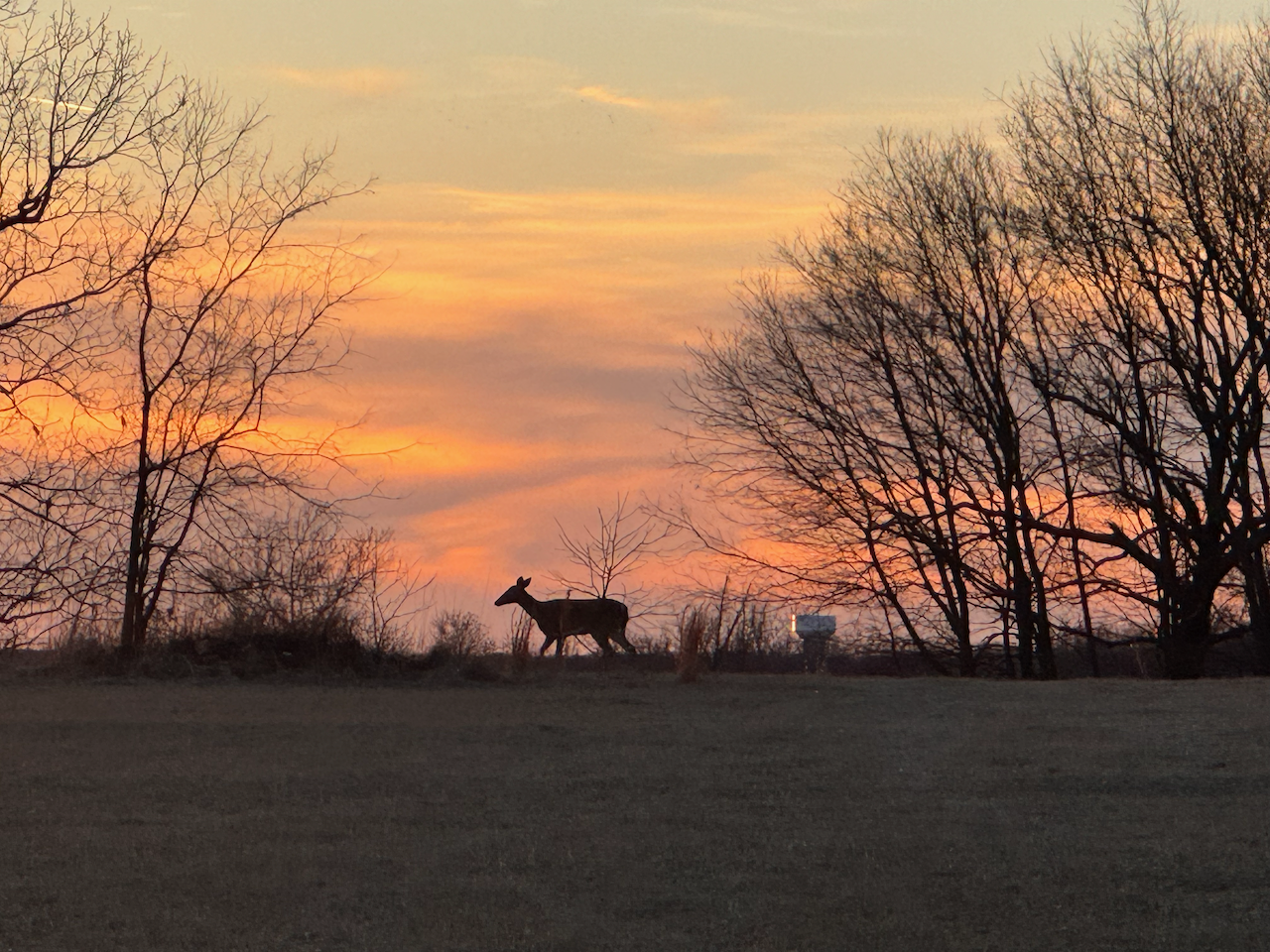
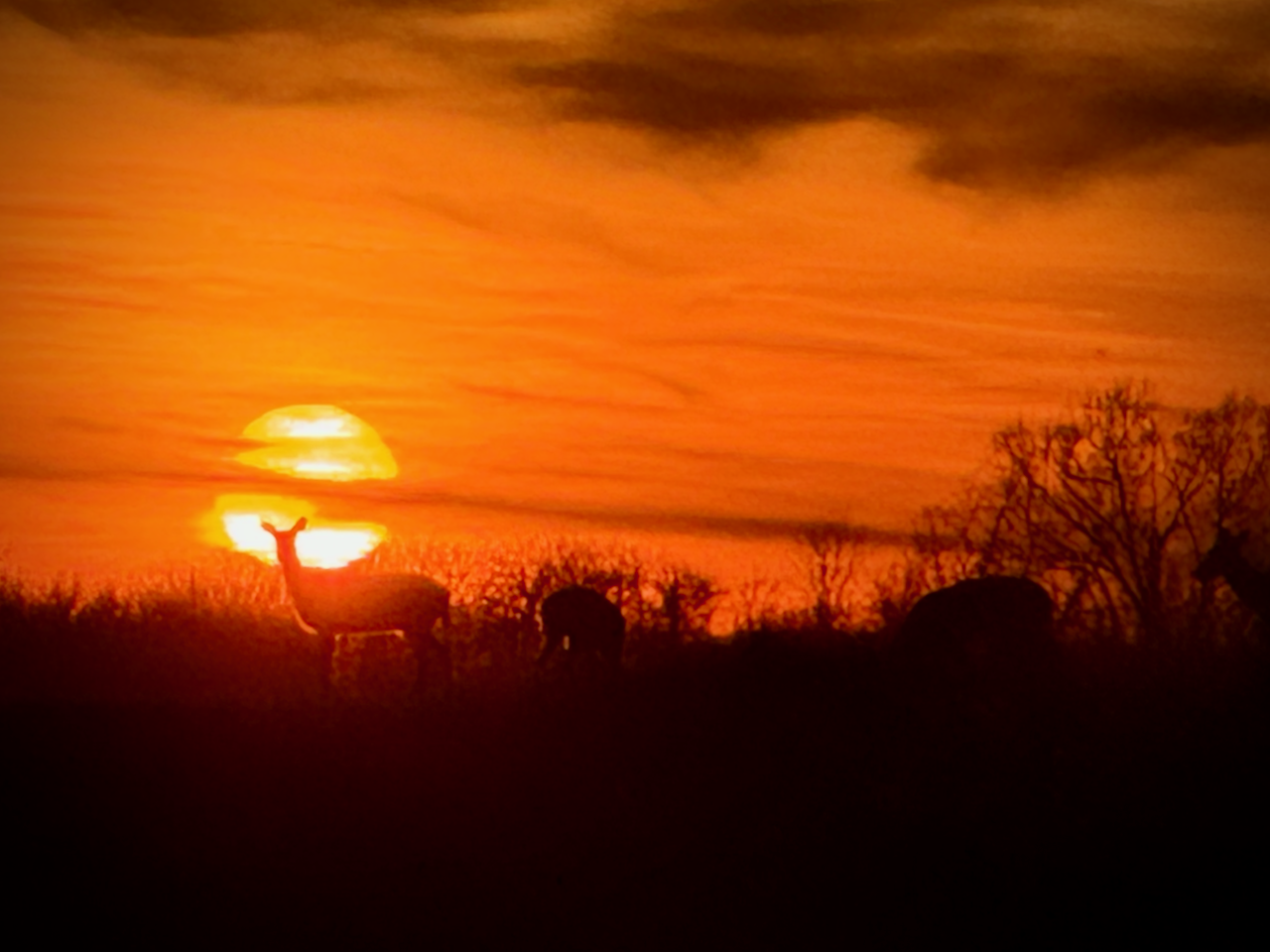
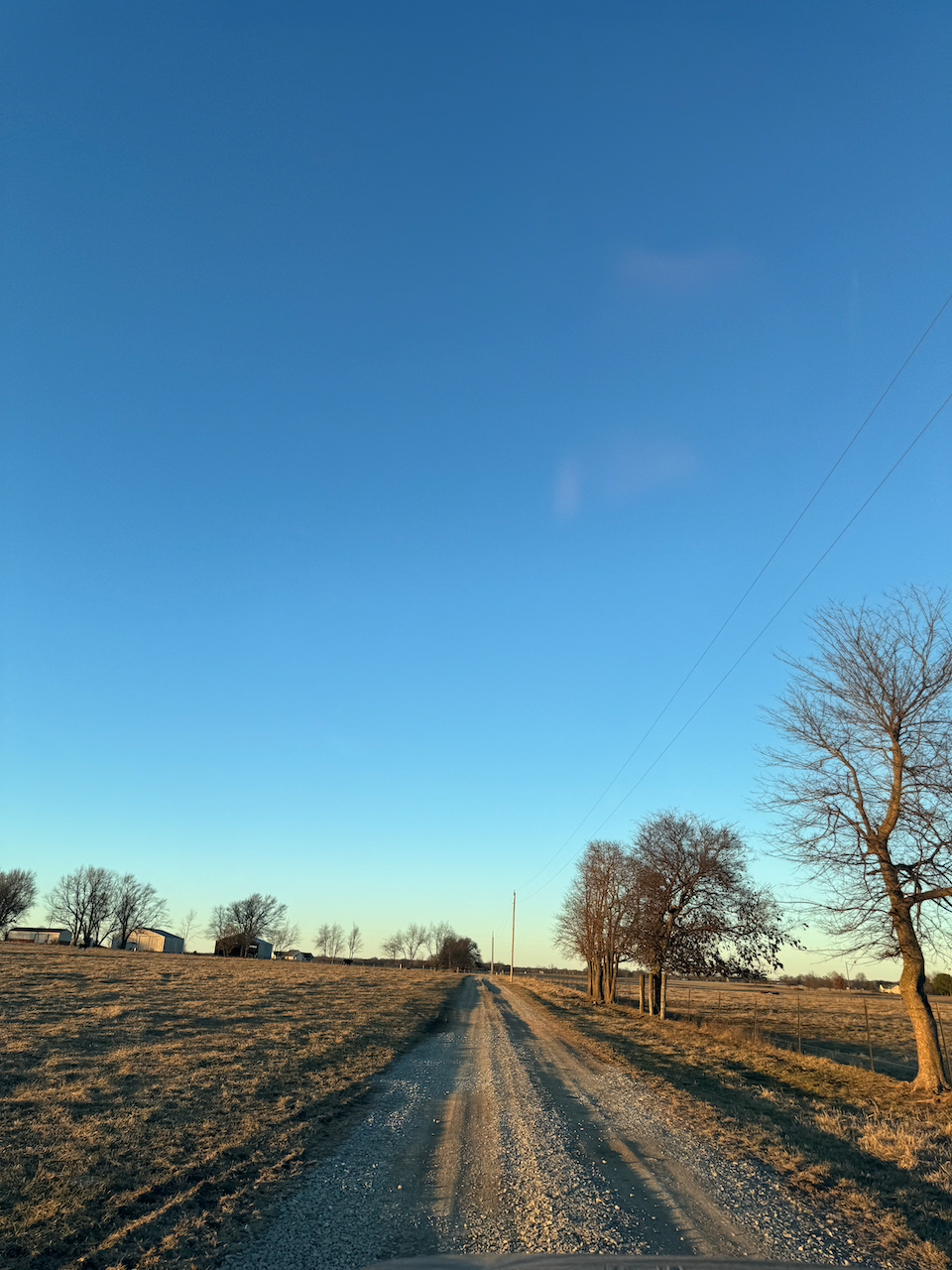
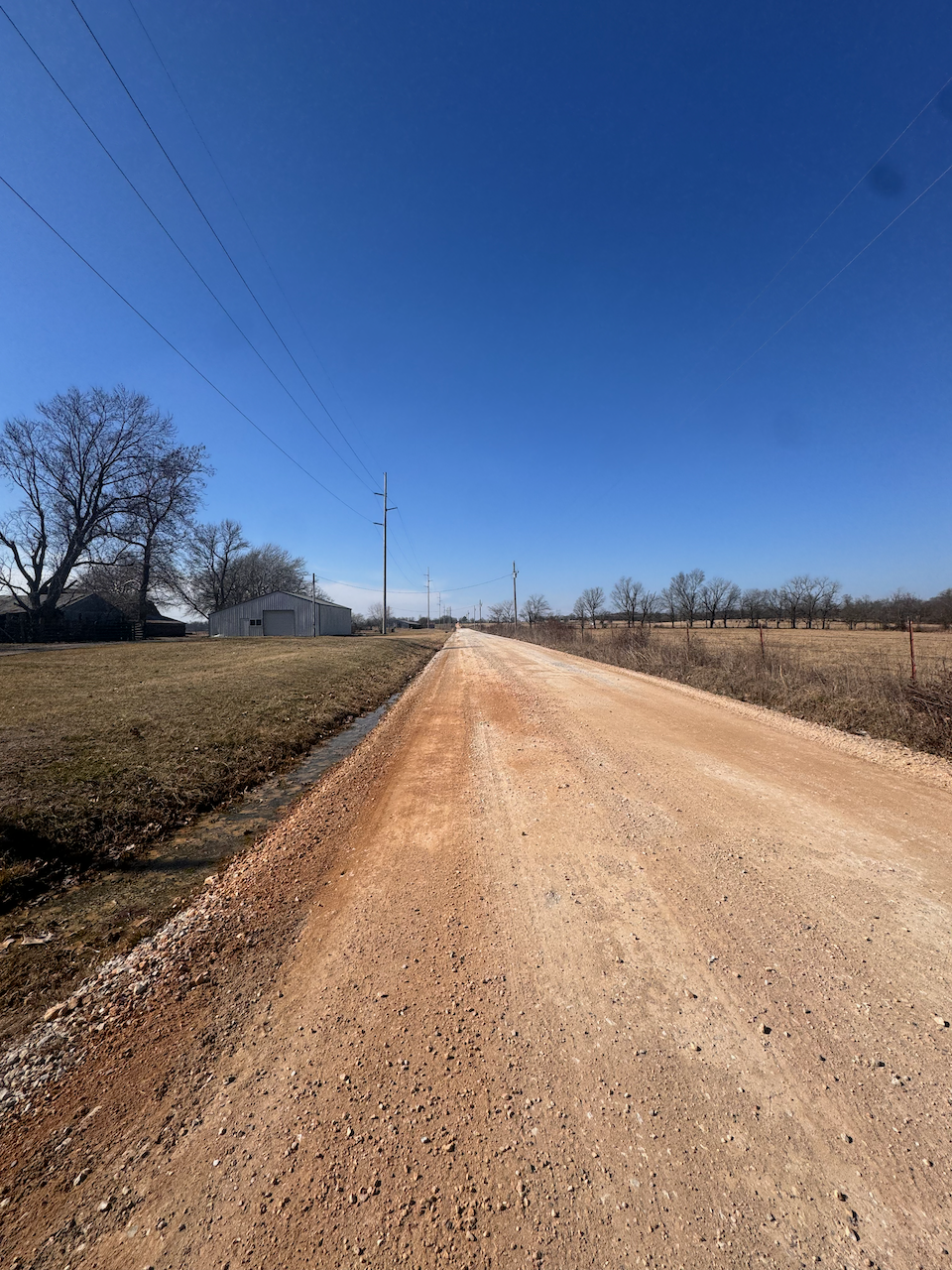
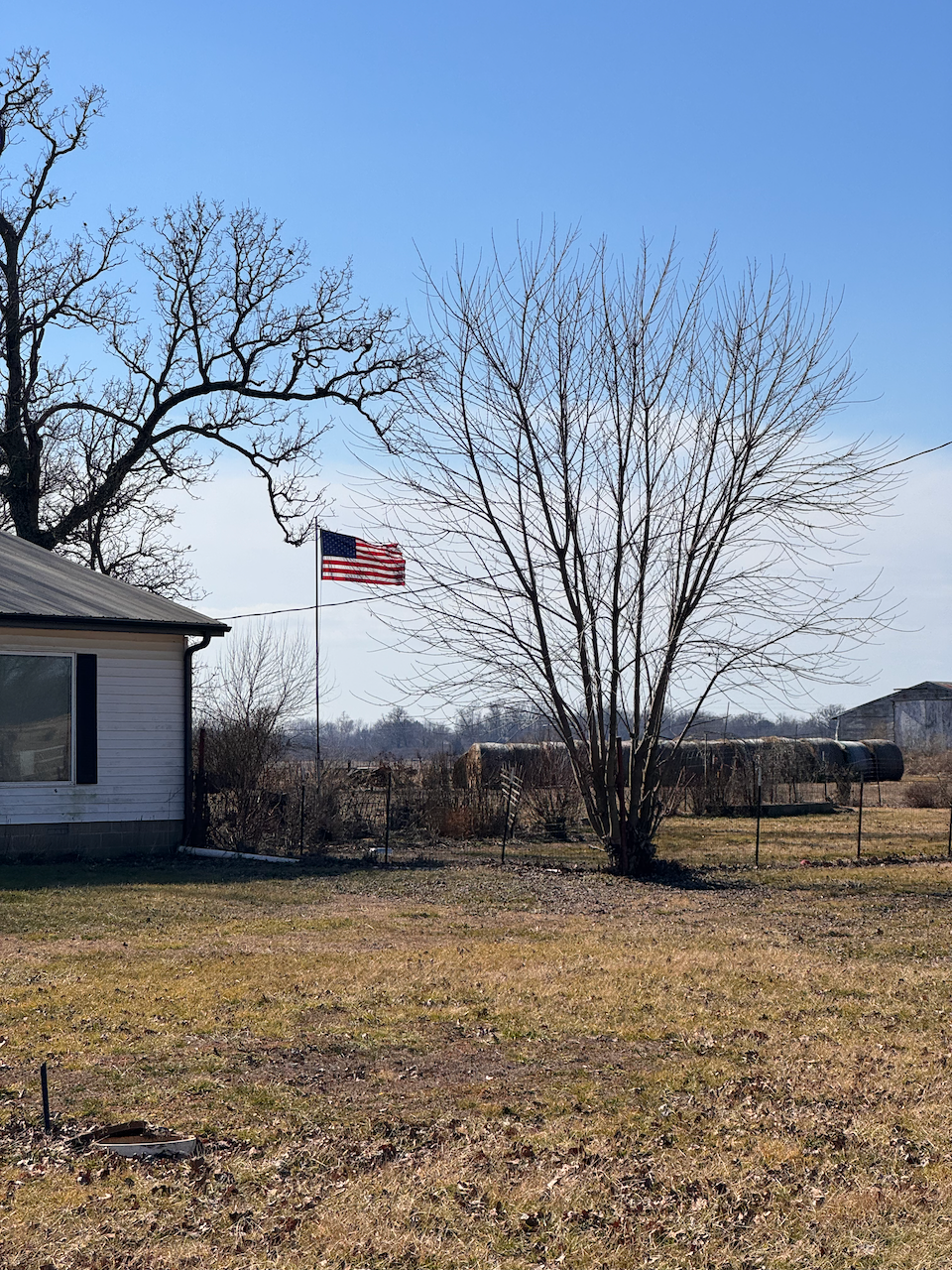
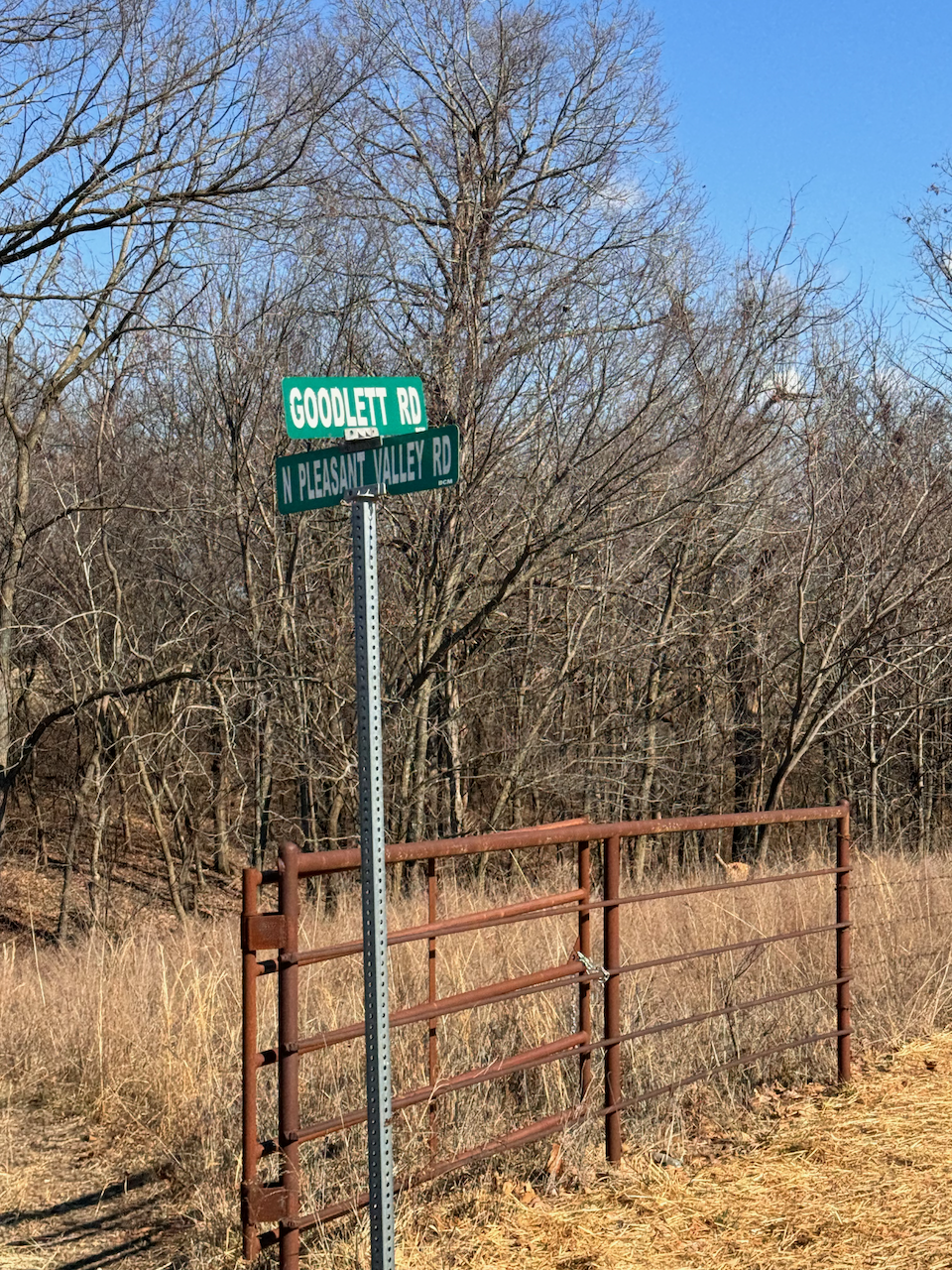
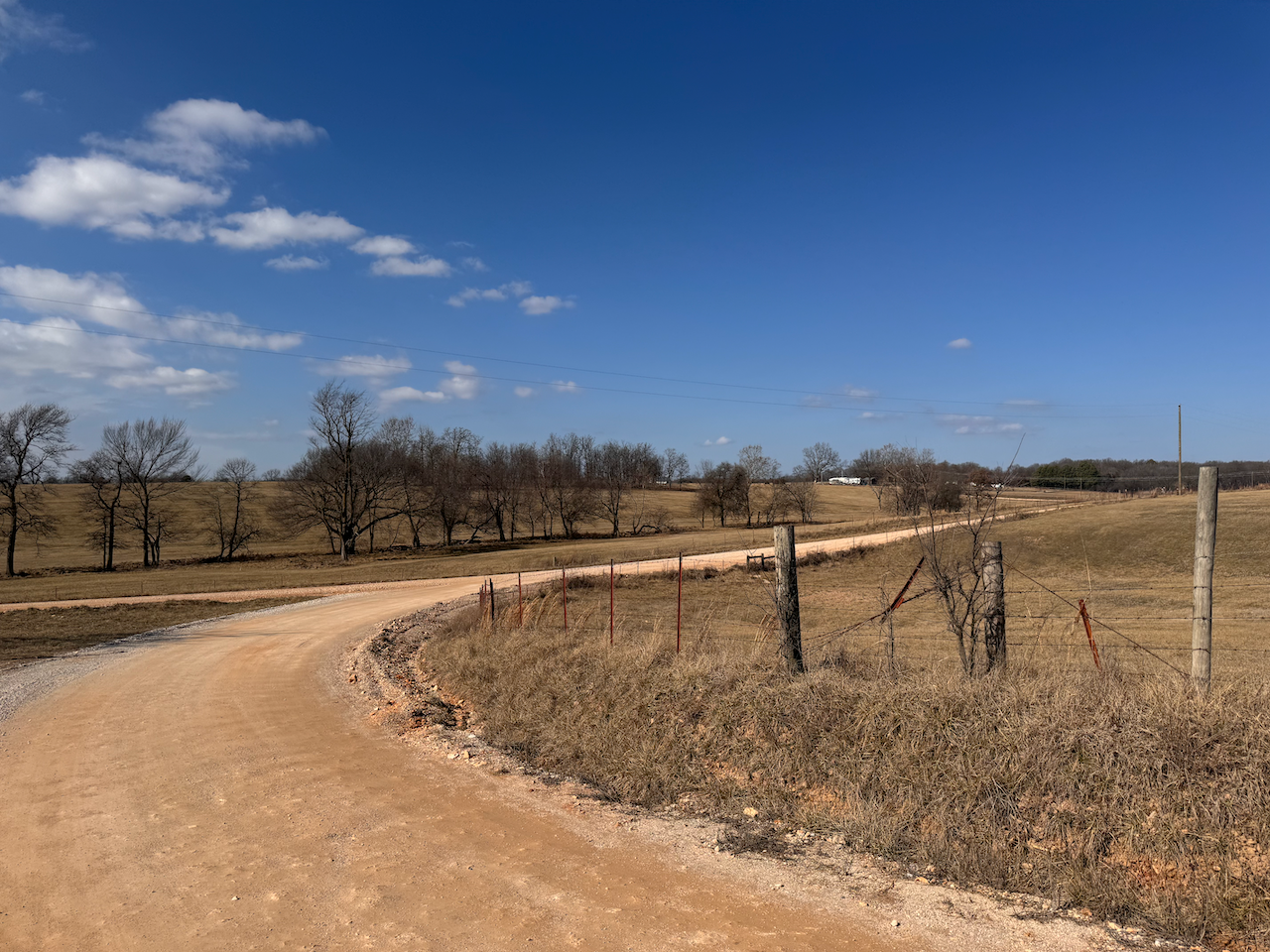
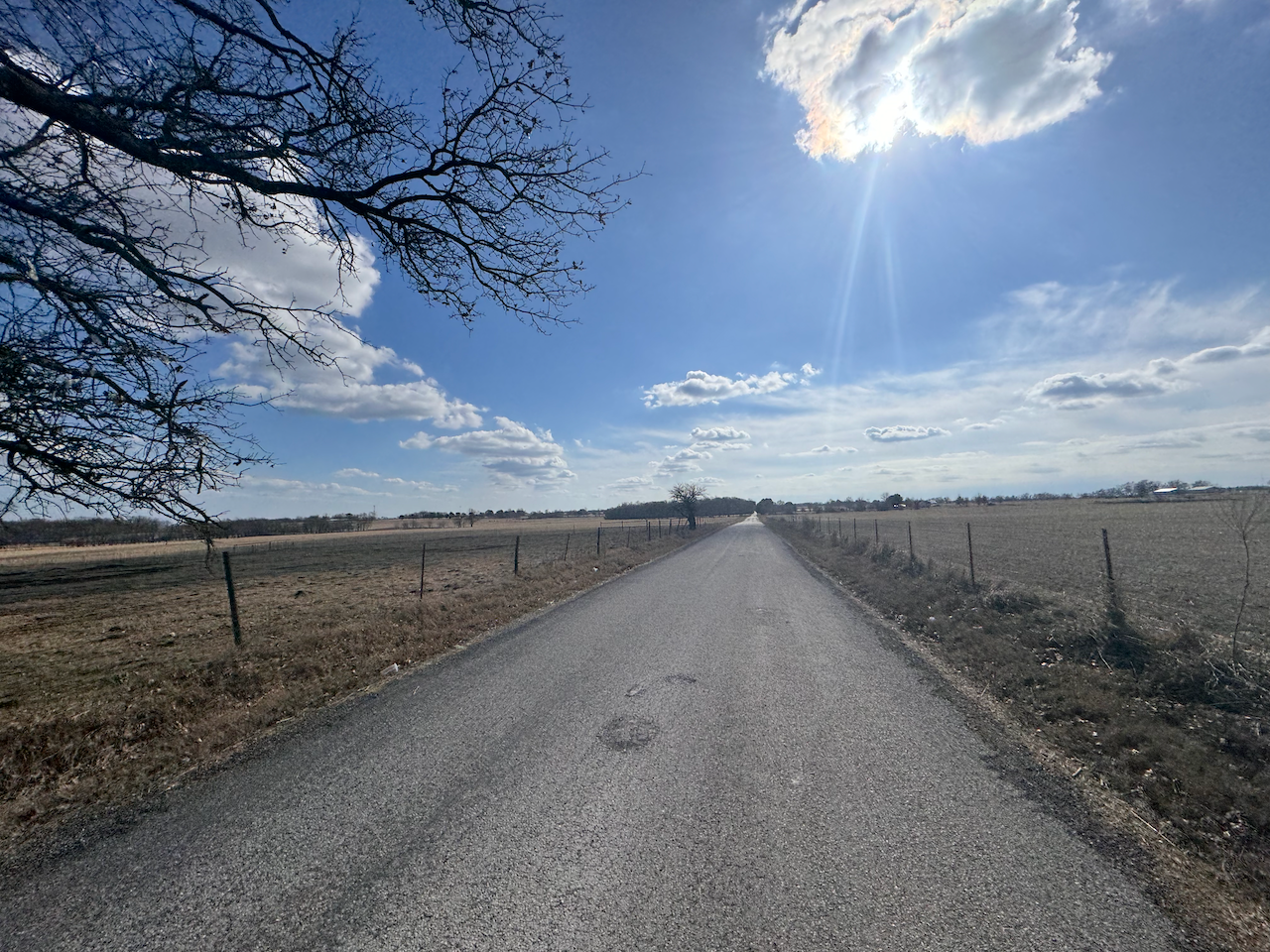
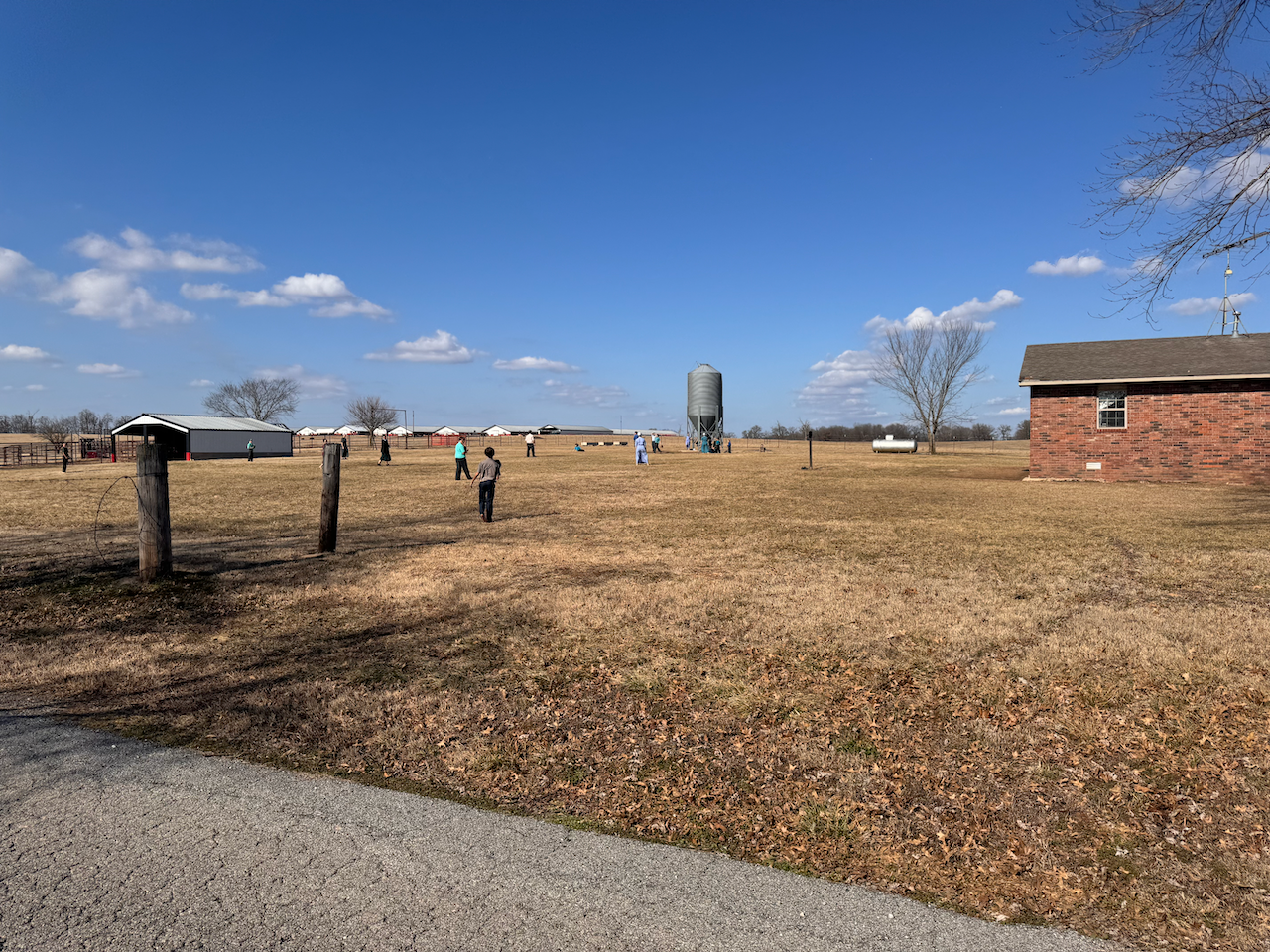
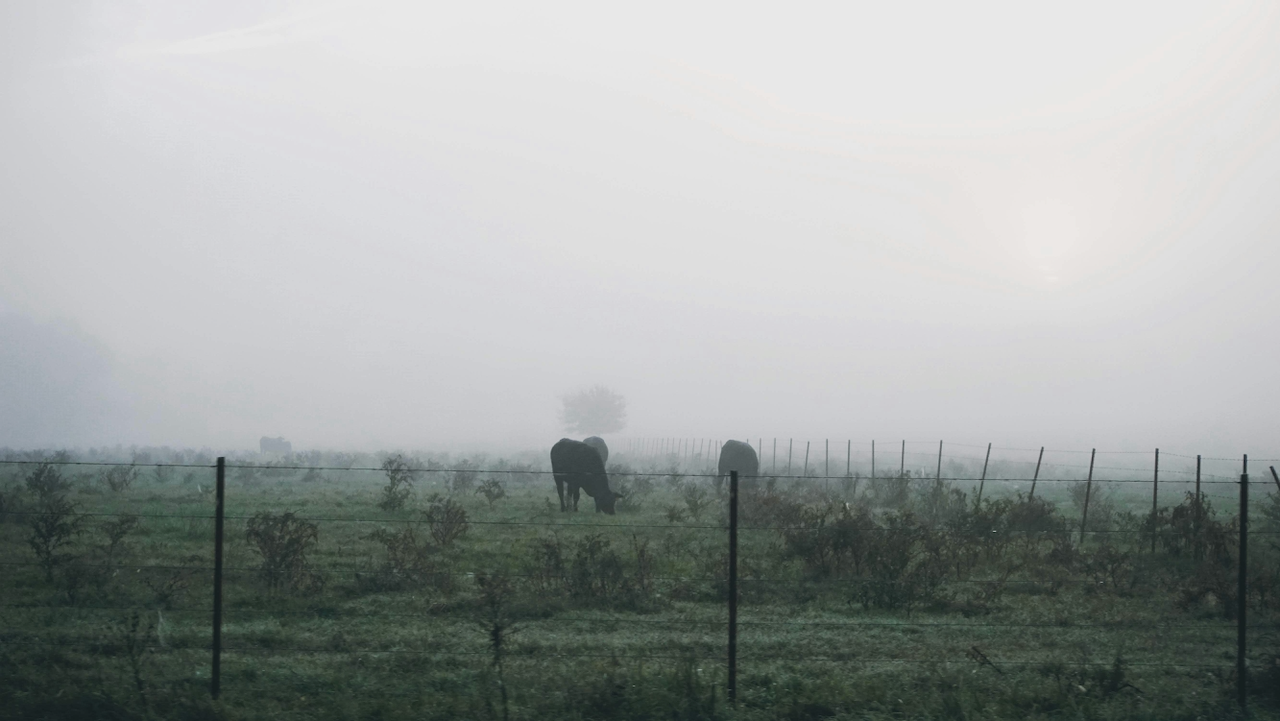
Photo by Brad on Unsplash [/caption]
route.
The route for this episode is…
music.

references.
NWAOnline.com “Gentry family honored as 2023 Benton County Farm Family of the Year” Article
Arkansas Farm Bureau (Benton County Facebook)
Benton County Pasture to Plate
episode transcription.
episode preview.
[00:00:02] wes evans.: Everybody come from a different place. Everybody's at a different place in life. And if you don't understand that, you really don't need to be part of the conversation, and we're talking different spectrums, people from different walks of life, people that they're trying, pushing for a different thing in life, and so trying to get everybody to come together from different walks of life and figure something out that's community.
Because we didn't, we wasn't always the same. We didn't all have the same parents. We didn't all have the same incomes .
So when we've got to respect each other, when we're having any of those conversations, and if you don't go in with an open mind and respect for somebody else, it, That's where we start losing it and things start going backwards
episode intro comments.
Well, you're listening to the underview, an exploration in the shaping of our place. My name is Mike Rusch, and today I have the privilege to talk with Wes Evans. Wes and his family have their roots in dairy farming. However, today they own and operate the Evans Family Farm.
It's a beef cattle farm in western Benton County, Highfill to be exact. Farming has been in their family's way of life for generations, and their future is definitely invested in it.
Wes is also the president of the Benton County Farm Bureau, which also places him at the center of how our region's farm families are facing the challenges of growth here in Northwest Arkansas.
I wanted to talk to Wes for three reasons.
First, as we examine the growth of Northwest Arkansas, Cities and more people are expanding into county land and changing these communities. Wes sees the impact every day, and I want to hear what his perspective is.
Second, as the Benton County Farm Bureau President, Wes has a wide view of how these things are impacting more than just his family, but an entire county, and so he's actively working to chart a path forward to help solve these challenges for so many.
And then third, in the continuation of our conversation with Andy Chasteen, Wes is seeing firsthand how the Arkansas Rural Recreational Roads Initiative is impacting our relationships between urban and rural communities. I want to understand the other side of this conversation.
And so for my discussion with Wes, he loaded me up in his diesel truck and gave me a firsthand tour of his community and some of its stories. The audio may have a few tricky spots because that's where the diesel engine roars a little bit. And you may want to have the episode webpage handy as I've posted pictures of our tour to help give some visuals.
All right, it's time to get started. We're going to load up in the truck and Wes is going to give us a tour of his neighborhood.
episode main interview.
[00:03:09] wes evans.: My name is Wes Evans. We are out at our family farm out in Highfall, Arkansas. And Highfill's kind of west of what we would consider the rural northwest Arkansas.
Just going to drive around and look at a few spots that have been impacted by the growth that's moving into northwest Arkansas, and see if we can paint a picture of what we deal with every day on the the country and what farmers deal with all the urban sprawl.
[00:03:38] mike.: I don't think I've ever recorded inside a diesel truck.
[00:03:42] wes evans.: We can shut it off whenever we get there.
[00:03:44] mike.: No, don't. This is what makes it, this is like real, this is like real stuff, no.
[00:03:48] wes evans.: Could have brought the limo, but it's alright.
[00:03:51] mike.: Now I, you may have to charge me for that trip.
[00:03:53] wes evans.: This is humorous.
This is actually my wife's family owns this land right here. And when they built chicken houses, they they actually was mad about it because all the extra runoff from the chicken houses. Now, I think they wish that more chicken houses was around.
[00:04:14] mike.: Why is that?
[00:04:14] wes evans.: To keep people away.
[00:04:15] mike.: Oh, I get it. Yeah. Tell me a little bit about your family and what, I think one of the questions, like, I always ask people, like, what does Arkansas mean to you?
[00:04:23] wes evans.: I was raised on a dairy farm. And right, Vaughn Arkansas. And, we never went anywhere. And when I say anywhere, I don't mean just like out of state. We never left, the 20 mile radius of that area cause we just had to stay on the farm the entire time.
Honestly, as I got older and actually started exploring out a little more and going and doing stuff with my own family, I started actually appreciating more of what Arkansas had to offer, in the mountains, the Ozark Mountains, and even getting down south and the different farms and what else is out there, because all I really knew is home was Northwest Arkansas, and this is where we've always was. And this is where we always stayed. If it wasn't here, we wasn't there, but as far as appreciating what Arkansas has to offer from what other people come in here and like.
I really didn't see a lot of that as a kid, honestly, I feel like I'm, I was just cooped up in my own little world. So it's obviously changed a little bit, and it's always been a rural area very. Everybody. Everybody here was farmers and around agriculture Honestly, very few people even worked in town, you know when I was a kid so times have sure changed here.
[00:05:39] mike rusch.: Is it fair to call you a farmer? How would you describe yourself?
[00:05:42] wes evans.: So yeah, no, i'm definitely. We make the majority of our income from the farm Farms changed over the years and very few farms can actually, especially farmers my age, can do it all with just farming agriculture itself.
It's just a lot different. Like right now we're driving by some poultry houses we'd call these complexes. And for a long time in Northwest Arkansas, this would be the only way that you could completely make a living. It still is. The only way you can make a living as a farmer, without an additional income, or having a spouse that works in town.
These farms right here they're gonna raise just to give you the size and what they're doing. They're 66 foot wide by 600 foot long. And they will raise, there should be a quarter of a million birds in these houses in this one complex
yeah. So there'll be roughly about a quarter million birds and that'll be, they'll raise about four flocks a year. So roughly producing, a million birds a year. And if you notice there's one on our right, there's one on our left and there's two more coming up right here on the road. So we're literally going half a mile down the road.
And looking at four, four major poultry complexes those, so we're looking at basically with those complexes, they're producing about 16 million birds a year. Just to grasp what. What that looks like. That's a, that's a lot of birds and they I actually think the Simmons plant in Western Benton County is actually processing like 10 million pounds of processed bird a week.
So this is a huge industry for agriculture in this area. And the interesting part of this is we're fixing to come up on, we're just to get a picture of this, we've got a complex on our left and a complex on our right and right in front of us is a subdivision going in with larger lots.
I think they're probably three acre lots but, and a bicyclist, but the thing about that is, is when people move out here, they tend to ignore what they're driving by. They'll see these chicken houses, these are newer houses. They look, they, I think they look. presentable for what the amount of production that goes out of them.
But there's also cows all around them. They're, they are spread out. It doesn't look terrible, but there's days whenever they start hauling birds out of here or feed trucks coming in. There's a feed truck right there actually going in. So you've got the semi traffic. You've got litter when the litter is being spread out here, it's gonna stink.
So there's a lot of traffic, a lot of things going on out here. This is production agriculture in northwest Arkansas, and this is what it looks like. So just to paint a picture of what's going on. Right in front of us and they've got this field right here flagged off
[00:08:45] mike rusch.: Sorry, just for clarification.
So we're on Peterson Road. Is that correct? Yeah, you're saying that this to the north northwest corner here.
[00:08:52] wes evans.: This is also they're splitting off and lots and so Basically whenever they started doing this and the farmer heard what they was doing, you know Of course, obviously they worry about what's coming in how many people there's going to be. Because he understands that they may have came out at a good time where there wasn't any smell, there wasn't anything going on.
And with all that going on, he decided to put up a sign to make sure to make sure that they understand. And that the sign says,
"notice this property is a farm. Farms have animals, make funny sounds, smell bad, make babies outdoors and have flies. Unless you can tolerate the above, don't buy a property next to a farm."
[00:09:33] mike.: It seems like a fair enough notice.
[00:09:35] wes evans.: Hey, if they want to ignore it, they can't ignore that.
[00:09:38] mike rusch.: So can I maybe ask about this because you've got. A developer, I'm assuming, who's bought this probably, I don't know if they're from the area or not, across from this farm here, and nothing, I don't know, I don't know if it's fair to say nothing's been done, but nothing's been built yet, there's no new people here.
[00:09:55] wes evans.: Oh, there actually is.
[00:09:56] mike rusch.: Are there? Okay, oh, I see it over there, yeah, okay,
so we see the first kind of houses going up, but it feels like you're starting from a point of almost tension. Is that a, or conflict? Is that a fair assessment?
[00:10:07] wes evans.: I guess it's just hard for farmers to understand why people would want to live.
The farmers have to live next to the chicken farms, they as the old joke goes with dairy farmers and chicken farmers the bad smells is just the smell of money. There's zero benefit to these people over here other than eating chicken nuggets, it, we did, they just understand the negative effects that, that these people are going to have to deal with and they understand, the farmers understand that, they understand this isn't, just all beautiful and everything.
This is production agriculture. And so they just want to make sure that they understand because what will happen is people will come out here and they'll buy these houses and think they're moving out of the country, but then they want to start changing what these farmers are doing.
This farmer right here. They've actually, they've owned this farm. Oh man, they've owned it my entire life. So they've owned it for over 40 years. Maybe longer than that. And his son runs the farm too. They, it's a father son operation, and they're planning on their kids staying on the farm a little bit, and, Still running the operation.
So it is a cool operation that the cattle they have out here. They actually sell Their seed stock operation, but they also have some storefronts and everything for their beef. So it is they it's a very unique farm and It's actually a beautiful farm. They keep it up very nice and everything but they just want everybody to understand that is moving out here what they're going to have to deal with.
[00:11:40] mike.: You mentioned this real quickly, but you're saying like the people moving in here at some point are going to expect this farm to change.
[00:11:47] wes evans.: They are. Just for example, those houses, the chicken houses, I think this, that complex itself was probably one of the first ones put in here. And that would have been 8 to 10 years ago. I think the lifespan for those chicken houses are meant to be about 25 years. I think they're starting to think they could expect to get 35 to 40 years out of them so there's, it's not going away, and it's, they're going to be here, just cause the urban sprawl happens and land prices get really high, the amount of money that these produce and the amount of debt that some of these farmers have, they have to continue to keep farming and keep trying to, get up on top of it.
And very, small percentage of these farms are actually paid for, so they have to continue to produce. And the amount of money it costs to build a complex like this is it's millions of dollars. And so it's not just a little small family operation. It's a lot bigger than what people actually drive by and think about something like that would be,
[00:12:48] mike rusch.: We're in county property right here.
[00:12:50] wes evans.: Right here is county.
[00:12:51] mike rusch.: Yes. At some point, it looks like they could put a hundred houses over here to the left. Maybe 50, I don't know.
At some point though, I don't know if it's fair to say there might be 50 people that live here.
Do those 50 voices become more important to the county than this one that's been here for as long as you can remember?
[00:13:11] wes evans.: Sadly enough, a lot of that has to do with our elected officials. Okay, you want to talk about that? And it's a conversation I actually had with the county judge last week.
He's been very good to agriculture in Benton County and understanding, the rural aspects, everything. And he actually gave us a heads up, like, the quorum court, we're fixing to lose a member of the quorum court that has been very instrumental for agriculture.
She, she's been a farmer, her family's got a century farm and she's been a great ally. And he was just letting us know, Hey, the times are changing and on a quorum court, it's, we're not going to have near the agriculture following that we had in the past.
Yeah, this farmers need to start really paying attention to that and trying to get more more people involved in politics, 100%, but farmers are very limited on their time. Yeah, and meetings typically don't make the farm payments. So it's a you know there's been a few of us take a lot of initiative and try to make sure that we have people on our side and informing the general public on what's going on out here and Making sure that we're taken care of but you know at the end of the day, it's all in who we got sitting those seats
And I'll show you some more. There's, yeah, we'll just go around the block and come back, go around.
[00:14:34] mike rusch.: Your block's a lot different than mine.
[00:14:37] wes evans.: This is a big block. This is a big block. Yeah. My, my dad actually just, he grew up just on the other side of this property right here. Actually we can go that direction.
[00:14:45] mike rusch.: What's your earliest memory of this place? Do you have one?
[00:14:48] wes evans.: Man, I got a lot of memories.
[00:14:52] mike rusch.: Maybe one that you can tell me. He won't get in trouble with.
[00:14:57] wes evans.: I'll tell you that like in high school, these was my roads, this is dirt roads, I could go anywhere.
I could go anywhere in the United States of America on a dirt road back then. It seemed like, and I was good at getting there. But when I was a kid, oddly enough, we moved from the place my grandpa grew up on or my place, my, my dad grew up on right up here and it was a 60 acre farm and we was actually moving to the dairy farm I grew up on.
And I was probably about four years old and I was in the back of a pickup truck, and we was moving lawn furniture, like, and I was sitting on the lawn furniture, and my mom made the corner up here on the paved road, and I fell out of the truck, and bumped my head, and I haven't been right since.
[00:15:45] mike rusch.: The whole world may hear that at this point, but, or ten people, I don't know, but like,
[00:15:49] wes evans.: But right here, you can see all the flags these are all Separated off into small lots for houses, and once again we're a quarter of a mile away from the chicken complex right here.
And this is a beautiful area. I don't get it wrong. I, you're at this point, you're far enough away that I feel like you could probably get away. Agriculture is not going to, the production of agriculture is not going to affect your outdoor barbecue, over there where we sat earlier, I could only imagine having a Super Bowl party or something there Fourth of July party and then be selling chickens and the aggravation that would be, but that farm was there obviously long time before, before the houses are
so this right here is actually the farm my dad grew up on. So this was, I was actually born here. We had a chicken farm here. We milked class C dairy farm here actually years ago. The great sea. So we farmed a lot of that. We leased a lot of this property. Even after that it, it got split up as the family, just my grandfather passed away when my dad was 18.
So that kind of got split up a little bit. My grandmother actually still lives on part of the place. And that, that's the going story for a lot of land out here. The big farms that was always there, as the kids get older or As it's passed down, it, most of them get split up and even if it's just split up in the siblings, it still gets split up, and then the grandkids, and so these bigger farms are just getting smaller and smaller as we go.
[00:17:21] mike rusch.: Not to sound doom and gloom, but when you, you don't get those back. Those are gone forever at that point, aren't they?
[00:17:27] wes evans.: They are. It's You can try. I say you don't get it back. Me and my wife, we have actually we're in our late thirties.
We've actually accumulated 100 acres, 103 acres is what we actually own. And my grandmother actually gave us five acres. So we've had five acres given to us. And other than that, my only inheritance I've ever got was 300 from my great grandma and I bought a rocking chair with it. It hasn't been really per se inherited at all.
None of it has been. My, my dad was the same way. He bought this farm over here and raised us on it. It was a struggle. We grew up with, I remember when I was 16, my parents didn't have a truck worth driving to town and they had to borrow mine. There's deer right there.
But, it was he had that 80 acres. We leased a bunch of land. So just because we had 80 acres, we were still farming, probably close to 800 acres or maybe more, probably about 800 acres then. We had the dairy farm. We milked about, we was only milking about 50 head and we had about 350 head of mama cows, beef cows.
From there, and when he actually, stuff was moving out to him, sewer came in. He actually sold this place and bought farther out and from there he bought 120 acres and then he started as he could. He bought a little more and a little more and a little more. So basically he's a, he's almost a self made man as far as building his own farm up also.
And he's, he's, he owns 500 acres, a little farther south, a little farther out of town. And it's moving in on him, there's some subdivisions now within a mile of where he, his farm starts. And it's definitely moving in, but the times of starting a farm from nothing and building a big farm really it's not, there's no way to ever make that happen unless, it's what we would call either an investment farm where somebody has a nice job in town.
And they need to dump some money and get some good tax write offs. We have a lot of farmers out here right now that they don't make their living off the farm. As far as income goes they're not banking on the farm for income, which, they get to farm with money and I've always had to farm to make money.
And it's a little different thing. So you'll see some of that where people's actually built some farms up like that. But for the most part those times are definitely over, we've got land out in this particular area, which, like I said, it's just west of the major Northwest Arkansas, so it's going anywhere from 20 to 60, 000 an acre.
[00:20:02] mike rusch.: I talked to Benton County Judge Moehring. One of his quotes was, " it's getting harder to be a farmer because of the opportunity costs that you're passing up."
At what point does this land become so valuable that you almost can't say no? Does that happen?
[00:20:22] wes evans.: It does. And everybody's at a different stage in their farming careers or in their lives. For me, it's been a struggle. We've owned our own farm now for probably 15 years that we've really worked hard to try to get it all going.
And. It's been a struggle the entire time to make the payments, keep the cows fed, and then we worry about our own family, whenever somebody starts flashing money in front of you. You have to make that decision, like, do we move on, do we move somewhere else and buy a bigger farm, and for the most part, that's what happens, is even though these farms go out, if it's somebody who's still on fire about agriculture, they'll just move out and buy a bigger farm.
The other thing would be, is the guys that's hot and heavy, fully invested, everything's rolling good, a lot of these poultry farms they just, they don't want to move, they don't want to sell, they don't want to continue on. Then you've got guys who literally farm their entire lives and they, honestly, the farm is their retirement, and so I never, ever fault anybody for wanting to sell out and move on. You got to realize too, a lot of these older farmers and people's asking, why are they selling? This is where it gets deep because. If they had kids, that farm wasn't big enough to make a living for their family and their kids family.
The next generation just could not make a living on that farm. So they had to go to town and get a job to raise their own families. As soon as that happens, you start separating farther and farther from the farm. So sometimes they still work on the farm until they, they end up retiring and taking the farm over.
A lot of times they go to town, they don't have a lot to do with the farm. If they ever do come back to the farm, They don't have the skills and knowledge it takes to actually manage that farm and it'll actually go backwards, and so you have to remember that aspect if there's not somebody to turn the farm over to and people start flashing enough money that you don't have to worry about making it to your grave anymore I'm proud of those people.
That's just, they're finally getting to retire. They've worked hard their entire lives.
To to honestly, finally say that they made it, and that's one, a different aspect of it. And that, there's, everybody's at a different point in their life.
No matter if you're a farmer or you work in town. But, and that's where we're at right here. We're actually setting on the road.
This is the farm I grew up on.
[00:22:43] mike.: Doesn't look like a farm anymore.
[00:22:45] wes evans.: Those two big pine trees was in the front yard of the old house that was built in 1890s. And, you can still see the old driveway right here. There's for anybody listening, there's privacy fences and there's what we would call spec homes, and it was an 80 acre farm and now it houses 248 spec homes.
So this was a dairy farm. The driveway was right there. The back straight into the corral, there was 100 year old house next to it and old block dairy farm or dairy barn. That's where I grew up from the time I was four years old to the time I was probably 22 years old.
Grew up there. I ended up marrying my high school sweetheart that also grew up on a dairy farm out farther west of Benton county. And yeah. She actually milked cows here to pay our rent on that old hundred year old house and from my parents and I milked on the weekends. We both, she went through nursing school and I went through a machine tool technology and automated machine tool technology school, so we worked our way through school on the dairy farm and Then after that, we went to town and got jobs, and that was about the same time my parents sold this farm.
But, they sold 80 acres, and like I said, now they, at the time, we thought that was a bunch of money. That obviously, yeah, was a fraction, because that would have been sold in roughly about 2004 2005.
[00:24:11] mike rusch.: How do you even sum up words to describe that transition that, it's literally right, right in front of your eyes.
[00:24:17] wes evans.: I've heard people say that. They say man does it not hurt driving by there and having all those memories on. And, but man, it's so different than it was when I grew up.
[00:24:26] mike rusch.: So I would assume it's unrecognizable other than the driveway part.
[00:24:30] wes evans.: Yeah, 100%. There's those two big trees about all this left of what you could, you can tell.
And, after that, after it sold, they came in and actually made the subdivision, the roads out and everything. And then that's when all the bust happened. So for a lot of years of drive by, and there was just roads out here with no houses at all. Actually I'm glad they finally did something with it because it was sad to see all that land not being used for what they bought it for.
And it was, it honestly, that was one of the nicer farms in Benton County, lots of topsoil, as far as agriculture goes, that you couldn't get a better farm in Benton County. And we actually, years ago, we leased this property across the road from here, which is another 80 acres. It actually it's still, if you drive by it, it looks like it's agriculture.
It actually just sold. I'm assuming it's probably all going to be houses, too. Because Caddy Corner, there's 400, 500 more houses.
[00:25:21] mike rusch.: Yeah it's the only place that doesn't have a house on it. Yeah, I can see at the moment.
[00:25:25] wes evans.: And the crazy part about this is this is actually in the city limits of Highfill.
And I think at the time when this went in, Highfill was probably running about a population of 370. When you talk about a population of 370 and they come in here and build 248 houses, then they turn right around and move these 400 across the deal. You literally astronomical numbers compared to what it was.
So the major, the population in the city of Highfill is all right here. Highfill still a very rural area, very rural community. But that's it's it's crazy. The reason for that is because there's sewer right here. And this is actually a lot of these people don't even realize they live in Highfill.
They think they live in Bentonville. Because it's just so far north of that town that the town's really big, it's a lot of land. And so this is, it almost feels completely separated from the rest of the town.
[00:26:19] mike rusch.: So yeah, you've, you've seen all of this change right before your eyes.
[00:26:25] wes evans.: Oh yeah. Lots and lots of changes. It's not just here. This is the story all over. The Centerton has had this going on for years and years. It's just moved a little bit farther out. You know
[00:26:41] mike rusch.: I never thought about it that way Highfill has 300 people, got two subdivisions with about that. Three subdivisions, going in there almost. You triple, double the size of the town.
[00:26:54] wes evans.: Yeah, I don't know what the, I would throw out probably what an average of three people per home.
Yeah. So you literally looked at 750 population jump just off of it.
[00:27:05] mike rusch.: What I'm really curious, and I don't know how you would summarize this other than just how you feel about it, which is I think totally fair, like, does it feel like the people that have moved in there bring with them a different, dare say value set or a way of making decisions or different priorities or different way of looking at life.
[00:27:25] wes evans.: They are. It's completely different way of living than the rest of Highfill ever had. But, I'm gonna tell you, every one of those houses will have a privacy fence around it, and they're confined to their And what I've noticed is those people tend to focus on their little area and not the rest of the area, it's hard to explain.
They don't tend to get involved with city politics as much they do their own thing. And they're, and like I said, I don't even know if they know they live in the city for the most part until they probably go to vote and they don't know anybody on, the ballot, but yeah, And that's a, that's another aspect of city politics is Highfill always had there's the families though, the old families, that's, the grandkids of people who's lived there forever.
So the dynamic of the town, everybody knew everybody. And so now a lot of times I'll, I hate to say it, but I'll go to vote and there'll be a name on there that. That's not the normal, 10 families that's always lived in Highfill, and it forces you to do a little more research because you don't know everybody like you used to.
I was showing you that earlier. I've always lived a quarter of a mile away from somebody else. And so I've never really had a close neighbor. It's a it's 10 minute walk to your neighbor's house. And so It's tough for somebody like me to really grasp a hold of, the reality of the way things are now and the type of people that are out here now.
[00:28:58] mike rusch.: What, if what would you, if you could talk to everybody that's maybe moving out here or has moved out here in one of these kind of subdivisions what would you want them to know? What would you
[00:29:06] wes evans.: tell them? What would you ask of them, maybe is a fair question too.
What's the saying, when in Rome, there's the Romans.
It. A lot of it is this stuff's been going on out here for years, generations and, it's how we make our living. We we've done it for a long time, don't move somewhere else that you're not familiar with and think you're going to change somebody. Cause I'm going to tell you, we're adapting the best we can.
And I feel like we're making leaps and bounds, I'm I've actually been a major part of the cycling and the rural roads campaign. And a lot of that has to do with, with I've given up on us stopping the growth, you can't stop it. It's coming Northwest Arkansas is always a great area to live and people realize that we kept that a secret for a lot of years.
It's not a secret no more. So we've, I've transitioned and changed the mindset of trying to educate people of what they're seeing out here, what they're dealing with, farmers on the road. This is actually my grandmother's place. I run cattle on it. Right now it's muddy when I pull out here in the road.
I track mud all down this road the whole time, that's what you're going to see. You're going to see me taking up half the road or more just to pull into that gate back there so I could get out there to feed my cows. And and some of my cows, some look good, they're nice, beautiful cows.
Then others are getting old and finding the end of their lifespan. Probably should have went to the sale barn, last spring or last fall. But they're still, they're, they've got a calf on their side and I've got to let that, got to let them raise that calf from where I can go ahead and take them in and so just, that's just part of it, and we know that cow's old, we know that cow looks like she's hurt and walking across there, but there's a reason why we still have her out there, it's not just because we're mean and we're neglecting our animals.
If I was to take her and take her to the sale barn, you Then I've got a calf without a mom out there. That's going to cost me money. But it's also, that calf's going to suffer for months and months. And right here, a lot of this land over this is all going to be, it's accessible to sewer, it's flat land you've got slight slope, it'll drain off good.
It's subdivision. It's prime land for subdivisions. And it's actually under contract for a subdivision. Beautiful land the way that it is. Yeah and I'm going to stop here on the road and explain a little bit of this.
[00:31:37] mike rusch.: So this is tell me where we are, on what road.
[00:31:40] wes evans.: We're actually in Highfill, northwest of Highfill a little bit. Okay. And what we've got here is, it's an entire city block of agriculture and it's nice, beautiful. You can see all the way across it. You can see the highway over there from, and that, that highway is three quarters of a mile away.
As far as any buildings on it, we're talking about an entire block of 400 acres. That's got what, six buildings on it or something like that. So very bare, actually, honestly, whenever development comes in, it's not going to affect very many people. As far as landowners go on this piece of on this block, there's probably only four or five landowners on this entire city block.
One majority landowner. So what we deal with, and I mentioned it earlier with people in subdivisions that kind of mind their own business and kind of stay in what's in their yard is theirs. The other mentality of people moving out is the three to five acre tracks, the 20 acre tracks which, which are beautiful, it nice, big yards, keep them up.
But the mentality of people are a little different that do that, they'll buy the larger yards and they'll build a house for the view. But the problem is they don't own them. They only own 20 acres. Out here you can see, we're sitting here right here. We can literally see a thousand acres.
It's flat. There's very few trees. And we're looking at two very nice homes, but if you look at them they're overlooking somebody else's property. And the problem with that is whenever the farmer decides to change their view from their kitchen window it really, it gets under their skin.
And I agree. I understand. Nobody likes change, but the biggest thing I think for people moving out here is you can only. you can basically only control what you own, now you have a voice and you can go speak your voice to the, the planning commission or the city council or whatever. But at the end of the day, you can only control what you own. And so out here, it's a growing area. The farmers next to you are all in different aspects of their lives.
The actually the farmer that's here is in his mid to upper seventies, this is a lot of land for him to maintain, So it's he's at a retirement age. He wants to go travel and go see the world. It's not the place he's lived and worked for the last 70 years.
And hey, congratulations. He finally gets to retire and take it easy. But, there's been a lot of backlash from the people that's Overlooking that and it's gonna change their aspects, but they don't even realize they've changed his if you notice the trees It's planted on the fence row right there.
He sprays this. There's no weeds
He can't spray his fence row anymore or even close to it because he didn't want to kill their trees. Everybody, every neighbor is affecting every neighbor out here. And so you have to take that into account. Anything you do is going to change what your neighbor may have to do.
So that's the biggest thing to understand when you're moving into a rural area. And I, I'm not trying to look at all the negatives. We've actually, my parents have sold some Little pieces of land to some neighbors that have turned out to be friends of the family that's part of the family, and they, they'll come over and borrow equipment or, they'll come over and help us with a fence or something like that.
We've made some great neighbors doing that. And, for the most part, that's what we're looking for. I can take you and show you a few places that's a prime example of positives that has happened with that. But for the most part, nobody talks about the positives.
They talk about the negatives. Sure. And that's just part of our society, I think, but
[00:35:34] mike rusch.: so if we are sitting here 10 years from now what would we see
[00:35:40] wes evans.: with, if the growth continues in Northwest Arkansas? I'll just say where we're sitting right now, if the contract fills itself, there's probably going to be 1500 homes built right here.
And we're not talking 10 years. We're talking five years, three years, three
[00:35:58] mike rusch.: to five years.
[00:36:01] wes evans.: They're going to be concentrated. I think the plans for that actually has commercial in the front, and it has some multifamily homes behind that, like basically built for a supermarket, multifamily homes, and it condenses out, and parks, and everything like that.
I know there's some stuff going on closer to being built. They're building entire communities. They're building restaurants, housing. It's all, that's another thing. Whenever companies come in to do that. It's almost nice for the cities, in my opinion, because they're dealing with one engineer doing the entire scope of what they're dealing with one construction company, one dirt work company whenever you're developing 20 acre lots that's a whole nother room of people that are inspectors have to watch and have to keep up with.
These big basically these, big land grabs like this for a municipality, in my opinion would be a dream come true but
[00:36:58] mike rusch.: probably, yeah, it checks all the boxes with tax revenue, planning, ease, and growth.
[00:37:05] wes evans.: I know a lot of these companies too are actually coming in and they're trying to help the municipalities get up on top of the stuff that they need to be getting done.
Catch up on sewer and water lines and everything else. And they have to. These municipalities are so far behind on making sure everything's ready for this. We're fixing to see we have seen growth. That's actually unhealthy, for an area, the stress of a lot of these, council members and planning.
There's a lot going on. I'm glad I'm not in their shoes. And everybody's going to point their finger whenever it doesn't work out. So what do you mean by that? They're sitting on a pedestal. If they mess up, everybody's going to notice. If it all goes right, very little praises,
It's hard to imagine sitting here today that five years from now there could be 1500 houses here and yet I shouldn't be surprised at all.
But to see that through your eyes and try to picture how this place is changing. It is, it's it's abrupt, I guess it's a, maybe that's not even the right word, it's a stark difference. It wakes you up a little bit
on what growth looks like. It does. Where does it stop? I'm sure you've traveled to Phoenix or Houston and seen, how big, how spread out those areas are.
We're not flat like Houston. We are right here, Houston's a, it was a blank canvas. They didn't have to really focus on probably going to look like this. Yeah. Way, shape, or form. I, as much as I, it's about time to start stacking people on top of people, you gotta start building up instead of building out because there's not a lot of flat ground like this left and so I guess time will tell, I, I know my kids will definitely see some major changes.
I've 40 years. The changes I've seen is just going back five years and thinking about it. The different things. And I remember as a kid, we would go to Tulsa or, Fayetteville to go shopping and now it's right here. I couldn't, I used to know the number of Walmarts I lived 20 minutes from, and I just quit keeping track.
There's so many neighborhood markets and Walmarts just from right here. And so I guess I see why it would grow. For the most part, we've dealt with, like we talked about before about the cyclist and they love this area, they love getting out here and seeing things and and we've gone a long ways with them, and every they've been out to the house and you start finding that common ground and trying to understand each person's lifestyle.
You know, if everybody just goes at it with an open mind and we could work through our problems.
I think that's the biggest thing. Not throw a hissy fit when things don't go your way or you're something's getting built that you don't like to see. We just need to try to get ahold of the right people and try to get in their heads of how, we would like to see Northwest Arkansas grow in the future.
[00:40:03] mike.: Yeah, I don't know if this is encouraging, you probably know all of this, but it's like, I had a lot of conversations with city planners and, density they do, they are talking density that they've got to get density versus sprawl. They've got to get that under control in some way, shape or form. I'm not a developer, so I don't understand the economics of density versus coming out here and putting, a big track of homes down. I guess for whatever it's worth, I do hear from the city planners we've talked to, especially as a part of these conversations that density is is a goal. And it's such an interesting perspective listening to you because you're talking about density out here.
I live, in downtown Bentonville and there's people that live on a quarter acre lot who don't want any more dense, don't want any more density than that. And it's probably not a fair comparison but in some ways it feels like there is a common thread of trying to make sure that.
It's a common thread that, change is happening and it, by default, it can be a really scary thing for a lot of people involved and yeah, it's a, I'm learning a lot, to say the least.
[00:41:18] wes evans.: Oh yeah, I'm sure. I would really be interested to know, have you talked to many people about industry coming to Northwest Arkansas?
[00:41:25] mike.: I have not.
[00:41:26] wes evans.: I feel like it's mainly houses and storage buildings. Or warehouses, and car washes. Car washes,
yeah. It's that part of it. I keep thinking of other areas for big cities and they've got, really good rail systems and industry and I feel like we're lacking there.
[00:41:44] mike.: Yeah, I actually I had a conversation with Nelson Peacock. He's the President & CEO of the Northwest Arkansas Council and that was started by Sam Walton and J. B. Hunt and Mr. Simmons and and Tyson's and they were the ones that were responsible for airport, 540 and he mentioned that those big, these are Fortune 500 companies that they've reached their scale, and they're going to roughly employ the same amount of people, five years from now, 10 years from now that they do today and that the need is to bring in more people industry and entrepreneurs who can grow their companies from these places. And so I know at certain levels of planning and economic development that people are focusing on that, but how you do that at scale or how you do that or what,
What that kind of looks like is is a whole conversation. And that's probably way outside of my pay grade, but I do hear that as a priority. I don't know, I don't know how big of a conversation that is at a city level, if that makes sense. Yeah, I don't know if that helps or not, but, see what they're doing? Yeah, I was about to say, are they just going to come look at the cows?
Yeah. Are these the neighbors, or?
[00:42:54] wes evans.: It's the eagle's nest right there.
[00:42:56] mike.: Oh yeah, now I see it. Okay. That's a big ol nest, isn't it?
[00:42:59] wes evans.: It is. Yeah. Wow. And they haven't, I haven't seen them actually nest in it.
[00:43:06] mike.: Oh yeah, I wouldn't have seen that unless you pointed that out. Yeah, it's Yeah, they got their binoculars. Now, I was out on Sugar Creek area and I didn't see it happen, but I don't have any other explanation than this eagle took down a little baby deer and was sitting in the middle of the field just eating it. And the little mom and its two little brothers and sisters were They're watching it, but
[00:43:27] wes evans.: so actually the reason why those eagles ever started there He brings all of his cows in here and calves them out right here on this 80 acres So when you do that, I mean we're talking 400 head of cows and they all Kevin with it, you know this time which is a lot of eagles this is where they'll come and you'll start seeing them more But all the afterbirths or if there's a dead guess that makes sense if there's a dead calf, you know they'll get to eat on that.
So That's what really happens. My wife actually grew up next to the Eagles watch over on the other side of Gentry. And that was before the EPA got after chicken farmers for, and started working with them on composting and incinerating. Okay. And Eagles actually, that's what they was actually coming for was to feast on the dead chickens.
[00:44:14] mike.: Makes sense.
[00:44:15] wes evans.: Yeah. They're America's vultures, basically. They're beautiful. They've got to eat, too.
[00:44:22] mike.: They've got to eat what they've got to. So this was a little trip around the block,
For you, yeah?
[00:44:28] wes evans.: Yeah. We just a tour of the, tour of my, where I grew up. Where I live.
[00:44:35] mike.: So I'd love just an overview of kind of like your your role with the Farm Bureau
for the county,
[00:44:42] wes evans.: so I'm actually the county president,
[00:44:44] mike.: okay,
[00:44:44] wes evans.: So yeah, we the Farm Bureau is basically split up into two different we got a foundation, we have a, an insurance.
The actual board is made up of a lot of farmers some businessmen in the area. But, we basically, and we do manage the budget and everything like that for our local insurance. But for the most part, we are advocates for agriculture. We deal with a lot of writing resolutions to get to the state, to try to get in front of our politicians, to try to make the necessary changes to help with agriculture.
And we do a lot of community work a lot of stuff for our youth in agriculture. We have actually have a women's committee that's been counties. We're very fortunate. We're very active, but they, I think last week they went to the Ronald McDonald house and I did dinner down there for them.
They supply a lot of stuff for our local pantries. I next, let's see, starting next week. So there's a lot of stuff that we do for the community and for our local thing our county fair. We're Very instrumental in that.
But yeah, we, it's amazing, we've got into the whole, when I got into it, it's, I didn't realize how much stuff we actually did, how much stuff we actually accomplished and how political it can actually get it like the state level. Actually next, let's see in March, I'm going to watch, they're sending me to Washington DC to meet with some legislators and some lobbyists up there.
It's it's been great for our whole, our entire family. My kids are involved with a lot of stuff with Farm Bureau. I get some good with the community and activities and
yeah. But yeah, that's you
[00:46:27] mike.: tell me how DC goes , that's a little different than out here. Go around the block,
[00:46:32] wes evans.: That's what, I talked about it earlier, making fun of it when I was a kid and I never went anywhere. I grew up and I still don't really like to go anywhere. And when they asked me to go, I asked, I was like, so do I have to get on an airplane? Like, usually I'm a pretty good broad fella, and usually I got my wife she's half size and I'm one and a half size. So we work good on airplane seats together, but yeah, no it's going to be an experience getting off the farm. And go into that. We go to Little Rock quite a bit for meetings and we got commodity meetings down there for, different commodities for agriculture and within the state, and Arkansas, largest in rice, our beef production, and Benton County is actually We may not be the highest now, but for a while, we was the largest in beef production, the second largest in poultry production, and I think we're still the largest in dairy production.
As odd as it sounds for a lot of people that, that's moving in here, we are still a very large agricultural county in the state. And so we're very active when it comes to the state levels and making sure our voices are heard and a lot of that actually comes to with, when we get down there at the state level, a lot of them look for us because we a lot of the water runoff.
We deal with a lot of that here. So we try to work with that. And that's one thing that we didn't touch on earlier. I've got a rent farm. I've probably lost two or three acres off of Osage Creek. And all that's mainly the upstream building that's going on. Illinois Watershed, they're working hard trying to get a lot of that taken care of.
That's something we're really focused on and trying to figure something out. It's I don't mean to point fingers because I do feel like a lot of the developers, they're going by the book, but the book really just needs to be re-looked at and see if, see the kind of things we can do to make that better.
I was actually, speaking of Farm Bureau and stuff, we do I actually went to a hypoxia meeting the other day. And so we, we met with a lot of the local sewer facilities, water, wastewater facilities and trying to see, how that's all played out. And, people came from all over the country.
So I've met with some people from Indiana and Nebraska and Illinois. I never really thought about it, but I had a lady from Illinois asking me, she said so why are you guys so far ahead of everybody else on this? I never thought we was. Interesting. And all I've heard is how much better we need to do.
But my answer to her is we've had the Illinois watershed. We've had the Spavanaw watershed. They've been watching farmers for the last, 20 years or 30 years. I think Spavanaw's probably 30 and Illinois is probably 20. When you really think about it, farmers are really doing more for environment of trying to have less of an impact than we ever got credit for.
And the thing about this, the wastewater facilities is they get to pick, they get to actually test what goes in the water before they go in and what's in the water after. So we know exactly what the impact is from those facilities. But farms, we don't have that. They have to assume what we're putting in.
We have plenty of soil samples and everything like that, trying to make sure we're not having the impact. But they still assume that we're putting a negative impact into our watersheds. And so that's something we've really been focused on a lot lately. And with the chicken litter and the high phosphorus levels in the soil.
Trying to manage all that. That's been a pretty hot topic lately. Farm Bureau's at the front of that, trying to work with everybody, trying to come up with a good solution.
[00:50:18] mike.: That's good. For whatever it's worth one of my interviews is, that I did earlier was with Leif Kindberg at the Illinois River Watershed Partnership and talked about, some of those stream beds, maybe some of the impact. So it's good to hear that from your point of view as well, too, on that. So he seemed like there was a lot of work to be done, but it seems like they're taking it serious. I'm glad to hear that.
[00:50:40] wes evans.: Hey, I felt a lot better after talking to people in other parts of the country. So I know a lot of our, our cities and stuff.
There's no way to. To really minimize some of the runoff that goes into that or what's running off into our streams everybody just needs to try to do their part And take it day by day.
[00:51:01] mike.: I've asked this question to everybody that I've met with, and it's this, what are your fears for this place,
[00:51:07] wes evans.: for the area,
[00:51:09] mike.: for your area, for your farm, maybe for this community?
[00:51:13] wes evans.: It's trying to raise my kids in agriculture is getting tougher and tougher, I'm guessing Everybody you've asked this question to with kids is going to say the next generation and trying to make sure it's as good as it was, but trying to raise in my kids are very active Four H and FFA as They've done amazing with it.
I've been very fortunate that they've taken that in and they've taken front and center and trying to raise great advocates for agriculture. But as we just went through the whole thing. It's and as we took this towards, it's obvious that the days the agriculture for them is going to look like different than agriculture.
And so trying to get them adjusted and ready for that of what the next 20 years, 30 years is going to look like for agriculture. Is it here? Obviously with land prices and stuff, my kids it'll probably be the same thing. Someday they may be driving somebody by the place they grew up on and saying, before we bought or before we moved out to this big ranch, out here.
This is where we live, and this is what happened to this area. So I guess, the biggest fear for me is obviously my kids and my grandkids, if my grandkids don't get to have a cow in the barn, I don't know what I'm going to do because, and we're the average Americans, five generations separated from the farm.
And, when we say that, you think. But what that is there's a lot of the way of living for rural areas, rural people just have a different mentality than other people and a different appreciation than some other people. And so every time we've not had to wake up and do chores before we go to school and get off the bus and do chores until dinnertime, and then maybe go back out to the barn and check it, check something that happened or don't get to watch your, your dad.
Work 24 to 36 hours straight in the hayfield, you start losing a little bit of that, mentality of how hard people work and what it takes and what has actually built America, and so every time I hear that, five generations it just, that, that's the part that I worry about is losing that hardworking mentality that actually built this country.
[00:53:34] mike.: Yeah, I don't know how to, I need to think about that. That's yeah, thank you for sharing that. It's there's a lot to process. There's a lot of truth there.
[00:53:42] wes evans.: And to add to that, the average age of a farmer is 57 years old. The, what's the average age for retirement?
Just above that, so we're not having any young farmers come into this. It's really hard. A lot of the, with Farm Bureau, there are young farmers and ranchers that's coming in, A lot of them, they'll come in and they're worried. They're just like, I don't own a farm. And I was like, this is Northwest Arkansas.
I don't expect you to own a farm. Because unless you had it just given to you, you have a lot of, it's just not feasible at this time. And farming north of service is going to look different
[00:54:14] mike.: and we use the term wholeness. It's really what the idea is, what does community wholeness look like? And so maybe if I were to use that term and ask you that question, what does wholeness look like for you within this space?
[00:54:28] wes evans.: Wholeness, like just how a community comes together.
Is that what you're, yeah,
[00:54:34] mike.: I'm gonna, I'll let you define that, like this idea of wholeness. Or. I don't even want to use a different world where like it wholeness would be the presence of everything being right with the world or maybe everything being as it should be would be the concept. And so I think it's easy for us to talk about in our conversations about.
Yeah where the challenges are, where the hard things are and maybe what we're losing. And so I think in the idea of trying to think about, this idea of if we can, if we could define what wholeness looks like or what it looks like to repair or restore or to put these things back together again.
Yeah, I'm just, I'm curious how you would think about from your perspective with everything that we've seen today and just the world that you live in, what does wholeness look like to you?
[00:55:24] wes evans.: What was it you said just now? You said the way we think it should be, and I've learned that human nature is to try to justify what you want it to be.
The problem is everybody's trying to justify what they want. And that, that's just, if you have a thought in your head, you're going to do that, and that's just, so a lot of that, everybody's justifying what they think is right. Everybody's justifying the way they think it should be.
The direction we should go. And that's fine. We need to make sure we put those justifications out there. And put them on paper. And get them to each other. Bounce those ideas around. And figure it out without losing our tempers. And without I mean it's all in conversation. Healthy conversation.
Not getting up at a city community meeting and bashing each other. Everybody come from a different place. Everybody's at a different place in life. And if you don't understand that, you really don't need to be part of the conversation, and we're talking different spectrums, people from different walks of life, people that they're trying, pushing for a different thing in life, and so trying to get everybody to come together from different walks of life and figure something out that's community. Because we didn't, we wasn't always the same. We didn't all have the same parents. We didn't all have the same incomes. We didn't, I've seen people come from nothing and make something of themselves and I've seen the exact opposite happen.
So when we've got to respect each other, when we're having any of those conversations, and if you don't go in with an open mind and respect for somebody else, it, That's where we start losing it and things start going backwards. The biggest thing as far as community and trying to bring everybody together with the rural cycling thing, the best thing I heard was my good friend Andy Chasteen with the Runway Group.
He said, did we lose that with the wave? And so me and him had a complete conversation about the wave, and between farmers and cyclists. You'll see that going down the road, if somebody doesn't wave at you, you automatically, I'm just gonna say, you almost just don't care for that person, right?
But if you throw a finger up or a hand up and make it a point, hey, I see you and I, respect you out having a good time, that changes the whole demeanor of each other. And it forms more of a community bond. And where did we lose that wave in Northwest Arkansas? At what point?
It still exists. It's still here. And I applaud, the cycling community for trying to bring it back in the agriculture community. We like, I know cyclists, if you see a cyclist on the road, you can wave at them, between each other. Farmers are the same way. If we see a feed truck going on the road or a tractor on the road, we all wave at each other.
How come we ain't waving at each other? It's two groups bring it together and it's not just those two groups, anything we see. a wave goes a long ways. And so that's what we've talked about of not losing that, that old school community feel of the area. And this area still has some of that, it's just whenever somebody moves into this area because they didn't like the area that they, they came from, you need to leave that area behind you.
And start figuring out how this area is different, how we want it to be. What you didn't like about that area, leave that, come in. We'll start from scratch. And smiling away. It's it's almost as simple as that.
[00:59:01] mike.: Wes, I just, that's yeah Wes, it's just wisdom. I could, I think I could sit here all day and just listen to you. Cause it, cause I think in those terms it becomes very simple that. Yeah we're all human beings, and at the end of the day, we want what's best for ourselves, our kids, our grandparents, our grandkids and it doesn't have to be that complicated. And Wes, I'm deeply grateful and humbled to just be able to sit, and thanks for the tour of your place.
I've learned a lot, and I've got a lot of questions coming away. Thank you for doing what you do. Thanks for being willing to sit down and share your story. It's a beautiful story. And I hope, yeah, I hope people can learn to wave and yeah, that that you keep doing what you're doing. So thank you very much for your time.
[00:59:44] wes evans.: Thanks for trying to get everybody's different aspects out there and maybe we can all start understanding each other a little bit.
[00:59:51] mike.: I'll say amen to that.
episode outro comments.
[00:59:52] mike.: well, just a big thank you to Wes for his time and his willingness to invite me into his story. His willingness to share his perspective about how Northwest Arkansas is changing is really eye opening to me, and I can see how in his story the growth of cities, urban sprawl, and the increasing land prices are having a direct and real time impact, not just where people are, but also how people live.
Wes kindness and willingness to work with cities and neighbors to meet the challenges ahead is incredibly refreshing. But I walk away from our time together with a much better understanding that the core of it is just good old fashioned building of relationships, being willing to seek the common ground, and realizing that at the end of the day, we really all do want the same thing.
And that's a community that cares for us as much as we care for it.
I'll be following along with Wes's story and the work of the Benton County Farm Bureau. I'm glad they have Wes helping to lead their work, and I can say with great confidence that Wes's desire to build community bridges is as real and authentic as it gets.
next episode preview.
[01:00:51] mike.: And so for our next episode, I'm going to return to a topic that's been left unanswered. It was the question of "where do we go from here" on the subject of housing and all the related issues that are connected to it.
After my time with Wes, seeing firsthand how urban sprawl is impacting the lives of people and industries like agriculture, my perspective continues to expand to see just how this issue is impacting real people in real ways.
Wes and his family's story is compelling, and I can't help but walk away with a little bit of trepidation about how change is coming so fast for our communities, and that's both for urban and rural communities. We're definitely in this together.
And then it was also reported on March 24th by the Arkansas Democrat Gazette that the Bentonville School Board was looking to revive the teacher housing proposal that was previously voted down by the Bentonville City Council. I don't know what the next move is. However, I needed a different perspective if this is going to be revived.
And in order to do this, I invited Bentonville City Council Member Gayatri Agnew to share a table to discuss a lot of things, but to also work through this question of "where do we go from here" as it relates to housing related challenges in Northwest Arkansas.
next episode guest quote.
[01:01:58] gayatri agnew.: And I actually thought very seriously about not seeking re election because it's hard. I'm gonna have young kids. But what really pushed me to have that decision, frankly, made for me, was the relatively recent vote on rezoning land next to Bentonville High School which would have, If passed, been used for teacher housing and I've mentioned several times that my mom was a teacher that I was raised by an educator, but that's not actually it at all.
What's important to know about me is I was also raised in an affordable housing public private partnership and before I was five years old, my family was not in stable housing and when my mom was accepted into the housing development where I was raised,
and that housing changed my life completely. Absolutely. That housing changed my mom's life. It changed my sister's life. And so where you live matters.
[01:03:02] mike.: Council Member Agnew voted for the Bentonville Public Schools and Excellerate Initiative proposal, so I wanted to hear her perspective. I wanted to hear all about what she thought from this other side of the table.
route.
[01:03:13] mike.: So, in closing, the route for this episode is called, of course, The Farmer. It's a route that leads out west to Bentonville and to follow the roads that Wes Evans took me on a tour of.
This is a fun, but it's a longer 38 mile route, and it takes everyone through the story that you just listened to. The gravel is superb, and it's a perfect tour of Wes's neighborhood. Just make sure, as we heard in the story, make sure you wave to everybody you see.
music.
[01:03:36] mike.: Our closing music is going to be familiar to you. However, you may not know how this song has its roots in Arkansas. The song, "Mamas Don't Let Your Babies Grow Up to be Cowboys," was originally recorded by Ed Bruce in 1976.
Ed Bruce was born in Kaiser, Arkansas, near the Mississippi River, just north of Memphis. Bruce's rendition of this song reached number 15 on the Hot Country singles chart, but then later went on to reach number one when Waylon Jennings and Willie Nelson covered it in 1978.
So if you're on Spotify, hang on, you'll roll right into it. Otherwise, go to the episode web page to get links to the music.
And until then, thanks again for following along on this journey.