
the ward with Gayatri Agnew.
Gayatri Agnew, Ward 1 Position 2 Council Member, City of Bentonville. Understanding how cities are confronting the challenges of growth, how city-level decisions are influenced by urban planning needs, & ultimately, how we are preparing our cities for the people arriving in NW Arkansas every day.
season 1, ep. 20
listen.
episode notes.
Episode 20 is a discussion with Gayatri Agnew, Ward 1 Position 2 Council Member, City of Bentonville.
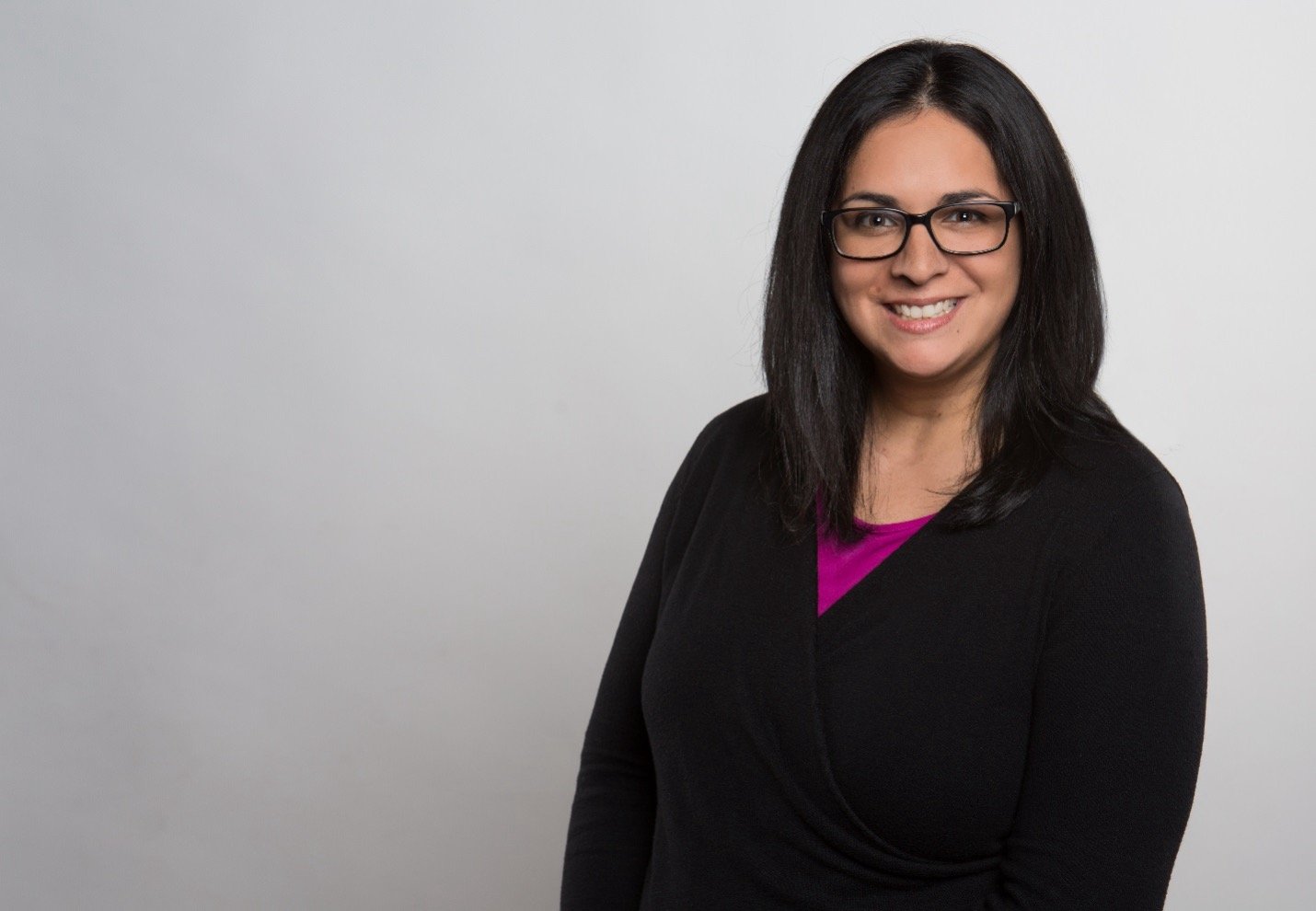
about Gayatri Agnew.
Gayatri Agnew leads the Accessibility Center of Excellence for Walmart designing a strategy to make the company a leader in increasing access for both its shoppers and employees.
She is a recipient of the Sam Walton Entrepreneur of the Year Award. Prior to joining Walmart she worked in the public sector both in government and nonprofits and found her way to business because of her desire to work on impact at scale. Gayatri is committed to shared value and believes businesses can be a force for good in society.
Raised by a strong, resilient single mom, Gayatri is a lifelong advocate for women both in civic and corporate life. She is a former candidate for the Arkansas State House and was among the wave of working moms who ran for office in 2018 when she successfully petitioned the Arkansas State ethics commission to allow candidates to use campaign funds to cover campaign related childcare. She is passionate about ensuring all voices are heard in centers of power including in government and in business. Gayatri is the founder and co-lead for the Walmart Career Moms group, an informal affinity group formed to create more community for mothers in corporate America and she is also the Founder of Mother’s Monday.
A proud community college alum, Gayatri attended Foothill-De Anza Community College before transferring to Seattle University. She holds both a Bachelor of Arts in Political Science and a Master of Business Administration from Seattle University.

Photo by Mick Haupt on Unsplash
routes.
music.

references.
Fayetteville declares housing crisis
Bentonville board looks to revive teacher housing proposal
Skyline Report: Northwest Arkansas home sales and prices dip
City Sessions Home Sweet Home Festival
episode transcription.
episode preview.
[00:00:00] gayatri agnew.: And I actually thought very seriously about not seeking re election because it's hard. I'm gonna have young kids. But what really pushed me to have that decision, frankly, made for me, was the relatively recent vote on rezoning land next to Bentonville High School which would have, If passed, been used for teacher housing and I've mentioned several times that my mom was a teacher that I was raised by an educator, but that's not actually it at all.
What's important to know about me is I was also raised in an affordable housing public private partnership and before I was five years old, my family was not in stable housing and when my mom was accepted into the housing development where I was raised,
and that housing changed my life completely. Absolutely. That housing changed my mom's life. It changed my sister's life. And so where you live matters.
episode intro comments.
[00:01:41] mike.: You're listening to The Underview, an exploration in the shaping of our place.
My name is Mike Rusch, and today I have the privilege of sharing a table with Bentonville City Councilmember Gayatri Agnew to discuss the state of Northwest Arkansas, in particular, how we create communities of belonging for everyone who wants to live here.
A few things that have been in the news again recently,
first in the latest Arvest Skyline report, it was reported that the average price of a house sold in Bentonville was $532,000. That puts Bentonville in the number one spot of the most expensive place to live in Northwest Arkansas. And that $532,000. It's a full almost $80,000 a home, more than the second place, Rogers, at $453,000.
And then second, in April, the Fayetteville City Council passed Resolution 117-24, which officially declares a housing crisis in Fayetteville.
Third, it was reported on March 24th by the Arkansas Democrat Gazette that the Bentonville School Board was looking to revive the teacher housing proposal that was previously voted down by the Bentonville City Council.
I don't know what the next move is. However, this unanswered question about housing is going to continue to require an answer to solve this problem.
Look, I know we keep coming back to Bentonville, but right now, this is where the highest home cost is, and that creates a ripple effect into other cities.
And also because there doesn't appear to be a city council that is united in how to address this question.
So in the spirit of trying to engage with the decision makers, I want to talk with someone who has consistently supported these kinds of proposals. I want to understand if there are paths forward.
So a lot to cover. Let's go ahead and jump right in.
episode main interview.
[00:03:29] mike.: Council Member Agnew, thank you for sharing a table with me. I'm incredibly honored and privileged to be able to sit here with you. So thanks for carving off some time.
[00:03:38] gayatri agnew.: My pleasure. I'm thrilled to be here with you, Mike. Thanks for having me.
[00:03:41] mike.: Yeah, thank you very much for being here.
We've had a lot of conversations about a lot of things going on in our region and in our community, and I want to dig into those with you, I think, but before we get started, I would love to understand a little bit of your story .
[00:03:55] gayatri agnew.: Yeah. Happy. Let's see. I was born now. No. So I think the most important thing for folks to know and to understand about me is that I'm a mom. I have two young kids, both two kids under the age of 10 who I'm raising here in Bentonville.
I was married. I'm not anymore. So I'm raising those kids on my own. I work full time at work. Walmart during the day and I help govern the city during the evenings afternoons and weekends and when I'm Not hanging out and playing with my kids I think I had the pleasure of relocating to Arkansas Ten years ago this year.
I moved here from from where I was raised in California and I moved here for two reasons. I moved here for opportunity and I moved here to raise my family. My son was two months old when we moved here and he'll be 10 later this year. I think I am, I am who I am because of my mother. And because of the role model that she was in my life my mom was a kindergarten teacher in Silicon Valley.
And so a lot of familiarity with the juxtaposition of opportunity and possibility. wealth and access and lack of access all through the lens of my mom's experiences teaching in Silicon Valley and the lesson she taught me that carries through to everything I do and hopefully to the things that my children choose to do is around servant leadership and community.
What is, what is it that you are called to do and in what ways can that calling help and support those around you in whatever way you are able to do that.
[00:05:31] mike.: Thank you. I want to hear more about that. Yeah, maybe we'll start. I try to ask everyone this question because I think it's near and dear to all of our hearts, but what is, what is this place?
What does Arkansas mean to you?
[00:05:43] gayatri agnew.: Oh, it means so much. And I'll say specifically Bentonville. Bentonville is my home and Bentonville is my home by design, which I think is not the case for everybody, right? Plenty of folks were born here and have grown up here and live here, have fam, have their family here.
Others have relocated here permanently or temporarily. I was definitely one who relocated here. With curiosity, so I wouldn't say it was permanent, and I wouldn't say it was temporary, and I fell in love with Bentonville so fast and furious. It's an, it's an easy thing to have happen. I, I was born and raised in Silicon Valley, so I was born and raised in a place that is hustling and bustling and, and crowded, frankly.
And when I landed for the first time at XNA, and I was driving in, And you, you just feel this expansive sense of place and space, and it just felt comfortable immediately. And I like to say that I, I didn't know I was born to live in a small town, now small ish. I like to call Bentonville a small ish town.
[00:06:44] mike.: It's changing.
[00:06:45] gayatri agnew.: It's changing. It's more than doubled in size since I moved here in 2014. And and yet The characteristics of this town that make it great, that make it meaningful to me and to my family are very much still here. And I don't think that those characteristics are because of our population size.
I think they're because of the character and value of the people who live here and how we choose to show up for each other.
So I think that, that is what I want to help steward and support. Safeguard and and care for as a part of our city government and, and just as a member of our community.
[00:07:24] mike.: Yeah, I love that. I, yeah, I appreciate the. Perspective, especially 10 years is a long time for people. Turns out
Slightly different place in 2014.
Yeah, but this is home. So you're not going anywhere.
[00:07:37] gayatri agnew.: This is home. No, no, and in fact About six years ago. My mom who retired from teaching Relocated here to Bentonville. So in a lot of ways my family is here.
My mom my mom is in later stage Alzheimer's and so her transition here was initially to help me with my kids and then it turned out I was going to be helping her with her final chapter, Sunset, or however you want to think of it, but I'll tell you, Mike, I can't, I can't imagine doing This where I was raised, right?
The opportunity to have my mom close by and to have her Um in a in a nursing home that's less than a mile from my house and Just the care that she's receiving this is this is all part of when I say I moved here for opportunity And and part of that opportunity is real community The connectedness to that community has meant everything as we've as we've helped support my mom In her final chapter and then as I continue to raise my kids here
[00:08:36] mike.: Number one, thank you for sharing that.
Our family has a story with Alzheimer's as, as well. And hard time, but hard place to be. But at the same time, I'm glad that you can be close and near in many ways that makes all the difference in the world. Just, yeah, good wishes and prayers for your, for your mom as well too.
It sounds Yeah, you definitely have your hands full with a lot of activities. I'd love to learn a little bit more too around yeah, the work that you're doing you obviously as a mom, you, I, I, I do know I've tried to do my research a little bit to try to understand all the things that you're doing to empower moms, other moms, other moms in the workplace.
Yeah. The work that you're doing professionally as well too and yeah, give us a little context.
[00:09:20] gayatri agnew.: Yeah. I think again, it all comes back to my mom who, who taught kindergarten for over 30 years. And, that poster, "Everything You Need to Know You Learned in Kindergarten" that's my mom personified, right?
I think she, the lesson she would make sure every one of her students learned from her classroom, and the lesson I have taken from my mom, more so than anything is, is one of servant leadership, which to me requires you to ask the question in what ways can I uniquely contribute to solving the problems around me?
And, and then actually acting against those things. So for me, when I came to Walmart, In 2014, as I mentioned, I had a very young baby at the time and I switched jobs while on maternity leave, which is a unique time to do that. And, so my onboarding to Walmart, and my introduction to working at the Fortune I, was also discovering how to work professionally outside the home and raise a tiny human, and that was extraordinarily challenging.
But that had nothing on what happened after I had my second child, took maternity leave from Walmart and then returned again to the workforce, and I just found it to be a lot harder than I felt it needed to be. I like to give the example when I returned to work. After having my daughter, I was still breastfeeding and I was pumping during the day and Walmart had, had rightfully set up these wonderful, this wonderful facility in the home office, these mother's rooms, but they hadn't put any kind of technology in place so you couldn't reserve them.
You didn't necessarily know where they were if you were working in a different building. And it was one of those examples where the, the people who in facilities who had set up that system up, did the best they could based on what they knew, but none of them were breastfeeding moms. And I came into that experience, talked to other moms and said, huh, I think we could improve this system.
I think we could do this a little bit better. So it started with sticking a whiteboard on the doors. So you would just write the time you'd be out of the room when you went into the room. And I love to give that example because sometimes It is that simple, right? It's that simple and that simple innovation can help solve what is a really significant problem or pain point for somebody.
And so I try to do that in my day job with Walmart. And I try to do that through my Council work. My day job today at Walmart is in Walmart's Global Office of Belonging and what we try to do there for all of our 2 million plus global associates is help them to feel seen, supported and connected in the way that they work.
And a lot of that can look like, did their manager say hello or good morning? Did somebody ask them about their day? Did they feel included in the activities that went on in the office or in the store or in the club? Again, it's, it sounds easy to say, it's not as easy to, to do and to ensure that it's done consistently.
But A lot of the work that I do in our community, I think, is asking the very same question, which is, whether you just moved here to Bentonville yesterday, or whether you've lived here your whole life, do you feel seen, supported, and connected as a Bentonville resident? Do you feel included? Do you feel a part of building what it is that we're building together for our community's future?
[00:12:36] mike.: You use the word belonging in the work that you're doing as it relates to not only professionally, but also your own story and the story of the city council as well. Unpack that for me. I'd love to hear a little bit more about what does that mean to build a sense of belonging?
[00:12:52] gayatri agnew.: Yeah I mean it's just, I, I like to, when people ask me that, I always challenge them with the question.
We all know what it feels like not to belong. When I speak I'll often ask the audience, has anybody ever experienced a moment where you felt like you didn't belong? And everyone says, yes, of course I have. So then if you reverse that and then you ask, has anybody ever proactively created a moment where you ensured that somebody else felt like they did belong?
What, what did you do or what could you do to make that happen? So in the context of, of city government, one of the examples I often give is city council meetings. I love me a city council meeting. I think they're fantastic. It is possible, Mike, that not every one of our 60,000 residents, the second and fourth Tuesday of the month down at City Hall is the most riveting several hours that ever there will be. It's possible.
[00:13:50] mike.: You may be selling
[00:13:53] gayatri agnew.: them right now I'm not a bureaucracy in how the agenda is written. Even as someone who's served on counsel now for almost four years, I find myself having to ask our lawyer what does this mean, or what does that mean? Every meeting is, is public, which means it's not my meeting, you're a Bentonville resident, it's just as much your meeting, but how are we including you in or inviting you into that meeting?
And so yeah. We've made some small changes in process that I'm really pleased with. I think our mayor's done a nice job of, of doing what she can to open government. And so when we have openings on city boards and commissions, the city does a great job of publicizing them so residents can apply.
We used to have public comment at the end of every meeting, so you'd have to wait through one, maybe two, sometimes three hours worth of content. to have your three minutes of public comment, which by the way, anyone in the community in Bentonville or not, anyone in the region who has an opinion they'd like to share with the Bentonville City Council is welcome to do so every second and fourth Tuesday of the month during public comment.
And everybody has three minutes to share. And I like to remind folks, you don't have to complain about something. You could also thank the city for something. Or you can just share a concern you have about how it is that were growing or the direction that we're going in. But so we we used to require our residents to wait until after the meeting to make those comments.
And we've been able to shift some of our procedures. So that we can invite those members who of the public who may come to a meeting to do that at the beginning of the meeting. So for me that's one very tiny example where you know sometimes process feels designed to exclude people. If you have to sit for three hours before you can give your three minutes of comment, most of us aren't going to do that.
Just doesn't, that doesn't make sense for a Tuesday evening for most families. But what if you could pop in and out and be in and out of council in 10 minutes and share your opinion about whatever you want to talk about, right? I think that would provide a greater motivation for folks to share feedback.
Another good example is during COVID. We moved our council meetings online and fortunately i'm really pleased that we have continued To do that what that allows a resident to do is to listen again They're riveting meetings to listen in You know If there's an agenda item on council that you want to know what may happen with or you want to hear the debate on You can listen in from zoom you're making dinner, you don't have to get a babysitter or drive down to city hall and sit in chambers.
And that is a, those are very micro examples, but just asking the question, are we making space for residents in the process of city governance? Or are we as members of city council and members of the city administration Just going through the motions going through the process not necessarily concerned how much public feedback we're getting as we go through that process and my two cents and what i've heard from from residents and members of our community Is they really do want to give that feedback, but it needs to be easy to give it can't be a heavy lift to give that feedback about the third street, you know You bike lanes or to give feedback about where we need a stoplight or a crosswalk or a, or a bridge or a new park or whatever it might be.
Yeah.
[00:17:18] mike.: I love that posture. I think it is key in that forming a sense of belonging. I think that's the root of the question is how, how do people find a place of belonging and how do they find, find a place that is going to welcome them wherever they came from, whoever they are. And so I think those practical things, like you said, it doesn't have to be difficult to do that.
And so I love seeing that working its way out. In our, yeah, in our local government and one of the reasons I wanted to talk to you is because I live in the ward. So you're one of my elected representatives. Ward one. Here we go. The best. I shouldn't say the best.
[00:17:53] gayatri agnew.: We don't have to do that.
[00:17:55] mike.: Should we have like, all
[00:17:57] gayatri agnew.: the wards are great.
[00:17:58] mike.: That's right. Ward Olympics. So we can settle this. No, I'm just kidding. Now I forgot what I was going to ask. Okay. As you're
[00:18:05] gayatri agnew.: remembering, Mike, I will share, because it's an important nuance to the city of Bentonville that's a little different than some of our neighbors.
All your Bentonville City Council members are elected citywide. And we represent wards. So there are eight of us, two of us, two of us elected out of each one of the four wards. When I go, for example, to run for re election, I'll collect signatures of residents from my ward. I have to do that in order to qualify to be on the ballot.
But then when it comes time to vote, everyone in the city of Bentonville votes for every member of council, and that's not the case for some of our neighbors, so I do just like to Always take a moment to remind folks that while I do represent Ward one on council, I am elected by and serve all residents of the city of Bentonville,
[00:18:49] mike.: which is, which is great.
And yes, they are all great wards, and, and it's good because that doesn't it allows you, to, to make sure that you're caring about all of what's happening in the city, not just specifically around the ward that that you may be there representing. And I'd love to understand the history a little bit about when you said, Hey, I think I'm going to make a decision because you had all this time in your schedule, to, yeah, to run for, to city council.
I know you've been in elected or you've run for office before, but I would love to understand as it relates to Bentonville City Council, what was it that said, yes, I want to be involved in this way?
[00:19:24] gayatri agnew.: I love that question. It's, I'm giggling a little because I was like, did I actually do that?
Or did it just, did it just happen? No, it's, I blame my mother because we have to go back to that part where you ask yourself, What am I uniquely qualified to do and how can I best give and serve my community? It turns out, Mike, I have a lot of opinions and a big mouth and what that has resulted in is I've had a lifelong history of advocacy.
I think when I was in the second grade and I was saying we needed more pizza at lunch, I don't know that I understood it as advocacy . But it was like everyone else would tell me what they wanted for lunch and then I would say, Hey, I think we need to have pizza more often. And that, that's just, it's It's a gift that I have had my whole life.
I like to listen to people. I like to listen to their stories. People, as I was always like, people just tell me things, people tell me things, and they share things with me. And, when you hear enough of those stories, and enough about what's going on in a place I think you just, you want to be a part of bringing that to life.
You want to be a part of contributing and helping where you can. I do work full time, so I knew my opportunities to serve would be maybe somewhat limited. I back in 2018, I actually sought a seat in our House of Representatives. I ran for state house and now I did, I ran knowing full I would be unlikely to be successful due to the partisan ticket that I was running on, but I ran because I love democracy.
Love it. I'm a poli sci undergrad. I'm a political, I'm a, I'm an unashamed political nerd and elections are a really important part of democracy. And when I first moved here to the region, I was so confused why there were no names on the ballot, and it was because there weren't, there weren't candidates who were running in opposition to, in some cases, the incumbents, or in some cases, those who filed. And folks were essentially elected by acclimation. They were elected because they were the only one who filed. And that just offended my sensibilities about democracy. And I actually spent six months searching for someone to, to vote for. to challenge the gentleman who I ended up running against in 2018, and nobody said yes, Mike.
And then one day I looked in the mirror and I was like, sometimes when you're the one asking other people to do something, you have to ask what I do it myself. And it was a phenomenal experience. I loved running. My kids were involved in the campaign. My neighbors were involved in the campaign. Their kids were involved in the campaign and it, it, It wasn't about bringing partisan issues into Bentonville at all.
It was about community and democracy, right? It was about, you should always have a choice. You should always have an ability to voice your point of view. You should always be listened to by your elected leaders. So I ran, I lost but I lost the election, but I won the opportunity to deepen my connection to more community members.
I met so many people when I ran that I didn't know before and I loved it. And then COVID happened and, I think we all were in a place of of challenge, right? Really deep challenge, and my neighbor actually Chad Goss, who used to serve on city council. He, our kids went to school together.
He lived about two at the time lived about two blocks from me. And we ended up having a coffee and talking about his seat and his seat on city council. And I. I came to understand he wasn't planning to run again, and, and I decided to run. And I think it's, it's as simple as I just, because I thought I could make a difference.
Because I didn't necessarily see My values represented on council, but maybe more so than that, well over half I don't know what the exact data point is But well over half of the residents of the city of Bentonville didn't live here less than five years ago They didn't live in this town.
A lot of them didn't live in Arkansas I was born and raised outside the state of Arkansas, but I do call and value Bentonville as my home today. And so I think I think it's important that that view is also represented on council in addition to the views of those who have been born and raised here. I think that diversity of views provides a lot of value to how we jointly govern our city.
So frankly, I thought I could help, was crazy enough to be willing to run for municipal office in the middle of a global pandemic and was, was able to get elected in 2020. Fast forward to now, 2024, I've had The pleasure of serving these last four years and I'm running now for reelection this fall, so
[00:23:54] mike.: it's great.
[00:23:54] gayatri agnew.: Yeah,
[00:23:55] mike.: you've two things maybe that I would love to understand.
You mentioned. That maybe the values that you held, you may not have seen represented in the city council. I'd love to understand what, how you would describe that.
[00:24:07] gayatri agnew.: Sure. Yeah, I think it's, it's hard because when I say something like that, folks are like, Oh, what do you disagree with about those who are governing the city?
And that's not really it at all. I don't think we want, when you say diverse teams lead to better outcomes, if you really unpack what you're saying if everyone is the exact same age, Race and gender they're making a shared decision. Odds are really good. They're gonna have a lot of the same context and background when they make that decision.
So I want diversity in every sense in every room where important decisions are made. I have the the pleasure and the privilege of being the first Asian American woman to get elected not just to Bentonville City Council, but to an elected position in the state of Arkansas. And somebody told me that shortly after I got elected and I was I was like, surely that can't be right.
That just you just have this sort of viscerally, not, not negative reaction, but I just don't want that to be true. I would like to believe that plenty of my sisters of Asian descent have served in elected roles across Arkansas, but the reality is Arkansas has a very small Asian population. Bentonville has a very fast growing South Asian population.
My father was from India, and so I am South Asian. And it's, it's, it's important that different demographics and people with different backgrounds are represented in different roles across our city government and leadership. I think, One, one differentiator for me is that I'm, I'm not Caucasian, I'm, I'm South Asian. Another differentiator is, I don't know how much longer I can keep saying I'm young ger, like I'm
[00:25:51] mike.: younger than me, I'm sure,
[00:25:52] gayatri agnew.: I was still under 40 I'm younger. And there's a reason why generally in the United States. It's our elected officials tend to be older because when you're younger and you have a younger family, a lot of times it is really challenging to find the time to serve.
But it is so critical that, again, different, different life experience is represented in these kinds of legislative bodies. So I think some of it is just my demographics, my background, I liked, I work with students a lot. I have interns that help me as a council member. I have interns that will work with me on things.
I've had large cohorts of interns on previous campaigns. I always tell my interns, you are already an expert in the life you've lived. And that, so no, you may not know as much as I know about zoning policy in Bentonville, and I'll tell you, I don't know as much as our head of planning, Tyler Overstreet, knows, but I know the lived experience that I've had, and so does everybody else.
And so when, when I say, My values weren't represented when I talked about inclusion, when I talked about belonging, when I talked about being comfortable talking about diversity and the growing South Asian population in Bentonville, that view wasn't represented on our city council. And I'm very proud to be able to represent it.
[00:27:09] mike.: That's great. Definitely a needed voice on many levels. And I guess, as you look now towards the end of this year with your term being fulfilled and you're saying, Hey, I want to raise my hand and continue to serve in this way. I imagine you've seen a lot of change in these past four years.
So much. Yeah. You're looking down the road at, at even more change. What do you think as you approach this decision of saying, raising your hand and saying, I want to continue to serve? What, What are those things that you're looking forward to for the next four years or eight years or however long that would drag?
[00:27:41] gayatri agnew.: Yeah, I'll be honest doing this job is really hard. It's a pleasure and it's a privilege, but it's really hard. There aren't enough hours in the day to learn and to know and to research everything I want to be able to do to fully serve citizens and residents in Bentonville, so it's hard.
And I actually thought very seriously about not seeking re election, because it's hard. I'm gonna have young kids. But what really pushed me to have that decision, frankly, made for me, was the relatively recent vote on rezoning land next to Bentonville High School which would have If passed, been used for teacher housing and I've mentioned several times that my mom was a teacher that I was raised by an educator, but that's not actually it at all.
What's important to know about me is I was also raised in an affordable housing public private partnership in Palo Alto, California, which is a town that at that time in the late 70s, early 80s, had a lot of characteristics of Bentonvilles, rapidly growing, had a lot of money and innovation coming in.
And before I was five years old, my family was not in stable housing and when my mom was accepted into the housing development where I was raised, I remember very distinctly we moved in. It's 850 square feet, two bedroom, one bathroom apartment that I was in until the day I graduated high school.
And that housing. changed my life completely. Absolutely. That housing changed my mom's life. It changed my sister's life. I had the opportunity to go to a high school that had a college going culture. It wasn't that anybody gave anything to me. It wasn't a specific sort of thing. It was just being around others who were driven in the same way that so many families in Bentonville are driven to support their children to a pa a successful path. path into life, right? To encourage them not only to finish high school, but to be prepared for college as they're getting ready to finish high school. And when you live in a place where that is the culture, you go with the flow. So I joked that like my successful completion of high school was me going with the flow of my peers and my applying to go to college was me going with the flow of my peers.
And so where you live matters, and it creates access to, hopefully, to opportunity and sometimes where you live creates access to elements that aren't going to further your ability to, to blossom, to flourish, to support yourself into your future. And so housing is really, really personal to me because I know why it matters where you live. So frankly when the council, when my colleagues voted against that rezone, it was just like this light bulb moment for me and someone, someone said to me in the tape from that evening, they were like, boy you didn't keep a very good poker face, I think your jaw dropped open.
And it, and it did because I was so surprised that the value of ensuring that Bentonville teachers have access to a safe, Not just safe, but beautiful place to live and to raise their families while they're teaching our children wasn't a shared priority of all of my colleagues. And and it's something that I have fought for, will continue to fight for, and can't imagine leaving council until we make more progress on.
Not, not just on housing, but on Making sure our community is economically diverse. Making sure that we are a place where our teachers, our firefighters, our police officers, our line cooks, our servers, right? The people who we interact with daily are also our neighbors. Not just because I value that, but because research also tells us that is how you create a strong and healthy community when people not only Live together near one another but know each other.
And those relationships are what create the, the The stable and civic sort of healthy fabric in our community and I, I want that for my kids. I'm raising them here. I want to make sure they have that. Long winded answer to your question, Mike. It was the housing vote is what inspired me to run again.
I'm excited to run again. I think the thing I'm most proud of, this is so nerdy and so Bentonville, but the thing I'm most proud of in my first four years on council are the number of new sidewalks that we have built. When I first ran, I said, this is a beautiful city, but you can't walk anywhere because you'll go, you'll go one block, and at the time I was still pushing a stroller, and so you'd go one block, and then your sidewalk would end, and We're infamous for those signs that say sidewalk ends and it just stops, it disappears, right?
And as a, as a walkable, bikeable community, we can't have that. So I'm really proud that I was able to work with the rest, rest of council and our mayor to quadruple funding for sidewalk completion for infill not just new development but for infilling a lot of our sidewalks downtown our our bond has helped to pay for those so You know Main Street Which runs right by the library is probably one of the best examples if you even remember what it was like before And what It's like now it's so much more inviting.
You want to walk down Main Street now. You want to bike or push a stroller down Main Street. And when people can do that, they say hi to each other, right? You don't, you don't necessarily say hi to the guy that drives by you, but when you're biking or walking or pushing a stroller, you're, you're in your community in a way that you don't necessarily experience in the same way when you're when you're in a vehicle And I love that we've been able to improve the infrastructure that allows more Bentonville residents to do that with their neighbors
[00:33:38] mike.: well, I'm biased anyone that's listened knows that yeah that I think it's fundamental about how we You know how we form and shape our communities how we move through our communities is going to create that sense of belonging and so you I do want to back up because I, I, I do need to ask about the housing, housing, biking, and we can talk about any of it.
We can talk about housing more. I, number one, I think it's super interesting that the conversation and ultimately the decision by the council to not move forward the Bentonville teacher Excellerate Partnership moving forward has, has definitely become a catalyst for many people to become more involved or at least to ask more questions or to learn more about what's happening at the city level. And so I would love to understand from your point of view Why does this why why does this issue seem to be yeah, catalytic and getting people's attention Around yeah, what do you think? What does it say about us as a community on where we are where we're going or what we're trying to do?
[00:34:39] gayatri agnew.: What I do think it says about us as a community is that we're working through tough problems. I actually don't think the vote says anything inherently negative. While I was on the losing side of that vote and I'm disappointed that the land didn't get rezoned a town that was 25, less than 25, 000 people when I moved here 10 years ago is now over 65, 000.
Has to make tough decisions and work through tough issues. I actually think this vote is a reflection of that reality coming to life. And yet if we unpack really what was being voted on, I think what's really unfortunate is the inconsistency with which council made the decision.
We rezone land on. all the time. Every second Tuesday and fourth, every second and fourth Tuesday of the month. Our, in fact, tonight we're, we're meeting and we will be rezoning land. It is a very, very, actually arguably one of the most important things that city council does. When I explain to my nine year old what I'm doing every other Tuesday night, I say Mom's helping decide who can put what where in the city of Bentonville, right?
So that's like the most the way to explain to a kid what zoning is, is who can put what where. And so the city council's job isn't to endorse or support what goes there. We don't pick if it's a gas station or a Walmart or a apartment building. We just say, Pick that it's no longer residential and is now commercial.
So we, we zone land in that way. And the zoning request that went before council that would have impacted the housing project was an absolutely standard rezone. So I think what disappoints me is that from a policy, and back to the political nerd, from a, from just a pure policy perspective, the vote was inconsistent with previous votes.
So then you have to ask the question what was different about the vote? Most of the time when we rezone land, we don't actually know what's going to happen on that parcel of land. And that's totally standard practice, right? You, we have very formal rules that say what can happen in different types of zoned land.
But we as a council aren't again deciding this business can go there or this business can't. That's, we're not in the business of doing that. In this instance, we all knew exactly what was planned for that parcel of land. And so it's really hard to separate those two things in a lot of the debate. It wasn't about the rezone. It was about the development. And ultimately it was determined that there was, by my colleagues, that there was too much concern about the development. I had zero concerns about the development. I looked at the traffic plans, and I looked at the drainage mitigation plans. I sat with our city engineer.
I talked to our head of planning. You can find something wrong in any project, right? You, but you can also find a lot right in a potential project. And I was really, Really proud and still am really proud of the way that our school district leaders came together with private philanthropy in our region, but also with the Recommendations out of the affordable housing work group that I had been a part of in the city last year and throughout throughout 2023 And came up with a really creative public private partnership So we'll see.
I, I am perseverant and creative, as I think are many in the community. And I think we need to just continue to be resolute in creative problem solving. But I think the reason that that vote becomes a little bit of a catalyst is that there's a, um, a fundamental question about the role of government as relates to, to families and opportunity.
On, on the one hand, every individual family needs to take care of themselves and government should pave roads and provide jobs. Water and sewer, and that's where it ends. I believe that government needs to, when necessary, manipulate a market, like housing, to ensure that we preserve economic diversity in our community.
And I think, Others don't see it that way. And, and, and it's okay that we disagree. I just think the majority of people in Bentonville do want to see their teachers that teach their kids living near the school where they teach. I, I have talked to not dozens, hundreds of people who have validated that belief.
And we are, we are a very capable and competent and creative community. So I'm sure we can find a way to make that happen. But local politics matters. And in trying to solve a problem like housing, local politics does matter. Who your elected leaders are does matter, and the values with which they're governing our community matters.
[00:39:46] mike.: Yeah, thank you. I probably have 400 more questions for you now.
[00:39:50] gayatri agnew.: Should have done a whole episode just on that.
[00:39:52] mike.: Just on that. No, I, I think it's fascinating. I actually really appreciate your perspective of this is our community working through hard things, right?
And I think we have to give ourselves credit for that. I, I think sometimes that can be lost that we, there are really big decisions that are ahead for our community, for our region, that may be new territory. These are new paths we're creating to try to understand how to do this right.
And so I want to believe at all times that people are trying to do the things that they think are right. are right and true and the best things for the people in our community.
I think it begs larger questions about how affordable housing or how housing policy is being used to include more people or by default exclude more people and, and it felt and I'm speaking here personally, I don't represent anyone other than myself, but, you It leaves a question of like, where do we go from here as a community?
I don't believe that, that we're just giving up on affordable housing in any way, shape, or form, but like, where do we go? What kind of expectations should our community have in this area about finding solutions to, to this challenge?
[00:41:02] gayatri agnew.: Yeah. I, I actually don't. I don't. I don't think it's about housing at all, really. It is. But I think in part the question you're asking and the thing I want most for every resident in Bentonville is how do we solve tough problems together? And that together is the most important part of that.
So we're going to disagree, of course we're going to disagree. We should disagree. That's a, it's not the disagreement. That's not productive. It's when you can't get past a disagreement that's not productive, right? And there are a lot of we've been really blessed, I think, and really lucky in the city of Bentonville.
I think we all agree on the fact that We'd like less traffic. We want safer roads. We love being able to flush our toilets, and turn on our faucets, and turn on our lights. All of that infrastructure, water, sewer, power, roads, that's government. Fortunately, behind the scenes, Our city government not just our elected leaders, but our, our city managers, our city department leaders, are doing phenomenal work, just absolutely phenomenal work.
And I do want to give a shout out to the Bentonville Water Department who, folks may or may not be aware that last week we had what could have been a really significant event on one of our two water mains that run into the city of Bentonville. One of our water mains was damaged and significantly damaged and shut down.
And we only have Two lines coming in to support the entire city and in a matter of hours in the middle of the night, our water department staff worked with our neighbors in the city of Rogers Cave Springs, Centerton, and made sure that we rerouted to continue to supply water to the entire city of Bentonville.
The good news is most people don't know that that happened. The bad news is that happened because our infrastructure is aging and our population is growing. Now, what actually destroyed the water main wasn't us. But the fact that the water main is strained is why it collapsed. So it's, it's just, it's a problem we have to work through together. And the, and no one's going to debate whether or not we should put new pipes in the ground and continue to turn on our faucets.
Now when we go to where do people live, we just ask the question, who gets to live where? You get to live where you can afford to live. Okay, that's, that's, maybe that's fair.
I have a tracker on two different real estate sites, and I track any rental available in the city of Bentonville for less than 1, 000 a month. There's two. It's right now. It's a pretty quiet tracker. It's a pretty quiet, I get alerts, I get email alerts and someone was like, Oh, don't you get overrun? I'm like, I don't. I wish I did. Any unit, any size studio to, multi bedroom available under a thousand dollars. If you're making what most folks in our workforce are making, which is less than a hundred thousand dollars, and in fact, less than 50, 000 a year. you're not going to be able to spend more than that in rent.
And so it, it becomes a little bit of a math problem. Unfortunately, I know you had Jeff Webster on the podcast and hopefully he broke down the math for you, one of the report that the affordable housing work group in the city of Bentonville put out at the end of 2023 goes into great detail on this.
And what we did was we, we looked at income levels, we looked at housing availability, we looked at the gap in the market, we, and really down to the level of detail. Of who's working where and who's living where and that's where I just keep coming back to If we want economic diversity in the city of Bentonville if we want our children's teachers and our public safety officers our police our firefighters our electricians our linemen to be able to live where they work we need to do something in our housing market to ensure that they have access to this market.
And so what's been done in a number of properties across Bentonville is that rentals have been set at below market rates. So for example, when Crystal Flats. which is a private development just adjacent to Orchards and Memorial Park on De Shields. When they opened that complex, they made 30 percent of the units in that complex available to people who work in Bentonville at a 30 percent reduction in the quote unquote market rate.
And it filled up in about two days, right? Almost immediately. And so there's no question that the need is here. The demand is here. The, the tough question is how do you solve for that? And there's a bunch of different ways to do it. I'm actually not for the city of Bentonville getting into the business of housing.
I've not ever advocated for that, nor would I advocate for that. I think our city funding and money needs to go into other priorities. But the example of the teacher housing development, what was so unique about that proposal was leveraging school district owned land and private dollars along with federal grants, And so again, when I go to that's a creative solution to a tough problem.
So I don't know that I would say I love math, but I love public policy. And a lot of public policy is, is a math problem. Cause the question is, where are we going to get the money? And I think there's a, there's a lot of other ways to do that equation. There's a lot of other things to sub in for X. But the point is not that the city of Bentonville get into the business of housing.
The point is that the city of Bentonville use its levers of influence on public policy to get into the business of solving tough problems.
[00:46:45] mike.: I think for this issue specifically too, I think there was, this, I'm in talking with Jeff at the Excellerate Foundation this is a The idea of a model that doesn't just impact Bentonville, but could potentially go beyond that.
And I know we've heard concerns about public schools, public property, public taxes, more taxes, legal issues. Those are some of the concerns on why maybe this issue did not move forward. Do you share those same concerns? Do you feel like those are things that should maybe cause us to slow down or pause?
[00:47:16] gayatri agnew.: No, I actually don't share any of them for a couple of reasons. I think As an elected leader, Iwell, first, I'm not a lawyer, but second, my job is not to know every detail. My job is to serve as a representative of the people and ask tough questions of the experts. And I spent so much time with so many of our city experts, from our city attorney, to our city planner, to folks with the school board, asking those questions.
I think all of the concerns are valid. They're the right questions to ask. I don't want to be behind a development that's going to create flooding next to our largest high school. I don't want to be behind a development that could have, created negative traffic patterns that would have made our current traffic challenges worse.
And I certainly don't want to be behind a project that would have set either the city or the school district in a, in a compromising legal position. So they're the right questions to ask. The questions aren't the problem. The challenge is who do you rely on for the information? And I'm real quick to know what I don't know and so I asked experts and I feel really good about how the experts answered those questions We have absolutely brilliant city staff in the city of Bentonville. We are we are really blessed by the talent and capabilities of the city staff that work here And it's incredibly important as elected leaders that we not only Listen to our staff advisors but that we build trust with them.
So we know if we ask a question, they're giving us, they're giving us a measured view. That's their job. It's not to influence us one way or another. It's to give us the facts. So you know, I don't, I don't have any reservations or concerns But that was on that project. If you, if you said there was another project coming up tonight or next week or next month, I'd have a whole series of questions I would want asked and answered before I would support it.
It's, it's not really as simple as I support upzoning or downzoning or I, blanket, have a blanket support for any project that would increase our share of accessible housing. I want to look at each project and see what makes sense, but I do think it's important as a community for us to trust each other, but also Trust the process and trust other leaders.
I like to point to the community plan that was co created by many who are still heavily involved and engaged in city government and, and our community back in 2018. And that document has helped me govern our city, and that document is a reflection of, of what we knew best at that time, what we wanted to create our community to be.
We are now, currently, in 2024 updating aspects of that plan through a process called Plan Bentonville. And again, going to our neighbors and our, our, everybody and saying, What do you want for your community? What do you want for your town? And that is such an important part process to then be able to refresh our plans and our guidance, right?
It's like I, I, I, my day job is at Walmart. We're really into strategy. When you have a strategy, you execute against that strategy. And for me the community plan from 2018 and the documents will prepare Through plan Bentonville become the strategy for development in the city of Bentonville.
And then as elected leaders, it's our job to execute against that strategy. It's not our job to change that strategy while we're moving toward it. Though again, list certainly listening to our constituents. And I think sometimes that requires Tough decisions. Somebody's always upset with a decision we make or a vote that we make.
I remember one of the best bits of advice that Tim Robinson gave me. We had a chance, Tim used to serve on council and he and I both work at Walmart and so I was asking him advice after I got elected, before I started serving and he said, probably the best thing I can say is be sure you see the forest through the trees because as a member of local government, somebody's always mad about something.
And, and that's, that's, that's absolutely true. And so I always want to make sure that I hear everybody's feedback. But then at the end of the day, my job is to make a tough decision, calibrate it against something. And for me, that something is, what are we trying to achieve together as a community? And you need, you need, you need something to point back to for that.
So for me, that's been our community plan. And as we get this updated plan through Plan Bentonville, it'll be that.
[00:51:58] mike.: As you think about the challenges ahead around our region, our community, Bentonville specifically, obviously, really working towards this idea of building towards a community that really does include anyone that wants to be here.
Maybe some of the, the anger, if you will, sometimes when people, are not happy about things. There's, I think we've seen this , is that fear can sometimes really be rooted in, in change of the unknown, right?
And so in a place like ours that is changing so dramatically and so quickly, how, how do we bridge that communication gap that, if that's what it is, around how do we think about alleviating that, that fear in a place that's, that's moving so quickly and changing so much?
[00:52:43] gayatri agnew.: Oh, it's such an important question, Mike.
I think, what the statement you just made that change can create fear is so true. And it's true. Change can create excitement and opportunity, and the difference is how you feel and what you know. So a lot of the change that creates fear is a fear of the unknown. What if this happens? What if that happens?
And so I think, it's interesting to me, that's why the community plan is so important. So I can point to it and I can say, We want more retail and restaurants away from the square, as a really tangible example, right? So if we, for example, develop more in front of the Bentonville Community Center down on I Street, where, I'm a huge fan of the Big Lieutenant, was just there the other night, if you haven't been, right?
That This is such a perfect example of what we want to do and what that does is a number of things. It creates these nodes of economic activity that are not centralized around a single point. Our town has gotten too large. large to have a singular point of economic activity like our square or, or the stretch of road on, on Walton to be the sort of the only two economic centers.
And so when you plan a community, you can proactively identify that we need to create those kinds of nodes. Those, those town hubs, I think is the term we're using in the, in the draft community plan or the plan Bentonville. And when I say, you ask about change, that might feel different, but in that town hub, it can feel just like it used to feel.
Neighbors coming together, to break bread or have a share of beverage in a place where they know the owners and in a place that feels just like it may be used to feel for them on the square. But I think the difference is if we don't do anything, we just don't end up with a lot of traffic and a lot of unmanageable development and a lot of Very large, unaffordable, single family homes.
Then we do something, then the question is, what do we do? That's how we get to a place where you need to build a plan. I think the most important thing that our city government and city leaders, including myself, need to be doing is listening. What do you want? What do you need? What are you worried about?
I do support smart and safe growth in Bentonville, but I'm also deeply attached to Bentonville's history. I've been here long enough. It's, it's funny, we joke about it 10 years, but I'll tell you, I've seen a lot in that decade and I love the Bentonville History Museum that's now adjacent to the library.
I think one We need to invest more in the Bentonville History Museum and in telling the story of Bentonville. I'd love to see a historic district established along Central. I think all of, all of the change that's coming will have the guardrails on it that we decide to place on it. So if we can agree on what those guardrails ought to be, then I think our community will continue to change and shape in a way that meets the needs of as many residents as possible.
And that being said, I was talking to someone the other day who recently sold their house downtown and bought a farm in Missouri and God bless them. And that's what serves their family best. There's nothing wrong with that. It's not going to work for everybody, but as an elected leader in our community, it's my job to try to make sure it works for as many people as possible and that everyone's voice is heard in the process.
[00:56:20] mike.: Yeah, that sounds really hard. So I'm definitely, definitely hats off to anyone that's willing to stand in the arena, right? And try to do that. Maybe I'll say this and you can tell me if it's a fair statement or not, but it's, it's, what I hear is, is like, how do we Think about making sure that as we grow, this place maintains the character and the soul of what it is?
[00:56:43] gayatri agnew.: Oh, a hundred percent. A hundred percent. We need to preserve the Bentonville small town charm. I want it. That's what I moved here for. I love it. I don't want it to go anywhere, and it's just going to have to evolve. And and, and, that's why I want to be a part of shaping what it evolves into so I can try to protect and preserve what I love about this town.
One of my favorite things about this town is I feel like I can't go into a restaurant without running into someone that I know, and I love that. I love that. I can't get on the trails and walk or bike with my kids without running into someone that I know. And that's actually true. Rare in a town of 60, 000, but it's the way our town is structured.
Everyone's on the greenway. Everyone's at, different, different key or peak areas, whether it's a First Friday or a farmer's market or our trails or our local restaurants and, and retail shops. And again, all of that is That has to be designed literally designed right and back to what is the primary purpose of city council to decide who can put what where.
And so as we decide who gets to put what where, we can help make sure that we're really protecting the parts of community and that small town charm and small town feel that so many of us know and love and want very much to protect as the town continues to grow.
[00:57:59] mike.: That's great. I think as you look out for the next 5, 10, maybe 20 years. What are those things that are top of mind that say, we really have to pay attention to these things?
[00:58:10] gayatri agnew.: Yeah, I think it's I think it's two, two buckets of things. One is what I was just talking about, like the sort of what, what does Bentonville want to be when she grows up? And, and that's not as to say we aren't a phenomenal community today, but we are receiving so much support.
inbound population growth. People aren't just visiting, they're visiting and then they're moving. And that's a wonderful thing. It creates a tax base that can help us support our continued growth, but they're moving because they love our small town. And so how do we take that small town concept and bring it across our entire community?
That's why you see so much. So much investment in the southeast and parks. That's why you see transportation and, walkable, bikeable infrastructure. Creekside Park is a great example of that, where we just didn't have that same kind of experience that you get in the northern part of town in the, in the further south part of town.
And we need to do that. So
[00:59:10] mike.: I love that place.
[00:59:11] gayatri agnew.: Yeah. Again, it comes to the design. The other side is maybe like a bit less glamorous than the parks and it's everything that's going on behind the scenes. It's what you don't see and that's, that's the big three, which is water, power, and roads.
And in water I'm including sewer, so like water, sewer, power, and roads. Anyone who's lived here for a minute knows that our infrastructure for those things is strained and The city council and the city, our municipal government, manages. All of those things. Bentonville is one of the, I think it's 12 or 13 towns in the state of Arkansas that owns and operates our own utility supply.
So Bentonville utility is a thing. It's part of city government, it's managed as a part of city government. And I think what needs to happen to rise, to meet our infrastructure demands are just two things.
One is strong leadership. strong and consistent leadership. And this, the second is long term planning.
So historically we've operated on a 12 month cycle, which makes sense because that's the cycle against which taxes come into city governments. We look out at our budget, we look one year out. We can't afford to look one year out. We have to look three, five, ten, dare I say twenty years out, and we have to perhaps use more creative financing vehicles than we've used in the past.
We I have the pleasure of chairing our finance committee. The city of Bentonville created a finance committee in 2023. We hadn't previously had one. It's comprised of a subset of city council members and the purpose of the committee is to oversee and to steward the financial decisions made in the city.
That's the adherence to our budget that's been voted on by council but it's not just the operating budget for 2024, it's also that forecasting that, that, that the long range plan the investments that need to get made, and, with a city growing at the pace of our community, those are just conversations we have to be having.
Like the, I joke, those are spreadsheets we have to be building. Those those sound like big spreadsheets. Yeah, and, and, and again, it's like just, back to what we were, it's just Let's have the tough conversation. Our sewer infrastructure needs millions of dollars in investment. I like flushing my toilet. You like flushing it. I want, I want to know that that works, right? And so we've got to trust our city government and our city leaders to be hyper focused on those critical infrastructure issues. That is the work of a city government. There is no space in a city government, frankly, for some of the divisive national conversation that has gone on.
And I'm very proud of the city of Bentonville that that, that has not, we don't have those conversations. We talk about making sure you can turn on your lights and flush your toilets and drive safely on our roads and that's exactly as it should be. That's where we should be focused. .
[01:02:14] mike.: I'm curious. We talked about fear a little bit. I'd be curious. I've tried to ask everyone this cause I want to know what's top of mind, but what are, what are your fears for this place?
[01:02:24] gayatri agnew.: Hmm. I think my greatest fear for the Bentonville community is apathy. Is that we are so blessed and so lucky that so much has gone the way that it has gone that, when I talk to residents and again, going back to that vote on housing, I think part of why it was so catalytic, so many people said to me, I didn't think I had to pay attention because everything seems to be working well, which by the way is a huge compliment to the city, right?
And it's, and it is working fairly well, but there are still tough policy decisions to be made. And yeah. elected leaders need to know what their constituents want. None of us have a crystal ball. Hopefully all of us, I know all my colleagues do listen. But there's a difference between just reacting to the comments you receive and proactively asking, right?
And I'd like to see just the entire, city government improve how we listen to our community to mitigate any rise in apathy. We, the state of Arkansas unfortunately has some of the lower, lowest voter turnout in the nation. And our community, Benton County is, is, not dissimilar. There's a huge, what's called undervote.
So people go in and they'll vote for president, they'll maybe vote for congressional leadership. But as they get further down the ballot they tend to stop voting. And my, My plea to Bentonville residents is if you want to vote for me, great, but please vote in your municipal race because that is probably the race that's going to influence your day to day experience of your life the most.
And I think my, my fear is apathy because I think what apathy will lead to is people making. what they believe to be informed decisions that don't actually represent the majority of the desires of our residents in Bentonville. So I'm constantly asking people questions, encouraging people to share their feedback and opinion.
And I have had people say it doesn't matter. I'll tell you something. I've never seen a government more willing to listen than Bentonville, but in order to listen, people have to speak up. So I think that's probably my biggest fear that and, and Weekday rush hour traffic, which I don't know, I don't know that that used to be a thing, which, which to that point, I will say collaboration with our neighbors, a lot of that traffic is actually, it is in Bentonville, but it is in part as a result of the way Bentonville is working with Senerton and Rogers and Bella Vista to create clear, paths to and from our communities and we're seeing a rise in how far people are traveling both how far people are living out from where they're working and how far people are traveling.
And so it's not just about the choices Bentonville makes, it's also about Bentonville being a good neighbor and a good partner with with the towns that we that we live with. And you can, you, a lot of folks in this town can probably tell you where you switch from one town to another because you know it in your roads.
You shouldn't know it, right? If we're, if we're being good collaborators with our neighbor towns, you shouldn't know when you go from Bentonville to Rogers, that's something that makes me a little anxious.
[01:06:06] mike.: Thank you for that. I think one of the just foundational things that we're trying to understand through these conversations is, what, We use this term wholeness, like what does community wholeness look like to you?
[01:06:21] gayatri agnew.: I love that question, Mike. I think it looks like ownership. It looks like ownership. So one of my favorite examples, I'll use your term of community wholeness, was the art project that Sam Slayton, who's a teacher at Thayden, recently led and engaged his students his Thayden students in helping design and execute a public art project at the intersection of A Street and Main Street that not only was beautiful but improved public safety at that intersection. Why I use that as an example of community wholeness is those students were able to see themselves then in our community. They were a part of creating the place that they Live now. Okay. Then we came in and we paved over their beautiful art project, but we, but we absolutely will get it back in projects like it.
And I just think that project, which not only brought more public art into Bentonville, but also improved pedestrian safety was led by a local resident who is a teacher who brought his students into the project. That's how I want to see us work, right? Collaboratively and collectively, where we're People not only see themselves, but see their ideas and their feedback as a part of how our government shapes around us because when you see that, what your community, the, the mutuality that you're creating with your community, which is so positive and so positively reinforcing, is that I matter. I'm heard, I'm listened to, and I can be a part of shaping what's around me. The opposite of that is, I have no power, I have no decision making, I can't influence what's being shaped around me.
And I can't think of a better place, honestly, in our whole nation, than this beautiful little town, little ish town that we live in, to be a part of shaping what we make this place to be. And so I think community wholeness is someone who can say, I see myself in. This particular improvement on the greenway that makes it, this, this edition of this mirror at this turn point.
I did that because I was really loud about how unsafe that particular turn was until they put that mirror in and I made that happen. And when you do that, it's like, it's like a muscle you need to flex, right? Then you see the value that you have So as a member of your community, when you use your unique view, your unique perspective to speak up and make the community around you different and that, and that I think is what creates that, that wholeness that you're talking about.
[01:09:02] mike.: I love that. I don't, I don't know that we should go beyond that.
Council Member Agnew, thank you very much for just your time and for sharing a table with me. And yeah, thank you for your vision for what this place is becoming and being available and willing to sit and work through the hard things of this community on behalf of maybe this hope of what we're becoming and this place of belonging. And so thank you for your time and thank you for doing what you're doing.
[01:09:27] gayatri agnew.: Thank you, Mike. It's a pleasure to talk to you today.
[01:09:30] mike.: Thanks.
episode outro comments.
Well, thank you to Council Member Agnew for her time and for sharing a table with me. I'm really thankful she shared her personal story, the story of her mom, their lives, her story of coming to Northwest Arkansas, and why being involved in the leading of our city is among her top priorities. You know, in that, I hear her story just about the true power of how moms can move mountains.
She clearly has an incredible example, and through that example, Council Member Agnew is continuing to work hard to pass on that wisdom to a whole lot of other moms.
From our time together, Council Member Agnew's comment regarding about how our community is working through hard issues is really, really helpful, especially around this debate on affordable housing. This reframing helps me step back a bit and see the larger picture.
Her comment about how the disagreement really isn't the problem. The disagreement is a sign that we're trying to move forward well together, and to me that's really helpful and productive perspective.
We know that working through hard issues together creates strength in our institutions and our community and, well, ultimately our relationships. I think we can all take this value away into everything that we're doing to try to create a better community.
The importance of housing and building a diverse community is clear in Council Member Agnew's comments, and I appreciate the clarity on how the City does have a responsibility in creating an environment where housing is attainable, while also not being in the housing business. Thank you.
So we'll continue to pay close attention to how these issues evolve because we all have a shared interest in seeing solutions to this challenge emerge and emerge quickly.
next episode preview.
For our next episode I have the unique privilege to talk to Olivia Barraza, who may be known to you because of her role as the founder of Latinas in bici, but her story and what she's doing in Northwest Arkansas goes so much deeper than that.
You may recall from our conversation with Mireya Raith of Arkansas United that the challenges facing some of our newest neighbors, especially those who've come to Northwest Arkansas from another country as maybe first or second generation immigrants. In my conversations with Olivia, I think you'll hear how she's creating a measure of hope in ways that I could have never seen before.
[01:11:37] olivia barraza.: How are we going to continue to grow and create safe spaces for our community? I think there's a calling. To these people who are in charge of, of entities in a space to be more, a little bit more open and see the, the work that we have done. The work that the Hispanic community has done in Springdale, in Rogers in particular, in those cities where we have created business service, and, put those, those service to everyone, you know.
We, we have created a positive change here,
So I can't wait to share this conversation with you.
route.
[01:12:22] olivia barraza.: And for our route today, I'm going to repost the routes of all the wards in Bentonville and ask that you ride the route of your ward, or your neighboring ward, to continue in this process of expanding the way we are connecting with our communities directly.
music.
[01:12:34] olivia barraza.: We'll be closing with the music of Adam Hambrick, who was born in Conway, Arkansas, And I first heard him through City Sessions and have since watched him grow in his career as a singer and a songwriter and even have his music appear in like The Bachelorette in 2020.
He's amazing and you'll love his music.
If you're on Spotify, you're going to roll right into it. Otherwise, check out the episode webpage for links to his music.
And one final thing, you know, the City Sessions Home Sweet Home Festival takes place this weekend on April 26th and 27th. It may be my most favorite event of the year. 55 shows, 23 hometown artists, 18 national artists, and they're all playing in 20 different homes around Bentonville. Something that you can walk or bike to. So don't miss it. More details and tickets are available on their website at citysessions.org.